Plan and listen to Mosque Of Aitmisch Al-Bagasi with Audiala.
Audio guide in your pocket, itinerary in your browser. Built for the way you actually visit.
Introduction
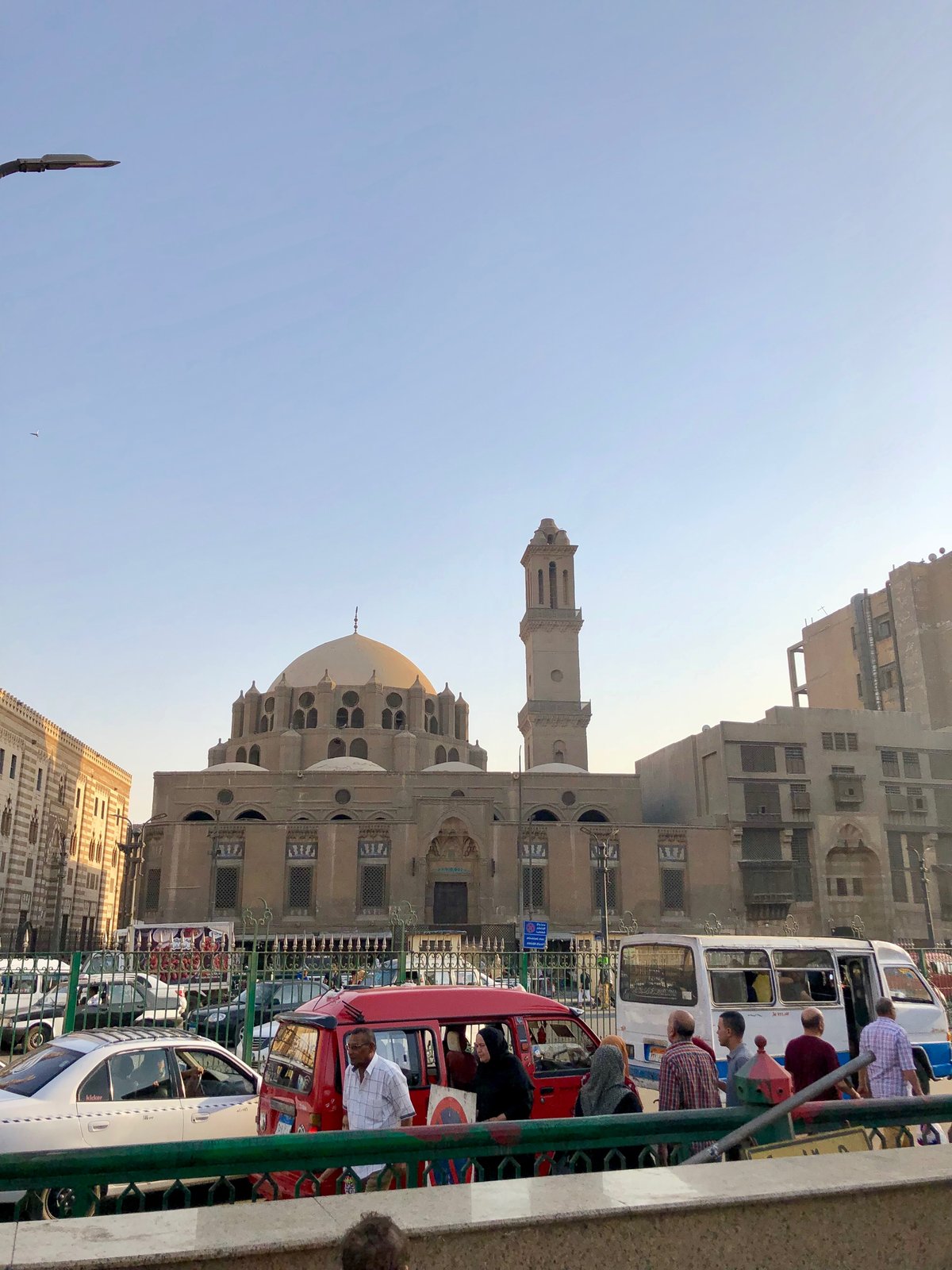
Nestled in the vibrant heart of Cairo's Islamic district, the Mosque of Aitmisch Al-Bagasi is an exceptional example of Mamluk architecture and a living testament to Egypt's layered religious and cultural history. Built during the Mamluk period (mid-13th to early 16th centuries), this mosque is celebrated for its intricate stonework, harmonious proportions, and enduring role within Cairo’s urban and spiritual landscape. Today, it continues to serve as an active house of worship and a focal point of community life, while attracting visitors eager to experience the artistry and atmosphere of medieval Islamic Cairo (ArchDaily; Islamic Landmarks).
This guide synthesizes historical research and practical visitor insights to provide a comprehensive overview of the mosque’s history, architecture, visitor experience, accessibility, and nearby attractions. Whether you are a history buff, architecture enthusiast, or cultural traveler, the Mosque of Aitmisch Al-Bagasi offers a rewarding journey into Cairo’s Islamic past and present.

Historical Background
The Mamluk Era and Mosque Patronage
The Mosque of Aitmisch Al-Bagasi was established during a period of significant architectural and cultural achievement in Cairo. The Mamluks, originally slave soldiers who rose to rule Egypt, transformed Cairo into a global center of Islamic civilization. Their reign is marked by a proliferation of mosques, madrasas, and charitable institutions, commissioned both for religious merit and to reinforce the authority and legacy of their patrons (ArchDaily).
Aitmisch Al-Bagasi, a prominent Mamluk emir, endowed this mosque as an act of piety and civic engagement. Such foundations (waqf) were integral to community life, providing education, charity, and spaces for social interaction alongside religious practice.
Architectural Evolution in Cairo
Mamluk architecture in Cairo is distinguished by its use of finely cut stone, geometric ornamentation, and the integration of multiple functions within a single complex. The Mosque of Aitmisch Al-Bagasi exemplifies these features, standing alongside other illustrious monuments in the city’s rich architectural tapestry (ArchNet).
Architectural Highlights
Exterior and Entrance
The mosque’s façade showcases the hallmark Mamluk craftsmanship: geometric stone patterns, elegant calligraphy, and a monumental entrance framed by muqarnas (stalactite-like forms). These details symbolize both spiritual aspirations and the civic pride of its founder (Cairo Tours Planner).
Minaret
A prominent minaret rises above the mosque, serving both as a functional element for the call to prayer and as a vertical marker in the cityscape. Its tiered structure and detailed stonework are typical of the Mamluk period.
Interior Layout
- Prayer Hall: Spacious and oriented toward the qibla, the hall features rows of columns or piers, an ornate mihrab (prayer niche), and a minbar (pulpit) for sermons.
- Dome: The central dome, adorned with intricate stucco and Quranic inscriptions, enhances acoustics and light within the prayer hall.
- Courtyard (Sahn): An open courtyard, surrounded by arcaded walkways, provides gathering space and natural ventilation.
Decorative Elements
- Stone Carvings & Calligraphy: The mosque is decorated with geometric motifs and Quranic inscriptions, reinforcing the unity and infinity of the divine (Cairo Tours Planner).
- Stucco & Tilework: Stucco embellishments and colored tiles, especially around the mihrab and dome, enrich the visual and spiritual experience.
Functional Spaces
- Madrasa & Mausoleum: The mosque complex historically included a madrasa (school) and a mausoleum for its founder, reflecting the Mamluk tradition of combining religious, educational, and commemorative functions (ArchNet).
- Sabil: A public fountain, if present, highlights the mosque’s charitable role.
Visiting the Mosque
Visiting Hours and Entry
- Opening Hours: Generally 8:00 AM to 5:00 PM daily. Note that the mosque may close during prayer times, especially on Fridays (Jumu’ah, approximately 12:00 PM–2:00 PM), and during religious holidays. Always verify current hours before visiting (Islamic Landmarks).
- Entry: Free for all visitors; donations for maintenance are appreciated.
- Guided Tours: Available through local tour operators and recommended for deeper historical context.
Dress Code and Entry Requirements
- Modest dress is required. Men should wear long pants and avoid sleeveless shirts. Women should cover arms, legs, and hair with a scarf.
- Shoes must be removed before entering the prayer hall.
- Respectful conduct and quiet are expected at all times.
Accessibility and Travel Tips
- Physical Accessibility: The mosque is in a historic area with narrow, uneven streets and steps. Wheelchair access is limited; visitors with mobility challenges should plan ahead and consider arranging private guided assistance (JourneyAble).
- Facilities: Restrooms may not be available onsite; use facilities at nearby venues.
- Getting There: Located on Sikkat Al-Mahgar Street in Al-Darb Al-Ahmar, accessible by taxi, ride-hailing apps (Uber, Careem), or a short walk from Al-Azhar metro station.
- Safety: The area is generally secure. Standard urban precautions apply.
Special Events and Guided Tours
- Cultural events and lectures are occasionally held in the mosque.
- Guided tours can be booked in advance and may include access to additional areas and neighboring attractions.
Urban Context and Significance
Integration with Islamic Cairo
The mosque forms part of a dense cluster of historic monuments in Islamic Cairo, including the nearby Al-Azhar Mosque, Khan El Khalili Bazaar, and Al-Muizz Street. This area is renowned for its concentration of Islamic architecture and vibrant street life (Egipto Exclusivo).
Preservation and Legacy
Conservation efforts are ongoing to protect the mosque and its surroundings, recognizing its value as both a religious site and a cultural landmark (Cairo Tours Planner).
Notable Comparisons and Cultural Impact
The Mosque of Aitmisch Al-Bagasi can be compared with other Mamluk-era structures such as the Sultan Hassan Mosque and the Mosque-Madrassa of Sultan Barquq, sharing monumental scale, intricate ornamentation, and multifunctional design (ArchDaily). Its artistic innovations and continued use have influenced generations of architects and artisans, contributing to Cairo’s global reputation as the “City of a Thousand Minarets.”
Visitor Experience and Practical Tips
Arrival and First Impressions
Arriving at the mosque, visitors are greeted by the striking stone façade and the minaret rising above the district. Early morning or late afternoon visits are ideal for photography and avoiding crowds.
Navigating the Mosque
- Wear sturdy, comfortable shoes.
- Expect uneven surfaces and steps.
- Photography is generally allowed, but always ask before photographing people or ceremonies.
Etiquette and Safety
- Remain quiet and respectful, especially during prayers.
- Greet staff with “Salam Alaikum.”
- Remove shoes before entering sacred spaces.
- Be mindful of local customs and seek permission before participating in religious practices.
Nearby Attractions and Dining
- Nearby Sites: Al-Azhar Mosque, Khan El Khalili Bazaar, Al-Muizz Street, Citadel of Cairo, Blue Mosque, Mosque of Ibn Tulun, Amr Ibn Al-As Mosque, Grand Egyptian Museum (opening 2025).
- Dining: Numerous local cafés and eateries offer traditional Egyptian cuisine. For greater comfort, consider dining in modern areas or hotels nearby.
Frequently Asked Questions (FAQ)
Q: What are the opening hours of the Mosque of Aitmisch Al-Bagasi?
A: Typically 8:00 AM to 5:00 PM daily, but hours may vary during religious holidays and Friday prayers.
Q: Is there an entry fee?
A: Entry is free; donations are welcome.
Q: Are guided tours available?
A: Yes, many tour operators include the mosque in Islamic Cairo itineraries.
Q: Is the mosque accessible for people with disabilities?
A: Accessibility is limited due to historic architecture; contact local operators for assistance.
Q: Can non-Muslims visit the mosque?
A: Yes, outside of prayer times, with appropriate dress and respectful behavior.
Q: Is photography permitted?
A: Yes, but always seek permission before photographing worshippers.
Listen to the full story in the app
The whole Mosque Of Aitmisch Al-Bagasi,
told well.
Audio guides for 1,100+ cities across 96 countries. History, stories, and local insight — offline ready.
Verified, and shown.
Researched and written by the Audiala editorial team from historical records, architectural archives, and local expertise.
Researched from Wikidata, Wikipedia & official sources · fact-checked · How we make our guides →