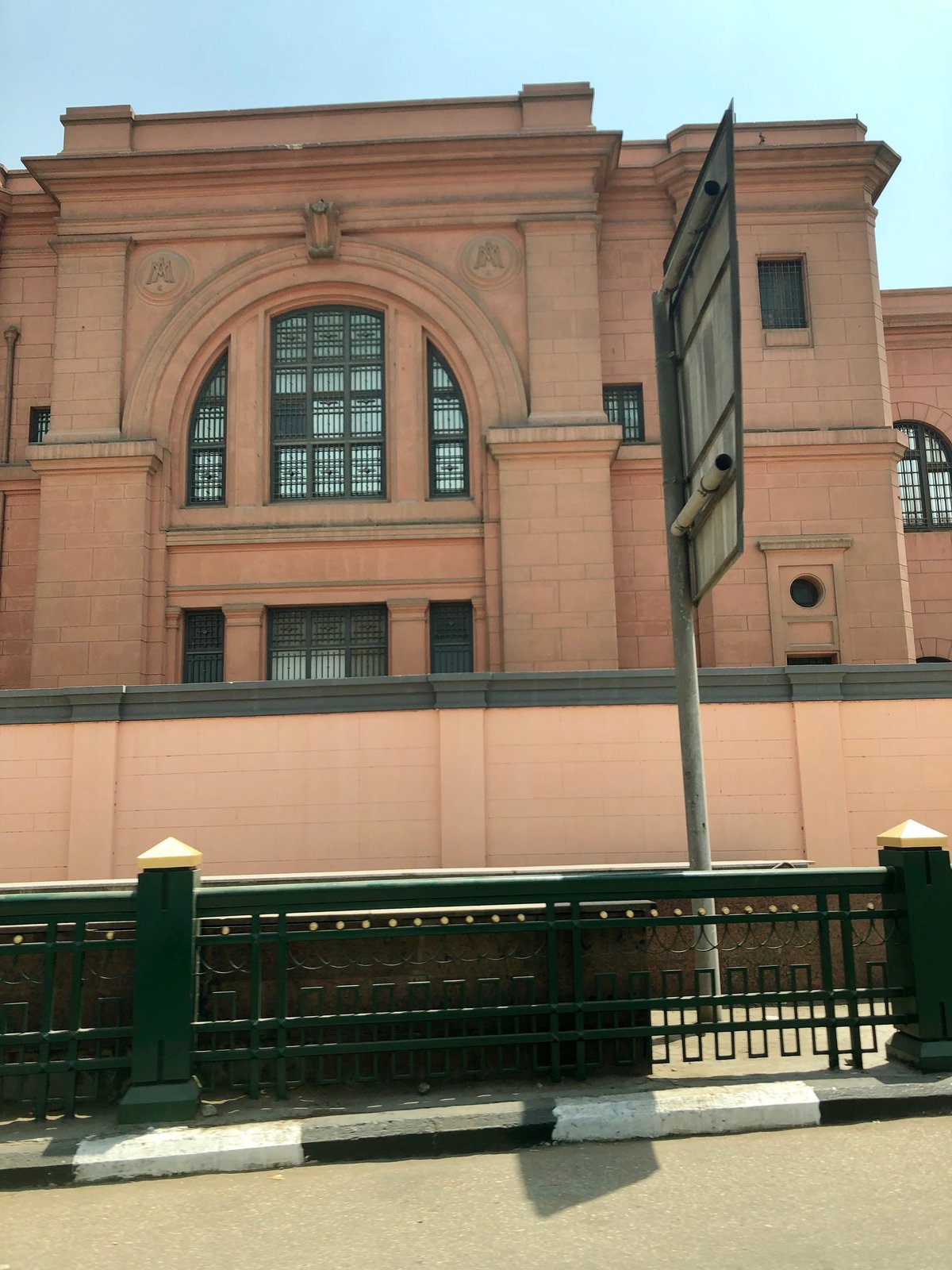
Plan and listen to Madrasa Of Amir Sunqur Sa'Di with Audiala.
Audio guide in your pocket, itinerary in your browser. Built for the way you actually visit.
Introduction
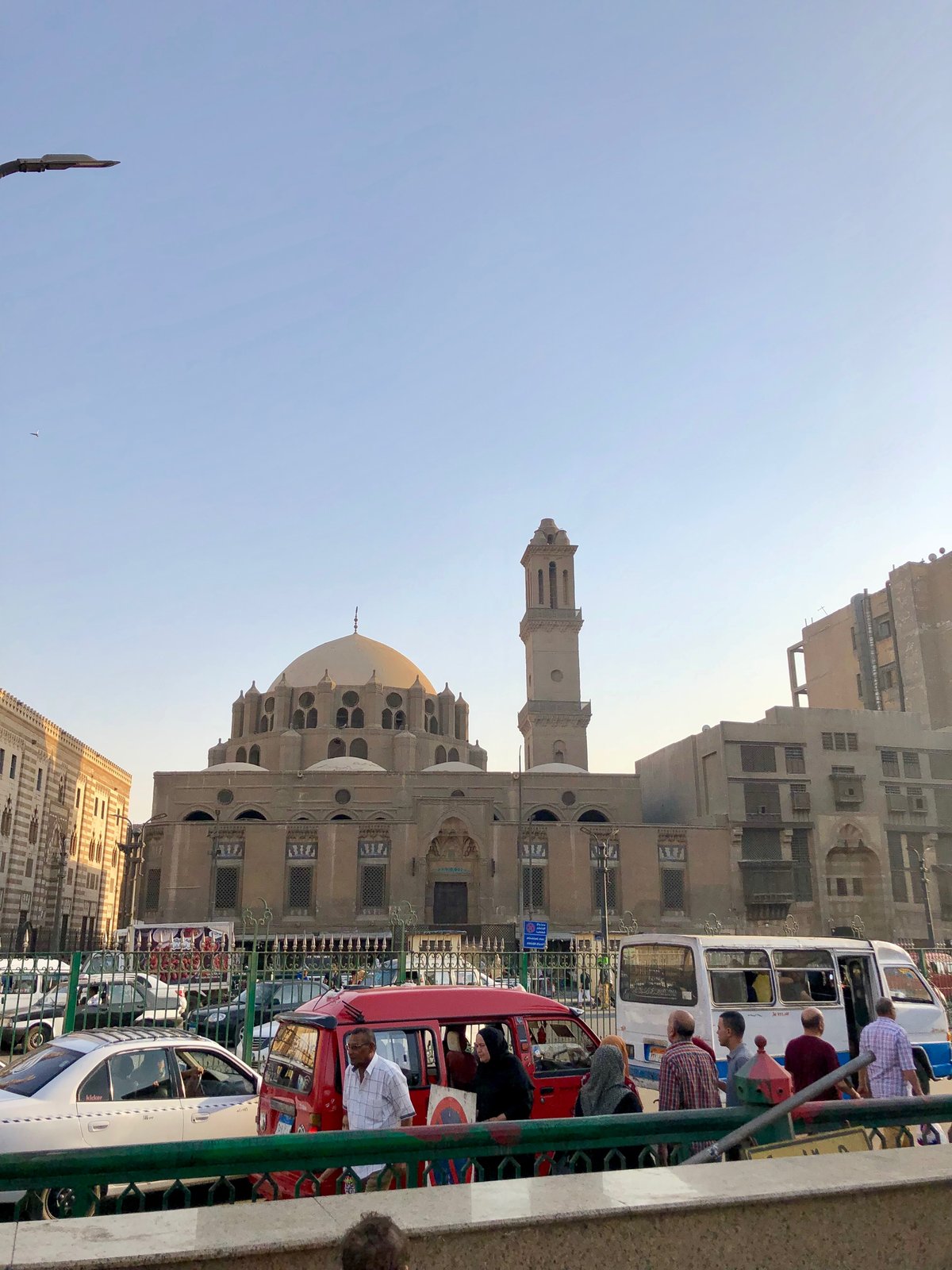
Nestled in the heart of Islamic Cairo, the Madrasa of Amir Sunqur Sa’di is a masterpiece of Mamluk architecture and a living testament to the city’s layered religious and cultural history. Founded in 1315 CE by Amir Sunqur Sa’di, a high-ranking military commander under Sultan al-Nasir Muhammad, the site began as a center for Islamic juridical education and spiritual reflection. Over the centuries, it evolved, serving as a Sufi lodge (Mevlevi tekke) during the Ottoman era, and now as part of the Mevlevi (Mawlawi) Museum complex. Its architectural splendor, rich artistic details, and vibrant cultural legacy make it a must-see for history enthusiasts and travelers to Cairo (Archnet; Aga Khan Trust for Culture; Wikipedia; Discover Islamic Art).
This guide offers a comprehensive look at the madrasa’s origins, architectural highlights, visitor information, and practical tips to make your visit enriching and memorable.

Historical Context and Patronage
The Madrasa of Amir Sunqur Sa’di was commissioned by its namesake during the zenith of Mamluk Cairo’s prosperity. Intended as both a madrasa (Islamic school) and a mausoleum, the complex was completed in 1321 CE. However, due to political turbulence, Sunqur Sa’di was exiled and never buried in his own mausoleum. Instead, the tomb became the resting place of Sheikh Hasan Sadaqa, reflecting the evolving religious and communal significance of the site (Archnet; Wikipedia).
Architectural Significance and Features
The madrasa is celebrated for its four-iwan plan—a hallmark of Mamluk educational architecture—where four vaulted halls surround a central courtyard. Crafted from ablaq masonry (alternating bands of light and dark stone), the monumental portal features muqarnas (stalactite-like decorations), intricate inscriptions, and geometric motifs (Aga Khan Trust for Culture; Discover Islamic Art).
The mausoleum’s dome is adorned with unique stucco and Quranic inscriptions, while the prayer hall’s mihrab boasts marble mosaic and carved stucco. The interior’s spatial organization—courtyard, iwans, and mausoleum—is both functional and symbolic, supporting education, worship, and commemoration.
Notably, the same complex houses the semahane, an Ottoman-era addition used by Mevlevi dervishes for their whirling rituals, adding another cultural layer to the building’s history.
Sufi Transformation: The Mevlevi Lodge
In the 17th century, the madrasa was adapted as a Mevlevi Sufi lodge, integrating a semahane for the whirling dervish ceremonies. This transformation exemplifies Cairo’s dynamic religious landscape, where sacred spaces are repurposed to serve new spiritual communities. Today, the complex is part of the Mevlevi (Mawlawi) Museum, which preserves Sufi artifacts and explains the Mevlevi order’s influence in Egypt (Wikipedia; Open Library).
Visitor Information
Location and Access
The Madrasa of Amir Sunqur Sa’di is situated on Sharia al-Suyufiyya, near Saliba Street, in the district of Islamic Cairo. The closest metro station is Sayeda Zeinab, about a 5-minute walk away. Taxis and ride-hailing services can also bring you directly to the site (That Travel; Miss Tourist).
Visiting Hours and Tickets
- Opening Hours: 9:00 AM to 5:00 PM daily (may vary during Ramadan and public holidays).
- Tickets: 60 EGP for foreign visitors, 20 EGP for Egyptians, with discounts for students and children. Tickets are available at the entrance.
- Photography: Allowed in most areas, but flash and tripods may be restricted, especially near the mausoleum.
Accessibility and Facilities
Some areas have uneven flooring and steps typical of medieval architecture, but restoration has improved pathways. Restrooms are available, but facilities are basic. The site is generally accessible, though full access for visitors with mobility challenges may be limited.
Guided Tours
Guided tours in English, Arabic, and sometimes French are available and highly recommended for deeper insight into the madrasa’s architectural and spiritual significance. Knowledgeable guides can be booked on-site or through reputable agencies (Open Library).
Dress Code and Etiquette
Out of respect for the religious nature of the site:
- Dress modestly (long trousers and sleeved shirts for men; covered arms and legs for women, with a headscarf recommended in prayer areas).
- Shoes may need to be removed in certain interior spaces.
- Maintain quiet and respectful behavior, especially during religious events (That Travel).
Safety and Security
The area is generally safe during the day, with a visible police presence. As with all tourist sites, remain vigilant against petty theft and avoid unofficial guides. Women travelers may feel more comfortable in groups or with a guide.
Nearby Attractions and Itinerary Planning
The madrasa is ideally located for exploring other key Islamic Cairo landmarks, including:
- Mosque of Ibn Tulun
- Mosque-Madrasa of Sultan Hassan
- Gayer-Anderson Museum
Consider combining these sites for a fulfilling half- or full-day walking tour (That Travel).
Practical Tips for Visitors
- Best Time to Visit: October to April for milder weather; early mornings for fewer crowds.
- Hydration: Bring bottled water; local juice stalls are nearby.
- Footwear: Wear comfortable, closed-toe shoes.
- Cash: Have small denominations for tickets and tips.
- Language: English is widely spoken at tourist sites, but basic Arabic phrases are helpful.
- Sustainability: Support local artisans, avoid animal rides, and minimize waste (That Travel).
Frequently Asked Questions (FAQ)
Q: What are the visiting hours for the Madrasa of Amir Sunqur Sa’di?
A: 9:00 AM to 5:00 PM daily; hours may vary during Ramadan and public holidays.
Q: How much is the entrance ticket?
A: 60 EGP for foreigners, 20 EGP for Egyptians, with student and child discounts.
Q: Is the site accessible for visitors with mobility issues?
A: Main pathways are accessible, but some areas have steps and uneven floors.
Q: Are guided tours available?
A: Yes, in English, Arabic, and French; book on-site or with agencies.
Q: Can I take photos inside?
A: Yes, except in some sensitive areas; follow posted restrictions.
Listen to the full story in the app
The whole Madrasa Of Amir Sunqur Sa'Di,
told well.
Audio guides for 1,100+ cities across 96 countries. History, stories, and local insight — offline ready.
Verified, and shown.
Researched and written by the Audiala editorial team from historical records, architectural archives, and local expertise.
Researched from Wikidata, Wikipedia & official sources · fact-checked · How we make our guides →