
Origins and Construction of the Khedivial Opera House
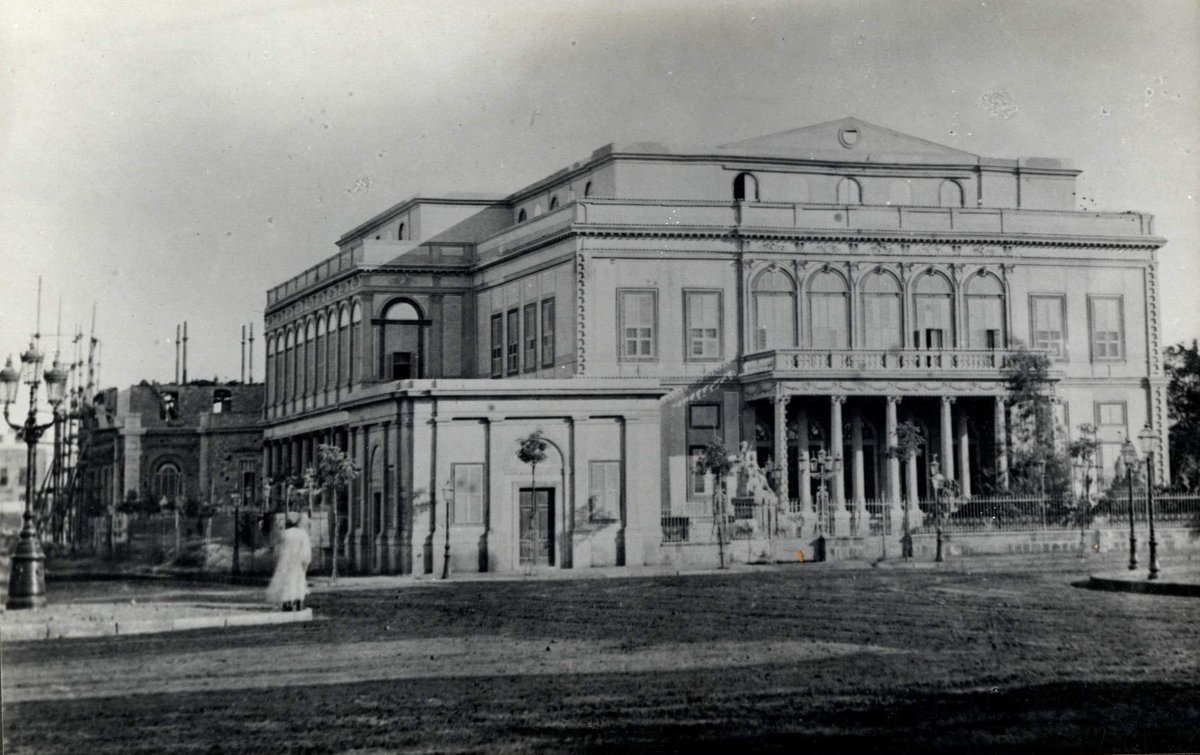
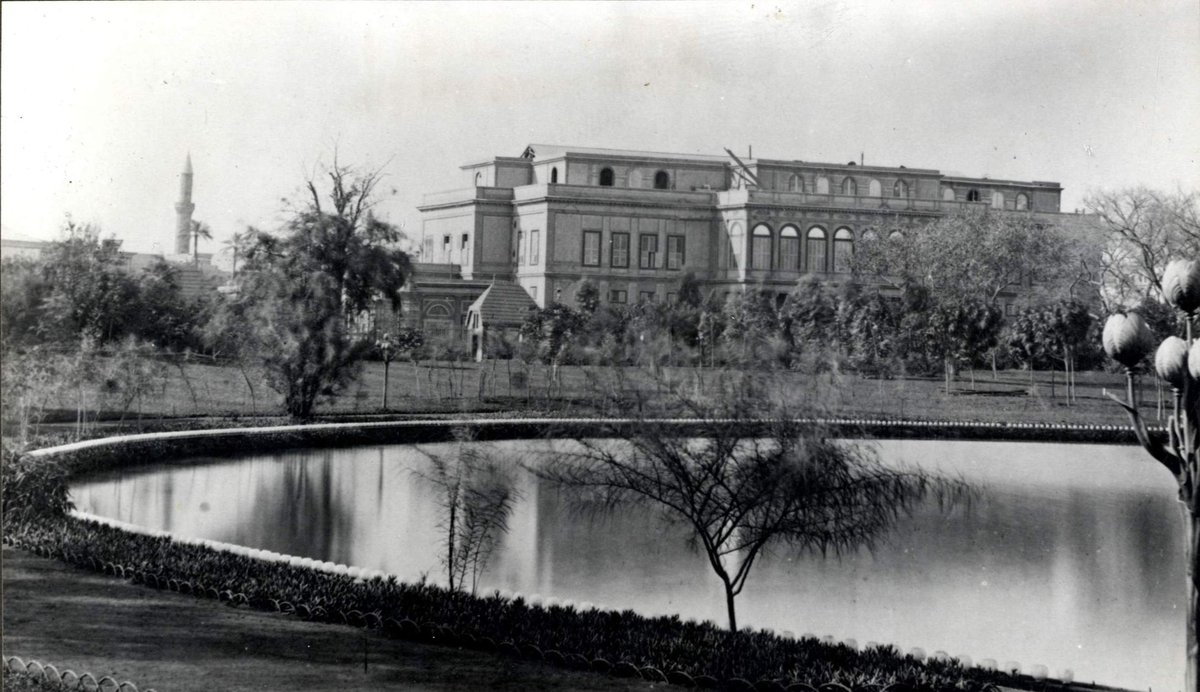
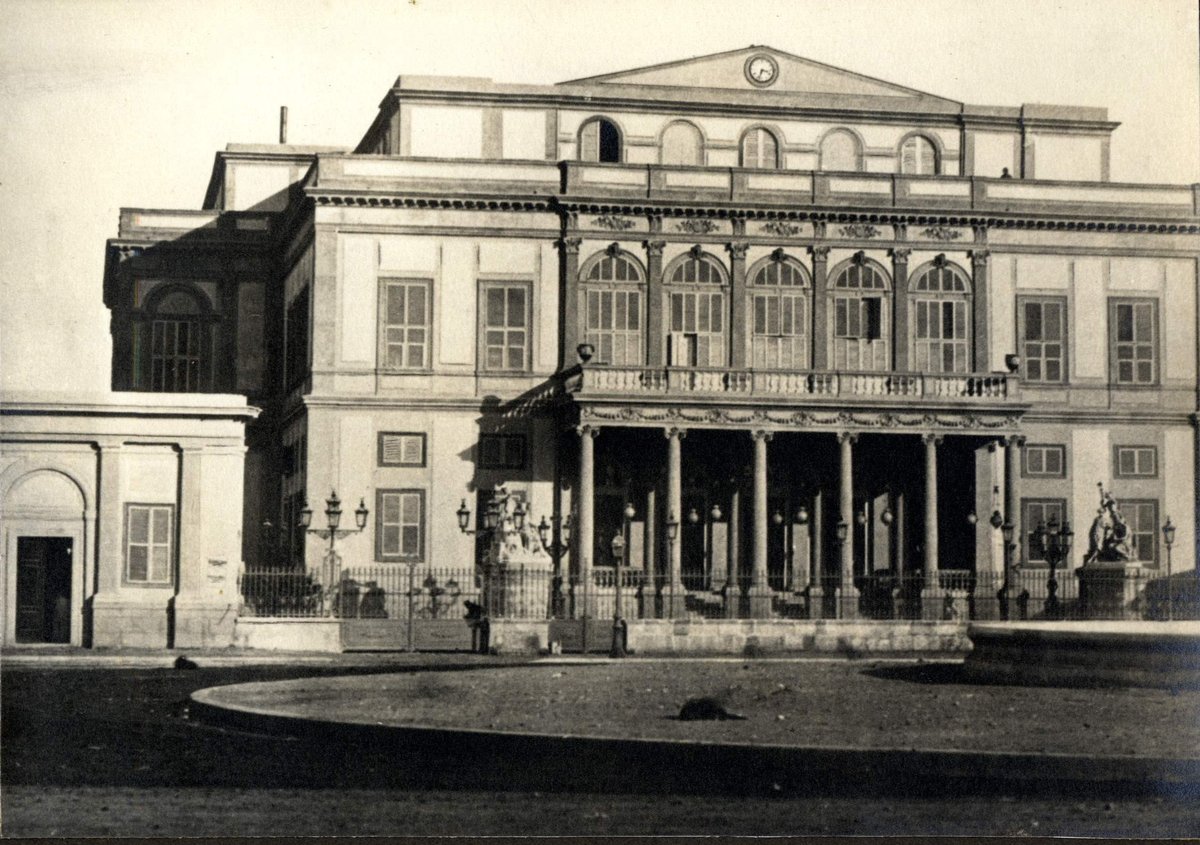
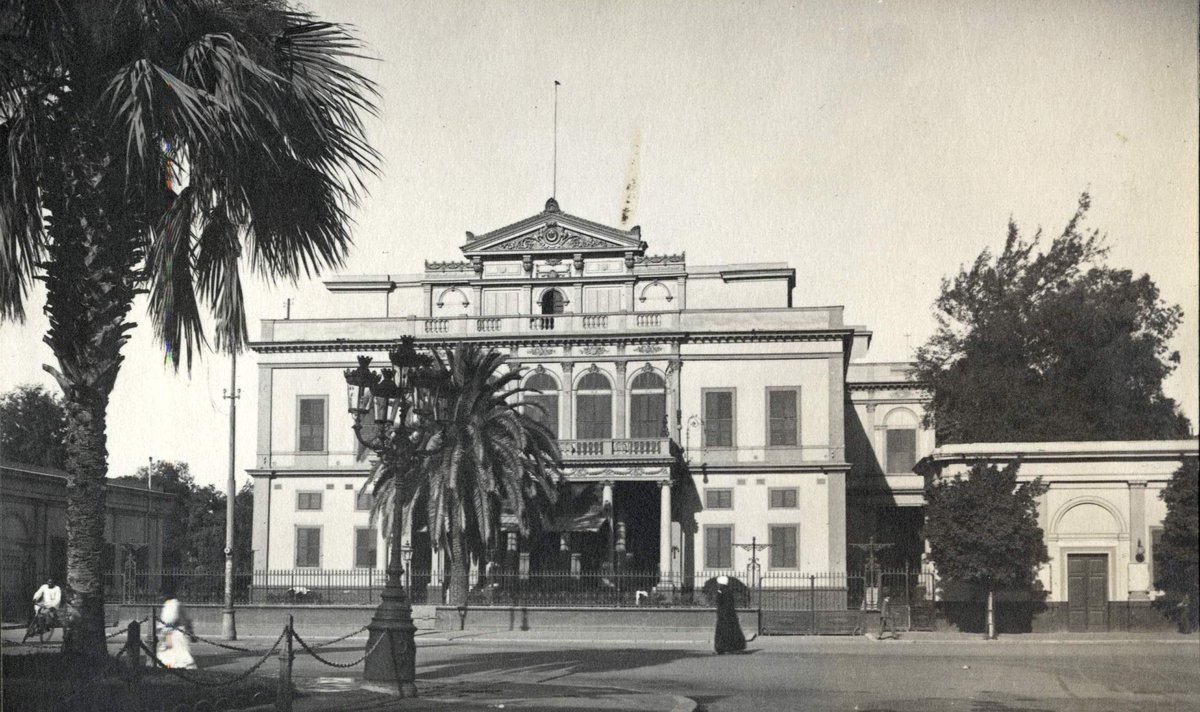
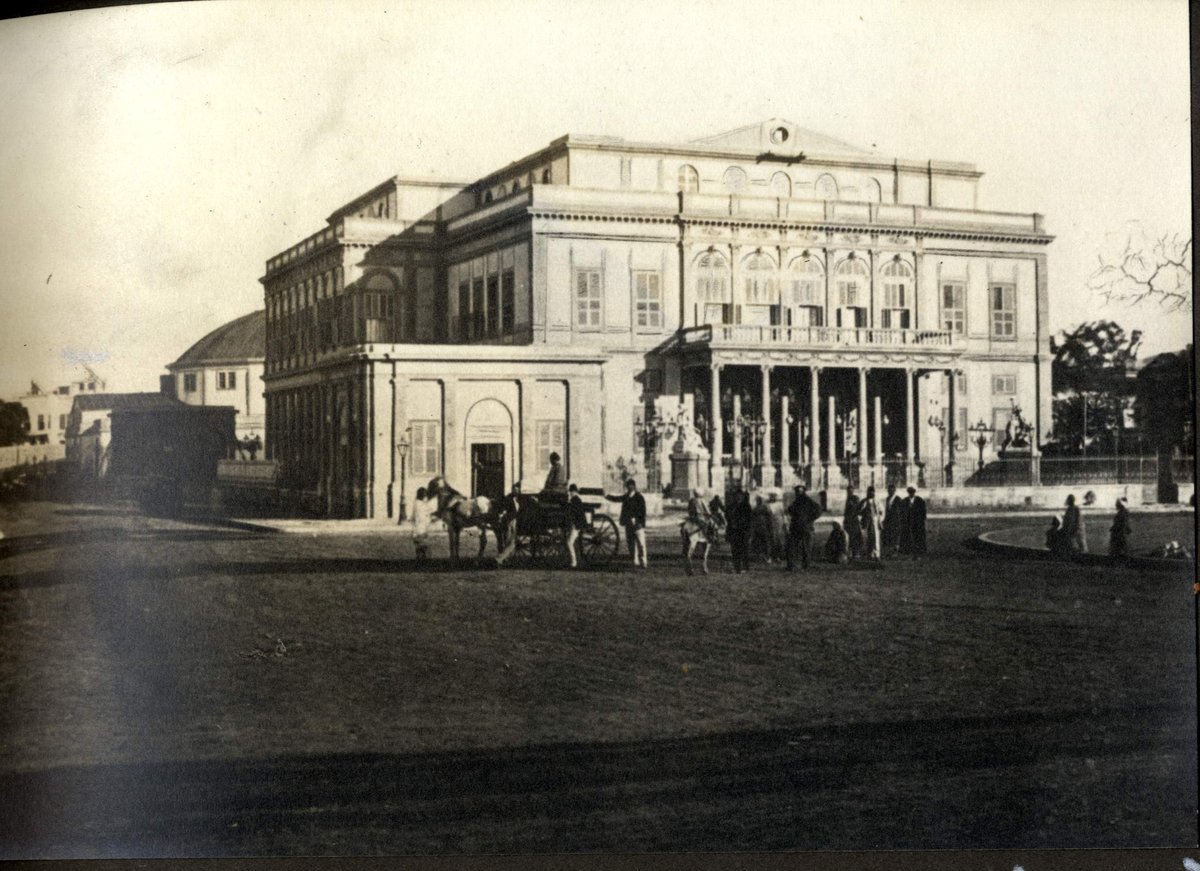
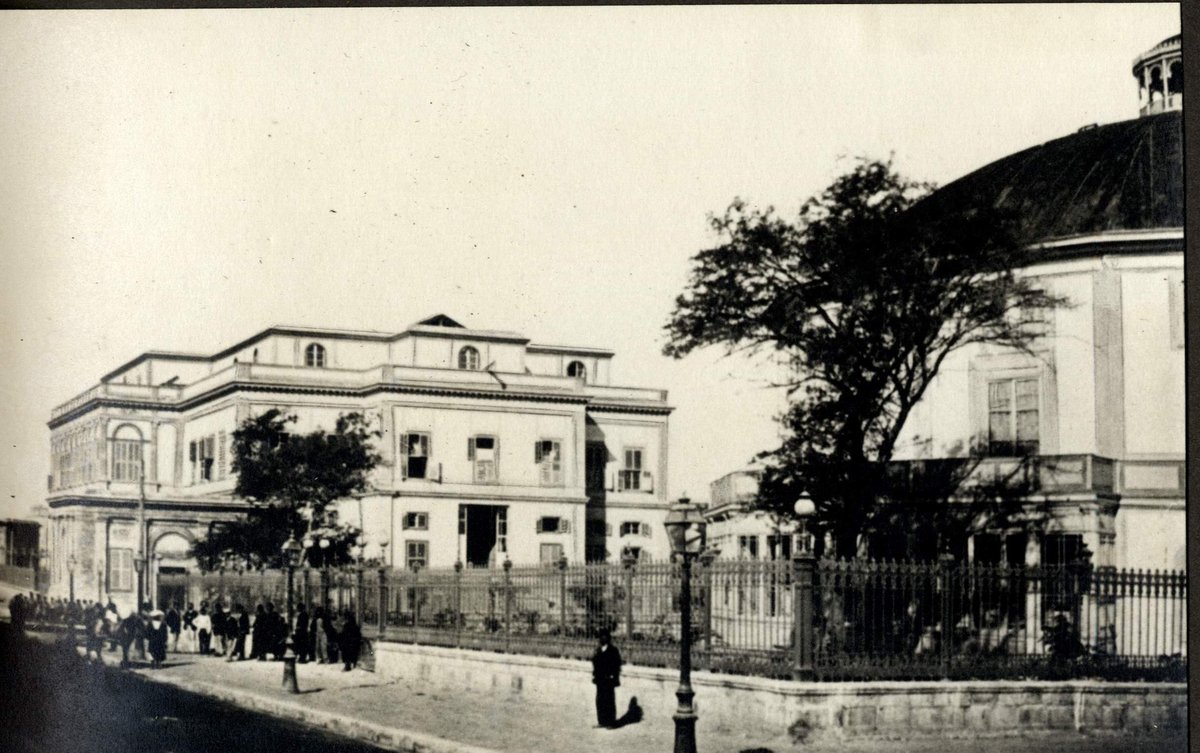
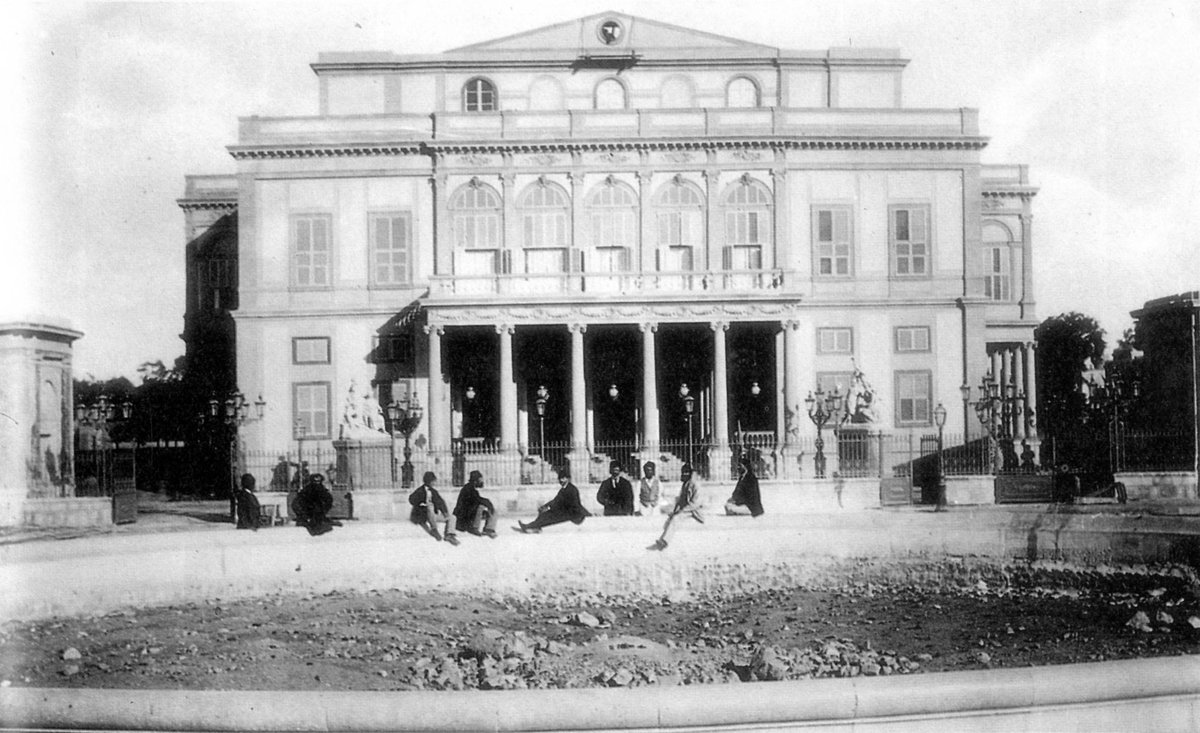
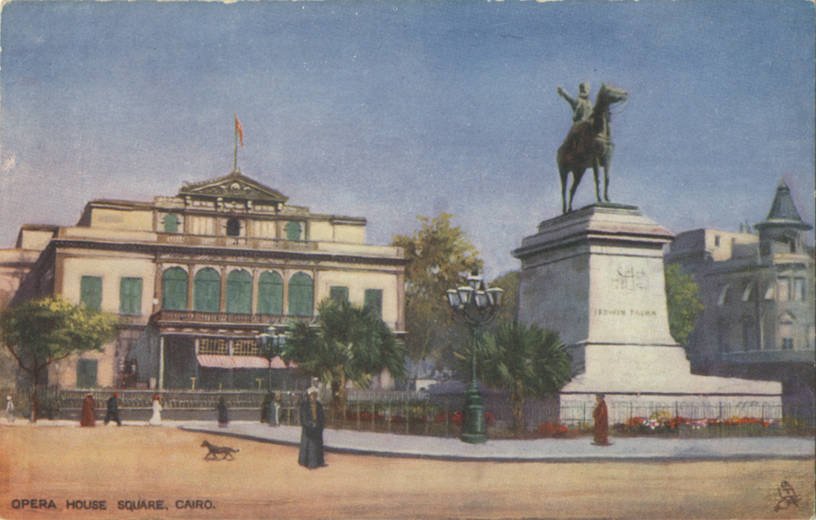
Commissioned by Khedive Ismail as a statement of Egypt’s modern identity, the Khedivial Opera House was constructed in alignment with the opening of the Suez Canal in 1869. The design, by Pietro Avoscani and Mario Rossi, reflected European neoclassical sensibilities, featuring a stately façade, grand portico, and ornate interiors. Remarkably, the building was completed in just six months, utilizing wood as the primary material—a decision that enabled rapid construction but later contributed to its vulnerability (Cairo360).
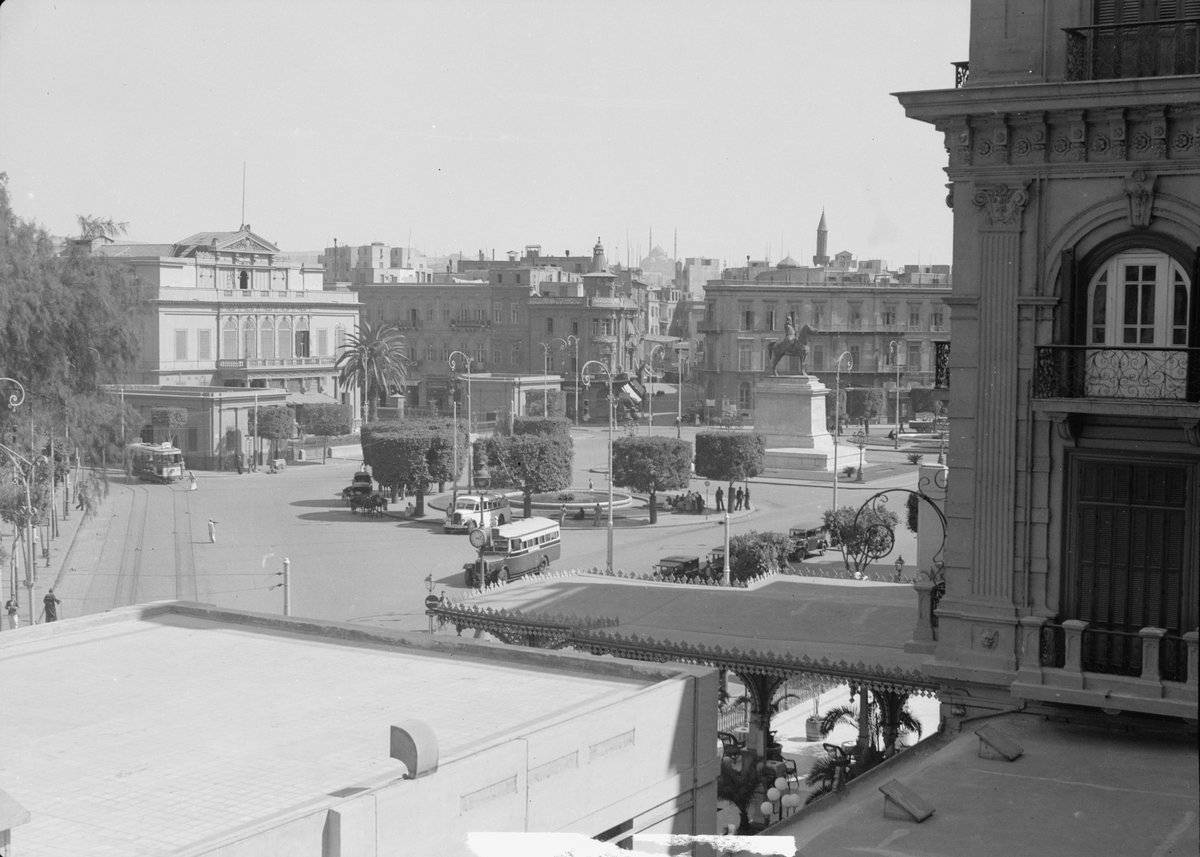
The opera house’s location in the Azbakiya district, a burgeoning cultural quarter of Cairo, underscored its role as a nucleus for artistic innovation and social gatherings.
Inauguration, Architecture, and Early Years
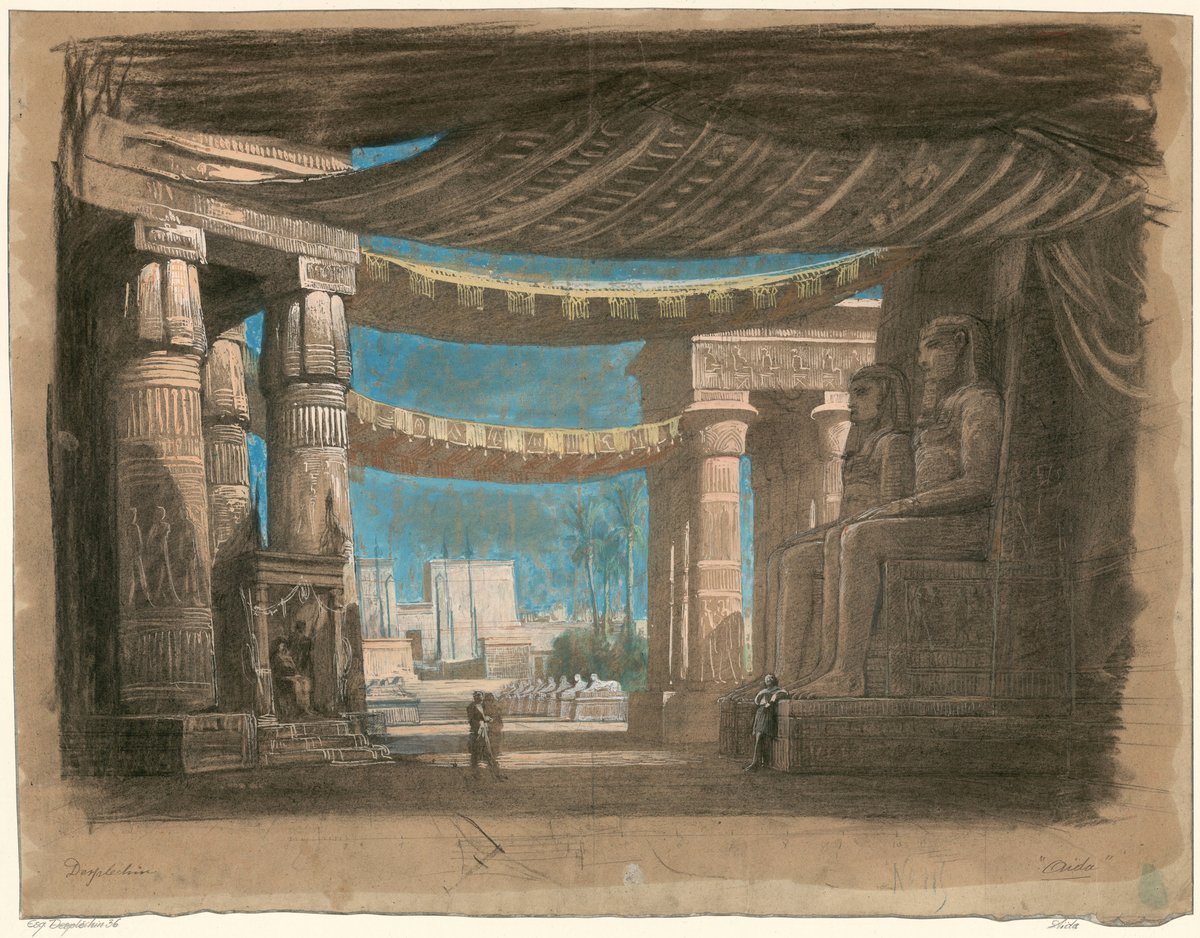
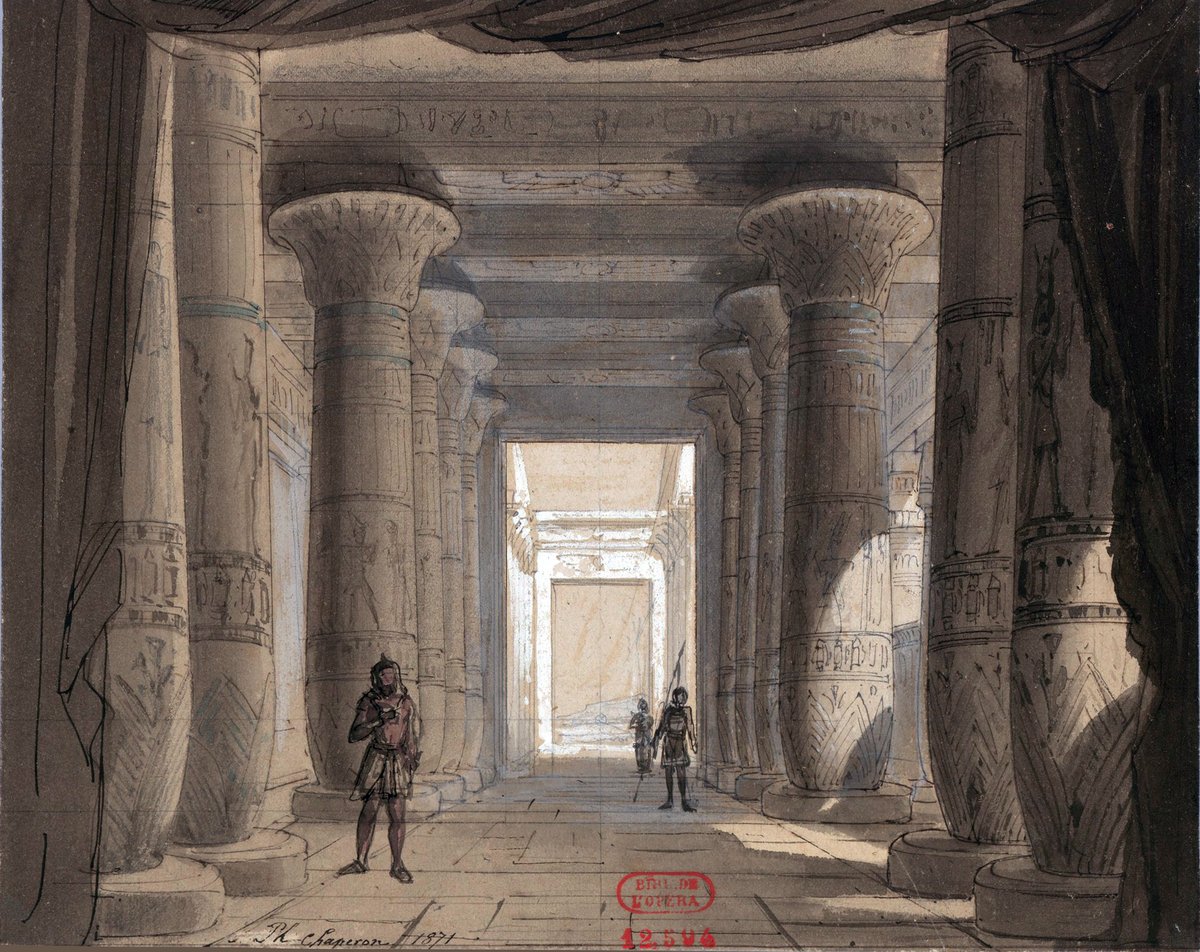
The official opening on November 1, 1869, was attended by European and Middle Eastern dignitaries. Although Verdi’s "Aida" had been planned for the debut, delays forced the opera house to open with "Rigoletto" instead. "Aida" premiered in December 1871 and quickly became synonymous with the venue and Egyptian cultural pride (Egyptian Streets).
The interior featured a lavish auditorium with about 850 seats, adorned in gold leaf, velvet, and frescoes. Private boxes provided privacy for elite attendees, including the harem, while behind the scenes, workshops enabled costume and set production. The venue’s programming initially centered on Italian opera, later expanding with translated librettos and performances by French ballet troupes (Cambridge Chamber Ensemble).
The Cultural Role of “Aida” and Egyptian Identity
Commissioned specifically to celebrate the Suez Canal, Verdi’s "Aida" is deeply woven into the fabric of Egyptian cultural identity. The opera’s setting in ancient Egypt, paired with its grand staging and music, made it a fixture of national celebrations and an emblem of Egypt’s engagement with global art. "Aida" has been performed at significant historical events and remains a touchstone for Egyptian creativity and pride (Egyptian Streets).
Decline, Destruction, and the Modern Cairo Opera House
After more than a century as Cairo’s premier cultural venue, the original opera house was destroyed by fire on October 28, 1971. The loss was felt deeply, leaving a cultural void until the modern Cairo Opera House opened in 1988 in Zamalek, with support from the Japanese government. The new complex was designed to honor the legacy of its predecessor while incorporating modern Islamic architectural elements. Today, it is Egypt’s National Cultural Centre and the home of the Cairo Symphony Orchestra, Cairo Opera Company, Ballet, and other resident ensembles (Cairo360).
Visiting Information: Hours, Tickets, and Accessibility
Location and Access
- Address Gezira Island (El-Gezira), Zamalek, Cairo.
- Access By car, taxi, or Cairo Metro (Opera Station, Line 2). Traffic can be heavy, so plan accordingly (Egyptatours).
Visiting Hours
- Box Office Typically open from 10:00 AM to 8:00 PM; may extend on performance nights.
- Performance Times Vary by event; check the official website for schedules.
Tickets
- Purchase Online via the Cairo Opera House website, at the box office, or through authorized vendors.
- Prices Generally range from 50 EGP (local performances) to over 500 EGP (international/gala events). Advance booking is recommended for popular shows (Encounterstravel).
Accessibility
- Facilities Ramps, elevators, and accessible seating are available.
- Guided Tours Offered in Arabic and English; advance booking required.
Dress Code and Visitor Etiquette
- Dress Smart casual for most events; semi-formal or formal for gala nights.
- Etiquette Arrive at least 30 minutes early, silence phones, and refrain from photography during performances.
Notable Performances, Events, and Museum Collections
Since its inception, the opera house has hosted an array of world-class performances, including the legendary premiere of "Aida" and appearances by global stars such as Plácido Domingo and Andrea Bocelli. Annual events include the Cairo Opera Festival, Arab Music Festival, and Cairo International Film Festival. The Opera Museum on-site documents the history and artistry of both the original and modern opera houses, with displays of costumes, photographs, and archival materials (Egyptatours).
Tips for Visitors and Nearby Attractions
- Nearby Sites Cairo Tower, Egyptian Museum, and Zamalek’s lively art galleries and cafes.
- Dining Opera House cafes serve refreshments; Zamalek offers a range of restaurants and bars.
- Parking Limited; public transport or ride-hailing apps (Uber, Careem) are convenient alternatives.
- Weather & Customs Dress for the season and respect local customs, especially during Ramadan.
Frequently Asked Questions (FAQ)
Can I visit the original Khedivial Opera House?
The original structure no longer exists; its site is now a parking garage near Tahrir Square, marked by a commemorative plaque.
Where can I watch opera in Cairo today?
At the modern Cairo Opera House in Zamalek, which hosts a full calendar of performances.
What are the Cairo Opera House’s opening hours?
Box office: 10:00 AM–8:00 PM; performance times vary.
Is the Cairo Opera House wheelchair accessible?
Yes, accessible facilities are provided.
Are guided tours available?
Yes, in both Arabic and English by advance arrangement.
How do I buy tickets?
Purchase online, at the box office, or through authorized vendors.
What should I wear?
Smart casual attire is appropriate; more formal dress for gala events.
Explore More
- Cairo Historical Sites
- Egyptian Opera and Ballet
- Cairo Opera House Official Website
- Museum of Modern Egyptian Art
- Cairo Tower