Plan and listen to Ḩadīqat Al Azbakīyah with Audiala.
Audio guide in your pocket, itinerary in your browser. Built for the way you actually visit.
Introduction
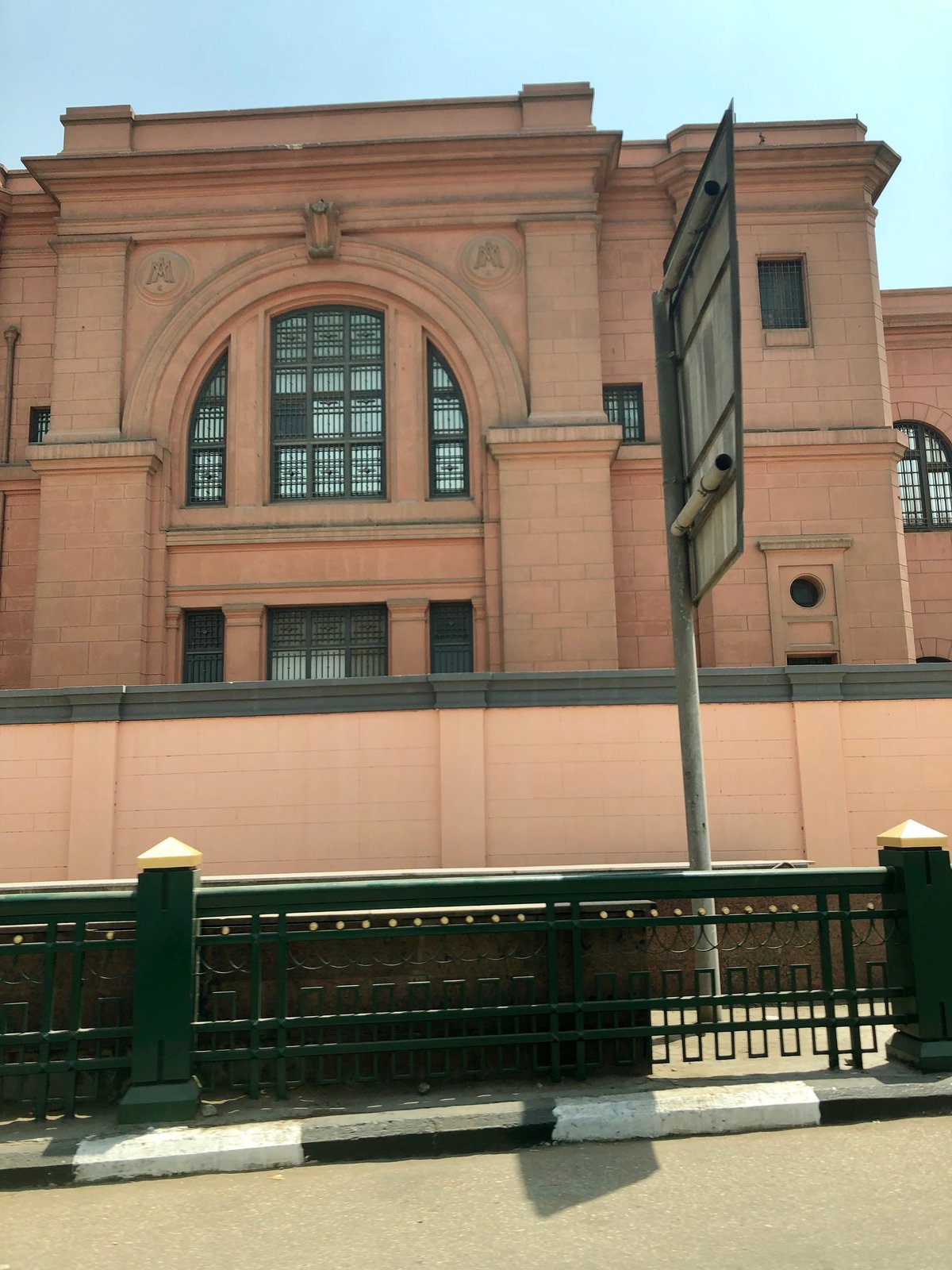
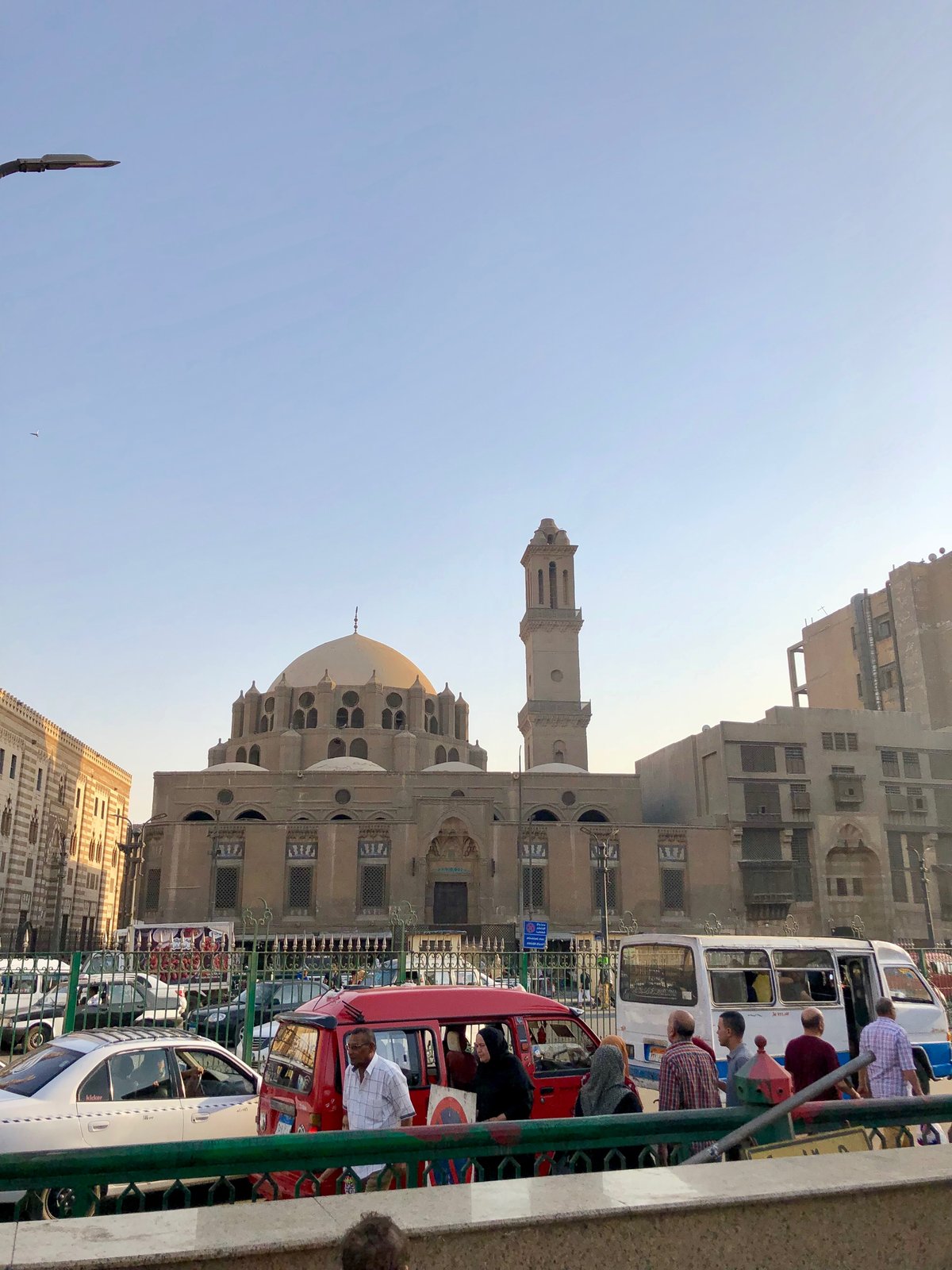
Nestled in the heart of Cairo, Ḩadīqat Al Azbakīyah—often called Azbakeya Garden—is one of the city’s most enduring historical green spaces. This lush urban oasis has witnessed centuries of Egypt’s social, cultural, and architectural evolution. From its Mamluk origins to its golden age under Khedive Ismail and its continued role as a public park, Azbakeya Garden stands as a living testament to Cairo’s layered history. This comprehensive guide covers everything you need to know about visiting hours, ticket information, the garden’s rich heritage, and practical tips for a rewarding visit.
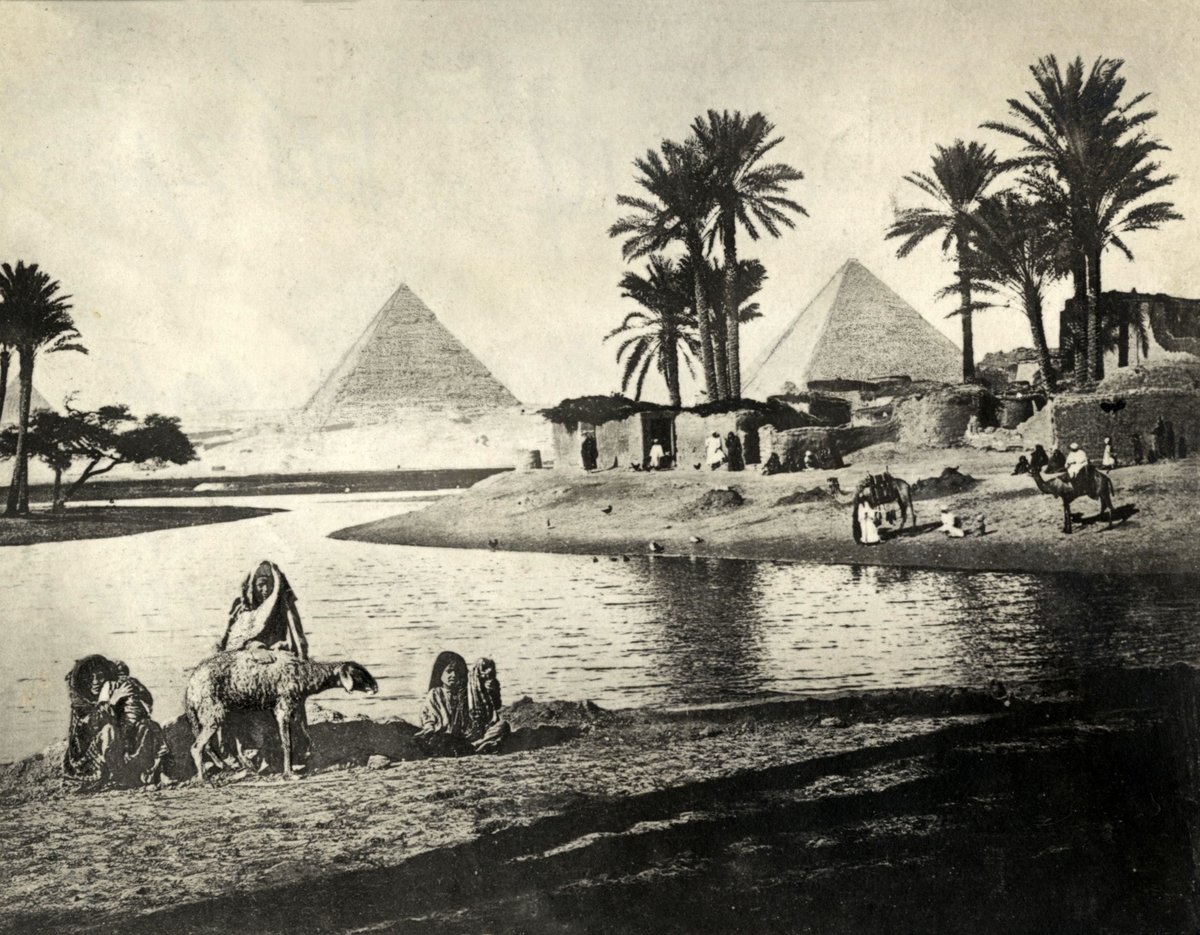
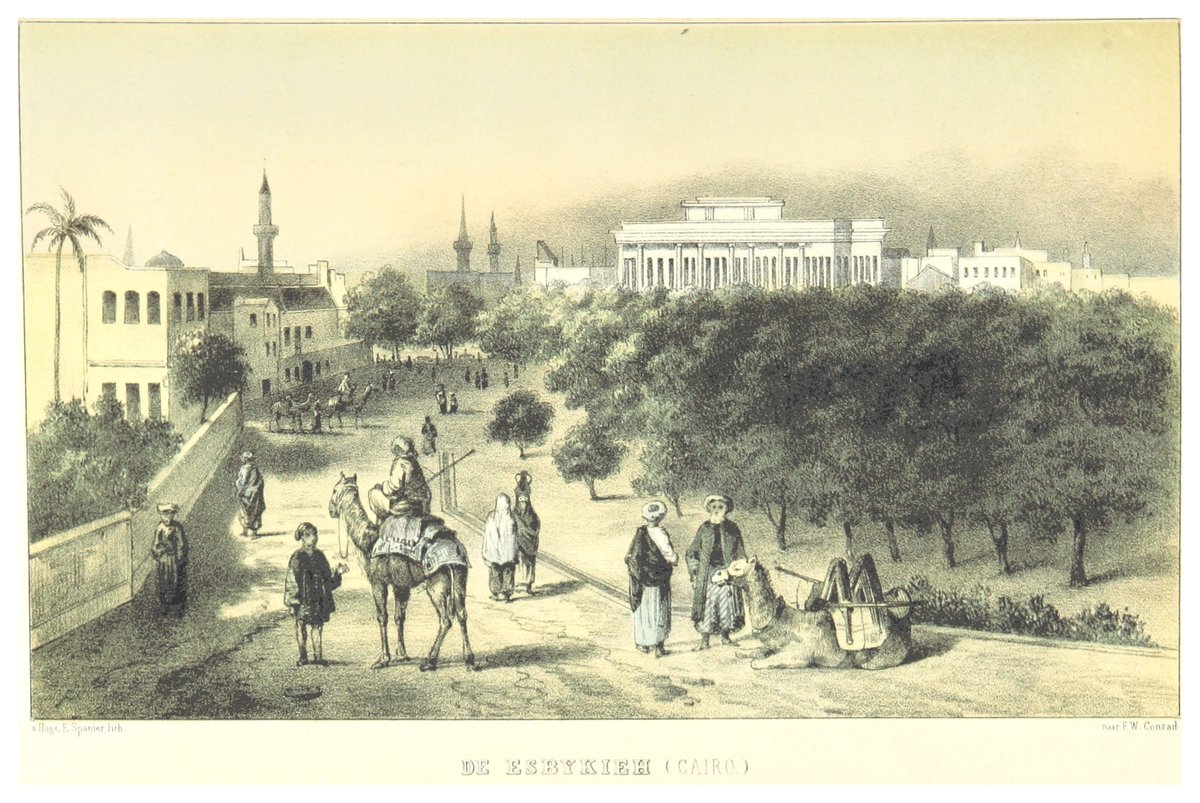
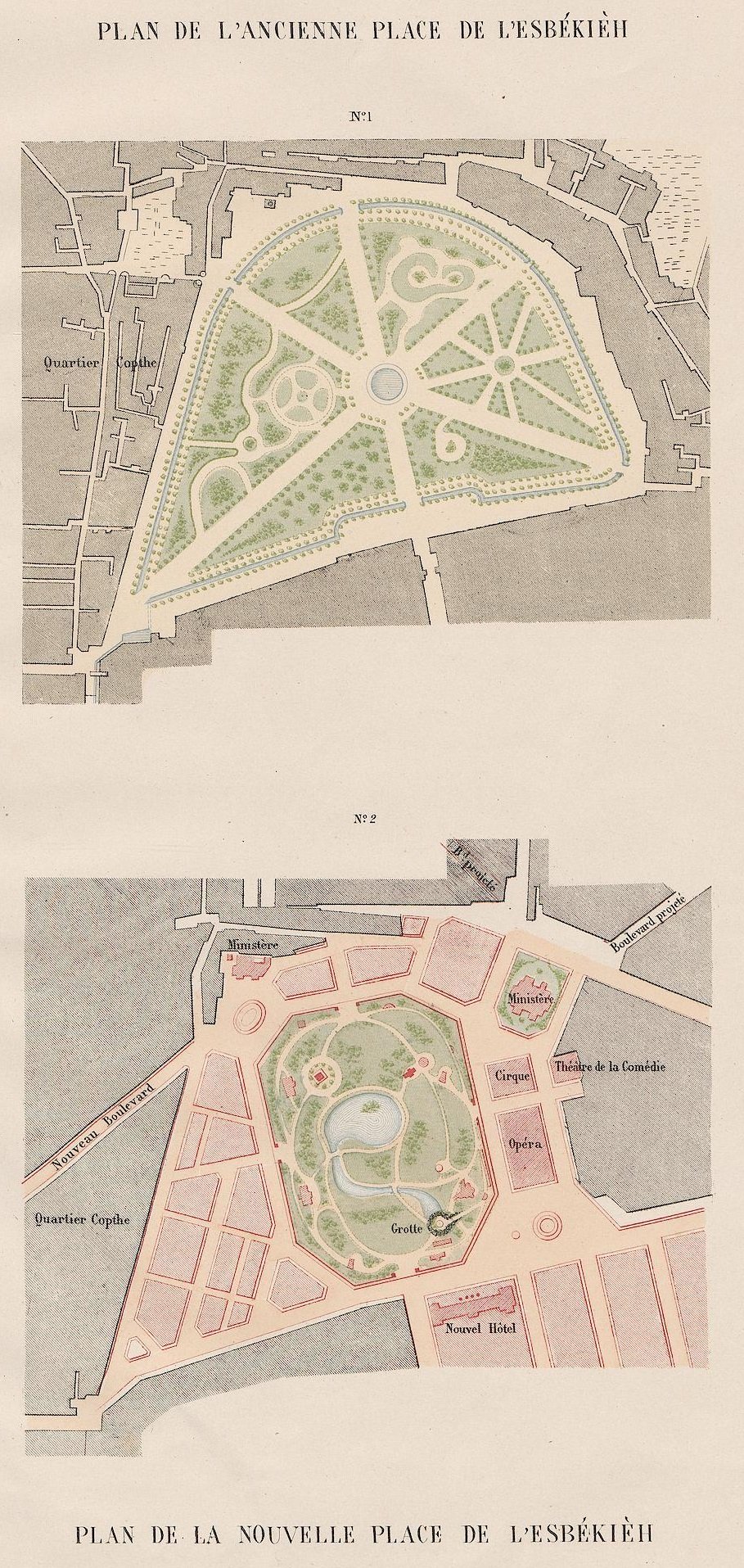
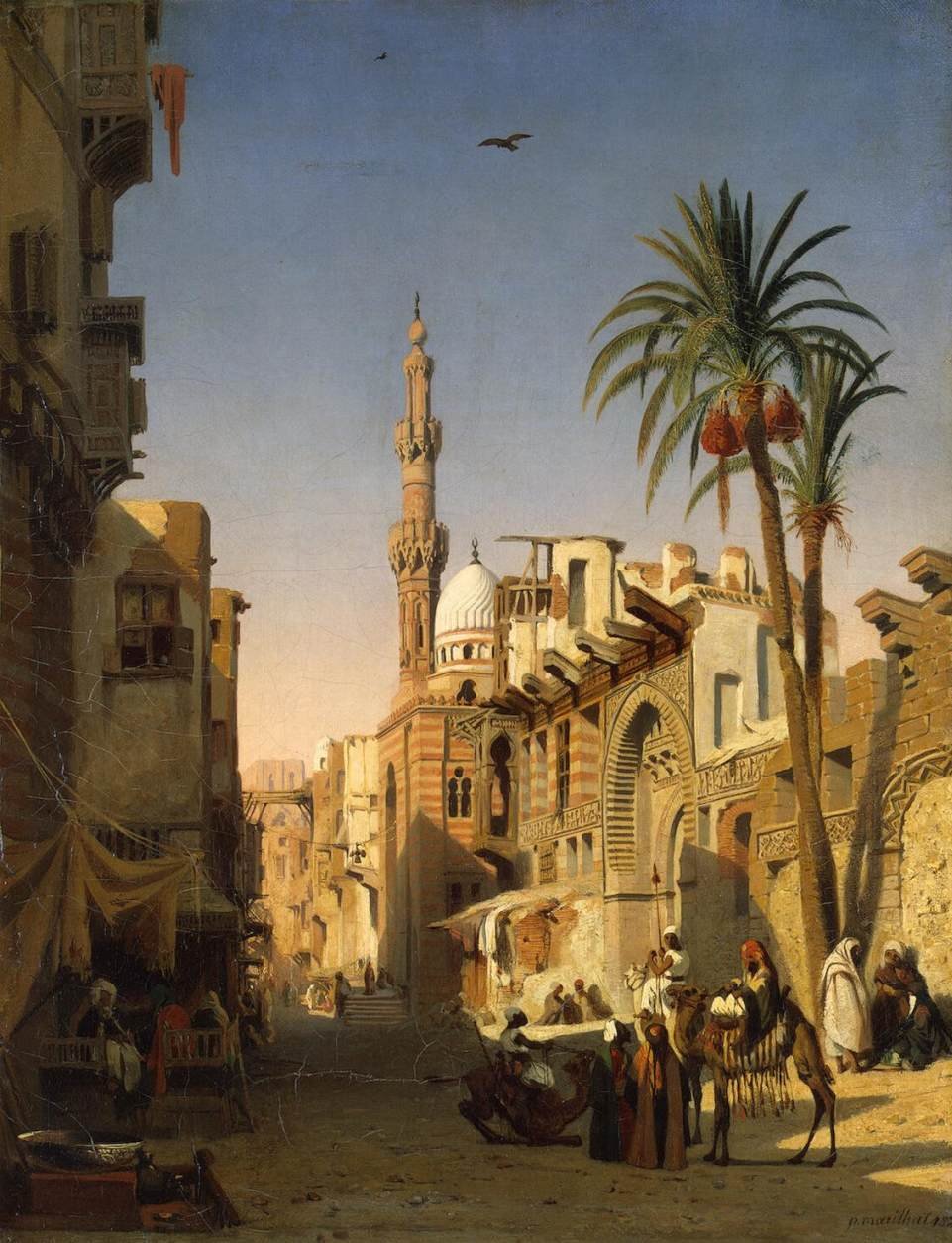
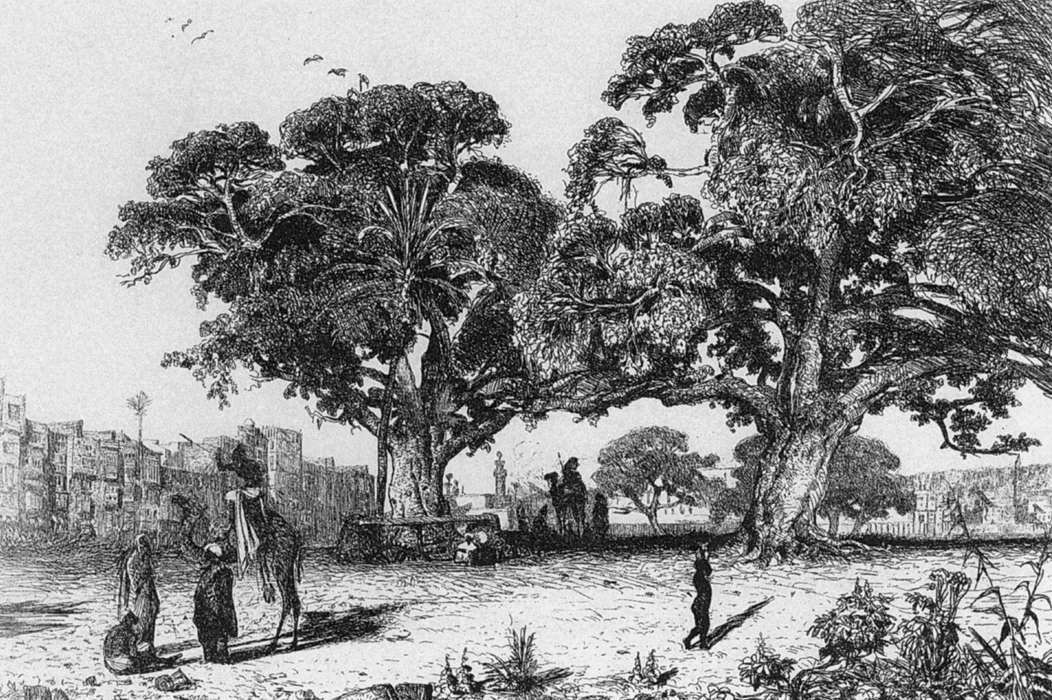
Azbakeya Garden’s origins date back to the late 15th century, when Amir Azbak al-Yusufi, a Mamluk prince, transformed a marshy area into a vibrant neighborhood by creating Birkat al-Azbakeya, a large pond filled via the Citadel Aqueduct. This innovation, replenished annually by the Nile’s floodwaters, turned the site into a coveted retreat for Cairo’s elite. In the following centuries, the district remained prestigious, attracting high-ranking officials and affluent families (Wikipedia; Rees Journal).


Transformation into a Modern Urban Park
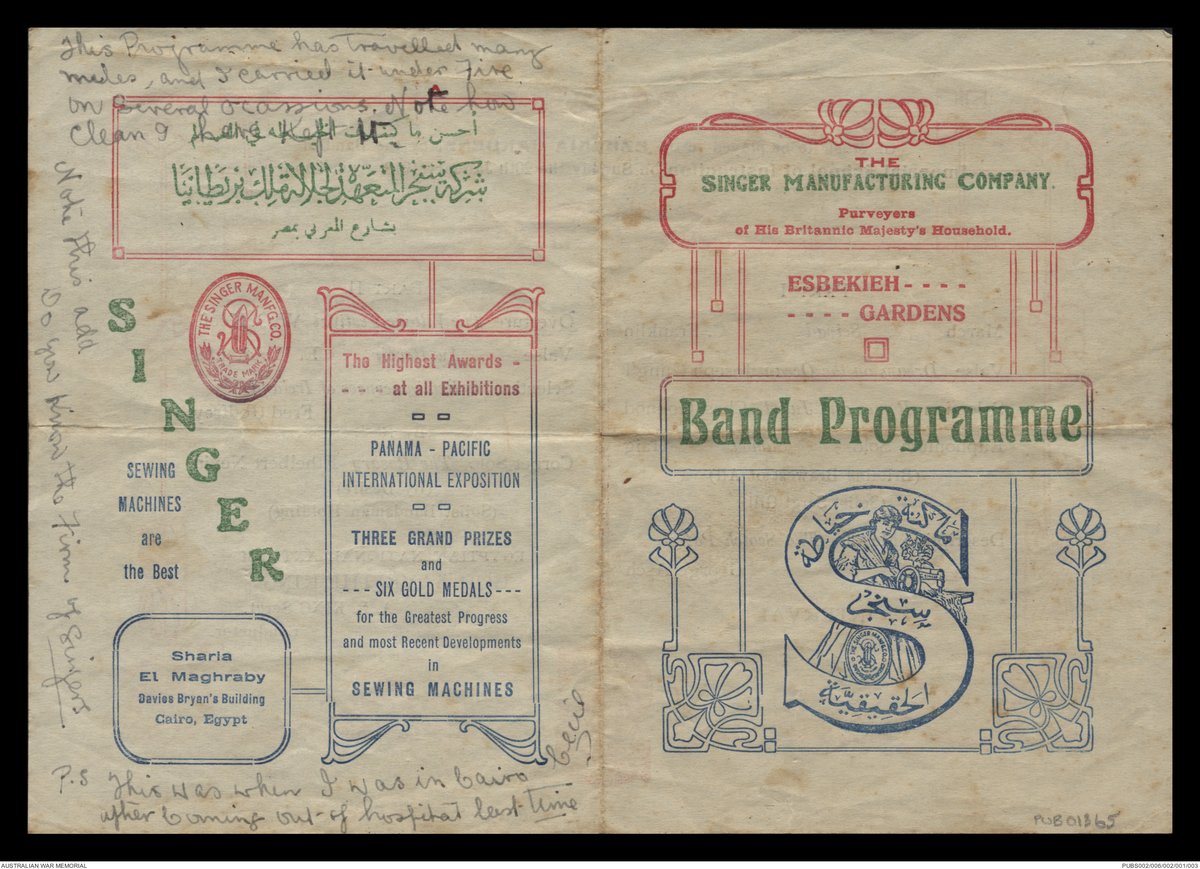
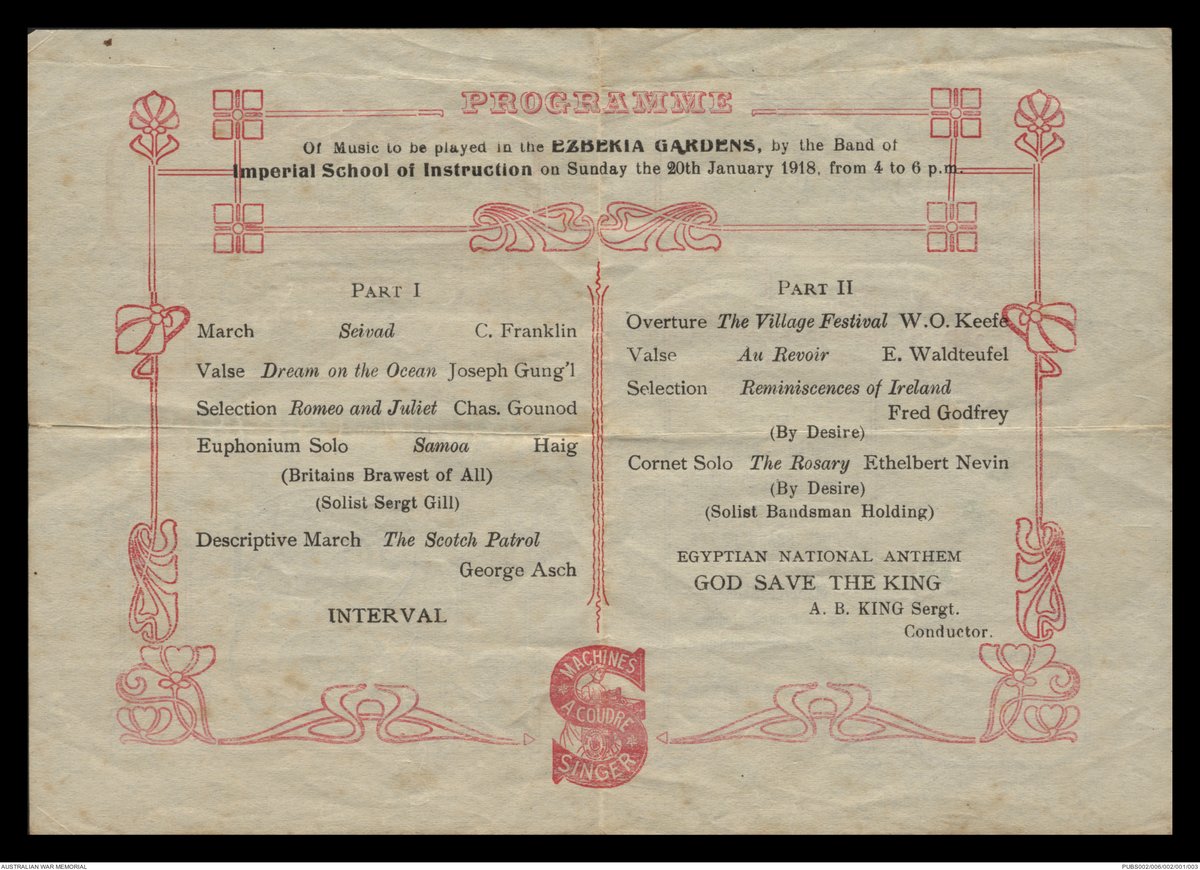
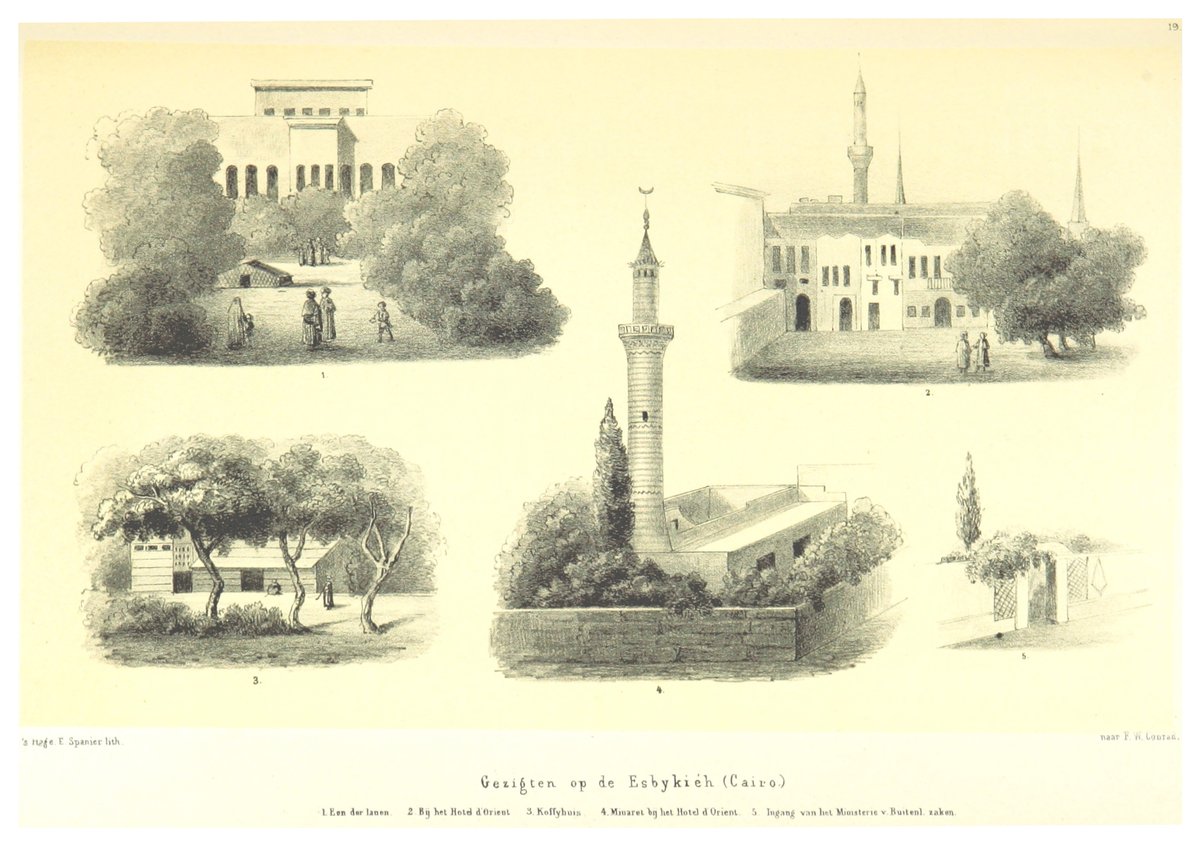
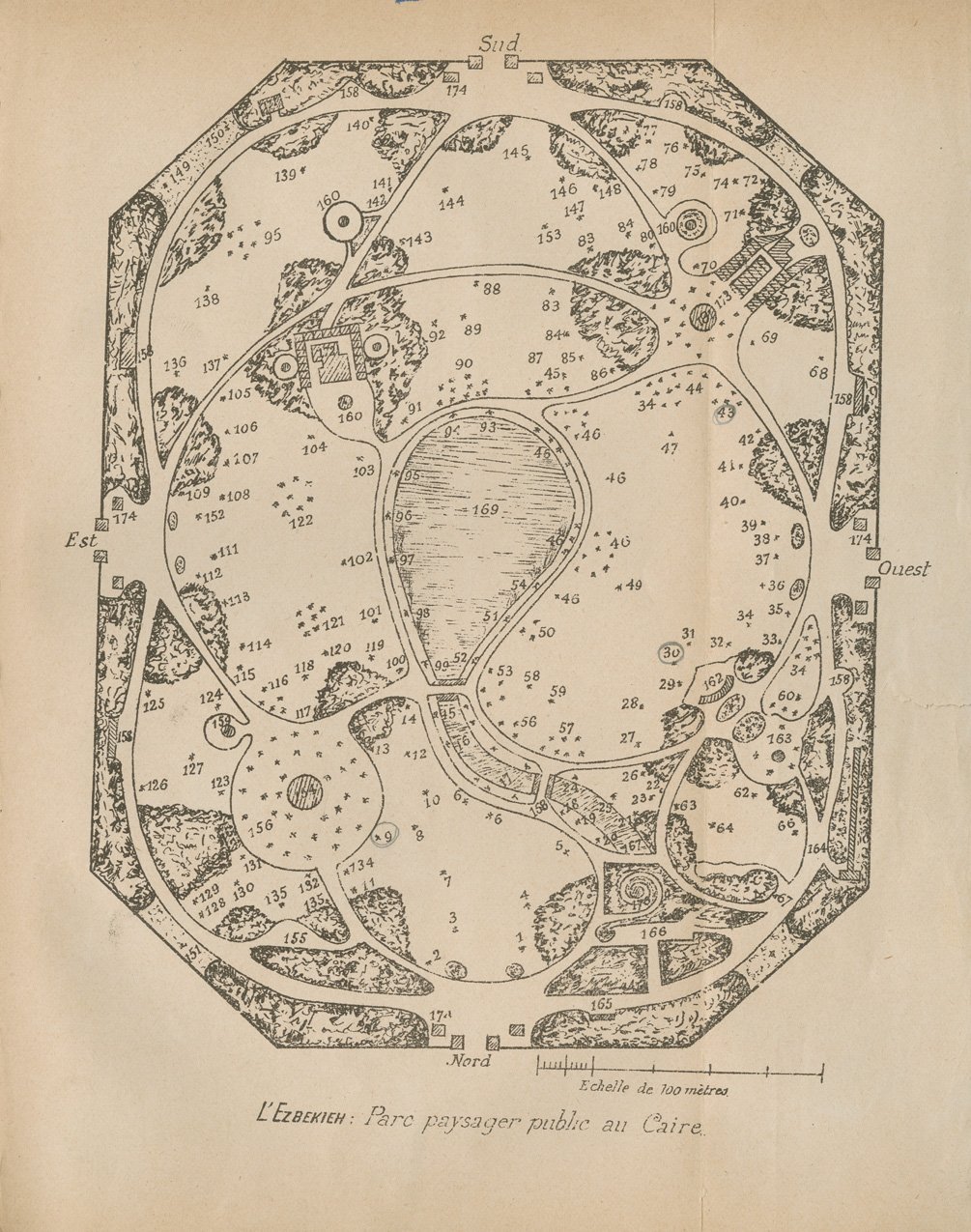
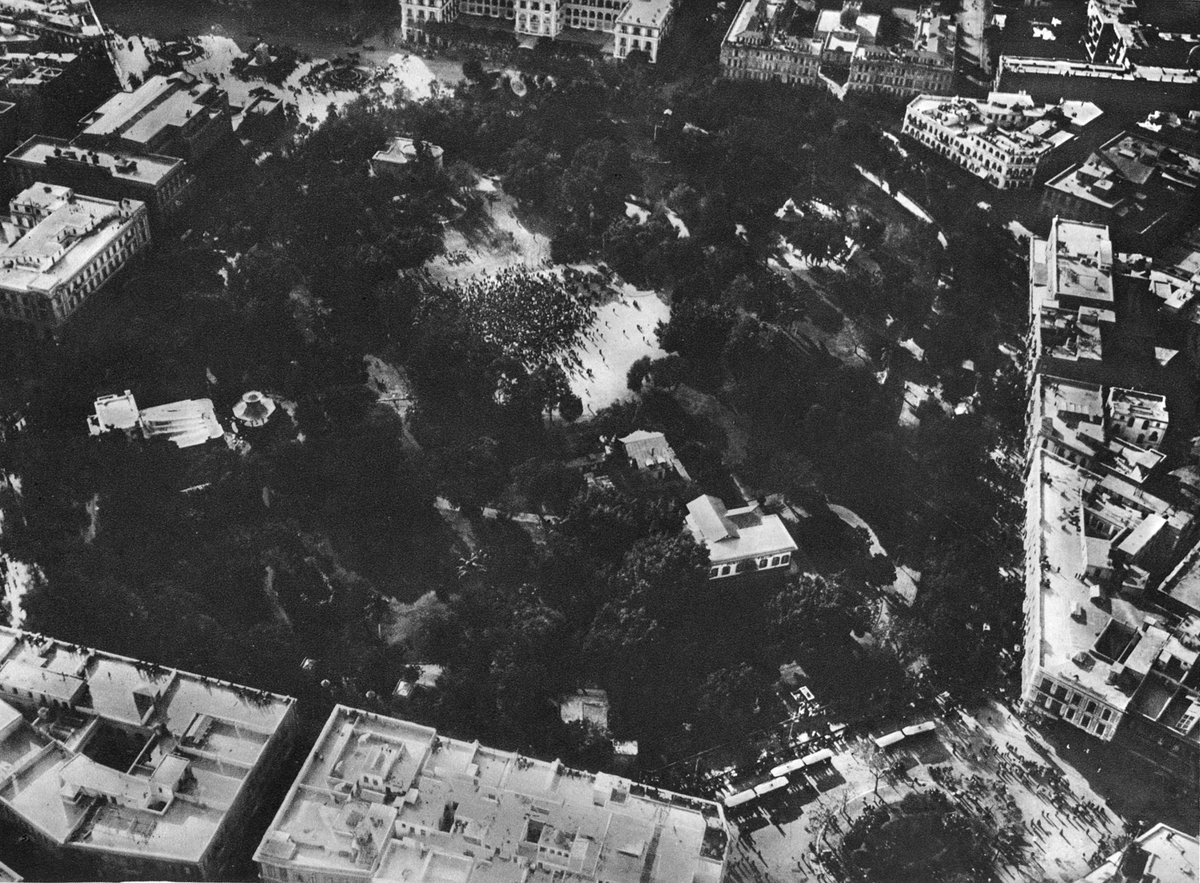
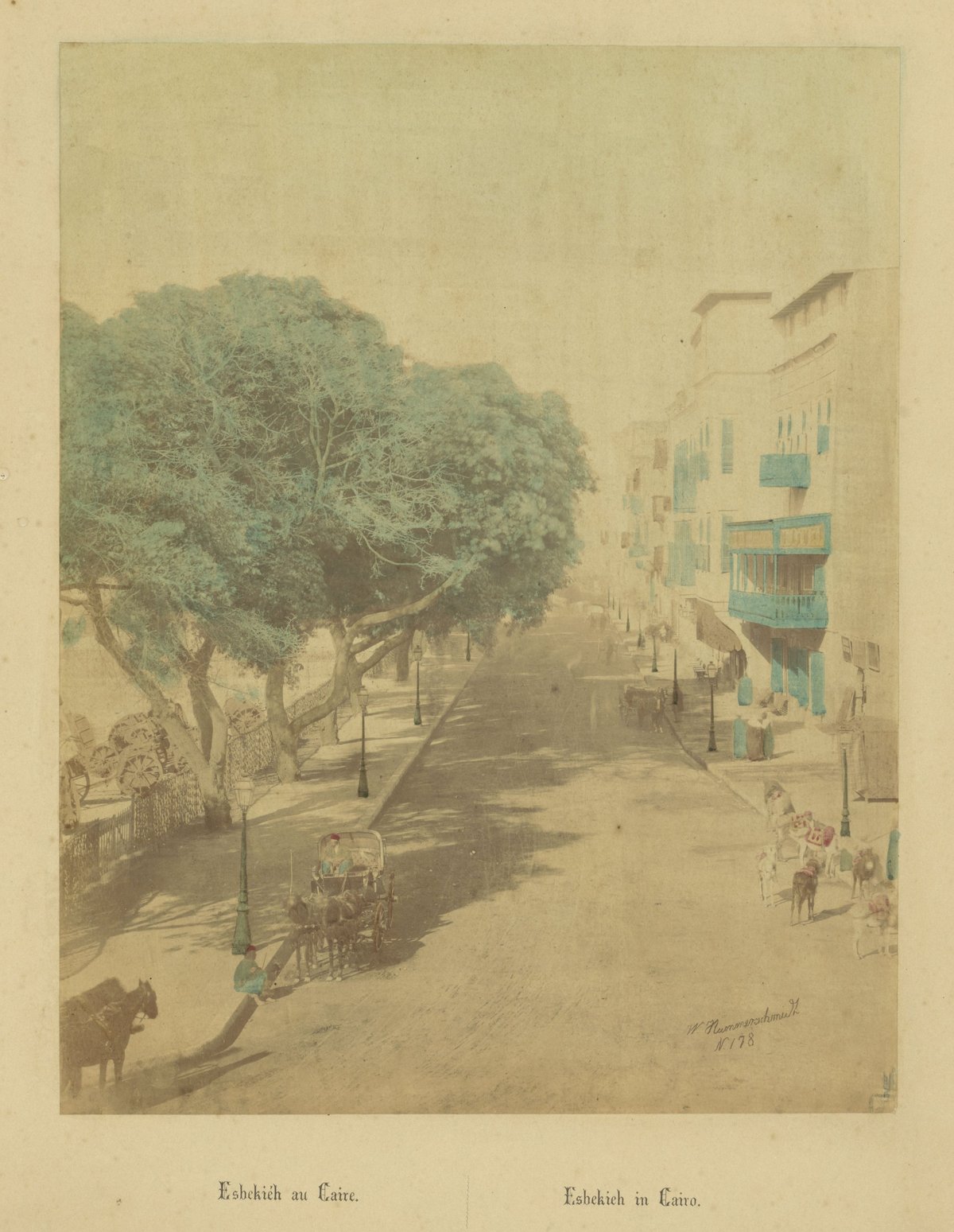
The 19th century marked a major transformation under Khedive Ismail, who sought to modernize Cairo with inspiration from Parisian urban planning. Azbakeya Garden was officially laid out as one of Egypt’s first public botanical gardens, spanning over 18 acres and showcasing a diverse array of global flora. French landscape architects designed its geometric flowerbeds, fountains, and promenades, establishing the garden as a fashionable promenade and social center (Sites International; Egypt Trippers).
The garden’s proximity to cultural landmarks—including the Khedivial Opera House (inaugurated in 1869), theaters, and the Egyptian Museum—further elevated its role as a hub for Cairo’s intellectual and artistic elite (ArabMLS). Events such as Umm Kulthum’s legendary concerts enhanced its cultural legacy.
Cultural and Literary Significance
Azbakeya Garden has long been a democratic public space, welcoming residents from all walks of life. Its adjacent Soor Elazbakeya Book Market, established in the 1920s, remains one of the Arab world’s most celebrated open-air book markets, drawing scholars, students, and bibliophiles (Wikipedia; MyGlobalViewpoint).
The area’s literary and artistic scene flourished, with theaters and music halls hosting national celebrations, artistic premieres, and political gatherings. The garden’s landscape also inspired Egyptian writers and poets, reinforcing its status as a cultural cornerstone (Britannica).
Decline and Recent Revitalization
Mid-20th-century urbanization, coupled with the 1951 fire that destroyed the Khedivial Opera House, led to a decline in Azbakeya Garden’s fortunes. Commercial encroachment reduced its area, and maintenance challenges affected its appeal (Rees Journal). However, recent restoration efforts—led by governmental and community initiatives—focus on reclaiming green space, rehabilitating historic features, and revitalizing the garden’s cultural role (Sites International).
Layout, Botanical Diversity, and Monuments
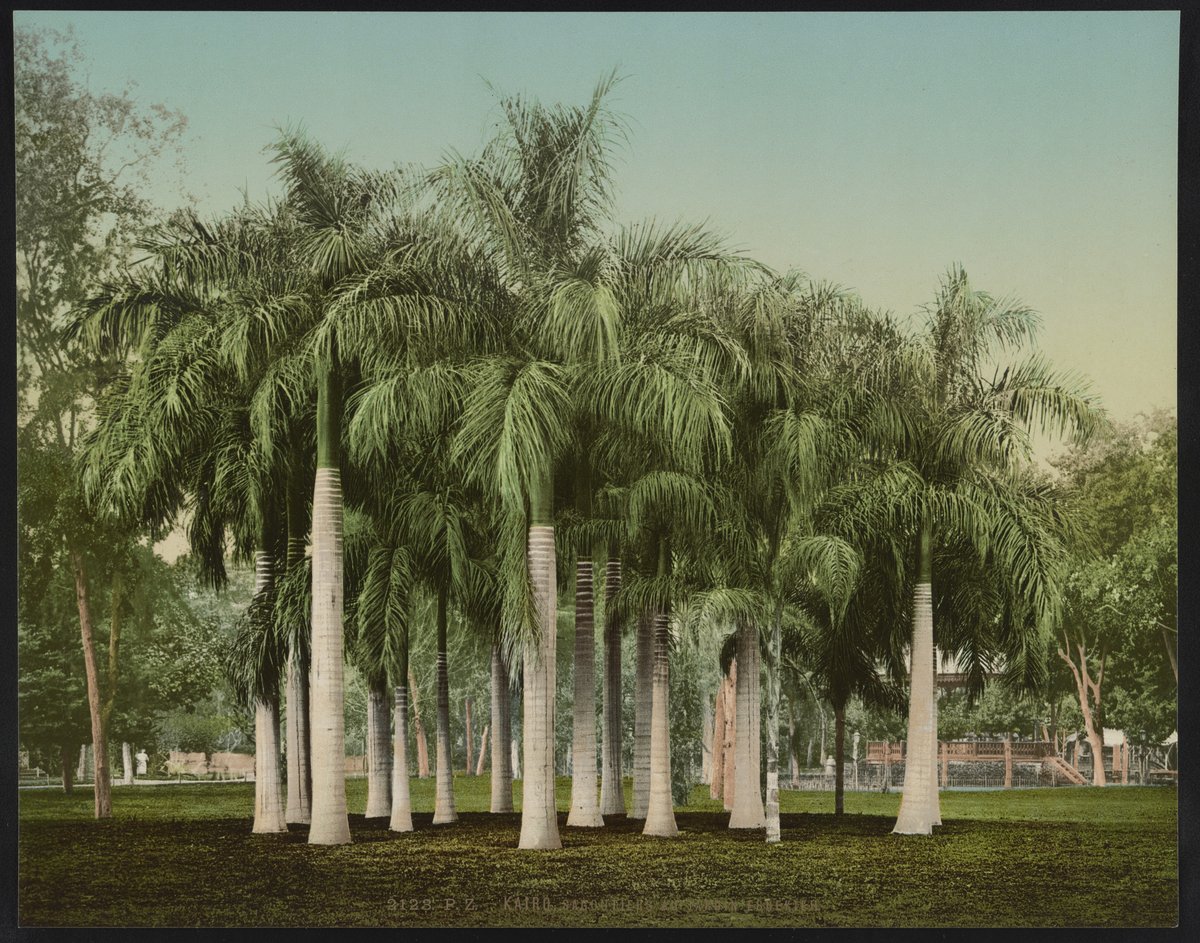
Azbakeya Garden today covers approximately 18 acres, blending French and Egyptian landscaping traditions. Visitors will find wide, tree-lined avenues, geometric flowerbeds, a central fountain, and rare plant species including royal palms, ancient sycamores, and seasonal flowers. Ornate gazebos, marble statues, 19th-century lamp posts, and remnants of the original design provide a direct link to the garden’s glamorous past (source).
The garden’s open lawns, shaded benches, and tranquil pond offer ideal spots for relaxation, while educational signage details the botanical and ecological significance of the plant collection.
Visitor Information
Visiting Hours
- General Opening Hours:
- Most sources report the garden is open daily from 6:00 AM to 7:00 PM.
- Some areas or during special events may extend hours to 9:00 AM – 10:00 PM.
- Check locally or with official tourism resources for current times.
Tickets
- Entry Fee:
- Entry is typically free of charge for most visitors.
- During special events or performances, a nominal fee (10–20 EGP for adults) may be charged.
- Children under 6 years often enter free; non-Egyptians may pay slightly higher rates during ticketed events.
Accessibility
- Wheelchair Friendly:
- Main entrances and paths are paved and accessible; some older sections may be uneven.
- Facilities include ramps, accessible restrooms, and shaded seating.
Facilities and Safety
- Restrooms: Available at main entrances.
- Café/Kiosks: Offer snacks, drinks, and traditional refreshments.
- Security: Security personnel patrol the grounds, particularly during weekends and public holidays.
- Lighting: The park is well-lit in the evening; remain in populated areas after dark.
- Playgrounds: Designated areas for children.
Best Times to Visit
- Climate: June temperatures average 33°C (91°F); visit early morning or late afternoon for comfort (Where and When).
- Crowds: Weekdays are quieter; weekends (Friday/Saturday) see more local families and events.
Getting There
- Location: Downtown Cairo, adjacent to the Azbakeya district, near Ramses train station.
- By Metro: Closest station is Attaba (Lines 2 & 3), a 5–10 minute walk.
- By Taxi/Ride-Sharing: Widely available in Cairo.
- By Bus: Several lines stop near Ramses Square.
Nearby Attractions
- Soor Elazbakeya Book Market: Famous for rare and secondhand books.
- Egyptian Museum: World-renowned ancient artifact collection, a short walk away.
- Khan el-Khalili Bazaar: Iconic historic market nearby (Condé Nast Traveler).
- Al-Azhar Park: Another celebrated green space, 10–15 minutes by taxi.
Travel Tips
- Dress modestly and comfortably; use sun protection.
- Bring water, especially in summer.
- Use bins to keep the garden clean.
- Photography is welcome—respect privacy of others.
- Pets are generally not permitted except for service animals.
Events and Community Life
Azbakeya Garden regularly hosts music concerts, art exhibitions, festivals, and public lectures, especially during spring and autumn. The open-air theater and lawns come alive with cultural programming, particularly during Ramadan, when the park is illuminated and welcomes evening gatherings (allevents.in).
Frequently Asked Questions (FAQ)
Q: What are the official visiting hours?
A: Generally 6:00 AM – 7:00 PM; some events extend to 10:00 PM.
Q: Is there an entry fee?
A: Usually free; select events may charge 10–20 EGP.
Q: Is the garden accessible for people with disabilities?
A: Yes, most paths and entrances are wheelchair-friendly.
Q: Are guided tours available?
A: Yes, via local operators or by arrangement (Egypt Tours Portal).
Q: Can I bring children?
A: Absolutely—playgrounds and family areas are provided.
Q: What about pets?
A: Pets are generally not allowed, except service animals.
Listen to the full story in the app
The whole Ḩadīqat Al Azbakīyah,
told well.
Audio guides for 1,100+ cities across 96 countries. History, stories, and local insight — offline ready.
Verified, and shown.
Researched and written by the Audiala editorial team from historical records, architectural archives, and local expertise.
Researched from Wikidata, Wikipedia & official sources · fact-checked · How we make our guides →