Plan and listen to Fustat with Audiala.
Audio guide in your pocket, itinerary in your browser. Built for the way you actually visit.
Introduction to Fustat: Egypt’s First Islamic Capital
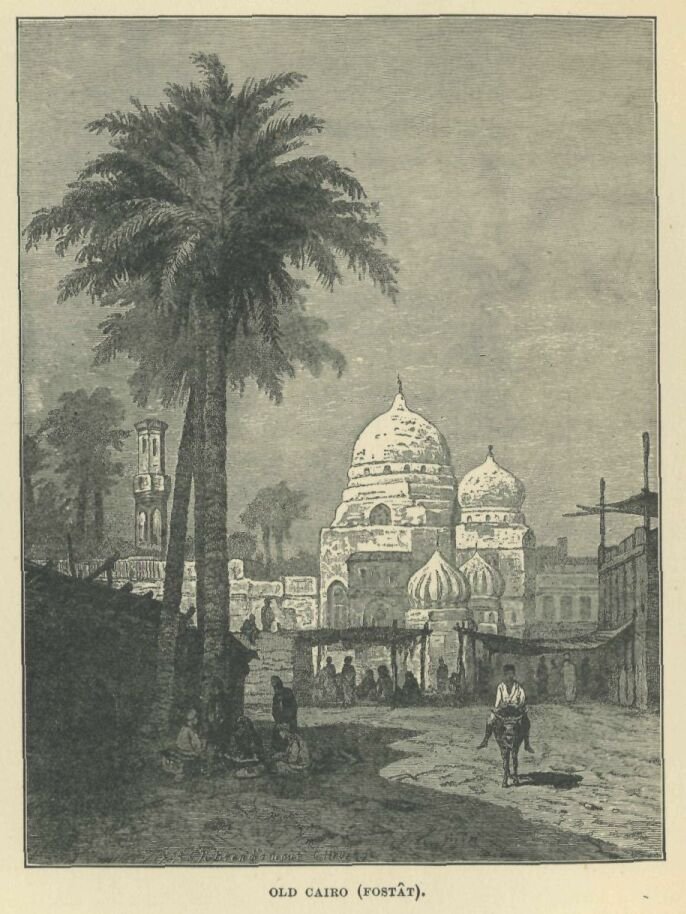
Nestled within Old Cairo, Fustat is Egypt’s first Islamic capital, founded in 640–641 CE by the Rashidun general ‘Amr ibn al-‘Āṣ. Known as the "City of Tents," Fustat marked the beginning of Islamic rule in Egypt, blending diverse cultures and religions into a unique urban tapestry. Here, Muslims, Coptic Christians, Jews, Byzantines, and Persians coexisted, fostering an environment of religious tolerance and architectural innovation (Wikipedia; arabmls.org).
Modern visitors to Fustat can explore historic landmarks such as the Mosque of ‘Amr ibn al-‘Āṣ—Egypt and Africa’s oldest mosque—alongside the Hanging Church and Ben Ezra Synagogue. These monuments narrate centuries of spiritual and cultural exchange (audiala.com; Smarthistory). Fustat is also a center for artistic heritage, with craft workshops, traditional markets, and cultural festivals enlivening its historic streets (scenenow.com).
This guide offers comprehensive information on Fustat’s history, visitor hours, ticketing, accessibility, travel tips, and nearby attractions. Whether you’re a history enthusiast or a casual traveler, this resource will help you plan an enriching visit and experience the blend of antiquity and modern vibrancy that defines Fustat (Nitsa Holidays; Egyptian Streets).
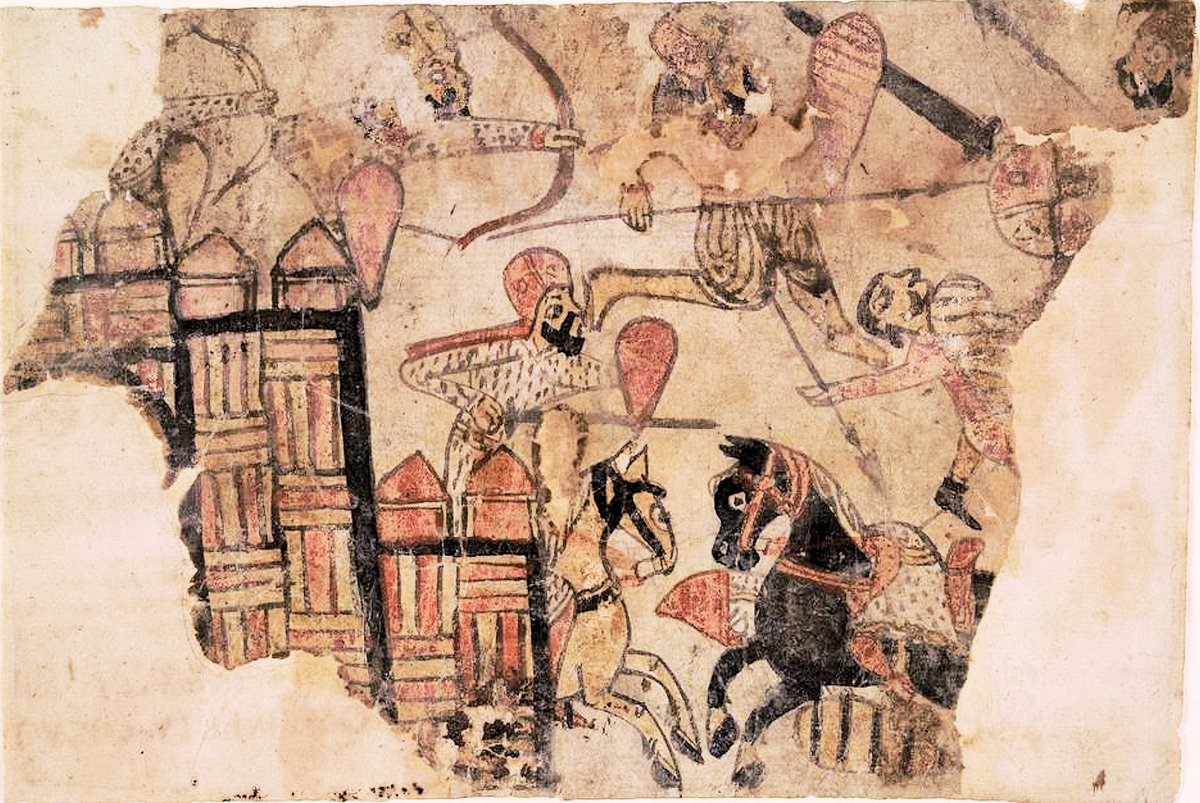
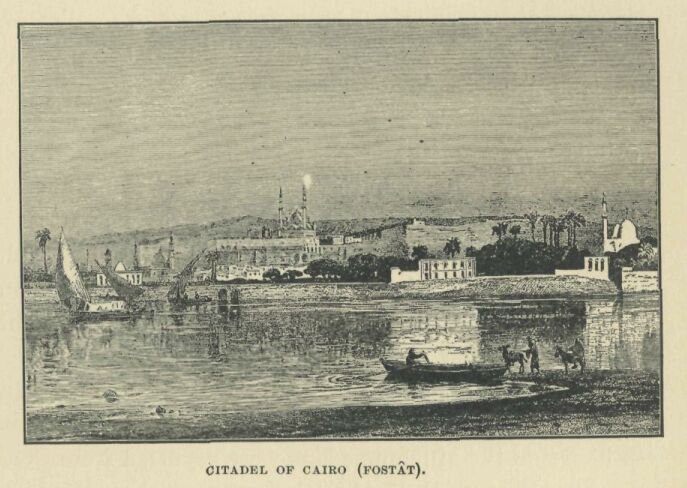
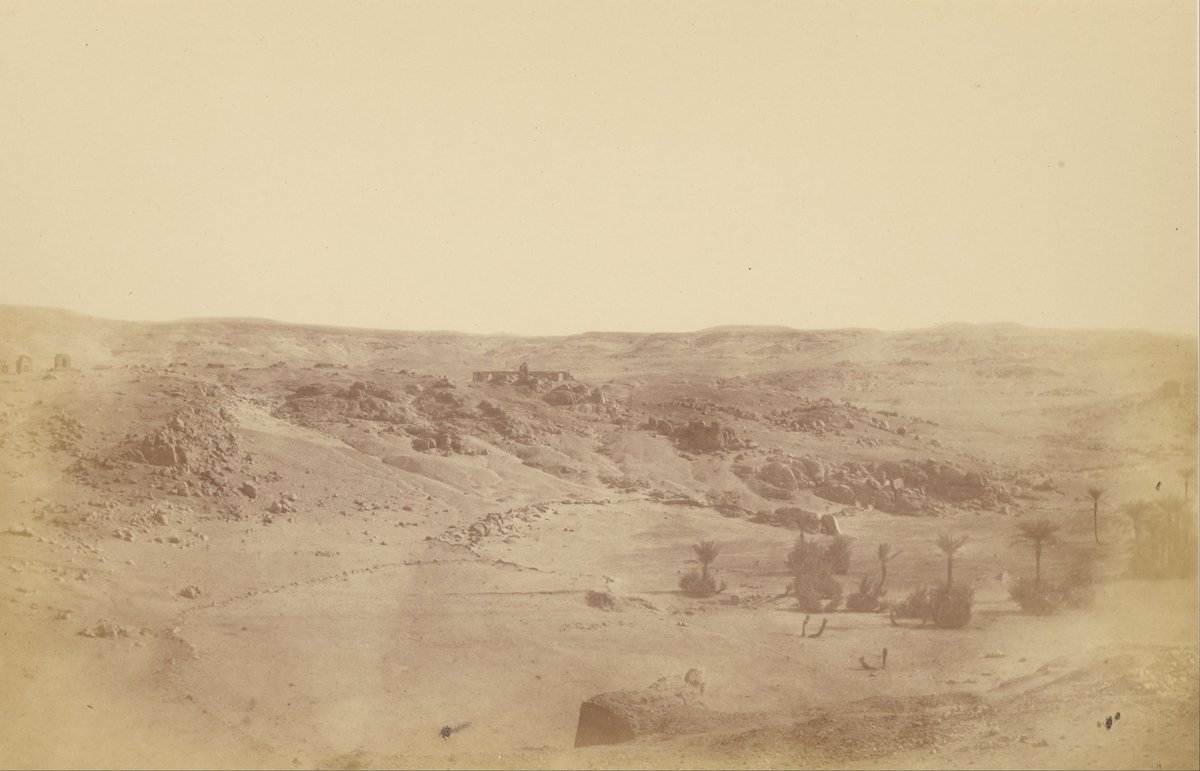
Founded after Egypt’s conquest by the Rashidun army, Fustat became the new political and administrative heart of Egypt, supplanting Alexandria. Strategically located on the east bank of the Nile near the Roman fortress of Babylon, it thrived as a multicultural metropolis, with a population that reached up to 200,000 by the 9th century (Wikipedia; Timeless Myths). Fustat’s decline began following Cairo’s foundation in 969 CE and was hastened by the city’s burning in 1168 to prevent its capture by Crusaders. Today, the archaeological remains and cultural legacy of Fustat are preserved within Old Cairo.

Multicultural Heritage and Social Fabric
Fustat’s neighborhoods reflected its rich diversity, with Arabs, Coptic Christians, Jews, Greeks, Persians, and Byzantines living side by side (arabmls.org; audiala.com). This coexistence fostered religious tolerance and cultural exchange, evidenced by the proximity of mosques, churches, and synagogues. Coptic landmarks like the Hanging Church and Ben Ezra Synagogue remain as testaments to the city’s multiculturalism (nasseryouthmovement.net; dailynewsegypt.com).
Religious and Architectural Significance
The Mosque of Amr ibn al-As (641–642 CE) is the oldest mosque in Egypt and Africa, serving as a religious, educational, and administrative center (arabmls.org). The simplicity and functionality of its design set the tone for future Islamic architecture. Christian landmarks such as the Hanging Church and the Ben Ezra Synagogue further emphasize the area’s religious diversity (audiala.com; Smarthistory).
Artistic and Intangible Heritage
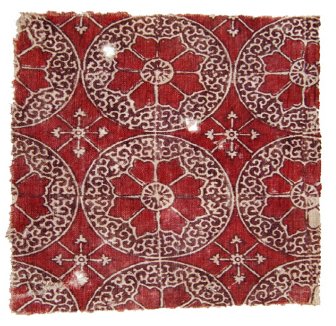
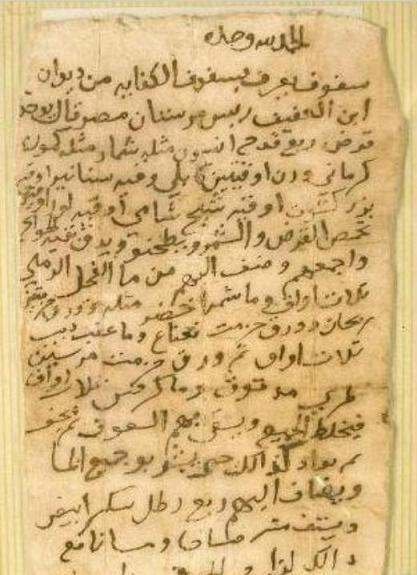
Fustat’s heritage includes renowned pottery, textiles, and calligraphy. Archaeological finds highlight its artistic and commercial significance (audiala.com). Today, the Egyptian Heritage House and local craft centers preserve traditions such as Halailliya storytelling, puppetry, and handwoven textiles (scenenow.com). Visitors can participate in workshops, observe artisans at work, and purchase unique souvenirs.
Educational and Intellectual Contributions
Fustat was a beacon of learning in the medieval Islamic world, advancing jurisprudence, medicine, and astronomy (arabmls.org). The National Museum of Egyptian Civilization (NMEC) continues this tradition, showcasing Egypt’s history from prehistory to the present and offering educational programs and guided tours (audiala.com).
Urban Livability and Heritage Preservation
Recent redevelopment, notably the creation of Fustat Park, revitalizes the area by integrating green spaces, historical monuments, and educational facilities (araburban.org). The park offers gardens, museums, and recreational spaces, all designed to preserve and interpret Fustat’s archaeological heritage.
Economic and Social Impact
Historically, Fustat was a commercial hub due to its position on the Nile and key trade routes (arabmls.org). Restoration and tourism projects—like the Magra el Oyoun Arabesque Fustat—stimulate the local economy and foster community pride (innovogroup.com).
Living Culture: Festivals, Markets, and Traditions
Fustat’s living culture is reflected in festivals, craft markets, and heritage events. Visitors can enjoy pottery and weaving demonstrations, sample traditional foods, and participate in storytelling sessions (scenenow.com).
Challenges and Preservation Efforts
Urban development and environmental pressures threaten Fustat’s heritage. Restoration projects focus on the preservation of key monuments and archaeological sites, with support from Egyptian authorities and international partners (audiala.com).
Visiting Fustat: Practical Information
Getting There
Fustat is easily accessed via Cairo Metro Line 1 (Mar Girgis Station), taxi, or ride-hailing apps (Nitsa Holidays). Guided day tours are available and recommended for context and convenience (Egyptian Streets).
Opening Hours
- Most historical sites: 9:00 AM – 5:00 PM daily (may vary by season and during religious holidays)
- Amr Ibn Al-As Mosque: 8:00 AM – 5:00 PM (closed during prayer times)
- NMEC: Sat–Thu 9:00 AM – 5:00 PM; Fri 2:00 PM – 8:00 PM
Tickets and Entry Fees
- Mosque of Amr ibn al-As: Free entry; donations welcome.
- NMEC: Adult tickets ~200 EGP; discounts for students/children; available onsite and online.
- Coptic Museum / Hanging Church / Ben Ezra Synagogue: 100–200 EGP; reduced rates for students/seniors.
Note: Carry cash in small denominations; online ticketing is available for select museums.
Accessibility
Major museums and the Amr Ibn Al-As Mosque offer ramps and accessible restrooms; some archaeological areas have uneven terrain. Contact sites in advance if you have accessibility needs.
Dress Code and Etiquette
Modest attire is required; shoulders and knees should be covered. Women may need to cover hair in mosques. Remove shoes before entering mosques.
Highlights and Attractions
- Amr Ibn Al-As Mosque: Earliest mosque in Africa, notable for its architecture and history.
- National Museum of Egyptian Civilization: Home to the Royal Mummies Hall and interactive exhibits.
- Hanging Church and Coptic Museum: Renowned for Christian art, manuscripts, and architecture.
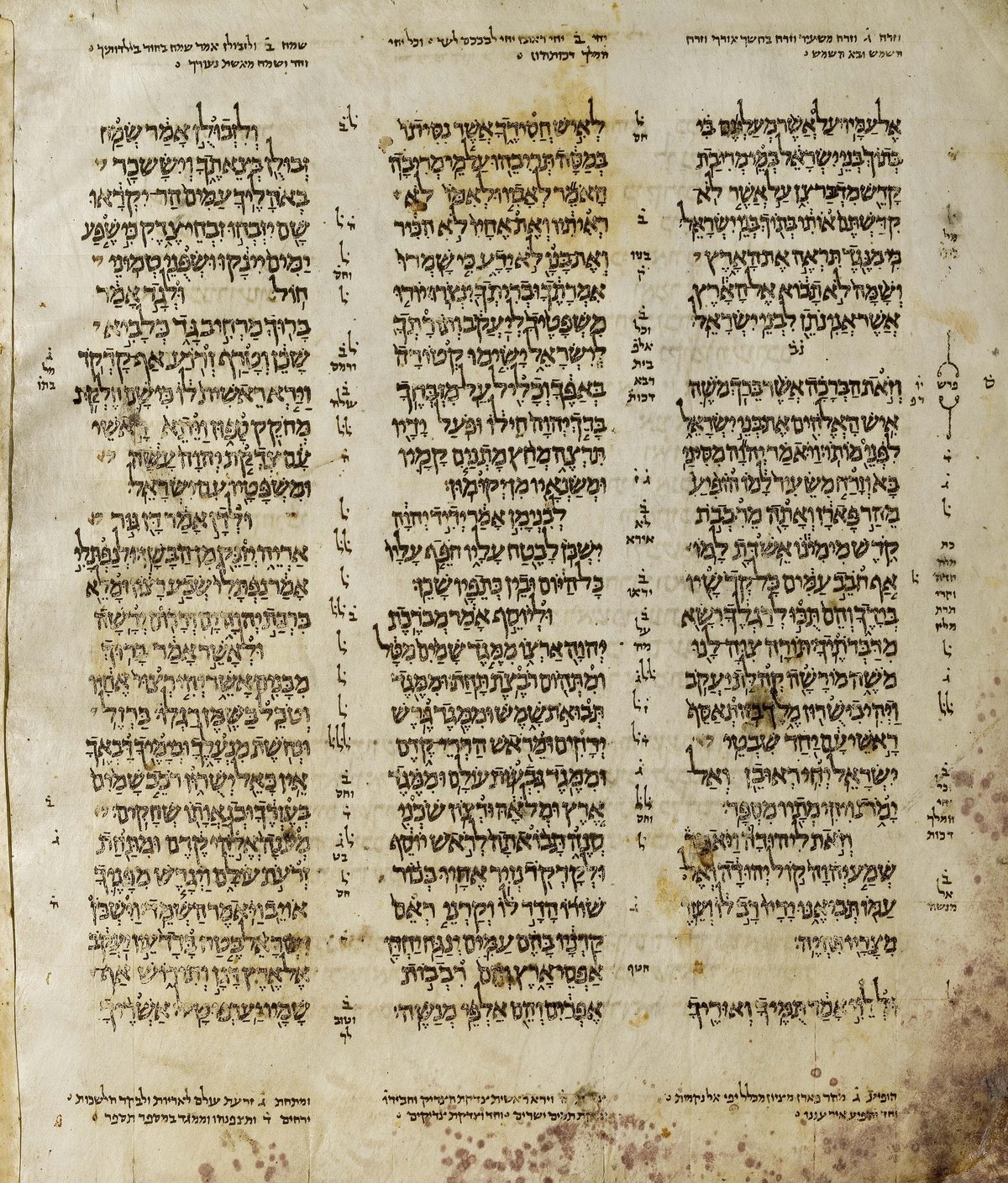
- Ben Ezra Synagogue: Famous for the Cairo Genizah and medieval Jewish manuscripts.
- Souk Al-Fustat: Traditional market for pottery, textiles, and crafts (Wanderlog).
- Fustat Park: Green oasis with views over archaeological remains.
Visitor Tips and Travel Advice
- Best season: October–April (mild weather).
- Photography: Allowed outdoors; restrictions inside religious buildings.
- Hydration: Carry bottled water and sun protection.
- Safety: Fustat is generally safe; standard precautions apply.
- Tipping: Customary for guides and service staff (5–20 EGP).
- Language: English is widely spoken; basic Arabic greetings enhance interactions.
Notable Photographic Spots
- Arches and columns of Amr Ibn Al-As Mosque
- Panoramic views from NMEC
- Bustling lanes of Souk Al-Fustat
- Overlooks from Fustat Park
Frequently Asked Questions (FAQ)
Q: What are Fustat’s visiting hours?
A: Most sites are open 9:00 AM–5:00 PM; confirm hours in advance.
Q: Are tickets required?
A: Yes, for most museums and churches. Mosques are typically free.
Q: Are guided tours available?
A: Yes, and highly recommended for historical context.
Q: Is Fustat accessible for people with disabilities?
A: Major sites have some accessibility features; check with specific venues.
Q: When is the best time to visit?
A: October–April for comfortable temperatures.
Visuals and Interactive Elements
- [Image] Amr Ibn Al-As Mosque historic columns and arches (alt="Amr Ibn Al-As Mosque historic columns and arches")
- [Image] Souk Al-Fustat traditional market in Cairo (alt="Souk Al-Fustat bustling market lane")
- [Map] Interactive map of Fustat’s archaeological sites and attractions
- [Virtual Tour Link] National Museum of Egyptian Civilization official virtual tour
Tickets & tours.
These are guided options from our partners — same price as booking direct.
Prices are indicative — final pricing and availability are confirmed at checkout. Audiala may earn a commission from bookings made through these links.
Listen to the full story in the app
The whole Fustat,
told well.
Audio guides for 1,100+ cities across 96 countries. History, stories, and local insight — offline ready.
Verified, and shown.
Researched and written by the Audiala editorial team from historical records, architectural archives, and local expertise.
Researched from Wikidata, Wikipedia & official sources · fact-checked · How we make our guides →