Plan and listen to Egyptian Geographic Society Museum with Audiala.
Audio guide in your pocket, itinerary in your browser. Built for the way you actually visit.
Introduction
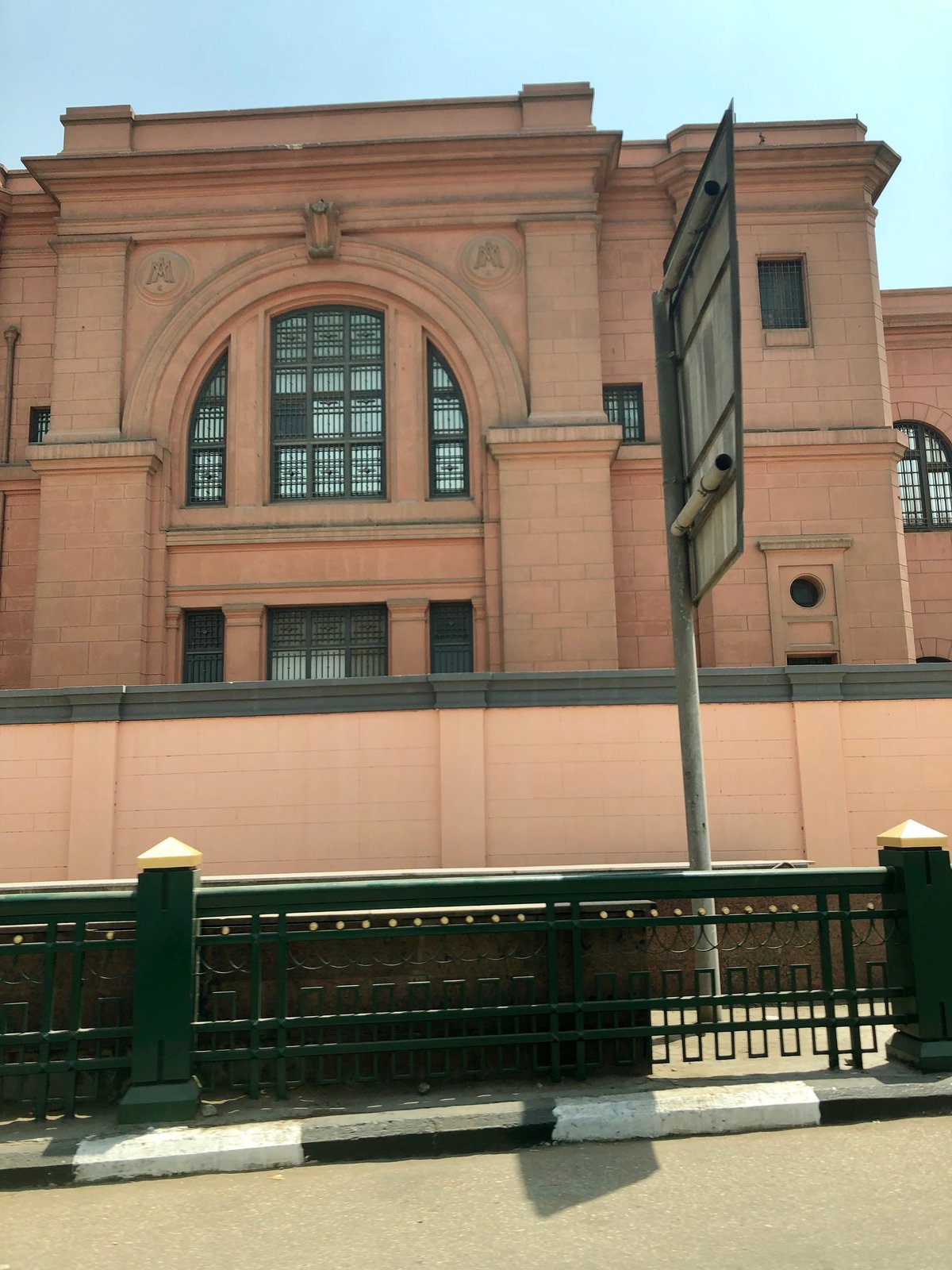
Nestled in downtown Cairo near Tahrir Square, the Egyptian Geographic Society Museum stands as a testament to Egypt’s enduring legacy in geographic exploration, scientific research, and cultural heritage. Founded in 1875 under Khedive Ismail’s patronage, the museum is housed in a historic building designed by German ethnologist Georg August Schweinfurth—a structure that blends 19th-century architectural grandeur with an atmosphere of intellectual pursuit (Egyptian Gazette; Egypt Today). The Society’s aim has always been to modernize Egypt’s scientific landscape and promote the study of geography and exploration throughout Africa.
With over 12,500 maps, 500 atlases, rare manuscripts, and ethnographic objects, the museum offers a comprehensive perspective on Egypt’s evolving understanding of its land, peoples, and global context. Its central location, rich collections, and educational programming make it a must-visit for scholars, families, and travelers seeking to explore Cairo’s historical sites.
Founding and Early Objectives
The Egyptian Geographic Society was established in 1875, inspired by Khedive Ismail’s vision to position Egypt at the forefront of scientific advancement. As the first geographic society founded outside Europe and the Americas, it played a pioneering role in regional and African exploration (Egyptian Gazette). The Society’s core mission included mapping uncharted territories, documenting Nile and tributary explorations, and chronicling the cultural and natural diversity of Egypt and Africa.
Scholars and explorers, both local and international, contributed to the Society’s expanding archive—transforming it into a vital resource for scientific research, policy, and public education.
Growth of Collections and Institutional Evolution
As exploration increased, so did the Society’s collections. Today, the museum safeguards rare maps—such as the medieval world map by Mohamed al-Idrisi (dated 1154)—alongside atlases from the French Expedition and the 1928 National Atlas of Egypt (Egyptian Gazette). The building, with its grand halls and iron columns imported from Paris, has served as a venue for international congresses and conferences, reinforcing its reputation as a center for scholarly exchange (Wataninet).
Throughout its history, the Society has adapted to Egypt’s changing political and social landscape, fostering local and international collaborations, and maintaining a focus on research and educational outreach.
Key Contributions to Science and Education
The museum’s influence extends beyond its collections. It offers educational programs, guided tours, and public lectures that illuminate Egypt’s cartographic, ethnographic, and scientific achievements. Its staff are known for their expertise and engagement with visitors, making the museum a living institution that bridges Egypt’s past with its present (Dabuka).
The library supports ongoing research by providing access to digitized rare maps and scholarly publications, while temporary exhibitions and workshops keep the museum’s offerings dynamic and relevant (Wataninet).
Visiting the Egyptian Geographic Society Museum
Hours and Ticket Information
- Standard Hours: Saturdays, Mondays, and Wednesdays, 9:00 AM – 3:00 PM. Some sources and special events may list additional open days; always confirm ahead of your visit (Egyptian Gazette; Egypt Today).
- Booking: Due to security protocols (proximity to government buildings), visits must be arranged at least two days in advance.
- Admission: Entry is free or modestly priced; discounts are available for students, seniors, and groups. Fees may apply for special exhibitions or guided tours (Dabuka).
Directions and Accessibility
- Location: 109 Kasr el-Eini Street, downtown Cairo—near Tahrir Square and the Egyptian Museum.
- Transport: Easily reached by taxi, metro (Sadat Station), or on foot from downtown hotels.
- Accessibility: The historic building may have limited accessibility for visitors with mobility challenges; contact the museum in advance for accommodations.
Guided Tours and Events
- Guided tours are highly recommended and can be arranged when booking. Thematic tours and workshops are available for schools, groups, and researchers.
- Special exhibitions, lectures, and cultural events are held throughout the year. Check the museum’s website or official channels for updates.
Photography Policy
- Photography is allowed in most areas, but restrictions apply; always confirm with staff before taking photos.
- Flash and tripods are generally prohibited to protect sensitive artifacts.
Notable Exhibits and Collections
- Atlases and Maps: Over 12,500 maps and 500 atlases, including the 1928 National Atlas and French Expedition atlases.
- Al-Idrisi’s World Map: A rare single-panel map from 1154, representing medieval geographic knowledge.
- Suez Canal Dioramas and Artifacts: Exhibits documenting the canal’s history and strategic significance.
- Ethnographic Galleries: Artifacts from Egypt and across Africa, including traditional costumes, Dervish arms, folk art, and ceremonial objects.
- Scientific Instruments: Historical surveying tools, meteorological devices, and exploration equipment.
Visitor FAQs
Q: What are the museum’s visiting hours?
A: Saturdays, Mondays, and Wednesdays from 9:00 AM to 3:00 PM. Confirm in advance and book at least two days before your visit.
Q: Is there an admission fee?
A: Entry is generally free or modestly priced, with discounts for certain groups.
Q: Are guided tours available?
A: Yes, highly recommended and available upon prior arrangement.
Q: Is photography allowed?
A: Yes, with restrictions—no flash or tripods, and some exhibits may not be photographed.
Q: Is the museum accessible for visitors with disabilities?
A: Accessibility is limited due to the building’s historic structure; contact the museum to discuss available accommodations.
Q: What nearby attractions can I visit?
A: The Egyptian Museum, Tahrir Square, Al-Azhar Park, and many downtown Cairo cafés and shops.
Tickets & tours.
These are guided options from our partners — same price as booking direct.
Prices are indicative — final pricing and availability are confirmed at checkout. Audiala may earn a commission from bookings made through these links.
Listen to the full story in the app
The whole Egyptian Geographic Society Museum,
told well.
Audio guides for 1,100+ cities across 96 countries. History, stories, and local insight — offline ready.

Verified, and shown.
Researched and written by the Audiala editorial team from historical records, architectural archives, and local expertise.
Researched from Wikidata, Wikipedia & official sources · fact-checked · How we make our guides →