Plan and listen to Corniche El-Nil Street with Audiala.
Audio guide in your pocket, itinerary in your browser. Built for the way you actually visit.
Introduction
Corniche El-Nil, Cairo’s iconic riverfront promenade, seamlessly blends the city’s historical legacy with its vibrant modern life. Stretching for approximately 20 kilometers along the Nile’s eastern bank, the Corniche connects key districts—Garden City, Downtown, Zamalek, and Maadi—while offering panoramic river views, cultural landmarks, and bustling social scenes. Its origins date back to the mid-19th century during Khedive Ismail’s modernization drive, evolving from an exclusive enclave for foreign elites to a beloved public space for all Egyptians after the 1952 revolution. Recent revitalization efforts, such as the Mamsha Ahl Misr development, have further enhanced its appeal, making Corniche El-Nil a must-visit destination for leisure, culture, and scenic beauty (Official Cairo Tourism Website, Corniche El-Nil: Visiting Hours, History, Attractions, and Tips for Visitors in Cairo, Corniche El-Nil Visiting Hours, Tickets & Guide to Cairo's Iconic Nile Promenade).


Historical Background
19th Century: Modernization and Urban Development
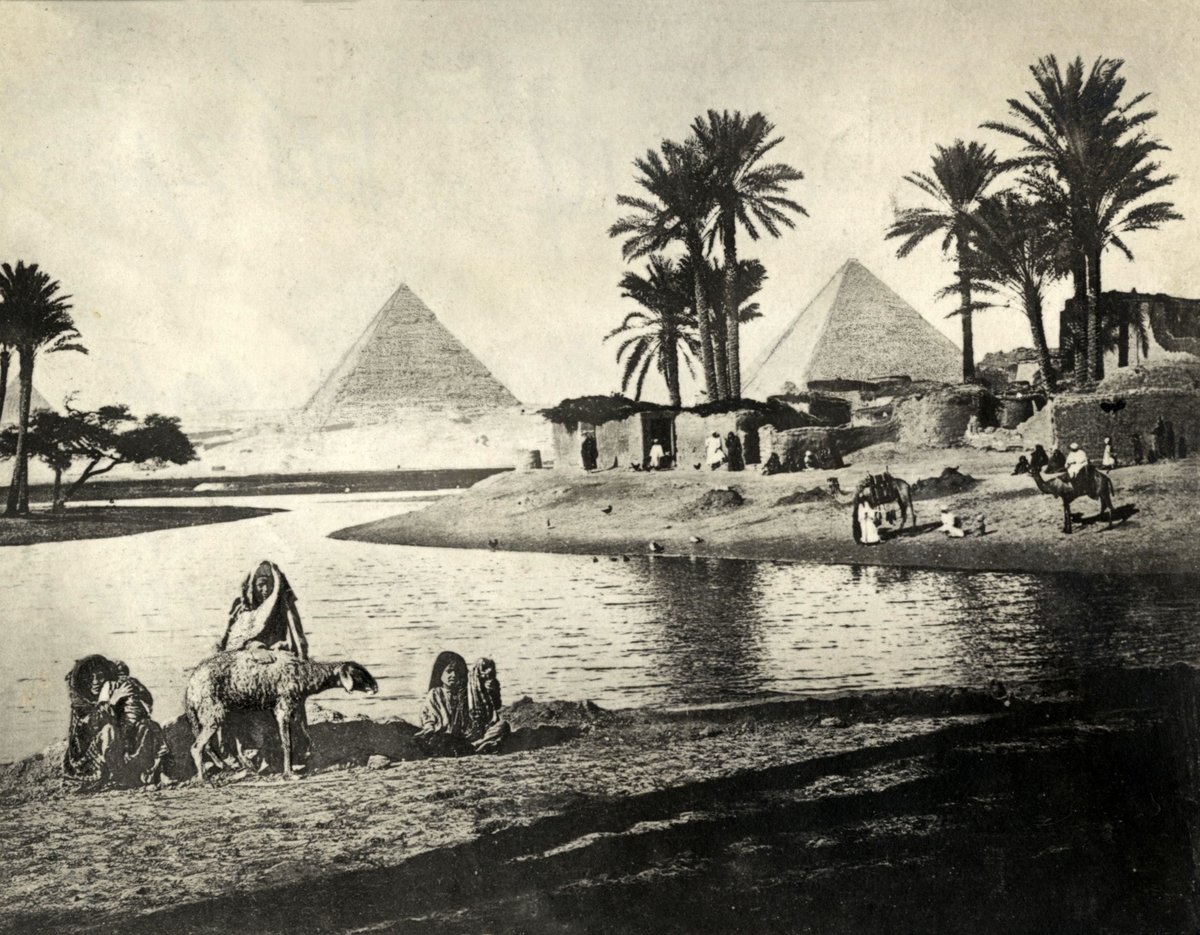
Corniche El-Nil’s inception is rooted in the mid-1800s, when Khedive Ismail set out to modernize Cairo and stabilize the Nile’s banks to prevent flooding. This ambitious project led to the construction of key infrastructure, including the Qasr el Nil barracks and the Qasr el Nil Bridge (opened 1871), paving the way for the Corniche as a major urban thoroughfare.
Early 20th Century: Exclusivity and Foreign Influence
During the early 1900s, the Corniche’s riverfront was dominated by foreign-owned hotels, embassies, and military barracks. The area primarily served the city’s elite and foreign visitors, with limited public access for ordinary Egyptians.
Post-1952 Revolution: A Promenade for the People
After the 1952 revolution, the Egyptian government prioritized public access to urban spaces. By 1955, the Corniche was extended and fully opened to the public, linking Shubra to Helwan and transforming the waterfront into a continuous social artery for all residents.
Late 20th Century: Urban Challenges
Despite its popularity, the Corniche faced periods of neglect, privatization, and infrastructural pressures, affecting accessibility and maintenance.
21st Century: Revitalization
Recent urban renewal projects, notably the Mamsha Ahl Misr walkway (since 2019), have revitalized the promenade with landscaped paths, seating, bicycle lanes, accessible walkways, and new public spaces.
Visiting Information
Opening Hours
- Corniche El-Nil Promenade: Open 24 hours daily; public access is free.
- Nearby Attractions: Hours vary. The Egyptian Museum is open 9:00 AM–5:00 PM (closed Fridays); other sites may have different schedules.
Tickets and Entry Fees
- Corniche El-Nil: No ticket required.
- Nearby Attractions: Entry fees apply (e.g., Egyptian Museum: ~200 EGP for adults; additional fees for photography or special exhibits).
Accessibility
- Promenade: Many sections feature paved, wheelchair-accessible paths and ramps, particularly following recent upgrades.
- Attractions and Hotels: Major hotels and museums along the Corniche offer comprehensive accessibility features.
Guided Tours and Activities
- Guided Walks: Available through local tour operators, often including historical and cultural insights.
- Felucca Rides: Traditional sailboats can be hired along the Corniche for hourly or group trips, especially popular at sunset. Rates vary (typically 200–400 EGP/hour).
Dining and Refreshments
- Luxury Hotels: The Nile Ritz-Carlton, Four Seasons, Kempinski Nile Hotel, and others offer fine dining with river views (The Nile Ritz-Carlton, Cairo, Four Seasons Hotel Cairo at Nile Plaza, Kempinski Nile Hotel Cairo, Grand Nile Tower).
- Street Food: Local vendors sell snacks like chickpeas, grilled corn, potatoes, and tea along the promenade (Package Holidays to Egypt).
Transportation
- By Foot: Easily accessible from Downtown and Tahrir Square.
- Taxi/Ride-Hailing: Uber and Careem are widely used; always confirm your destination.
- Metro: Nearest station for central Corniche is Sadat (Tahrir Square); Maadi station for southern areas (Evendo).
- Bus: Local buses connect central Cairo to the Corniche.
Nearby Attractions
- Qasr el Nil Bridge: Historic bridge with signature lion statues; popular for photography and river views (Qasr Al-Nile Bridge).
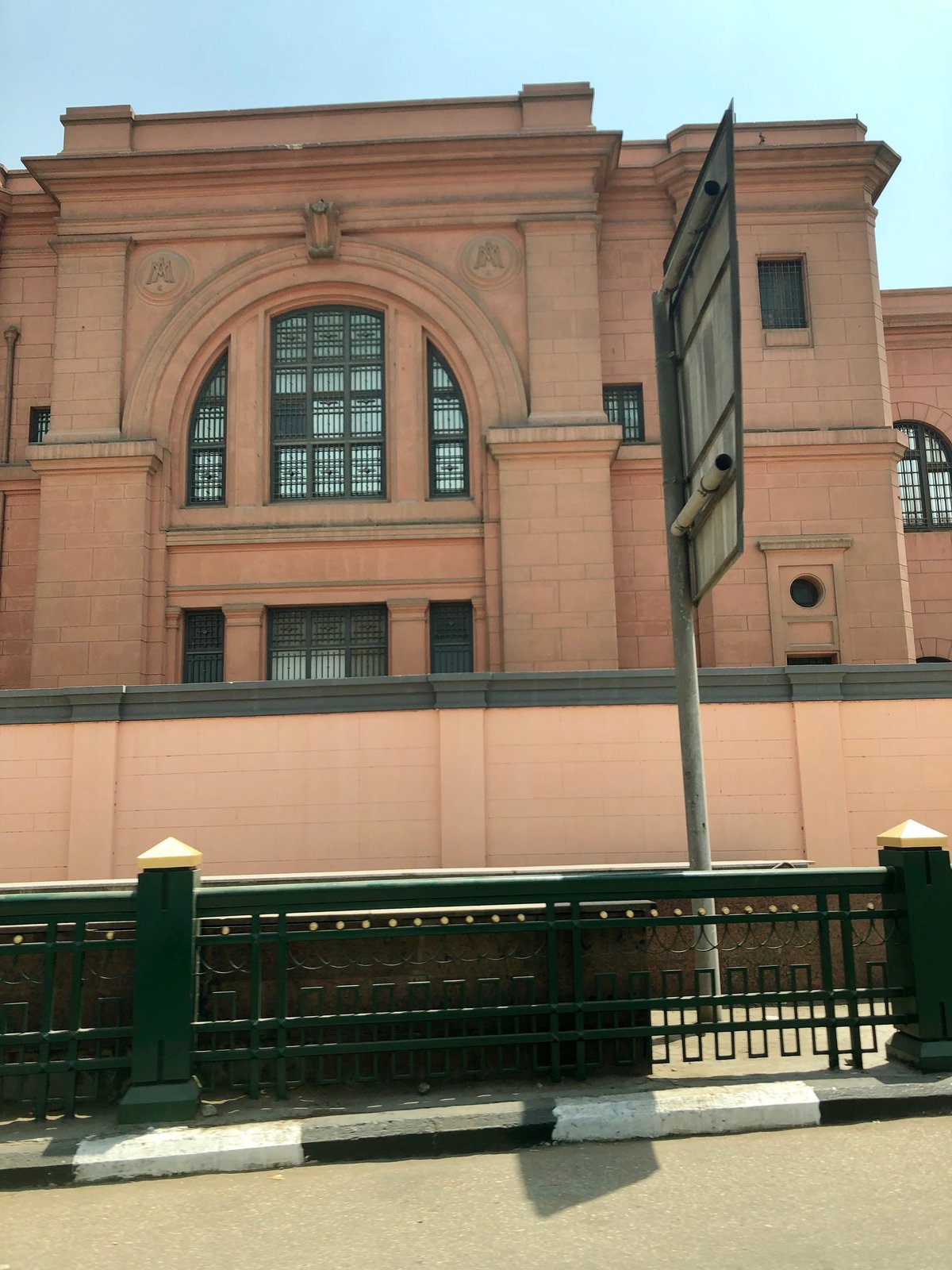
- Egyptian Museum: Home to the world’s largest collection of ancient Egyptian artifacts (Egyptian Museum).
- Gezira Island & Zamalek: Upscale district with the Cairo Opera House, art galleries, and trendy cafes (Zamalek).
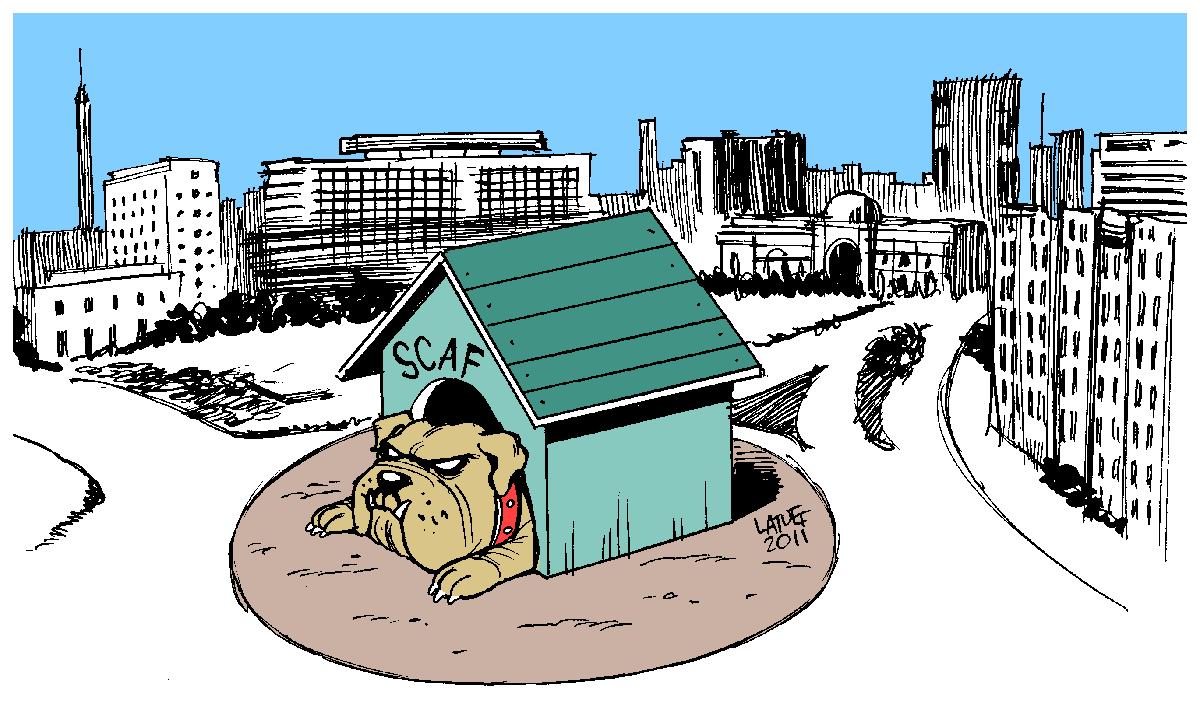
- Tahrir Square: The political and social heart of modern Cairo.
- Orman Botanical Garden & Giza Zoo: Accessible via the Corniche’s west bank.
Practical Travel Tips
- Best Times to Visit: Early morning and late afternoon for pleasant temperatures and fewer crowds. Evenings are lively, with illuminated bridges and city lights.
- Seasonality: October–April offers the most comfortable weather.
- Safety: The Corniche is generally safe, especially around main landmarks and hotels. Be vigilant with valuables and use crosswalks for street safety.
- Dress Code: Modest attire is recommended, especially when visiting traditional neighborhoods or religious sites.
- What to Bring: Comfortable shoes, water, sun protection, camera, and cash for small purchases.
- Photography: Sunrise and sunset provide the best lighting for photos. Iconic views include the Qasr el Nil Bridge, Cairo Tower, and riverside promenades.
Frequently Asked Questions (FAQ)
Q: Is there an entrance fee to Corniche El-Nil?
A: No, the Corniche promenade is free for all visitors. Some attractions along the route have their own entrance fees.
Q: What are the opening hours?
A: The promenade is open 24/7. Nearby attractions may have set hours.
Q: Are felucca rides available, and how much do they cost?
A: Yes, felucca rides can be arranged at several points along the Corniche. Prices are negotiable (expect 200–400 EGP/hour).
Q: Is Corniche El-Nil accessible for people with disabilities?
A: Many sections are accessible, with paved paths and ramps. Major hotels and the Egyptian Museum offer comprehensive accessibility.
Q: What’s the best way to reach the Corniche?
A: By foot from central Cairo, by taxi/rideshare, or by metro to Sadat or Maadi stations.
Listen to the full story in the app
The whole Corniche El-Nil Street,
told well.
Audio guides for 1,100+ cities across 96 countries. History, stories, and local insight — offline ready.
Verified, and shown.
Researched and written by the Audiala editorial team from historical records, architectural archives, and local expertise.
Researched from Wikidata, Wikipedia & official sources · fact-checked · How we make our guides →