Plan and listen to Bab Al-Azab with Audiala.
Audio guide in your pocket, itinerary in your browser. Built for the way you actually visit.
Introduction to Bab Al-Azab: History and Cultural Significance
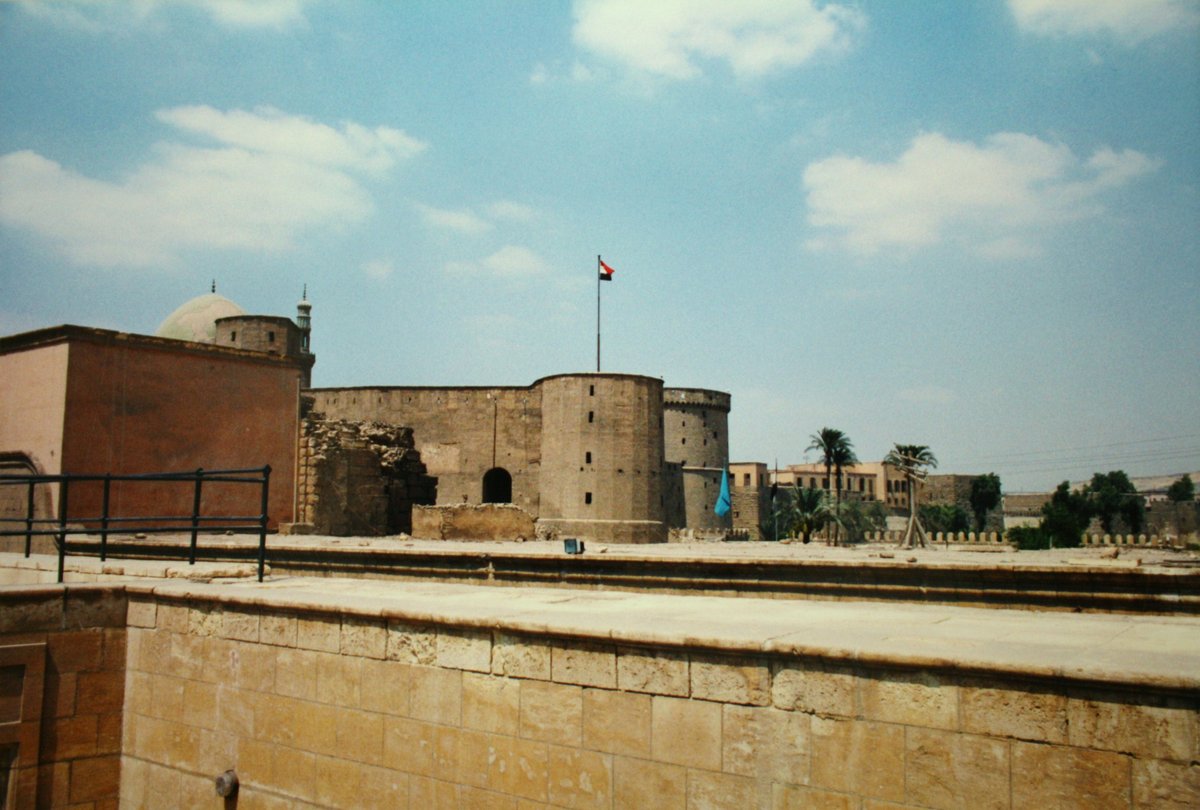
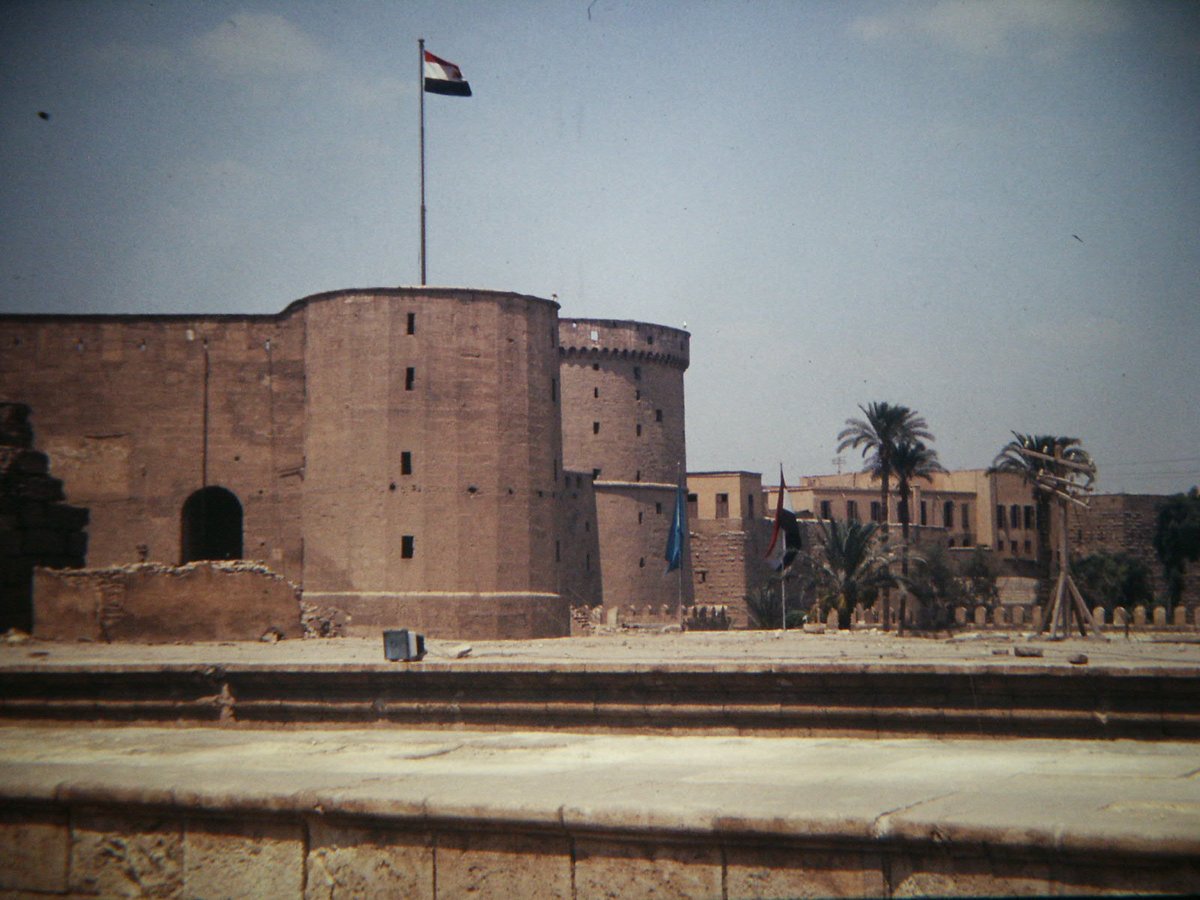
Bab Al-Azab is one of Cairo’s most iconic and historically significant gates, positioned at the western entrance of the Cairo Citadel—a UNESCO World Heritage Site. Constructed in 1754 during the Ottoman era, it stands as a remarkable example of military architecture that blends Ottoman and Mamluk styles. The gate is not only an architectural marvel but also a silent witness to transformative events in Egyptian history, most notably the 1811 massacre of the Mamluks orchestrated by Muhammad Ali Pasha. Today, Bab Al-Azab’s enduring presence reflects Cairo’s layered past and serves as a powerful symbol of resilience and transformation (Trips in Egypt, UNESCO World Heritage, Encyclopedia Britannica).
Currently, Bab Al-Azab is undergoing extensive restoration and redevelopment, with plans to create Egypt’s first integrated creative district. This initiative aims to revitalize the area by combining heritage preservation with contemporary cultural and artistic programming, fostering a vibrant hub for education, tourism, and the arts (TSFE Press Release, Cairo Scene).
This guide offers detailed information about Bab Al-Azab’s history, architectural features, visiting hours, ticketing, accessibility, nearby attractions, and travel tips—helping you plan a meaningful visit to one of Cairo’s most fascinating historic gates.
For the most current details and updates, consult official tourism platforms and heritage organizations (Egyptian Ministry of Antiquities, Cairo Excursions Online).


Origins and Construction of Bab Al-Azab
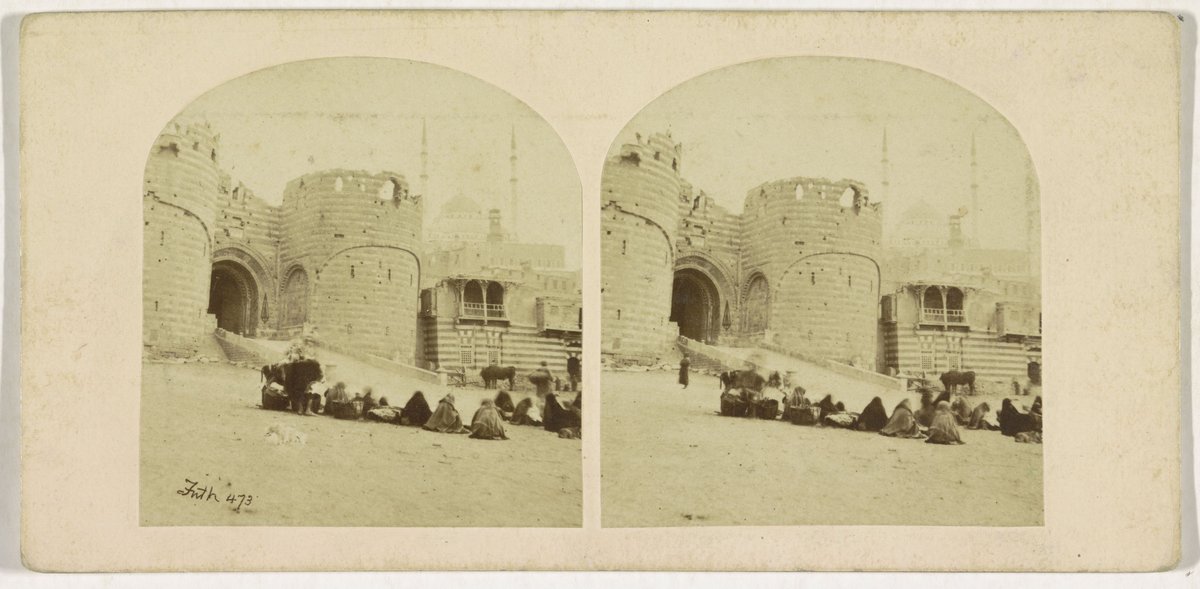
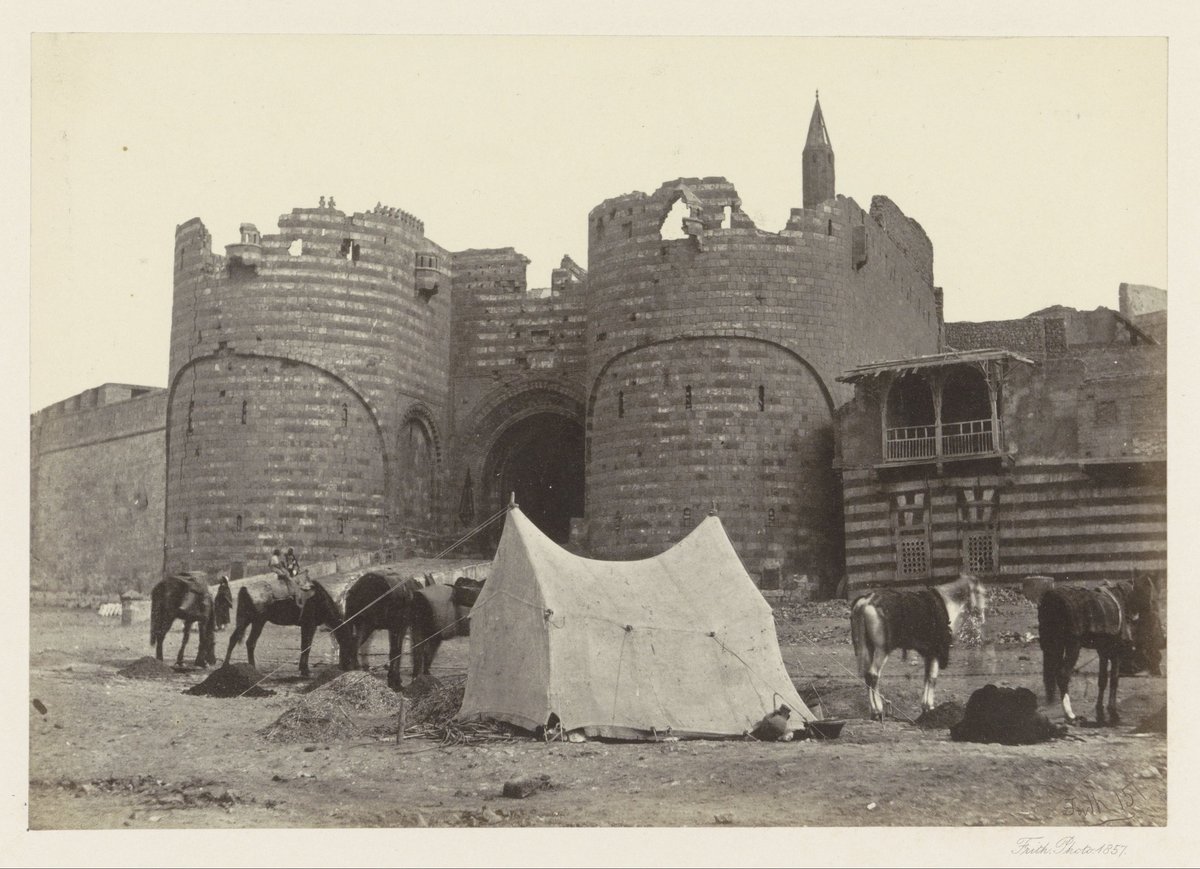
Bab Al-Azab, meaning "Gate of the Guards" or "Gate of Suffering," was constructed in 1754 CE under Ottoman governor Yusuf Pasha. It was named for the Azab soldiers stationed there and was built to serve as the Citadel’s western gateway, replacing an earlier Mamluk-era structure (Trips in Egypt). Its placement at the foot of the Citadel’s western slope reinforced the Citadel’s defenses and connected it with the bustling Darb al-Ahmar district.
Architectural Features and Defensive Role
Bab Al-Azab is an outstanding example of Ottoman military architecture, integrating features for both defense and ceremonial display. The gate’s monumental stone façade is flanked by two semi-circular towers with arrow slits and machicolations—openings through which boiling oil or stones could be dropped on attackers. The narrow, angled passageway was specifically designed to slow enemies and maximize defensive capability. Decorative stone panels, muqarnas, and Thuluth inscriptions demonstrate the gate’s dual role as a fortress and symbol of authority (Archnet).
Historical Events and Notable Incidents
Bab Al-Azab’s most pivotal historic moment was the 1811 massacre of the Mamluks. Muhammad Ali Pasha, seeking to consolidate his power, invited the Mamluk leaders to a celebration at the Citadel. As they exited via Bab Al-Azab, they were ambushed and nearly all were killed, effectively ending the Mamluk era and ushering in a new chapter in Egyptian history (Encyclopedia Britannica).
Restoration and Preservation Efforts
After centuries of use and periods of neglect, Bab Al-Azab has undergone significant restoration, with efforts led by the Egyptian Ministry of Antiquities in partnership with UNESCO and other organizations. These projects have stabilized the structure, cleaned and restored decorative elements, and prepared the site for adaptive reuse as part of Cairo’s creative district (UNESCO World Heritage, Egyptian Ministry of Antiquities).
Visiting Bab Al-Azab: Hours, Tickets & Accessibility
- Visiting Hours: The Cairo Citadel complex, which includes access to Bab Al-Azab’s exterior and select viewing points, is open daily from 9:00 AM to 5:00 PM. Hours may vary during Ramadan, public holidays, or restoration phases—confirm in advance.
- Tickets: Entry is included in the general Cairo Citadel ticket (approx. 180–200 EGP for adults). Discounts are available for students, children, and seniors. Tickets are sold at the entrance and through authorized online platforms.
- Accessibility: The Citadel grounds are partially accessible. Bab Al-Azab features uneven terrain and stairs, so wheelchair access is limited. Contact visitor services for assistance and updated access information.
- Getting There: Located on Muizz Street, Bab Al-Azab is accessible by taxi, public transportation, and ride-hailing apps. Parking is available near the Citadel, and nearby attractions are within walking distance (Sharm Club).
Nearby Attractions and Guided Tours
In addition to Bab Al-Azab, visitors can explore:
- Mosque of Muhammad Ali
- Military Museum
- Sultan Hassan Mosque
- El Refaie Mosque
- Darb al-Ahmar district
Many tour operators offer guided tours that include Bab Al-Azab as part of broader Citadel or Islamic Cairo itineraries, adding historical context and unique perspectives (Cairo Excursions Online).
Bab Al-Azab in the Context of Cairo’s Gates
Bab Al-Azab stands out among Cairo’s historic gates for its Ottoman heritage and role in the Citadel’s defenses. Its blend of military and decorative elements distinguishes it from earlier Fatimid-era gates such as Bab Zuweila and Bab al-Futuh, reflecting the evolving urban and political landscape of Cairo.
Cultural and Symbolic Significance
Bab Al-Azab is a symbol of authority, resilience, and transformation. Its presence at the Citadel’s entrance underscores its role in state ceremonies, military processions, and as a gathering point for community events. Historic inscriptions and ornamental details express religious and political legitimacy, while its image endures in Egyptian literature and art (Cairo360).
Frequently Asked Questions (FAQs)
Q: What are the visiting hours for Bab Al-Azab?
A: Bab Al-Azab is accessible during Cairo Citadel opening hours, typically 9:00 AM to 5:00 PM. Check ahead for updates.
Q: How much are tickets?
A: The Citadel entry ticket (including Bab Al-Azab) costs about 180–200 EGP for adults, with discounts for students and children.
Q: Is Bab Al-Azab accessible for people with disabilities?
A: Accessibility is limited due to the historic terrain; contact visitor services for assistance.
Q: Are guided tours available?
A: Yes, many operators offer guided tours that include Bab Al-Azab as part of larger Citadel or Islamic Cairo itineraries.
Detailed Visitor Guide
Architectural Features
- Strategic Location: Western entrance of the Citadel, linking the Darb al-Ahmar district to the seat of power.
- Structure: Massive limestone façade, flanked by semi-circular bastions, arrow slits, machicolations, and heavy iron-studded doors.
- Ornamentation: Intricate stone panels, muqarnas, Thuluth inscriptions, and arabesque motifs reflecting Ottoman and Mamluk influences (Archnet).
- Interior: Vaulted passage, stone benches for guards, leading to a former troop assembly courtyard.
Cultural Significance
- Served as a symbol of political power and ceremonial grandeur.
- Site of the decisive 1811 Mamluk massacre.
- Important gathering point for religious and social events.
- Today, a focal point for heritage preservation and creative urban regeneration (Cairo Scene).
Practical Visitor Information
- How to Get There: Taxi, ride-hailing apps, or public transport; nearest metro is Al-Shohadaa plus a short taxi ride.
- Facilities: Restrooms, cafés, and shops are located within the Citadel; limited amenities at the gate itself.
- Dress Code: Modest attire recommended; women may need a scarf for mosque visits.
- Photography: Permitted outdoors, with restrictions inside some buildings—ask before photographing people.
- Language: Arabic is official; English widely spoken in tourist areas.
Visitor Tips
- Visit early to avoid crowds and heat.
- Wear sturdy shoes for uneven terrain.
- Bring water, sun protection, and small change for tips.
- Advance booking recommended for guided tours.
- Check for special events or temporary closures due to restoration.
Creative District Development Plans
Bab Al-Azab is set to become Egypt’s first integrated creative district, inspired by global models but rooted in Cairo’s unique heritage. Plans include:
- Restoration of historic monuments
- Artist studios, exhibition spaces, tech hubs
- Cultural events, educational programming, and interactive museums
- Marketplaces for crafts and local foods
- Enhanced accessibility and sustainability features
The project aims to generate employment, stimulate investment, and reinforce Cairo’s status as a cultural capital, in alignment with Egypt’s Vision 2030 (TSFE Press Release, Purcell UK).
Essential Travel Tips
- Best Time to Visit: October–April for mild weather; avoid midday heat in summer (Hikersbay).
- Health & Safety: Stay vigilant in crowds, use bottled water, and keep valuables secure.
- Transportation: Allow extra time for traffic; taxis and ride-hailing are convenient.
- Accessibility: Limited for wheelchairs; consult guides or site management for support.
- Tipping: Common practice; small notes (10–20 EGP) are appreciated (Hikersbay).
- Emergency Contacts: Police 122, ambulance 123, fire 180.
Listen to the full story in the app
The whole Bab Al-Azab,
told well.
Audio guides for 1,100+ cities across 96 countries. History, stories, and local insight — offline ready.
Verified, and shown.
Researched and written by the Audiala editorial team from historical records, architectural archives, and local expertise.
Researched from Wikidata, Wikipedia & official sources · fact-checked · How we make our guides →