What the Mosque Is
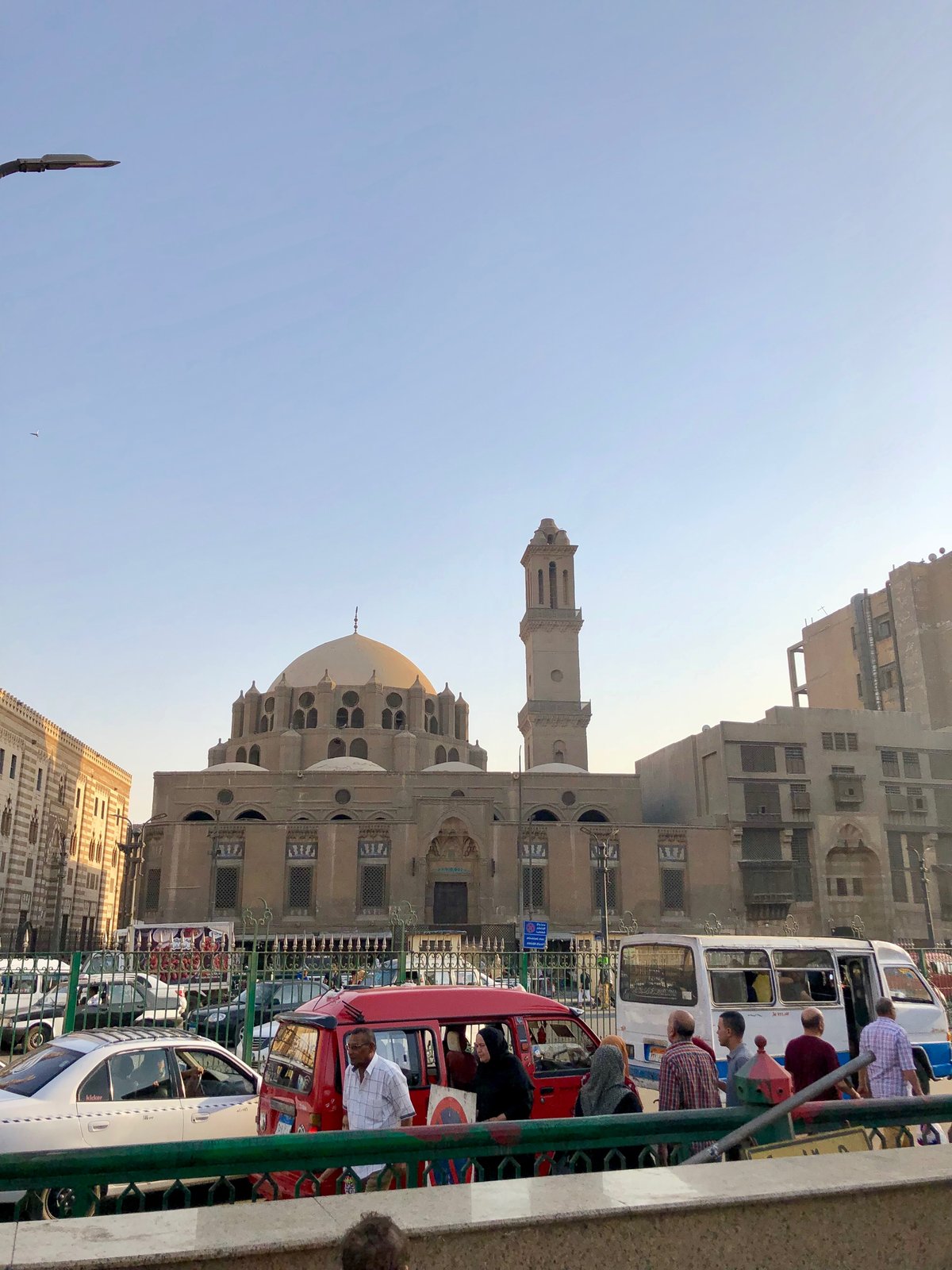
Al-Rifa'i Mosque, also known as مسجد الرفاعي, is a mosque and royal mausoleum in Al Nozha, Cairo. Commissioned by Khoshiar Hanim, the mother of Khedive Ismail, it serves both as a place of worship and as the burial place of members of the Egyptian royal family.
The mosque houses the tombs of Khedive Ismail, Khoshiar Hanim, Sultan Hussein Kamel, and King Farouk, the last reigning king of Egypt, among others. Reza Shah of Iran is also buried there; he was exiled to Egypt after his deposition in 1941 (Lonely Planet).
History
Origins and Construction
Construction began in 1869 under the direction of Khoshiar Hanim and was completed in 1912. The project spanned more than four decades amid political and economic changes in Egypt. The mosque was intended to serve as a royal mausoleum for the Egyptian royal family as well as a place of worship.
Architectural Design
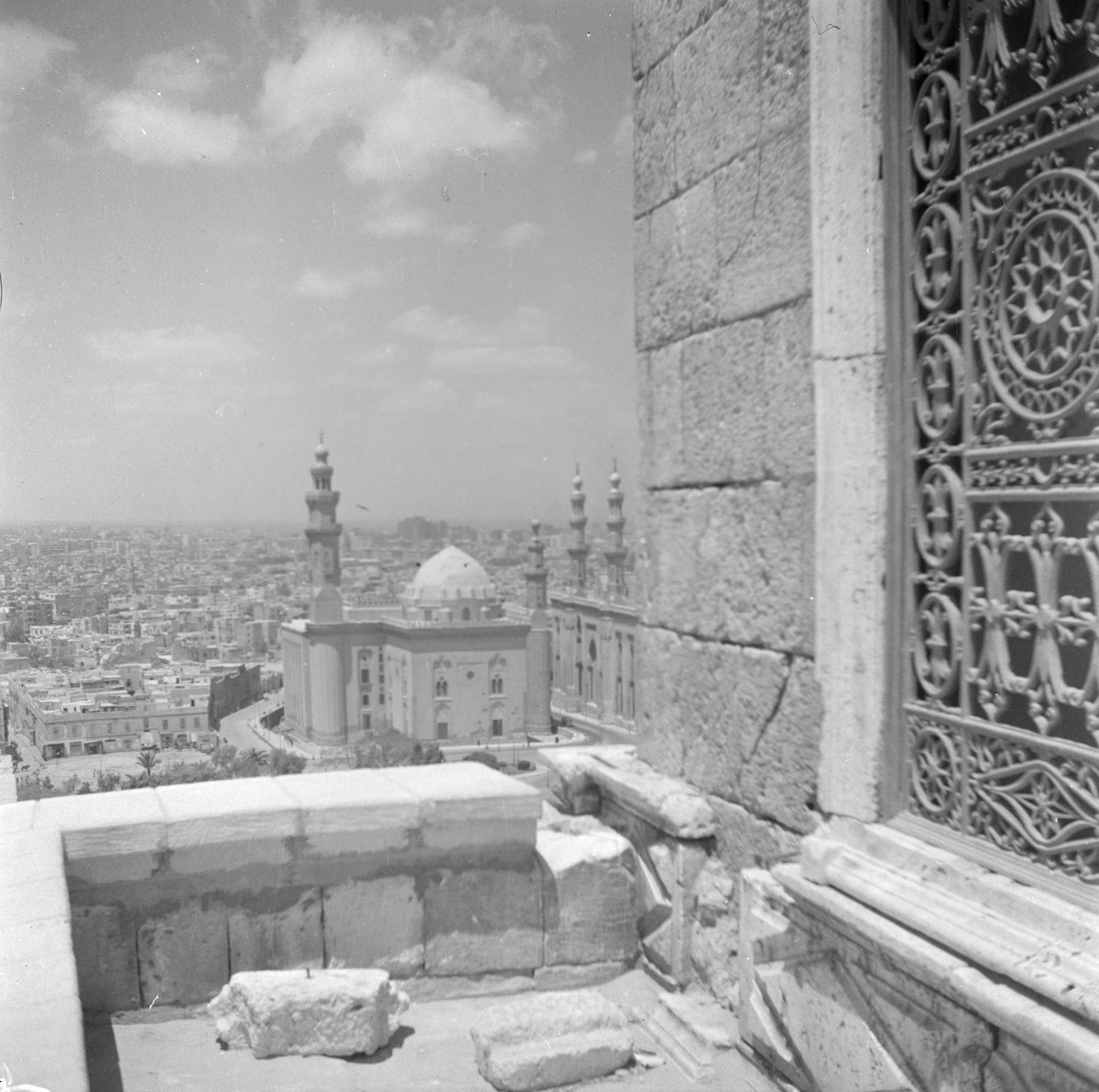
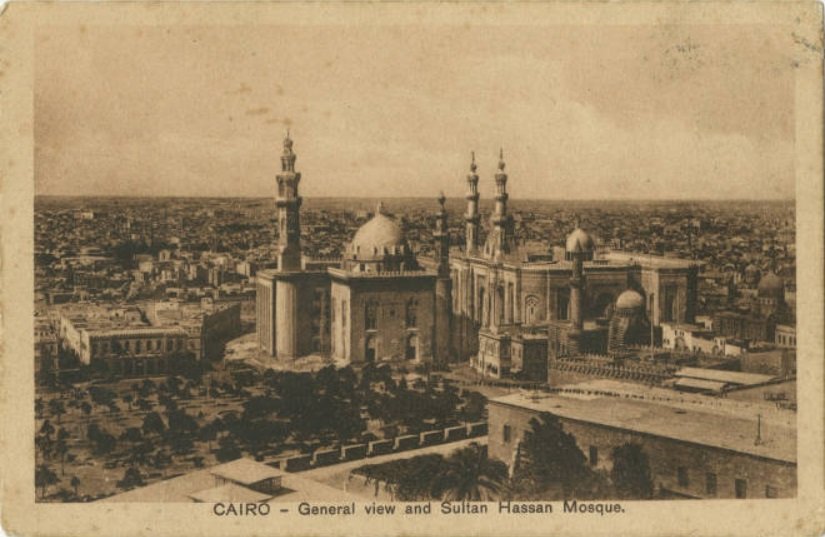
The mosque’s design draws on 14th-century Mamluk architecture and was intended to complement the adjacent Sultan Hassan Mosque. Hussein Fahri Pasha initially led the project; it was completed by Max Herz, described as both an Austrian architect and a Hungarian architect. Herz led the Committee for the Conservation of the Monuments of Arab Art (Egypt Today).
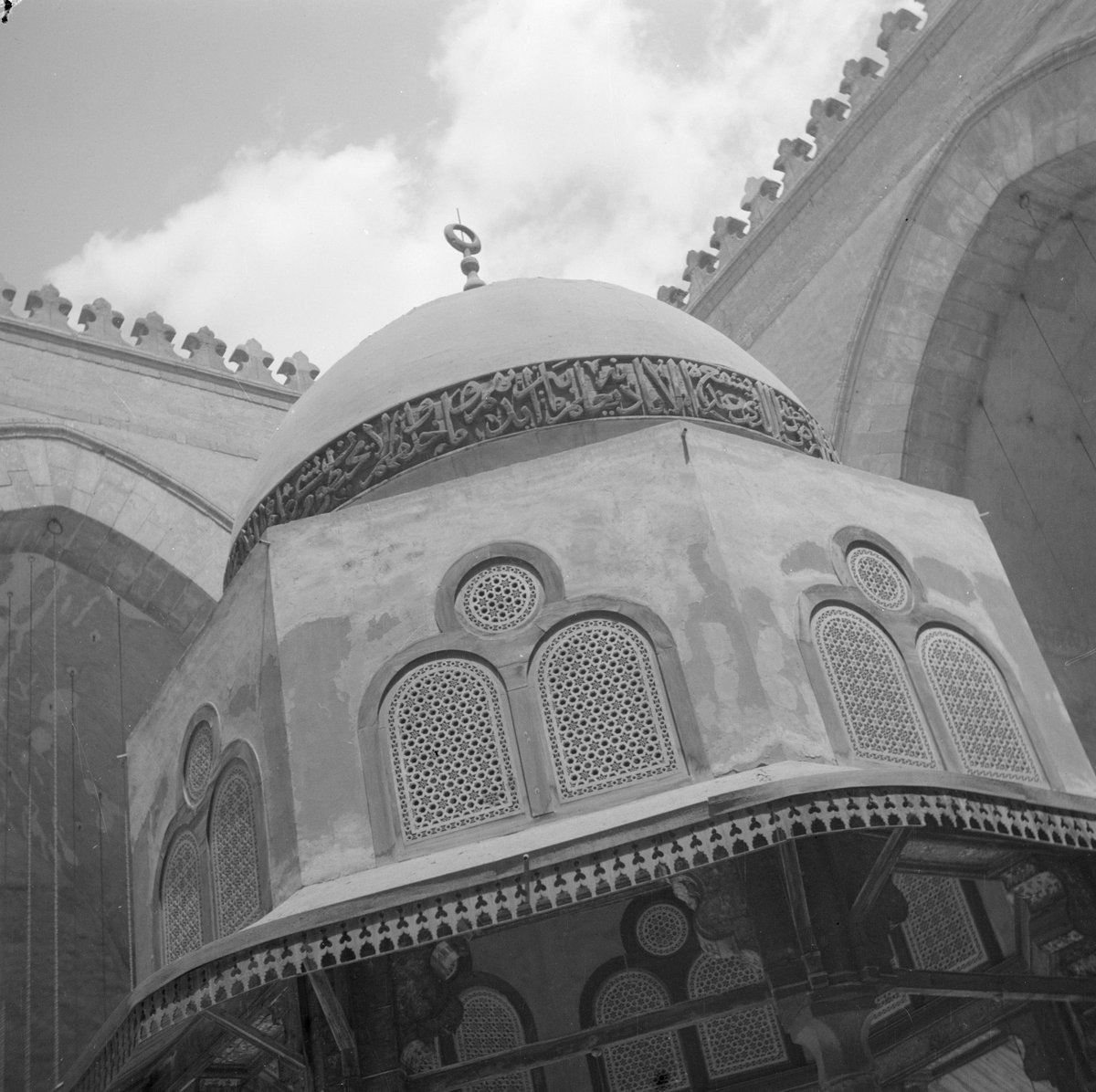
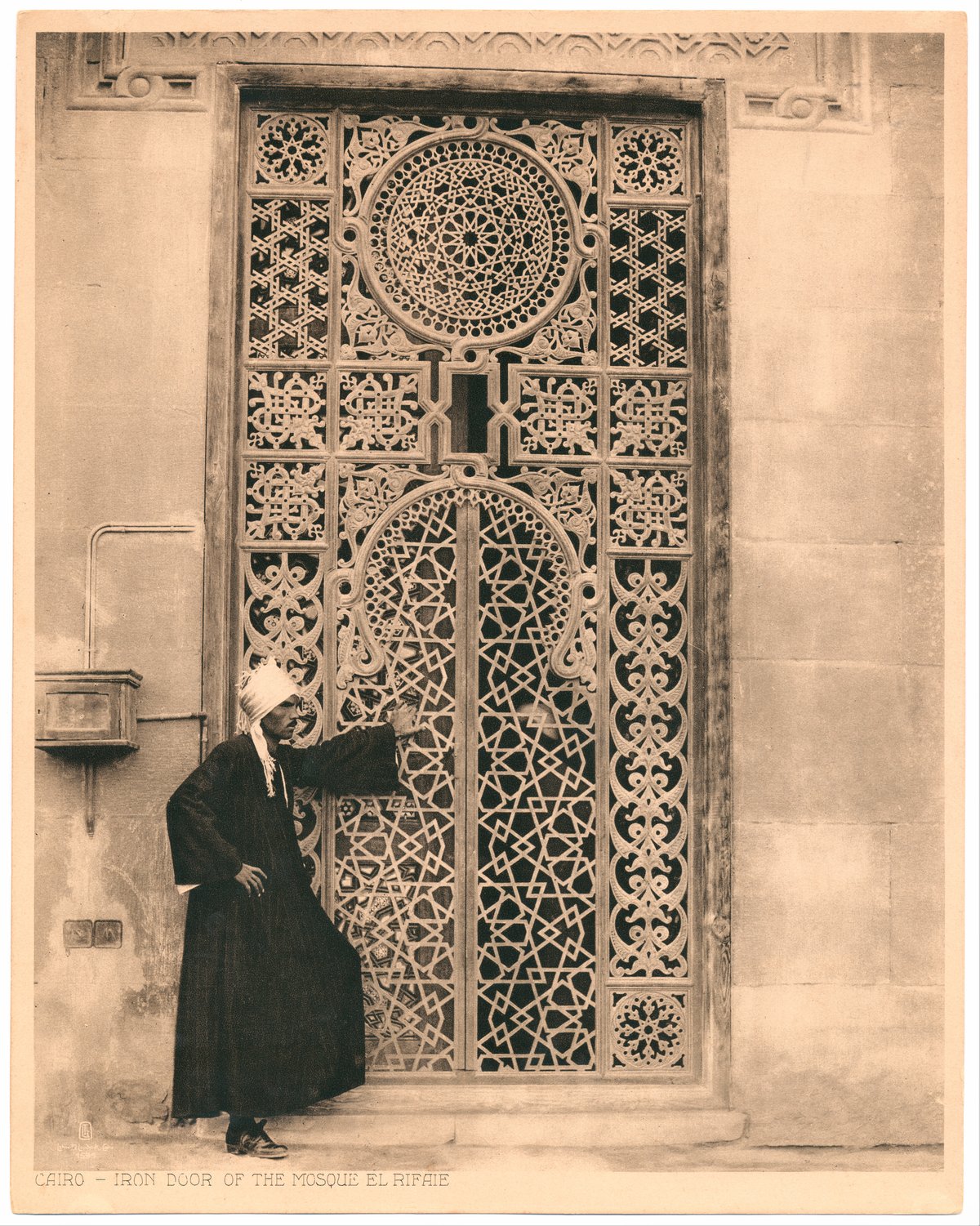
Its decoration includes geometric patterns, arabesques, and calligraphy. The mosque’s marble floors, wooden ceilings, and ornate mihrab have been the focus of preservation work.
Historical Significance and Preservation
The mosque is associated with the Muhammad Ali Dynasty and the Egyptian royal family. King Farouk was buried there after his death in exile in Italy in 1965. Its completion in 1912 coincided with the end of the British occupation and the beginning of Egypt’s transition towards independence. As a royal mausoleum, it symbolized the continuity and political influence of the Muhammad Ali Dynasty.
The mosque has undergone restoration and preservation efforts to maintain its architectural integrity and historical significance. The Egyptian Ministry of Antiquities manages the site and oversees its conservation.
Cultural Impact and Events
The mosque’s architecture and history have made it a subject of study for scholars and historians, and its role as a royal mausoleum has contributed to its cultural importance in Egypt and the broader Islamic world.
It has hosted royal ceremonies, including funerals of members of the Egyptian royal family, and has welcomed dignitaries and heads of state visiting the tombs of the Muhammad Ali Dynasty.
What to See
Visitors can see the mosque’s Mamluk-inspired architectural details, including its geometric patterns, arabesques, calligraphy, marble columns, stained glass windows, and intricately designed mihrab. The tombs of members of the royal family and Reza Shah are also among its notable features.
The grand entrance, minarets, and exterior provide photographic opportunities. Visitors should follow any photography guidelines at the site.
Practical Visiting Information
Visiting Hours and Tickets
The mosque is typically open to visitors from 9:00 AM to 5:00 PM daily, though hours may change. Check the official website of the Egyptian Ministry of Antiquities for the latest visiting hours before planning a visit.
Entrance fees may apply for tourists. For current ticket prices, consult the official website or contact the mosque directly.
Access and Facilities
The mosque is described as being in the heart of Cairo and is accessible by public transportation and private vehicles. Bus and metro routes connect to the Al Nozha area, and parking facilities are available nearby.
Taxis and ride-sharing services such as Uber and Careem are widely available. Public buses and the Cairo Metro are also options; the nearest metro station is Sayeda Zeinab on Line 1. Traditional horse-drawn carriages and tuk-tuks are other ways to travel. Tour operators offer packages that include transportation to and from the mosque.
The mosque has restrooms and a small gift shop selling souvenirs and religious items.
Tours
Guided tours provide information about the mosque’s history, architecture, decorations, royal tombs, and Sufi practices associated with the mosque. Audio guides are also available in multiple languages (Viator).
Tips for Visitors
When to Visit
The cooler months, from October to April, are considered the best time to visit. Early morning or late afternoon may offer a quieter visit. Fridays are particularly busy because of congregational prayers, so visitors may wish to plan for another day (Planetware).
Dress and Etiquette
Visitors are expected to dress modestly. Men should wear long pants and shirts with sleeves; women should cover their heads with a scarf and wear long skirts or pants. Shoes should be removed before entering the mosque. Visitors should behave respectfully, avoid loud conversations, and avoid taking photographs during prayer times (TripSavvy).
When greeting people, the customary phrases are “As-salamu alaykum” (peace be upon you) and “Wa alaykum as-salam” (and upon you be peace). Visitors should respect religious practices and avoid behavior that may be considered disrespectful (Culture Trip).
Safety and Refreshments
Cairo is generally described as safe for tourists, but visitors should remain aware of their surroundings, avoid displaying valuables, and take care when using public transportation. Reputable taxi services or ride-sharing apps are recommended. The area around the mosque is well-patrolled, with a visible security presence (Safe Around).
There are no cafes or restaurants within the mosque premises. Eateries and street vendors in the surrounding area offer local dishes such as koshari, falafel, and shawarma. Nearby shops sell handmade crafts, Islamic art, and other items reflecting Egypt’s cultural heritage. Visitors planning to spend an extended time exploring the mosque and its surroundings are advised to carry water and snacks (Egypt Tours Plus).
Special Events
The mosque occasionally hosts religious events and ceremonies, particularly during Ramadan and Eid. Visitors can check the mosque’s schedule or consult their guide for information about upcoming events.
Nearby Places
The Sultan Hassan Mosque, which dates to the 14th century, is adjacent to Al-Rifa'i Mosque. The nearby Cairo Citadel is a historic fortress offering panoramic views of the city. The Egyptian Museum, which houses an extensive collection of ancient Egyptian artifacts, is a short drive away (Rough Guides).
FAQ
What are the visiting hours for Al-Rifa'i Mosque?
The mosque is typically open from 9:00 AM to 5:00 PM daily. Check for changes before your visit.
How much are tickets for Al-Rifa'i Mosque?
Ticket prices can change. Refer to the official website for current information.
Can I take photographs inside the mosque?
Photography is allowed outside prayer times. Be respectful and avoid using flash.
Are guided tours available in multiple languages?
Yes. Guided tours and audio guides are available in several languages, including English, Arabic, French, and German.