Plan and listen to Al-Rahman Al-Rahim Mosque with Audiala.
Audio guide in your pocket, itinerary in your browser. Built for the way you actually visit.
Introduction: The Mosque’s Place in Cairo’s Cultural Tapestry
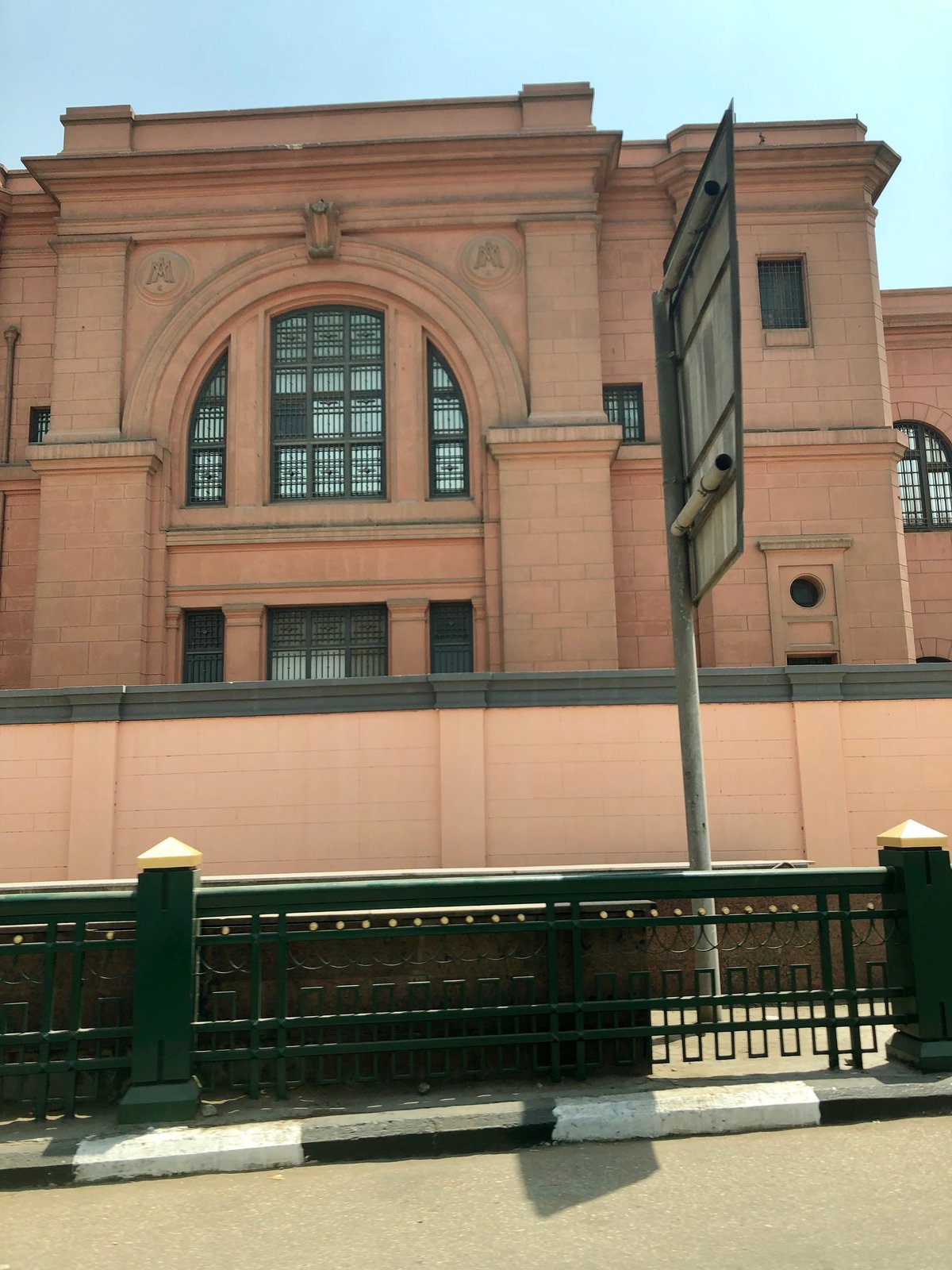
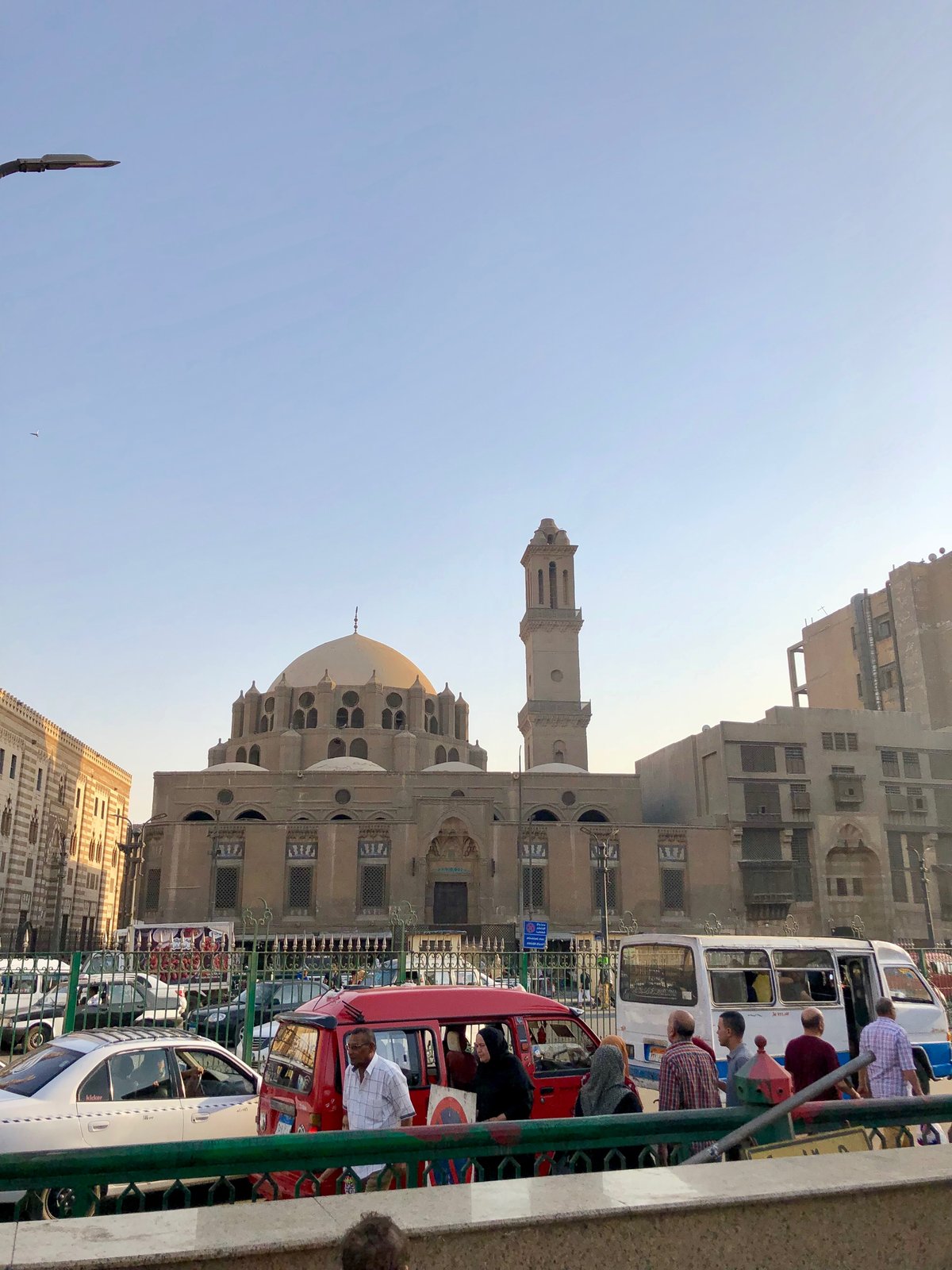
Al-Rahman Al-Rahim Mosque, prominently situated on Salah Salem Street in the Abbassiya district of Cairo, stands as a modern beacon of Islamic architecture amidst the city’s vibrant urban landscape. Commissioned in the early 21st century by the philanthropic El-Sewedy family, the mosque is celebrated for its neo-Mamluk design—a deliberate homage to Cairo’s historic mosque-building traditions, adorned with elegant domes, slender minarets, intricate stonework, and ornate arabesques reminiscent of masterpieces like Sultan Hassan and Al-Rifa’i (Hurriyet Daily News).
Beyond its architectural splendor, Al-Rahman Al-Rahim Mosque is a hub for spiritual practice, community engagement, and social events. It hosts daily prayers, Ramadan celebrations, weddings, funerals, and educational activities, serving Cairo’s Sunni Muslim population and welcoming visitors from all backgrounds (alalqab.com). Its strategic location on a main urban artery makes it accessible and places it at the crossroads of Cairo’s historical and modern districts, making it an essential stop for anyone keen to experience the city’s rich religious and architectural heritage (MIT OCW).
This comprehensive guide provides all the crucial information for visiting Al-Rahman Al-Rahim Mosque, including opening hours, ticket policies, etiquette, visitor facilities, and cultural highlights. Whether you’re an architecture enthusiast, spiritual seeker, or cultural traveler, this mosque offers a unique perspective on Cairo’s evolving identity (Cairo Architecture City Guide).
Modern Emergence and Urban Context
Al-Rahman Al-Rahim Mosque was established during a period of rapid urban expansion in Cairo, reflecting both the city’s deep-rooted religious traditions and its contemporary aspirations (Hurriyet Daily News). Positioned on Salah Salem Street—a major thoroughfare connecting historic Islamic Cairo with bustling districts like Nasr City and Heliopolis—the mosque is surrounded by government offices, residential blocks, and cultural landmarks. Its proximity to Cairo International Airport adds to its accessibility for both locals and international visitors.
The mosque’s foundation by the El-Sewedy family continues the tradition of charitable endowment (waqf) in Islamic societies, blending private patronage with public good (alalqab.com).
Neo-Mamluk Architectural Features
The mosque’s design draws heavily on Mamluk and Ottoman influences, featuring:
- Central and Corner Domes: The grand central dome is flanked by four smaller domes, all adorned with geometric patterns and Quranic calligraphy.
- Slender Minarets: Twin minarets rise above the structure, decorated with arabesque stonework and muqarnas.
- Elaborate Facades: Pale limestone facades are punctuated by arched windows and doors with colored glass, casting vibrant light into the interior.
- Intricate Interiors: The main prayer hall boasts plush carpets, ornate chandeliers, and a marble mihrab inlaid with mother-of-pearl and Thuluth script. A finely carved wooden minbar and a spacious marble courtyard with an ablution fountain complete the setting (Behrens-Abouseif, 1989).
Modern materials—such as reinforced concrete and advanced glazing—allow for expansive, open interiors and intricate decorative work. Manicured gardens and shaded walkways evoke the tranquility of traditional Islamic paradise gardens (Mosques in Cairo: A Guide to Mosques Worth Visiting).
Religious and Cultural Significance
Central Spiritual Role
The mosque is a focal point for Sunni Muslims, hosting the five daily prayers and the especially significant Friday noon prayer (Jumu’ah). During Ramadan, it becomes a center for communal worship, nightly taraweeh prayers, and iftar gatherings. The mosque also plays a key role during Eid celebrations and other religious festivals (egiptoexclusivo.com).
Educational and Social Functions
Al-Rahman Al-Rahim Mosque is not just a place of worship. It provides:
- Religious Education: Quranic recitation classes, lectures, and seminars on Islamic jurisprudence.
- Community Support: Charitable activities, food distribution, and mediation in family or community disputes.
- Lifecycle Events: The mosque is a popular venue for weddings (Katb Ketab ceremonies) and funerals.
- Youth Engagement: Programs for children and youth, including Arabic language instruction (alalqab.com).
Interfaith and Civic Engagement
Cairo’s religious diversity is reflected in the mosque’s openness and its role in fostering social integration and respect. The mosque’s leadership often addresses contemporary issues in Friday sermons and collaborates with local organizations on civic initiatives (egiptoexclusivo.com).
Visitor Information: Hours, Tickets, and Facilities
Visiting Hours
- General Access: Daily from 8:00 AM to 6:00 PM for tourists; extended hours during Ramadan and religious festivals.
- Worship: Five daily prayer times; Friday midday prayer attracts the largest congregation. Non-worshipping visitors are advised to visit outside these times for a peaceful experience.
Entry and Tickets
- Admission: Free for all visitors. Donations are welcomed to support mosque maintenance and community programs.
- Guided Tours: Available upon request, especially during religious festivals or by prior arrangement. Inquire at the mosque’s information desk or via its official website.
Accessibility and Facilities
- Wheelchair Access: Ramps, wide entrances, and accessible restrooms make the mosque easy to navigate for visitors with disabilities (prayersconnect.com).
- Facilities: Separate prayer areas for men and women, modern ablution (wudu) facilities, cloakrooms, and shoe racks.
- Parking: Underground parking is available; proximity to public transport and taxis adds to convenience.
Dress Code and Etiquette
- Modest Dress: Shoulders and knees covered; women should cover their hair. Headscarves are often available at the entrance.
- Shoes: Remove shoes before entering the prayer hall.
- Behavior: Maintain a quiet atmosphere, silence phones, and avoid loud conversation. Photography is permitted in most areas but avoid photographing worshippers during prayers, and always seek permission as a courtesy.
Exploring the Area: Nearby Attractions and Practical Tips
- Local Landmarks: Within walking distance are the Baron Empain Palace, Khanqah of Faraj ibn Barquq, Demerdash Mosque, and the City of the Dead.
- Travel Tips: Visit early or late in the day to avoid crowds and heat. Carry water, wear comfortable shoes, and keep small change on hand for local purchases.
- Safety: The area is generally safe, but standard travel precautions apply—avoid displaying valuables, and female visitors may prefer company after dark.
Frequently Asked Questions (FAQ)
Q: What are the mosque’s visiting hours?
A: Open daily from 8:00 AM to 6:00 PM (extended during Ramadan and festivals).
Q: Is there an entry fee?
A: No, entry is free; donations are appreciated.
Q: Are guided tours available?
A: Yes, by prior arrangement and during special religious occasions.
Q: Can non-Muslims visit?
A: Yes, non-Muslim visitors are welcome outside of prayer times.
Q: Is the mosque accessible for people with disabilities?
A: Yes, the mosque provides ramps and accessible facilities.
Q: Is photography allowed?
A: Yes, in exterior and public areas; please avoid photographing people during prayer.
Final Tips and Summary
Al-Rahman Al-Rahim Mosque is a harmonious fusion of Egypt’s Islamic architectural heritage and the needs of a modern metropolis. Its neo-Mamluk design, community-centered activities, and inclusive facilities make it a welcoming space for spiritual reflection and cultural exploration (Behrens-Abouseif, 1989; alalqab.com). Visitors are encouraged to dress modestly, plan their visits around prayer times, and take advantage of guided tours for deeper insights.
For updated details on visiting hours and events, consult the mosque’s official sources, the Audiala app, or local tourism websites. Exploring Al-Rahman Al-Rahim Mosque is an enriching experience, connecting you to Cairo’s living tradition of faith, community, and architectural beauty.
Listen to the full story in the app
The whole Al-Rahman Al-Rahim Mosque,
told well.
Audio guides for 1,100+ cities across 96 countries. History, stories, and local insight — offline ready.

Verified, and shown.
Researched and written by the Audiala editorial team from historical records, architectural archives, and local expertise.
Researched from Wikidata, Wikipedia & official sources · fact-checked · How we make our guides →