
Historical and Religious Significance
Origins and Foundation
Established in 970–972 CE by the Fatimid Caliphate, Al-Azhar University is one of the oldest continuously operating universities worldwide (Wikipedia). The mosque was named in honor of Fatimah al-Zahra, daughter of Prophet Muhammad, and was created to serve as the spiritual and intellectual heart of Fatimid Cairo (study-in-egypt.gov.eg).
Evolution Through Dynasties
Originally a Shi’a institution, Al-Azhar transitioned to Sunni orthodoxy under the Ayyubids and Mamluks, who expanded its resources and facilities. The Ottomans further elevated Al-Azhar’s religious standing, introducing the office of Shaykh al-Azhar and reinforcing its leadership in Sunni Islamic scholarship (Wikipedia).
Modernization and Expansion
Al-Azhar underwent significant modernization in the 19th and 20th centuries, with reforms under President Gamal Abdel Nasser in 1961 introducing secular faculties such as medicine and engineering (Wikipedia). Today, it administers thousands of teaching institutes and serves millions of students across Egypt.
Architectural Evolution and Styles
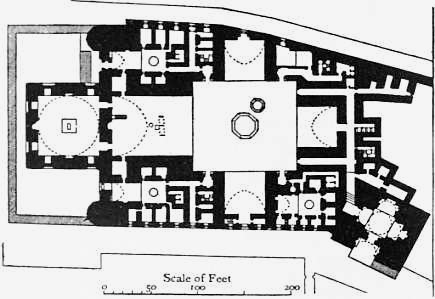
Al-Azhar Mosque, the university’s anchor, is a masterpiece of Islamic architecture, reflecting more than a millennium of stylistic evolution (muslimheritage.com). Successive dynasties—including Fatimid, Ayyubid, Mamluk, and Ottoman rulers—expanded and embellished the mosque, resulting in a harmonious blend of architectural features.
Notable Architectural Features
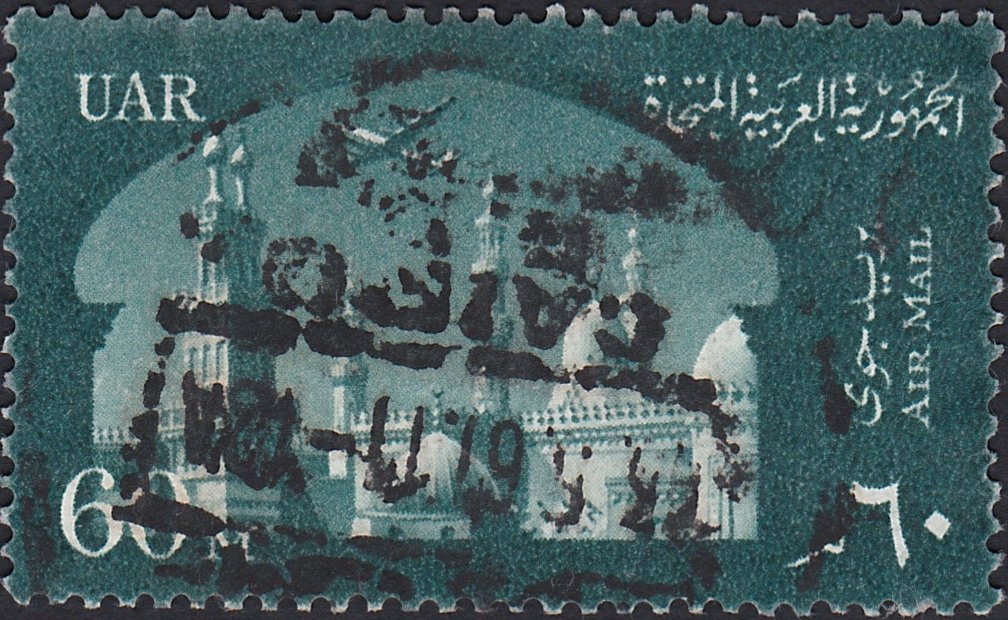
- Minarets Five minarets represent different eras: slender Fatimid forms, intricate Mamluk stonework, and ornate Ottoman domes (architecturecourses.org).
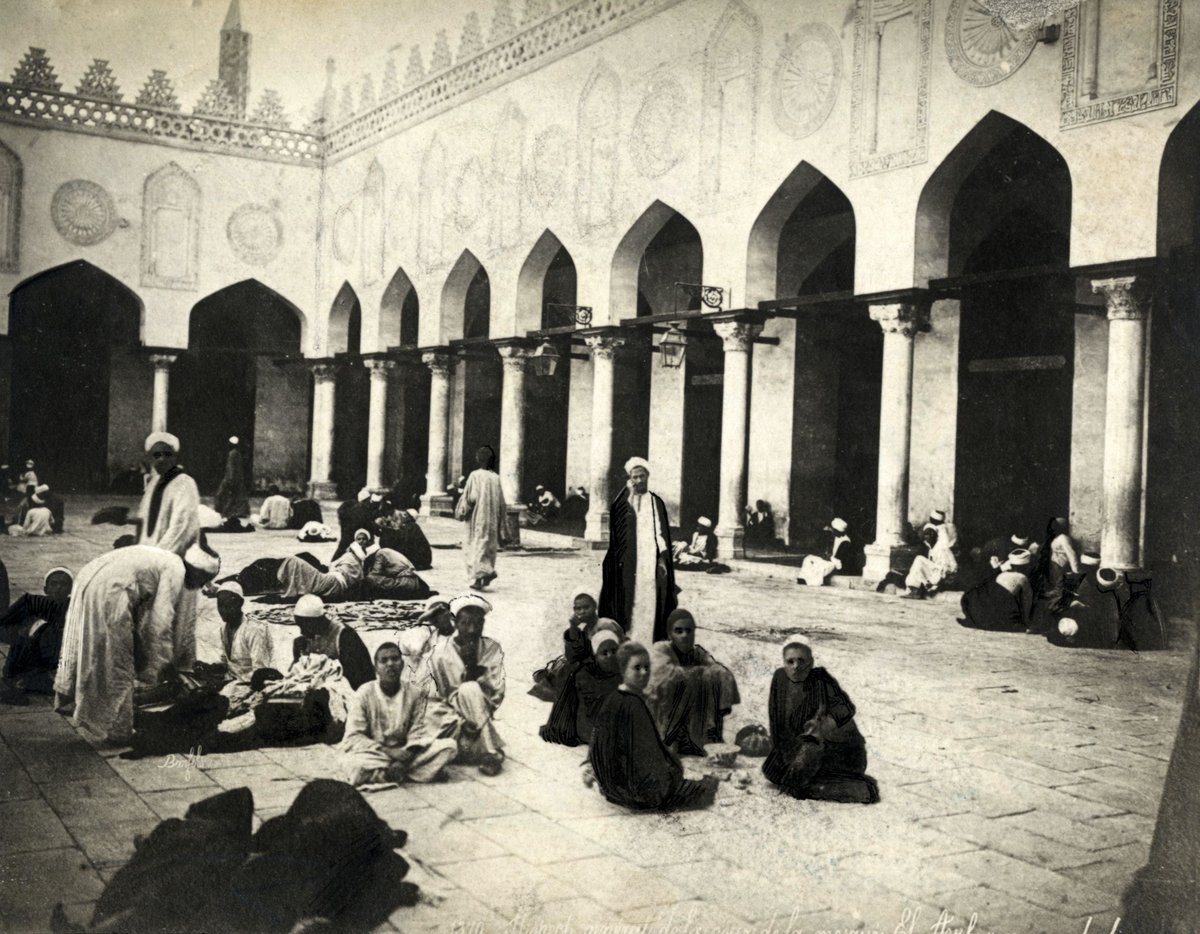
- Courtyard and Porticoes A vast marble courtyard (sahn) is surrounded by arcaded porticoes with ancient columns and muqarnas ornamentation.
- Mihrab and Minbar The prayer niche and pulpit are adorned with marble inlay, calligraphy, and woodwork, reflecting exquisite craftsmanship.
- Gates Monumental gates like Bab al-Muzayinīn (Gate of the Barbers) feature elaborate stone carvings and inscriptions (muslimheritage.com).
University Complex
The university grew around the mosque, adding madrasas and libraries over centuries. The main library, with over 100,000 rare Islamic manuscripts, blends traditional and modern architectural elements (studyatuniversity.com).
Intellectual and Educational Impact
Al-Azhar is the leading authority in Sunni Islamic jurisprudence, theology, and education (alluniversity.info). Its Council of Senior Scholars represents all four Sunni madhahib and issues influential fatwas.
While Islamic studies remain central, Al-Azhar’s curriculum also encompasses medicine, engineering, humanities, and the social sciences. Its diverse student body—drawn from over 100 countries—creates a vibrant intellectual community and extends the university’s influence globally (agatetravel.com).
The university’s library preserves centuries of scholarly work, supporting research in both religious and secular domains (egyptimmigration.org).
Cultural and Social Influence
Role in Egyptian Society
Al-Azhar is integral to Egypt’s religious education and social life. The Grand Imam is a prominent figure in national and international religious affairs (alluniversity.info), and the university certifies imams across Egypt.
Promoting Tolerance and Understanding
Al-Azhar fosters dialogue and moderation among Islamic schools of thought, promoting intellectual inquiry and religious tolerance.
Preservation of Heritage
The mosque’s white marble façade, carved doors, and historic minarets exemplify Cairo’s Islamic heritage (egyptimmigration.org). Ongoing restoration projects ensure the preservation of this architectural treasure (academia.edu).
Practical Visitor Information
Location and Access
Al-Azhar is centrally located in Islamic Cairo, near Khan el-Khalili bazaar (mapcarta.com). It is easily accessible via:
- Metro Nearest station is Ataba, followed by a short walk (TravelTriangle).
- Taxi/Ride-Sharing Uber, Careem, and local taxis connect all city areas.
- Bus Al Mosky bus stop on Port Said St is nearby.
Visiting Hours and Tickets
- Mosque Open daily from 9:00 AM to 4:00 PM (hours may vary during Ramadan and religious holidays; closed during Friday noon prayers) (TravelTriangle).
- Tickets Entry is generally free, but some guided tours may charge a fee. Foreign visitors may pay a nominal entrance fee (e.g., 60 EGP), while Egyptians pay less (confirm current rates before visiting).
Dress Code and Etiquette
- Men Long trousers, sleeved shirts; shorts and sleeveless tops discouraged (Timeless Tours).
- Women Loose, long dresses or skirts, covering arms and legs; headscarf recommended (TourTeller).
- Inside the Mosque Remove shoes before entering prayer halls. Remain quiet and respectful, especially during prayers. Follow all posted photography and visitor rules (Egypt Planners).
Accessibility
- Some areas are wheelchair accessible, but historic sections may present challenges (Egypt Planners). Contact the visitor center ahead for assistance if needed.
Facilities and Amenities
- Restrooms are limited inside; nearby cafes or hotels are recommended.
- Markets like Khan el-Khalili offer souvenirs and refreshments.
- Cafes and restaurants are abundant in the area, especially lively after sunset during Ramadan.
Nearby Attractions
Al-Azhar’s location in Islamic Cairo makes it a perfect starting point to explore:
- Khan el-Khalili Bazaar Famed for crafts, spices, and souvenirs.
- Al-Muizz Street Lined with medieval mosques and palaces.
- Al-Hussein Mosque A spiritual and historical landmark nearby.
- Sultan Hassan Mosque Renowned for its monumental architecture.
Exploring these sites alongside Al-Azhar provides a fuller experience of Cairo’s rich heritage (studyatuniversity.com).
Visitor Experience: Tips and Highlights
- Guided Tours Enhance your visit with a local guide for historical context (Egypt Planners).
- Best Times to Visit Weekday mornings are quieter; avoid Friday prayers.
- Photography Allowed in most areas, but avoid using flash or photographing during prayers.
- Dress and Behavior Dress modestly and be mindful of local customs.
- Stay Hydrated Bring bottled water; use sunscreen.
FAQ: Frequently Asked Questions
Q: What are Al-Azhar Mosque’s visiting hours?
A: Typically 9:00 AM to 4:00 PM, excluding prayer times and certain holidays.
Q: Is there an entry fee or ticket cost?
A: Entry is generally free; guided tours or special exhibitions may have fees.
Q: Are guided tours available in English?
A: Yes, local guides are available and often speak English; booking ahead is recommended.
Q: Is Al-Azhar accessible for people with disabilities?
A: The mosque is partially accessible; contact ahead for assistance regarding mobility needs.
Q: Can non-Muslims enter the mosque?
A: Non-Muslims may visit certain areas; some parts may be restricted. Always respect staff guidance.
Q: Is photography allowed?
A: Allowed in most public areas, but restricted in some sacred spaces. Observe all posted signs.