Ancient and Roman Precursors
gavel
c. 3000 BCE
Memphis Becomes the First Capital
South of today’s Cairo, Memphis rose as the political heart of early unified Egypt. Court ritual, taxation, and royal ideology took shape here beside the Nile’s shifting light and silt. Cairo’s later claim to centrality begins with this older capital’s gravity.
castle
c. 2550 BCE
Giza Pyramids Transform the Horizon
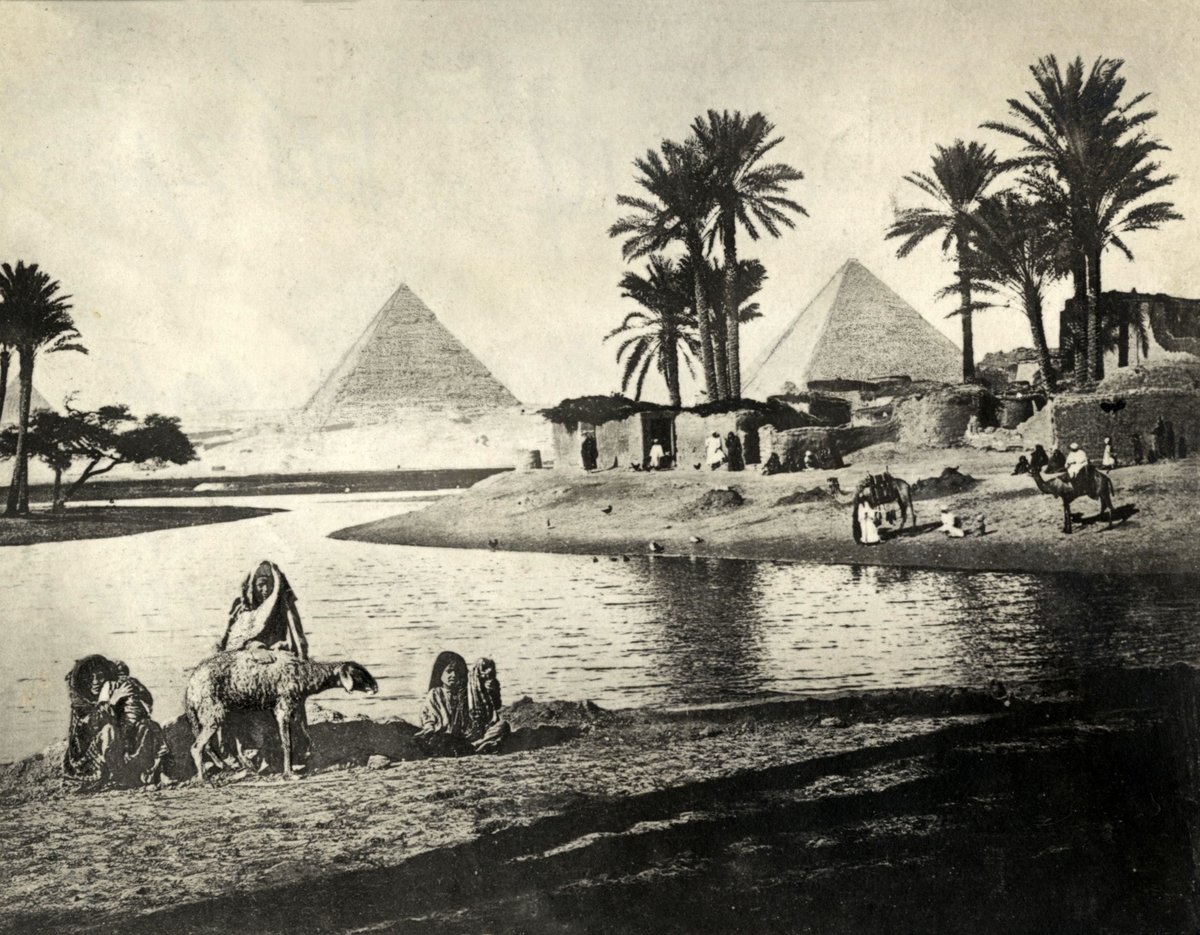
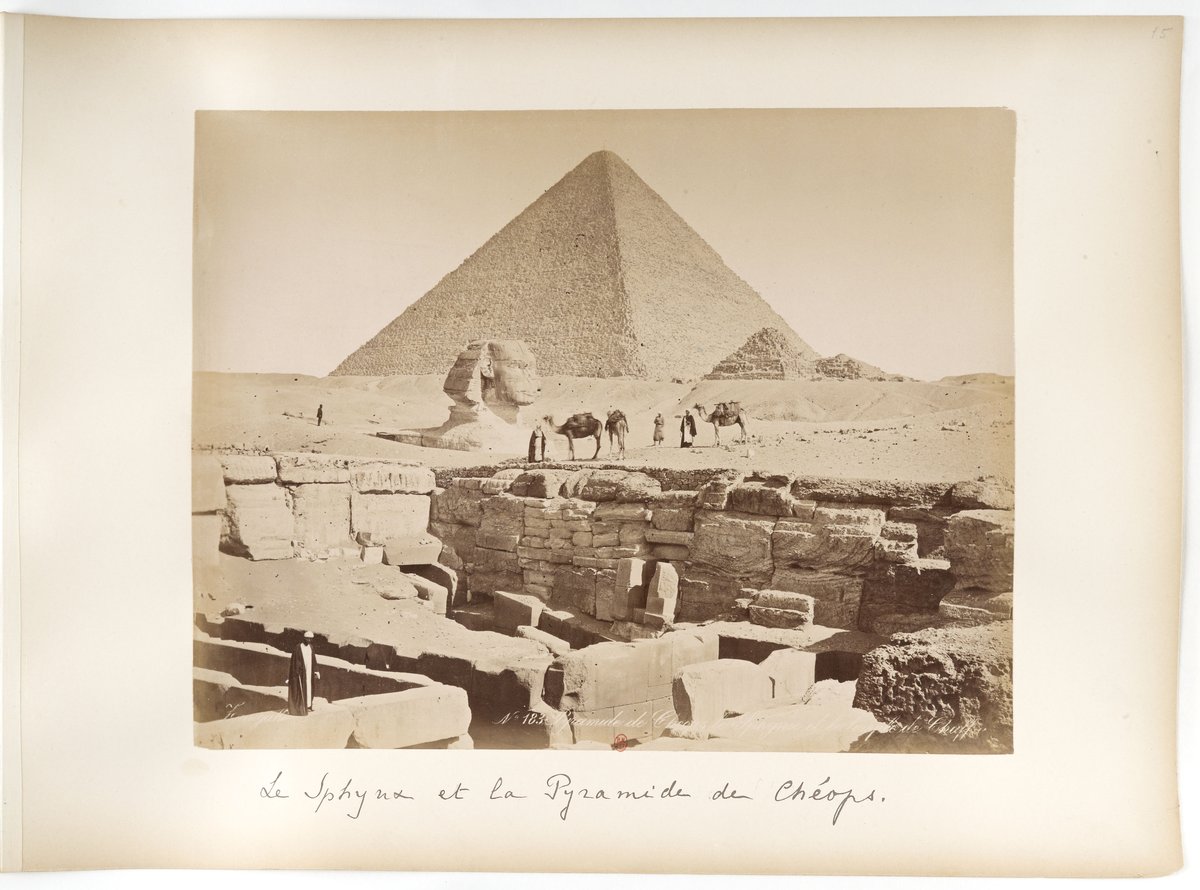
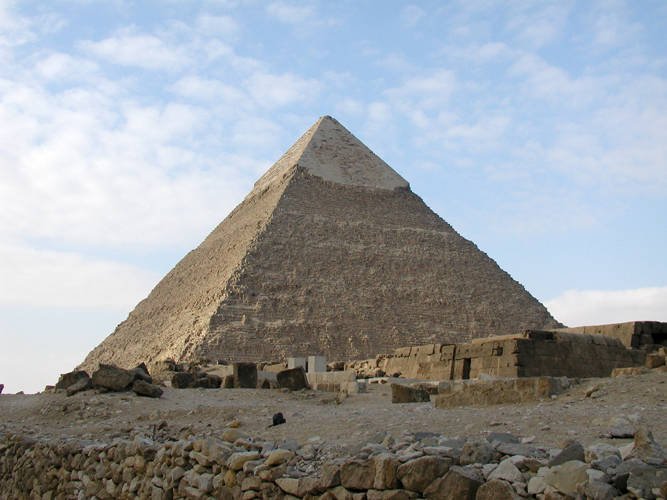
The pyramid field at Giza was built during the Old Kingdom for Khufu, Khafre, and Menkaure. These monuments fixed the west-bank desert as sacred royal ground for millennia. Even now, Cairo’s skyline still bends around their geometry.
castle
c. 300 CE
Babylon Fortress Guards the Canal
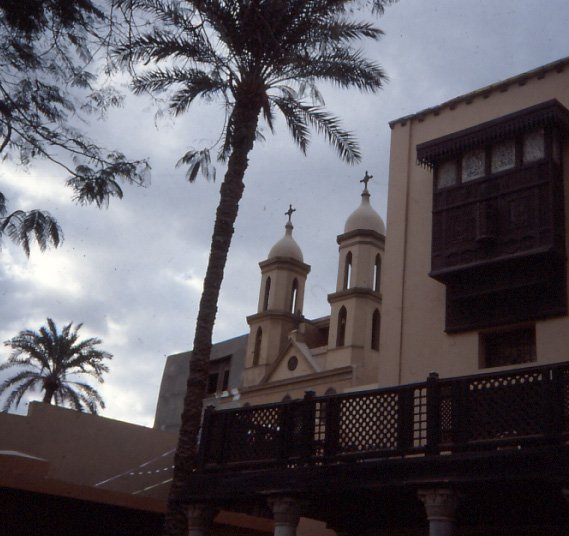
Roman authorities built the fortress of Babylon in what is now Old Cairo, controlling movement between Nile routes and the Red Sea link. Thick walls and towers made this a strategic choke point. Later Christian communities clustered around it, seeding Coptic Cairo.
Early Islamic Capitals
swords
641
Conquest and the Birth of Fustat
Arab forces took Babylon, then founded al-Fustat beside it as Egypt’s first Muslim capital. Camp streets hardened into markets, mosques, and workshops. Cairo had not yet been named, but its urban ancestry had started.
church
876-879
Ibn Tulun Builds His Great Mosque
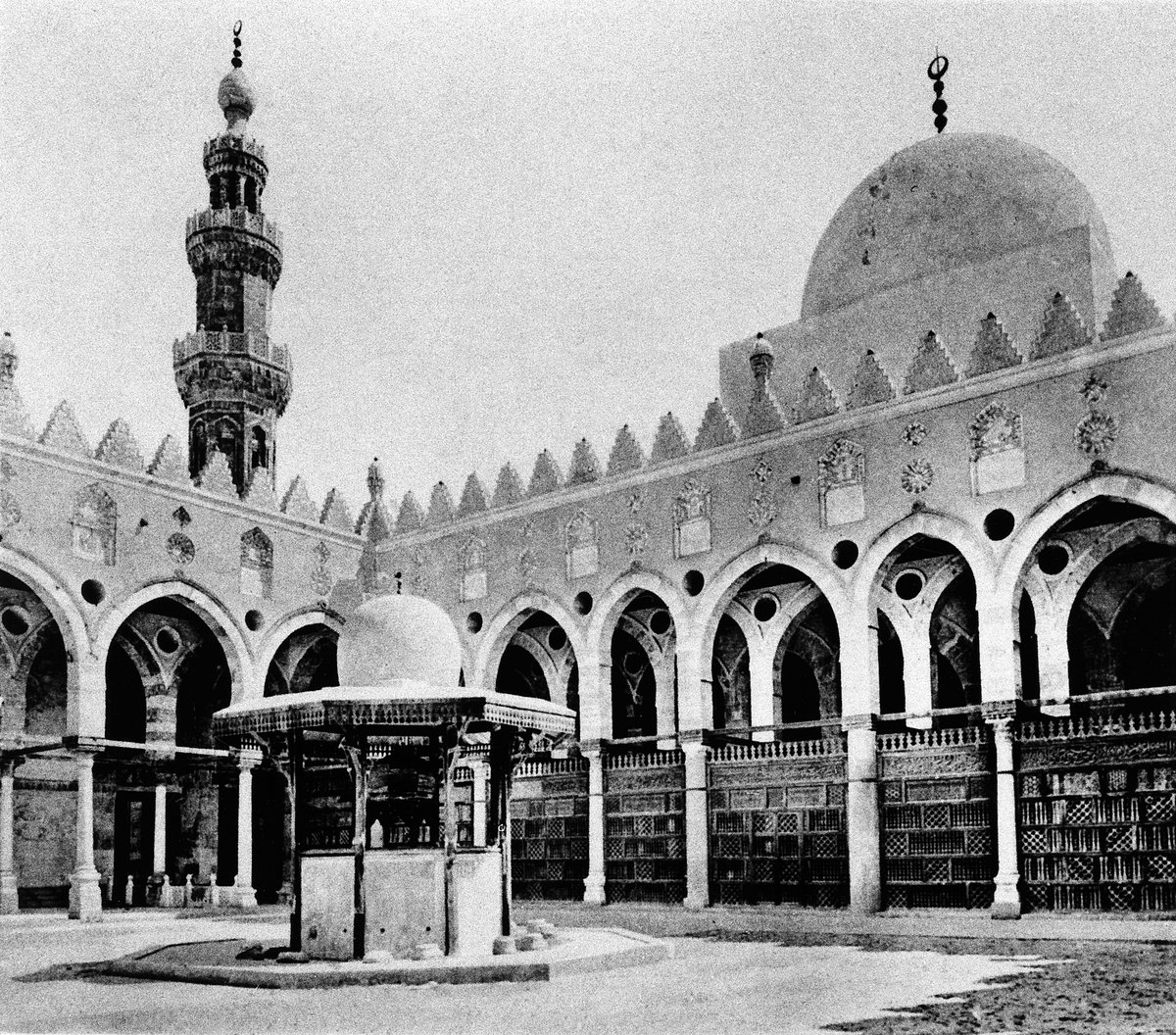
Ahmad ibn Tulun raised a vast brick mosque in his new city of al-Qata'i. Its spiral minaret, broad courtyard, and arcades still carry wind and footsteps differently from later Cairene monuments. The building survived dynastic collapse and became a durable memory of early autonomous rule.
Fatimid Cairo
gavel
969
Al-Qahirah Is Founded
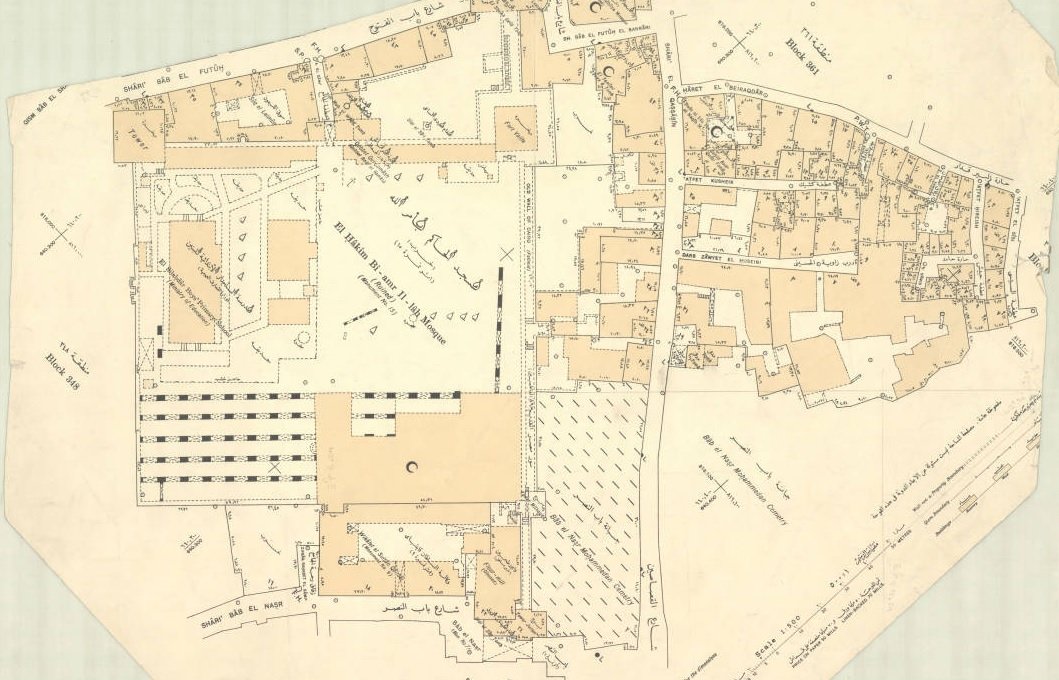
Fatimid general Jawhar al-Siqilli founded a new royal enclosure north of Fustat, soon called al-Qahirah, 'the Victorious.' It began as a court city of palaces, barracks, and ceremonial avenues. This was the formal birth of Cairo proper.
school
972
Al-Azhar Opens for Prayer
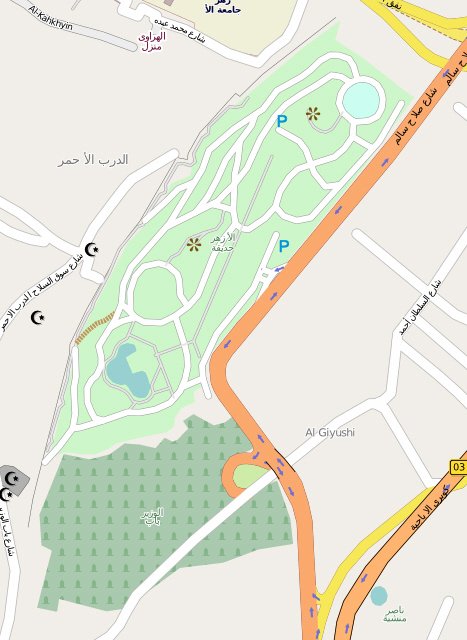
Al-Azhar began under the Fatimids and quickly became more than a mosque. Over centuries it evolved into one of the Islamic world’s most influential centers of learning. In Cairo, scholarship became part of the city’s daily soundscape as much as commerce.
castle
1092
Bab Zuwayla Seals the Southern Gate
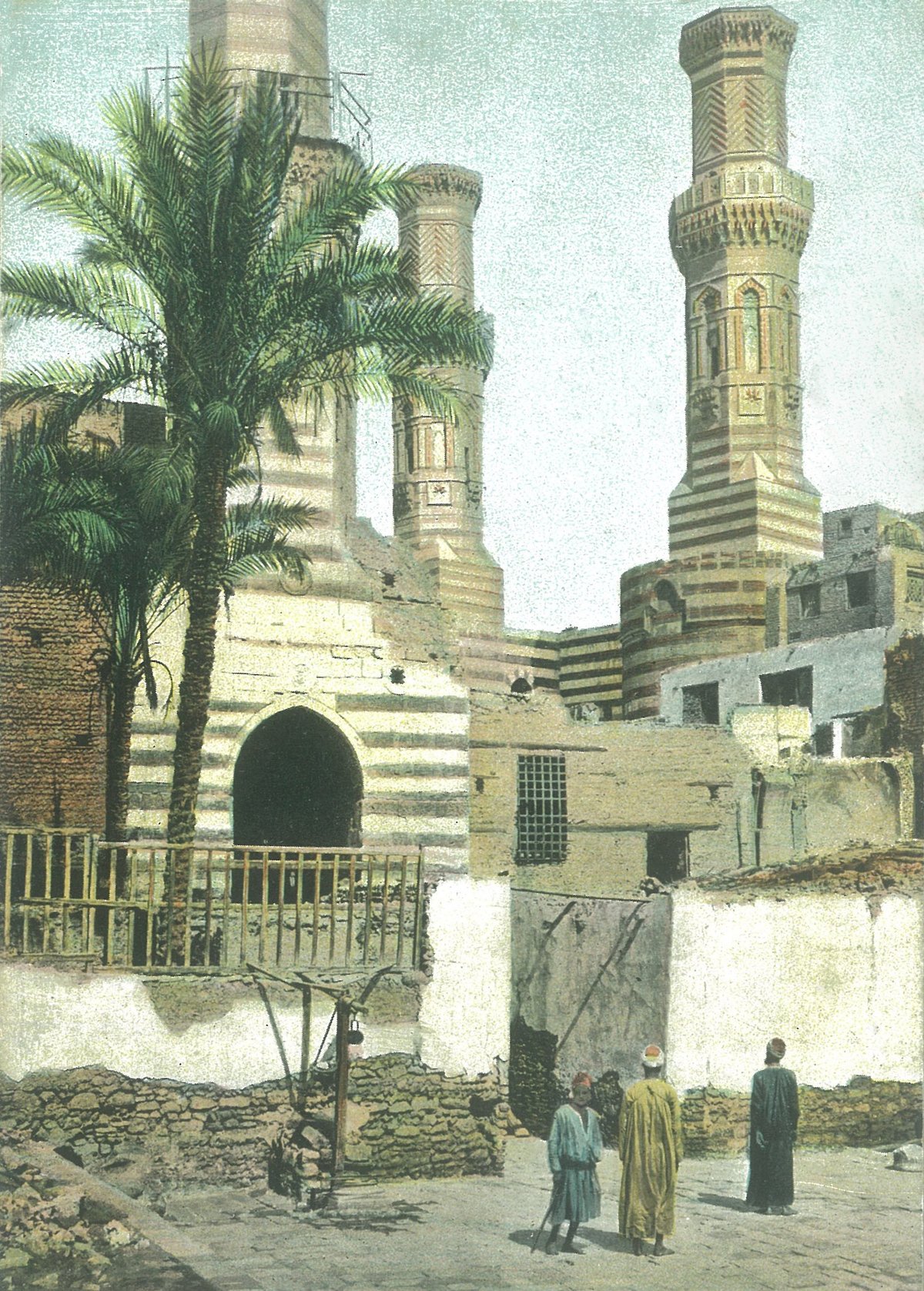
Bab Zuwayla rose as a major Fatimid gate, controlling entry to the city’s southern edge. Caravans, tax collectors, preachers, and soldiers passed beneath its towers. The gate helped define medieval Cairo as a walled organism with pulse points, not a loose sprawl.
local_fire_department
1168
Fustat Burns to Deny the Crusaders
Facing Crusader threat, the Fatimid vizier ordered Fustat set ablaze rather than let it fall. Smoke and ash covered Egypt’s old capital in one of the region’s great urban catastrophes. Political and demographic weight shifted more decisively toward Cairo.
Ayyubid and Mamluk Cairo
person
1171
Saladin Rewrites Cairo’s Future
Saladin ended Fatimid rule and made Cairo the center of a Sunni Ayyubid state. In Cairo, he reorganized power, patronage, and military priorities with crusader pressure always in view. The city he inherited became the city he hardened.
castle
1176
The Citadel Rises Above the City
Construction began on the Citadel atop the Muqattam heights, intended to anchor defense and rule. From here, rulers could watch the city, command troops, and stage authority in stone. Cairo’s political center literally moved uphill.
gavel
1250
Mamluks Seize the Capital
The Mamluks took power and turned Cairo into the capital of a major eastern Mediterranean empire. Elite military households funded mosques, madrasas, and caravan networks across the city. Cairo entered one of its most productive architectural and intellectual ages.
local_fire_department
1303
Earthquake Shakes Minarets and Markets
A major earthquake on 8 August 1303 damaged monuments across Cairo and toppled minarets. Repair crews, endowments, and rulers poured resources into rebuilding. The disaster left scars, but also triggered a visible cycle of restoration.
local_fire_department
1348
Plague Devastates Mamluk Cairo
The Black Death reached Cairo and killed on a staggering scale, with modern estimates around 200,000 deaths in the main wave. Funerary processions, labor shortages, and fear reordered city life. Recurrent plague afterward kept the memory of fragility close.
person
1364
Al-Maqrizi, Cairo’s Memory Keeper
Born in Cairo, al-Maqrizi later wrote the city with unmatched topographic detail and historical bite. His work preserved streets, institutions, prices, famines, and dynastic change with a local eye. Much of how we narrate medieval Cairo still passes through him.
Ottoman Cairo
swords
1517
Ottoman Conquest Ends Mamluk Rule
Ottoman forces defeated the Mamluks and absorbed Egypt into an imperial province. The execution of the last Mamluk sultan, Tumanbay II, at Bab Zuwayla became a brutal symbol of transition. Cairo lost imperial primacy but remained a heavyweight city of scholars, artisans, and trade.
Imperial and Khedival Cairo
swords
1798
Napoleon Occupies Cairo
After the Battle of the Pyramids, French troops entered Cairo in July 1798. The city erupted in revolt in October, and repression followed. The occupation was brief, but it cracked open a new era of military and administrative transformation.
person
1805
Muhammad Ali Makes Cairo His Engine
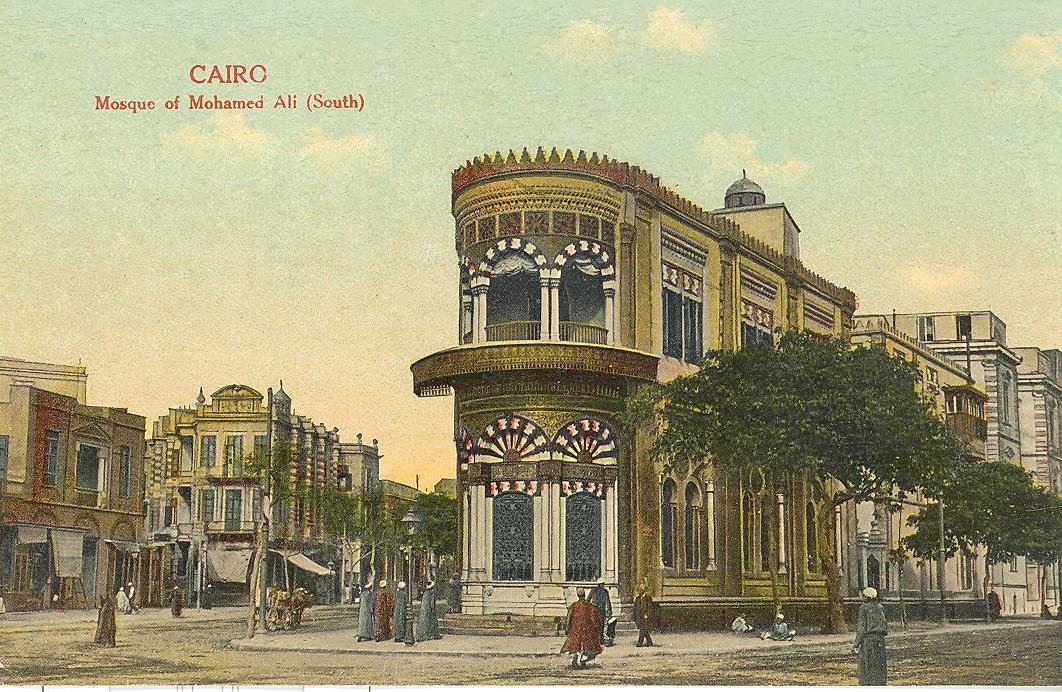
Muhammad Ali took power and ruled from Cairo, using it as the command center of a modernizing state. Barracks, workshops, schools, and new bureaucratic routines concentrated in and around the capital. Cairo became the workshop of 19th-century Egypt.
swords
1811
Citadel Massacre Breaks Mamluk Power
At a ceremonial gathering in the Citadel, Muhammad Ali’s forces killed leading Mamluk emirs in a planned ambush. The event was swift, violent, and politically decisive. Cairo witnessed the end of a rival military aristocracy in one afternoon.
gavel
1863-1879
Ismail Refashions the Capital
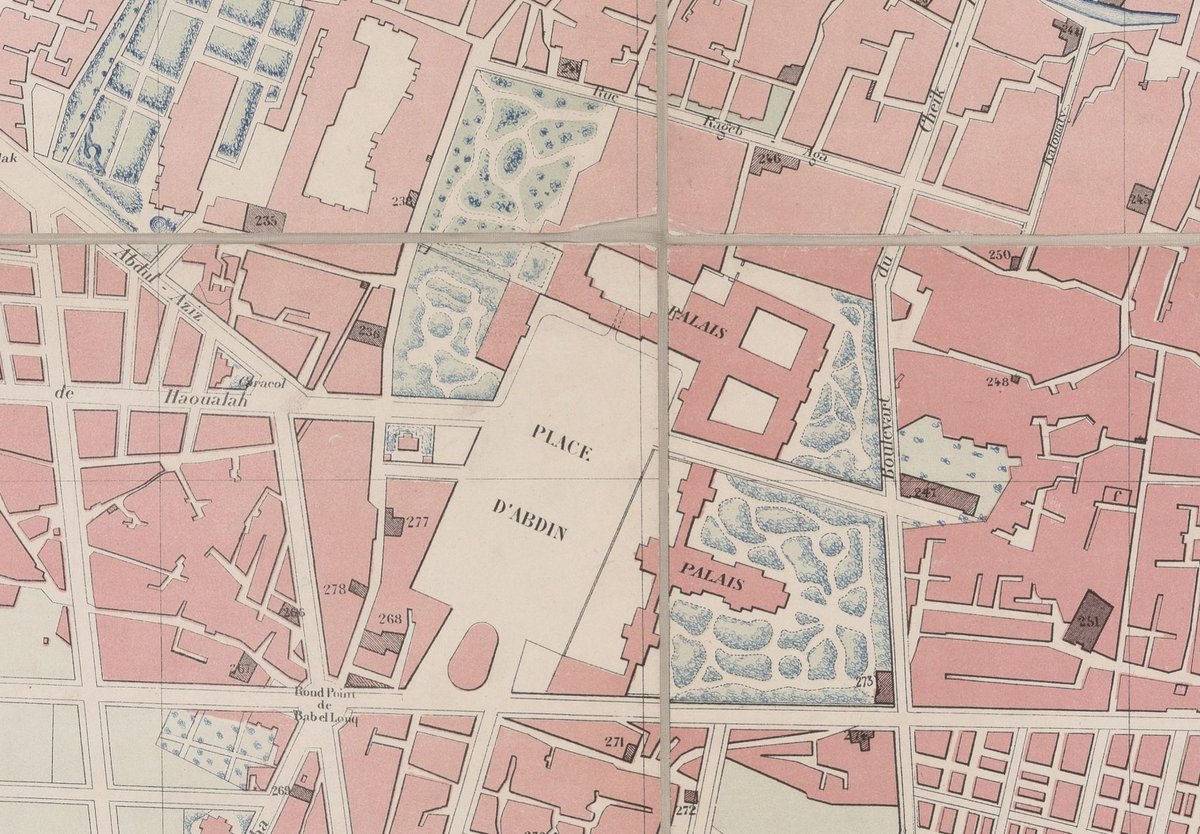
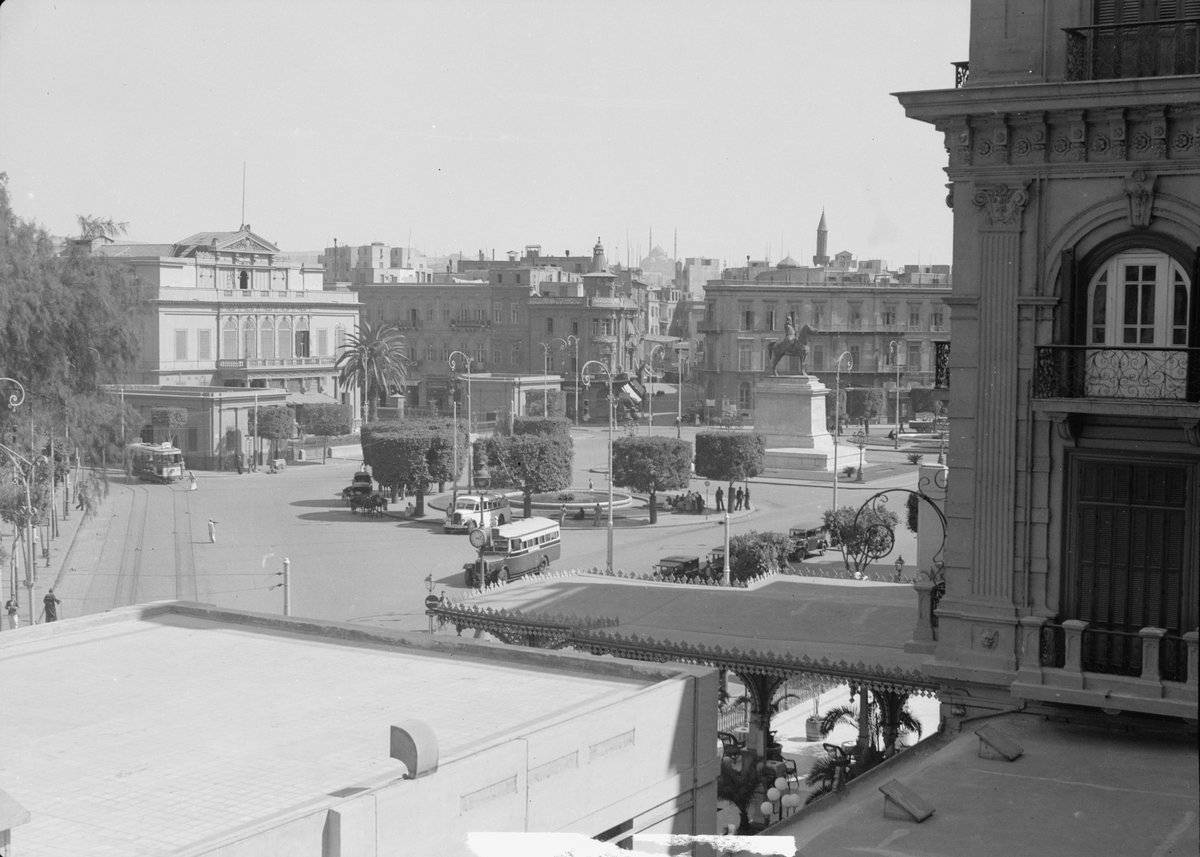
Under Khedive Ismail, boulevards, squares, and new districts expanded west of the medieval core. Gaslight, facades, and planned avenues introduced a new urban rhythm beside older lanes and markets. Modern downtown Cairo was born in this period.
music_note
1871
Aida and a New Urban Stage
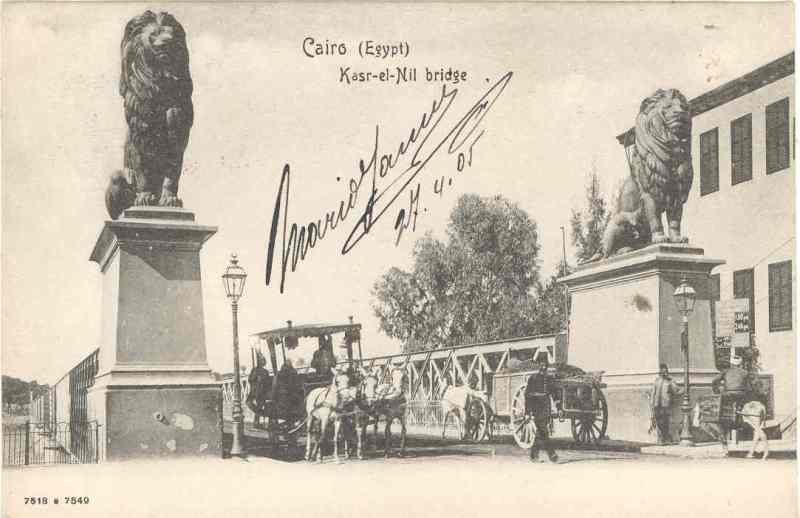
Verdi’s Aida premiered in Cairo during the Khedival spectacle era, signaling the city’s bid for global cultural stature. The same year saw the new Qasr al-Nil bridge linking key zones across the Nile. Culture and infrastructure advanced together, by design.
swords
1882
British Occupation Begins
British intervention after the Urabi crisis turned Cairo into the nerve center of a long occupation. Formal sovereignty and real control diverged, and nationalist politics hardened in response. The city’s ministries, barracks, and streets became arenas of imperial pressure.
Modern National Cairo
person
1911
Naguib Mahfouz Is Born
Mahfouz was born in Cairo and spent his life writing its alleys, cafes, bureaucrats, saints, hustlers, and dreamers. His fiction made neighborhood detail carry national history. Through him, Cairo became one of world literature’s most lived-in cities.
person
1923
Umm Kulthum Arrives in Cairo
In the early 1920s, Umm Kulthum moved to Cairo and built the career that would define Arab music for decades. Radio studios, concert halls, and elite salons of the capital made her voice unavoidable. Cairo shaped her myth, and she gave the city a soundtrack.
local_fire_department
26 January 1952
Black Saturday Burns Downtown
The Cairo Fire tore through the downtown core, with hundreds of buildings damaged or destroyed in hours of chaos. Cinemas, hotels, shops, and cafes burned as police control collapsed. The blaze accelerated the monarchy’s loss of legitimacy.
gavel
23 July 1952
Free Officers Topple the Monarchy
Army officers seized power and ended the old royal order, with the republic following in 1953. Cairo became the command stage of a new nationalist state. Administrative centralization and mass politics now radiated from the capital.
Republican Cairo
factory
1987
Metro Tunnels a New Cairo
The first Cairo Metro line opened with an initial 29-kilometer segment, the first full metro system in Africa and the Middle East. Commutes, labor patterns, and the city’s daily tempo changed quickly. Underground rail became a practical answer to surface congestion.
Contemporary Cairo
gavel
2011
Tahrir Rewrites Political Possibility
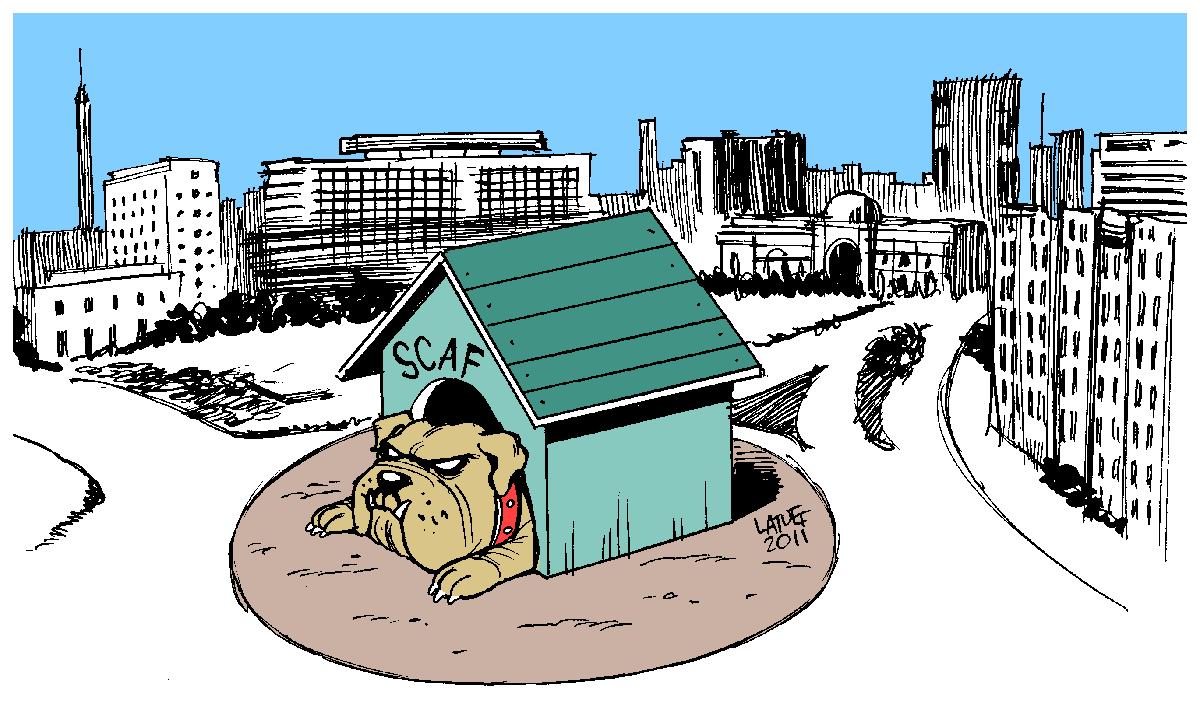
From 25 January to 11 February, Tahrir Square became the symbolic center of a national uprising. Protest camps, chants, and improvised clinics turned public space into political theater and survival zone at once. Mubarak’s fall showed how decisively Cairo’s streets could move the state.
public
3 April 2021
Pharaohs Parade Through the Night
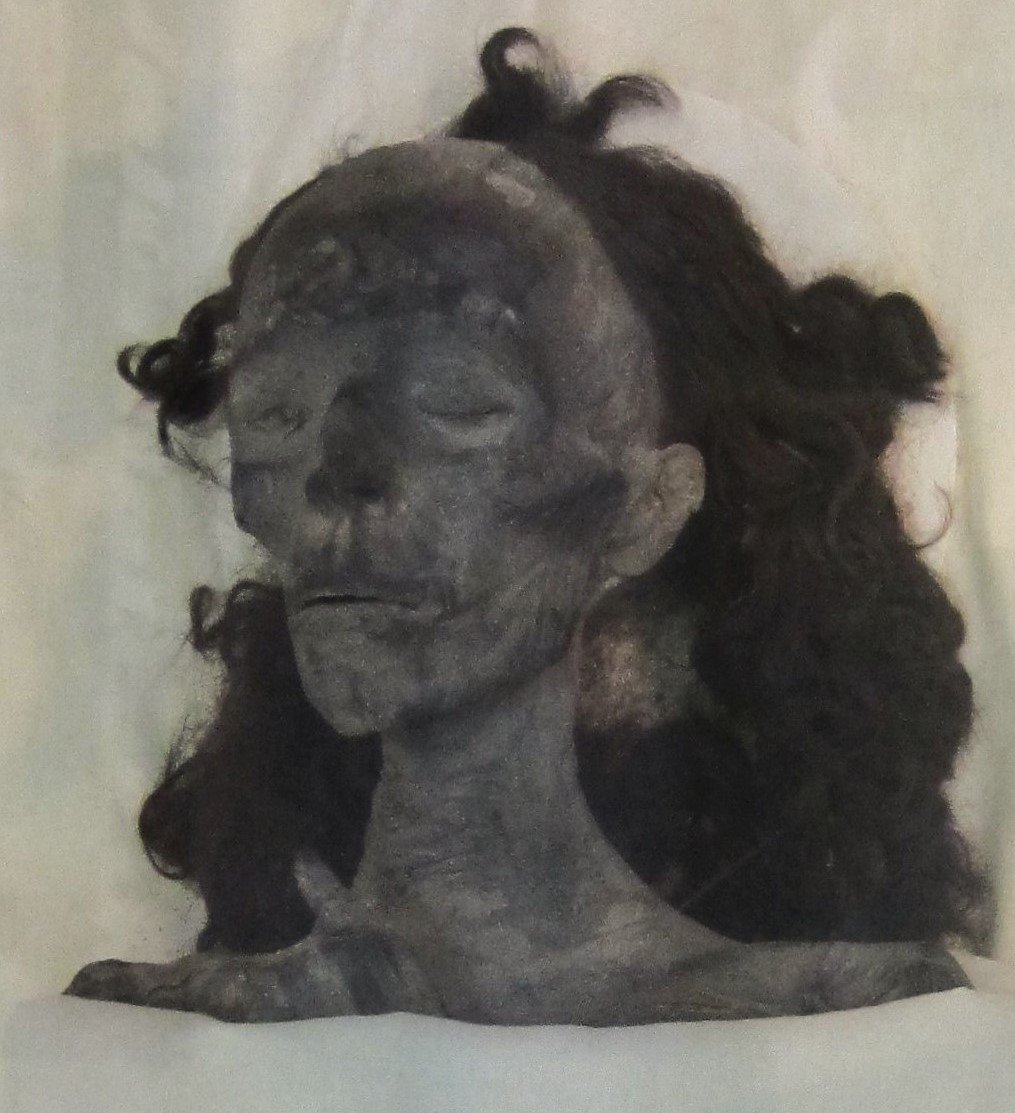
Twenty-two royal mummies traveled in a tightly choreographed procession to the National Museum of Egyptian Civilization in Fustat. Drums, torchlight tones, and televised pageantry fused archaeology with modern state spectacle. Cairo staged antiquity as a living civic narrative.
castle
1-4 November 2025
Grand Egyptian Museum Fully Opens
After years of delay, the Grand Egyptian Museum completed its full opening near Giza. Tutankhamun’s full collection, major galleries, and new visitor infrastructure reoriented Cairo’s museum geography. The city’s oldest stories gained their newest monumental frame.