Introduction: Discovering a Mamluk Masterpiece in Islamic Cairo
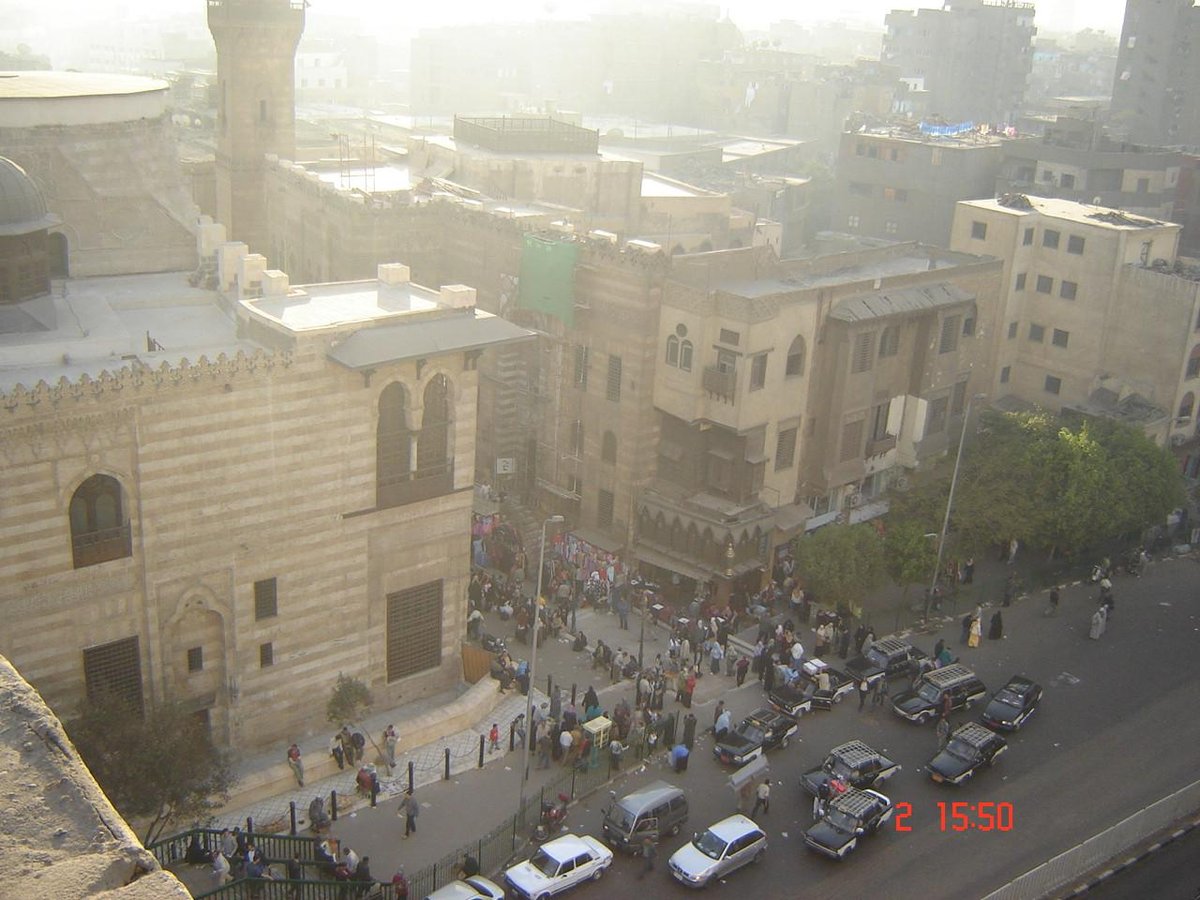
Nestled in the bustling heart of Islamic Cairo, the Sultan Al-Ghuri Complex is a crowning jewel of late Mamluk architecture and urban design. Commissioned by Sultan Qansuh al-Ghuri between 1503 and 1505 CE, this multifunctional complex stands as both an architectural triumph and a vibrant cultural center. Its prominent location on historic Muizz Street—a thoroughfare famed for its concentration of Islamic monuments—invites visitors to immerse themselves in centuries of Cairo’s history. Whether you’re an architecture enthusiast, a history lover, or a cultural traveler, this guide will help you navigate visiting hours, ticketing, and the essential highlights of the Sultan Al-Ghuri Complex and its surroundings (Egypt United Tours; Slow Travel News; Cleopatra Egypt Tours).
Photo Gallery
Explore Sultan Al-Ghuri Complex in Pictures
Origins and Historical Context
The Sultan Al-Ghuri Complex, also known as Al-Ghuriya or Wekalet El Ghouri, was constructed during a period of remarkable urban and artistic flourishing in Cairo. Sultan Qansuh al-Ghuri, the last significant Mamluk sultan, envisioned the site as a multifunctional hub uniting religious, educational, funerary, and commercial activities. Its two principal blocks—facing each other across Muizz Street and linked by a wooden canopy—embody this vision:
- Western Block: Mosque and madrasa (Islamic school)
- Eastern Block: Mausoleum, khanqah (Sufi lodge), sabil (public water fountain), kuttab (Qur’anic school), and a small graveyard
This complex not only reflects the pinnacle of Mamluk architectural innovation but also the sultan’s desire to integrate spiritual, educational, and economic life within the urban fabric.
Sultan Qansuh al-Ghuri: The Patron Sultan
Ruling from 1501 to 1516 CE, Sultan Qansuh al-Ghuri was of Circassian origin and is remembered for his strict governance and cultural patronage. He fostered the arts and architecture, commissioning not only this complex but also several other monumental projects across Cairo. Ironically, although the mausoleum within the complex was intended for his remains, Al-Ghuri died in battle near Aleppo, and his burial site remains unknown. His legacy, however, endures in the vibrant life and enduring beauty of the complex he created (Slow Travel News).
Architectural Features: A Mamluk Marvel
The Sultan Al-Ghuri Complex is a showcase of late Mamluk architectural ingenuity and decorative arts:
Notable Elements
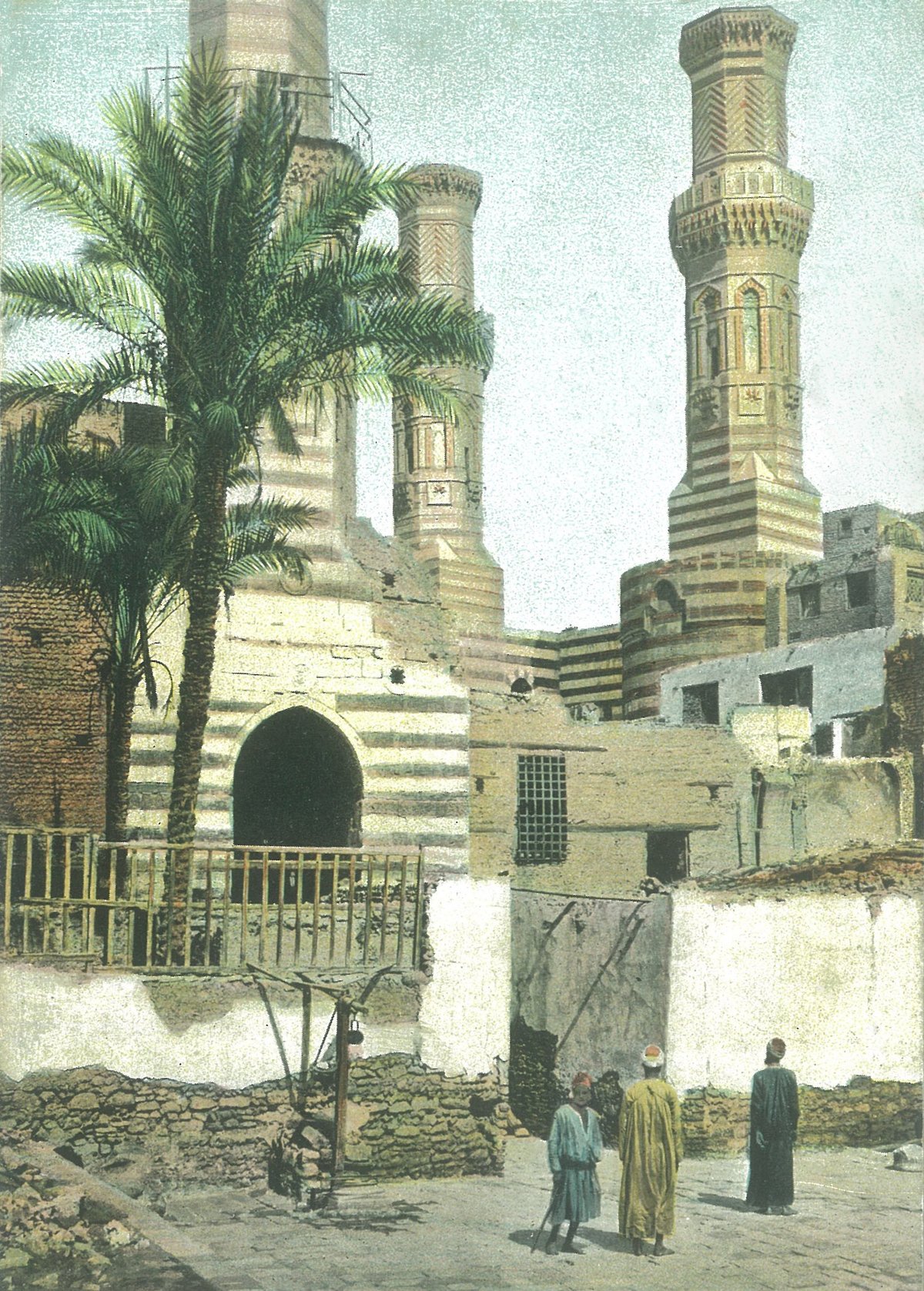
- Four-Story Minaret: The mosque’s minaret is Egypt’s first with a square upper section and one of only two four-story minarets in Cairo.
- Alternating Marble Bands: Striking black-and-white marble facades define both buildings, creating a dramatic visual dialogue across Muizz Street (Cleopatra Egypt Tours).
- Mosque Interior: Features marble inlays, Moorish arches, and intricately carved wooden ceilings.
- Mausoleum and Dome: The turquoise-tiled dome (though empty) is a standout, while the mausoleum interior is decorated with calligraphy and geometric motifs.
- Sabil-Kuttab: Combines a public water fountain and Qur’an school, adorned with polychrome marble and painted, gilded beams.
- Khanqah (Sufi Lodge): A center for Sufi gatherings, now used as a cultural performance space.
The complex’s spatial arrangement—two blocks not aligned with the street—creates a distinctive courtyard effect, enhancing both function and aesthetics.
Visiting the Sultan Al-Ghuri Complex: Hours, Tickets, and Entry
Location and Access
- Address: Muizz Street, Fahhamin Quarter, El-Darb El-Ahmar, Cairo
- Getting There: Easily accessible by taxi, Uber, Careem, or a 15-minute walk from Ataba Metro Station (Egypt United Tours).
Opening Hours
- Regular Hours: 9:00 AM to 5:00 PM daily
- Note: Hours may change during religious holidays, prayer times, or special cultural events. Confirm locally before your visit (Cleopatra Egypt Tours).
Ticket Prices
- Complex Entry: 100 EGP per adult (as of 2024), which often includes access to multiple nearby monuments like the Qalawun Complex, Barqouk Mosque, and Amir Beshtak Palace.
- Sections and Activities: Fees may range from 50 to 200 EGP depending on access (e.g., minaret, special exhibitions, performances).
- Guided Tours: Group tours typically range from 300–800 EGP per person.
- Discounts: Students, children, and Egyptian nationals may receive reduced rates. Some mosque areas may be free outside prayer times.
Tickets are purchased on-site or via authorized local vendors. For special events or performances, tickets are usually available at the door.
Cultural Events and Guided Tours
- Whirling Dervish (Tanoura) Performances: Held in the khanqah on Wednesday and Saturday evenings. Tickets are approximately 100–150 EGP (Cleopatra Egypt Tours).
- Guided Tours: Highly recommended for context on the complex’s history and architecture. Guides can be hired onsite or through agencies.
- Workshops and Exhibitions: The complex occasionally hosts art exhibitions, musical events, and educational workshops.
Exploring Muizz Street and Surroundings
The Sultan Al-Ghuri Complex is a gateway to the wonders of Muizz Street, one of Cairo’s oldest and most atmospheric thoroughfares:
- Qalawun Complex: Renowned for its hospital, madrasa, and mausoleum.
- Barqouk Mosque & Amir Beshtak Palace: Exemplify the diversity of Mamluk patronage.
- Khan el-Khalili & Khayamiya Market: Bustling bazaars famous for textiles, crafts, and souvenirs (Slow Travel News).
- Nearby Attractions: Al-Azhar Mosque, Bab al-Futuh, Bab Zuweila, and Bayt al-Suhaymi.
All these sites are within walking distance, making the area ideal for a self-guided or organized walking tour.
Visitor Tips
- Dress Code: Modest attire is required. Shoulders and knees must be covered; women may be asked to cover their hair.
- Footwear: Shoes must be removed before entering prayer areas—bring socks or a bag.
- Accessibility: The complex has limited wheelchair access; expect uneven surfaces and stairs, especially in the minaret.
- Safety: The area is safe but crowded; watch belongings in busy markets.
- Facilities: Basic restrooms are available; refreshments can be found at nearby cafés and stalls.
Frequently Asked Questions (FAQ)
Q: What are the Sultan Al-Ghuri Complex visiting hours?
A: 9:00 AM to 5:00 PM daily; hours may vary during holidays and events.
Q: How much is entry and what does it include?
A: Entry is typically 100 EGP per adult and often includes access to other major sites on Muizz Street.
Q: Are guided tours available?
A: Yes, both group and private tours are offered in multiple languages.
Q: Is the complex accessible for visitors with mobility challenges?
A: Accessibility is limited; contact tour providers for assistance.
Q: Are performances held in the complex?
A: Yes, regular Sufi music and Whirling Dervish (Tanoura) shows are held in the khanqah.
Visual Experience
- Minaret Views: Climb (if open) for panoramic vistas of Cairo and, on clear days, the distant Giza Pyramids (Happy Irish Wanderers).
- Photographic Highlights: Twin marble facades, mosque interiors, turquoise dome, bustling Muizz Street.
- Virtual Tours: Official virtual tours and high-quality image galleries are available on the Egyptian Ministry of Tourism website.
Listen to the full story in the app
Your Personal Curator, in Your Pocket.
Audio guides for 1,100+ cities across 96 countries. History, stories, and local insight — offline ready.
Audiala App
Available on iOS & Android
Join 50k+ Curators
Sources
- verified
- verified
- verified
- verified
Last reviewed: