Introduction
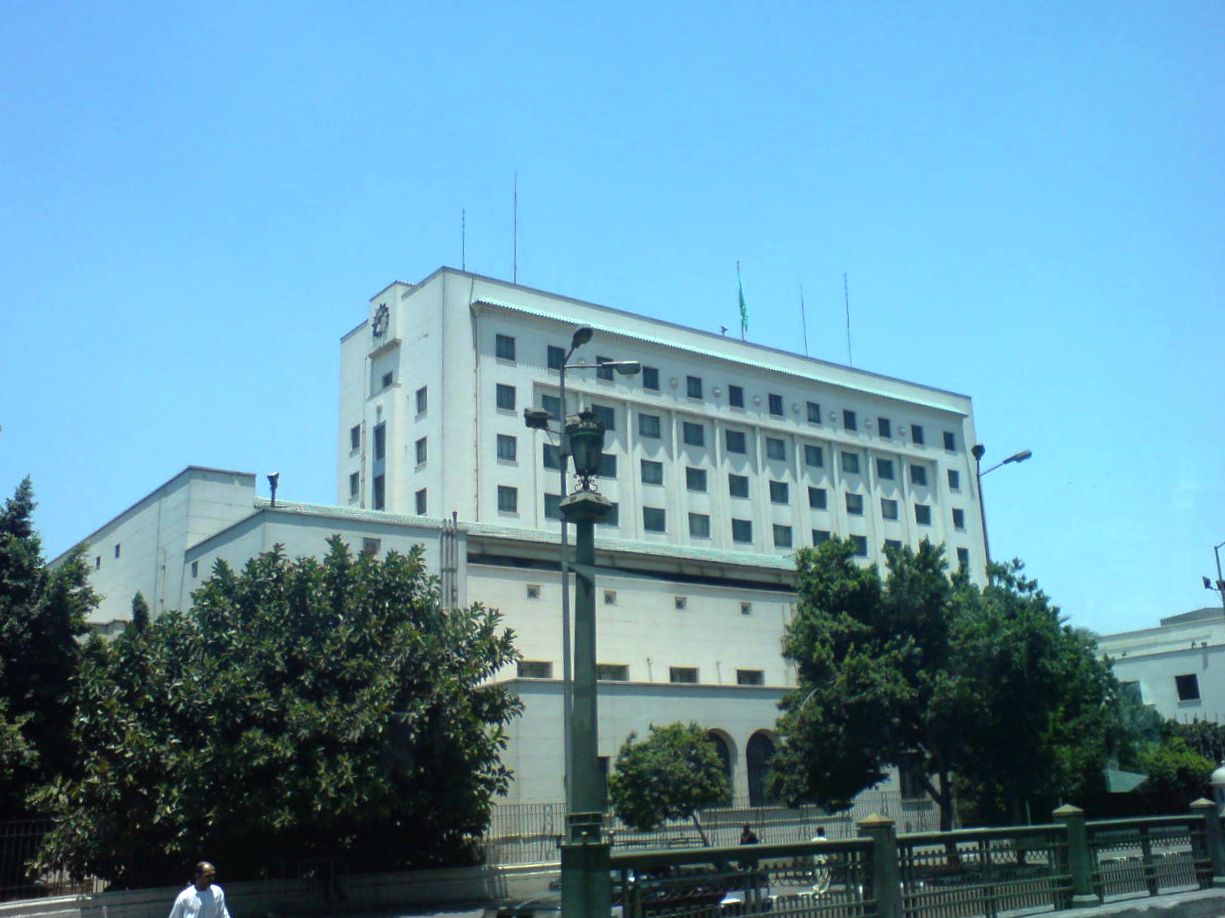
The Egyptian National Library and Archives, widely known as Dar al-Kutub (دار الكتب والوثائق القومية), stands as a monumental testament to Egypt’s enduring legacy of knowledge, scholarship, and culture. Located along Cairo’s picturesque Nile Corniche, this institution is the oldest and most significant national library in the Arab world, offering an unparalleled collection of manuscripts, rare books, numismatic artifacts, maps, and archival documents. Whether you are a scholar, history enthusiast, or a curious traveler, a visit to Dar al-Kutub promises a unique and enriching experience into Egypt’s storied past and vibrant present (UNESCO, Egypt Today, Wikipedia, CUIP Cairo).
This comprehensive guide covers the library’s history, collections, visitor information, accessibility, and nearby attractions, ensuring you make the most of your visit to one of Cairo’s most treasured historical sites.
Founding and Early Development (1870–1904)
The Egyptian National Library and Archives was established in 1870 during a period of intellectual renaissance in Egypt. The initiative, spearheaded by Khedive Ismail and Egyptian reformer Ali Mubarak, aimed to preserve, centralize, and celebrate Egypt’s vast literary, scientific, and historical heritage. The library was first housed in Prince Mustafa Fadel’s palace in Darb Al-Gamamiz, accumulating manuscripts and rare books from mosques, shrines, and educational institutions (UNESCO).
Known initially as Al-Kutubkhana Al-Khedeweya (the Khedival Library), it officially opened to the public on September 24, 1870, quickly establishing itself as a center of scholarship in Egypt and the wider Arab world.
Expansion and Modernization (1904–Present)
With the collection rapidly outgrowing its original home, the library moved in 1904 to a grand seven-story building in the Bab Al-Khalq district, which it shares with the renowned Museum of Islamic Art (The Library Card Museum). In 1971, the main collections were relocated to a modern facility on the Nile Corniche to meet international standards in preservation and accessibility.
Despite facing challenges, including political upheavals and damage from a 2014 car bombing, the library has undergone extensive restoration, reopening in 2019 and reaffirming its role as Egypt’s leading repository of documentary heritage.
Collections and Cultural Significance
Dar al-Kutub holds millions of works, including:
- Manuscripts: Over 57,000 manuscripts in Arabic, Persian, Ottoman Turkish, and more, including ancient Qur’ans, papyrus documents dating to AD 705, scientific treatises, and illuminated texts (Wikipedia).
- Rare Books: Early printed works in Arabic, English, French, and other languages, illuminating the intellectual history of Egypt and the region (CUIP Cairo).
- Archives: Official records, waqf (endowment) documents, court files, and personal papers of prominent Egyptians (FamilySearch).
- Numismatic Collection: Coins from as early as AD 696, crucial for studying Egypt’s economic history (Dar el-Kotob).
- Maps, Stamps, and Artistic Works: Extensive collections reflecting Egypt’s geographic, postal, and artistic heritage (Dar el-Kotob).
Specialized research centers, digital initiatives, and partnerships with international organizations further enhance the library’s role as a global leader in manuscript preservation and cultural exchange (UNESCO).
Visitor Information
Location and Access
Address: 121 Nile Corniche, Ramlet Boulaq, Cairo, Egypt.
The library is centrally located along the Nile Corniche, within walking distance of the Museum of Islamic Art and easily accessible by metro (Mohamed Naguib station, Line 1), taxi, or ride-sharing apps (FamilySearch, Lonely Planet).
Visiting Hours
- Sunday to Thursday: 9:00 AM – 3:00 PM
- Closed: Fridays and public holidays
Hours may change during Ramadan or special events. Always verify current hours on the official website or by phone before visiting.
Admission and Tickets
- General Admission: Free for all visitors accessing public areas and reading rooms.
- Research Access: Researchers must apply in advance for access to special collections, providing a letter of introduction and valid ID.
- Guided Tours: Available by prior arrangement; contact the administration for details (Cairo Scene).
Facilities and Amenities
- Reading Rooms: Spacious, quiet, and equipped with reference staff.
- Café: Serves tea, coffee, and snacks.
- Restrooms: Clean and accessible.
- Wi-Fi: Available in select areas.
- Lockers: For securing personal belongings; large bags are not permitted in reading rooms.
- Photography: Prohibited in manuscript and archive sections; permitted in public areas with staff consent.
Accessibility
- Wheelchair Access: Ramps and elevators serve most public areas, though some historic sections may have limited accessibility.
- Assistance: Staff are available to help visitors with disabilities; contact ahead for specific needs.
Research Services and Special Collections
Dar al-Kutub is a premier destination for scholars of Arabic, Islamic, and Middle Eastern studies. Its manuscript and archival collections are accessible to researchers with prior arrangement. The library’s specialized centers focus on manuscript editing, restoration, and children’s literature, with expert staff offering assistance (The Library Card Museum).
Practical Tips for Visitors
- Check visiting hours and requirements before your visit.
- Bring official identification (passport or national ID) for entry and research services.
- Dress modestly: Shoulders and knees should be covered.
- Plan extra time for security screening at the entrance.
- Use official staff for assistance; avoid unofficial guides.
- Carry small bills for tips (restrooms, cloakroom) and minor purchases.
- Photography: Confirm with staff before taking photos in public spaces.
- Stay hydrated and bring hand sanitizer; avoid tap water.
(Egyptian Streets, Lonely Planet)
Nearby Attractions and Suggested Itineraries
- Museum of Islamic Art: Adjacent to the library and a must-visit for art lovers.
- Abdeen Palace: A short walk away, known for its opulent interiors and museum.
- Khan El Khalili Bazaar: Experience Cairo’s vibrant markets and local culture.
- Gezira Island/Zamalek: Ideal for riverside dining and art galleries.
Suggested itinerary: Morning at Dar al-Kutub, lunch at a nearby café, followed by an afternoon at the Museum of Islamic Art or a stroll along the Nile Corniche (Cairo Scene).
Frequently Asked Questions (FAQ)
Q: What are the Egyptian National Library and Archives visiting hours?
A: Sunday to Thursday, 9:00 AM–3:00 PM; closed Fridays and public holidays.
Q: Is there an entry fee?
A: General admission is free; special collections require prior permission.
Q: Are guided tours available?
A: Yes, by advance arrangement through the library’s administration.
Q: Is the library accessible for people with disabilities?
A: Most public areas are accessible; contact ahead for specific needs.
Q: Can I photograph inside the library?
A: Photography is allowed in public exhibition spaces but is prohibited in archival and manuscript rooms without permission.
Q: What languages are materials available in?
A: Primarily Arabic, with significant collections in English, French, Persian, and Ottoman Turkish.
Q: How can researchers access special collections?
A: Submit an application, a research proposal, and valid ID in advance.
Internal Links to Related Articles
Listen to the full story in the app
Your Personal Curator, in Your Pocket.
Audio guides for 1,100+ cities across 96 countries. History, stories, and local insight — offline ready.
Audiala App
Available on iOS & Android
Join 50k+ Curators
Sources
- verified
- verified
- verified
- verified
- verified
- verified
- verified
- verified
- verified
- verified
- verified
Last reviewed: