Discover the History and Cultural Significance of Sayyida Zainab Square in Giza
Origins and Early History
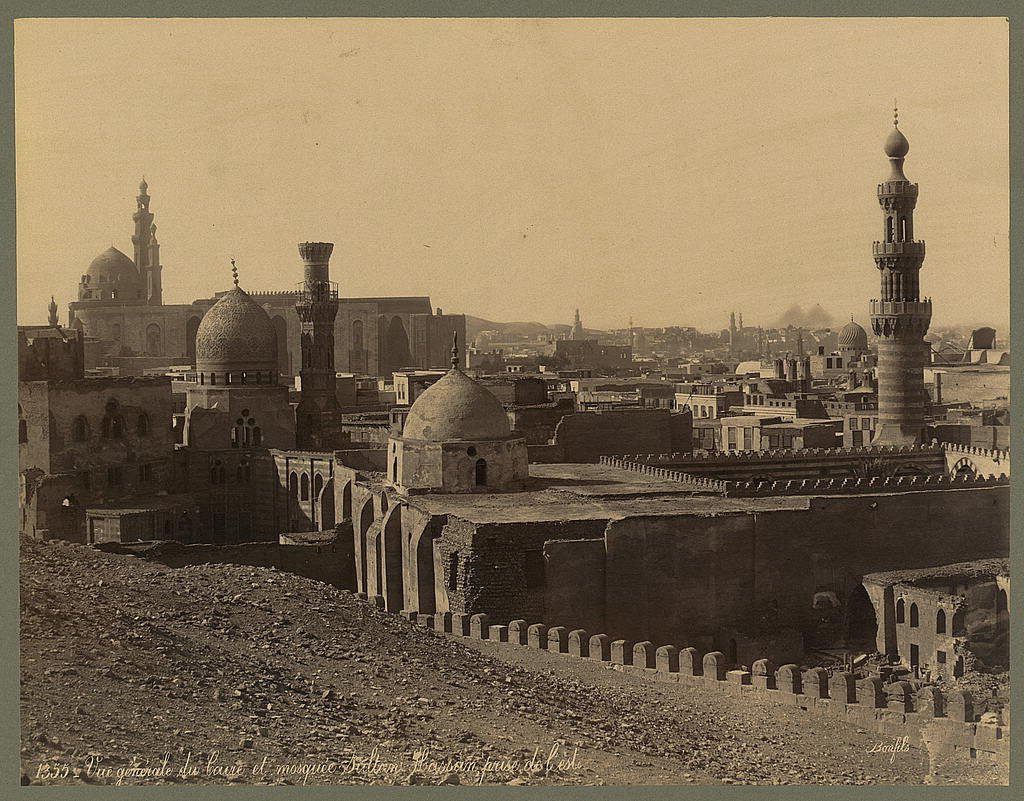
Sayyida Zainab Square traces its origins back to the Fatimid era (969-1171 AD) when Cairo was established as the capital of the Fatimid Caliphate. The Fatimids, known for their architectural and cultural contributions, played a crucial role in shaping the historical landscape of the region.
Sayyida Zainab Mosque
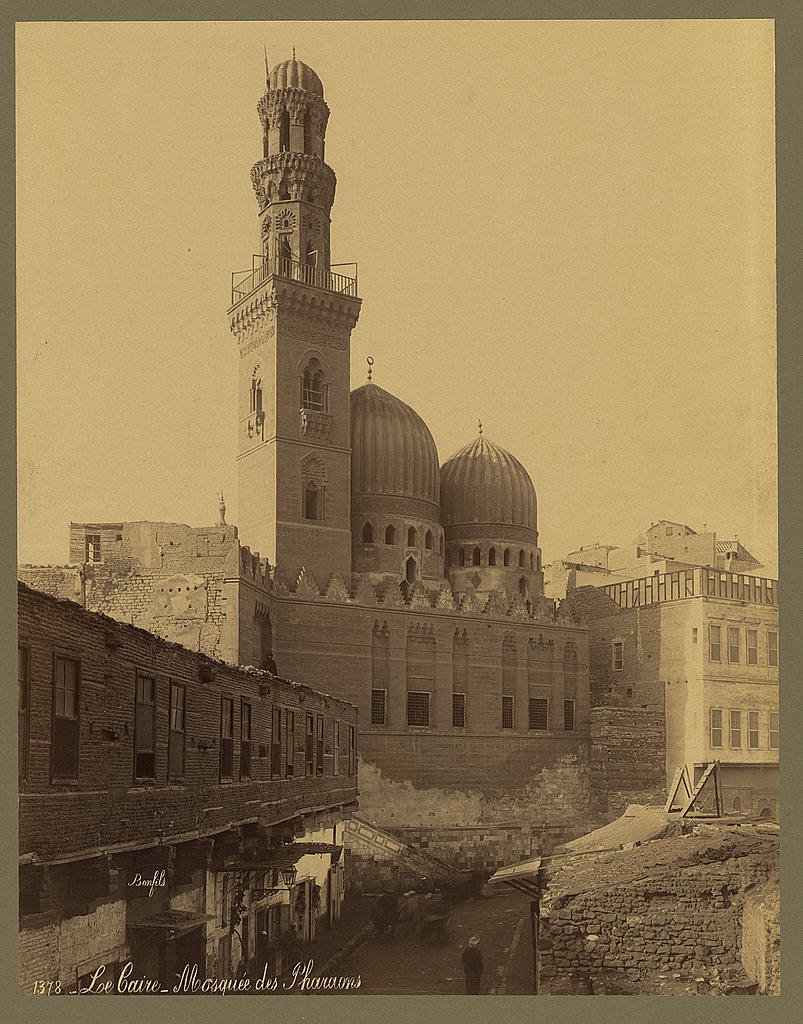
The centerpiece of Sayyida Zainab Square is the Sayyida Zainab Mosque, which houses the shrine of Sayyida Zainab. The mosque has undergone several renovations and expansions over the centuries. The original structure is believed to have been built in the 7th century, but the current building reflects Ottoman architectural influences from the 18th century. The mosque is a significant pilgrimage site for Muslims, particularly those from the Shia sect.
Ottoman Influence
During the Ottoman period (1517-1867), Sayyida Zainab Square saw significant development. The Ottomans, who ruled Egypt for over three centuries, invested in the construction and maintenance of religious sites. The Sayyida Zainab Mosque was renovated and expanded during this time, incorporating Ottoman architectural elements such as domes and minarets. The square became a bustling center of religious and social activities.
Modern Developments
In the 19th and 20th centuries, Sayyida Zainab Square underwent further transformations as Egypt modernized. The square became a focal point for urban development, with new roads, buildings, and public spaces being constructed. The Egyptian government invested in infrastructure improvements to accommodate the growing number of visitors to the mosque and the surrounding area.
Cultural Significance
Sayyida Zainab Square holds immense cultural significance for Egyptians and Muslims worldwide. The square is a hub of religious activities, particularly during the annual Mawlid al-Sayyida Zainab festival, which celebrates the birth of Sayyida Zainab. The festival attracts thousands of pilgrims and tourists who participate in religious ceremonies, processions, and cultural events.
Architectural Highlights
The architecture of Sayyida Zainab Square reflects the rich history and cultural diversity of the region. The Sayyida Zainab Mosque, with its intricate designs and ornate decorations, is a prime example of Islamic architecture. The mosque's interior features beautiful calligraphy, geometric patterns, and stained glass windows.
Preservation Efforts
Preserving the historical and cultural heritage of Sayyida Zainab Square is a priority for the Egyptian government and various cultural organizations. Efforts are underway to restore and maintain the mosque and other historical structures in the area. These initiatives aim to protect the architectural integrity of the square while ensuring its accessibility to visitors and pilgrims.
Visitor Information
Visitors to Sayyida Zainab Square can immerse themselves in the rich history and vibrant culture of the area. The square offers a unique blend of religious, historical, and social experiences. Pilgrims can visit the Sayyida Zainab Mosque to pay their respects and participate in religious ceremonies. Tourists can explore the bustling markets and shops, sample local cuisine, and interact with the friendly local community. The square's central location in Giza makes it easily accessible, with various transportation options available.
Visiting Hours
- Sayyida Zainab Mosque is open daily from 8 AM to 8 PM.
Tickets
- Entrance to the mosque is free, but donations are welcome.
Accessibility
- The mosque and surrounding areas are wheelchair accessible.
Nearby Attractions
- The Pyramids of Giza - A short drive from the square, these ancient wonders are a must-visit.
- The Egyptian Museum - Located in Cairo, it houses an extensive collection of ancient Egyptian artifacts.
- Al-Azhar Park - A beautiful green space offering stunning views of Cairo's skyline.
FAQ
What is the best time to visit Sayyida Zainab Square?
The best time to visit is during the cooler months from October to April.
Are guided tours available?
Yes, guided tours are available and can be booked through local travel agencies.
Can I take photographs inside the mosque?
Photography is allowed, but visitors are advised to be respectful and avoid using flash.
Discover More
For more information on the history and significance of Sayyida Zainab Square, visit this website. Follow us on social media for the latest updates and travel tips.
Future Prospects
Looking ahead, Sayyida Zainab Square is poised to continue its role as a significant cultural and religious landmark. Ongoing preservation and development efforts aim to enhance the visitor experience while safeguarding the historical and cultural heritage of the area. (Al-Monitor)
Summary and Key Points
Visiting Sayyida Zainab Square offers a unique opportunity to immerse oneself in the rich tapestry of Egypt's cultural and religious heritage. From its historical roots in the Fatimid era to its modern-day significance, the square stands as a testament to the enduring legacy of Islamic architecture and community. Whether you are a pilgrim, a history enthusiast, or a cultural explorer, the square provides a multifaceted experience that includes religious ceremonies, vibrant markets, and engaging local traditions. By planning your visit with the provided tips and information, you can fully appreciate the historical and cultural significance of Sayyida Zainab Square. For more details and updates, visitors are encouraged to explore further resources and stay connected through social media and official websites. (Egyptian Tourism Authority, Egyptian Museum)