Introduction
Cairo Governorate hits you first with sound: the call to prayer ricocheting off 14th-century stone while a tram bell clangs below and a coffee vendor hisses steam into tiny glasses. Egypt’s capital district isn’t a postcard of pyramids—those sit across the river in Giza—but a living engine of 10 million people trading, praying, arguing and laughing inside walls older than most countries. Come here for the moment when Ottoman latticework throws zebra-stripes of sun onto a Coptic church floor while someone upstairs streams Netflix.
The governate’s grid is a layer cake of capital cities: Fatimid Cairo north of Khan el-Khalili, Mamluk monuments shoulder-to-shoulder with sidewalk shawarma grills, Khedivial downtown’s belle-époque blocks now repainted in Pepsi-Cola signage. Walk three streets and the stone changes from limestone quarried by Saladin’s engineers to concrete poured by Nasser’s bureaucrats to glass ordered by Gulf investors. Yet the social code holds: greet the doorman, finish the plate, argue about football, offer the taxi driver a cigarette.
What keeps people returning isn’t a single blockbuster sight but the friction between them. Ibn Tulun Mosque’s spiral minbar overlooks a rooftop where kids fly kites made from potato-chip bags. The Egyptian Museum’s leftover mummies sit 800 m from contemporary art galleries charging no admission because the curator’s day job is advertising. Cairo Governorate rewards the curious more than the checklist-driven; if you want monuments without traffic, fly to Luxor. If you want to understand how Egyptians actually live inside their past, stay here.
Cairo , Egypt 🇪🇬- by drone [4K]
Drone SnapPlaces to Visit
The Most Interesting Places in Cairo Governorate
Cairo
Cairo, the sprawling and dynamic capital of Egypt, stands as a magnificent crossroads where millennia of history converge with the vibrant pulse of modern life.
Al-Hussein Mosque
Nestled in the vibrant heart of Cairo’s historic Islamic district, the Al-Hussein Mosque stands as a beacon of spiritual reverence, architectural splendor,…
Manial Palace and Museum
Nestled on the tranquil Rhoda Island along the Nile River in Cairo Governorate, Egypt, the Manial Palace and Museum stands as a captivating emblem of Egypt’s…
Khedivial Opera House
The Khedivial Opera House in Cairo, inaugurated in 1869, stands as a monumental symbol of Egypt's rich cultural heritage and its historical aspirations toward…
Al-Nour Mosque
Al Nozha, nestled within the historic city of Alexandria, Egypt, offers visitors a unique blend of ancient history, cultural richness, and modern attractions.
Al-Rifa'I Mosque
Al-Rifa'i Mosque, also known as مسجد الرفاعي, is an iconic historical and architectural marvel situated in Al Nozha, Cairo, Egypt.
Carriage Museum
The Royal Carriages Museum in Cairo stands as a unique cultural and historical landmark that offers visitors an immersive journey into Egypt’s regal past.
Al-Salih Tala'I Mosque
Nestled just outside the historic Bab Zuweila gate in Cairo Governorate, Egypt, the Al-Salih Tala’i Mosque stands as a magnificent testament to Fatimid-era…
Juyushi Mosque
Nestled atop Cairo’s scenic Mokattam Hills, the Juyushi Mosque stands as a captivating monument that embodies the rich legacy of Fatimid architecture and…
Saint Mark'S Coptic Orthodox Cathedral
Saint Mark’s Coptic Orthodox Cathedral in Cairo stands as a monumental emblem of faith, history, and culture, representing the spiritual heart of the Coptic…
Mosque of Amir Al-Maridani
The Mosque of Amir al-Maridani, nestled in Cairo’s historic Darb al-Ahmar district, stands as a captivating emblem of Mamluk architectural prowess and…
Baron Empain Palace
Nestled in the historic suburb of Heliopolis in Cairo, the Baron Empain Palace stands as a captivating emblem of architectural ingenuity and cultural fusion.
What Makes This City Special
UNESCO-Listed Historic Core
Walk Al-Muizz Street from Bab al-Futuh to Bab Zuwayla and you’ll pass 14 centuries of stone in one kilometre: Fatimid gates, Mamluk mosques, Ottoman sabils, all still humming with evening coffee smoke. The street ticket (220 EGP) unlocks interiors like Qalawun’s 1285 hospital-madrasa complex, where patients were prescribed music and fountains.
Layer-Cake Museums
Inside the governate you get three Egypts at once: pharaonic gold in Tahrir’s 1902 Egyptian Museum, Coptic icons in the Hanging Church’s 4th-century nave, and the NMEC’s royal mummies in a flood-lit hall designed like a Nile boat. No pyramid shuttle required.
Al-Azhar Park’s Skyline
Built on a 500-year-old rubbish mound, the park’s terraced cafés give the only unobstructed sunset over Sultan Hassan’s 14th-century stone crests and the Citadel’s domes. The light turns the limestone peach, then copper, then the colour of dried blood in about six minutes flat.
Medieval Lanes, Midnight Koshary
After 11 p.m. the copper vats appear on Al-Hussein’s side alleys: lentils, rice, vermicelli, spicy tomato, vinegar garlic, crispy onions layered in tin bowls for 25 EGP. Eat standing up, then duck into the 1773 Bayt al-Suhaymi for a courtyard oud performance that starts when the crowd overflows the fountain steps.
Historical Timeline
A City Built, Burned, and Born Again
From sun temples to satellite cities, Cairo keeps reinventing itself on the same stretch of Nile
Senwosret’s Obelisk Rises
At Iunu—later called Heliopolis—workers haul a 20-metre pink-granite needle into place for the sun god Ra-Atum. The obelisk still stands in today’s Matariya, a quiet suburb, its tip catching dawn light exactly as it did four millennia ago. This is the oldest visible monument inside modern Cairo Governorate.
Trajan’s Fort Locks the Nile
Roman engineers finish the Babylon fortress at the river’s narrowest point. Two round towers survive today, hemmed in by Coptic churches that still use their red-brick walls as sanctuary foundations. The fort’s geometry will shape every street that follows in Old Cairo.
Amr Plants the First Mosque
General Amr ibn al-As pitches his tent city, Fustat, beside the Roman ruins. Within months the prayer area of his canvas camp is replaced by palm-trunk columns and a beaten-earth floor—Africa’s first mosque. Pilgrims still pray there, splinters of ancient beams overhead.
Ibn Tulun’s Spiral Minaret
Ahmad ibn Tulun, an Iraqi strongman who answers to no one in Baghdad, rings his new capital with a mosque whose minaret spirals like a giant drill bit. You can still climb it, the city peeling away below in layers—Ottoman domes, radio masts, desert haze.
Fatimids Draw a New City
General Jawhar al-Siqilli stakes out al-Qahirah, a gated palace-city north of Fustat. The walls enclose only royal gardens and barracks—commoners live outside. The name means “The Victorious,” a promise the dynasty intends to keep.
Al-Azhar Opens Its Doors
Missionaries consecrate the new capital’s mosque-university. Lectures start in 988; students receive free bread and lentils. A thousand years later the same courtyard still fills with summer-course crowds, lecture circles under fluorescent tubes strung between Fatimid arches.
Maimonides Settles in Fustat
Moses ben Maimon, fleeing Almohad persecution, sets up a medical practice in the old quarter below the new city. He writes the Mishneh Torah in a house whose foundations lie under today’s Mar Girgis metro tracks. Patients—Muslim, Jewish, Christian—queue from dawn.
Shawar Torches Fustat
Vizier Shawar orders the old capital put to the torch rather than let Crusader king Amalric take it. For 54 days the smoke column is visible from Sinai. When the fires die, 200,000 refugees cram inside al-Qahirah’s walls, doubling the city overnight.
Saladin Breaks Ground on the Citadel
Salah ad-Din chooses the Muqattam spur for a fortress that will never fall. Masons cut blocks from the hill itself; the quarry becomes a lake. For the next seven centuries Egypt’s rulers issue decrees from these ramparts, looking down on the city they both protect and fear.
Ibn Khaldun Arrives, Stays
The Tunisian historian rides in through Bab al-Nasr, fleeing North African politics. Cairo’s scholars mock his dialect; he answers by lecturing at al-Azhar and dying here in 1406. His Muqaddimah is still printed on the same street where he once rented a room.
Sultan Hasan’s Mountain of Stone
A teenage sultan bankrupts the treasury to raise a madrasa-mosque whose doorway could swallow a six-storey house. Stonemasons work by torchlight; four royal architects are executed for delays. The result is so vast that worshippers still lose their voices inside its marble void.
Ottoman Noose at Bab Zuwayla
The last Mamluk sultan, Tumanbay, dangles from the gate he once rode through in silk. Ottoman cannon had already cracked the Citadel walls. Cairo keeps its street plan but loses its crown; Istanbul now sets the tax rate and chooses the governor.
Napoleon’s Shadow on al-Azhar
French troops enter through Bab al-Nasr, boots echoing on Mamluk cobbles. When the city revolts in October, General Dupuy’s artillery turns the mosque’s minarets into sniper posts. Cannonballs chip the marble; bullet pocks remain visible if you know where to look.
Muhammad Ali’s Alabaster Mosque
The Pasha crowns the Citadel with a Turkish dome so bright it hurts the eyes at noon. Inside, French clocks tick beside Venetian chandeliers—loot repurposed as patriotism. The mosque becomes the postcard Cairo sends to the world, even though most Cairenes pray elsewhere.
British Guns Take Tahrir
After the battle of Tall al-Kabir, red-coated infantry camp in Ezbekiyya Gardens. Lord Cromer moves into a villa on the Nile; Cairo’s treasury moves to London. The occupation lasts 74 years, but the city learns to negotiate in English and complain in Arabic.
The Egyptian Museum Opens
A peach-colored neoclassical box lands in Tahrir Square, the first building in the world designed specifically for pharaonic loot. Inside, 120,000 artefacts are arranged like a giant card catalogue of death. The mummy room still smells faintly of cedar and camphor.
Naguib Mahfouz Is Born in Gamaliyya
The boy who will chronicle every alley of Islamic Cairo enters the world in a tenement off al-Muizz Street. His mother can hear the coppersmiths from her window. Eight decades later the Nobel committee phones the same flat; the alley throws a street party that lasts three nights.
Black Saturday Burns Downtown
By sunset 750 buildings lie gutted: cinemas, department stores, the Turf Club where British officers drank. Price tags flutter in the ash. The fire becomes the accelerant the Free Officers need; six months later the monarchy is gone.
Cairo Tower Pokes the Sky
Nasser funds a 187-metre lotus stem of concrete and lattice, taller than any pyramid. The revolving restaurant spins once every 70 minutes—time enough for a coffee and a panorama of the city he has just nationalised. CIA wallet-money paid for it; irony is free.
Africa’s First Metro Rolls
At 6 a.m. the inaugural train leaves Helwan, air-conditioned against the desert already at 34 °C. Tickets cost 25 piastres; platform signs are in Arabic, English, and the optimism of a city that believes traffic can be solved. Spoiler: it can’t.
Tahrir Square Forces a Resignation
Eighteen days of tents, tweets, and tear gas end with a vice-president’s 30-second announcement. The crowd in Tahrir sings the national anthem twice, then starts sweeping rubbish into neat piles. A city that once accepted Pharaohs, caliphs, and generals learns it can unseat them.
Royal Mummies Parade to Fustat
Twenty-two pharaohs cruise the Nile in climate-controlled chariots under fireworks. Ramses II rides past the mosque of Amr ibn al-As, a 3,000-year-old king greeting Africa’s first mosque. Their new home: the National Museum of Egyptian Civilization, built on the same ground where the Fatimids once camped.
Government Drives East to the Desert
Ministries start clocking in at the New Administrative Capital, 45 km out past the ring road. Glass towers rise where sand foxes once hunted mice. Cairo keeps its name but loses its bureaucrats; the old downtown exhales, unsure whether it has been abandoned or freed.
Notable Figures
Naguib Mahfouz
1911–2006 · NovelistHe rewired Arabic fiction from a tiny desk in Al-Jamaliyyah, turning alley gossip into Nobel gold. Walk the café scene of Khan el-Khalili at dusk and you’ll still hear his characters arguing over backgammon and revolution.
Umm Kulthum
1904–1975 · SingerHer Thursday-night radio concerts emptied Cairo’s cafés; waiters turned radios outward so the street could sigh with her. The old Qasr al-Nil studio where she recorded still stands, windows rattling with diesel buses instead of violins.
Gamal Abdel Nasser
1918–1970 · PresidentHe spoke revolutions into being from a balcony overlooking Tahrir before the square had a name. Stand there at 10 pm and imagine 1952—tanks idling, crowds roaring, the city rewriting itself in one sleepless night.
Ibn Tulun
835–884 · Governor & Mosque FounderHe poured an entire Abbasid fortune into spiral minarets you can still climb, barefoot, 1,140 years later. From the top you see his original city walls—everything else is later layers shouting over his whisper.
Huda Shaarawi
1879–1947 · Feminist LeaderShe stepped off a train at Ramses Station in 1923 and threw her veil into the crowd—an act that still echoes in every Cairo woman who walks home alone at midnight, headphones in, head high.
Photo Gallery
Explore Cairo Governorate in Pictures
A stunning view of the iconic Great Pyramids of Giza rising above the desert landscape in the Cairo Governorate, Egypt.
Michelle Chadwick on Pexels · Pexels License
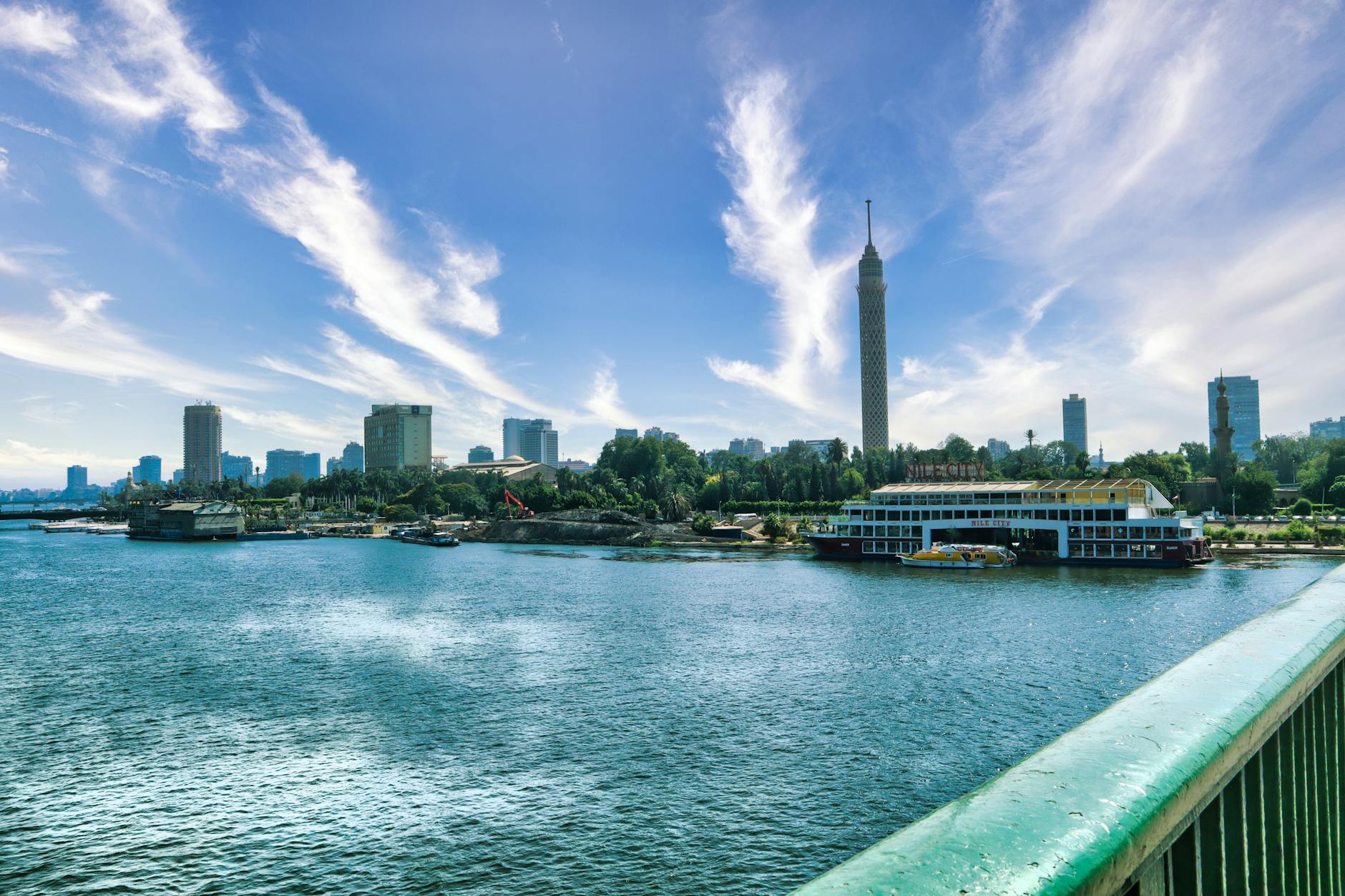
A serene, foggy morning view of the Cairo Tower and the Nile River waterfront in the heart of the Cairo Governorate, Egypt.
Eslam Magdy on Pexels · Pexels License
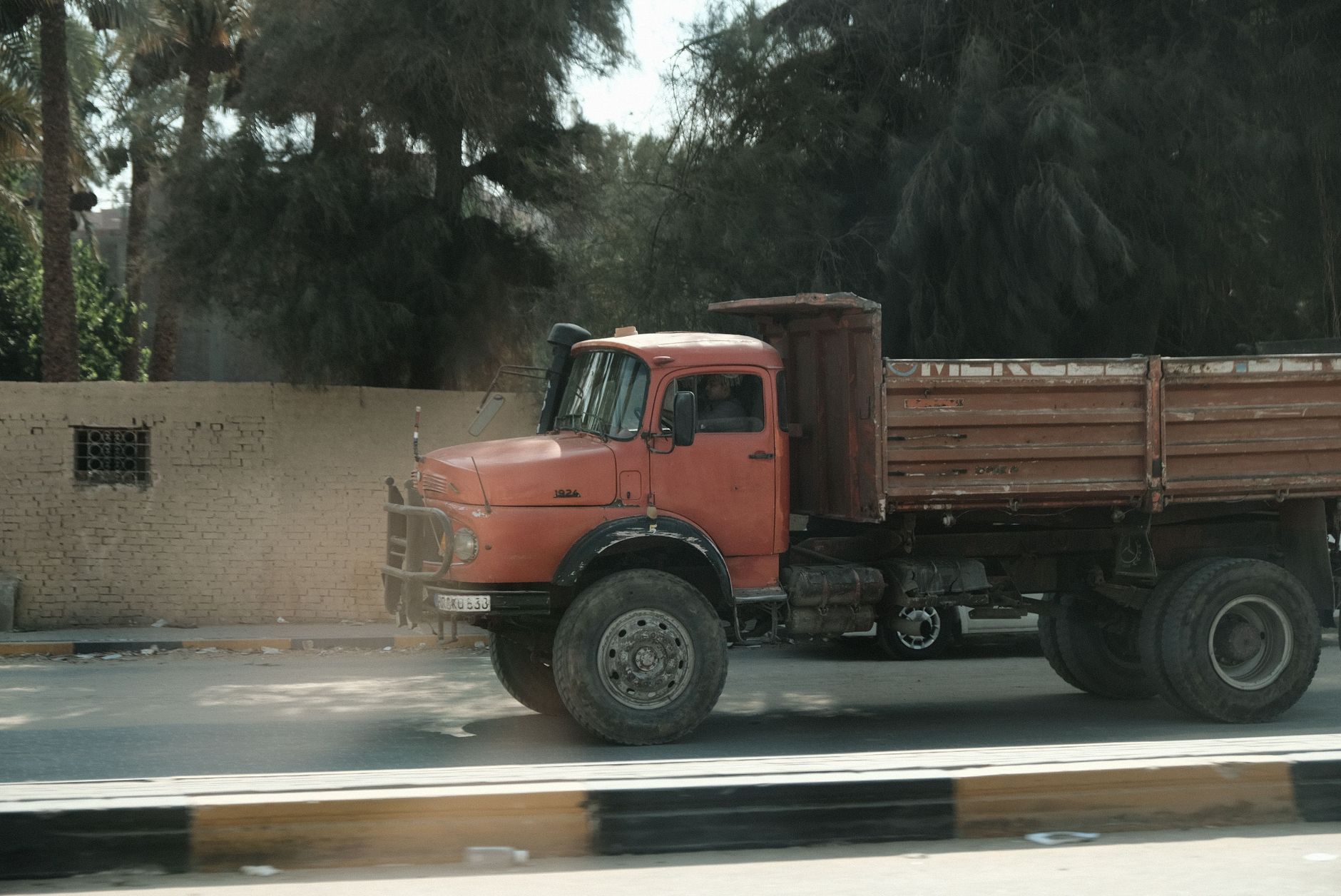
A vintage orange dump truck travels along a sunlit road in the Cairo Governorate, Egypt, framed by palm trees and a traditional brick wall.
Mauricio Krupka Buendia on Pexels · Pexels License
The elegant marble columns and arched portico of the historic Mosque of Muhammad Ali in Cairo, Egypt, create a serene atmosphere.
Nuha Muhammad Refaai on Pexels · Pexels License
The iconic Cairo Tower rises above the lush riverbanks and modern skyline of the Cairo Governorate, Egypt, as seen from the Nile.
Ahmed Aziz on Pexels · Pexels License
A stunning aerial perspective of the iconic Sultan Hassan and Al-Rifa'i mosques, showcasing the grand Islamic architecture of Cairo, Egypt.
Omar Elsharawy on Pexels · Pexels License
Videos
Watch & Explore Cairo Governorate
15 Do’s and Don’ts for Cairo & Giza
Best Things To Do in Cairo Egypt 2026 4K
10 BEST Restaurants in Cairo | Egypt Vlog 369 | افضل ١٠ مطاعم في القاهرة
Practical Information
Getting There
Cairo International Airport (CAI) is 22 km northeast; Uber to downtown runs 150–300 EGP (30–50 min). Ramses Station is the main rail hub for overnight trains from Luxor/Aswan. Approaches by road: Cairo-Alexandria Desert Road (M1) from the north, Eastern Desert Road (M2) from the Red Sea, Ring Road (M50) skirting the city.
Getting Around
Cairo Metro: 3 lines, 5 a.m.–midnight, fares 10–20 EGP by distance; Lines 1 & 2 now accept Visa at every booth. Mwasalat Misr buses cover 78 routes with a reloadable Mwasalati Card. First-phase bike-share (Cairo Bike) has 250 bikes and 2 km of lanes downtown; helmets not supplied.
Climate & Best Time
Desert-dry: January 19 °C/9 °C, April 28 °C/15 °C, July peaks 35 °C/22 °C, negligible rain year-round. Visitor sweet spot is October–April; November–February gives 10-hour sightseeing days without furnace heat. Ramadan 2026 shifts nightlife later but museums stay open.
Safety
Petty crime is opportunistic: keep phones off café tables and bags zipped on metro. Police presence is high around Tahrir and the Citadel; carry ID. Women should expect verbal attention—headphones and confident stride reduce hassle. Avoid any street protest; tourist police (126) speak English.
Where to Eat
Don't Leave Without Trying
coffe shoot
cafeOrder: Coffee and light pastries—a neighborhood gem where locals linger over afternoon espresso and conversation.
Perfect for escaping the Cairo chaos with an honest cup of coffee in El-Nozha. The 5.0 rating and tight-knit review base suggest this is a real local haunt, not a tourist trap.
33k PlayStation Lounge
cafeOrder: Coffee, snacks, and the energy—this is where young Cairo comes to game, chat, and stay caffeinated into the small hours.
A genuine local hangout that's open 24 hours and packed with real reviews. This is where you'll find actual Cairenes, not tour groups.
BOB'S Cafe
cafeOrder: Breakfast if you arrive early (7 AM), coffee and light bites throughout the day—a reliable neighborhood anchor with solid ratings.
Forty reviews and a 4.8 rating make this a proven local favorite. Open from early morning through midnight, it serves the full Cairo day.
Sam's Place
cafeOrder: Coffee, tea, and whatever comfort food pairs with late-night Cairo energy—this place stays open until 2 AM for a reason.
A solid local cafe with 26 reviews and a 4.8 rating that keeps the lights on until 2 AM. This is where Cairenes go when they need to stay out.
edge beverages
cafeOrder: Craft cocktails and drinks—a 5.0-rated spot that takes beverages seriously and stays open until 3 AM.
Perfect 5.0 rating and a dedicated beverage program. Open from 10 AM to 3 AM, this is your go-to for quality drinks across Cairo's longest hours.
King Arena PS Lounge
cafeOrder: Drinks and the vibe—this lounge is built for Cairo's night crowd with 32 solid reviews and evening-to-3-AM hours.
A proven local hangout with 32 reviews and a 4.7 rating. Open from 5 PM through 3 AM, it's where Cairenes go to unwind after dark.
RAVE
cafeOrder: Drinks and the 24-hour energy—a perfect 5.0 rating for a place that never closes.
Open 24 hours with a perfect 5.0 rating. This is Cairo's round-the-clock escape for anyone who needs a drink at any hour.
Reve
cafeOrder: Drinks and the dream—Reve is perfect 5.0 rated and open all night long.
A hidden gem with a perfect 5.0 rating and 24-hour availability. Small review count means it's still flying under the radar for most tourists.
Dining Tips
- check Cairo eats late: breakfast is 7–10 AM, lunch (the main meal) is 1–4 PM, and dinner often starts around 9 PM.
- check Thursday and Friday evenings are the busiest dining times across the city.
- check Each neighborhood has its own food identity—Downtown for old-school classics, Zamalek for polished nights out, Heliopolis for long-running local institutions, and Maadi for cafes.
- check Don't judge the Cairo food scene by one area; the city's best meals are scattered across different districts.
Restaurant data powered by Google
Tips for Visitors
Metro beats traffic
Line 1 stops at Sadat (Tahrir) and Mar Girgis (Old Cairo) every 4 min; rides cost 10–20 EGP and spare you 45 min in gridlock. Buy the 80 EGP smart card once, recharge 40–500 EGP.
November–February light
Cruel summer highs hit 35 °C; winter afternoons hover at 20 °C with slanted honey-gold light that makes carved stone sing. Plan outdoor walks for 9 am–3 pm, then duck into museums.
Muizz ticket hack
One 200 EGP ‘Heritage Cairo’ ticket unlocks Bayt al-Suhaymi, Al-Aqmar, Qalawun complex and more—buy at the first kiosk on Al-Muizz to skip eight separate queues.
Lunch like a clerk
Follow the white-shirt crowd to kushari shops around Bab al-Louq: full bowl, extra dakka, 25 EGP. Tourist restaurants on the square charge 5× for microwaved fateer.
Friday dawn quiet
The Citadel opens 8 am but the call to prayer echo across the walls at 5:30 am is worth waking for—no tour buses yet, only the muezzins in stereo. Bring a jacket; wind is cold up there.
Ramadan rhythm shift
Metro runs until 1 am, museums close at 3 pm, street cafés turn into neon canteens after sunset. Book evening Nile cruises instead of daytime pyramid trips—cooler, cheaper, half-empty.
Explore the city with a personal guide in your pocket
Your Personal Curator, in Your Pocket.
Audio guides for 1,100+ cities across 96 countries. History, stories, and local insight — offline ready.
Audiala App
Available on iOS & Android
Join 50k+ Curators
Frequently Asked
Is Cairo Governorate worth visiting without the Pyramids? add
Yes—UNESCO’s Historic Cairo alone packs 800 listed monuments inside the governorate, from 9th-century Ibn Tulun to 14th-century Sultan Hassan. You can spend three solid days never leaving the city walls and still skip more than you see.
How many days do I need for Cairo Governorate? add
Three full days minimum: one for the Citadel–Islamic Cairo loop, one for Old Cairo’s churches, synagogue and NMEC, one for Downtown cafés and the Egyptian Museum. Add a fourth if you want Heliopolis’ Baron Palace and early-20th-century architecture.
Is the Cairo Metro safe for tourists? add
Extremely—there are cameras, women-only carriages, and armed tourism police on every platform. Pickpockets work the rush crush (7–9 am, 3–5 pm); keep your bag zipped and you’ll ride cheaper and faster than any Uber.
Can I walk between Islamic Cairo sites? add
Yes, but only along Al-Muizz Street which is closed to traffic between Bab al-Futuh and Bab Zuwayla. Side alleys like Darb al-Asfar are still cobbled—wear closed shoes and watch for motorbikes squeezing through.
Do I need to cover up to enter mosques? add
Shoulders and knees must be covered; women need a headscarf. Most sites lend scarves for free, but bring your own to skip the queue. Shoes come off at the door—socks with grip save you from hot stone.
How much cash should I carry inside Cairo Governorate? add
200–300 EGP per person per day covers street meals, metro, museum tickets and cold hibiscus. Cards work at the Egyptian Museum gift shop and upscale cafés, but kushari counters and sabil fountains are cash-only.
Sources
- verified Egyptian Monuments Authority – Cairo Citadel — Official opening hours (8 am–4 pm), panoramic-view details, and list of sub-museums inside the fortress.
- verified Cairo Metro – Official Site — Current 3-line map, Ramadan timetable extension, and 27 March 2026 fare tiers (10–20 EGP).
- verified UNESCO – Historic Cairo World Heritage — Precise boundary map showing why the Pyramids are excluded and which necropolises are counted inside the governorate.
Last reviewed: