Plan and listen to Unfinished Obelisk with Audiala.
Audio guide in your pocket, itinerary in your browser. Built for the way you actually visit.
Introduction
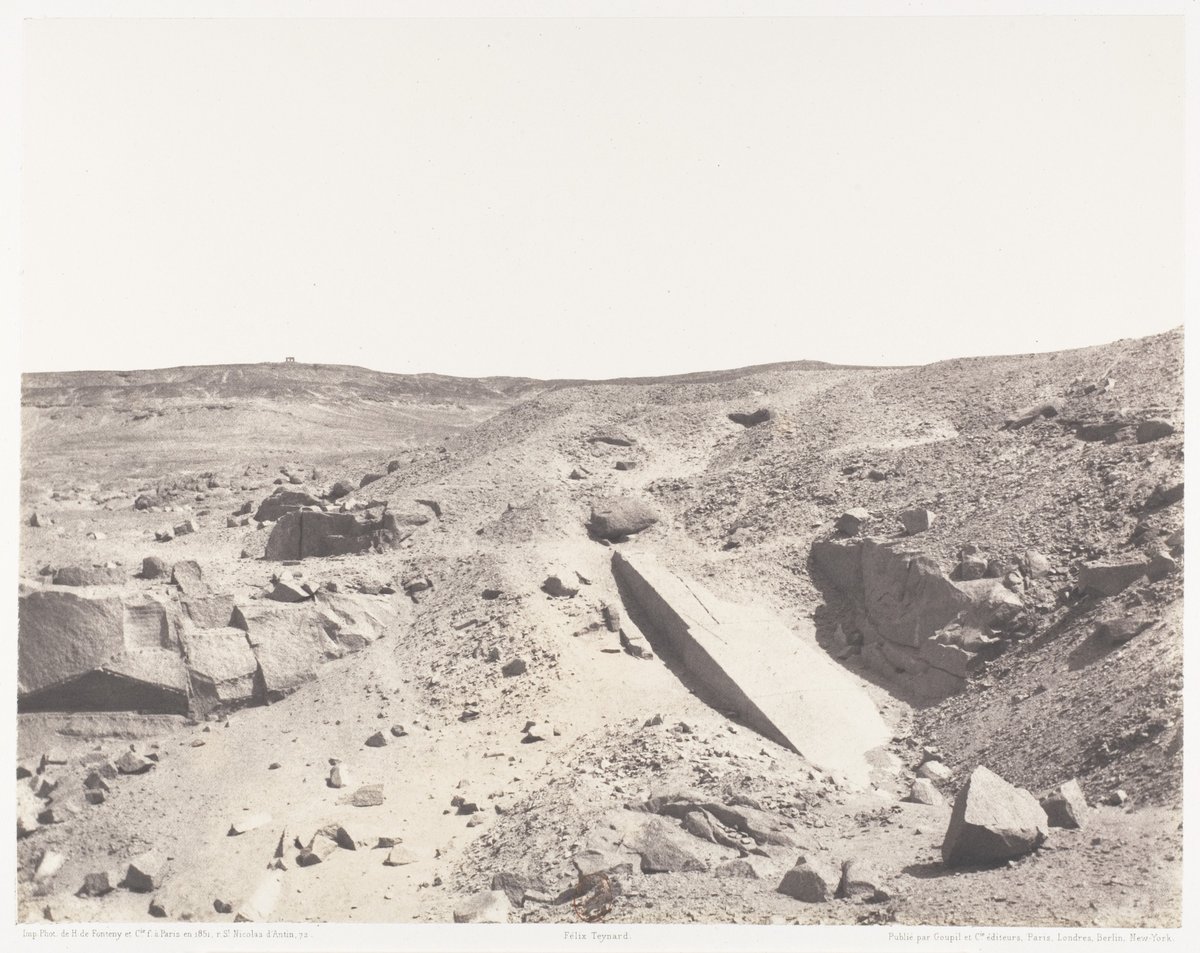
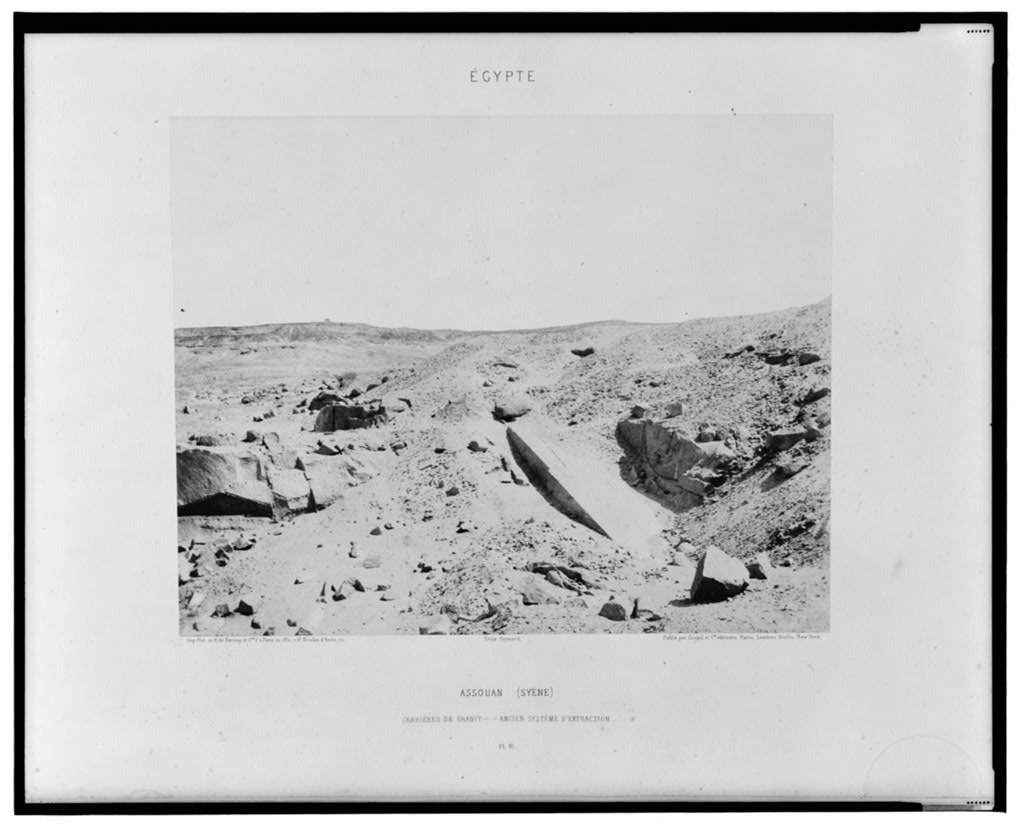
The Unfinished Obelisk of Aswan stands as a striking testament to the ambition, ingenuity, and craftsmanship of ancient Egypt. Nestled within Aswan’s northern granite quarries, this monumental structure—carved directly from the bedrock—was poised to become the largest obelisk ever attempted, measuring over 42 meters and weighing up to 1,200 tons. Though never completed due to a critical crack that appeared during its extraction, the Unfinished Obelisk provides an unparalleled window into the engineering methods, religious symbolism, and labor organization of ancient Egyptian civilization (Egypt Planners; Curiosmos; My Modern Met).
Today, the site is an open-air museum managed by the Egyptian government. It attracts both scholars and travelers eager to explore ancient construction techniques, appreciate the scale of monumental ambition, and enjoy nearby Aswan attractions such as the Philae Temple, High Dam, and Nubian villages. This guide presents a comprehensive overview of the Unfinished Obelisk’s history, practical visiting information, and travel tips to enrich your experience.

Historical Background
Commissioning and Purpose
The Unfinished Obelisk is widely attributed to Queen Hatshepsut of the 18th Dynasty (reigned 1508–1458 BCE), a ruler celebrated for her monumental construction projects (Egypt Planners; Archaeology Worlds). It was likely intended for the Karnak Temple complex in Thebes, possibly as a companion to the Lateran Obelisk, now in Rome (Wikipedia). Obelisks were powerful symbols, erected to honor the sun god Ra and to assert the pharaoh’s divine authority. Their positioning at temple entrances reinforced the sacred connection between rulers and the gods (Cairo Top Tours).
Quarrying and Construction Techniques
The Unfinished Obelisk offers rare, direct evidence of ancient Egyptian quarrying. Artisans outlined the obelisk’s shape onto the granite bedrock and then used dolerite pounding stones, copper and bronze chisels, and wooden wedges to gradually carve out trenches along the monolith’s sides (Egypt Planners; Youregypttours). Wooden wedges inserted into grooves were soaked with water, expanding and cracking the granite—a method that demonstrates the Egyptians’ sophisticated understanding of mechanics (Earthly Mission).
Tool marks and ochre-colored lines remain visible, providing invaluable insights into the sequential steps of ancient stone-working.
Dimensions and Ambition
If completed, the obelisk would have stood between 41.75 and 42 meters (137–138 feet) tall and weighed approximately 1,100 to 1,200 tons (Curiosmos; Horizon Travel Egypt). This immense size would have made it the largest ancient obelisk ever attempted, exceeding the Lateran Obelisk in Rome, which weighs about 455 tons.
Reasons for Abandonment
Structural Flaws and Archaeological Insights
Work on the Unfinished Obelisk was halted when a significant crack developed during extraction, rendering the monolith unusable (TheTravel). Ancient attempts to salvage the stone—including cutting away affected portions—proved futile due to the location and severity of the fissure (Ancient Navigator). This abandonment preserved a unique archaeological “snapshot” of ancient construction at the moment of failure, allowing researchers and visitors to study the techniques, organization, and tools that would otherwise be hidden beneath finished monuments (Wikipedia).
Cultural and Religious Significance
Symbolism of Obelisks
Obelisks, or tekhenu, personified the sun’s rays and the eternal power of the pharaohs. Their gilded tips were intended to catch the sun’s first light, reinforcing the divine association with Ra (Cairo Top Tours). Even in its unfinished state, the monument embodies these ideals of divine kingship and monumental legacy.
Connection to Aswan and Nubian Heritage
Aswan’s granite quarries supplied stone for many of Egypt’s most enduring monuments. The Unfinished Obelisk stands as a testament to the region’s central role in Egypt’s architectural history and its connection to Nubian culture. The nearby Nubian villages and the site’s inclusion in the UNESCO World Heritage “Nubian Monuments from Abu Simbel to Philae” further highlight its ongoing cultural importance (Wikipedia).
Modern Significance and Preservation
The Unfinished Obelisk and its surrounding quarry now function as an open-air museum, featuring visible tool marks, unfinished trenches, and interpretive panels explaining quarrying methods (Egypta Tours; Horizon Travel Egypt). The site is frequently studied by archaeologists and engineers, deepening our understanding of ancient Egypt’s remarkable engineering feats (Egypt United Tours).
Preservation efforts include the installation of protective barriers, drainage systems to prevent erosion, and ongoing monitoring to ensure long-term conservation (Nilecruisez.com; Privatetoursinegypt.com).
Visitor Information
Visiting Hours
- Standard Hours: 8:00 AM to 4:00 or 5:00 PM (varies seasonally)
- Best Time to Visit: Early morning or late afternoon to avoid the midday heat (Horizon Travel Egypt; Introducing Egypt)
Tickets and Entry Fees
- Admission: Typically between 80–100 EGP for adults, with discounts for students and children
- Purchase: At the site entrance or included in guided tour packages (Triphobo)
Accessibility
- Terrain: Uneven and rocky; sturdy footwear advised
- Mobility: Limited accessibility for wheelchairs—consult tour operators for assistance (Her Asian Adventures)
Guided Tours and Travel Tips
- Guided Tours: Highly recommended for historical context and in-depth exploration; available through local operators (GetYourGuide)
- Photography: Allowed and encouraged; best in morning light
- Facilities: Basic amenities available; bring water, hat, and sunscreen
Nearby Attractions
- Philae Temple: Island temple dedicated to Isis
- Aswan High Dam: Modern engineering marvel
- Nubian Museum: Celebrating Nubian culture and history
Many visitors combine these sites for a broader cultural experience.
Conservation and Responsible Tourism
To help preserve the Unfinished Obelisk for future generations:
- Stay on marked paths and respect barriers
- Do not touch, climb, or sit on the monument or quarry features
- Dispose of litter responsibly and avoid bringing food into the quarry
- Keep noise levels low and follow guide instructions
- Respect ongoing archaeological work (Privatetoursinegypt.com; Ariatravelss.blogspot.com)
Frequently Asked Questions (FAQ)
Q: What are the Unfinished Obelisk visiting hours?
A: Usually 8:00 AM to 4:00 or 5:00 PM; check locally for updates.
Q: How much are tickets?
A: Adult tickets cost around 80–100 EGP, with discounts for students and children.
Q: Is the site accessible for visitors with mobility challenges?
A: The terrain is uneven; accessibility is limited. Consult with tour operators for assistance.
Q: Can I take photographs?
A: Yes, but please do not climb on the monument or leave marked paths.
Q: Are guided tours available?
A: Yes, many tours offer expert guides for a richer experience.
Q: What other sites can I visit nearby?
A: The Philae Temple, Aswan High Dam, and Nubian Museum are all close by.
Listen to the full story in the app
The whole Unfinished Obelisk,
told well.
Listen to sourced travel stories with local history and practical context — ready offline.
Verified, and shown.
Researched and written by the Audiala editorial team from historical records, architectural archives, and local expertise.
Built from cited sources · see the method · How we make our guides →