Plan and listen to Town Wall Of Alexandria with Audiala.
Audio guide in your pocket, itinerary in your browser. Built for the way you actually visit.
Introduction
The Town Wall of Alexandria stands as a testament to one of the ancient world’s most influential cities. Built soon after Alexander the Great founded Alexandria in 331 BCE, these walls protected a thriving metropolis that served as a Mediterranean gateway and a melting pot of civilizations. Over centuries, from Hellenistic origins through Ptolemaic, Roman, and medieval reworkings, the Town Wall evolved in response to political, military, and cultural shifts. Although much of the original fortification has disappeared, archaeological sites like Kom el-Dikka and the Citadel of Qaitbay still reveal the city’s defensive heritage (Ask Aladdin, World History Encyclopedia, Britannica).
This guide offers a detailed overview of the Town Wall’s history, cultural significance, and practical visitor information, including visiting hours, ticketing, accessibility, guided tours, and nearby attractions.
History of the Town Wall
Foundation and Hellenistic Construction
The Town Wall of Alexandria was constructed shortly after the city’s founding by Alexander the Great in 331 BCE. Designed by the Greek architect Dinocrates, the wall formed an essential part of Alexander’s plan to establish a cosmopolitan metropolis linking Egypt to the wider Mediterranean. The initial fortifications protected Alexandria from both land and sea threats, encircling the city’s royal quarter, library, and the famed Pharos Lighthouse (Ask Aladdin, Egypt Tours Portal).
Ptolemaic and Roman Enhancements
Under the Ptolemies (323–30 BCE), the walls were expanded and reinforced with local limestone, and monumental gates such as the Canopic and Sun Gates were added to manage the growing city and its strategic needs (History Egypt). During Roman rule (30 BCE–641 CE), Alexandria’s defenses saw further strengthening to counter new military threats, playing crucial roles during the Jewish–Roman wars and sieges including that of Emperor Diocletian (Britannica).
Medieval Modifications and Decline
After the Arab conquest in 641 CE, Alexandria’s political centrality diminished, but the walls continued to be maintained and modified during the Fatimid and Mamluk periods. New gates and bastions were added, but by the late medieval era, the city’s decline led to deterioration of the walls. Sultan Qaitbay’s 15th-century citadel, built atop the ruins of the Pharos Lighthouse, incorporated surviving elements from the ancient fortifications (The Egyptian Traveler).
Archaeological Remains and Modern Legacy
Much of the original Town Wall has been lost to urban growth, earthquakes, and quarrying. Nonetheless, archaeological excavations at Kom el-Dikka and Karmouz have revealed portions of the walls and gates, offering valuable insights into ancient urban defenses (Ask Aladdin). The Citadel of Qaitbay remains the most significant surviving structure, while street patterns and place names still recall the ancient city’s layout (Egypt Time Travel).
Historical Significance
The Town Wall was more than a military structure: it symbolized Alexandria’s cosmopolitan identity and protected a diverse population, making it one of the largest cities of antiquity (Britannica). The walls played key roles during historical events such as Caesar’s siege in 48 BCE, defense against Sassanid Persians, and the city’s Byzantine recapture. They marked the boundaries between Greek, Egyptian, Jewish, and later Roman and Christian quarters, underpinning Alexandria’s status as a crossroads of cultures (Egypt Tours Portal, The Collector).
Visitor Information
Visiting Hours and Tickets
- Citadel of Qaitbay: Open daily, 9:00 AM – 5:00 PM. Entry tickets cost approximately 80 EGP for adults, with discounts for students, children, and Egyptian nationals (Egypt Tours Portal). Purchase tickets onsite; some tours include admission.
- Kom el-Dikka Archaeological Site: Open daily, 8:30 AM – 4:00 PM. Tickets are around 60 EGP for adults.
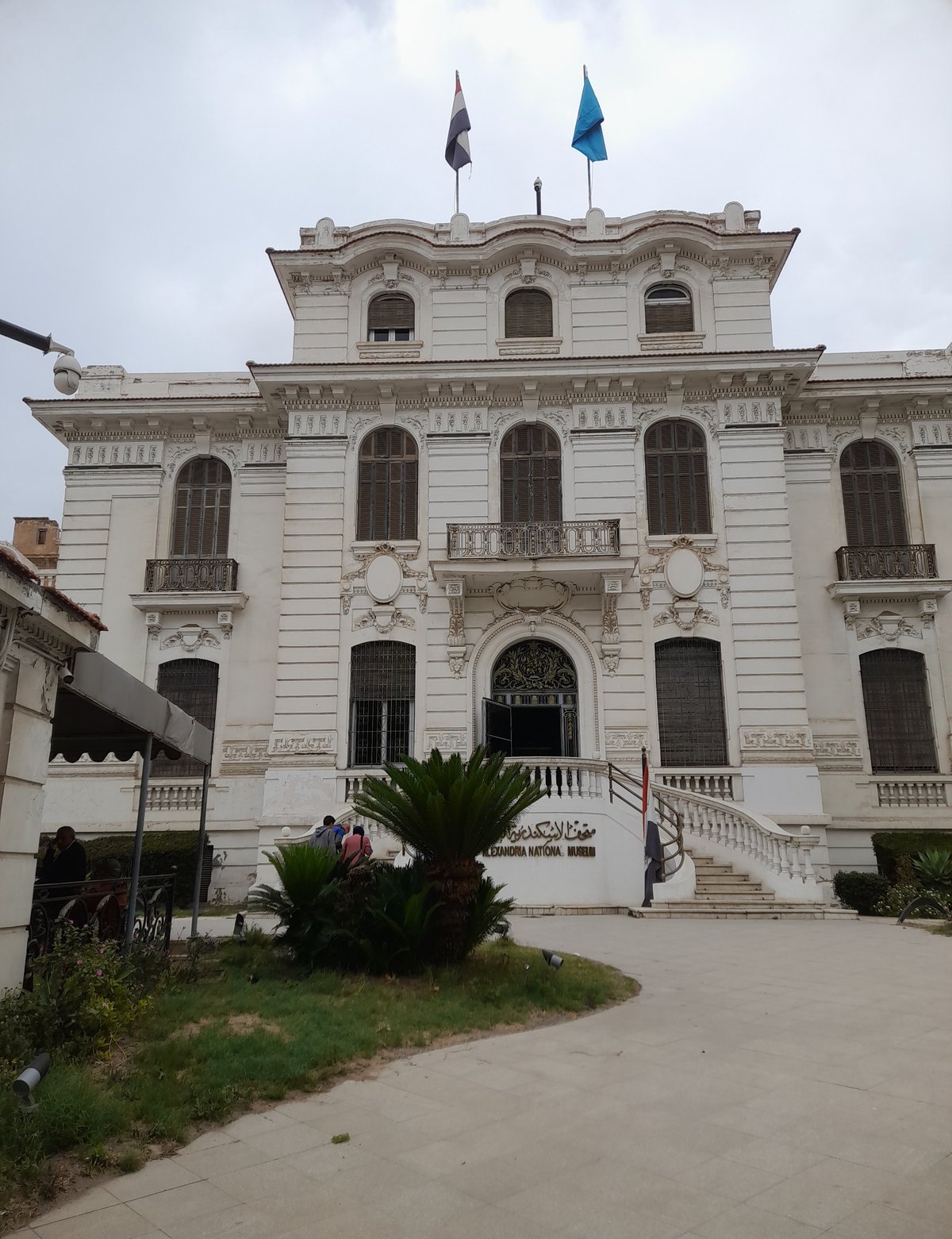
- Alexandria National Museum: Saturday–Thursday, 9:00 AM – 5:00 PM. Closed Fridays. Tickets approx. 50 EGP.
- Seasonal Archaeological Events: Special viewings of Town Wall remains may be available in Old Town Alexandria, especially during annual events (Alexandria Archaeology).
Tip: Carry cash in Egyptian pounds, as credit card acceptance is limited.
Accessibility
- Citadel of Qaitbay and Kom el-Dikka: Terrain is uneven and stairs are prevalent; wheelchair access is limited.
- Alexandria National Museum: Fully accessible with ramps and elevators.
- For visitors with mobility challenges, advance planning is recommended (Divergent Travelers).
Guided Tours
Hiring a licensed Egyptologist guide is highly recommended to appreciate the context and significance of the Town Wall. Guides are bookable through hotels, local agencies, or directly at major sites. Self-guided visitors should use reputable guidebooks or audio guides (Independent Travel Cats).
Travel Tips
- Dress: Lightweight, modest clothing; sturdy shoes; sun protection.
- Safety: Alexandria is generally safe, but standard precautions apply.
- Language: Arabic is primary; English is spoken at main tourist sites.
- Best Visiting Time: October–April (18–25°C) for mild weather (Quit and Go Travel).
Nearby Attractions
- Kom el-Dikka: Roman amphitheater, baths, and residential ruins.
- Pompey’s Pillar and Serapeum: Monumental column and ancient temple remains.
- Catacombs of Kom el-Shoqafa: Extensive Greco-Roman burial complex.
- Alexandria Corniche: Seaside promenade with cafes and shops.
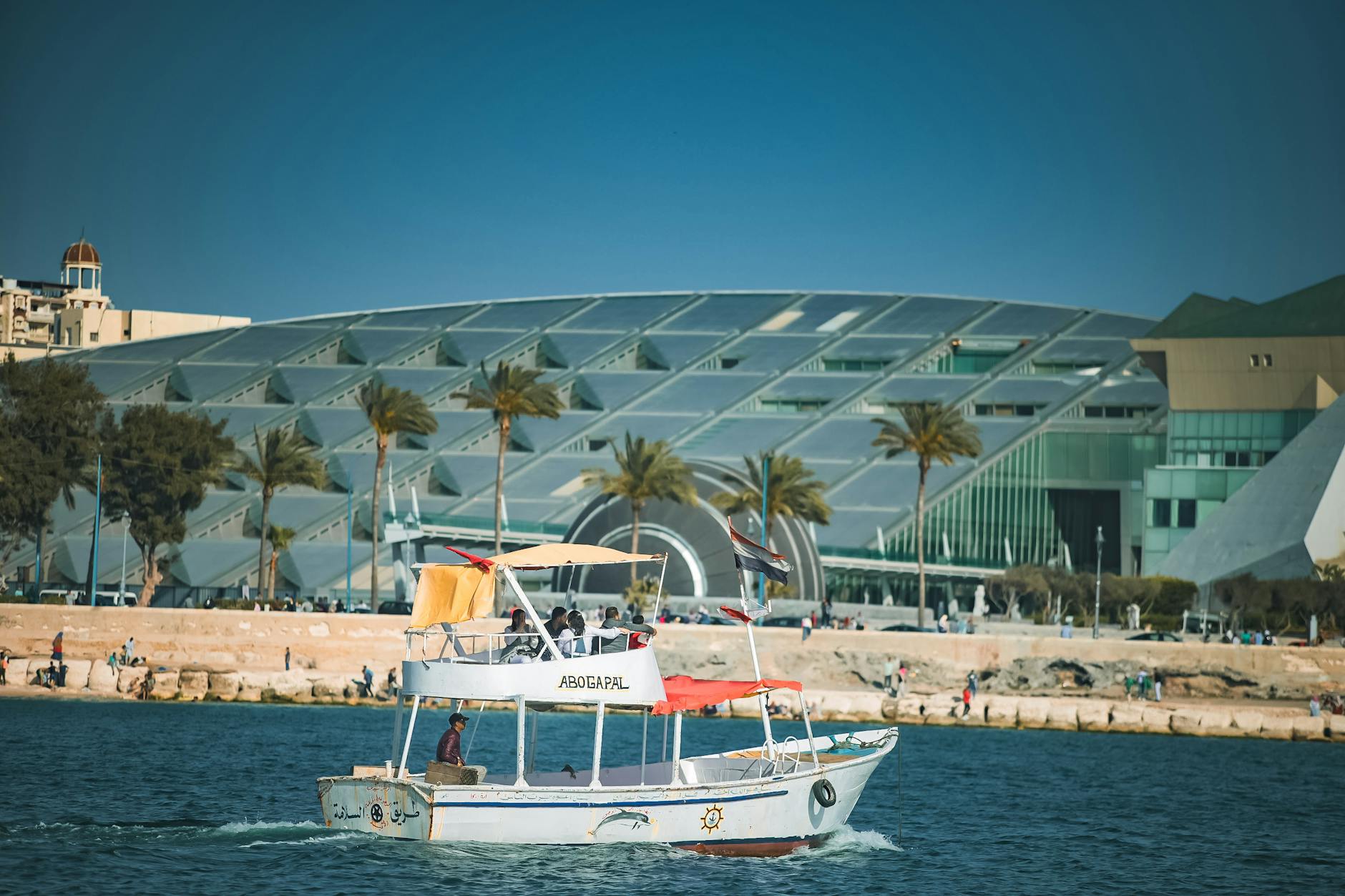
- Bibliotheca Alexandrina: Modern library and cultural center (Egypt Tours Plus).
Frequently Asked Questions (FAQ)
Q: What are the Town Wall of Alexandria’s visiting hours?
A: Main sites like the Citadel of Qaitbay are open 9:00 AM–5:00 PM daily; hours may vary during Ramadan or holidays.
Q: Where can I buy tickets?
A: Tickets are available at site entrances; bring cash in Egyptian pounds.
Q: Are guided tours available?
A: Yes, local agencies and hotels provide Egyptologist-led tours.
Q: Is the site accessible for visitors with mobility issues?
A: Accessibility varies; the museum is fully accessible, while archaeological sites have uneven terrain.
Q: What is the best time to visit?
A: October–April offers comfortable weather and smaller crowds.
Listen to the full story in the app
The whole Town Wall Of Alexandria,
told well.
Listen to sourced travel stories with local history and practical context — ready offline.

Verified, and shown.
Researched and written by the Audiala editorial team from historical records, architectural archives, and local expertise.
Built from cited sources · see the method · How we make our guides →