Plan and listen to Pompey'S Pillar with Audiala.
Audio guide in your pocket, itinerary in your browser. Built for the way you actually visit.
Introduction
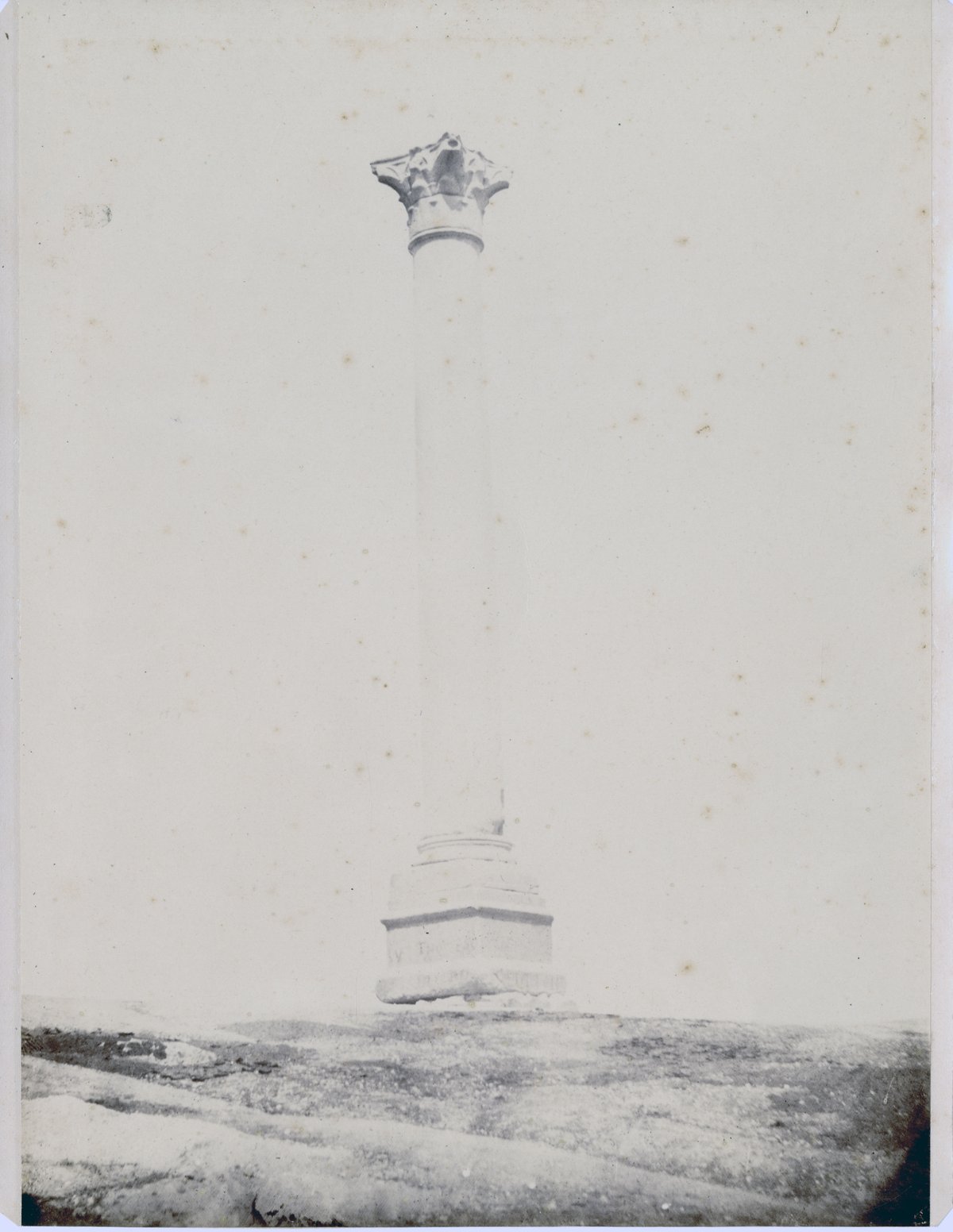
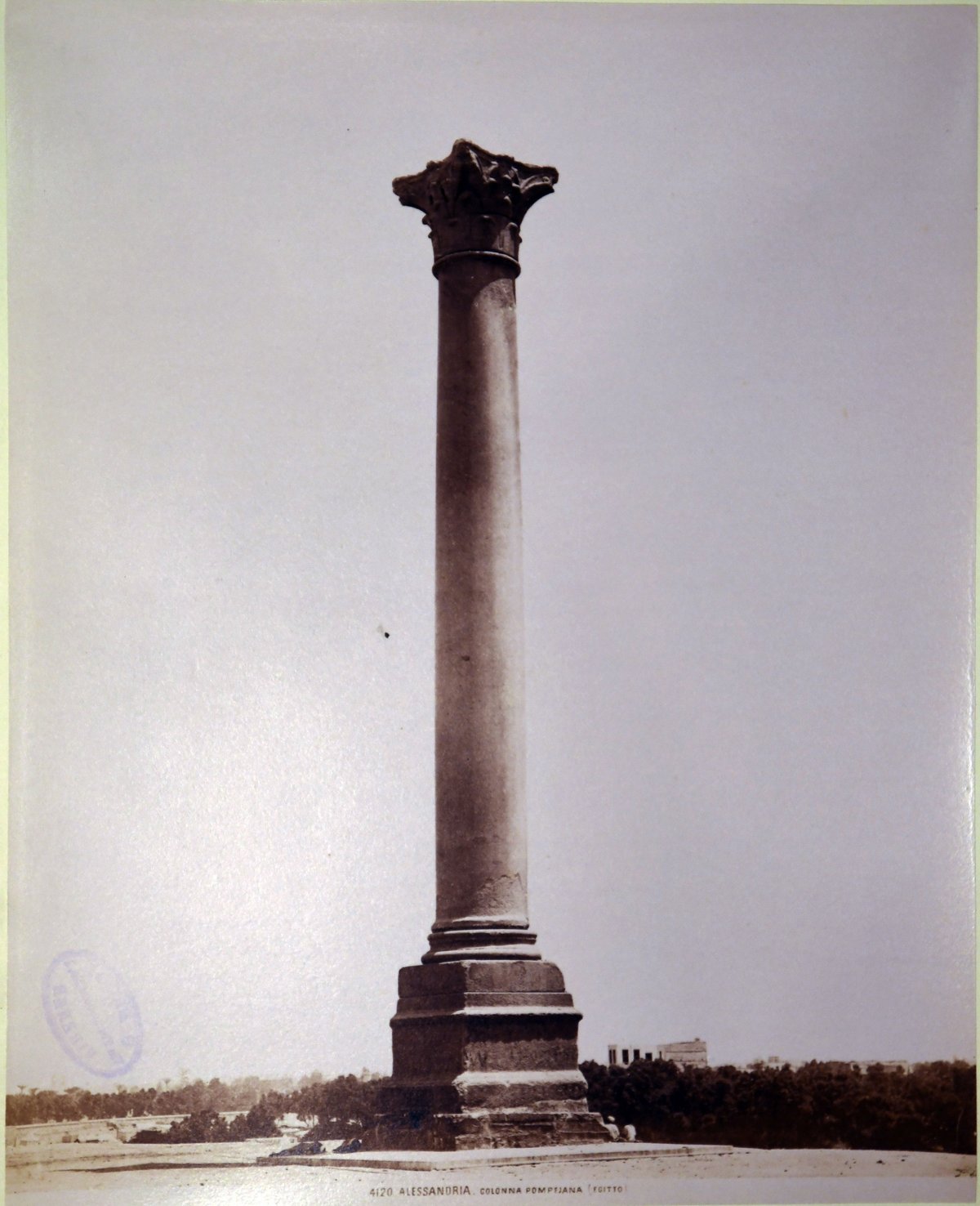
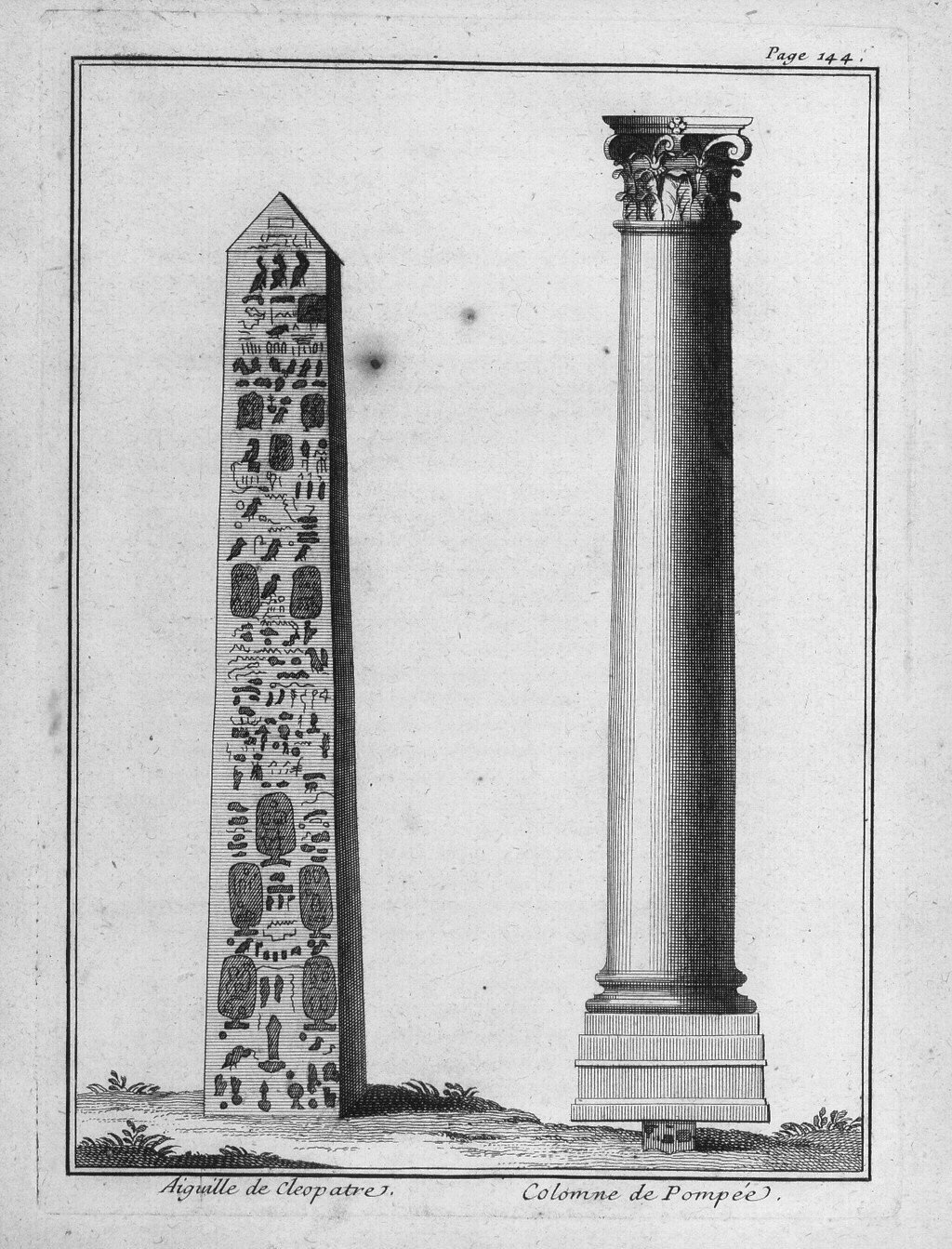
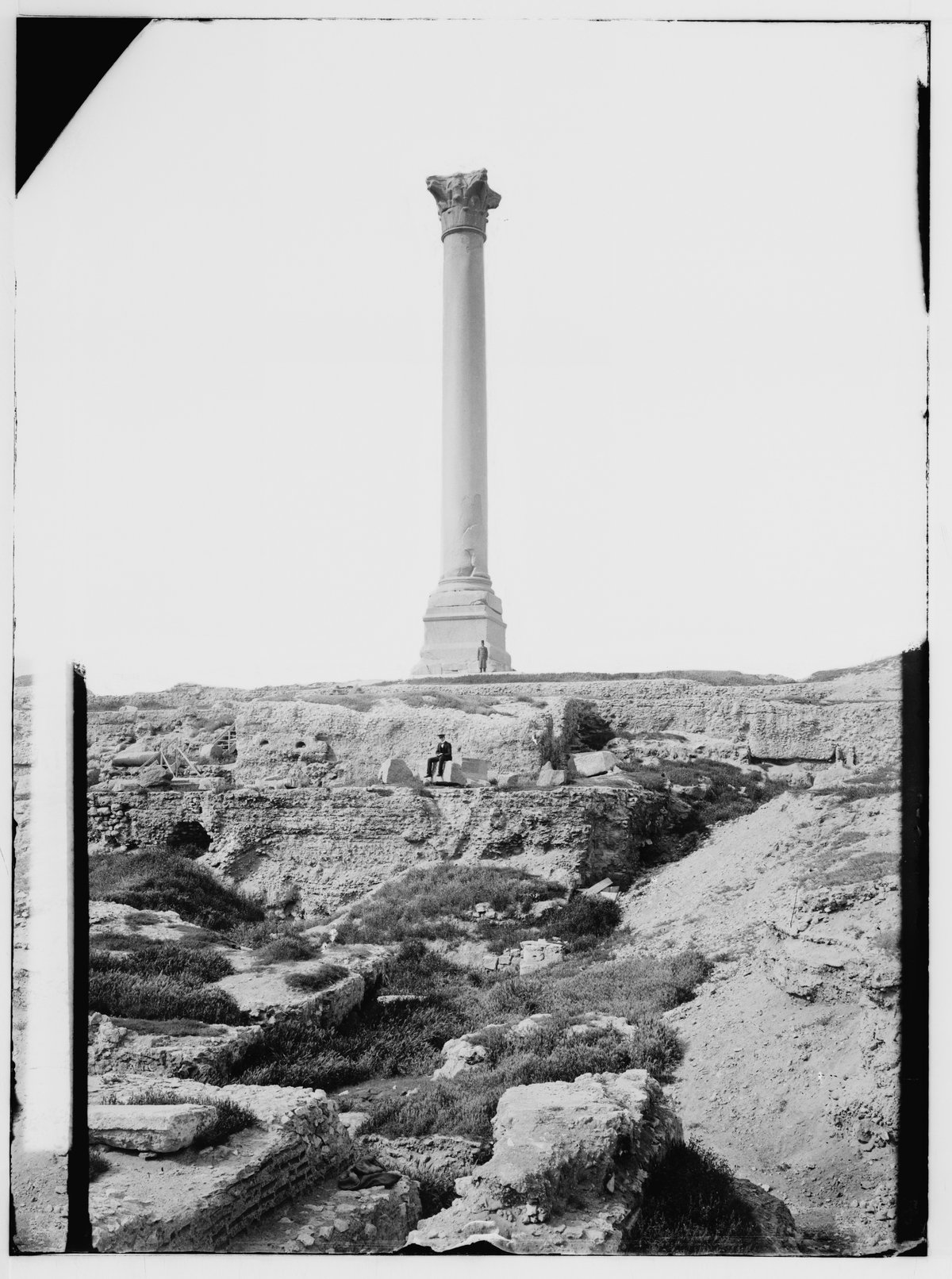
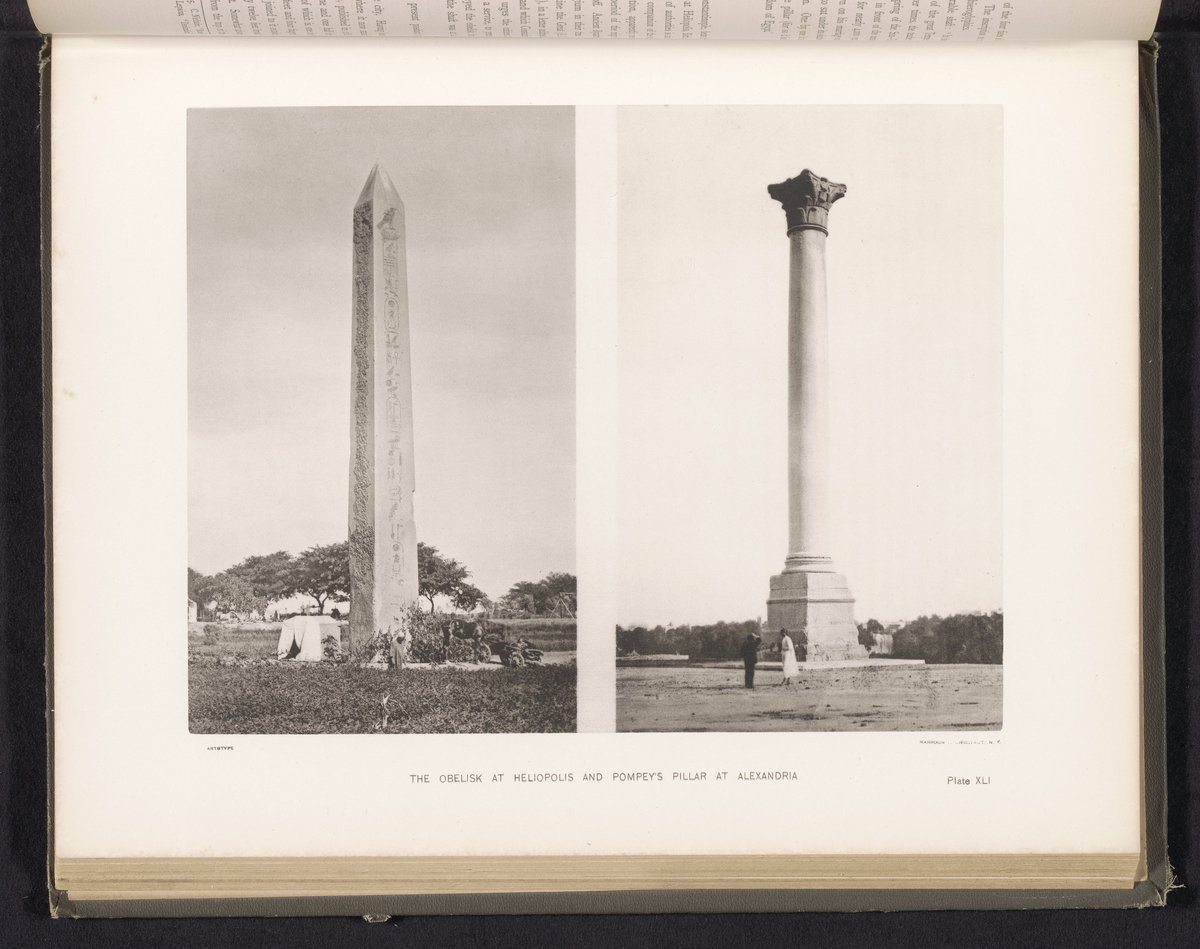
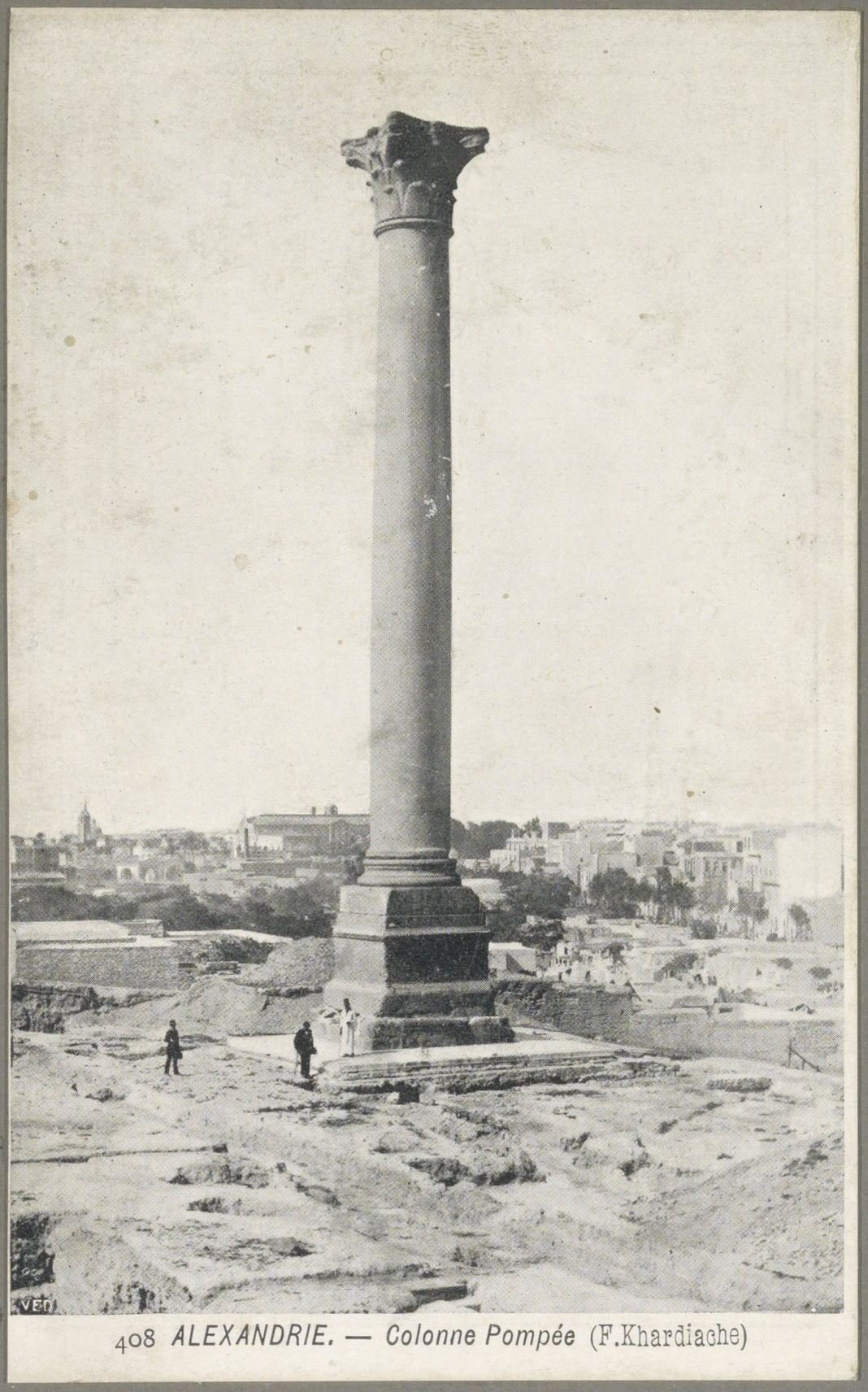
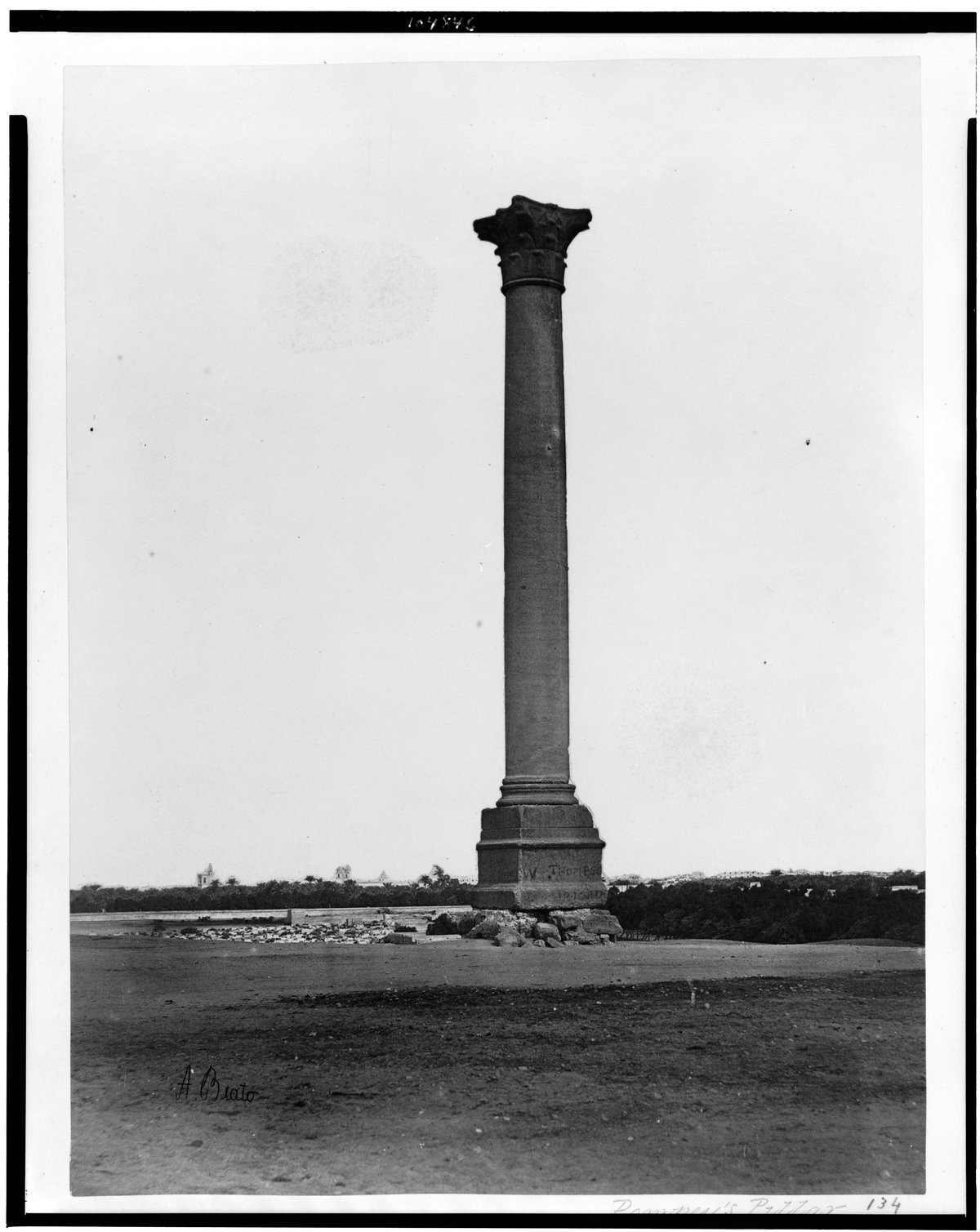
Pompey’s Pillar stands as one of Alexandria’s most iconic and enduring monuments. As the largest free-standing Roman triumphal column in Egypt, this soaring granite column has fascinated travelers, scholars, and locals for centuries. Despite its misleading name, Pompey’s Pillar bears no connection to the famous Roman general Pompey the Great; instead, it commemorates Emperor Diocletian’s victory over a local revolt and his subsequent relief efforts during a period of famine. The monument is not only a feat of ancient engineering but also a profound symbol of Alexandria’s layered Roman, Greek, and Egyptian heritage (Egypt Tours Portal; historytools.org).
This guide delivers essential visitor information on Pompey’s Pillar, including its history, architectural highlights, visiting hours, ticket prices, accessibility, practical travel tips, and nearby attractions. Whether you’re a history enthusiast, an architecture lover, or a curious traveler, Pompey’s Pillar offers an unmissable window into the rich tapestry of Alexandria’s past (Egypt Insights; Egypt Planners).

Historical Background
Origins and Construction
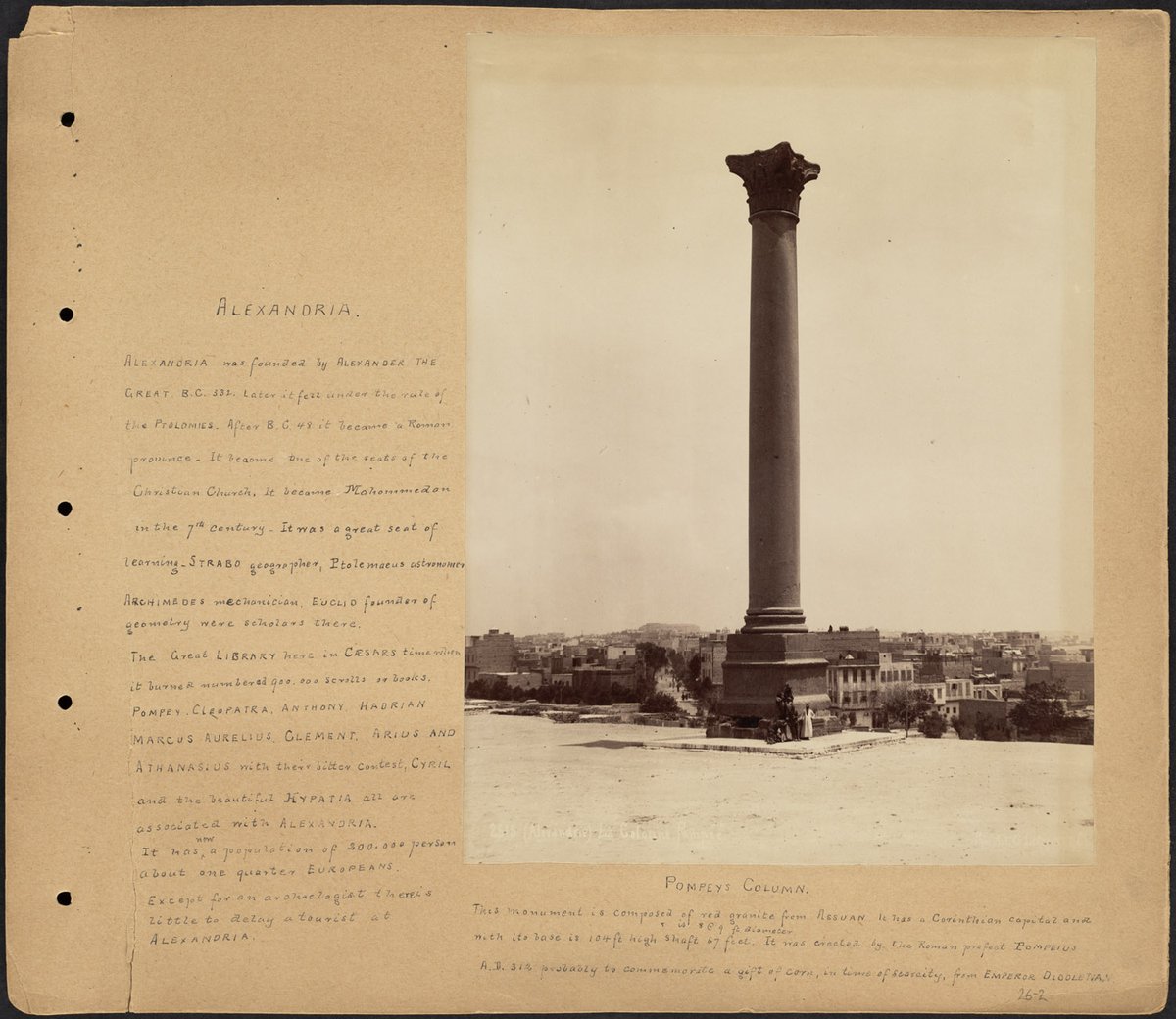
Pompey’s Pillar was erected between 297 and 303 AD, during the reign of Roman Emperor Diocletian. The monument was constructed to commemorate Diocletian’s victory over the Alexandrian revolt and his benevolence in alleviating famine in the city (Egypt Tours Portal; Jakada Tours Egypt). Its Greek inscription dedicates the column to “the most just Emperor, tutelary of Alexandria, Diocletian, the invincible,” and credits Postumus, Prefect of Egypt, for its erection.
The column’s popular name emerged from a medieval misattribution that associated it with Pompey the Great, whose ashes were rumored—incorrectly—to have been interred atop the pillar. This legend persists but is not supported by historical evidence (historytools.org).
Architecture & Archaeological Context
Monumental Dimensions and Materials
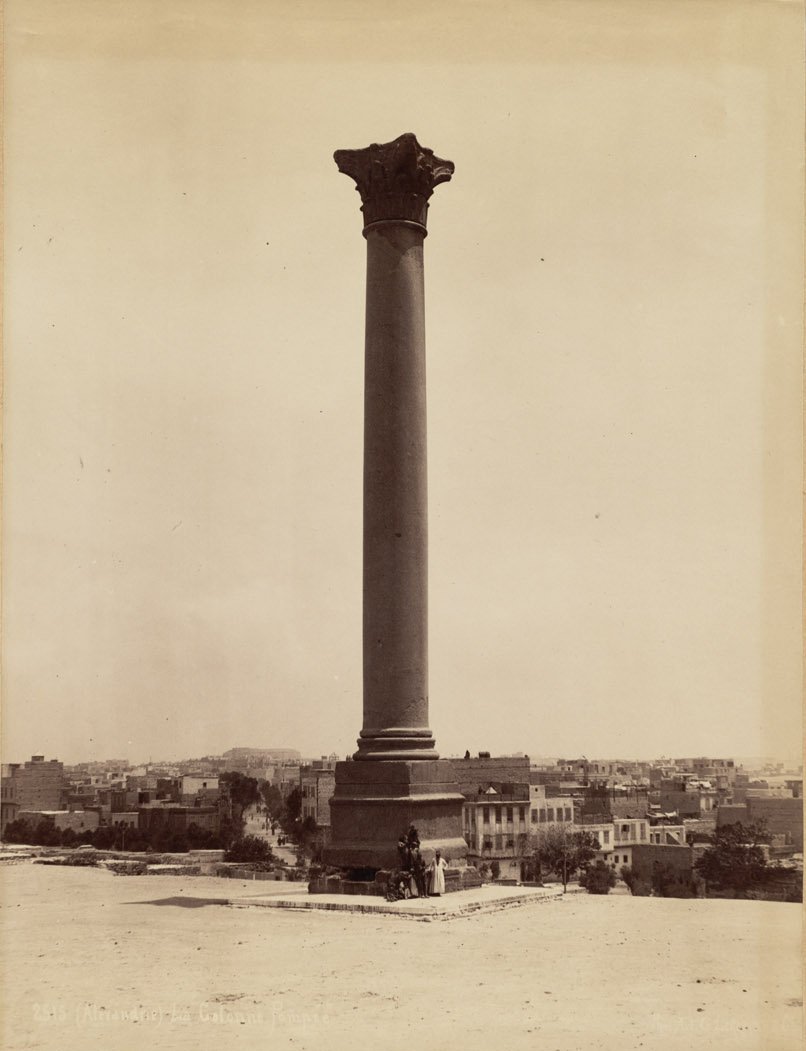
- Height: Approximately 26.85 meters (88 feet) including the base and the Corinthian capital.
- Shaft: About 20.46 meters (67.1 feet) tall, carved from a single block of red granite from Aswan, weighing approximately 285 tonnes (Egypt Planners).
- Base Diameter: Roughly 2.7–2.8 meters (about 8 feet 11 inches).
- Capital: Made of grey granite, intricately carved in the Corinthian style (Egypt Insights).
The choice of Aswan granite and the engineering prowess required to transport and erect such a monolith underscores the advanced skills of Roman builders and the connection to Egypt’s ancient traditions.
The Serapeum and Religious Syncretism
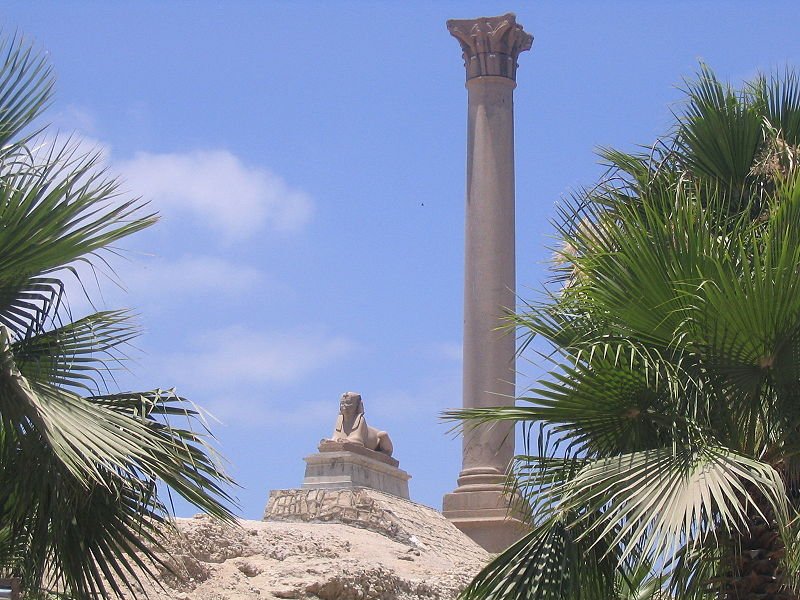
The pillar is located on the site of the Serapeum, an influential temple complex dedicated to Serapis—a deity that blended Greek and Egyptian religious elements. The Serapeum was a major intellectual and religious center until its destruction in the late fourth century. Today, visitors can also view two Ptolemaic sphinxes near the pillar, further highlighting Alexandria’s fusion of cultures (Goota Travel; Egypt Best Vacations).
Decorative Elements & Inscriptions
The monument’s Corinthian capital is elaborately decorated with acanthus leaves and volutes. The Greek inscription on the base, although weathered, provides valuable historical context. Other archaeological remains in the vicinity, such as subterranean galleries and granite sphinxes, echo Alexandria’s cosmopolitan character (Egypt Day Tours).
Visiting Pompey’s Pillar: Hours, Tickets & Tips
Visiting Hours
- Standard Opening Hours: 9:00 AM to 5:00 PM daily (including weekends and public holidays).
- Note: Hours may vary on holidays or during special events; always check ahead with official sources.
Ticket Information
- Entrance Fee: Approx. 80 EGP for foreign visitors; 20 EGP for Egyptian nationals.
- Discounts: Available for students, seniors, and group tours.
- Purchase: Tickets are sold at the on-site ticket office; advance booking via tour operators is recommended during peak seasons.
- Combined Tickets: Some tickets include entry to other archaeological sites in Alexandria (Egypt Planners).
Accessibility
- Location: Near the Kom el Shoqafa catacombs, easily reached by taxi or public transport from central Alexandria.
- Terrain: The main approach is relatively flat, but some areas have uneven surfaces and steps. Visitors with mobility challenges should plan accordingly and may require assistance.
Travel Tips
- Arrive early or late afternoon to avoid crowds and midday heat.
- Wear comfortable shoes and bring sun protection (hat, sunscreen, sunglasses).
- Bring water; vendors near the entrance sell refreshments.
- Modest dress is recommended out of respect for local customs.
- Guided tours, available in multiple languages, provide valuable historical insights.
Nearby Attractions in Alexandria
Enhance your visit to Pompey’s Pillar by exploring nearby highlights:
- Catacombs of Kom El Shoqafa: A unique blend of Egyptian, Greek, and Roman funerary art.
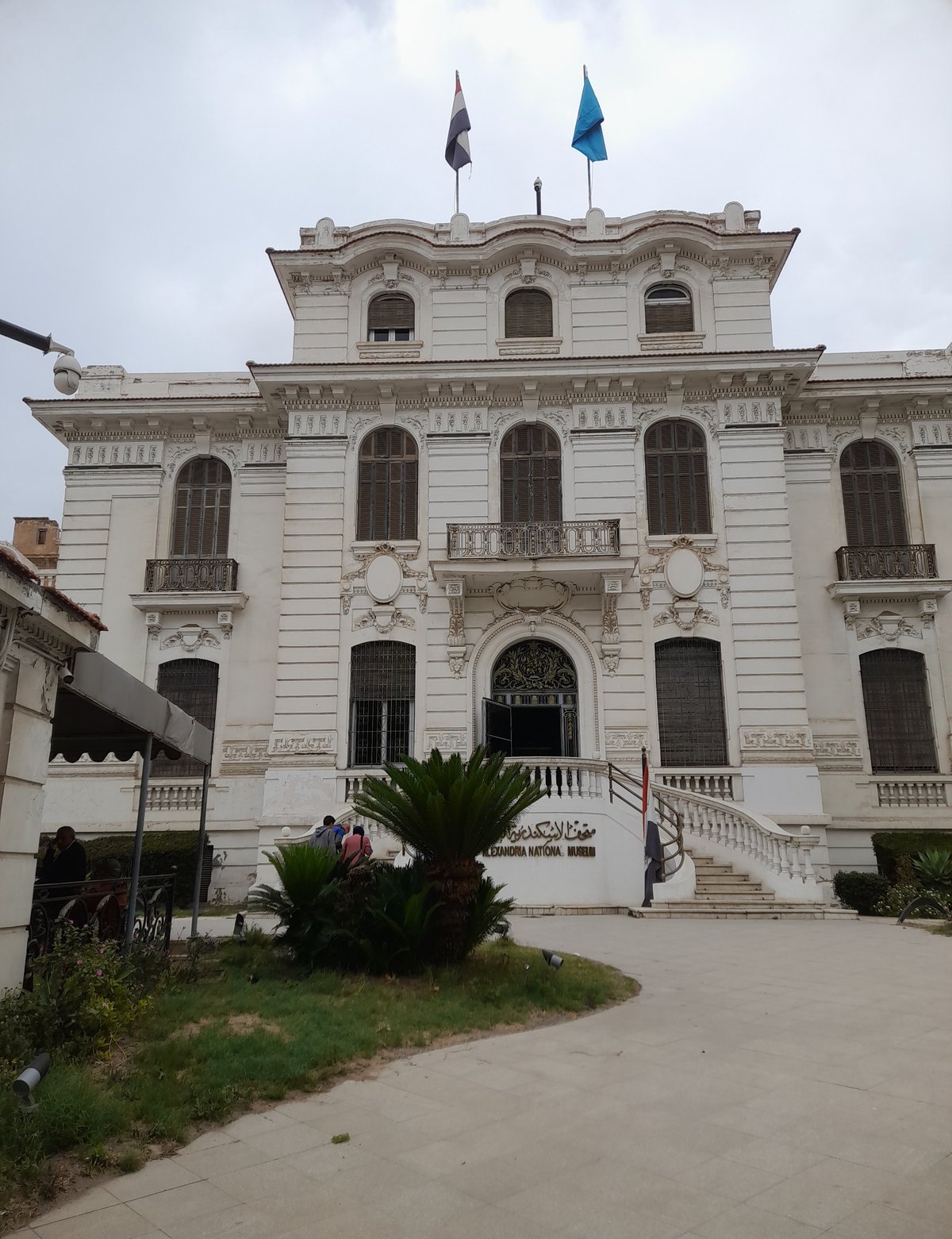
- Alexandria National Museum: Showcasing artifacts from the city’s diverse history.
- Citadel of Qaitbay: A medieval fortress with panoramic Mediterranean views.
- Roman Amphitheatre: The best-preserved Roman structure in the city.
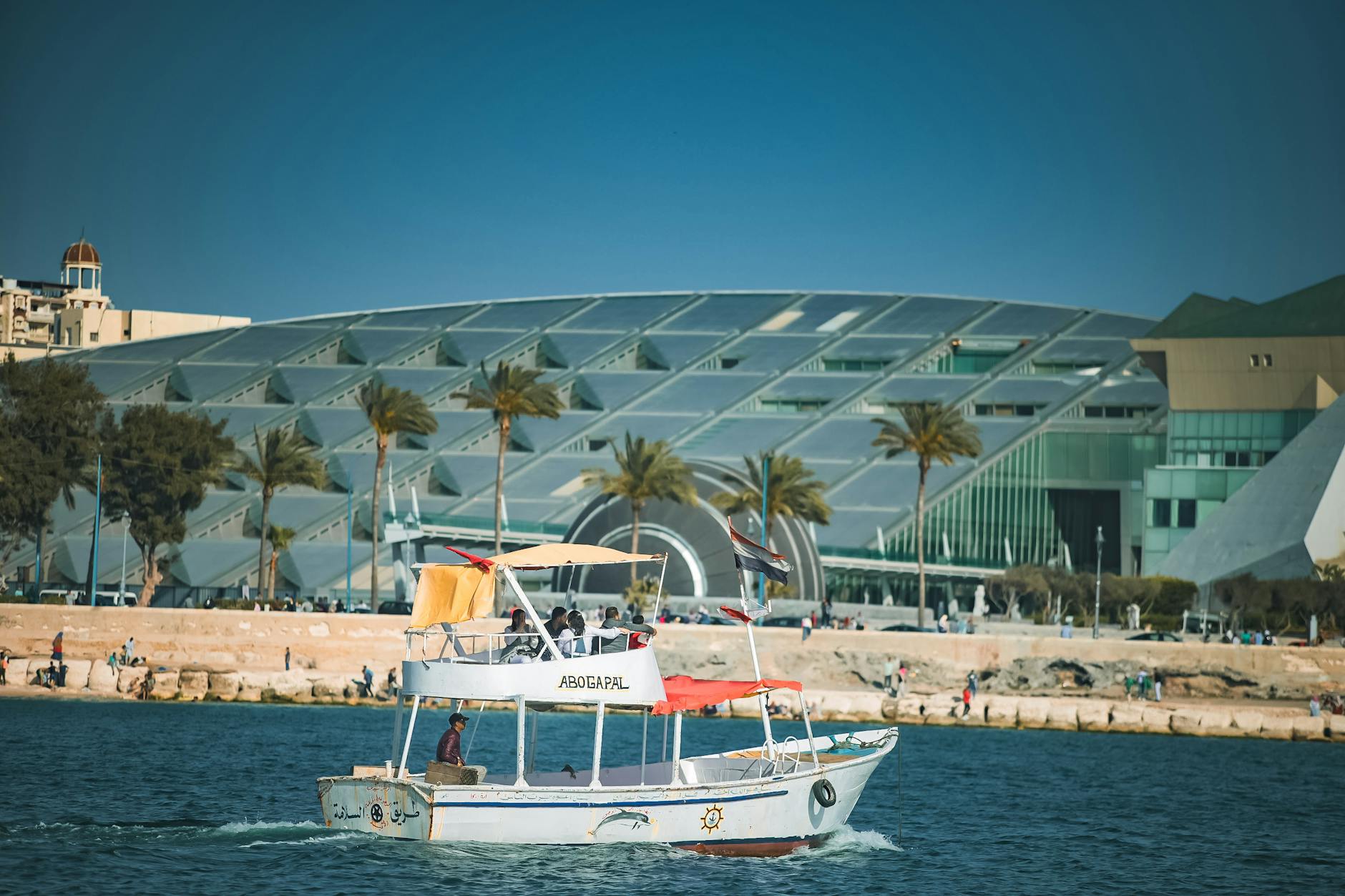
- Bibliotheca Alexandrina: A modern tribute to the famed ancient library.
These sites are easily accessible and often included in comprehensive Alexandria tours (Goota Travel).
Visitor Experience & Practical Information
Atmosphere & Facilities
Pompey’s Pillar is set in a tranquil archaeological park with panoramic city views. The site includes informational signage in Arabic and English, restrooms, shaded seating, and security personnel. While there is no on-site café, local vendors sell water and snacks.
Photography
Photography is permitted throughout the site. For professional equipment (e.g., tripods), consult staff for permission.
Educational Opportunities
The site hosts occasional exhibitions and educational programs. School groups and university students often visit as part of their curriculum (Private Tours in Egypt).
Safety & Preservation
Respect barriers and avoid touching ancient structures. Conservation efforts are ongoing—visitor cooperation is vital for the monument’s protection.
Frequently Asked Questions (FAQ)
Q: What are the current visiting hours for Pompey’s Pillar?
A: The site is typically open daily from 9:00 AM to 5:00 PM. Check for seasonal variations.
Q: How much are tickets?
A: Around 80 EGP for foreigners, 20 EGP for Egyptians. Discounts are available.
Q: Is the site accessible for people with disabilities?
A: The main approach is accessible; some areas have uneven surfaces. Contact the site in advance if assistance is needed.
Q: Are guided tours available?
A: Yes, guided tours are available in several languages and are highly recommended.
Q: Can I take photos?
A: Photography is allowed throughout the site; ask staff about restrictions on professional equipment.
Q: What other sites can I visit nearby?
A: Catacombs of Kom El Shoqafa, Alexandria National Museum, Citadel of Qaitbay, and more.
Listen to the full story in the app
The whole Pompey'S Pillar,
told well.
Listen to sourced travel stories with local history and practical context — ready offline.
Verified, and shown.
Researched and written by the Audiala editorial team from historical records, architectural archives, and local expertise.
Built from cited sources · see the method · How we make our guides →