Introduction: The Pharos of Alexandria—A Beacon Through the Ages
The Lighthouse of Alexandria, or Pharos of Alexandria, was one of antiquity’s greatest marvels—a structure that defined the city’s skyline and guided countless ships safely to port. Built circa 280 BCE under Ptolemy II Philadelphus, the lighthouse symbolized Alexandria’s ascendancy as a hub of commerce, culture, and maritime innovation, blending Greek, Egyptian, and other Mediterranean influences (ancientengineeringmarvels.com; thevintagenews.com). At an estimated height of 100–130 meters, the Pharos stood among the tallest human-made structures of its time, pioneering the three-tiered lighthouse design and utilizing advanced reflective technology to project its beacon over 30 miles out to sea (historycooperative.org; thearchaeologist.org).
Although destroyed by earthquakes between the 10th and 14th centuries, the Pharos’ legacy lives on through the Citadel of Qaitbay—a fortress built atop its ruins—and the underwater archaeological park showcasing remains of the ancient structure (pagesofhistory.org; egypt-uncovered.com). Today’s visitors can explore these remnants alongside other sites like the Bibliotheca Alexandrina and the Roman Amphitheatre, immersing themselves in Alexandria’s rich historical tapestry (theegyptiantraveler.com; muslimsolotravel.com).
This guide delivers all you need to know for a rewarding visit—from opening hours and ticket prices to accessibility and travel advice—while exploring the cultural and archaeological significance that continues to make the Pharos a source of inspiration worldwide (egyptdaytours.com; globalhighlights.com).
The Enduring Wonder: Why Visit the Pharos of Alexandria?
The Pharos of Alexandria was more than a lighthouse; it was a symbol of human ambition, ingenuity, and the cosmopolitan spirit of Alexandria. Today, while the original structure is gone, its influence permeates the city’s landscape and culture. Visiting the site connects travelers not only with one of the Seven Wonders of the Ancient World but also with centuries of maritime and architectural innovation.
Historical and Cultural Context
Constructed on Pharos Island and connected to Alexandria by a causeway, the lighthouse was essential for safe navigation in a bustling trade port (ancientengineeringmarvels.com). Alexandria itself was a melting pot of Greek, Egyptian, and Near Eastern cultures, and the lighthouse’s light came to symbolize the city’s thriving intellectual and economic life (thevintagenews.com; pagesofhistory.org).
Architectural and Technological Innovations
The Pharos’ design was groundbreaking:
- Three-tiered Structure: A square base, octagonal/cylindrical midsection, and a circular tower topped with a beacon (thearchaeologist.org).
- Materials: Built from limestone and granite, with a polished bronze mirror to amplify sunlight and fire (egypt-uncovered.com).
- Influence: The term “pharos” became synonymous with “lighthouse” globally, and its design influenced future navigation aids (historycooperative.org).
From Splendor to Ruins: Decline and Archaeological Legacy
The lighthouse endured for over 1,500 years before a series of earthquakes caused its collapse (pagesofhistory.org). Its stones were later repurposed to build the Citadel of Qaitbay (thearchaeologist.org). Underwater excavations, recognized by UNESCO, have revealed massive masonry, statues, and other remnants now part of an underwater archaeological park (egypt-uncovered.com; egypt-uncovered.com).
Planning Your Visit: Hours, Tickets, and Visitor Tips
Citadel of Qaitbay (Pharos Site)
- Hours: Open daily, typically from 9:00 AM to 5:00 PM. Hours may vary seasonally or during holidays (egyptdaytours.com).
- Tickets: Approx. 60 EGP for foreign visitors, with discounts for students and children; purchase tickets onsite.
- Accessibility: Uneven terrain and stairs present challenges; inquire locally about assistance.
- Tips: Wear sturdy shoes, bring water, and consider a guided tour for deeper historical context. Certified diving operators offer excursions to the underwater park.
The Citadel of Qaitbay: History, Features, and Practical Information
Location: Western tip of Alexandria’s Eastern Harbor, at the site of the ancient lighthouse (Local Guide to Egypt).
History: Built in 1477 CE by Sultan Qaitbay using stones from the Pharos ruins (Egypt Uncovered), the fortress showcases medieval Islamic military architecture, with robust walls, towers, and a central keep.
Visitor Experience:
- Maritime museum with ship models and artifacts
- Panoramic views from the ramparts
- Access to prayer halls and underground chambers
- Family-friendly but caution is required due to uneven surfaces (Tripp Vibes)
Amenities: Restrooms, snack kiosks, souvenir vendors, and guided tours are available (Egypt Tours Plus).
Top Alexandria Historical Sites to Explore
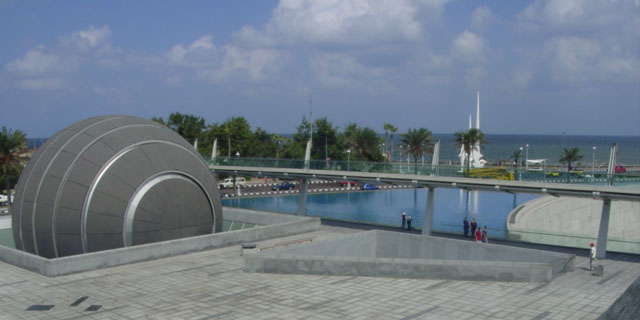
- Bibliotheca Alexandrina: A modern tribute to the ancient library, with museums, art galleries, and a planetarium (Muslim Solo Travel).
- Catacombs of Kom el Shoqafa: Egypt’s largest Roman burial site, blending Egyptian and Greco-Roman styles (Muslim Solo Travel).
- Pompey’s Pillar & Serapeum: A towering Roman column and temple ruins (Wide World Trips).
- Roman Amphitheatre (Kom el-Dikka): Well-preserved marble seating, mosaics, and surrounding ruins (PlanetWare).
- Alexandria National Museum: Artifacts from Pharaonic to Islamic eras (TravelTriangle).
- Montazah Palace and Gardens: Early 20th-century palace and lush public gardens (Muslim Solo Travel).
- The Corniche: A lively waterfront promenade lined with cafes and shops (The Go Guy).
- Underwater Archaeology: Dive tours of Cleopatra’s sunken city and Pharos ruins for certified divers (Muslim Solo Travel).
Underwater Discoveries and Modern Documentation
Underwater excavations since the 1990s have revealed remnants of the Pharos, including massive granite blocks, statues, and sphinxes (cealex.org). Advanced digital reconstructions allow the public and researchers to visualize the ancient wonder as it once stood.
FAQs for Travelers
Q: What are the Citadel of Qaitbay’s visiting hours?
A: Usually 9:00 AM to 5:00 PM; check for seasonal changes.
Q: How much are tickets?
A: Around 60 EGP for foreigners; discounts for students and Egyptian nationals.
Q: Is the site accessible?
A: Some areas are, but stairs and uneven surfaces may restrict access.
Q: Can I see the underwater ruins?
A: Yes, via certified diving tours, or view artifacts in the museum.
Q: Are guided tours recommended?
A: Absolutely—they enrich the historical experience.
Itineraries and Travel Tips
- 1-Day Itinerary: Start at the Citadel of Qaitbay, visit Bibliotheca Alexandrina, explore the National Museum, and stroll the Corniche. Add the Catacombs and Pompey’s Pillar if time allows (Muslim Solo Travel).
- Practical Tips: Dress modestly, stay hydrated, bring cash for small purchases, and download a local SIM for connectivity (United Guides Travel).
Summary and Final Thoughts
The Pharos of Alexandria embodies the ingenuity and cultural fusion that made ancient Alexandria legendary. While the original lighthouse has vanished, its enduring spirit is palpable in the stones of the Citadel of Qaitbay, the treasures of the underwater archaeological park, and the vibrant city that thrives around them (ancientengineeringmarvels.com; egypt-uncovered.com). Whether you’re drawn by history, architecture, or the Mediterranean’s allure, Alexandria offers an unforgettable blend of past and present (thearchaeologist.org; muslimsolotravel.com).
For the latest updates, downloadable guides, and exclusive offers, download the Audiala app and follow our social media for more on Alexandria’s wonders.
Listen to the full story in the app
Your Personal Curator, in Your Pocket.
Audio guides for 1,100+ cities across 96 countries. History, stories, and local insight — offline ready.
Audiala App
Available on iOS & Android
Join 50k+ Curators
Sources
- verified
- verified
- verified
- verified
Last reviewed: