Plan and listen to Necropolis Of Al-Anfushi with Audiala.
Audio guide in your pocket, itinerary in your browser. Built for the way you actually visit.
Introduction
The Necropolis of Al-Anfushi, located in Alexandria’s historic Anfoushi district, is one of Egypt’s most evocative archaeological sites. It offers a unique perspective on Alexandria’s multicultural past, where Greek, Egyptian, and Roman influences merged during the late Ptolemaic and early Roman periods. The necropolis’s rock-cut tombs, dating from around 250 BCE, are renowned for their blend of architectural styles, intricate frescoes, and religious symbolism, reflecting the city’s cosmopolitan spirit (Egypt Today; Lonely Planet; Alexandria Governorate).
This guide provides a comprehensive overview of the Necropolis of Al-Anfushi, covering its history, architectural highlights, practical visiting information, accessibility, and nearby attractions to ensure you make the most of your visit. Whether you are a history enthusiast, traveler, or culture lover, this article will equip you with all you need to explore one of Alexandria’s most significant historical sites (Egyptian Ministry of Tourism and Antiquities; Travel2Egypt).
Cosmopolitan Alexandria and the Anfushi Necropolis
Founded by Alexander the Great in 331 BCE, Alexandria rapidly developed into a melting pot of Greek, Egyptian, and later Roman cultures. The Necropolis of Al-Anfushi, located near the ancient harbor and Ras El Tin Palace, was constructed during the late Ptolemaic period and remained in use into the early Roman era. This period was marked by cultural fusion, visible in funerary art, architecture, and religious practices (Wikipedia; Egypt Today).
The necropolis was utilized by Alexandria’s Hellenized elite—families of Greek, Egyptian, and mixed descent—whose multicultural identities are reflected in the tombs’ architectural and artistic choices (Hurghada Lovers).
Discovery and Archaeological Significance
Excavation and Conservation
The first tombs were discovered in 1901, with additional chambers unearthed in 1921, revealing a total of five principal tombs. These rock-cut structures showcase a rare blend of Greek, Egyptian, and Roman funerary traditions and provide invaluable insights into Alexandria’s ancient society (Egypt Tours Plus; The Past).
Ongoing conservation efforts are focused on preserving frescoes and stabilizing the tombs against environmental threats such as humidity, salt efflorescence, and urban encroachment (Egyptian Ministry of Tourism and Antiquities).
Tomb Layout and Architectural Features
Structure and Design
The necropolis consists of five interconnected tombs, each with unique features:
- Tomb I: The most elaborate, with a columned portico, central sarcophagus, and painted friezes depicting funerary processions and deities.
- Tomb II: Noted for banquet scenes and a false door symbolizing passage to the afterlife.
- Tomb III: Distinguished by lotus and papyrus columns, ankh and djed pillar reliefs, and an offering table.
- Tomb IV: Features a gabled ceiling painted with star motifs and benches for mourners.
- Tomb V: Simpler in design, with minimal decoration and evidence of later reuse.
The tombs are carved from local limestone, with vestibules, burial chambers, and niches arranged around open courtyards in the Greek oikos (house) tradition. Raised burial platforms and drainage channels address Alexandria’s high water table (Atlas Obscura).
Artistic and Religious Syncretism
Decorative Motifs and Symbolism
Al-Anfushi’s tombs are celebrated for their fusion of Greek, Roman, and Egyptian motifs:
- Greek: Doric columns, gabled ceilings, and mythological scenes.
- Egyptian: False doors, sphinx statues, ankh symbols, lotus/papyrus decorations, and processions involving Osiris, Anubis, and Isis.
- Roman: Warship carvings and later graffiti.
The painted frescoes use symbolic colors—blue for the heavens, red for life, gold for divinity—and depict funerary rituals, banquets, and syncretic deities like Serapis (Egyptian Tourism Authority; The Past).
Visitor Information: Hours, Tickets, and Accessibility
Location and Getting There
- District: Anfoushi, Ras El Tin, Alexandria, near the Eastern Harbor and Ras El Tin Palace.
- Access: By taxi, public transport, or private car (nearest stop: El Boseary station).
Visiting Hours
- Open: Daily, 9:00 AM – 5:00 PM (may vary seasonally).
- Closed: Fridays and official public holidays.
Tickets and Admission
- Purchase: On-site (credit card only); cash not accepted (egypttailormade.net).
- Adults: Standard fee (check latest rates).
- Children (6–12): Half price.
- Children under 6: Free (verify at entrance).
- ISIC Cardholders/Students: Half price with ID.
Accessibility
- The site features uneven stone surfaces, stairs, and narrow passages.
- Limited wheelchair access; visitors with mobility issues should inquire in advance.
Guided Tours & Travel Tips
- Tours: Available in multiple languages; highly recommended for historical context.
- Dress: Comfortable, sturdy shoes; light, breathable clothing.
- Essentials: Bring water, hats, and sunscreen in warm months.
- Facilities: Minimal on-site; use restrooms before arrival.
Photography, Safety, and Facilities
- Photography: May be restricted in burial chambers; no flash; check with staff on arrival.
- Conduct: Maintain a quiet atmosphere; do not touch or lean on decorated surfaces.
- Safety: Stay hydrated, protect from sun, and secure personal belongings (egypttourpackages.com).
Nearby Attractions and Suggested Itineraries
Combine a visit to the Anfushi Necropolis with:
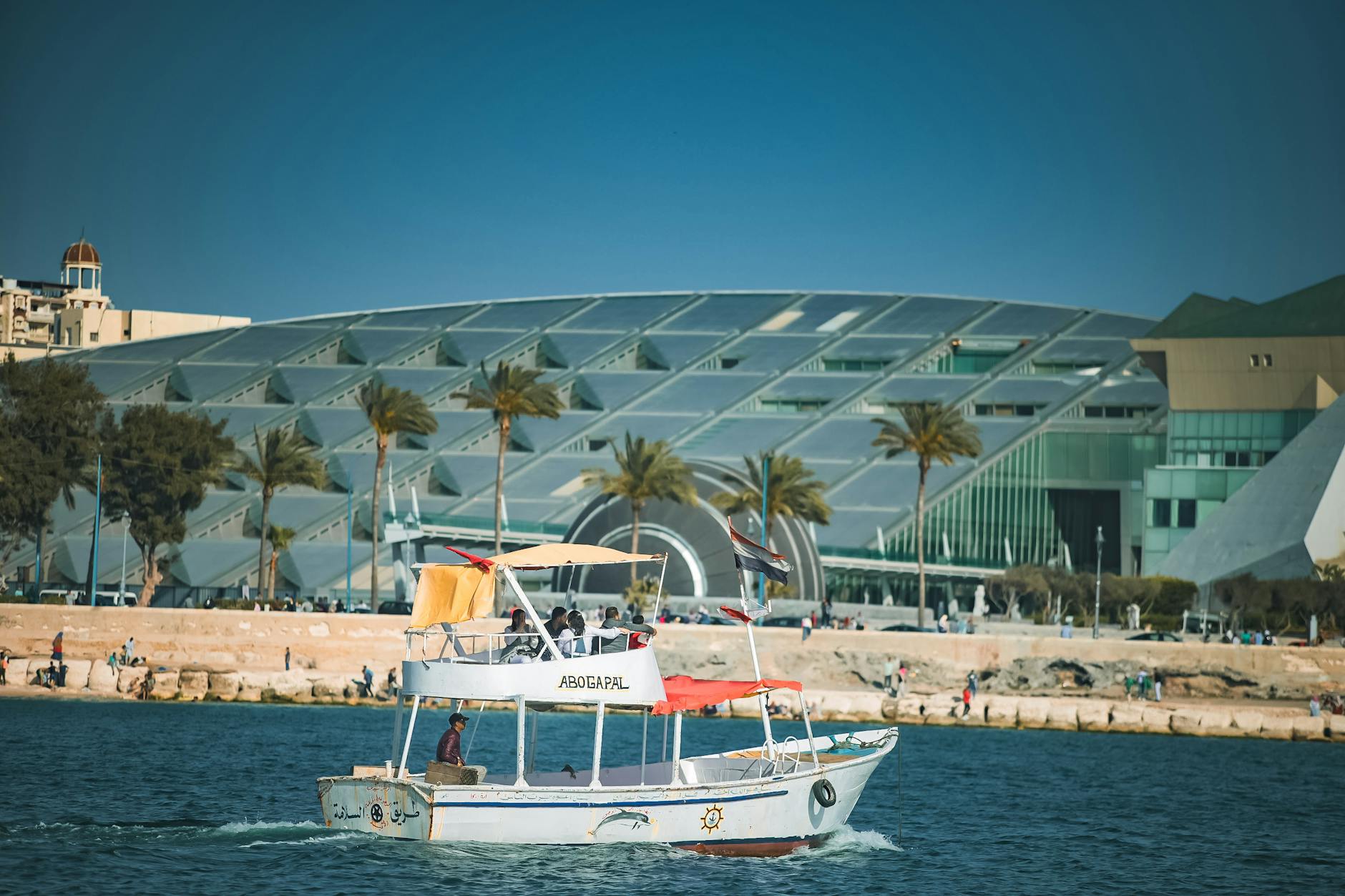
- Bibliotheca Alexandrina: A modern library and cultural center.
- Fort Qaitbey: A 15th-century fortress on the site of the ancient Lighthouse of Alexandria.
- Alexandria National Museum: Exhibits spanning Pharaonic to modern eras.
- Catacombs of Kom El-Shuqafa: Another major Greco-Roman burial site.
Plan a half-day itinerary to include several key Alexandria sites (triphobo.com).
Frequently Asked Questions (FAQ)
What are the Necropolis of Al-Anfushi visiting hours?
Open daily, 9:00 AM – 5:00 PM, except Fridays and public holidays.
How much are tickets?
Standard rates for adults; half price for children (6–12) and students with valid ID; children under 6 usually free.
Is the site accessible for people with mobility issues?
Access is limited due to stairs and uneven ground; inquire ahead for assistance.
Are guided tours available?
Yes, and they are highly recommended for a deeper understanding of the site.
Is photography permitted?
Often allowed, but flash and tripods are prohibited in most areas; confirm on site.
What is the best time to visit?
Between 11:00 AM and 1:00 PM for optimal lighting and fewer crowds.
Listen to the full story in the app
The whole Necropolis Of Al-Anfushi,
told well.
Audio guides for 1,100+ cities across 96 countries. History, stories, and local insight — offline ready.

Verified, and shown.
Researched and written by the Audiala editorial team from historical records, architectural archives, and local expertise.
Last reviewed
Researched from Wikidata, Wikipedia & official sources · fact-checked · How we make our guides →