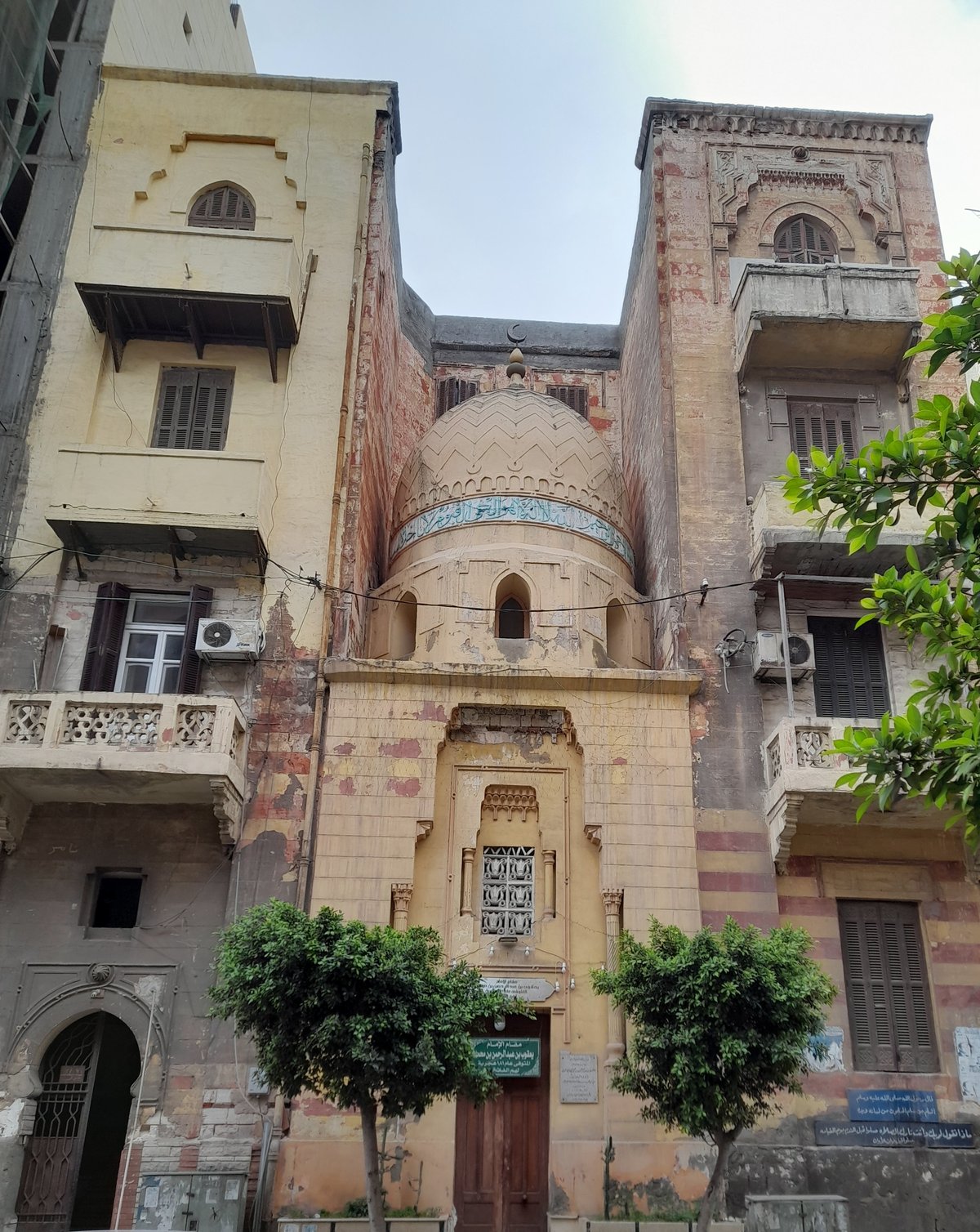
Plan and listen to Mausoleum Of Yacoub Bin Abd Al-Rahman with Audiala.
Audio guide in your pocket, itinerary in your browser. Built for the way you actually visit.
Introduction
The Mausoleum of Yacoub Bin Abd Al-Rahman is one of Alexandria’s most cherished Islamic heritage sites, offering a serene haven within the city’s vibrant historical landscape. Revered as the final resting place of an early Islamic scholar and ascetic, this mausoleum provides visitors with a unique window into Alexandria’s transformation from a Hellenistic metropolis to a significant center of Islamic scholarship and Sufi mysticism. With its striking domed architecture, adorned in Fatimid and Mamluk artistic flourishes, and its enduring spiritual significance, the mausoleum remains a touchstone for religious devotion, cultural continuity, and communal memory in Egypt’s Mediterranean jewel (Encyclopaedia Britannica; Al-Ahram Weekly; everything.explained.today; Trek Zone; Egypt Today; Islamic Art Museum Cairo; Ministry of Antiquities Egypt).
This comprehensive guide presents essential details for travelers: visiting hours, ticketing, travel tips, architectural highlights, historical context, accessibility information, and nearby attractions, ensuring a meaningful and well-planned visit.

Historical Background
The mausoleum’s origins date to the 7th–8th centuries CE, following the Muslim conquest of Egypt. Alexandria, transitioning from a hub of Hellenistic culture to an Islamic center, became home to scholars like Yacoub Bin Abd Al-Rahman—a respected tabi‘e, qāriʾ, and hadith narrator, believed to have migrated from Medina after the martyrdom of Husayn ibn Ali (everything.explained.today). His presence catalyzed the foundation of new traditions of Islamic learning and spiritual practice in Alexandria.
Architectural and Cultural Features
Design and Layout
The mausoleum is a compact Islamic funerary structure, roughly 25 square meters in area, reflecting early Islamic traditions of humility and spiritual intimacy. Its domed roof is a central architectural feature, inscribed with the Ayat al-Kursi (Qur’an 2:255), a verse revered for its spiritual protection (Islamic Art Museum Cairo; everything.explained.today). The interior houses a wooden cenotaph draped in green cloth, symbolizing paradise and veneration, a tradition widely observed in Islamic funerary sites.
Decorative Elements
The mausoleum’s walls display intricate arabesque and geometric patterns, characteristic of Fatimid and Mamluk styles, with Quranic calligraphy integrated as both ornamentation and spiritual invocation. The modest garden and prayer area outside foster a tranquil environment conducive to contemplation and prayer.
Restoration and Preservation
After a fire in April 2018, extensive restoration efforts successfully preserved the mausoleum’s architectural integrity, ensuring its continued role as a site of pilgrimage and cultural memory (everything.explained.today; Ministry of Antiquities Egypt).
Visiting Information
Hours & Tickets
- Opening Hours: Daily, 8:00 AM to 5:00 PM (hours may vary during religious holidays).
- Admission: Free, with donations welcomed for site maintenance.
Accessibility
While the site is generally accessible, some areas may pose challenges for visitors with limited mobility due to the historic architecture. Assistance can be requested on-site.
Getting There
The mausoleum is centrally located on Fouad Street, within Alexandria’s historic core, and is easily reachable by public transportation, tram, taxi, or ride-sharing services (Trek Zone; Uber Egypt). Parking is limited, so public transit is recommended.
Best Time to Visit
Visit during the cooler months (October–April) and early in the day or late afternoon for a comfortable experience. Attendance peaks during religious festivals and commemorations.
Guided Tours & Events
Guided tours can be arranged through local operators, providing in-depth historical and architectural context. The mausoleum also occasionally hosts religious gatherings and community events, especially during significant Islamic dates.
Nearby Attractions
The mausoleum’s location in Alexandria’s historic district places it within walking distance of several major sites:
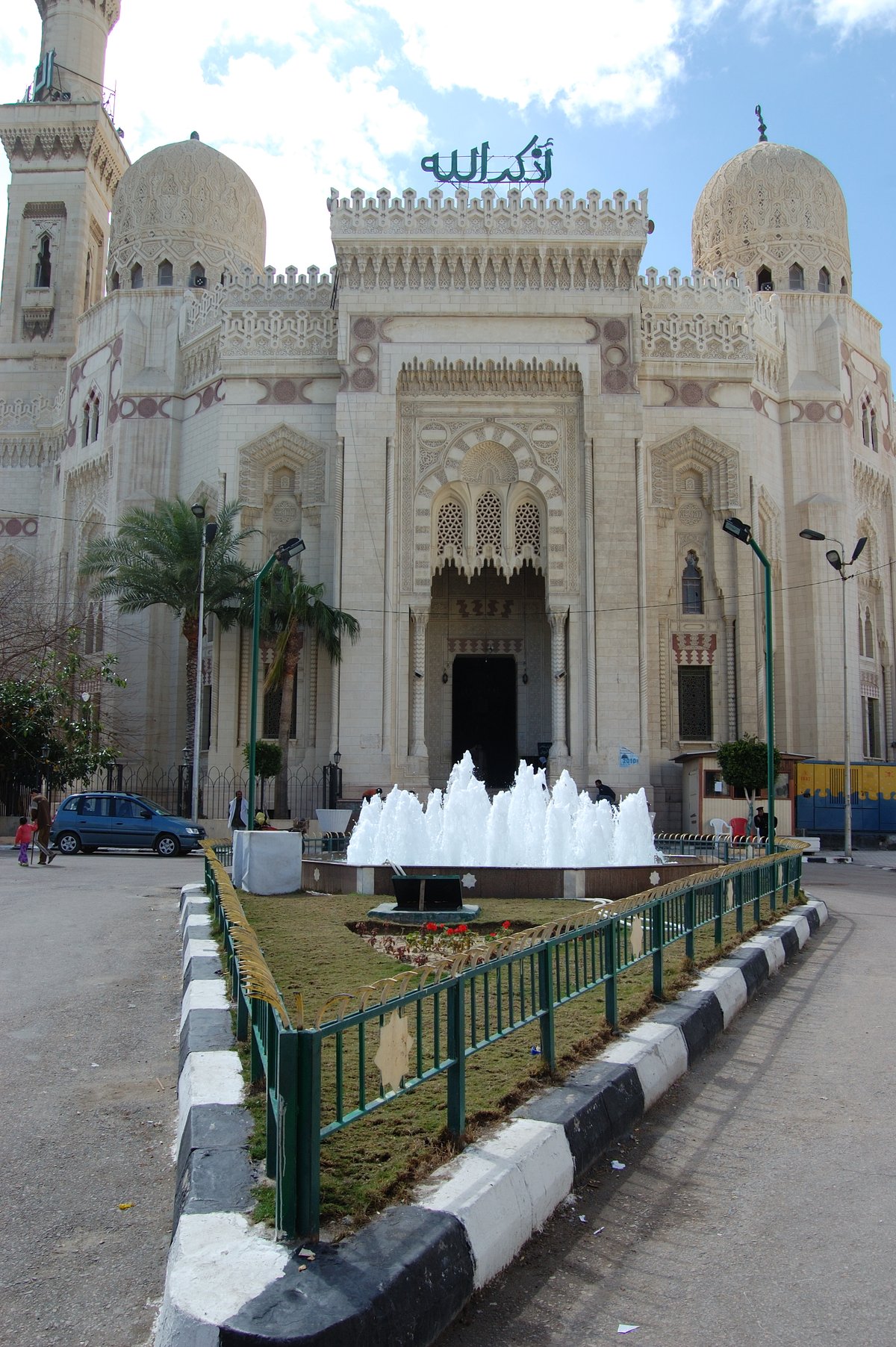
- Abu al-Abbas al-Mursi Mosque: A renowned Sufi mosque and pilgrimage destination (Egyptian Tourism Authority).
- Catacombs of Kom El Shoqafa: Ancient underground tombs blending Egyptian, Greek, and Roman influences.
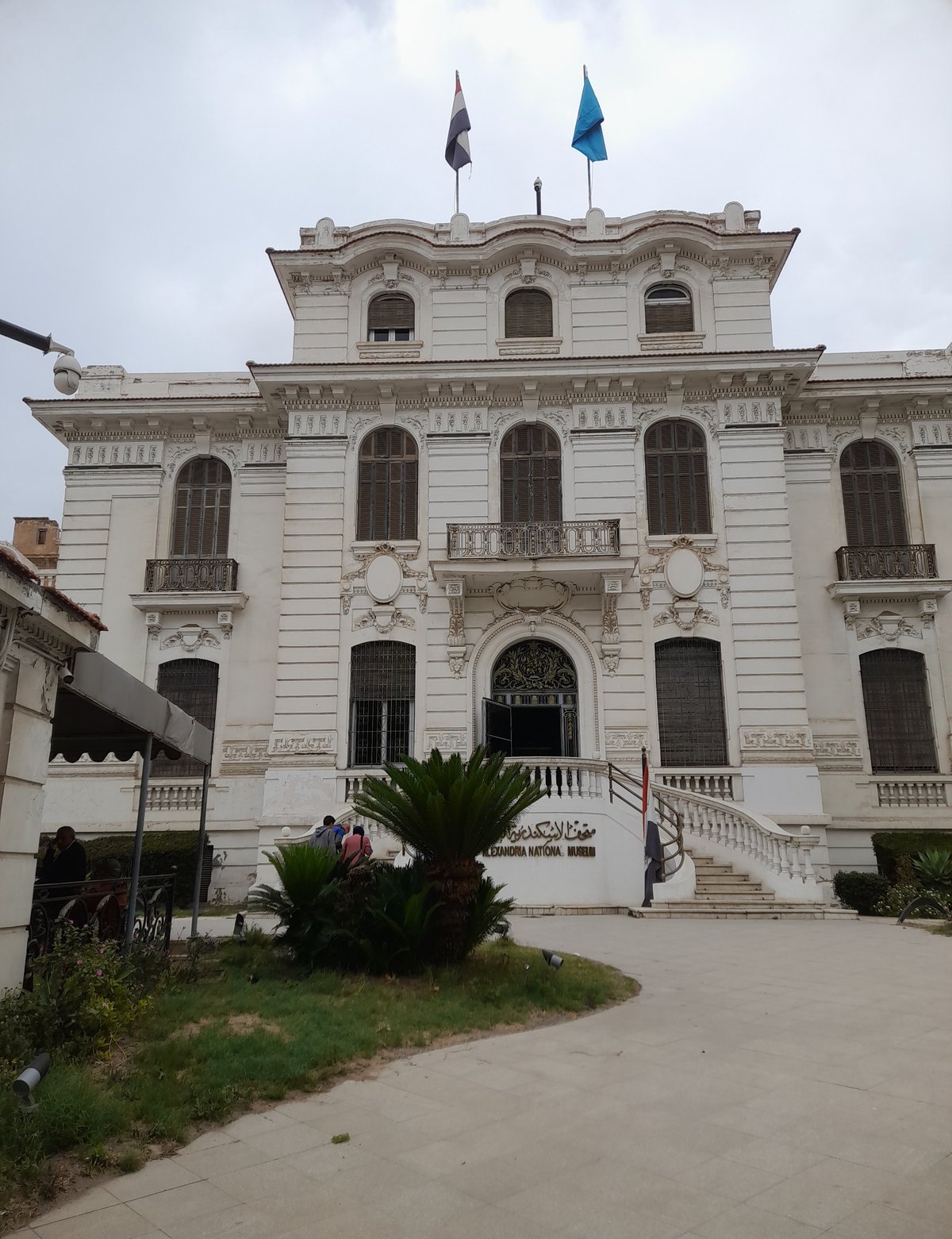
- Alexandria National Museum: Artifacts spanning Pharaonic, Hellenistic, Roman, and Islamic periods.
- Kom El Deka Roman Amphitheatre: Featuring Roman ruins and mosaics.
- Attarine Mosque: Another testament to Alexandria’s Islamic legacy.
Visitor Experience & Etiquette
Dress Code
Modest attire is required: long trousers for men; women should cover arms, legs, and hair. Shoes must be removed before entering the tomb area (Egypt Tours Plus).
Photography
Photography is typically permitted outside and in some interior areas, but always ask permission and avoid flash inside the mausoleum.
Facilities
There are no restrooms or cafes on-site; amenities are available nearby in the city center.
Preservation Efforts
The Egyptian Ministry of Antiquities and local authorities have prioritized the restoration and conservation of the mausoleum, ensuring its artistic and historical legacy endures for future generations (Ministry of Antiquities Egypt).
Frequently Asked Questions (FAQ)
Q: What are the mausoleum's opening hours?
A: Daily, 8:00 AM to 5:00 PM; hours may vary on holidays.
Q: Is there an entrance fee?
A: No, entry is free, though donations are appreciated.
Q: Are guided tours available?
A: Yes, local guides can be arranged for historical context.
Q: Is the site suitable for visitors with disabilities?
A: Accessibility is limited due to steps and uneven flooring; assistance is available.
Q: Can I take photographs inside?
A: Generally yes, but check with staff and respect worshippers.
Q: What is the best time to visit?
A: During spring or autumn, and early or late in the day to avoid crowds and heat.
Listen to the full story in the app
The whole Mausoleum Of Yacoub Bin Abd Al-Rahman,
told well.
Listen to sourced travel stories with local history and practical context — ready offline.
Verified, and shown.
Researched and written by the Audiala editorial team from historical records, architectural archives, and local expertise.
Alexandria, Egypt
Islamic heritage in Alexandria
Mausoleum of Yacoub bin Abd al-Rahman
Moharam Bek, Alexandria
Alexandria’s religious sites
Islamic architecture
Egypt monuments
Mausoleum of Yacoub bin Abd al-Rahman
Visiting Alexandria, Egypt
Tourism in Alexandria
Ride-sharing in Egypt
Built from cited sources · see the method · How we make our guides →