Plan and listen to Lighthouse Of Alexandria with Audiala.
Audio guide in your pocket, itinerary in your browser. Built for the way you actually visit.
Introduction
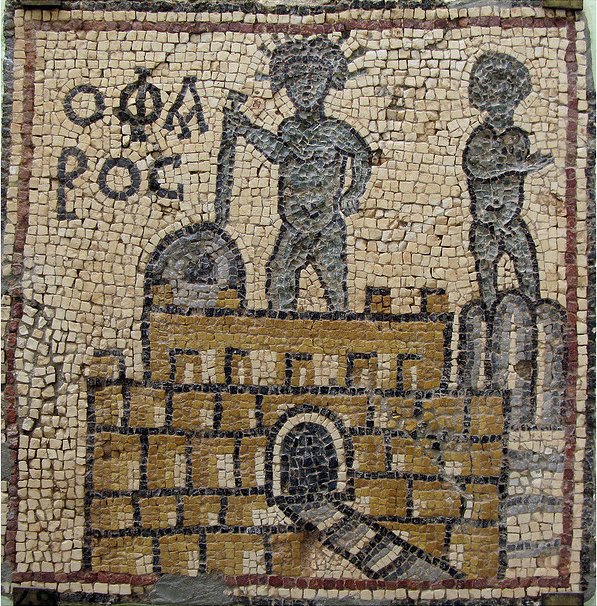
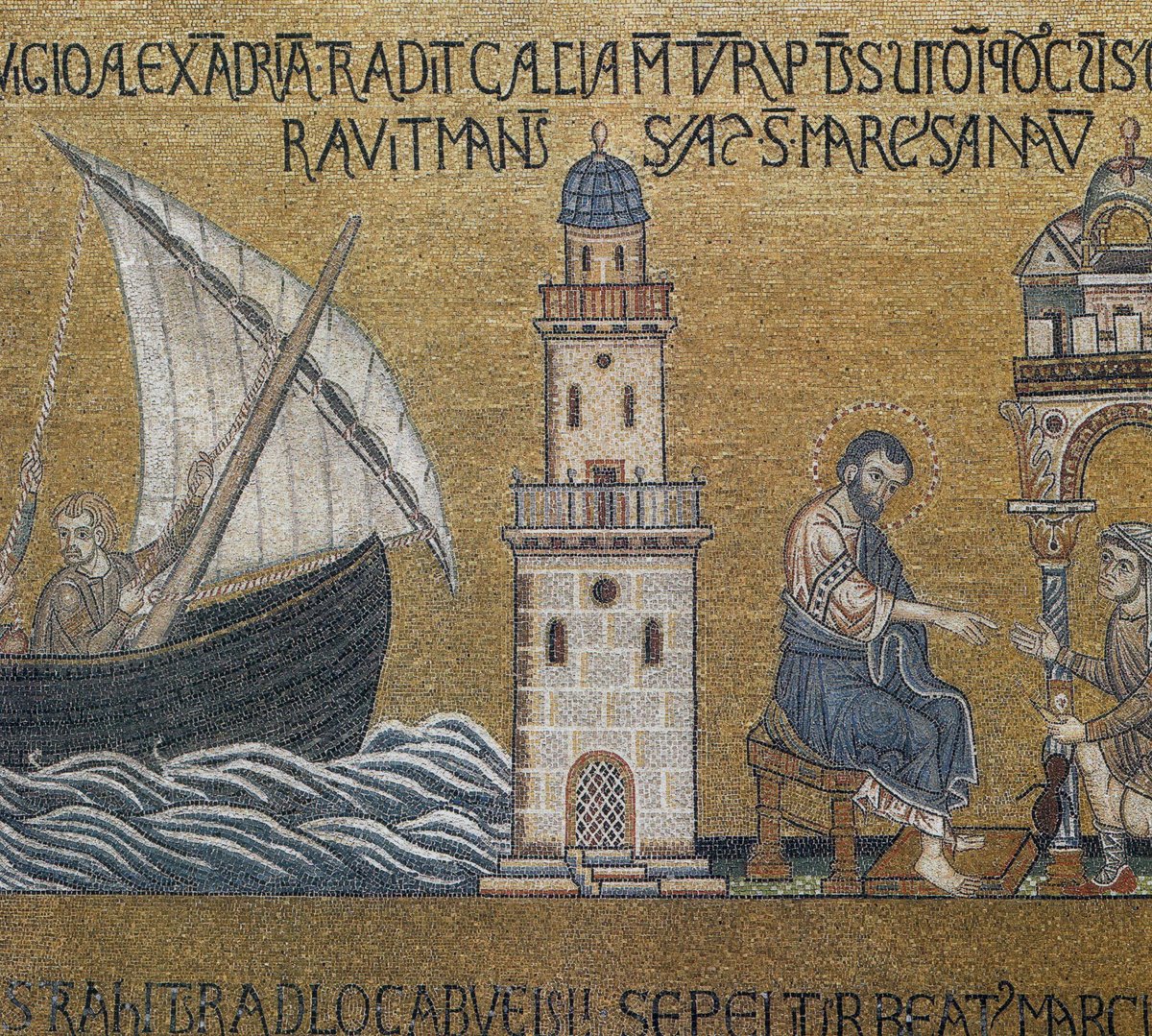
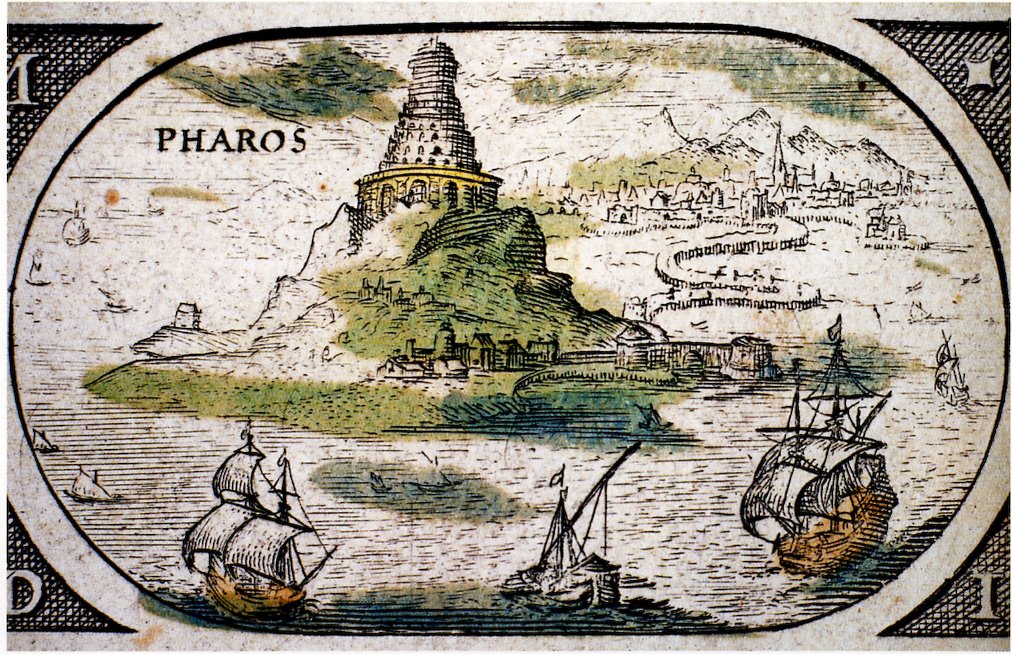
The Lighthouse of Alexandria, known as the Pharos, is one of the most iconic wonders of the ancient world. Though the original structure no longer stands, its legacy endures through the Citadel of Qaitbay, underwater archaeological discoveries, and Alexandria’s thriving historical landscape. This guide provides a detailed overview of the lighthouse’s history, architectural ingenuity, cultural impact, and practical information for visitors—including current visiting hours, ticket prices, accessibility, and nearby attractions. Whether you are a history buff, a traveler planning your itinerary, or curious about ancient engineering marvels, this article is your comprehensive resource for exploring the enduring spirit of the Lighthouse of Alexandria (art-facts.com; historycooperative.org; egypt-uncovered.com; Pages of History; All That’s Interesting; TrippVibes).

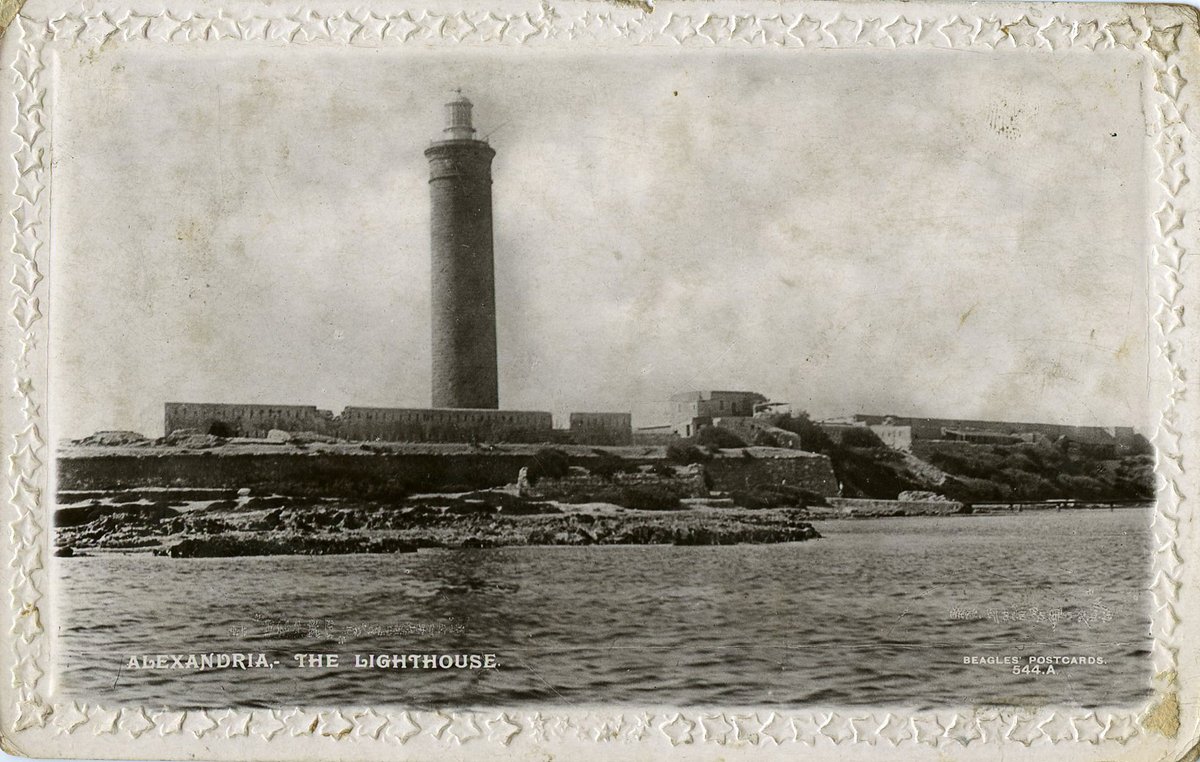
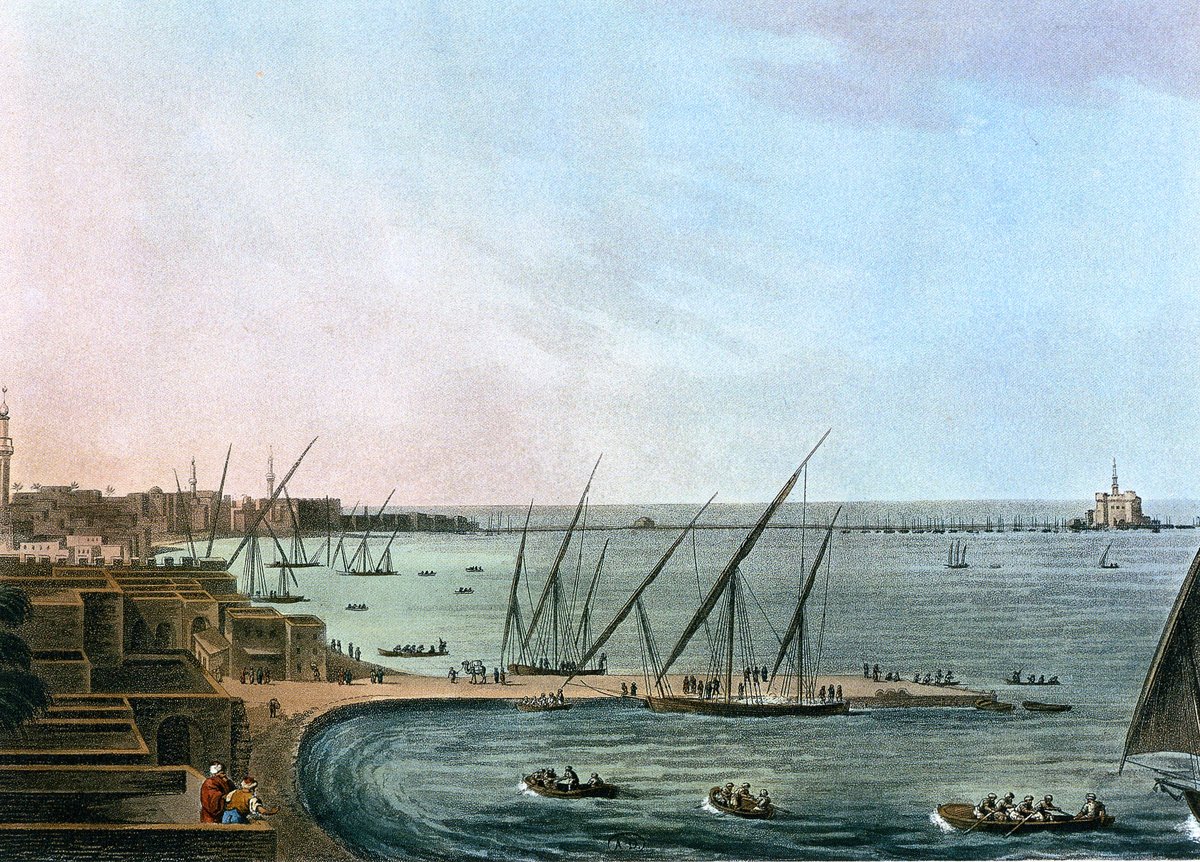
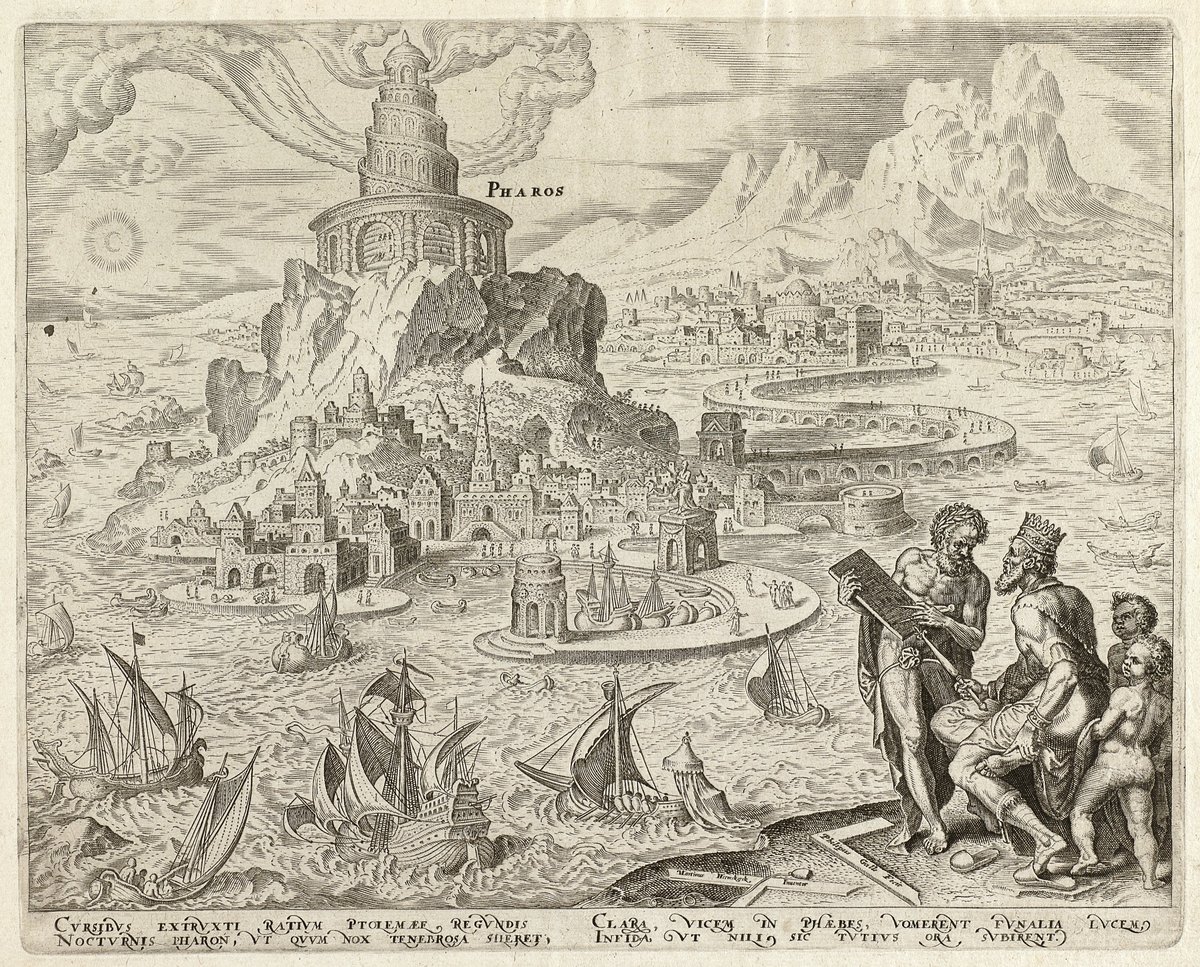
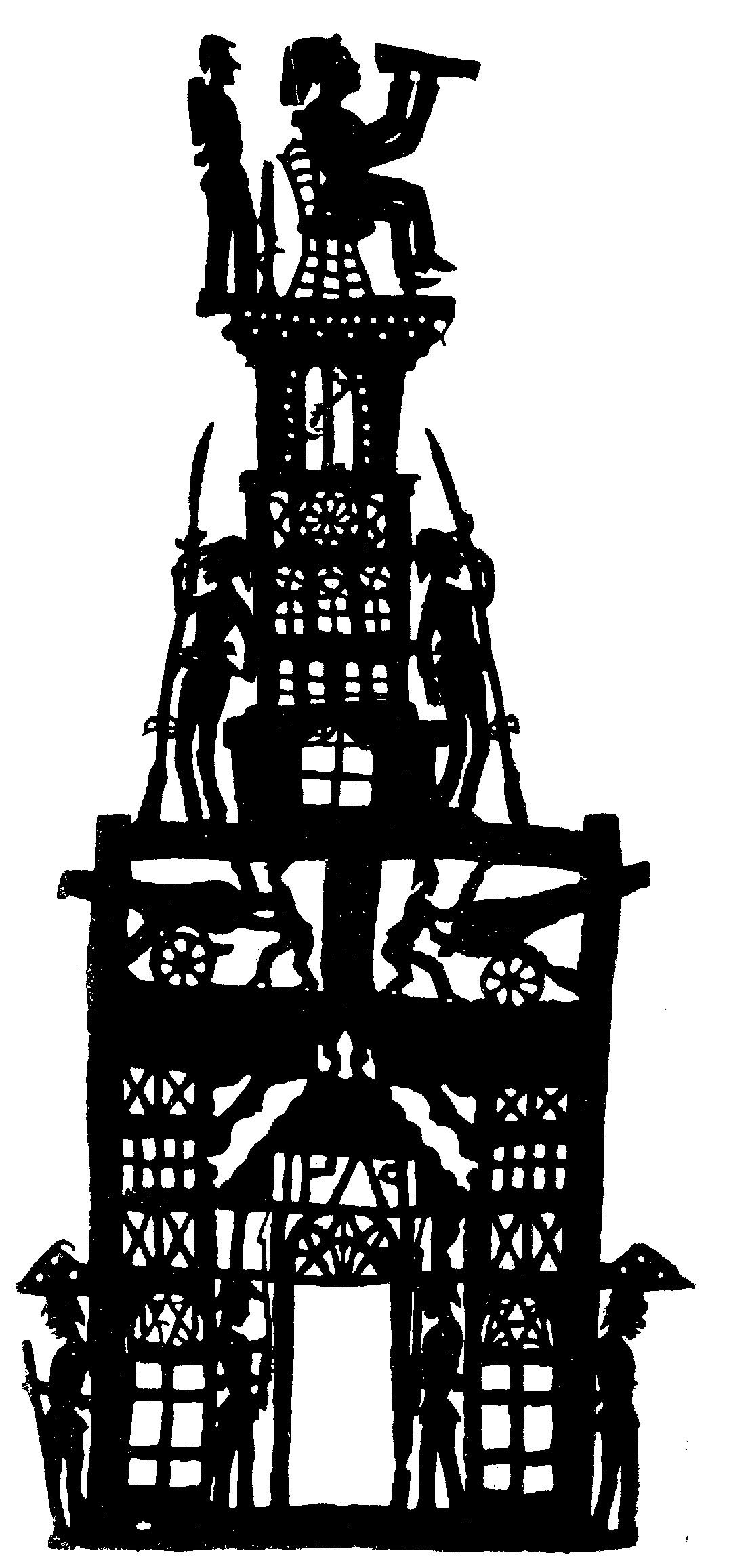


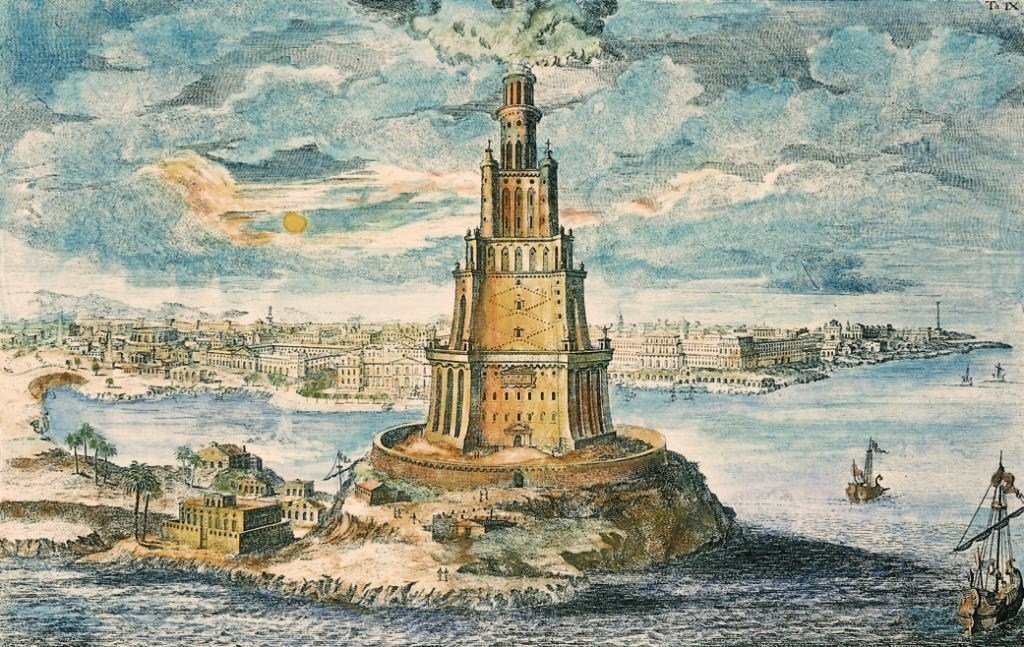
Origins, Construction, and Architectural Vision
The city of Alexandria was founded by Alexander the Great in 332 BCE, emerging as a key Mediterranean hub for trade, learning, and culture (art-facts.com). To safeguard ships approaching the busy harbor, construction of the Lighthouse of Alexandria began under Ptolemy I Soter and was completed during the reign of his son, Ptolemy II Philadelphus, around 280 BCE (havefunwithhistory.com). Designed by the Greek architect Sostratus of Cnidus, the Pharos was constructed on the island of Pharos and connected to the mainland via the Heptastadion causeway.
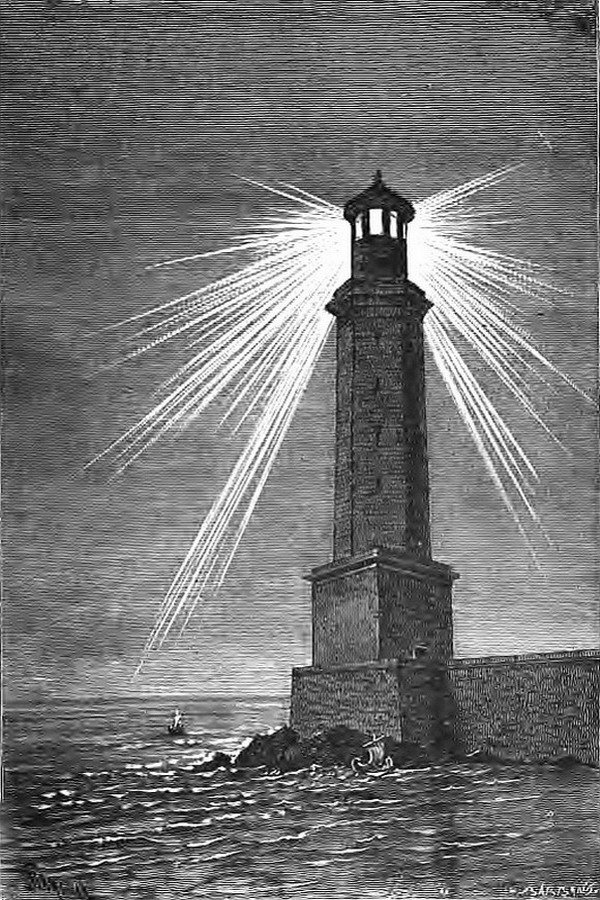
The lighthouse’s structure, rising between 100 and 137 meters, featured a three-tiered design: a square base, an octagonal or cylindrical midsection, and a circular tower at the summit. Built mainly from limestone, the uppermost section housed a powerful beacon. This beacon combined wood-fueled fire at night with a polished bronze mirror to reflect sunlight by day, making it visible up to 50 kilometers out to sea (egypt-uncovered.com; Pages of History).
Role in Ancient Alexandria and Cultural Impact
More than a navigational aid, the Pharos was a symbol of Alexandria’s wealth, technological advancement, and cosmopolitan character (egyptunitedtours.com). It played a crucial role in securing the city's status as a major trade port and center of learning. The lighthouse’s image appeared in ancient art, coins, and literature, and its design influenced lighthouse construction and even minaret architecture in later centuries (worldhistory.org).
Decline, Destruction, and Archaeological Discoveries
Catastrophic Events
The Lighthouse of Alexandria endured several earthquakes between the 8th and 14th centuries. Successive tremors weakened the structure, and by the late 14th century, the lighthouse had collapsed. In 1480 CE, Sultan Qaitbay constructed the Citadel of Qaitbay on the same site, using stones salvaged from the lighthouse’s ruins (All That’s Interesting; TrippVibes).
Underwater Ruins and Archaeological Research
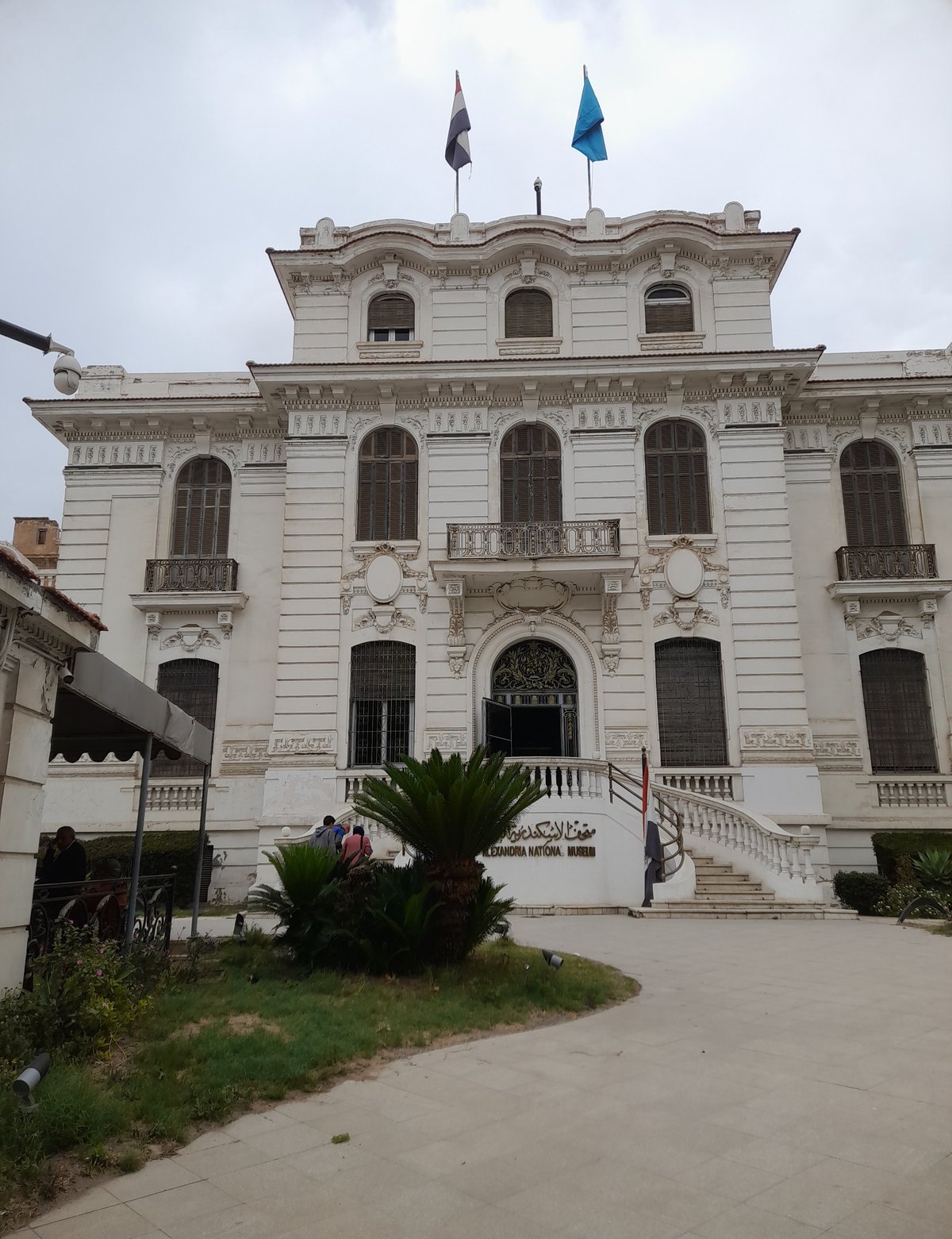
Underwater explorations in the late 20th century revealed thousands of massive blocks, columns, sphinxes, and obelisks from the original lighthouse, now submerged in Alexandria’s Eastern Harbor. Notable discoveries include over 3,300 cataloged artifacts, with significant pieces displayed at the Alexandria National Museum (The Travel). Plans for an underwater archaeological park are underway, and certified divers can explore these remains through local operators (Monterey Boats).
Visiting the Lighthouse of Alexandria Today
The Citadel of Qaitbay: The Pharos Reimagined
The Citadel of Qaitbay now stands atop the original site of the Lighthouse of Alexandria. The fortress, built with some original lighthouse stones, offers visitors the closest physical connection to the ancient wonder. Its imposing architecture, panoramic harbor views, and onsite exhibits provide deep insight into Alexandria’s maritime legacy (TrippVibes; Directionally Challenged Traveler).
Visiting Hours and Ticket Information
- Opening Hours: Daily from 9:00 AM to 5:00 PM (hours may change during Ramadan and public holidays).
- Ticket Prices: Approximately 70 EGP (about $4 USD) for general admission. Discounts are available for students and Egyptian nationals.
- Ticket Purchase: Tickets are available on-site or through authorized tour operators.
For a quieter experience, visit early in the day, especially on weekends or holidays.
Accessibility
The citadel’s historic structure includes uneven stone floors and narrow staircases, limiting accessibility for visitors with mobility concerns. However, the exterior promenade is more accessible and offers excellent photo opportunities. Visitors with special requirements should inquire in advance to arrange necessary accommodations.
Exploring the Underwater Ruins
Certified divers can experience the underwater ruins of the lighthouse in Alexandria’s Eastern Harbor, where massive granite blocks, sphinxes, and columns remain. Most dives are organized through Alexandra Dive, led by Dr. Ashraf Sabry.
- Requirements: Open to certified divers. Booking in advance is essential.
- Dive Conditions: Visibility ranges from 1–12 meters; depths of 5–8 meters.
- Regulations: Strict local and UNESCO guidelines protect the site.
For non-divers, the Alexandria National Museum displays recovered artifacts, providing a tangible link to the ancient Pharos (The Travel).
Other Must-See Alexandria Historical Sites
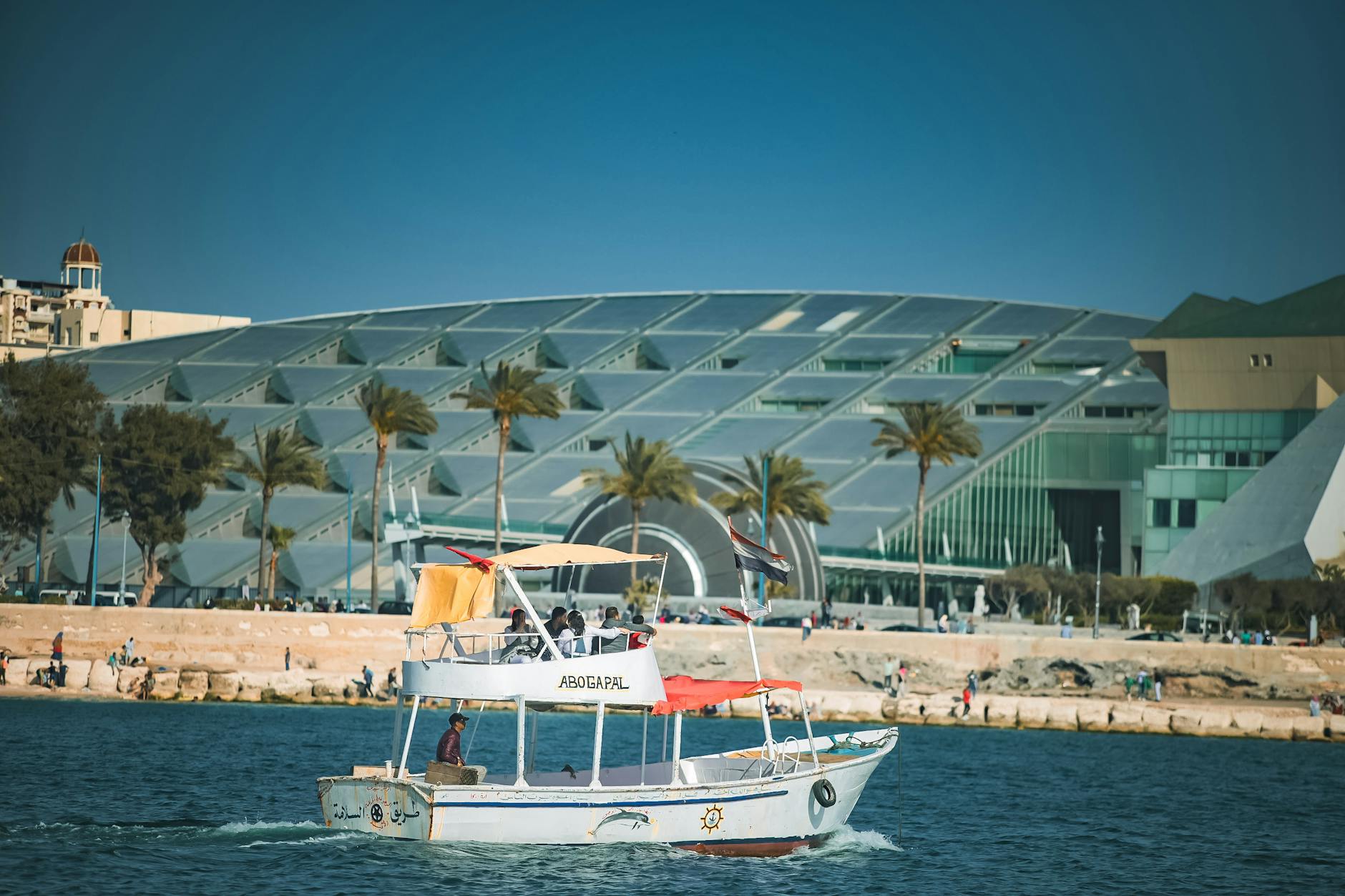
- Bibliotheca Alexandrina: A modern homage to the ancient library, hosting exhibitions and cultural events (Directionally Challenged Traveler).
- Roman Amphitheater: A Greco-Roman ruin highlighting Alexandria’s ancient urban life.
- Catacombs of Kom el Shoqafa: Unique subterranean burial sites blending Egyptian, Greek, and Roman art.
- Alexandria National Museum: Features artifacts from the lighthouse and other ancient sites.
Tips for Visitors
- Time Allocation: Reserve at least half a day for the Citadel of Qaitbay and nearby harbor.
- Footwear: Wear comfortable, sturdy shoes for uneven surfaces.
- Weather: Bring sun protection, especially in summer.
- Photography: Permitted throughout the site; drones require special permission.
- Guided Tours: Consider guided tours for expert historical context (TrippVibes).
Frequently Asked Questions (FAQ)
Q: What are the Lighthouse of Alexandria visiting hours?
A: The Citadel of Qaitbay (on the lighthouse’s site) is open daily from 9:00 AM to 5:00 PM, with possible changes during holidays.
Q: How much are tickets to the Citadel of Qaitbay?
A: General admission is about 70 EGP. Discounts are available for students and local residents.
Q: Can I dive the underwater ruins of the Lighthouse of Alexandria?
A: Yes, certified divers can book guided dives. Advance booking is required.
Q: Is the Citadel of Qaitbay accessible for visitors with mobility challenges?
A: Accessibility inside the citadel is limited. The promenade area is more accessible.
Q: Are guided tours available?
A: Yes, several operators offer guided tours with historical insights and photographic tips.
Listen to the full story in the app
The whole Lighthouse Of Alexandria,
told well.
Listen to sourced travel stories with local history and practical context — ready offline.
Verified, and shown.
Researched and written by the Audiala editorial team from historical records, architectural archives, and local expertise.
Built from cited sources · see the method · How we make our guides →