Introduction
Nestled in the vibrant center of Alexandria, Kom El-Dikka is a remarkable archaeological site that unveils the city’s rich Greco-Roman and Byzantine past. Translating to “Mound of Rubble,” Kom El-Dikka offers an immersive experience, featuring Egypt’s only excavated Roman theater, opulent Roman villas adorned with mosaics, ancient lecture halls, and an extensive bath complex. This guide provides up-to-date information on Kom El-Dikka’s visiting hours, ticket prices, accessibility, key attractions, practical travel tips, and answers to frequently asked questions—ensuring a rewarding visit to one of Alexandria’s most significant historical destinations.
For more in-depth insights, consult resources like the Polish Centre of Mediterranean Archaeology (PCMA), the official Alexandria government tourism portal (Alexandria Gov), and trusted travel guides (Lonely Planet Kom El-Dikka).
- Historical Overview
- Visiting Kom El-Dikka: Essential Information
- Main Attractions
- Nearby Attractions
- Frequently Asked Questions (FAQ)
- Conclusion & Call to Action
- References & External Resources
Origins and Early History
Kom El-Dikka emerged as a prestigious residential district in central Alexandria during the Greco-Roman period (2nd–5th centuries CE). Archaeological excavations reveal a sophisticated urban landscape: colonnaded streets, grand villas with intricate mosaics, public baths, and civic buildings. This area reflected Alexandria’s cosmopolitan character and was initially home to affluent citizens (PCMA; Alexandria Gov).
Roman and Early Byzantine Era
Roman Theater
The centerpiece is the Roman theater—Egypt’s only excavated example—built in the 2nd–3rd centuries CE. Constructed from white marble, its 13 curved tiers could seat 600–800 spectators. It hosted music, poetry, and philosophical debates. After an earthquake in 535 CE, it was adapted for administrative use during the Byzantine period (PCMA; GAT Tours).
Urban Fabric
Kom El-Dikka’s remains illustrate Roman urban planning, including paved roads, cisterns, and monumental baths with advanced hypocaust heating systems. These public amenities highlight the social and cultural life of Roman Alexandria (ARCE).
Villa of the Birds
One of the site’s most celebrated discoveries is the Villa of the Birds, a Roman villa from the 1st–2nd centuries CE. Its mosaic floors, featuring colorful birds and floral motifs, are among the best-preserved in Egypt (Alexandria Gov; ARCE).
The Ancient "University": Complex of Auditoria
Kom El-Dikka’s 22 auditoria (lecture halls), dating from the 4th–7th centuries CE, are interpreted as a unique ancient university complex—the only such archaeological example in the Mediterranean. These halls, with stepped benches and blackboard-like walls, were venues for lectures and scholarly debates, highlighting Alexandria’s enduring intellectual legacy (PCMA; Ancient Pages).
Later History and Rediscovery
Following the 7th-century Arab conquest, the area declined and was covered by urban debris. In 1959, construction unearthed the ruins, prompting systematic excavations by Polish-Egyptian teams that continue to this day (PCMA; Heritage Daily).
Visiting Kom El-Dikka: Essential Information
Location & Access
Kom El-Dikka is located on Ismail Mahana Street, Qesm Al Attarin, in downtown Alexandria. It is easily accessible by taxi, bus, or on foot from the main train station and other city landmarks (Lonely Planet; She Is Wanderlust).
Opening Hours
- General Hours: Daily from 9:00 AM to 5:00 PM
- Last Admission: 4:30 PM
- Note: Hours may vary during Ramadan and public holidays (Holidify; She Is Wanderlust).
Ticket Prices
- Foreign Adults: 80–150 EGP
- Foreign Students: 40–75 EGP
- Egyptian Adults: 15–20 EGP
- Egyptian Students: 8–10 EGP
- Children: Discounts or free entry under certain ages (Almosafer)
Tickets are sold at the entrance; group discounts and combined tickets with nearby museums may be available.
Facilities & Accessibility
- Restrooms: Located near the entrance.
- Seating: Benches and theater steps.
- Shade: Limited; bring hats and sunscreen.
- Refreshments: No café on-site; many options nearby.
- Souvenirs: Vendors may sell small items outside the entrance.
- Accessibility: Main paths are accessible, but some uneven terrain and steps exist; partial wheelchair access. Visitors with mobility challenges should plan accordingly (ARCE).
Guided Tours
- Availability: Guides can be hired at the entrance or through local agencies.
- Languages: English and Arabic.
- Audio Guides: Sometimes available.
- Recommendation: A guided tour is highly recommended for historical context.
Travel Tips
- Visit early or late in the day to avoid heat and crowds.
- Wear sturdy shoes for uneven surfaces.
- Bring water and sun protection.
- Allow 1–2 hours for a comprehensive visit.
- Photography is permitted for personal use; tripods may need approval.
Main Attractions
Roman Theater
Kom El-Dikka’s Roman theater is the only one of its kind excavated in Egypt. With 13 marble tiers and a central orchestra, it could accommodate up to 800 spectators and is renowned for its acoustics (PCMA; hurghadalovers.com).
Villa of the Birds
This Roman villa features exquisite polychrome mosaics, with lifelike depictions of birds and floral motifs. It is considered Egypt’s foremost open-air mosaic museum (ARCE).
Roman Baths & Gymnasium
An extensive bath complex with hypocaust heating, water cisterns, and gymnasium facilities illustrates Roman engineering and the social culture of the city (PCMA).
Residential Quarters
Excavations reveal a well-planned Roman grid, multi-story houses, courtyards, wells, and cisterns, reflecting urban life in Roman and Byzantine Alexandria (thecollector.com).
Lecture Halls (Auditoria)
A series of 22 auditoria, likely used for academic lectures and debates, make Kom El-Dikka a rare example of an ancient university complex (Ancient Pages).
Necropolis
Part of Kom El-Dikka functioned as a cemetery during later periods, with tombs and funerary monuments providing insight into multi-ethnic Alexandria (hurghadalovers.com).
Site Museum
Artifacts such as mosaics, pottery, coins, and statues are displayed in a small on-site museum and open-air exhibit areas (Mainly Museums).
Nearby Attractions
Kom El-Dikka’s central location allows easy access to other Alexandria highlights:
- Alexandria National Museum: 0.7 miles away.
- Bibliotheca Alexandrina: 1 mile away.
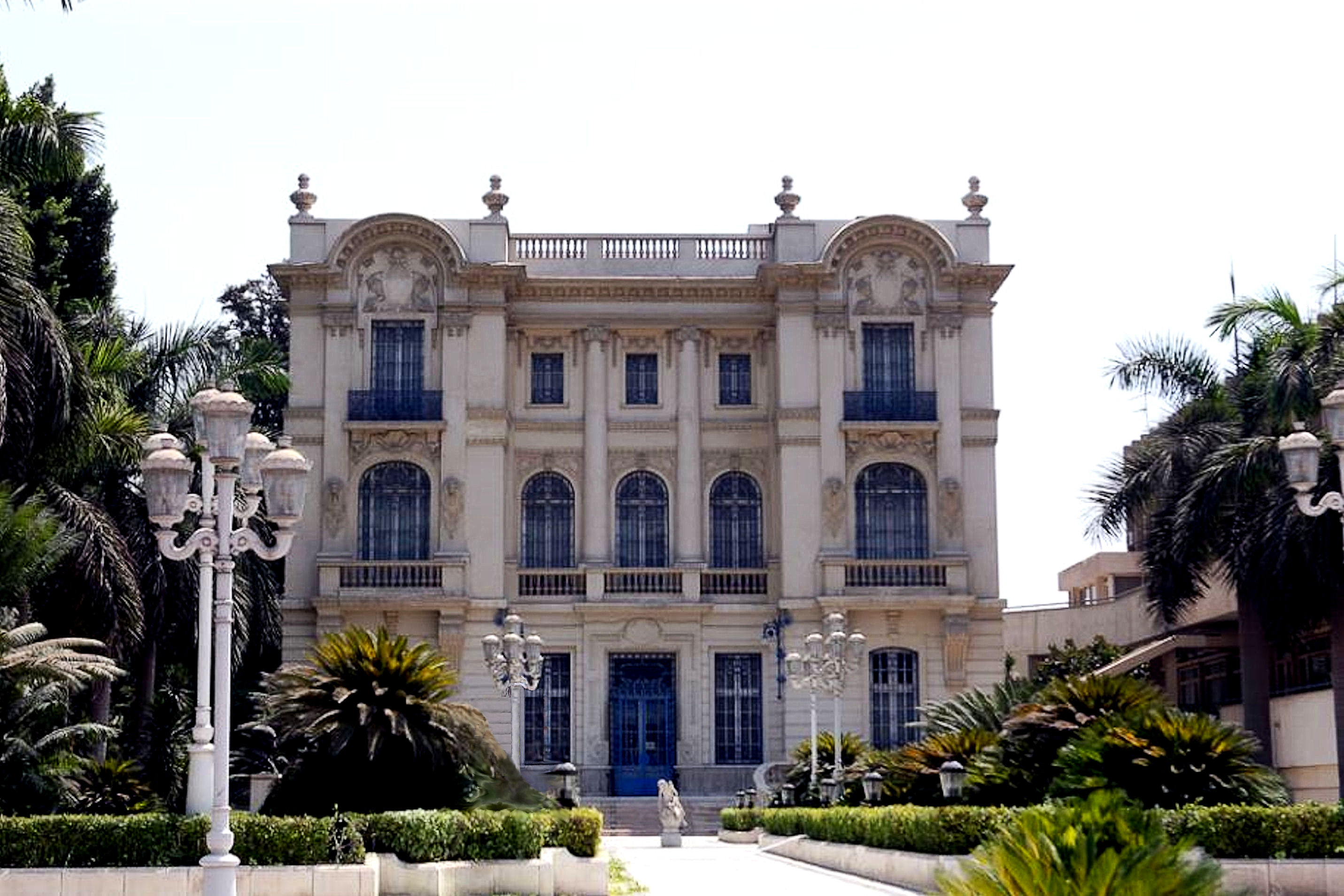
- Cavafy Museum, Eliyahu Hanavi Synagogue, Museum of Modern Art: All within walking distance.
- Catacombs of Kom El Shoqafa: A short taxi ride away.
Many visitors combine Kom El-Dikka with these sites for a comprehensive day in Alexandria (wanderlog.com).
Frequently Asked Questions (FAQ)
Q: What are Kom El-Dikka’s opening hours?
A: Generally, daily from 9:00 AM to 5:00 PM. Hours may shift during holidays and Ramadan.
Q: How much are tickets?
A: 80–150 EGP for foreign adults; discounts for students and Egyptians.
Q: Is Kom El-Dikka wheelchair accessible?
A: Main paths are accessible; some uneven areas and steps may require assistance.
Q: Are guided tours available?
A: Yes, at the entrance or via local agencies, in English and Arabic.
Q: Can I take photos?
A: Yes, for personal use. Commercial photography needs special permission.
Q: What is the best time to visit?
A: Autumn (September–November) for pleasant weather; mornings are best in summer.
Discover More
Kom El-Dikka offers a unique window into Alexandria’s layered history, from its striking Roman theater and vibrant mosaics to rare ancient lecture halls and evolving urban fabric. Its central location, excellent signage, and thoughtful visitor amenities make it accessible to all. Whether you are a history lover, academic, or casual traveler, Kom El-Dikka is essential to any Alexandria itinerary.
Ready to explore? Download the Audiala app for interactive tours, check our site for further guides, and follow us on social media for updates and travel inspiration. Plan your visit today to experience Alexandria’s extraordinary archaeological heritage firsthand!


Internal links:
External links:
- Lonely Planet Kom El-Dikka
- She Is Wanderlust Roman Ruins Guide
- Wikipedia Kom El-Dikka
- Almosafer Alexandria Travel Tips
Listen to the full story in the app
Your Personal Curator, in Your Pocket.
Audio guides for 1,100+ cities across 96 countries. History, stories, and local insight — offline ready.
Audiala App
Available on iOS & Android
Join 50k+ Curators
Sources
- verified
- verified
- verified
- verified
- verified
Last reviewed: