Plan and listen to Graeco-Roman Museum with Audiala.
Audio guide in your pocket, itinerary in your browser. Built for the way you actually visit.
Introduction
The Graeco-Roman Museum in Alexandria, Egypt, is a distinguished symbol of the city’s layered history, where Egyptian, Greek, and Roman civilizations met and flourished. Established in 1892 and opened to the public in 1895, the museum stands as Egypt’s oldest dedicated institution for Greco-Roman antiquities. Centrally located on Sharia Tariq Al-Horreya, it houses over 10,000 artifacts, including sculptures, coins, jewelry, funerary portraits, and underwater archaeological finds. These collections vividly capture Alexandria’s unique Mediterranean identity—a legacy of cultural fusion and religious syncretism. Whether you’re a history buff, archaeologist, or traveler, the Graeco-Roman Museum offers an immersive experience of Alexandria’s vibrant past.
This comprehensive guide covers everything you need to plan your visit: opening hours, ticket prices, accessibility, travel tips, and highlights of the museum’s renowned collections. You’ll also find recommendations for nearby attractions to create a rich cultural itinerary in Alexandria. For the most current information, consult the Egyptian Ministry of Tourism and Antiquities and explore detailed background on the museum via Britannica.

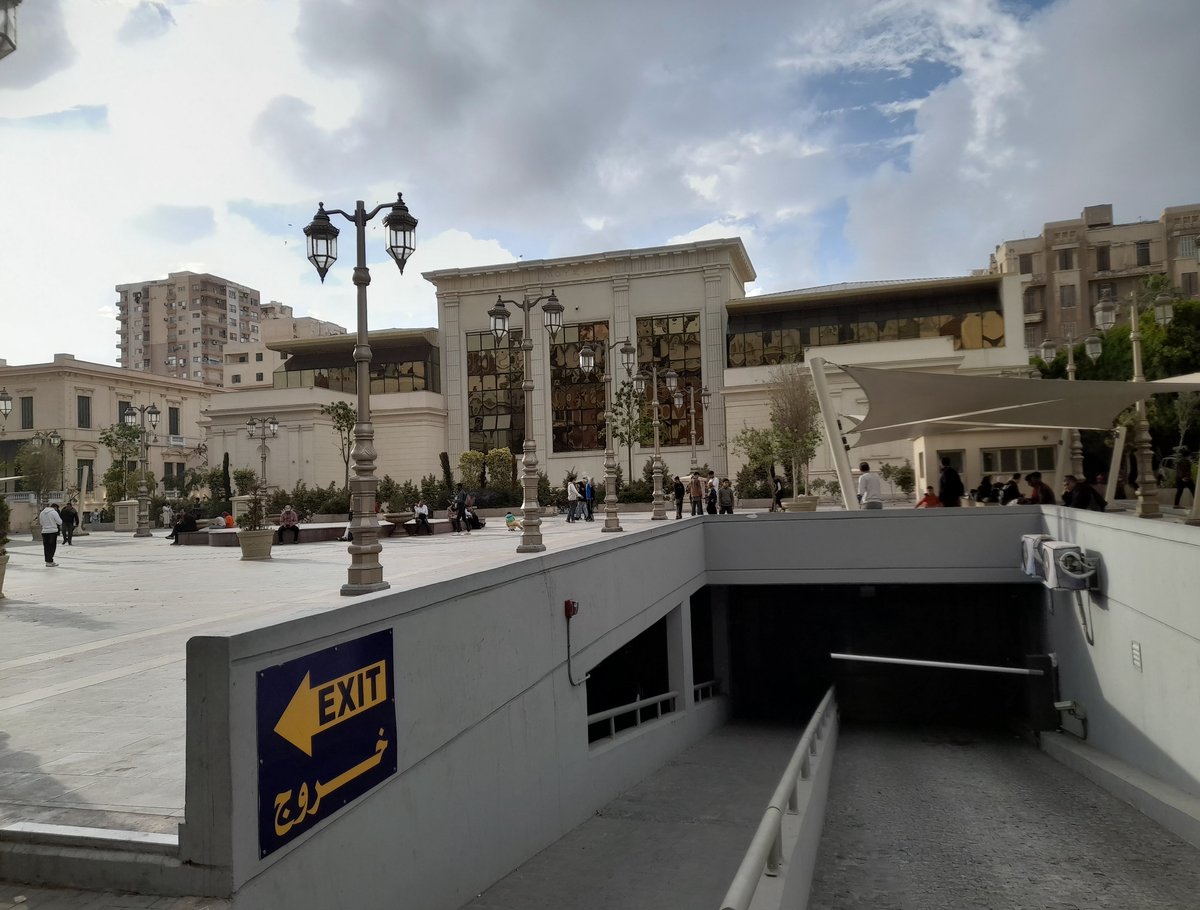
Historical Background
Origins and Foundation
The Graeco-Roman Museum was founded in the late 19th century, a period marked by renewed archaeological interest in Egypt’s Hellenistic and Roman heritage. Initially occupying a modest five-room space, the museum quickly outgrew its quarters, prompting the construction of a neoclassical building that opened in 1895 (Britannica). Its architecture reflects Alexandria’s historical ties to the Greek world, featuring a striking Greek Revival façade inscribed with "MOYΣEION" (MOUSEION).
Collection Development
The museum's collection grew through systematic excavations in Alexandria, the Nile Delta, Al-Fayyūm, and Middle Egypt, encompassing artifacts from the 3rd century BCE through the Byzantine period. These include funerary portraits, domestic objects, and select pharaonic items that highlight the enduring cultural continuity of the region (Britannica).
Notable Artifacts and Highlights
- Cast of the Rosetta Stone: An important replica for the study of hieroglyphs (British Museum).
- Hellenistic Sculpture: Includes a large Attic funerary stela from the 4th century BCE.
- Colossal Porphyry Statue: Possibly representing a Roman emperor or Jesus Christ, carved from rare purple porphyry (Britannica).
- Tanagra Figurines: Expressive Hellenistic-era terracotta statuettes.
- Architectural Elements: Capitals and pottery fragments from the Ptolemaic and Roman periods.
- Coins and Silver Objects: Numismatic collections reflecting Alexandria’s economic and political history.
Visitor Information: Hours, Tickets, Accessibility
- Opening Hours: Saturday to Thursday, 9:00 AM to 5:00 PM. Closed Fridays and public holidays.
- Ticket Prices: EGP 300 for foreign adults, EGP 150 for foreign students, EGP 40 for Egyptian/Arab adults, and EGP 20 for Egyptian/Arab students. Children under 6, seniors, and Egyptians with special needs receive free entry (except on Fridays, Saturdays, and official holidays) (Holidify).
- Accessibility: Wheelchair ramps and accessible restrooms are available; advance contact is recommended for special needs.
- Guided Tours & Events: Multilingual guided tours can be booked ahead. The museum hosts temporary exhibitions and educational workshops.
Travel Tips and Nearby Attractions
- Location: 5 Museum Street, Attarin, Gamal Abdel Nasser Road, Alexandria (Hurghada Lovers).
- Transport: Easily reachable by taxi, ride-hailing apps, local minibuses, or on foot from Alexandria Railway Station (2 km away).
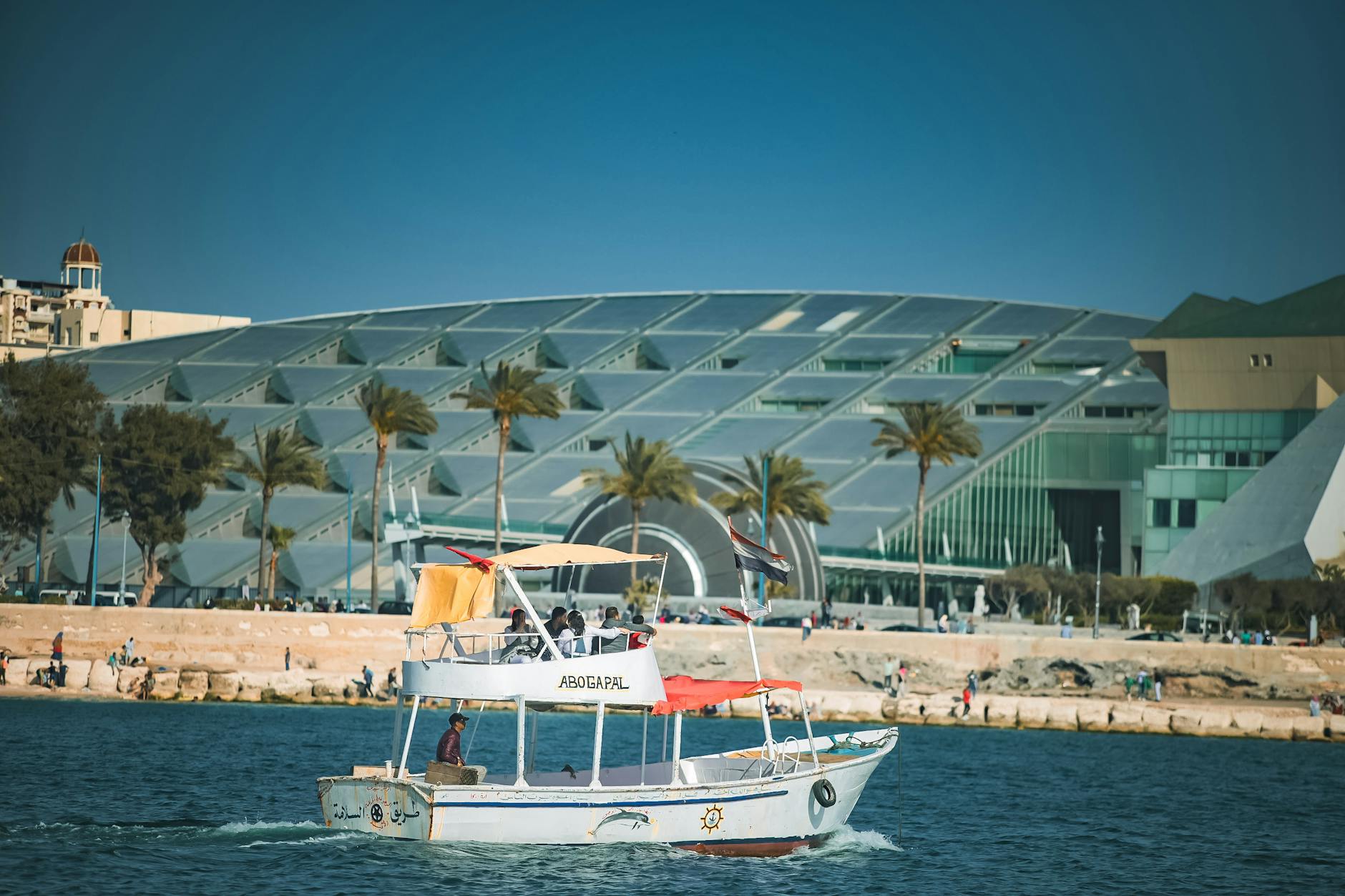
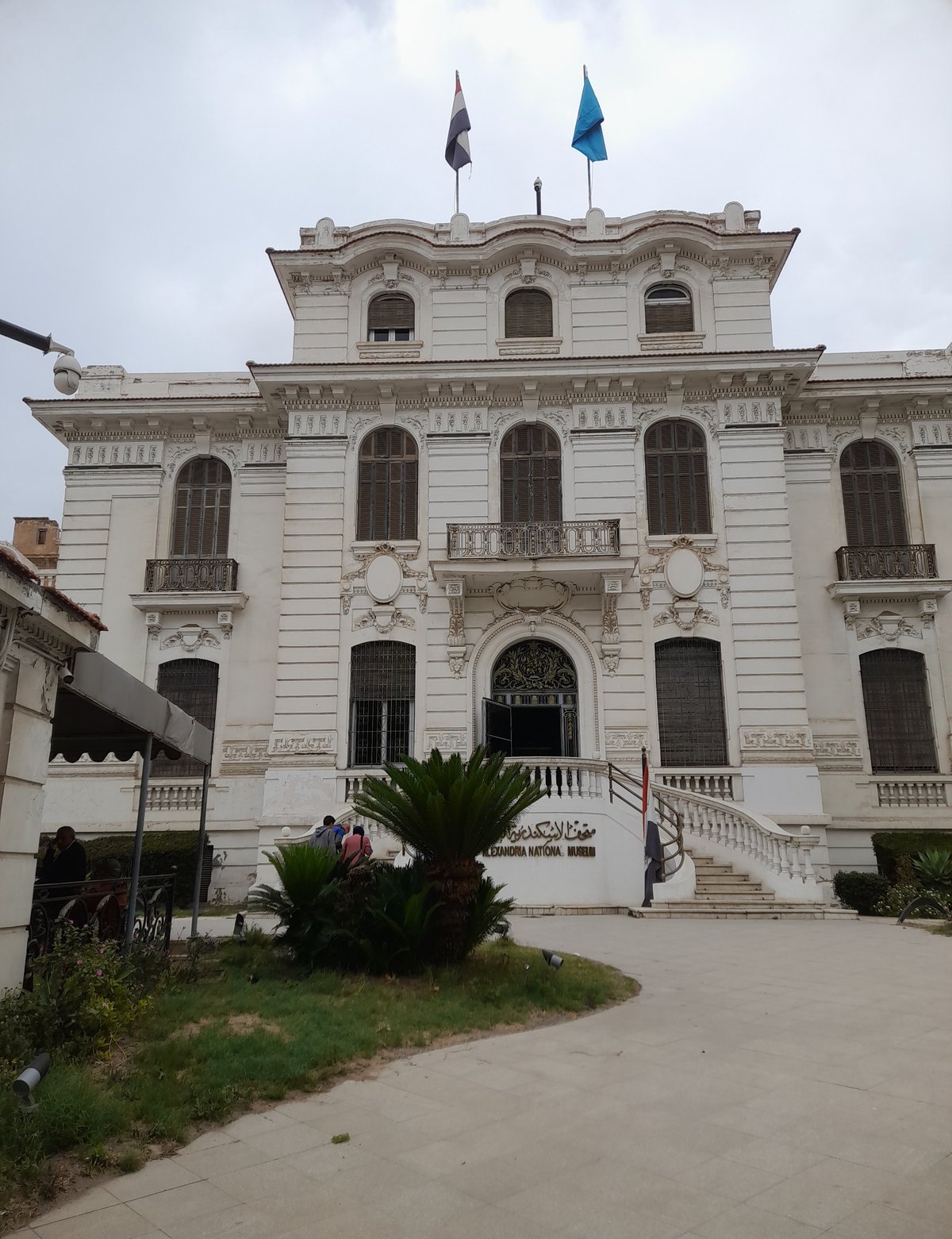
- Nearby Sights: Bibliotheca Alexandrina, Catacombs of Kom el Shoqafa, Pompey’s Pillar, Alexandria National Museum, Roman Amphitheater, and the Corniche.
- Amenities: Cafés, restaurants, and shops nearby; museum has a cafeteria, gift shop, and a historical library.
Cultural and Scholarly Significance
The museum is a hub for archaeological research and public education, revealing Alexandria’s transformation from a Hellenistic metropolis to a Roman cultural center. Its collections reflect the syncretic society where Greek, Egyptian, and Roman traditions merged (egymonuments.gov.eg).
Expansion and Modernization
Renovations throughout the 20th and 21st centuries have enhanced the museum’s climate control, security, interpretation, and accessibility. The recent upgrades include interactive digital resources, multilingual panels, and improved visitor facilities (Egyptian Ministry of Tourism and Antiquities).
The Museum’s Role in Alexandria’s Identity
The Graeco-Roman Museum is not just a repository of artifacts—it is a living symbol of Alexandria’s cosmopolitan spirit, preserving a unique, multicultural heritage and inspiring ongoing appreciation of the Mediterranean world.
Frequently Asked Questions (FAQs)
Q: What are the museum’s opening hours?
A: Saturday to Thursday, 9:00 AM to 5:00 PM; closed Fridays and public holidays.
Q: How much are tickets?
A: 300 EGP for foreign adults, 150 EGP for foreign students, with discounts for Egyptian/Arab nationals and free entry for certain groups.
Q: Is the museum wheelchair accessible?
A: Yes, with ramps and accessible restrooms; contact ahead for special needs.
Q: Are guided tours available?
A: Yes, in multiple languages; advance booking recommended.
Q: What else can I visit nearby?
A: Bibliotheca Alexandrina, Catacombs of Kom el Shoqafa, Pompey’s Pillar, Alexandria National Museum, and the Corniche.
Listen to the full story in the app
The whole Graeco-Roman Museum,
told well.
Audio guides for 1,100+ cities across 96 countries. History, stories, and local insight — offline ready.
Verified, and shown.
Researched and written by the Audiala editorial team from historical records, architectural archives, and local expertise.
Researched from Wikidata, Wikipedia & official sources · fact-checked · How we make our guides →