Plan and listen to Gabbari Necropolis with Audiala.
Audio guide in your pocket, itinerary in your browser. Built for the way you actually visit.
Introduction
The Gabbari Necropolis, located in Alexandria, Egypt, is one of the Mediterranean’s most significant archaeological sites. This vast subterranean burial complex, established during the late 4th century BCE, offers an immersive journey into ancient funerary customs and Alexandria’s uniquely cosmopolitan heritage. Blending Egyptian, Greek, and Roman traditions, the necropolis serves as a testament to the city’s multicultural past. This guide provides all the essential details on Gabbari Necropolis visiting hours, ticketing, accessibility, site highlights, and practical travel tips to ensure a rewarding visit.
For authoritative archaeological insights and visitor information, consult sources like the White Levy Program and Alexandria tourism portals.
Historical Background
Foundation and Development
Founded during the Hellenistic period as Alexandria emerged as a cultural powerhouse in 331 BCE, the Gabbari Necropolis was established to serve the city’s growing and diverse population. Used continuously through the Roman and Byzantine eras, the site reflects the religious, social, and architectural syncretism that defined Alexandria for centuries (White Levy Program).
Discovery and Excavation
The necropolis was uncovered in 1997 during urban development near Alexandria’s port. Rescue excavations led by the Centre d’Études Alexandrines (CEA) revealed a sprawling burial ground with collective tombs, burial chambers, and funerary dining rooms just below the city’s surface (Express). The site, known locally as "Kom El Malh," has provided critical new insights into ancient Alexandria’s funerary landscape.
Funerary Practices and Cultural Insights
Gabbari Necropolis features a variety of burial methods, including inhumation in hypogeum loculi (rock-cut niches), cremation urns, and collective tombs. The site’s artifacts—funerary inscriptions, coins, oil lamps, amulets, and grave goods—illustrate the blending of Greek, Egyptian, and Roman beliefs about death and the afterlife (White Levy Program). Funerary banquets in dedicated dining chambers (triclinia) highlight communal remembrance practices.
Significance and Comparative Context
The necropolis is a crucial source for understanding Alexandria’s social hierarchy, cultural interactions, and evolving religious traditions. Alongside sites like the Catacombs of Kom El Shoqafa and the Anfushi Necropolis, Gabbari enriches our knowledge of ancient funerary customs and urban life in Alexandria (Travel2Egypt).
Site Structure and Notable Finds
- Location: Western Alexandria, near Port Gate 27 and the Gabbari Bridge.
- Layout: The necropolis spans several thousand square meters with rock-cut tombs, multi-level burial chambers, corridors, and communal halls.
- Architectural Features:
- Rock-cut tombs and multi-generational family vaults.
- Burial niches (loculi) with decorative elements.
- Seven-level tombs and dining rooms just below the surface.
- Painted motifs, Greek and Demotic inscriptions, and graffiti.
- Notable Finds:
- Human remains from Egyptian, Greek, and Roman backgrounds.
- Grave goods such as coins, jewelry, oil lamps, perfume pots, and rare gold artifacts.
- Artistic evidence of cultural syncretism, including both inhumation and cremation burials.
- Forensic evidence of mummification and funerary rituals.
Visiting Information
Location and Accessibility
The Gabbari Necropolis is approximately 4 km southwest of Alexandria’s city center, in the historic Gabbari district. The site is best reached by taxi or private car, as direct public transport is limited. Confirm directions with your driver, as signage is minimal (The Egyptian Traveler).
Physical Accessibility: The underground necropolis has uneven terrain, narrow corridors, and stone stairways, making it unsuitable for wheelchairs or visitors with limited mobility.
Visiting Hours and Tickets
- Hours: Typically open from 9:00 AM to 4:00 PM, Sunday through Thursday. Closed on Fridays, Saturdays, and public holidays. Hours may vary; verify before your visit.
- Tickets: Entry fees are modest (EGP 30–50 for adults), with discounts for students, seniors, and Egyptian nationals. Tickets are available on-site; payment is usually in cash (Egyptian pounds).
- Advance Booking: Recommended, especially for groups or guided tours.
Guided Tours and Visitor Experience
- Guided Tours: Licensed Egyptologists and local experts offer insightful tours, explaining burial customs, artifacts, and architectural features (Independent Travel Cats). Tour rates start at EGP 200–300 per hour.
- Self-Guided Visits: Minimal on-site signage in English; consider using the Audiala app or a reputable guidebook for context.
- Photography: Non-flash photography is allowed; flash and professional equipment may require a permit.
- Facilities: Restrooms are basic; no food or drink services are onsite.
Practical Tips
- Clothing: Modest attire covering shoulders and knees is advised. Wear sturdy shoes for uneven surfaces.
- Weather: Underground chambers remain cool, but outside temperatures can be high. Bring water, sunscreen, and a hat.
- Health: Those with claustrophobia or mobility concerns should exercise caution.
- Security: Keep valuables secure and follow site rules to protect artifacts.
Nearby Attractions
Expand your exploration with these Alexandria historical sites:
- Catacombs of Kom El Shoqafa: A renowned necropolis with a blend of Egyptian, Greek, and Roman art.
- Anfushi Necropolis: Another example of Alexandria’s ancient burial traditions.
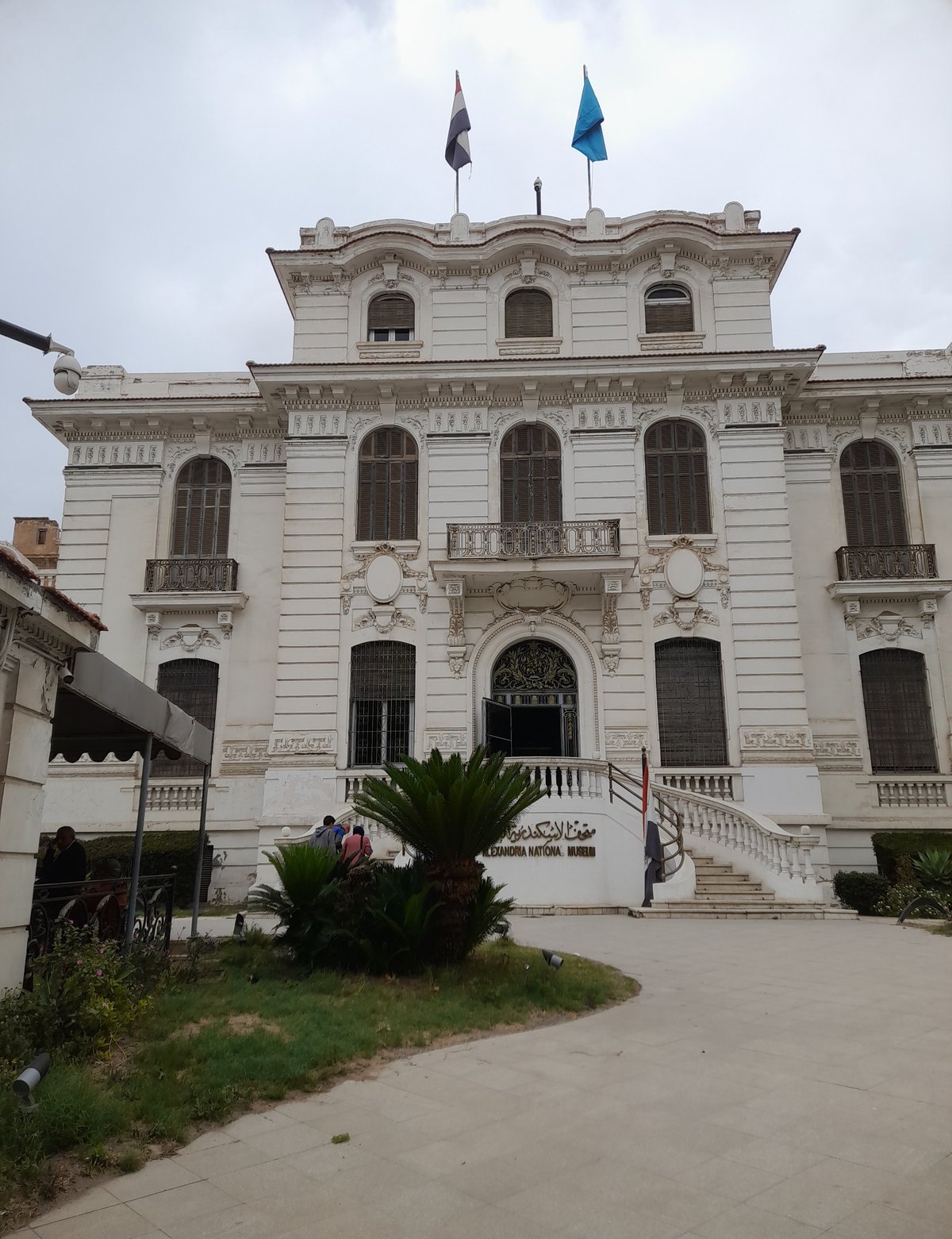
- Alexandria National Museum and Pompey’s Pillar for a comprehensive view of Alexandria’s past.
Frequently Asked Questions
Q: What are the Gabbari Necropolis visiting hours?
A: Typically 9:00 AM to 4:00 PM, Sunday through Thursday. Always confirm before your visit.
Q: How much are tickets?
A: EGP 30–50 for adults; discounts for students and Egyptians.
Q: Is the site wheelchair accessible?
A: No, due to stairways and uneven terrain.
Q: Are guided tours available?
A: Yes, and highly recommended for a richer experience.
Q: Can I take photos?
A: Non-flash photography is generally permitted. Professional equipment may need a permit.
Q: Are there restrooms or food services?
A: Only basic restrooms; no food or beverage facilities.
Listen to the full story in the app
The whole Gabbari Necropolis,
told well.
Listen to sourced travel stories with local history and practical context — ready offline.

Verified, and shown.
Researched and written by the Audiala editorial team from historical records, architectural archives, and local expertise.
Built from cited sources · see the method · How we make our guides →