Introduction
Bourse Toussoun in Alexandria, Egypt, stands as a landmark interweaving the city’s vivid economic past, cosmopolitan heritage, and architectural grandeur. Once a central hub for Egypt’s cotton trade and international commerce, this iconic site reflects Alexandria’s pivotal role in global markets at the turn of the 20th century. Today, Bourse Toussoun is celebrated for its blend of neoclassical and Mediterranean architectural styles, its storied association with major political and cultural events, and its continuing role as a vibrant urban gathering place. Whether you are a history enthusiast, architecture admirer, or cultural explorer, this guide will help you navigate the legacy, visitor experience, and practicalities of Bourse Toussoun, ensuring a rewarding visit to one of Alexandria’s most significant historical sites. For additional insights and trip planning, consult resources like Egy.com, Bibalex, and Audiala.
Historical Origins and Early Development
The Birth of Alexandria’s Financial Hub
The origins of Bourse Toussoun are closely linked to Alexandria’s ascendancy as a global center of cotton trade in the late 19th and early 20th centuries. The city’s futures market is recognized as among the earliest worldwide, with the first documented cotton transaction occurring in 1865 in the Café de l’Europe on Place des Consuls (later Mohammed Ali Square). This informal trading environment fostered the growth of the Alexandria General Produce Association (AGPA), which managed an increasingly complex market for cotton, seeds, and cereals (Egy.com).
Construction and Architectural Significance
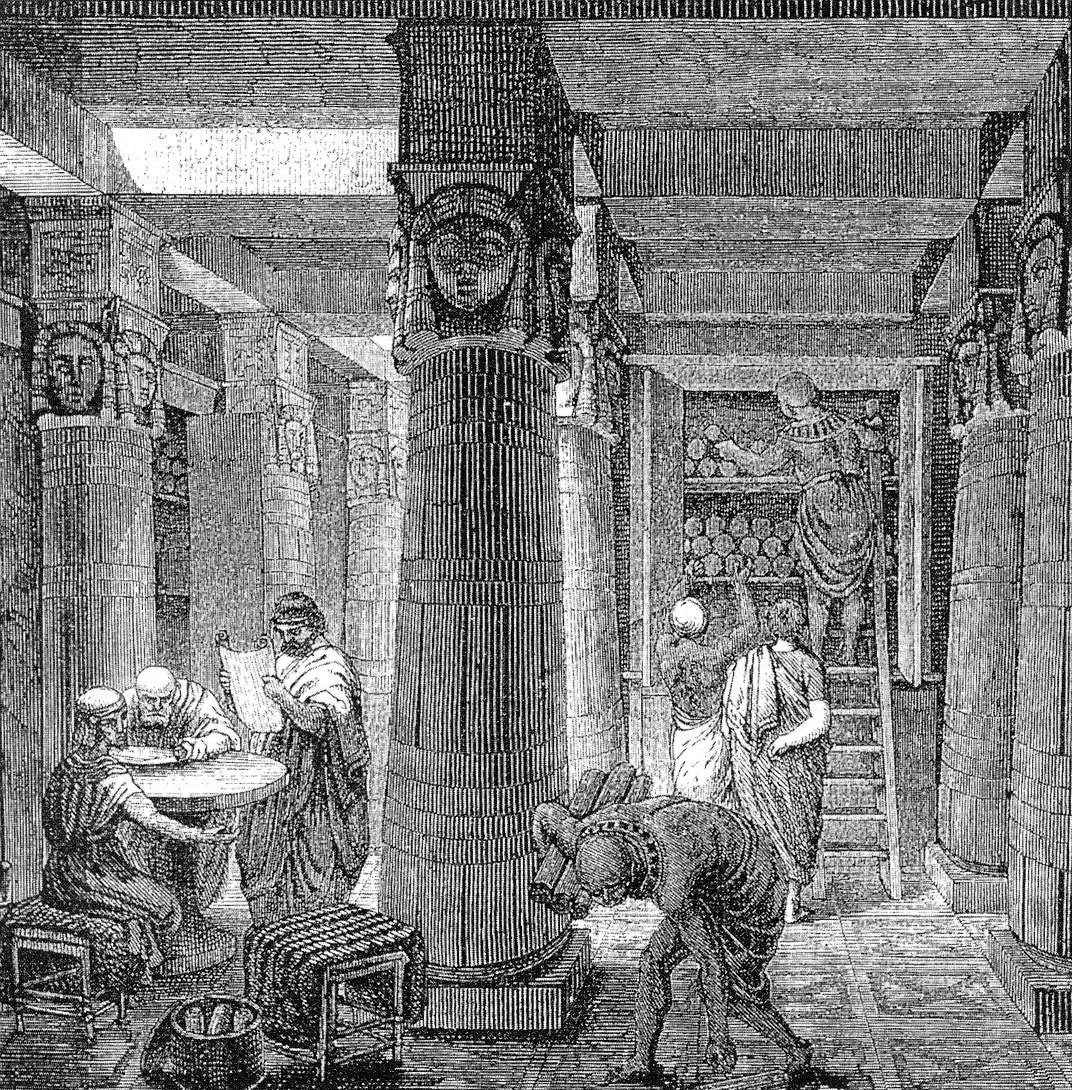
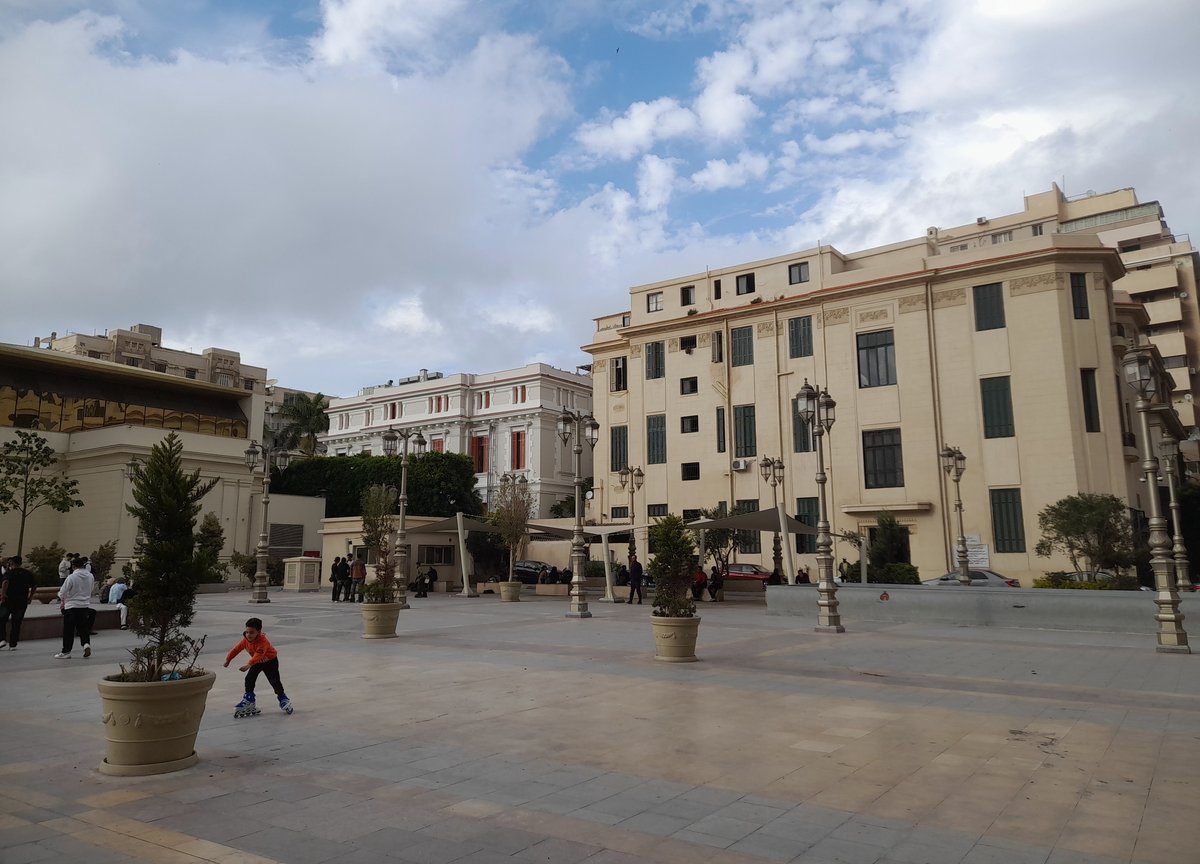
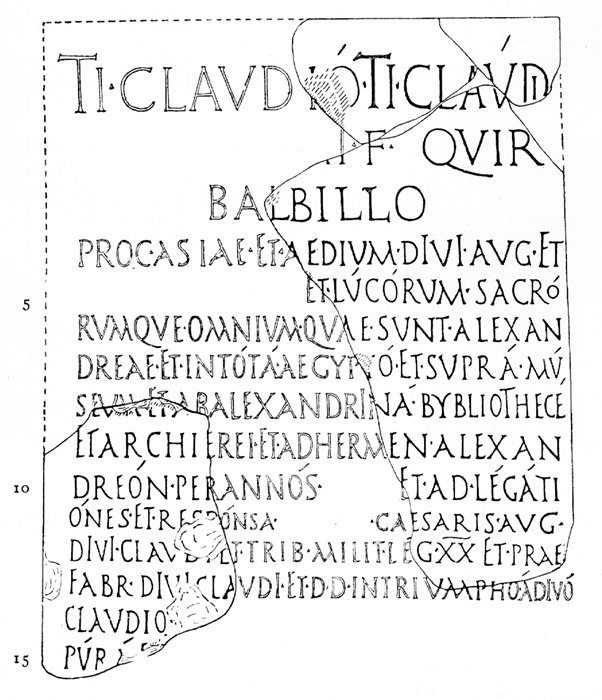
In 1899, under Khedive Abbas Hilmi II, the AGPA relocated to a purpose-built structure—the Bourse—on Mohammed Ali Square. This building, at 2 rue de Rosette, became a symbol of Alexandria’s economic prosperity and architectural elegance, blending neoclassical, beaux-arts, and Mediterranean influences. The site’s historic and archaeological significance is underscored by discoveries such as remnants of a Ptolemaic temple and a Greek-inscribed stone, although associations with the ancient Library of Alexandria were later dismissed (de.wikipedia.org).
Economic and Social Impact
Center of Egypt’s Cotton Economy
In the early 20th century, Bourse Toussoun was the beating heart of Egypt’s cotton trade, a sector vital to the national economy. Legalization of forward contracts in 1909 helped revive the market after the 1907 crash, and the Bourse became a regulated arena for both spot and futures trading. Its influence extended internationally, with significant coordination with the Liverpool Cotton Exchange, cementing Egypt’s ties to global markets (Egy.com).
Cosmopolitan Character
Bourse Toussoun’s cosmopolitanism was evident in its diverse community. In 1950, the majority of cotton brokers were foreign nationals, reflecting Alexandria’s status as a melting pot. Notable figures included Jules Klat Bey (Syrian president of AGPA), British and Greek exporters, and eventually Egyptians like Talaat Harb Pasha, founder of Banque Misr. The Bourse also served as a social center, housing Thomas Cook’s travel agency and the Club Khédivial, frequented by Alexandria’s elite (de.wikipedia.org).
Role in Egyptian and Global History
Cultural Milestones
Bourse Toussoun is etched in cultural history as the venue for Egypt’s first public film screening in 1896, less than a year after the Lumière Brothers’ Paris debut. This event at the Café Zawani marked the dawn of Egyptian cinema and highlighted Alexandria’s openness to innovation (Bibalex).
Political Turning Points
In 1956, Gamal Abdel Nasser’s nationalization speech from the Bourse’s parapet marked a defining moment in Egypt’s assertion of economic sovereignty and global standing (Egy.com). However, subsequent agrarian reforms and nationalization led to the decline of the cosmopolitan, capitalist culture that once defined the district.
Transformation and Modern Use
Adaptive Reuse and Preservation Efforts
Over time, the Bourse Toussoun building has adapted to changing urban dynamics, serving as a travel agency, social club, and presently, the Horreya Cultural Center (Qasr el Ebdaa’). Renovations in 2001 aimed to revive its cultural relevance, though preservation efforts have faced challenges in balancing authenticity and modernization (de.wikipedia.org).
Living Heritage
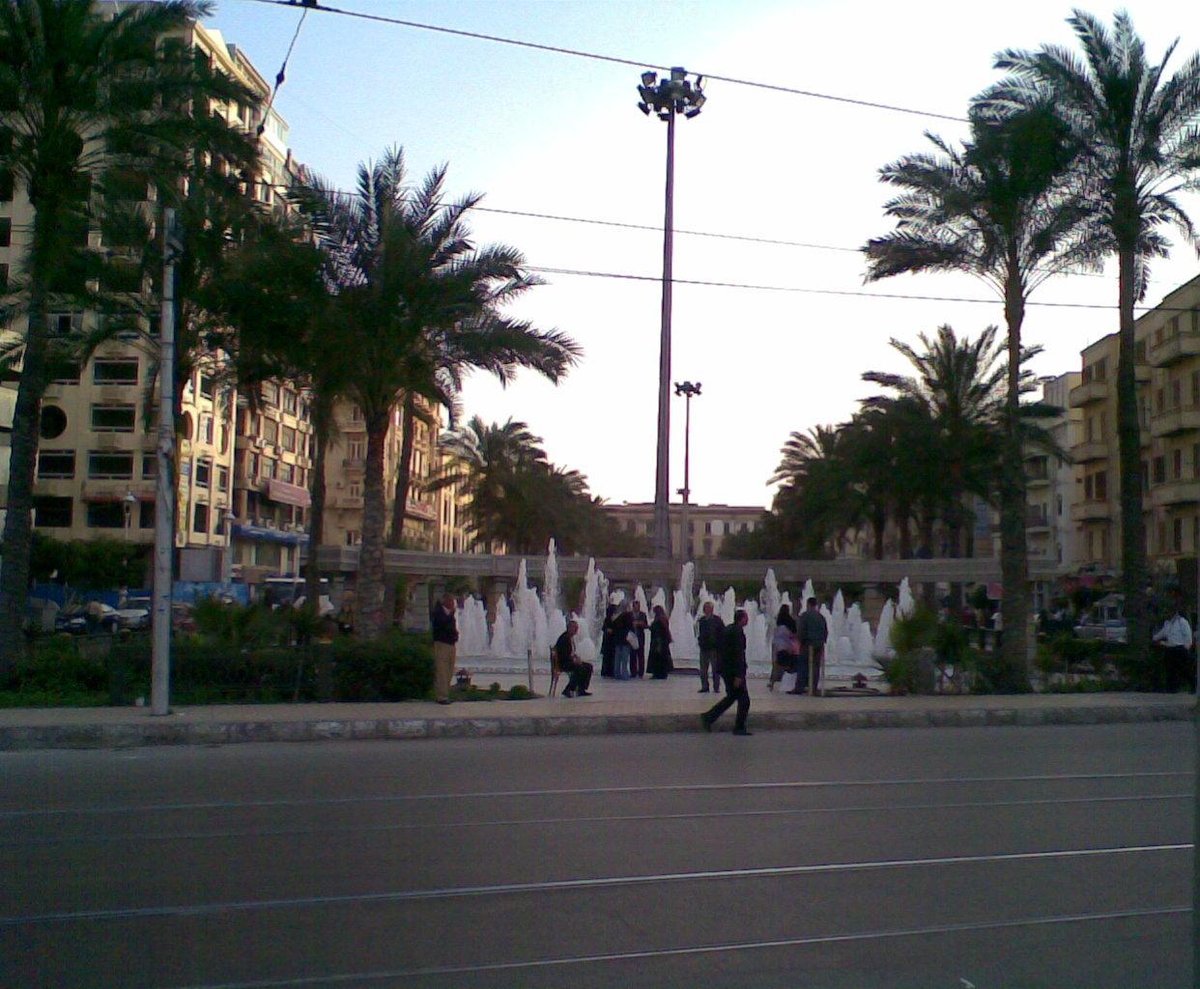
The district’s daily rhythms remain vibrant. Street vendors, artisan workshops, and Mediterranean flavors blend Egyptian, Greek, Italian, and Levantine traditions. Public spaces, wide boulevards, and arcaded walkways evoke Alexandria’s Euro-Mediterranean heritage, while ongoing festivals and cultural events sustain its role as a living archive of the city’s cosmopolitan spirit (Audiala).
Visitor Information
Visiting Hours
- Opening Days: Sunday to Thursday
- Hours: 9:00 AM to 5:00 PM (for main sites and cultural centers)
- Shops and Cafés: Generally 10:00 AM to 10:00 PM
- Closed: Fridays and public holidays (for some venues)
Tickets and Entry
- Entry Fee: Free for public spaces; some museums or exhibitions may charge modest fees.
- Guided Tours: Available through local operators and the Audiala app. Booking in advance is recommended.
Accessibility
- Mobility: Ramps at main entrances; some areas may have steps or uneven flooring.
- Assistance: On-site help is often available; contact individual venues for details.
Getting There
- Location: Mohammed Ali Square, Alexandria city center
- Transport: Accessible via taxi, tram, ride-hailing apps (Uber, Careem), and several bus lines. Limited parking available.
- From Cairo: Approx. three hours by car or train.
Amenities
- Facilities: Restrooms in most cafés/restaurants; public Wi-Fi in select venues.
- Currency: Egyptian Pound (EGP); cash is widely accepted, with some card payment options.
- Language: Arabic is primary; English widely spoken in tourist areas.
Safety and Etiquette
- Safety: Area is well-patrolled; remain vigilant against pickpockets.
- Dress: Modest attire recommended, especially near religious sites.
- Tipping: 5–10% is customary in cafés and restaurants.
Best Time to Visit
- Spring (March–May) and Autumn (September–November): Mild weather, ideal for exploring.
- Summer: Hot and humid; winter brings occasional rain.
Frequently Asked Questions (FAQ)
Q: What are Bourse Toussoun’s visiting hours?
A: Main buildings and cultural centers are open Sunday to Thursday, 9:00 AM–5:00 PM; shops and cafés generally 10:00 AM–10:00 PM.
Q: Is there an entry fee?
A: Entry is free for public spaces. Some exhibitions or special venues may charge fees.
Q: Are guided tours available?
A: Yes, through local tour operators and the Audiala app.
Q: Is Bourse Toussoun accessible for people with disabilities?
A: Many areas are accessible, with ramps and assistance available, though some older buildings present challenges.
Q: How do I get to Bourse Toussoun?
A: Centrally located on Mohammed Ali Square; accessible by taxi, tram, or ride-sharing.
Q: What nearby attractions can I visit?
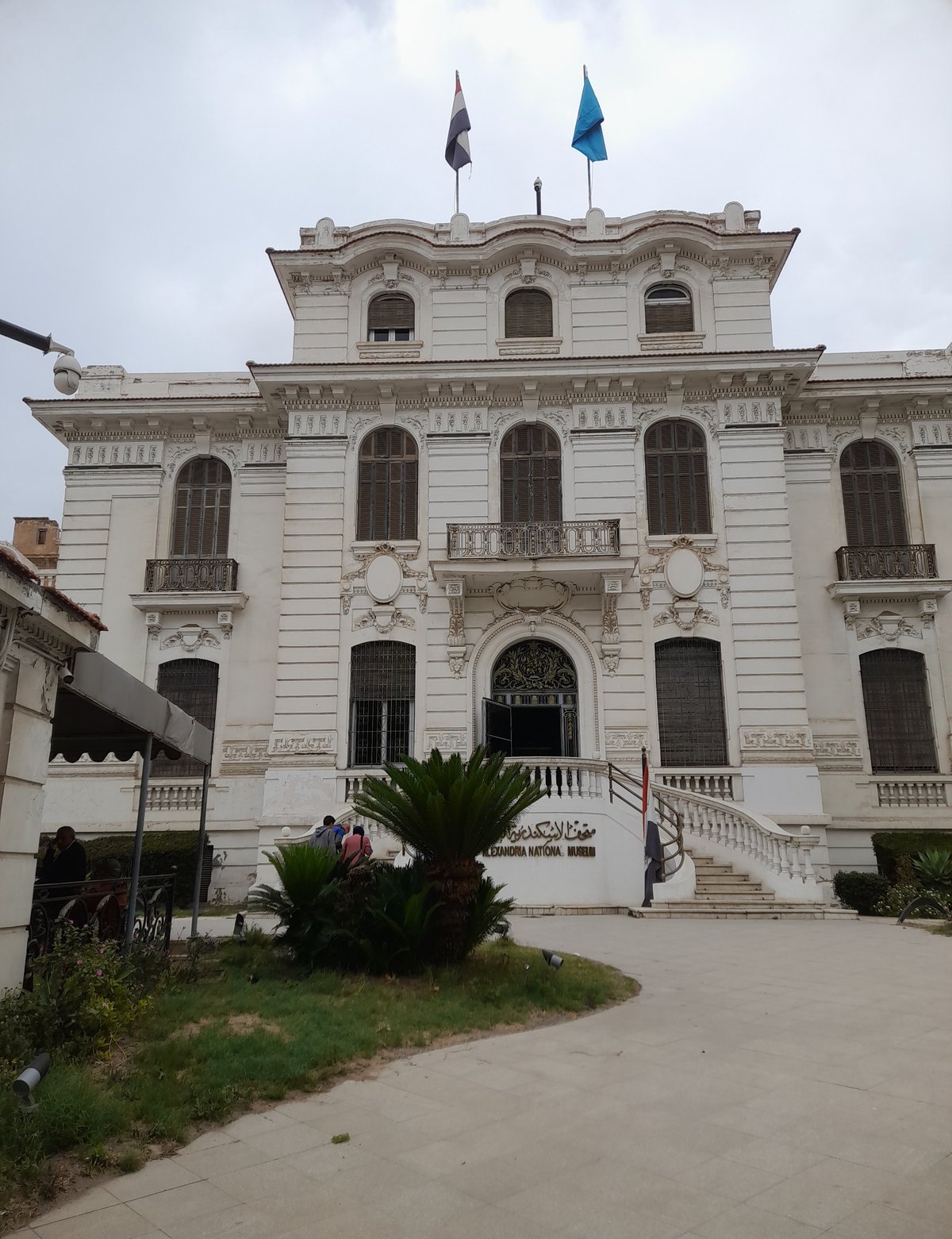
A: Theatre Zizinia, the Corniche, Bibliotheca Alexandrina, Alexandria National Museum, Saint Mark’s Cathedral.
Visual Gallery


Map of Bourse Toussoun and surrounding attractions
Related Articles
- Top Historical Sites to Visit in Alexandria
- Guide to Alexandria’s Museums and Cultural Centers
- Exploring the Corniche: Alexandria’s Waterfront Promenade
Listen to the full story in the app
Your Personal Curator, in Your Pocket.
Audio guides for 1,100+ cities across 96 countries. History, stories, and local insight — offline ready.
Audiala App
Available on iOS & Android
Join 50k+ Curators
Sources
- verified
- verified
- verified
- verified
- verified
- verified
- verified
- verified
Last reviewed: