Introduction to Baron Palace Menasha, Alexandria
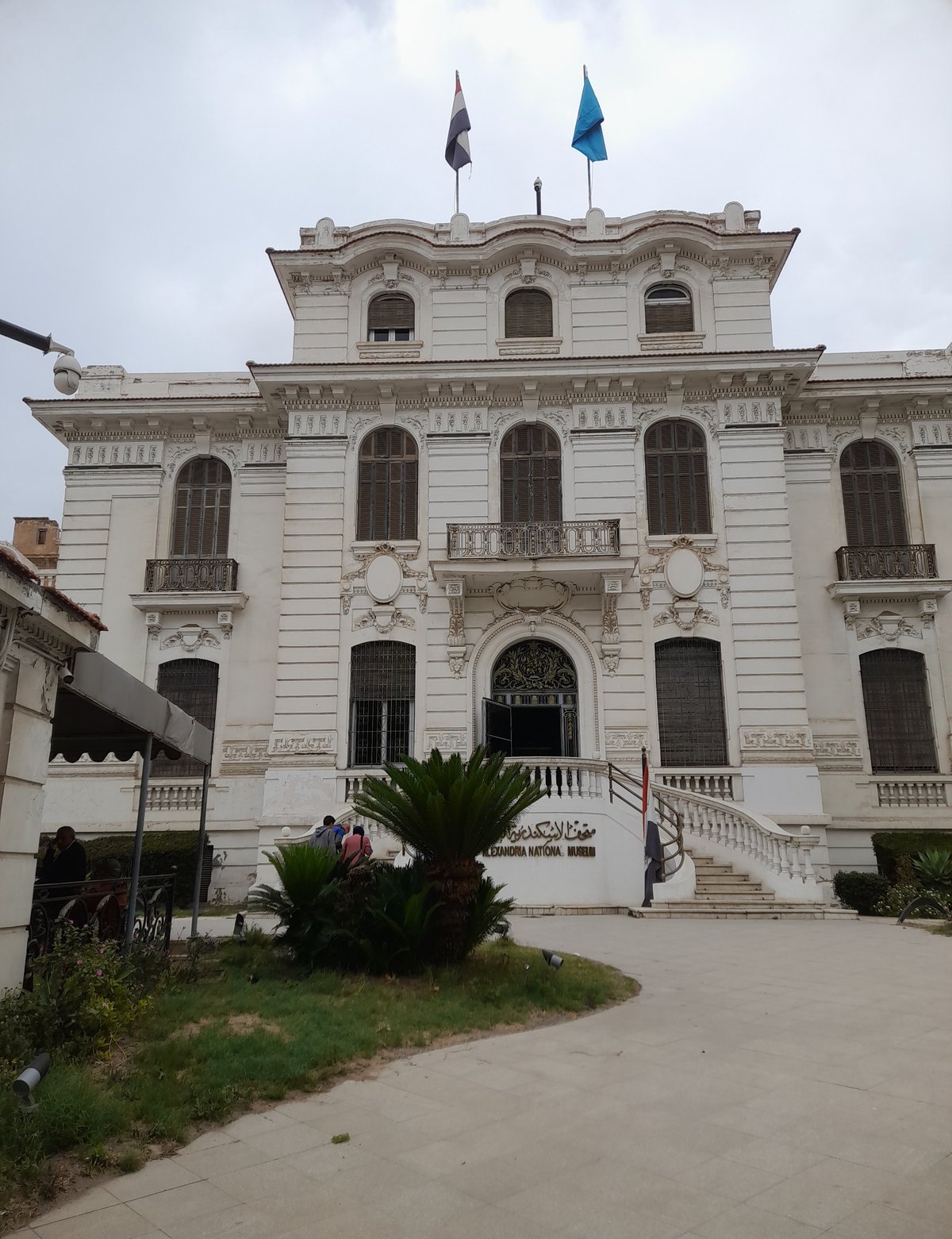
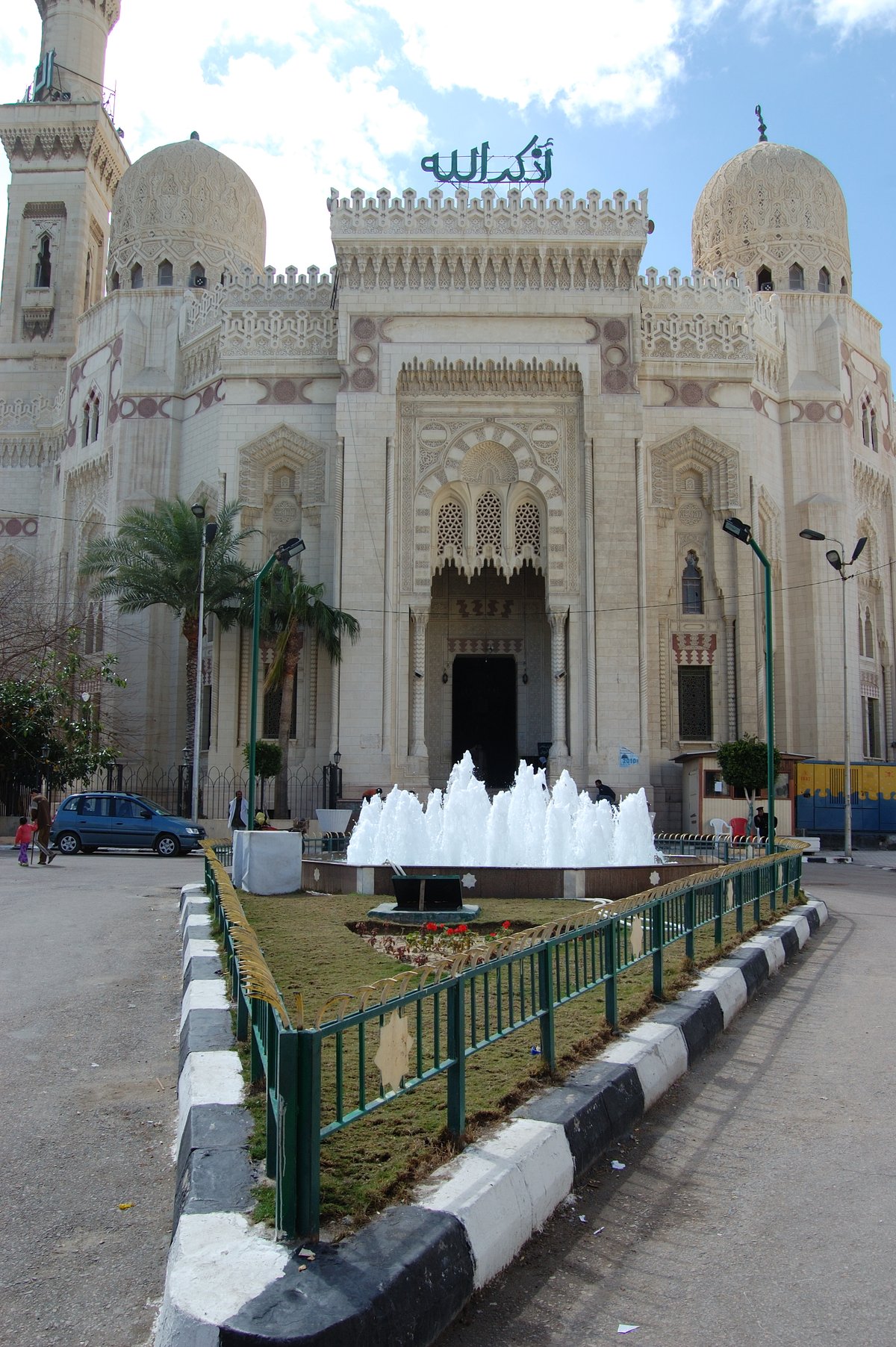
Baron Palace Menasha stands as one of Alexandria’s most distinguished architectural landmarks, offering a unique glimpse into the city’s cosmopolitan heritage and the European-inspired architectural innovations of the late 19th and early 20th centuries. Distinct from the more widely known Baron Empain Palace in Cairo, Baron Palace Menasha epitomizes Alexandria’s multicultural past, blending Art Nouveau and Art Deco styles with local traditions. Featuring ornate stucco façades, wrought iron balconies, Italian marble, French stained glass, and Belgian ironwork, the palace is surrounded by formal European-style gardens, reflecting the city’s Mediterranean climate and lifestyle.
Visitors can enjoy immersive guided tours that explore the palace’s history, architectural nuances, and the stories of its former residents. The site is integral to Alexandria’s broader preservation movement, safeguarding its unique architectural heritage amid ongoing urban development. This guide provides essential details on visiting hours, tickets, accessibility, and nearby attractions to help you plan your visit. Whether you're passionate about architecture, history, or culture, Baron Palace Menasha promises a captivating journey into Alexandria’s golden era (Your Egypt Tours, The Egyptian Traveler).
Historical Context and Origins
Baron Palace Menasha is an architecturally significant yet lesser-known landmark in Alexandria, Egypt. Built during a period when Alexandria flourished as a cosmopolitan Mediterranean port, the palace reflects the city’s embrace of European architectural trends and its multicultural elite. Designed in the late 19th or early 20th century, the palace stands as a testament to the city’s history of social and cultural exchange, contributing to Alexandria’s unique urban character.
Architectural Significance
Eclecticism and European Influence
The palace’s design is rooted in eclecticism, drawing inspiration from Art Nouveau and Art Deco movements that were prevalent among Alexandria’s affluent residents. Ornate stucco work, wrought iron balconies, and grand arched windows are characteristic of the period’s architectural vocabulary. The layout features a central hall, expansive salons, and reception rooms designed for social gatherings, all finished with high ceilings, decorative cornices, and marble flooring. Imported materials like Italian marble, French stained glass, and Belgian ironwork exemplify the international connections and aspirations of Alexandria’s upper echelons.
Structural Innovations
Baron Palace Menasha was constructed using reinforced concrete—a novel material at the time—which enabled broader open spaces and intricate decorative details. This innovation contributed to the building’s durability and has helped preserve it while similar structures have faded. The formal European gardens, with their symmetrical layouts and ornamental fountains, extend the grandeur of the palace into the outdoors, reflecting the city’s climate and social customs.
Decorative Arts and Interior Design
Inside, the palace is adorned with frescoed ceilings, wood paneling, gilded moldings, and elaborate plasterwork. French or Italian chandeliers illuminate the richly furnished rooms, and stained glass windows filter sunlight into colorful patterns, often featuring nature-inspired motifs. The grand staircase, made from marble or polished wood, provides a dramatic centerpiece for the residence.
Cultural and Social Significance
Symbol of Cosmopolitan Alexandria
During its heyday, Baron Palace Menasha symbolized Alexandria’s cosmopolitan identity, blending Egyptian, Greek, Italian, and French influences. It served as a hub for social life, hosting balls, concerts, and literary salons that attracted intellectuals and dignitaries from across Egypt and Europe, further cementing the city’s reputation as a center of culture and learning.
Preservation and Adaptive Reuse
Efforts are ongoing to preserve historic residences like Baron Palace Menasha. Many have been adapted as museums, cultural centers, or boutique hotels, with restoration projects prioritizing authenticity through traditional craftsmanship. The palace’s preservation is crucial amid Alexandria’s rapid urbanization, serving as a reminder of the city’s rich architectural legacy and the importance of safeguarding it.
Practical Visitor Tips
Visiting Hours and Tickets
- Opening Hours: Typically 9:00 AM to 4:30 PM. Hours may vary seasonally.
- Tickets: Prices vary; discounts are often available for students and Egyptian nationals. Check local tourism websites or contact the site directly for the most current information.
- Duration: Allocate at least 1–2 hours for a comprehensive visit.
Guided Tours and Accessibility
- Guided Tours: Highly recommended and available in multiple languages. These offer deeper insights into the palace’s history and architecture.
- Accessibility: The palace is partially accessible. While the main entrance and some ground floor areas are suitable for visitors with limited mobility, upper floors and certain garden paths may pose challenges due to the building’s historic structure.
Photography and Conduct
- Photography: Permitted in most areas, but flash and tripods may be restricted. Always check for posted guidelines.
- Visitor Conduct: Respect the historical significance of the site by not touching artifacts and avoiding entry into roped-off areas. Modest dress is recommended (The Egyptian Traveler).
Amenities and Nearby Attractions
- On-site Facilities: Expect a café or refreshment area, restrooms, and a gift shop.
- Nearby Sites: Montaza Palace gardens, Royal Jewellery Museum, and Alexandria National Museum are all within easy reach (The Egyptian Traveler).
Safety and Comfort
- Safety: Alexandria is generally safe, but standard precautions—such as safeguarding valuables—are advised.
- Health: Stay hydrated, especially in warmer months; bottled water is recommended (Your Egypt Tours).
Best Time to Visit
- Seasons: Spring (March–May) and autumn (September–November) offer the most pleasant weather and beautiful gardens. Early morning or late afternoon visits are best for avoiding crowds and heat.
Frequently Asked Questions (FAQ)
How can I purchase Baron Palace Menasha tickets?
Tickets are typically available at the entrance or online via official tourism websites. Check ahead for updates.
Are guided tours available?
Yes, guided tours are offered in several languages and are highly recommended for a richer experience.
Is Baron Palace Menasha wheelchair accessible?
The palace offers partial accessibility; some upper floors and garden areas may not be accessible due to historic design.
What are the opening hours?
Generally from 9:00 AM to 4:30 PM. Confirm with official sources prior to your visit.
What other attractions are nearby?
Montaza Palace, Royal Jewellery Museum, and Alexandria National Museum are all close by.
Architectural Legacy
Baron Palace Menasha is a critical link to Alexandria’s past, embodying a blend of European and local design, technical innovation, and lavish decoration. Its ongoing preservation ensures future generations can appreciate its beauty, while its adaptive reuse keeps Alexandria’s cosmopolitan spirit alive (Your Egypt Tours).
Plan Your Visit to Baron Palace Menasha
Experience Alexandria’s rich history and architectural splendor by visiting Baron Palace Menasha. Download the Audiala app for exclusive guided tours, current visiting hours, and ticket information. Explore nearby historical sites and follow us on social media for updates and travel tips.


Images are optimized for quick loading and include alt text with relevant keywords for SEO.
For a virtual experience, explore this interactive map and virtual tour of Baron Palace Menasha and surrounding Alexandria historical sites.
Internal Links
- Learn more about Alexandria’s Architectural Heritage
- Explore other Historic Palaces in Egypt
- Discover Top Tourist Attractions in Alexandria
Summary and Recommendations
Baron Palace Menasha is a vital cultural and architectural landmark, representing Alexandria’s cosmopolitan spirit and its embrace of European artistic movements. Its preservation and adaptive reuse highlight the importance of maintaining Egypt’s multifaceted heritage. Visitors can enjoy well-organized tours, informative exhibitions, and picturesque surroundings, with nearby attractions enriching the experience. For the best visit, check updated hours and ticket information, consider a guided tour, and explore other historic sites. Downloading the Audiala app provides access to virtual tours and timely updates. Baron Palace Menasha invites you into a world where history, architecture, and cultural legacy converge—a must-see in Alexandria (Your Egypt Tours, The Egyptian Traveler).
Listen to the full story in the app
Your Personal Curator, in Your Pocket.
Audio guides for 1,100+ cities across 96 countries. History, stories, and local insight — offline ready.
Audiala App
Available on iOS & Android
Join 50k+ Curators
Last reviewed: