Introduction
Alexandria, Egypt’s legendary Mediterranean port, stands as a vibrant crossroads of ancient culture, architectural ingenuity, and intellectual achievement. Founded in 331 BCE by Alexander the Great, the city blossomed as a hub of Hellenistic civilization, renowned for its groundbreaking urban planning, monumental landmarks, and diverse population. Today, Alexandria offers travelers the rare opportunity to walk in the footsteps of philosophers, traders, and monarchs, experiencing both timeless wonders and dynamic modern life (The Archaeologist, Britannica).
This comprehensive guide provides essential information on Alexandria’s historical highlights, practical visitor details—such as opening hours and ticket prices—accessibility, and travel tips, ensuring an enriching visit to one of Egypt’s most captivating cities.
Photo Gallery
Explore Ancient Alexandria in Pictures
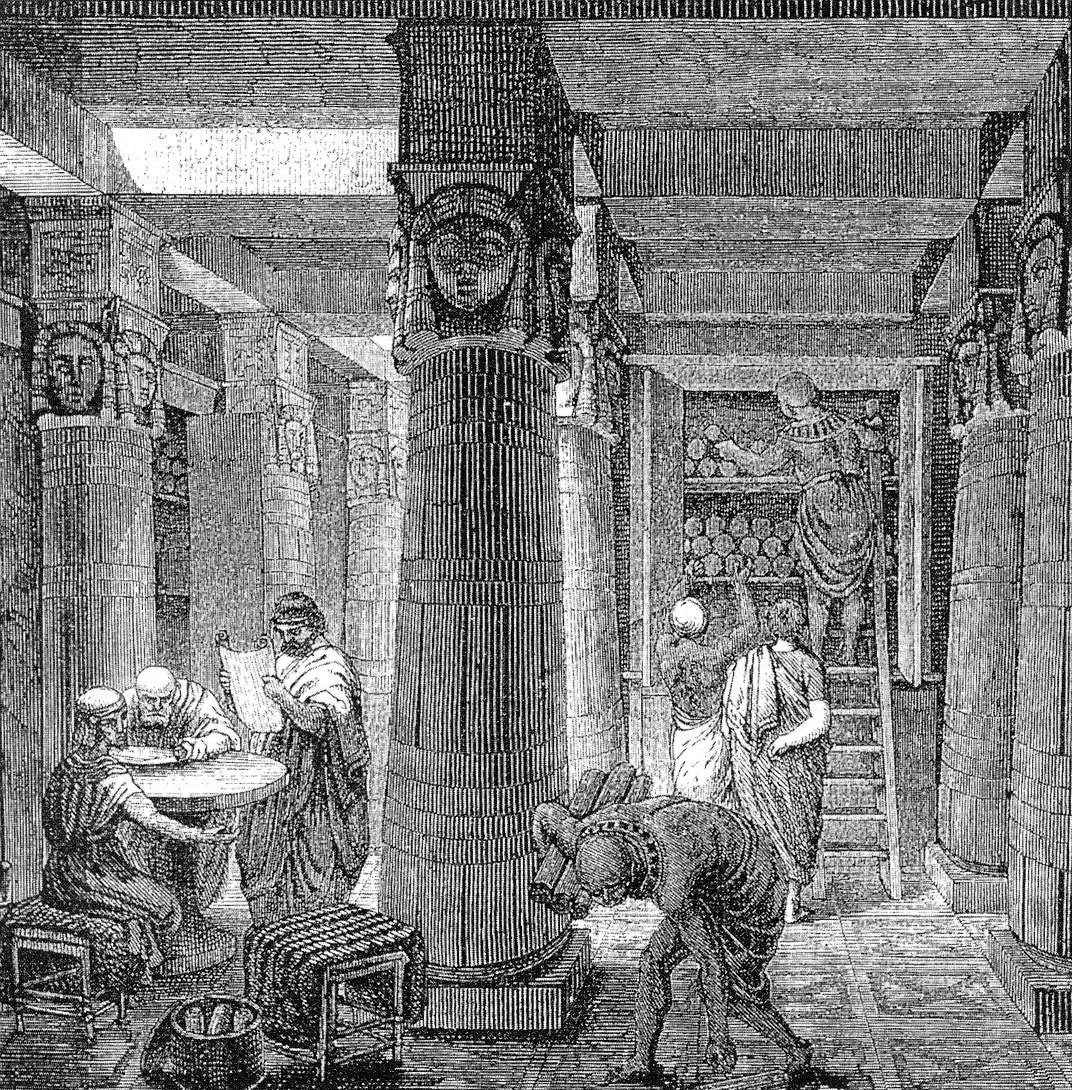
An artistic rendering of the Library of Alexandria based on archaeological evidence, depicting the ancient monumental structure and cultural significance of one of the most famous libraries in history.
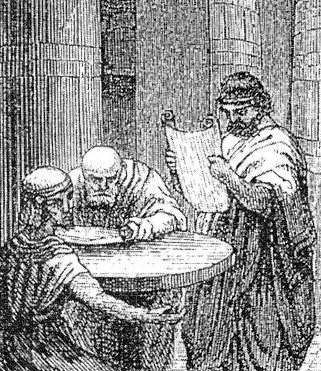
An artistic visualization of the ancient Library of Alexandria, featuring detailed architecture and a bustling scene of people, inspired by archaeological evidence.

Artistic rendering of the ancient Library of Alexandria, illustrating the architectural style and historical ambiance based on archaeological evidence.
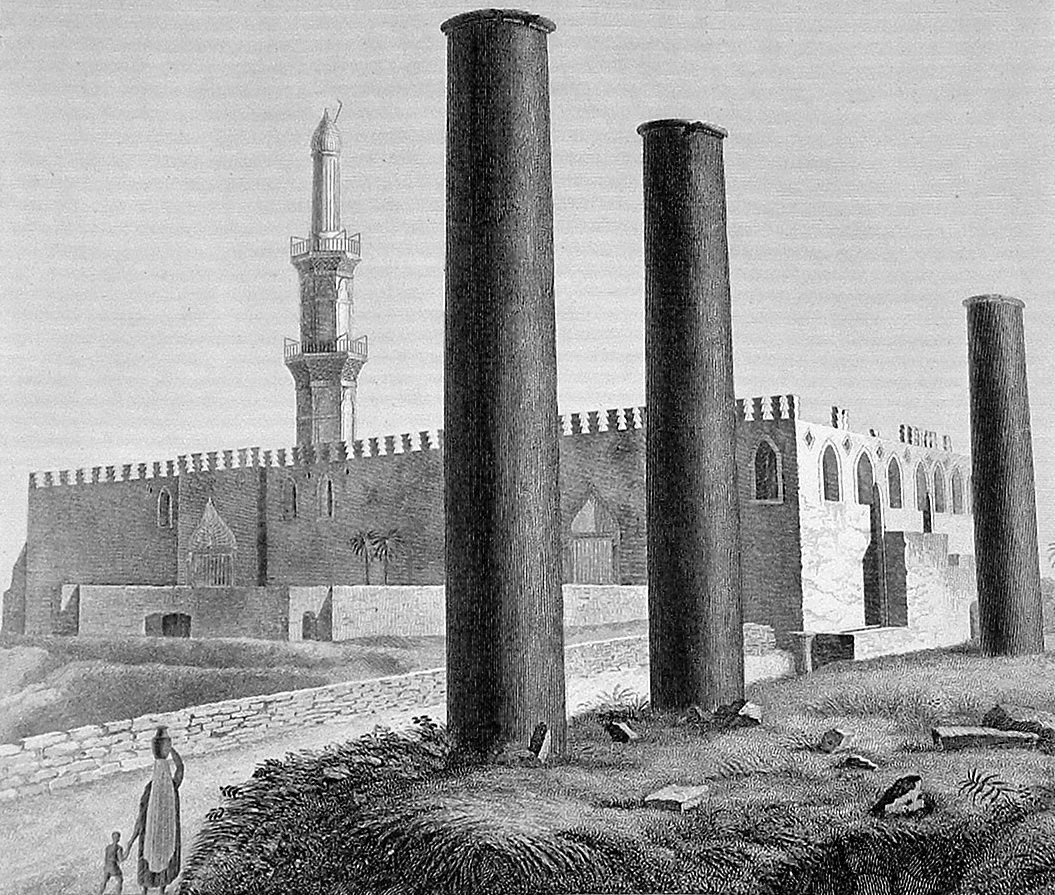
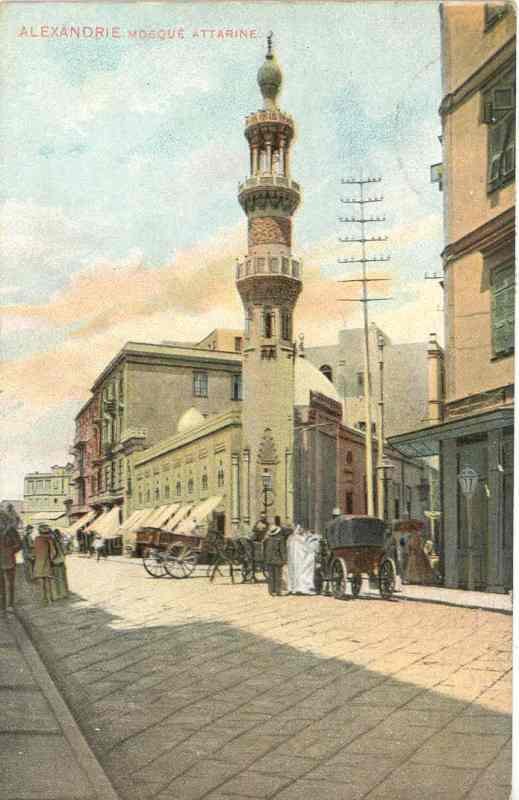
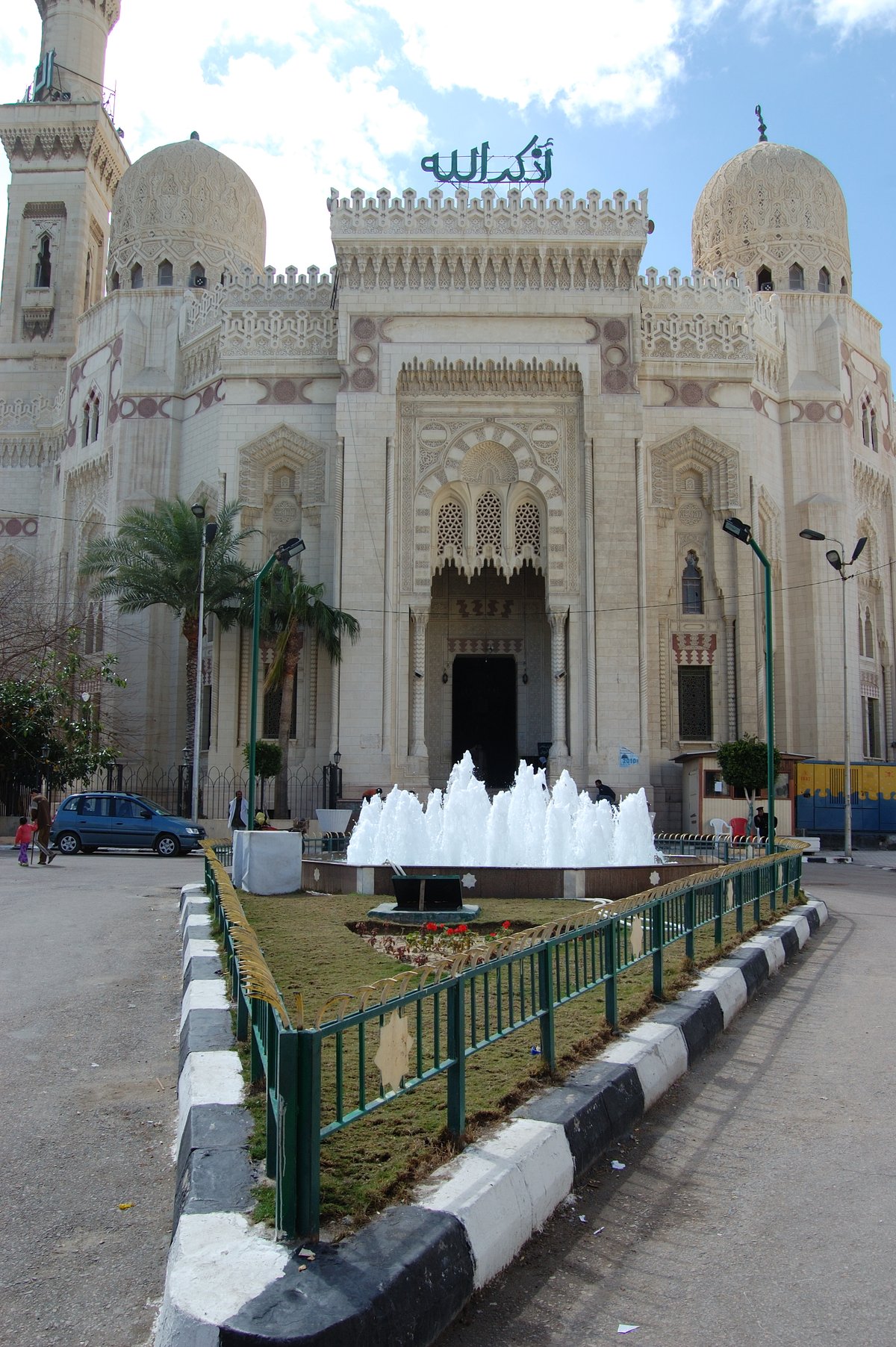
Detailed historical illustration showing the Attarine Mosque looking northwards across the Canopic Way in Alexandria, drawn around 1798 and published in the Panckoucke edition of Description de l'Egypte (1821-1829).
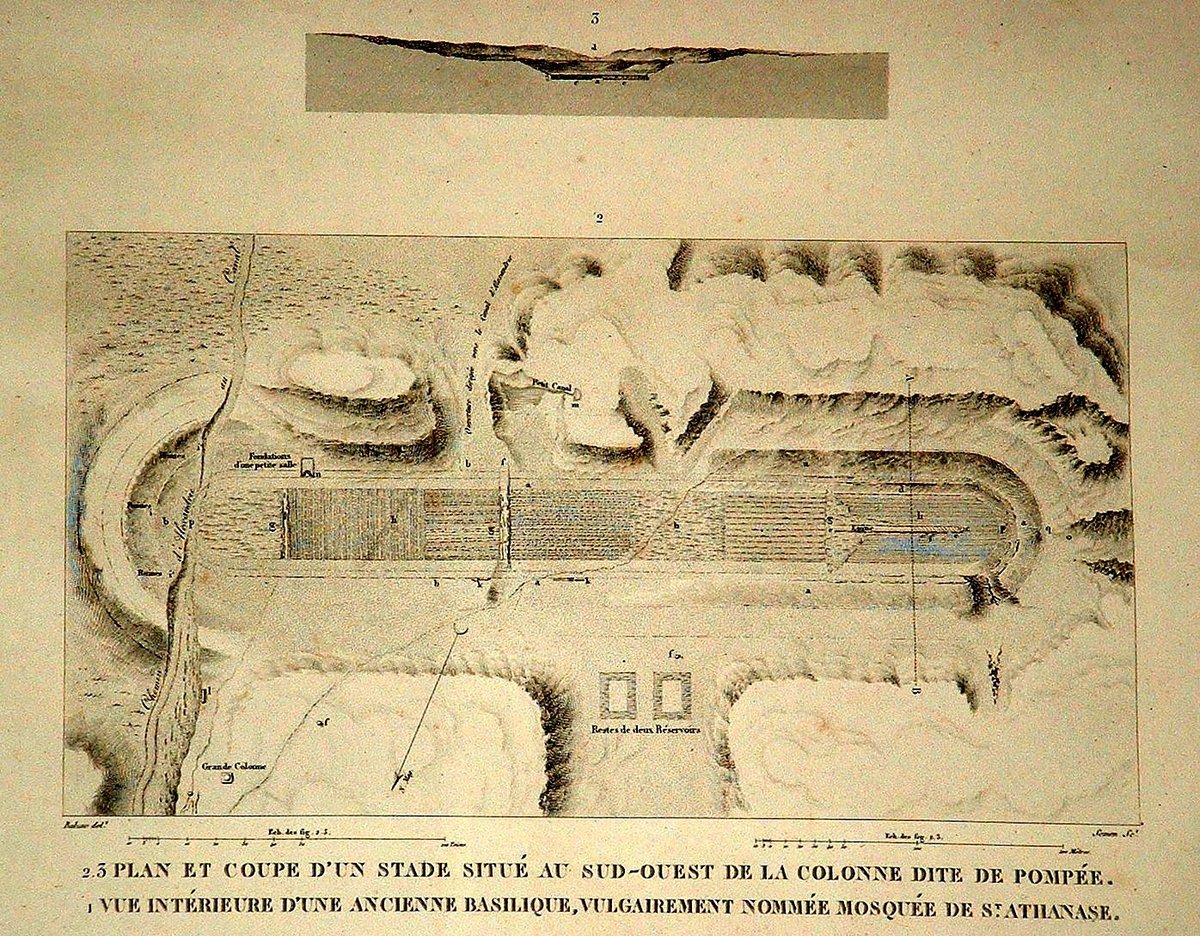
Detailed plan and cross-section illustration of the ancient stadium behind Pompey's Pillar, drawn circa 1798, featured in Description de l'Egypte, Antiquities Volume V, Plate 39, published in the Panckoucke edition between 1821 and 1829.
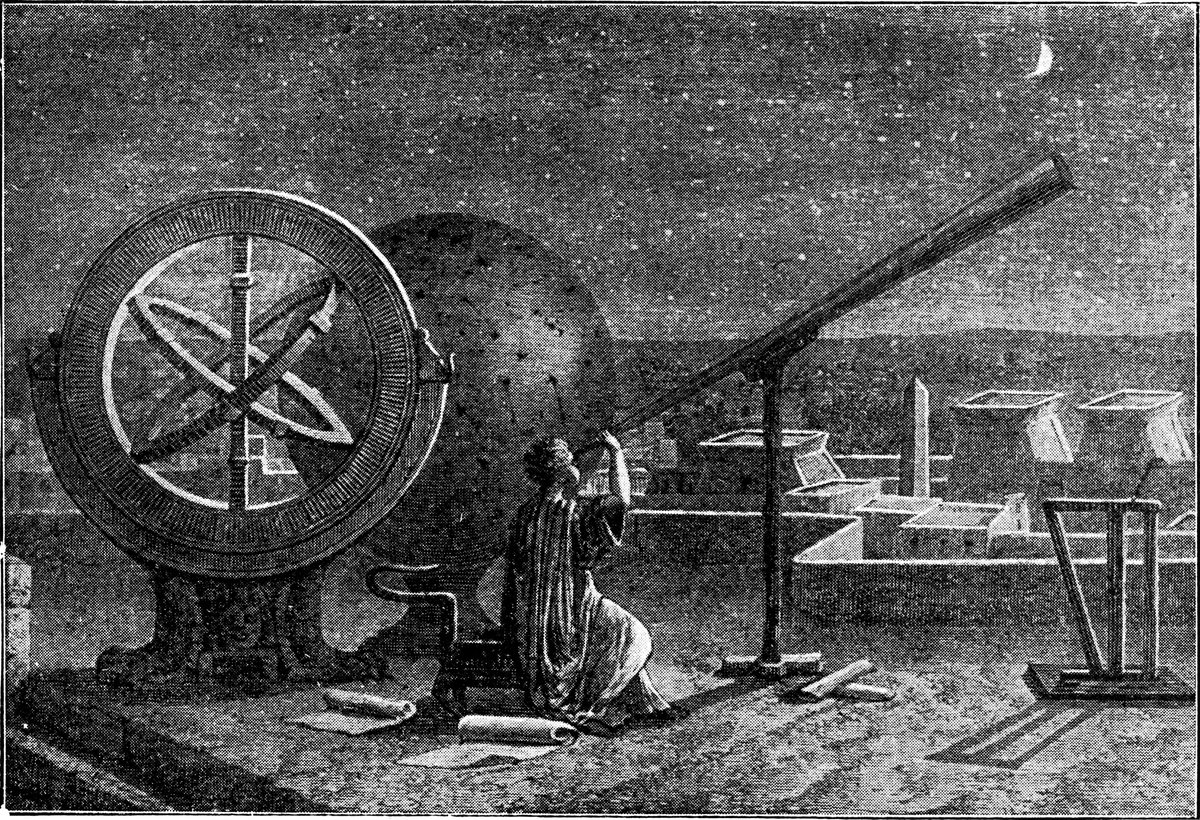
Detailed woodcut illustration showing ancient astronomer Hipparchus observing celestial bodies from Alexandria using a telescope, despite historical inaccuracies as telescopes were not yet invented and Hipparchus likely never visited Alexandria.

Colorized 19th-century artistic rendering of the Great Library of Alexandria by O. Von Corven, based on archaeological evidence, showcasing the ancient library's architectural grandeur.
Foundation and Urban Planning
Alexandria’s origins trace back to Alexander the Great, who established it as a model Hellenistic city in 331 BCE. The renowned architect Dinocrates of Rhodes designed the city with a revolutionary grid system, featuring wide boulevards like Canopic Street, monumental gates, and advanced waterworks drawing from the Nile. The Heptastadion causeway famously connected the mainland to Pharos Island, cementing Alexandria’s status as a maritime powerhouse (The Archaeologist).
The Ptolemaic Era: A Hellenistic Superpower
Under the Ptolemaic dynasty, Alexandria flourished as the capital of Egypt and the eastern Mediterranean’s premier center for scholarship, trade, and cultural exchange. The city’s population—comprising Greeks, Egyptians, Jews, and others—fostered an atmosphere of cosmopolitanism and intellectual curiosity (The Archaeologist).
Architectural and Cultural Landmarks
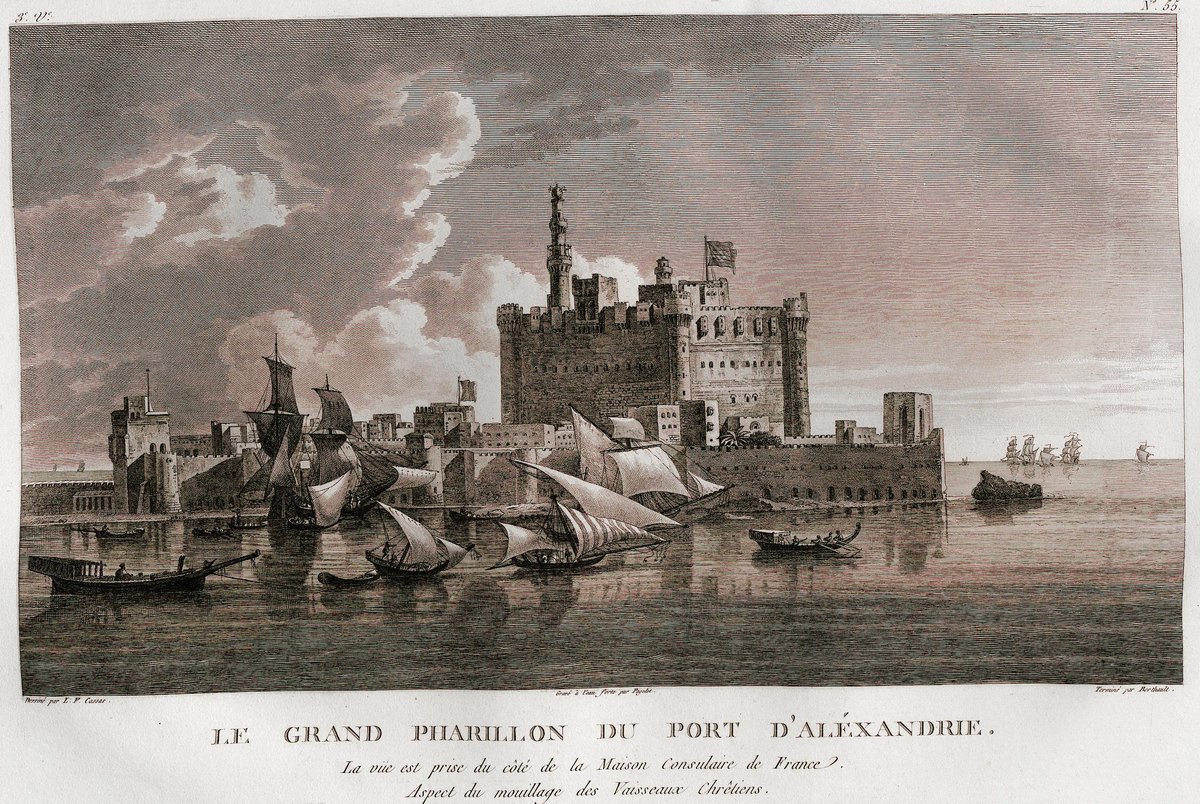
- Lighthouse of Alexandria (Pharos): Built in the 3rd century BCE and considered one of the Seven Wonders of the Ancient World, the lighthouse guided sailors and symbolized Alexandria’s maritime supremacy. Its remains lie beneath the present-day Fort Qaitbey (The Archaeologist).
- Great Library and Mouseion: This legendary institution attracted scholars like Euclid and Eratosthenes, housing hundreds of thousands of scrolls. The modern Bibliotheca Alexandrina pays homage to this legacy (The Archaeologist, Egypt Insights).
- Serapeum and Religious Diversity: The Serapeum temple complex, along with royal necropoleis and synagogues, reflect Alexandria’s religious and ethnic pluralism (The Archaeologist).
Roman and Byzantine Periods
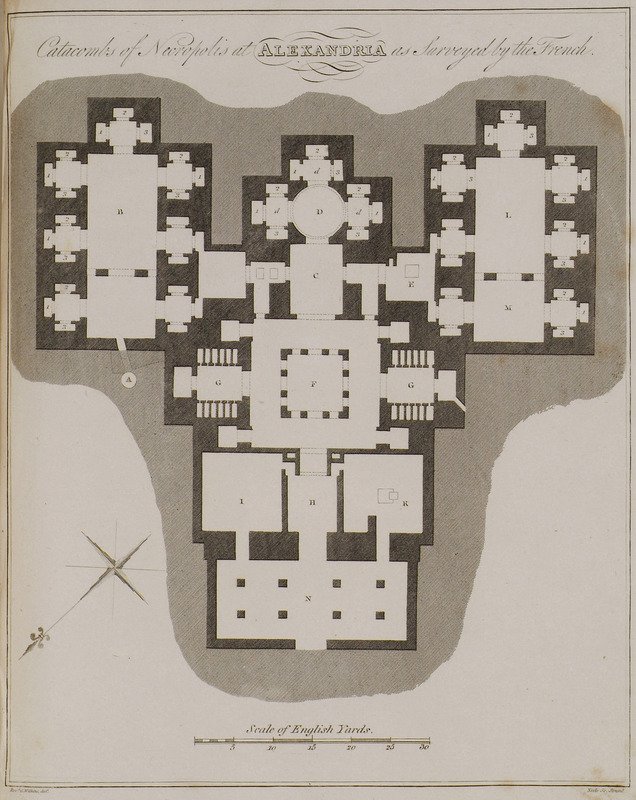
After the fall of Cleopatra VII, Alexandria became a Roman provincial capital, retaining commercial and intellectual importance. Iconic monuments like Pompey’s Pillar and the Catacombs of Kom el Shoqafa date from this era, as does the Roman Amphitheatre at Kom El-Dikka (Divergent Travelers).
Decline and Transformation
With the Arab conquest in 641 CE and shifting trade routes, Alexandria’s prominence waned, but the city continued to thrive through subsequent Islamic and Ottoman periods (Cairo Tours Planner). Despite earthquakes and invasions, Alexandria preserved its cosmopolitan spirit.
Enduring Legacy and Modern Rediscovery
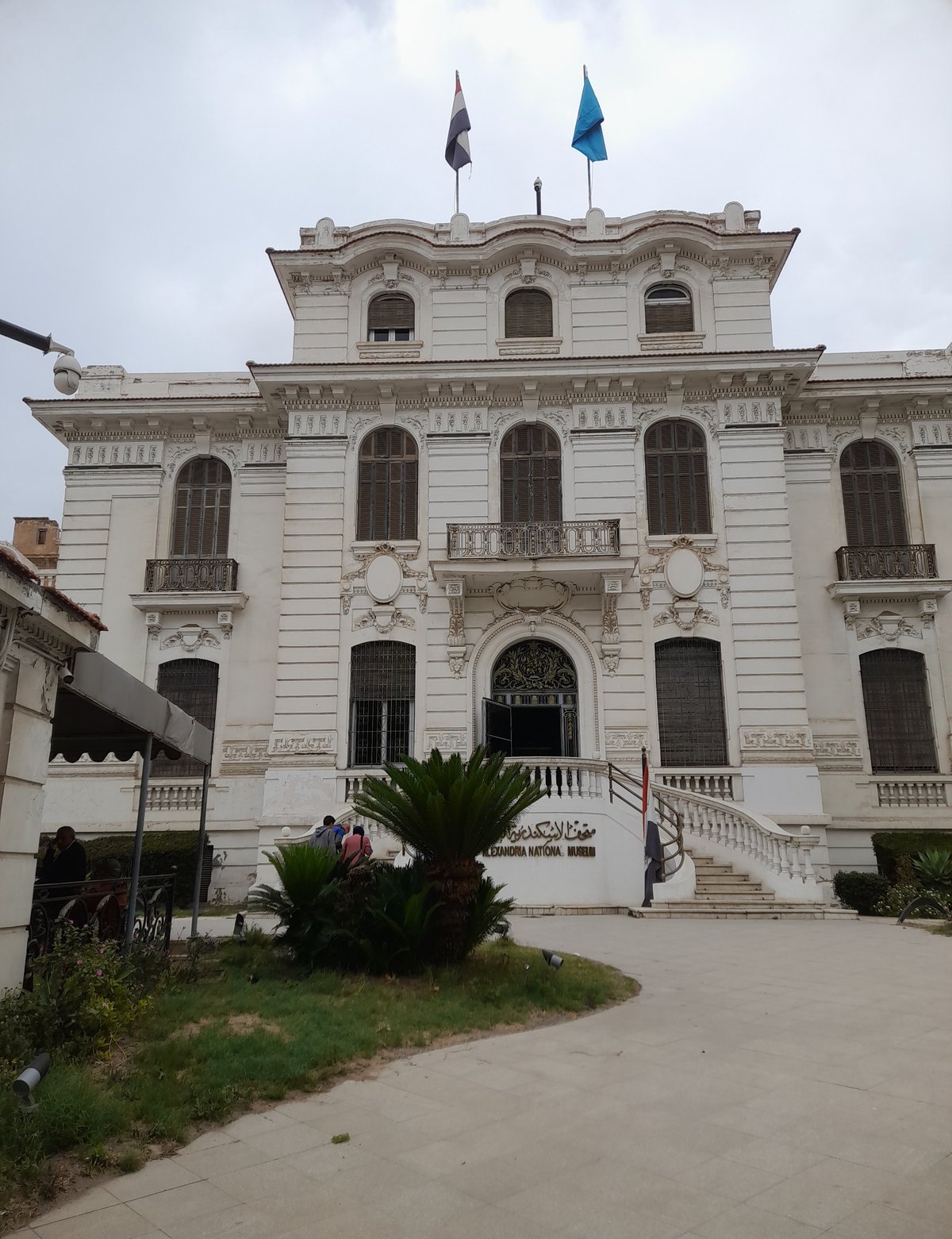
Alexandria’s contemporary urban fabric overlays layers of ancient and medieval history. The Bibliotheca Alexandrina, Catacombs of Kom el Shoqafa, Fort Qaitbey, Montaza Palace, and the Alexandria National Museum offer windows into this vibrant heritage (Egypt Insights, The Egyptian Traveler).
Visitor Information: Hours, Tickets, and Accessibility
Opening Hours and Ticket Prices
| Site | Hours | Ticket Price (EGP) | Notes |
|---|---|---|---|
| Bibliotheca Alexandrina | 10:00 AM–7:00 PM | ~70 (main entry) | Discounts for students |
| Fort Qaitbey | 9:00 AM–5:00 PM | ~60 | Historic fortress |
| Catacombs of Kom El Shoqafa | 8:00 AM–5:00 PM | ~80 | Guided tours available |
| Roman Amphitheatre | 9:00 AM–4:00 PM | ~30 | Open-air site |
| Alexandria National Museum | 9:00 AM–5:00 PM | ~50 | Accessible |
| Montaza Gardens | 8:00 AM–sunset | ~20 | Palace access limited |
Prices and hours may vary seasonally and during public holidays; always check official websites or contact the site directly for the latest information.
Accessibility and Facilities
- Bibliotheca Alexandrina: Fully accessible with ramps and elevators; restrooms and cafes available.
- Other Sites: Many ancient sites have uneven ground and stairs; some provide partial accessibility. It’s advisable to contact sites in advance if you have mobility needs.
Guided Tours and Events
- Guided tours are available at most major attractions and can be arranged through local agencies or on-site. Many tours are offered in several languages.
- Cultural events such as exhibitions, festivals, and workshops are held frequently, particularly at the Bibliotheca Alexandrina. Check event calendars before your visit.
Nearby Attractions and Travel Tips
- Montaza Palace and Gardens: A tranquil spot for relaxation and sea views.
- Pompey’s Pillar and Serapeum: Roman ruins with rich historical significance.
- Alexandria Corniche: Picturesque promenade along the Mediterranean, perfect for strolls and photography.
- Local Markets: The Alexandria Souk is ideal for shopping and experiencing local culture.
- Underwater Ruins: Certified divers can explore submerged remains of Cleopatra’s Palace.
Travel Tips:
- Best visit times are in the cooler months (October–April).
- Dress modestly; comfortable shoes are essential.
- Carry cash for tickets and local purchases.
- Respect local etiquette, especially when visiting religious sites.
Frequently Asked Questions (FAQ)
Q1: When is the best time to visit Alexandria’s major sites?
A: October to April for pleasant weather; visit early morning or late afternoon to avoid crowds.
Q2: Are tickets available online?
A: Some sites, like the Bibliotheca Alexandrina, offer online ticketing, but many require on-site purchase.
Q3: Is Alexandria suitable for families?
A: Yes, most sites are family-friendly with open spaces and educational programs.
Q4: Is the city accessible for visitors with disabilities?
A: The Bibliotheca Alexandrina and some museums provide full accessibility; ancient sites may have limited access.
Q5: How do I get to Alexandria from Cairo?
A: By train, bus, or private car; journey time is about 2.5–3 hours.
Discover More
Alexandria’s allure lies in its seamless blend of ancient grandeur and modern vibrancy. Explore iconic sites like the Fort Qaitbey, Catacombs of Kom El Shoqafa, and the Bibliotheca Alexandrina to experience the city’s enduring legacy of knowledge, culture, and cosmopolitanism (The Archaeologist, Egypt Insights).
Plan your visit with attention to opening hours, ticketing, and accessibility for a seamless experience. For enhanced insights, download the Audiala app, keep up with our latest travel articles, and follow us on social media for updates and exclusive tips.
Listen to the full story in the app
Your Personal Curator, in Your Pocket.
Audio guides for 1,100+ cities across 96 countries. History, stories, and local insight — offline ready.
Audiala App
Available on iOS & Android
Join 50k+ Curators
Sources
- verified
- verified
- verified
- verified
- verified
- verified
- verified
- verified
Last reviewed: