Quito

Ecuador

Quito

Quito was the first city ever named a UNESCO World Heritage Site. Its 320-hectare colonial center hides seven tons of gold leaf, animal-shaped gargoyles and the

location_on 12 attractions
calendar_month June–September
schedule 3-4 days

Introduction

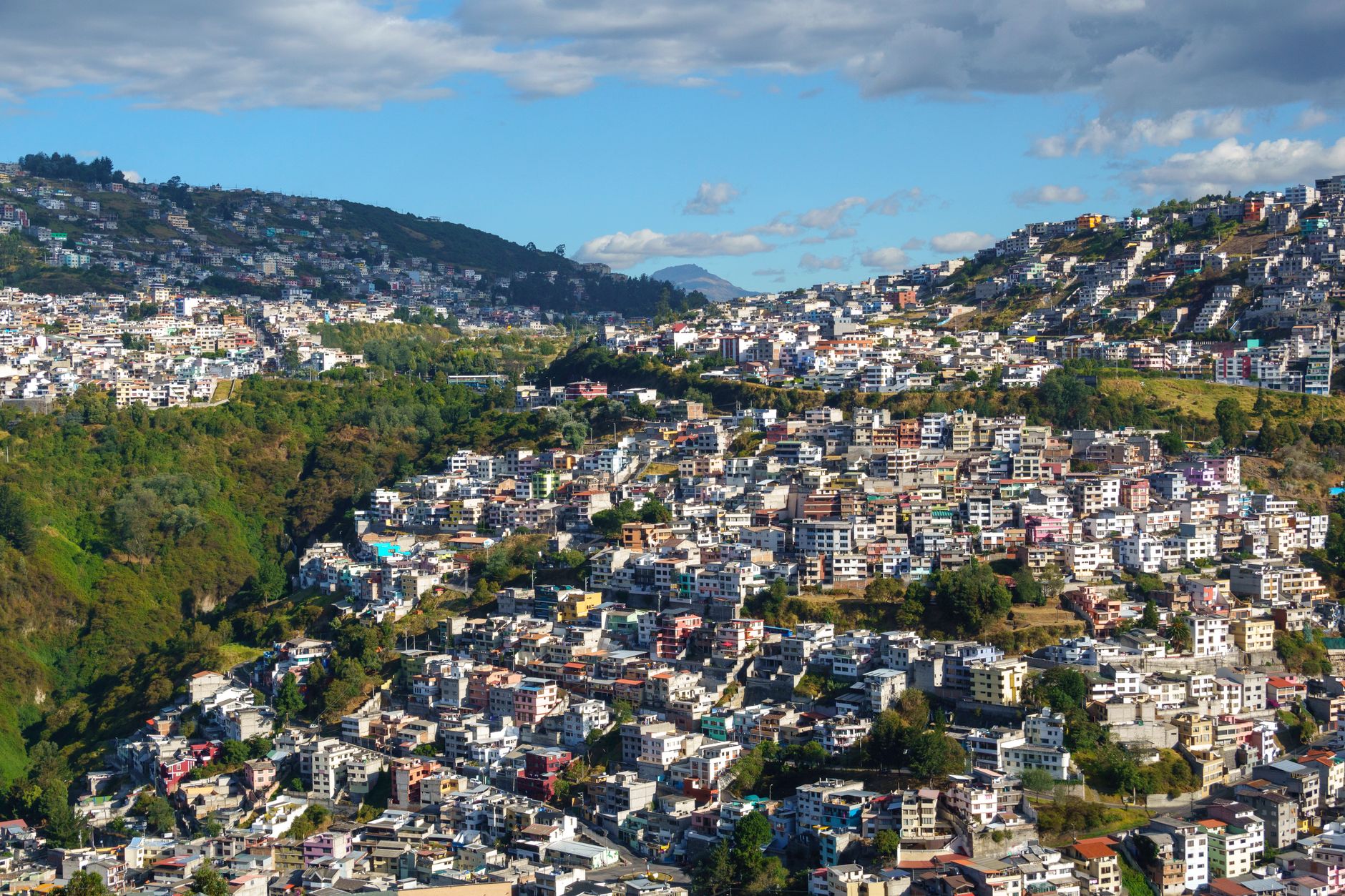
The first thing that hits you in Quito is the light. Thin, merciless Andean light that makes every whitewashed wall blaze and every shadow fall like spilled ink. At 2,850 meters this equatorial city shouldn't feel this cold or this clear, yet both sensations arrive together, along with the faint smell of woodsmoke and eucalyptus drifting down from the volcanoes that hem it in on three sides.

What surprises most visitors isn't the altitude, though that will quietly rewrite your first two days. It's the sheer density of history packed into 320 hectares of colonial streets. Quito holds the peculiar distinction of being the first city ever named a UNESCO World Heritage Site, and the title still fits. Walk five minutes in almost any direction inside the Centro Histórico and you pass from Baroque gold leaf to Incan foundations to 19th-century opera houses without ever feeling like a theme park.

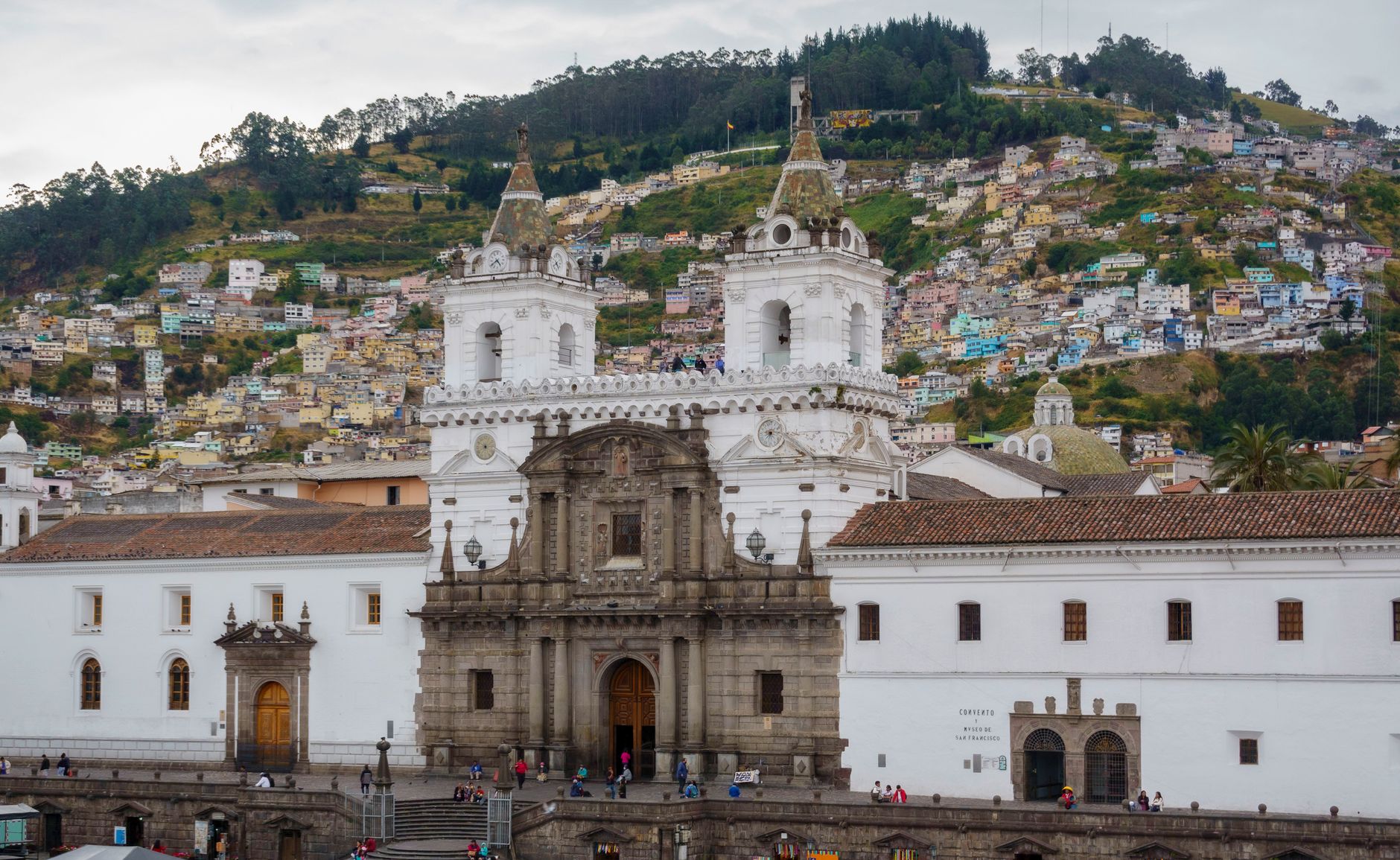
The city has kept its secrets well. Gargoyles shaped like Galápagos tortoises peer down from the Basilica del Voto Nacional. Underground passages beneath San Francisco Convent once held Incan market goods and now shelter artisan stalls. Even the equatorial line plays tricks here; the monument most tourists photograph sits 240 meters from the actual equator while a modest solar museum nearby gets the physics right.

Spend more than a few days and Quito starts to feel like the hinge between two worlds. One foot still planted in the old Escuela Quiteña paintings that fused Spanish gold with indigenous pain, the other stepping toward a new generation of chefs dragging forgotten Amazonian ferns and ancestral grains back into restaurant kitchens. Few capitals let you watch that tension play out so vividly from a single café table.

What Makes This City Special

The First UNESCO City

Quito's Centro Histórico became the world's first UNESCO World Heritage Site in 1978. Its 320 hectares hold the largest, best-preserved colonial quarter in Latin America, where Baroque Mestizo churches stand beside 16th-century convents on streets that still follow the original Inca layout.

Gold and Gargoyles

La Compañía de Jesús hides seven tons of gold leaf behind a plain stone façade. Climb the Basilica del Voto Nacional's towers instead and you'll meet native gargoyles: iguanas, armadillos and Galápagos tortoises staring back at you across the rooftops.

Volcanoes on the Doorstep

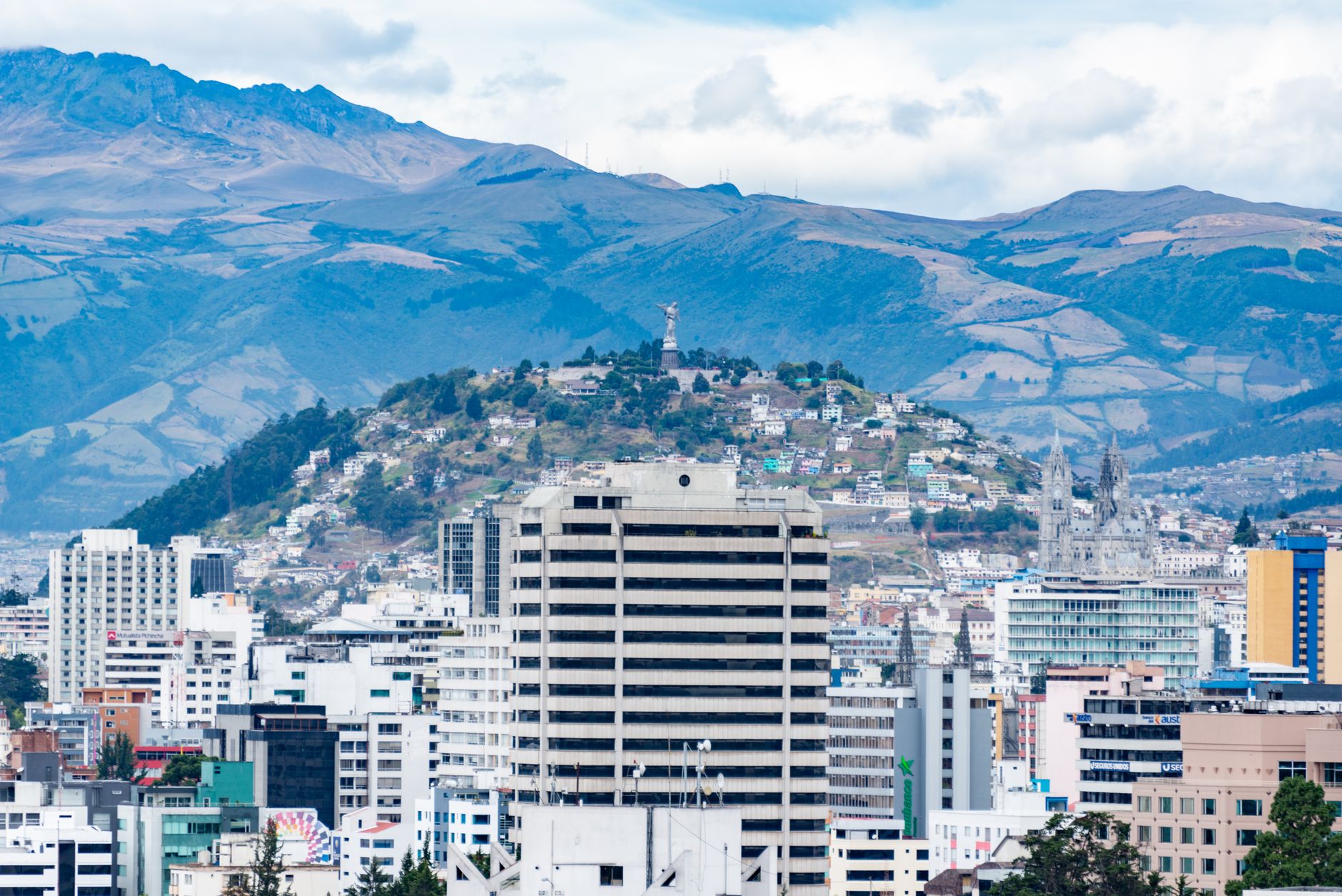
At 2,850 m, Quito sits inside a volcanic valley. The TelefériQo carries you in ten minutes to 4,100 m on Pichincha's flank. From there the city looks like a thin silver ribbon pressed between two rows of green volcanoes.

High-Altitude Street Food

Mercado Central serves encebollado at 7 a.m. — a fish-and-onion broth that locals swear cures altitude headaches. Downstairs, stalls sell bundles of coca leaves next to locro de papas thick with avocado and cheese.

Historical Timeline

A City Built on Ashes and Resistance

From Quitu tombs to volcanic ash on colonial stone

castle
4400 BCE

First Settlers Stake the Valley

Sedentary communities plant roots in the highland basin between Pichincha and the Machángara River. Rectangular houses rise. Obsidian traders move goods to the coast. The air already carries the thin, cold bite of 2,850 meters above sea level.

science
c. 800

Quitu Tombs Reveal a Culture

Elaborate 20-meter-deep shaft tombs appear in what is now La Florida. Goldwork, pottery, and complex funerary rites surface centuries later. The Quitu were never a single kingdom, despite what 18th-century chroniclers claimed. Their graves still whisper more truth than the legends.

swords
c. 1480

Inca Armies Absorb Quito

Topa Inca Yupanqui conquers the northern Andes. The Quitu fall. Within decades Huayna Capac makes the city his northern capital, building palaces on older foundations. The smell of new thatch and imperial orders fills the thin air.

person
1533

Rumiñahui Burns It All

News of Atahualpa’s execution reaches the general born near Quito. He orders every temple, granary, and palace put to the torch rather than let Spanish hands touch Inca gold. Not one pre-Hispanic wall survives. The smoke hangs for days.

castle
December 6, 1534

Sebastián de Benalcázar Refounds Quito

Two hundred and four Spanish settlers claim the ashes between the river and volcano slopes. The city receives its official founding date. Rumiñahui is captured soon after and executed the following January. Stone churches begin rising on blackened earth.

church
1535

San Francisco Construction Begins

Work starts on the oldest church in Quito. The complex grows into one of South America’s largest. Its cloisters still carry the echo of hammers that shaped a city from conquest rubble.

gavel
1563

Real Audiencia Grants Quito Status

The Spanish crown establishes its supreme judicial court here. Quito becomes the administrative heart of a vast territory. For the next two centuries its decisions ripple from the Andes to the Amazon.

church
1605

Jesuits Break Ground on La Compañía

Construction begins on what will become the most lavish baroque church on the continent. Seven tons of gold leaf eventually cover its interior. The exterior stays deliberately plain. The contrast still stops people mid-stride.

palette
c. 1700

Bernardo de Legarda Carves the Virgin

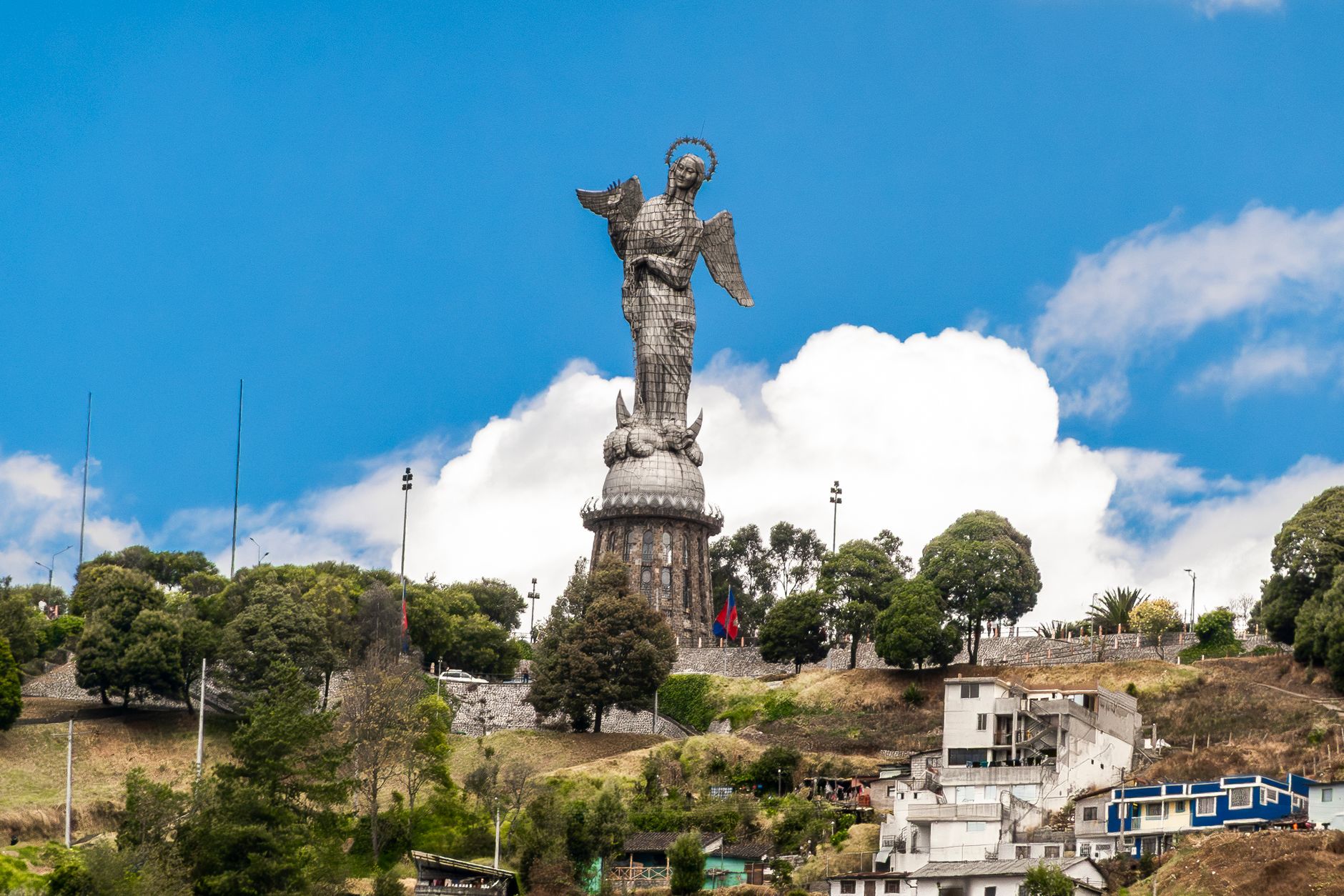
The Quito-born sculptor creates the winged Virgin of Quito that now crowns El Panecillo. Local iconography fuses with European form. She stands 41 meters tall, looking simultaneously fierce and protective over the city that shaped her.

palette
1723

Caspicara’s Hands Shape the Baroque

Indigenous sculptor Manuel Chili, known as Caspicara, produces polychrome masterpieces for churches across the city. His work in San Francisco and La Compañía fuses Andean sensibility with Spanish drama. The Quito School reaches its ferocious peak in his hands.

local_fire_department
1797

Earthquake Cracks the Colonial Shell

A violent quake tears through the Andes. Many of the finest baroque interiors suffer damage. Restoration reveals the fragility beneath all that gold leaf. The city learns again it lives at the mercy of its volcanoes.

gavel
August 10, 1809

First Cry of Independence

Criollo leaders sign the Act in the Church of San Agustín. They overthrow Spanish authorities and form a junta. It lasts barely months before royalist troops crush it. Yet August 10 remains Ecuador’s national holiday. The memory refuses to die quietly.

swords
May 24, 1822

Battle of Pichincha Frees the City

Antonio José de Sucre leads patriot forces up the volcano slopes above Quito. They defeat royalist troops in brutal fighting. The next day the city surrenders. Colonial rule ends. Sucre’s name now marks the airport and half the statues in town.

gavel
1830

Ecuador Separates from Gran Colombia

Quito becomes capital of the newborn republic. The union Bolívar dreamed of fractures. From this year forward the city governs a smaller, more turbulent nation perched between two oceans and too many volcanoes.

person
1875

García Moreno Assassinated on Palace Steps

The conservative president who modernized roads and schools is hacked to death outside the Presidential Palace on Plaza Grande. His blood stains the stones where the changing of the guard still marches every Monday. Quito has never been gentle with its rulers.

factory
1908

The Railway Finally Reaches Quito

The last spike is driven on the Guayaquil-Quito line. After decades of engineering misery through jungle and mountain, the coast connects to the highlands. The city’s isolation ends. Goods, ideas, and eventual revolutions roll in on steel rails.

palette
1919

Oswaldo Guayasamín Is Born

The future painter enters the world in a modest Quito house. His later canvases will scream with the rage and dignity of indigenous Ecuador. La Capilla del Hombre, his final masterwork, still stands in the city that both wounded and inspired him.

public
1978

UNESCO Names Quito a World Heritage Site

The historic center becomes one of the first two cities ever inscribed. Kraków shares the honor. Three hundred and twenty hectares of colonial stone and gold leaf are suddenly recognized as planetary treasure. The designation changes everything and nothing.

local_fire_department
1999

Pichincha Covers the City in Ash

The volcano erupts in October. Fine gray powder blankets rooftops, fills lungs, closes the airport. For days Quito moves through an ashen twilight that feels biblical. Residents sweep volcanic dust from colonial balconies with the same brooms used for ordinary dust.

flight
2012

New Airport Opens at 2,800 Meters

Mariscal Sucre Airport finally moves 40 kilometers east. The old runway that sliced through the historic valley becomes Parque Bicentenario. Planes no longer rattle 16th-century windows. The city breathes easier, though the altitude still steals breath from newcomers.

schedule
Present Day

Notable Figures

Oswaldo Guayasamín

1919–1999 · Painter
Born and raised in Quito

Guayasamín grew up watching the city’s poor from the hills and spent his life painting their hands, faces and rage on enormous canvases. La Capilla del Hombre, the chapel-museum he built before he died, still overlooks Quito like a quiet accusation. Walk its rooms today and you sense he would be furious that inequality remains, yet quietly satisfied that his city finally listens to indigenous voices in its kitchens and galleries.

Eugenio Espejo

1747–1795 · Writer and physician
Born, lived and died in Quito

A mestizo doctor with a biting pen, Espejo founded Quito’s first newspaper in 1792 and used it to mock colonial stupidity from inside the same streets you still walk. Imprisoned for his ideas, he died here before independence came. He would laugh at the presidential palace guards on Plaza Grande, then frown at the traffic, wondering why Ecuador still argues with itself two centuries later.

Jorge Icaza Coronel

1906–1978 · Novelist
Born and died in Quito

His 1934 novel Huasipungo ripped open the brutal treatment of indigenous workers on Andean haciendas and shocked the world into translating it 40 times. Icaza walked Quito’s markets and plazas gathering the voices that fill those pages. The city he knew has changed, but the same sharp faces he painted still sell hornado and llapingachos on corners he would instantly recognize.

José María Velasco Ibarra

1893–1979 · Politician
Born and died in Quito

Ecuador’s five-time president dominated 20th-century politics from the Carondelet Palace on Plaza Grande. He once declared himself the nation’s conscience while being carried to power on waves of populist fury. Locals still joke about his comebacks. Standing in the plaza where crowds once cheered him, you wonder if the changing of the guard he watched feels any less theatrical today.

Practical Information

flight

Getting There

Mariscal Sucre International Airport (UIO) lies 40 km northeast in Tababela. Official yellow taxis charge a fixed $20–25 to the historic center and take 40–60 minutes. In 2026 the Aeroservicios shared van no longer runs; use the official taxi stand or book via the Cabify app.

directions_transit

Getting Around

Quito Metro opened in 2023 with one 22 km north–south line and a flat fare of $0.45. The older Trolebús, Ecovía and Metrobús BRT corridors cost $0.35 per ride. Historic Center sights sit within a compact 20-minute walk; use the InDriver app for taxis after dark.

thermostat

Climate & Best Time

Quito stays between 7 °C and 22 °C year-round. Dry season runs June–September with sunny mornings and cool evenings. October–May brings daily afternoon showers. Visit June–September or December for clearest skies and fewer crowds.

shield

Safety

Daytime in the Centro Histórico and La Mariscal feels safe with normal precautions. Never walk up El Panecillo alone; take a taxi for the round trip. Use registered apps rather than street taxis, especially at night. Petty theft remains the main risk.

Tips for Visitors

wb_sunny
Visit in Dry Season

June through September brings sunny mornings and far fewer afternoon showers. Book Basilica tower climbs then — the views stretch farther under clear skies.

local_taxi
Skip Walking to Panecillo

Petty theft risk makes walking up El Panecillo unwise. Take a yellow taxi for the $8 round trip or join a guided bus instead.

attach_money
Bring Small Bills

Ecuador uses USD but vendors rarely break twenties. Stock up on $1, $5 and $10 notes for buses, markets and church entries that cost $2–2.50.

directions_bus
Trust the Metro

The 2023 metro line costs $0.45 and feels safer than crowded Trolebús or Ecovía. Use it north-south through the city and avoid surface buses during rush hour.

restaurant
Eat Hornado Early

The best roast pork skin stays crisp only in the morning. Head to Mercado Central before 10am for hornado with mote, llapingachos and pickled onions.

no_accounts
Watch Phones on Buses

Pickpockets target phones on Trolebús and city buses. Keep bags in front and never scroll while standing.

Explore the city with a personal guide in your pocket

Your Personal Curator, in Your Pocket.

Audio guides for 1,100+ cities across 96 countries. History, stories, and local insight — offline ready.

smartphone

Audiala App

Available on iOS & Android

download Download Now

Join 50k+ Curators

Frequently Asked

Is Quito worth visiting? add

Yes. Quito holds the largest, best-preserved colonial center in Latin America, declared the first UNESCO World Heritage Site in 1978. Its 2,850 m altitude delivers cool eternal-spring weather, while the historic streets hide seven tons of gold leaf inside La Compañía church and gargoyles shaped like Galápagos animals on the Basilica. Three days lets you walk the compact center, climb towers for 360° views and still have time for locro de papas soup.

How many days do you need in Quito? add

Three to four days works for most visitors. Two days cover the Historic Center’s plazas, churches and El Panecillo. Add a third for museums, a food tour through Mercado Central and a side trip to the equator. Four days gives breathing room for altitude adjustment and a relaxed pace on the cobblestones.

How do you get from Quito airport to the city center? add

The official yellow taxi stand charges a fixed $20–25 for up to four people and takes 40–60 minutes. Uber and DiDi usually cost the same. Public bus options exist for $2 but require transfers and 90–120 minutes. Aeroservicios shared vans have stopped running.

Is Quito safe for tourists in 2026? add

Daytime in the Historic Center is generally safe if you stay alert. Avoid walking alone up El Panecillo and steer clear of quiet streets after dark. Use official taxis or ride-share apps, keep valuables hidden on buses and stick to well-lit areas at night. The metro feels noticeably safer than surface buses.

What should I wear in Quito? add

Layers. Daytime temperatures hover around 18–22 °C but drop to 7–10 °C after sunset. Comfortable walking shoes are non-negotiable for cobblestones. A light jacket or fleece works for evenings; rain shell for October–May afternoons.

When is the best time to visit Quito? add

June to September offers the driest weather and clearest views from Basilica towers and El Panecillo. December is also relatively dry. Rainy season (October–May) still works but expect afternoon showers that can make tower climbs slippery.

Sources

  • verified Visit Quito Official Tourism Site — Current opening hours, transport options, Historic Center walking routes and safety advice.
  • verified Happy Gringo Travel Blog — Detailed airport transfer comparisons, public transport updates including the 2023 metro, and safety notes on buses.
  • verified National Geographic Ecuador Food Feature — Locro de papas, hornado timing, indigenous ingredient renaissance, restaurant profiles (Nuema, Fermento, Somos) and market culture.
  • verified Bondabu Food Tours Research — Street food essentials, seasonal dishes like colada morada, and cultural context for Quito markets and festivals.

Last reviewed: