Introduction
This East Timor travel guide starts with a surprise: Timor-Leste was sailing deep seas 42,000 years ago, and it still feels gloriously unhurried.
East Timor rewards travelers who want a country before it gets polished into a product. You land in Dili and quickly see the pattern: reef just offshore, steep brown-green mountains behind, church towers, roadside corn smoke, and a capital that still runs on small scale and human rhythm. The distances look modest on a map, but the terrain has other ideas. Roads climb, weather changes fast, and a 100-kilometer drive can feel like a full day's story. That's part of the point. This is a place for people who prefer texture over convenience, and who don't mind earning the view.
The headline sights come with real range. Atauro Island puts world-class reefs within reach of Dili, while Maubisse and Ainaro open onto cooler highland roads, coffee country, and the long pull toward Mount Tatamailau. East, Baucau trades the capital's bustle for old Portuguese lines and sea views, then the road keeps going toward Lospalos and Tutuala, where Nino Konis Santana National Park folds forest, limestone coast, and Jaco Island into one of Southeast Asia's strongest land-and-sea landscapes. Oecusse, cut off from the rest of the country, adds another layer entirely: enclave geography, quiet beaches, and the sense of having gone somewhere most travelers still skip.
History here refuses to stay in museums. The crocodile origin story still shapes how people talk about the island; Portuguese churches sit beside sacred-house traditions; Indonesian occupation remains close enough to be living memory, not backdrop. That mix gives East Timor unusual emotional weight for a small country. You hear it in Tetum and Portuguese on the street, taste it in batar da'an and grilled fish, and feel it in places where memorial, market, and mountain road sit within the same afternoon. Few destinations this compact carry so much depth without turning it into spectacle.
A History Told Through Its Eras
Le crocodile, la grotte et les rois sans couronne
Temps des origines et maisons sacrées, c. 42000 BCE-1500
Dans une grotte de Jerimalai, sur la côte nord, des arêtes de thon profond et des hameçons en coquillage racontent une histoire vertigineuse. Il y a plus de 42 000 ans, des marins avaient déjà franchi la haute mer pour atteindre Timor, bien avant les grandes flottes que l'on célèbre d'ordinaire. Ce pays commence donc par un exploit nautique, non par une conquête.
Ce que l'on ignore souvent, c'est que l'île ne naît pas seulement d'une carte ou d'une faille géologique, mais d'un animal. La légende timoraise raconte qu'un jeune garçon secourut un crocodile épuisé; en retour, la créature grandit, se coucha sur la mer et devint Timor elle-même, avec son échine de montagnes. Voilà pourquoi le crocodile n'est pas un simple reptile ici: il est un ancêtre, presque un parent embarrassant, redouté mais respecté.
Puis vinrent d'autres arrivants, vers 3000 avant notre ère, avec le riz, les porcs et surtout l'uma lulik, la maison sacrée. Sous son toit se rangent les alliances, les ossements, les récits, les dettes invisibles. Le pouvoir ne se lit pas d'abord dans un palais, mais dans ces sanctuaires de bois où le rai-na'in, le gardien du sol, décide qui peut épouser qui, qui peut semer, qui a offensé les ancêtres.
Quand les premiers liurai émergent, ces petits souverains que les Portugais traduiront maladroitement par « rois », ils gouvernent un monde déjà très ordonné. Entre les plateaux de Lospalos, les hauteurs de Maubisse et les plaines autour de Maliana, le territoire se tisse par le mariage, l'échange et le rituel plus que par l'épée. C'est un pouvoir de parole et de parenté. Un pouvoir que les empires, plus tard, comprendront très mal.
Le rai-na'in, sans couronne ni uniforme, pouvait bloquer une récolte ou un mariage par une seule interdiction rituelle.
À Jerimalai, les restes de poissons pélagiques prouvent que les habitants de Timor pratiquaient la pêche hauturière à une date où une bonne partie du monde n'avait pas encore osé l'océan.
Le parfum du bois blanc attire les marchands et les missionnaires
Royaumes du santal et premiers contacts, 1200-1700
Avant les Européens, Timor sentait déjà le luxe. Le santal blanc, brûlé dans les temples chinois, recherché par les marchands d'Asie, valait ici bien plus qu'un arbre: c'était une monnaie diplomatique, une promesse d'alliance, parfois une cause de guerre. Des ports lointains comme Quanzhou connaissaient Timor avant Lisbonne.
Dans les royaumes belu et tetun, les liurai règnent sur des territoires fragmentés, raffinés, habiles à la négociation. Une fille donnée en mariage peut valoir un traité; un lot de santal peut faire ou défaire une fidélité. Ce que l'on ignore souvent, c'est que les femmes de ces lignages ont cousu la carte politique de l'île, sans laisser presque aucun nom dans les archives. C'est injuste. Mais c'est ainsi.
Vers 1515, les Portugais approchent. Ils ne débarquent pas d'abord avec une grande armée, mais avec des marchands, puis des Dominicains qui arrivent en 1556 avec leurs croix, leurs baptêmes publics et leur goût très ibérique pour la mise en scène du salut. On brûle des objets sacrés, on rebaptise des enfants, on bâtit des églises. Et pourtant, sous le vernis chrétien, le vieux monde tient bon.
Le résultat n'est ni une conversion nette ni une victoire pure. À Liquiçá, à Oecusse, puis autour de Dili, la foi catholique s'installe en couches successives, comme une peinture posée sur un bois ancien dont le grain demeure visible. Les ancêtres ne quittent pas la pièce. Ils changent seulement de place, et attendent leur heure.
Les filles de liurai, échangées pour sceller des alliances, furent les grandes diplomates invisibles du Timor précolonial.
Les missionnaires portugais découvrirent très vite qu'on pouvait accepter le baptême le matin et continuer les rites lulik le soir, sans y voir la moindre contradiction.
Entre Dili et les montagnes, l'empire n'obéit jamais tout à fait
Timor portugais, métis puissants et frontières de papier, 1700-1975
Au XVIIIe siècle, Timor devient ce casse-tête colonial dont les chancelleries raffolent et que le terrain dément sans cesse. Les Topasses, ces familles catholiques métisses d'ascendance portugaise et timoraise, dominent le commerce du santal et se comportent en princes presque indépendants. Lisbonne envoie des gouverneurs; les lignages locaux haussent les épaules. L'autorité existe sur le papier. Dans les collines, c'est une autre affaire.
Dili finit par s'imposer comme centre administratif, mais l'île reste traversée de fidélités croisées. Les Hollandais avancent à l'ouest, les Portugais s'accrochent à l'est, et les royaumes timorais utilisent l'un contre l'autre avec un sens du calcul remarquable. Ce que l'on ignore souvent, c'est que la fameuse frontière entre Timor occidental et oriental fut moins la conséquence d'une grande stratégie impériale que d'une longue fatigue, ponctuée de traités, de querelles et d'arrangements bancals.
Au XIXe siècle, la colonie s'appauvrit. Le santal décline, le café prend le relais, les révoltes se multiplient. Puis vient l'une des grandes figures de cette histoire, Dom Boaventura de Manufahi, liurai de Same, qui soulève en 1911-1912 une vaste résistance contre les Portugais. Il ne défend pas seulement un trône local; il défend une manière d'ordonner le monde. Les canons européens finissent par l'emporter. Mais le souvenir, lui, reste.
La Seconde Guerre mondiale ajoute sa propre tragédie. En 1942, les Japonais envahissent le territoire; des commandos australiens s'appuient sur les Timorais, et les représailles sont terribles. Des dizaines de milliers de civils meurent de violence, de famine ou de déplacements. Quand le Portugal revient, il retrouve une colonie blessée, pauvre, tenue à distance du reste du monde. Le vieux régime dure encore un peu. Puis tout bascule à Lisbonne, en 1974, avec la Révolution des Œillets. Timor, soudain, doit choisir son destin dans l'urgence.
Dom Boaventura, liurai de Manufahi, transforma une révolte régionale en symbole durable de dignité timoraise.
Pendant des siècles, les Portugais contrôlèrent officiellement Timor sans jamais disposer des moyens matériels d'imposer partout leur volonté au-delà des chefs qui acceptaient, provisoirement, de les suivre.
Le petit pays que l'on croyait pouvoir faire taire
Occupation indonésienne et résistance, 1975-1999
Le 28 novembre 1975, la jeune république proclame son indépendance. Neuf jours plus tard, l'armée indonésienne envahit. Le contraste a quelque chose de cruel: un drapeau neuf, des discours pleins d'espérance, puis les bombardements, les colonnes de soldats, les villages vidés. Dili entre dans l'une des périodes les plus sombres de son histoire, et le monde, il faut bien le dire, regarde ailleurs.
La résistance prend plusieurs visages. Dans les montagnes, notamment vers Ainaro, Same et les reliefs qui mènent vers le Ramelau, les guérilleros des Falintil poursuivent une guerre d'endurance avec peu de moyens et beaucoup de morts. Dans les villes, l'Église catholique devient un refuge moral, parfois matériel, parfois politique. Ce que l'on ignore souvent, c'est que la lutte ne se joue pas seulement au maquis: elle se joue aussi dans les lettres clandestines, les messes, les enterrements, les silences.
Le 12 novembre 1991, au cimetière de Santa Cruz à Dili, une procession funéraire tourne au massacre. Des soldats ouvrent le feu sur de jeunes manifestants. Les images filmées sortent enfin du pays et percent l'indifférence internationale. Tout change alors de vitesse. Non pas la souffrance, hélas, mais la possibilité d'être entendu.
Autour de Xanana Gusmão, de José Ramos-Horta et de l'évêque Carlos Filipe Ximenes Belo se forme cette étrange trinité timoraise: le guérillero, le diplomate et le pasteur. Trois styles, trois tempéraments, une même cause. En 1999, sous l'égide des Nations unies, le référendum tranche: la population choisit l'indépendance. Les milices pro-indonésiennes incendient alors le pays, de Suai à Maliana, comme si l'on pouvait punir un peuple d'avoir voté. Elles détruisent les murs. Elles n'obtiennent pas l'oubli.
Xanana Gusmão, poète devenu chef de résistance, a donné à la lutte timoraise un visage à la fois farouche et extraordinairement humain.
Le massacre de Santa Cruz fut un tournant mondial parce qu'il fut filmé; sans ces images, la tragédie aurait peut-être continué dans le brouillard diplomatique.
Une nation neuve avec de vieilles mémoires
Indépendance et invention d'un État, 2002-aujourd'hui
Le 20 mai 2002, Timor-Leste devient officiellement indépendant. La scène a quelque chose de presque monarchique, au sens noble du mot: un peuple très éprouvé, des drapeaux, des larmes, des survivants qui savent le prix de chaque symbole. Mais la fête n'efface rien. Un État ne se décrète pas; il se construit, bureau par bureau, route par route, école par école.
Dili devient l'atelier nerveux de cette reconstruction. On y croise les Nations unies, les anciens résistants, les jeunes fonctionnaires formés en portugais, en tetum, parfois en indonésien, souvent dans les trois langues à la fois. Baucau, Suai, Oecusse et Atauro Island rappellent chacun à leur manière que le pays ne se résume pas à sa capitale. Les distances sont courtes sur la carte. Sur le terrain, avec les montagnes, elles se méritent.
Les crises ne manquent pas. En 2006, l'armée et la police se fracturent, la violence éclate, des quartiers brûlent. Timor-Leste découvre que l'unité de la résistance ne suffit pas à gouverner la paix. Et pourtant, le pays tient. Les élections se succèdent, les dirigeants historiques reviennent, s'affrontent, se réconcilient parfois; la démocratie timoraise a quelque chose d'ardent, de personnel, de très vivant.
Ce que l'on ignore souvent, c'est que la jeune nation s'est aussi racontée à travers ses paysages. À Tutuala et dans le parc national Nino Konis Santana, à Maubisse dans le froid des hauteurs, à Oecusse séparée du reste du territoire, l'histoire continue de poser la même question: comment faire tenir ensemble des fidélités anciennes, des blessures récentes et un avenir commun. C'est la grande affaire timoraise. Et c'est elle qui ouvre le chapitre suivant, celui d'un pays enfin assez libre pour se demander ce qu'il veut devenir.
José Ramos-Horta a porté la cause timoraise dans les chancelleries du monde avec une patience presque aristocratique, puis a dû affronter le désordre très concret du pays réel.
Le Timor-Leste indépendant utilise le dollar américain, détail prosaïque en apparence, mais révélateur d'un État qui a dû choisir la stabilité avant le panache.
The Cultural Soul
A Mouth Full of Kinship
In Timor-Leste, language does not begin with grammar. It begins with family. In Dili, a woman selling betel nut calls you maun or mana before she asks what you want, and the transaction changes species: no longer commerce, suddenly kinship with a price tag.
Tetum carries social rank in its nouns. Portuguese enters for law, sermons, diplomas, the polished face of the state; Indonesian remains in the joints and hinges of daily speech, the uninvited tenant who never moved out. Listen to a table of civil servants in Dili at lunch and you will hear four histories in one sentence, each language stepping forward for the noun it alone can bear.
My favorite word is lulik. Sacred, forbidden, charged. It does not behave like the word holy, which in Europe has been laundered by habit until it smells of candle wax and bureaucracy. Lulik still has teeth. A house can be lulik, a grove near Same can be lulik, a silence in a room can be lulik. Few countries let the invisible keep such legal force over the visible.
Corn, Pumpkin, and the Law of Hunger
A country is a table set for strangers. Timor-Leste proves the aphorism with starch. Batar da'an, the national bowl, looks almost monastic: corn, pumpkin, mung beans, onion, sometimes garlic, usually rice waiting nearby as if one starch might feel lonely without another.
Then you taste it. The pumpkin collapses into silk, the corn resists, the beans thicken the whole affair into something between porridge and memory. It is food built by people who knew scarcity too well to romanticize it. In Maubisse, at altitude, the cold morning makes the bowl seem less like breakfast than an argument against despair.
The coast answers with fish wrapped in banana leaf, turmeric staining the flesh gold, smoke entering where speech would only get in the way. Along the waterfront in Dili, men eat grilled corn at dusk and watch the sea as if leisure were a form of prayer. They are right.
Portuguese feijoada arrived by ship and stayed by cunning. Timorese kitchens gave it chili, less ceremony, more heat. Colonization leaves ruins, but it also leaves recipes. History is shameless like that.
The Courtesy of Silence
Europe treats silence as a gap to repair. Timor-Leste treats it as furniture. Sit long enough on a porch in Baucau or in a mountain hamlet near Ainaro and you will discover that a shared quiet can be more cordial than a rushed question.
This is not shyness. It is confidence. People who know how to occupy stillness do not need to decorate it with chatter, and the foreigner who fills every pause with words sounds less friendly than frightened.
Etiquette here is built from small recognitions: greet elders first, use kinship titles, accept coffee if it is offered, do not stride into a sacred house as if your shoes were a passport. Even requests are softened into favor ida, one favor, a phrase modest enough to open doors. The sentence bows before it speaks.
The lesson is severe and useful. Good manners are not performance. They are a way of making room for another person's world.
Where the Crocodile Watches Mass
Catholicism in Timor-Leste did not erase what came before. It married it, badly perhaps, but for keeps. A crucifix hangs on the wall; the ancestors remain in the house; the mountain keeps its temper; the crocodile still receives the respect due to a relative with difficult habits.
This produces a religious atmosphere far more interesting than orthodoxy. A procession in Dili may carry a statue of the Virgin through streets where older protections, older fears, older bargains continue just beneath the surface, as present as groundwater. Christianity here often feels like lacquer over carved wood. The shine is new. The grain is not.
In rural districts, the sacred house, the uma lulik, still commands the kind of attention that European cathedrals can only dream of. Such buildings are not museums for piety. They are engines of lineage, memory, taboo, inheritance. Enter carelessly and you do not break a rule; you expose your ignorance.
Legend says Timor was once a crocodile repaying a boy's kindness by becoming land. It is an origin myth with the elegance of perfect diplomacy. Gratitude became geology.
Houses That Remember Their Dead
Timorese architecture does not flatter the eye first. It addresses the ancestors. The uma lulik, with its lifted body, steep roof, and carved details, looks less like shelter than a contract signed in timber between the living and the dead.
Modern concrete has spread, naturally; governments adore a wall they can invoice. Yet in places around Lospalos, Tutuala, and the eastern districts, the sacred-house tradition keeps its authority because function here is never merely practical. A roof stores cosmology. A ladder marks the passage between worlds. Even the post in the ground knows more than it says.
Portuguese traces linger in Dili and Baucau: churches, administrative buildings, arcades, old façades with the tired dignity of empire after the guests have gone. They matter, but not because they are pretty. They reveal how foreign rule tried to stamp geometry onto a terrain that prefers steep ridges, ritual pathways, and villages arranged by kin.
The most intelligent buildings in Timor-Leste are not always the most monumental. Often they are the ones that understand wind, heat, slope, and the vanity of human permanence.
Guitars After the Generator Starts
Music in Timor-Leste often arrives after dark, when the air loosens and the machinery of the day gives up. In Dili, one guitar is enough to summon a circle. Someone sings in Tetum, someone answers in Portuguese, someone taps rhythm on plastic or wood, and the song becomes social architecture.
The repertoire is promiscuous in the best way. Church harmonies, Portuguese melodies, Indonesian pop residues, local ballads, all passing through the same evening throat. Purists would complain. Purists are tedious.
What matters is the function. Songs hold courtship, homesickness, political memory, neighborhood pleasure. On Atauro Island, where the sea keeps its own percussion and generators dictate the hour with comic authority, music often begins exactly when electricity returns, as if power had two definitions and both were true.
A nation that fought so hard to keep its voice was never likely to waste it on background noise.
What Makes East Timor Unmissable
Reefs Off Atauro
Atauro Island gives East Timor its clearest knockout punch: reef walls, clear water, and marine life close enough to Dili to fit into a short trip. It is the country's strongest answer to travelers searching for diving and snorkeling without the resort-machine feel.
Highland Roads
The interior around Maubisse and Ainaro trades tropical coast for cooler air, steep valleys, and the route toward Mount Tatamailau. You come for the summit photos, then remember the eucalyptus, the mist, and the long bends in the road.
Layered History
Portuguese rule, Indonesian occupation, Catholic ritual, and older lulik traditions all remain visible in the same landscape. Dili and Baucau work especially well for travelers who want history in streets, memorials, markets, and conversation rather than behind glass.
Far East Wildlands
Tutuala and nearby Nino Konis Santana National Park hold the country's grandest sense of edge: forest, cliffs, lake country, and the sacred pull of Jaco Island. This is where East Timor feels most remote, and most mythic.
Food With Memory
East Timorese cooking is modest in style and strong in character, shaped by scarcity, ceremony, and the meeting of Tetum, Portuguese, and Indonesian habits. In Dili and beyond, dishes like batar da'an, banana-leaf fish, and smoky roadside corn tell you more than any brochure could.
Still Underknown
East Timor remains one of Southeast Asia's least processed destinations, which means fewer crowds and more friction in equal measure. For travelers who value originality over ease, that trade is exactly why it stays in the mind.
Cities
Cities in East Timor
Dili
"A seafront capital where Portuguese-era facades peel beside Indonesian-era monuments and the Cristo Rei statue watches over a bay that dive boats leave before sunrise."
Baucau
"Timor's second city sits on a plateau above the sea, its Portuguese-built market hall and Art Deco pousada still standing as if the 20th century simply forgot to finish demolishing them."
Same
"A quiet mountain-district capital in the south where the air cools sharply after dark and the road in from Ainaro passes rice terraces that look nothing like the coast 40 kilometres below."
Maliana
"A border-adjacent lowland town in the Bobonaro district where the weekly market draws traders from both sides of the Indonesian frontier and the surrounding plains grow some of the country's best rice."
Suai
"The south coast's largest town carries the weight of the 1999 church massacre in its bones — the rebuilt Santa Cruz church is a place of active pilgrimage, not a ruin kept for tourists."
Lospalos
"Gateway to the far east, where the Fataluku language survives in daily speech and the road out toward Tutuala passes through savannah that looks more like northern Australia than Southeast Asia."
Liquiçá
"A coastal town west of Dili whose seafront road and Portuguese-era church sit within an hour's drive of some of the most accessible reef diving on the north coast."
Ainaro
"A highland town near the base of Mount Tatamailau where trekkers sleep before the 3 a.m. summit push and where mornings arrive cold enough to see your breath at 1,400 metres."
Tutuala
"A clifftop village at the island's eastern extreme, overlooking Jaco Island and the reef-edged straits where the Timor Sea meets the Banda Sea — the road ends here, literally."
Maubisse
"A mountain town at 1,400 metres where a Portuguese-built pousada on a forested ridge has been receiving travellers since the colonial era, and the surrounding hills produce coffee that ends up in Dili's better cafés."
Atauro Island
"A volcanic island 25 kilometres north of Dili where marine biologists have recorded some of the highest fish-species density on Earth and the guesthouses are run by the fishing families who still count on the same reefs."
Oecusse
"Timor-Leste's exclave, entirely surrounded by Indonesian West Timor, where the Portuguese landed first in 1515 and where the new ZEESM special economic zone is building roads through a district most visitors never reach."
Regions
Dili
North Coast and Capital Belt
Dili is the country's front door, but it is not just an airport city. The north coast around it mixes ministries, markets, memorials, beach roads, and fast access to Atauro Island, so you can move from political history to reef water in a single day without it feeling contrived.
Baucau
Eastern Karst and National Park Country
East of Baucau, the road grows drier, the settlements thin out, and the island starts showing its limestone bones. Lospalos and Tutuala are the practical anchors for Nino Konis Santana National Park, Lake Ira Laloro, and the sacred edge-of-the-map mood that makes the far east feel separate from the rest of the country.
Maubisse
Central Highlands
The highlands are where Timor-Leste changes temperature, tempo, and smell. Maubisse, Ainaro, and Same sit in coffee country and mountain weather, with cloud, eucalyptus, steep roads, and early starts for Tatamailau rather than beach time and waterfront dinners.
Maliana
Western Borderlands
Western Timor-Leste feels more agricultural and more entangled with the island's border history. Liquiçá gives you the sea-facing approach, Maliana anchors the inland plateau, and the detours toward Balibo and Batugade bring in the harder political stories without turning the region into a memorial alone.
Suai
South Coast and the Exclave
The south coast is broader, greener, and less compressed by mountains than the north, which changes both the scenery and the driving. Suai is the obvious base for that side of the country, while Oecusse stands apart as a true side trip: politically Timorese, geographically detached, and worth treating as its own chapter rather than an add-on.
Suggested Itineraries
3 days
3 Days: Dili and Atauro Island
This is the short, smart first trip: a couple of days in Dili for markets, waterfront evenings, and the country's political texture, then a quick boat to Atauro Island for clear water and reef time. It suits travelers who want the best contrast Timor-Leste offers without spending half the trip in a vehicle.
Best for: first-timers, divers, short breaks
7 days
7 Days: Baucau to Tutuala
The east is where Timor-Leste starts to feel bigger than the map suggests. Begin in Baucau, push on through Lospalos, and finish in Tutuala for the limestone edge of the island, village life, and access to the national park country around Jaco and Ira Laloro.
Best for: second-time visitors, nature-focused travelers, photographers
10 days
10 Days: Highlands to the South Coast
This route trades coral for altitude, then drops you into the wider southern plains. Maubisse, Ainaro, Same, and Suai make a coherent overland line for mountain air, coffee country, Tatamailau access, and a clearer sense of how quickly the landscape changes once you leave the north coast.
Best for: road-trippers, hikers, travelers who want cooler weather and fewer beach stops
14 days
14 Days: West Timor-Leste and Oecusse
The west rewards patience. Start in Liquiçá, continue to Maliana for borderland history and slower market towns, then cross to Oecusse for the country's detached exclave, where the rhythm, logistics, and perspective all shift just enough to justify the effort.
Best for: return visitors, history-minded travelers, people comfortable with slower logistics
Notable Figures
Dom Boaventura
c. 1875-1961 · Liurai de Manufahi et chef de révolteDom Boaventura règne depuis Same et devient, en 1911-1912, le grand visage de la résistance aux Portugais. Derrière le héros national, il y a un aristocrate local qui refuse de voir l'ordre timorais réduit à une simple subdivision coloniale.
Nicolau Lobato
1946-1978 · Dirigeant indépendantisteNicolau Lobato appartient à cette génération qui n'a pas eu le luxe d'une jeunesse ordinaire. Après la proclamation d'indépendance, il prend la tête d'un pays assiégé et meurt dans la lutte, laissant son nom à l'aéroport de Dili comme une signature douloureuse de la nation.
Xanana Gusmão
born 1946 · Chef de la résistance, homme d'ÉtatXanana Gusmão a le mélange rare du chef de maquis et du poète. Dans les montagnes puis dans les prisons indonésiennes, il incarne une résistance qui parle à la fois de dignité, de stratégie et d'un pays encore à inventer.
José Ramos-Horta
born 1949 · Diplomate, président, Nobel de la paixJosé Ramos-Horta a fait de l'exil une arme diplomatique. Tandis que d'autres combattaient sur le terrain, lui frappait aux portes des Nations unies, des capitales et des consciences, avec cette éloquence qui finit par percer le mur de l'indifférence.
Carlos Filipe Ximenes Belo
born 1948 · Évêque catholique, Nobel de la paixÀ Dili, Mgr Belo devient plus qu'un prélat: un refuge, une voix, parfois la seule autorité que les familles terrorisées osent encore croire. Sa force tient à ce contraste timorais par excellence: une douceur pastorale capable de tenir tête à un appareil militaire.
Maria Ângela Carrascalão
1931-2022 · Militante humanitaire et figure civiqueDans la grande maison familiale de Dili, Maria Ângela Carrascalão abrite des déplacés et des menacés quand tout vacille. L'histoire officielle aime les chefs masculins; elle oublie parfois ces femmes qui ont tenu des vies entières à bout de bras.
Maria Tapó
1941-1975 · Militante anticoloniale et héroïne nationaleMaria Tapó n'a pas laissé derrière elle un long règne ni un grand discours canonique. Elle laisse mieux: l'image d'une femme engagée, tuée dans le fracas de 1975, devenue pour beaucoup le visage des courageuses qu'on a voulu rayer des archives.
Francisco Borja da Costa
1946-1975 · Poète et auteur de l'hymne nationalFrancisco Borja da Costa prouve que les nations naissent aussi par la langue. Il écrit l'hymne « Pátria » et donne à l'indépendance timoraise une cadence, puis meurt presque aussitôt, comme si la poésie elle-même avait payé le prix de la souveraineté.
Photo Gallery
Explore East Timor in Pictures
Captivating view of St. Joseph's Cathedral in historic Stone Town, Zanzibar, Tanzania.
Photo by Ahmed Bates on Pexels · Pexels License
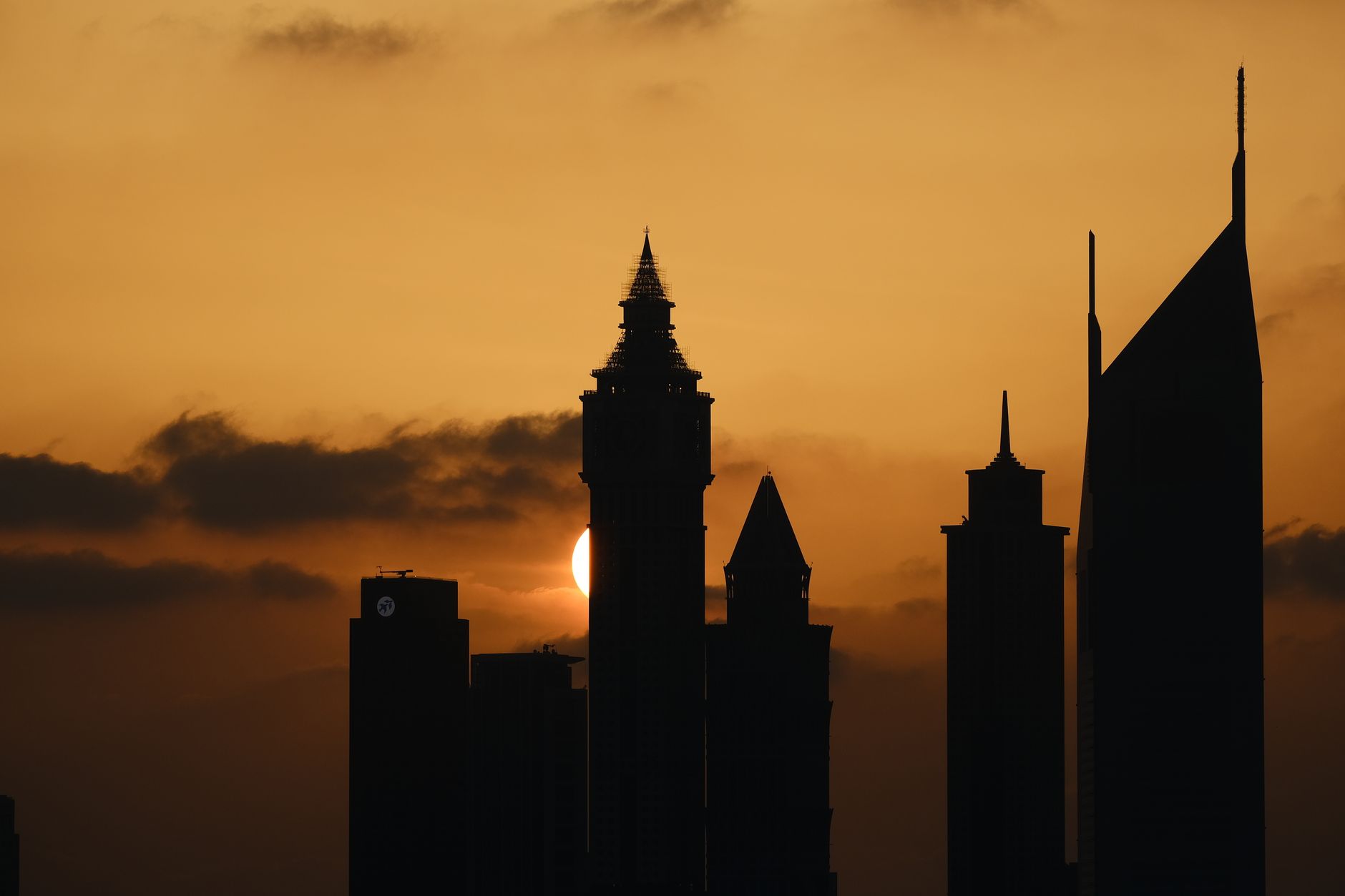
Silhouette of Dubai's iconic skyline against a dramatic sunset.
Photo by Chinar Minar on Pexels · Pexels License
Dynamic night skyline of Dar es Salaam, showcasing illuminated city architecture.
Photo by Keegan Checks on Pexels · Pexels License
Practical Information
Visa
Most travelers with EU, US, UK, Canadian, or Australian passports can get a 30-day single-entry visa on arrival at Dili airport or Dili seaport for USD 30 cash. Your passport should be valid for 6 months, have 2 blank pages, and immigration may ask for onward travel, accommodation, and proof of funds of USD 100 plus USD 50 per day.
Currency
Timor-Leste uses the US dollar, with local centavo coins for small change. Cash still runs the country outside better hotels and a few businesses in Dili, so carry small clean notes and do not count on card payments or working ATMs in every district.
Getting There
Nearly everyone arrives through Presidente Nicolau Lobato International Airport in Dili. Darwin is the most dependable air link, with service also marketed from Bali and a small number of regional hubs, while Suai and Baucau are not realistic primary arrival points for ordinary travelers.
Getting Around
In Dili, microlets still cost 25 centavos and taxis usually run about USD 3 to USD 6 in town. For the rest of the country, expect shared minibuses, ferries, MAF domestic flights on select routes, or a hired 4WD with driver, because mountain roads, washouts, and early departures make independent timing optimistic.
Climate
The dry season usually runs from May to November and is the easiest window for road trips, trekking, and ferry crossings. Wet months from December to April bring flash floods, landslides, rough seas, and slower travel, while the highlands around Maubisse and Ainaro can feel sharply cooler than the coast.
Connectivity
Coverage is decent in Dili and patchier once you head toward Tutuala, the south coast, or interior mountain roads. Hotel Wi-Fi can be slow or intermittent, so buy a local SIM, download offline maps, and do not assume you can book transport on the move.
Safety
Timor-Leste is generally manageable for careful travelers, but the real risks are practical rather than dramatic: bad roads, night driving, cash dependence, rough seas, and weak medical infrastructure outside Dili. Saltwater crocodiles are a real hazard on some coasts and river mouths, so always ask locally before swimming.
Taste the Country
restaurantBatar da'an
Corn, pumpkin, mung beans, rice. Families share it at breakfast or lunch. Spoons scrape the bowl; talk slows.
restaurantIkan pepes
Fish, turmeric, lemongrass, banana leaf, coals. Lunch by the coast in Dili or Liquiçá. Hands open the parcel; steam rises; everyone leans in.
restaurantFeijoada timorense
Beans, pork, chili, Sunday table. Relatives gather, serve rice, pass bowls, stay late. Funerals and feast days use the same grammar.
restaurantSaboko
Rice cooks in bamboo over fire. Farmers carry it to fields; travelers eat it on the road toward Same or Maubisse. Knives split the tube; smoke stays in the grain.
restaurantTapai
Cassava or rice ferments in pots. Women make it; households offer it at visits and celebrations. People eat small portions, then laugh more easily.
restaurantTukir by the seafront
Corn roasts over charcoal at dusk in Dili. Friends stand, eat, watch the water, say little. Salt, smoke, night.
restaurantBibingka
Rice flour, coconut milk, banana leaf, clay pot. Morning coffee in Baucau suits it. Families cut wedges, serve them warm, and call that enough.
Tips for Visitors
Carry Small Cash
Bring small USD notes in clean condition. A guesthouse in Same or a boat contact in Atauro Island may not be able to break a USD 50 bill, even if they technically accept dollars.
No Rail Network
Timor-Leste has no trains at all. If you see a route that looks short on the map, price it in road hours or ferry time instead.
Start Early
Shared transport often leaves at dawn or when full, not on a timetable that rewards optimism. The best habit here is simple: be at the departure point early and treat the rest of the day as flexible.
Book Ahead Outside Dili
Beds are limited in places like Tutuala, Oecusse, and some south-coast stops. Reserve ahead in the dry season and around public holidays, because 'I'll find something when I arrive' is not always a winning strategy.
Use Kinship Terms
Addressing people as maun or mana is a small courtesy that lands well. It signals respect fast, especially in markets, guesthouses, and everyday conversations.
Avoid Night Driving
Road markings, lighting, livestock, and washouts all get worse after dark. If your route involves mountain roads beyond Maubisse or west toward Maliana, finish the drive before sunset.
Download Offline Maps
Mobile data drops out and hotel Wi-Fi is uneven once you leave Dili. Save maps, booking details, and key phone numbers before you head east or south.
Explore East Timor with a personal guide in your pocket
Your Personal Curator, in Your Pocket.
Audio guides for 1,100+ cities across 96 countries. History, stories, and local insight — offline ready.
Audiala App
Available on iOS & Android
Join 50k+ Curators
Frequently Asked
Do I need a visa for East Timor as a US or EU traveler? add
Usually yes, but most US and EU travelers can get it on arrival in Dili for USD 30. The standard visa is single-entry for 30 days, and immigration may ask for a passport valid 6 months, onward travel, accommodation details, and proof of funds.
Can you enter Timor-Leste by land from Indonesian West Timor? add
Do not assume you can sort it out at the border. Current Timor-Leste immigration guidance says most non-Indonesian and non-Portuguese travelers should arrange visa authorization in advance for land entry, even though some foreign advisories phrase the rule more loosely.
How many days do you need in Timor-Leste? add
Seven to ten days is a sensible minimum if you want more than Dili and one island or beach stop. Three days works for Dili plus Atauro Island, but the eastern districts and central highlands need extra road time.
Is Timor-Leste expensive for tourists? add
Not by regional resort standards, but it is not a shoestring fantasy either. A careful traveler can manage on roughly USD 35 to USD 55 a day, while a comfortable trip with decent hotels, drivers, or dive days moves more realistically into the USD 80 to USD 140 range.
Is Dili worth visiting or should you go straight to Atauro Island? add
Dili is worth at least a day or two. It gives you the country's political and cultural context, better transport options, and the practical staging point for ferries and flights before you head to Atauro Island or beyond.
What is the best time to visit East Timor? add
The dry season from roughly May to November is the easiest time to travel. Roads are more reliable, seas are usually calmer, and overland routes to places like Baucau, Maubisse, and Tutuala are far less likely to be slowed by landslides or flooding.
Can you use credit cards in Timor-Leste? add
Only sometimes, and mostly in better places in Dili. Outside the capital and a handful of hotels or dive operators, you should expect cash payments, patchy ATMs, and the occasional machine that works only when the power and network cooperate.
Is Atauro Island easy to reach from Dili? add
Yes, by Timor-Leste standards it is one of the simpler side trips. Regular boats connect Dili and Atauro Island in roughly 1.5 to 3 hours depending on the vessel and sea conditions, but schedules can still shift, so keep your return day loose.
Is it safe to swim in East Timor? add
Sometimes, but ask locally every time. Reef conditions, currents, and the presence of saltwater crocodiles near some coasts and river mouths mean a beach that looks calm is not automatically a swimming beach.
Sources
- verified Timor-Leste Immigration Service — Official visa-on-arrival rules, extension fees, passport validity, and land-border entry guidance.
- verified Government of Timor-Leste — Country facts, official languages, geography, administrative structure, and government reference material.
- verified World Bank Data and Climate Profile for Timor-Leste — Population data and climate seasonality context used for planning guidance.
- verified Visit Timor-Leste — Tourism authority material on destinations, ferry and domestic flight context, and national park framing.
- verified Timor-Leste Marine Research Institute — Marine and coastline reference material relevant to reef, coast, and conservation coverage.
Last reviewed: