Introduction
The Chinese Tea-House in Copenhagen is a unique destination where Chinese tea heritage flourishes amidst Danish culture. Visitors are treated to an immersive experience that fuses 4,000 years of Chinese tea tradition with contemporary Danish values such as hygge—creating a tranquil atmosphere perfect for both cultural discovery and relaxation. This comprehensive guide details the history, experiences, practical information, and cultural context that make the Chinese Tea-House, the “Tea for Harmony: Yaji Cultural Salon” exhibition, and the China Cultural Center Copenhagen essential stops for locals and tourists alike.
For current events, workshop schedules, and visiting details, consult trusted sources like the China Cultural Center Copenhagen and Visit Copenhagen.
Photo Gallery
Explore The Chinese Tea-House in Pictures
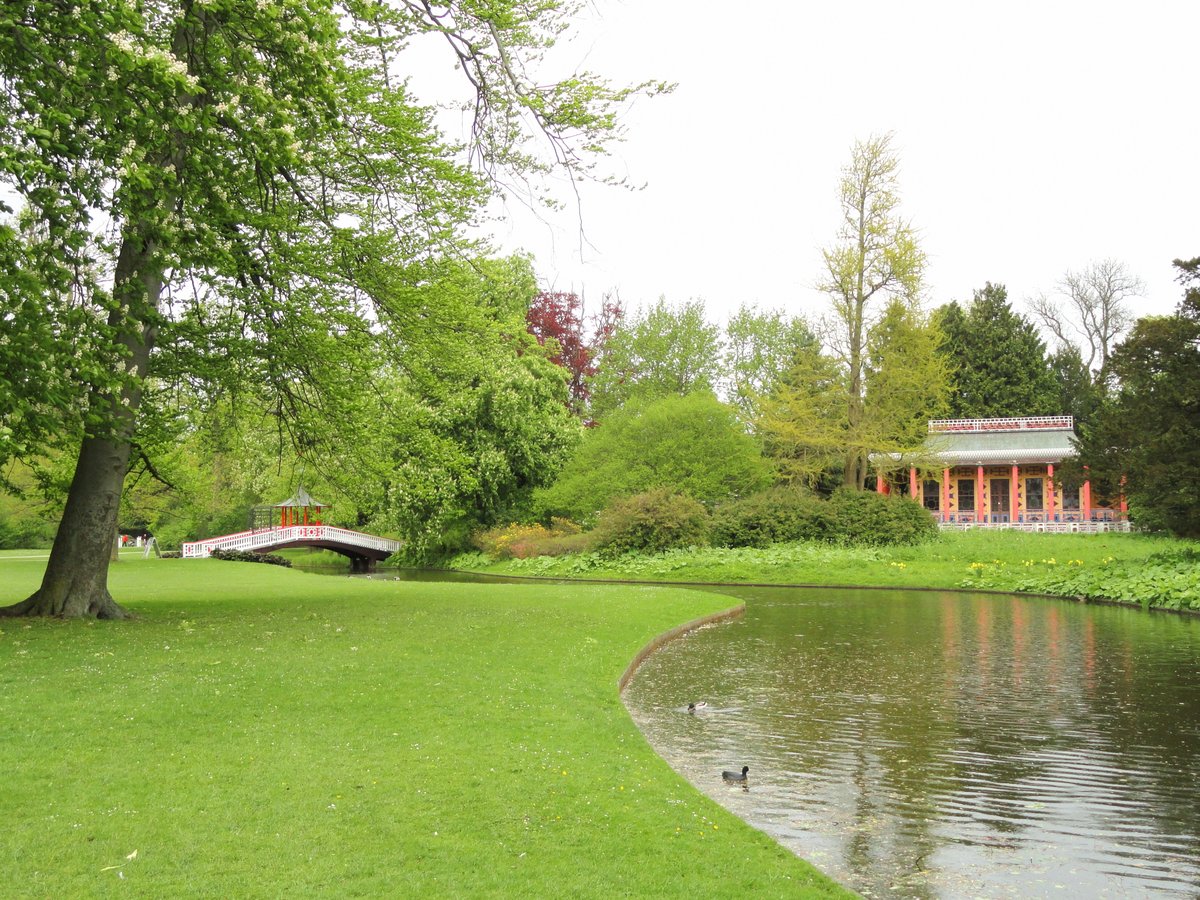
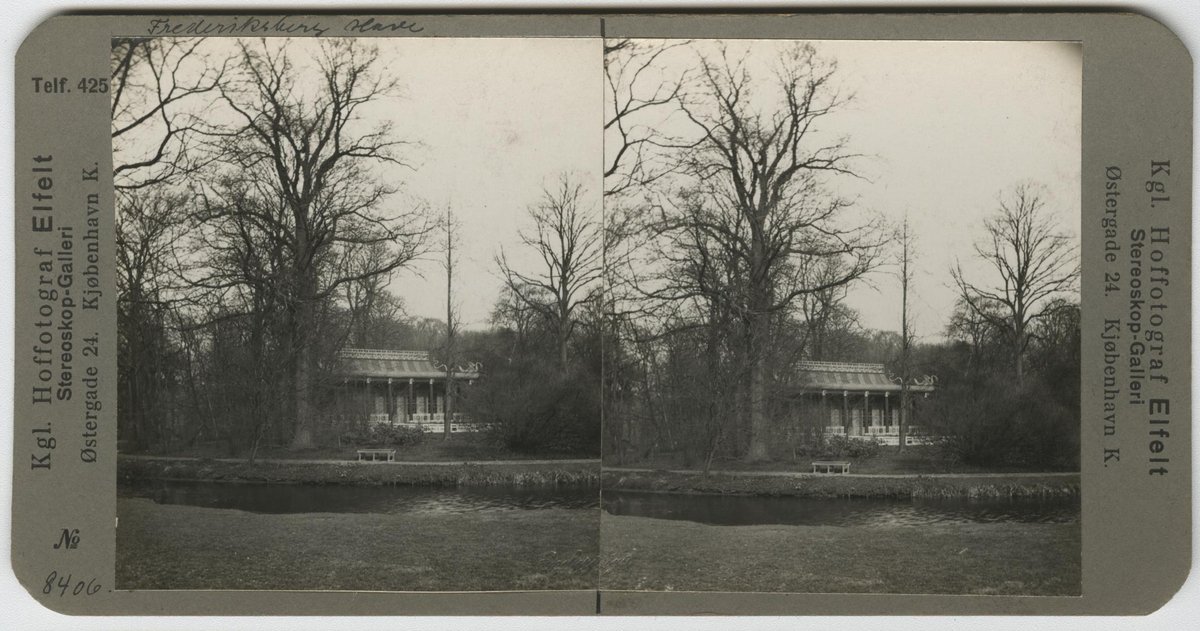
Beautiful traditional Chinese styled wooden bridge and teahouse situated in Frederiksberg Have park, a popular green space in Frederiksberg, Copenhagen, Denmark

A traditional Chinese teahouse situated in Frederiksberg Have, a historic park in Frederiksberg, Copenhagen, Denmark, showcasing cultural architecture amidst lush greenery.
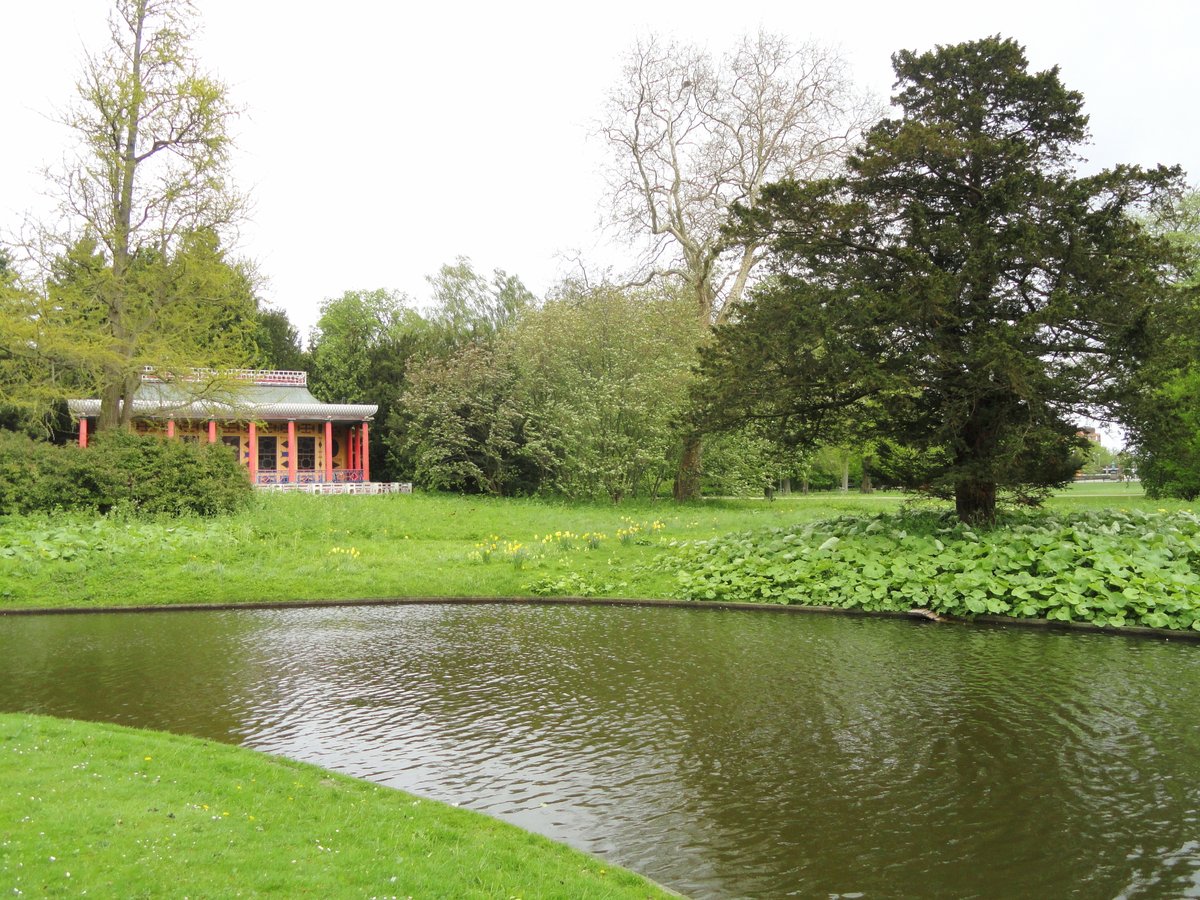
Chinese teahouse in Frederiksberg Have, a historic and scenic park in Frederiksberg, Copenhagen, Denmark
Scenic view of the pathway and pond with people enjoying a sunny day at Frederiksberg Garden in Copenhagen, Denmark
Exploring Chinese Tea Culture and the Yaji Tradition
Historical Background
Chinese tea culture dates back over four millennia, originating as a medicinal practice before evolving into a daily ritual and sophisticated art. According to legend, Emperor Shen Nong discovered tea around 2737 BCE when Camellia sinensis leaves accidentally infused his boiling water (Tea Blend Guide). By the Han Dynasty (206 BCE–220 CE), tea was widely consumed for pleasure.
The Tang Dynasty (618–907 CE) marked tea’s transformation into a symbol of refinement, with the “Cha Jing” (The Classic of Tea) by Lu Yu codifying tea craftsmanship (Sotheby’s). The Song Dynasty (960–1279 CE) popularized powdered tea and the social teahouse, while the Ming (1368–1644 CE) and Qing (1644–1912 CE) Dynasties introduced loose-leaf brewing and diversified tea types (Tea J Tea).
The Yaji Tradition
Yaji (雅集), or “elegant gathering,” emerged among Chinese scholar-officials during the Tang and Song dynasties (China Cultural Center Copenhagen). These intimate events blended tea with poetry, calligraphy, music, painting, and incense, reflecting Confucian and Daoist ideals of harmony, virtue, and artistic cultivation (Semantics Scholar).
A typical Yaji features:
- Poetry readings and compositions
- Guqin (zither) performances
- Artistic appreciation (painting, calligraphy, floral arrangement)
- Incense rituals
- Scholarly discussion
Tea is meticulously prepared, emphasizing water quality, temperature, and teaware. These gatherings, often limited in size, value tranquility and foster deep connections, making tea the catalyst for creativity and mutual respect (China Cultural Center Copenhagen).
The Chinese Tea-House in Copenhagen
Historical and Cultural Significance
Tea arrived in Denmark in the 17th century, initially as a luxury for the elite before becoming a fixture in Danish society (Nordic Tea). The modern Chinese Tea-House in Copenhagen honors this heritage by marrying Chinese aesthetics—curved roofs, woodwork, tranquil gardens—with Danish hygge, creating a peaceful space for mindfulness and cultural discovery.
Architecture and Atmosphere
Reflecting 18th-century European fascination with "Chinoiserie," the tea-house’s design encourages serenity and contemplation. Traditional elements are complemented by Danish hospitality, making it a harmonious setting for tea ceremonies and cultural gatherings (Nordic Tea).
Practical Visitor Information
Location and Accessibility
- Centrally located, easily reached by metro, bus, or on foot from major sites like Nyhavn and Amalienborg Palace.
- Wheelchair accessible, with ramps and accessible restrooms.
- Nearby comparable venues include A.C. Perch’s Tearoom.
Visiting Hours and Tickets
- Standard hours: 10:00 AM–6:00 PM, with weekend extensions to 8:00 PM.
- Entry is usually free; reservations recommended for ceremonies, workshops, or special events (some may require advance ticket purchase).
Special Events and Experiences
- Gongfu Tea Ceremony: Traditional Chinese tea brewing in small infusions.
- Tea & Food Pairings: Sample teas with curated snacks.
- Workshops: Covering tea history, brewing, and health.
- Seasonal Celebrations: Cultural festivals throughout the year.
Menu and Pricing
- Over 100 teas (green, white, oolong, black, pu-erh), sourced from small producers (A.C. Perch’s).
- Standard service: 100–300 DKK per person; premiums and private events cost more.
- Traditional pastries and tea sets also available.
Etiquette
- Maintain a calm, respectful demeanor.
- Minimize phone use; follow staff guidance during ceremonies.
Souvenirs
- The retail section offers teas, teapots, cups, and accessories for purchase (A.C. Perch’s).
“Tea for Harmony: Yaji Cultural Salon” Exhibition
Historical and Cultural Context
This exhibition revives the Yaji tradition in a contemporary context, promoting Chinese tea culture as a bridge between East and West. Hosted at the Chinese Tea-House and China Cultural Center Copenhagen, it aligns with a global initiative following UNESCO recognition of Chinese tea traditions (China Daily), and marks milestones in China–Denmark relations (World Tea News).
Exhibition Structure and Themes
The exhibition is divided into five sections, each exploring a different sensory or artistic element:
- Hygge of Color: Visual artistry of tea infusions and teawares.
- Hygge of Fragrance: Comparative sampling of diverse tea aromas.
- Hygge of Melody: Digital installations of classical tea poetry and music, evoking a tranquil Yaji atmosphere.
- Hygge of Scrolls: Ancient and modern tea books reflecting intellectual tradition.
- Hygge of Creation: Innovative tea wares, snacks, and beverages blending tradition with modern design (World Tea News).
Interactive Experiences
- Guided Tea Tastings: Master demonstrations of Gongfu Cha, with explanations of tea varieties and brewing.
- Workshops: Tea and food pairings, often featuring Danish and Chinese snacks.
- Lectures: Cultural and physiological aspects of tea, with insights from experts like Marcus Udsen Grandjean.
- Digital Content: QR codes link to virtual tours and educational materials.
Visiting Hours and Admission
- Open daily 10:00 AM–6:00 PM during June (confirm current dates on ccccph.org or Visit Copenhagen).
- Free general admission; some workshops or tastings may require advance booking and a nominal fee.
Cultural Significance
The exhibition is both a celebration and a platform for international dialogue, highlighting shared values of comfort, community, and nature. It is timed to International Tea Day and similar global events (China Daily).
China Cultural Center Copenhagen
Mission and Activities
Established in 2014, the Center serves as a bridge between China and Denmark, fostering understanding through exhibitions, workshops, and events (China Cultural Center Copenhagen). The flagship Yaji Cultural Salon brings live demonstrations, musical performances, and lectures to the public, often in partnership with diplomatic and cultural organizations (Europe-Asia Center).
Signature Events
Annual salons feature historic tea rituals, hands-on workshops, and performances by musicians and artists. The Center’s “Tea for Hygge” theme exemplifies the fusion of Chinese and Danish cultural values.
Educational Outreach
The Center collaborates with schools and universities, offering classes in language, calligraphy, and culinary arts, deepening cross-cultural understanding (China Cultural Center Copenhagen).
Comparative Context: Tea in Denmark and China
- China: Tea is ritualized, spiritual, and artistic, with practices like Gongfu Cha and Yaji gatherings.
- Denmark: Tea, introduced in the 17th century, is informal, often associated with hygge and social comfort (Europe-Asia Center).
- Cultural Exchange: Modern events blend both traditions, fostering dialogue and shared appreciation.
Visitor Information
- Opening Hours: Monday–Friday, 10:00 AM–6:00 PM (weekends vary; check the official website).
- Admission: Most events are free or have a small fee.
- Location: Central Copenhagen, accessible by public transport and close to major attractions.
Frequently Asked Questions (FAQ)
Q: Do I need to book tickets for the Chinese Tea-House or exhibitions?
A: General entry is free, but advance booking is recommended for special events and workshops.
Q: Are the venues wheelchair accessible?
A: Yes, both the tea-house and China Cultural Center offer accessible facilities.
Q: Can I take photographs during ceremonies or events?
A: Photography is generally allowed, but avoid flash and respect ceremony protocols. Ask permission before photographing people or delicate artifacts.
Q: What languages are available for tours and information?
A: Most materials and guided tours are in English and Chinese.
Q: Can I purchase teas or souvenirs?
A: Yes, both the tea-house and exhibitions feature gift shops with teas and related items.
Visuals and Media Recommendations
- Images: Traditional Yaji gatherings, tea ceremonies, architectural details, and interactive displays.
- Alt Text Suggestions: “Chinese tea ceremony in Copenhagen,” “Yaji elegant tea gathering,” “Tea for Harmony Yaji Cultural Salon Copenhagen.”
- Maps: Highlighting the China Cultural Center and tea-house locations in relation to central Copenhagen.
- Video: Clips of Gongfu tea preparation or guqin music performances.
Discover More
The Chinese Tea-House in Copenhagen, along with the Tea for Harmony: Yaji Cultural Salon and China Cultural Center, provides an unparalleled gateway into the world of Chinese tea culture, thoughtfully adapted for a Danish audience. With accessible locations, rich programming, and a welcoming atmosphere, these venues are essential for anyone seeking cultural enrichment, relaxation, and authentic tea experiences in Copenhagen.
For the latest news on visiting hours, tickets, and upcoming events, visit the China Cultural Center Copenhagen, explore Visit Copenhagen, and consider downloading the Audiala app for real-time updates and audio guides.
Listen to the full story in the app
Your Personal Curator, in Your Pocket.
Audio guides for 1,100+ cities across 96 countries. History, stories, and local insight — offline ready.
Audiala App
Available on iOS & Android
Join 50k+ Curators
Sources
- verified
- verified
- verified
- verified
- verified
- verified
- verified
- verified
- verified
- verified
- verified
- verified
Last reviewed: