Plan and listen to Stork Fountain with Audiala.
Audio guide in your pocket, itinerary in your browser. Built for the way you actually visit.
Introduction to the Stork Fountain
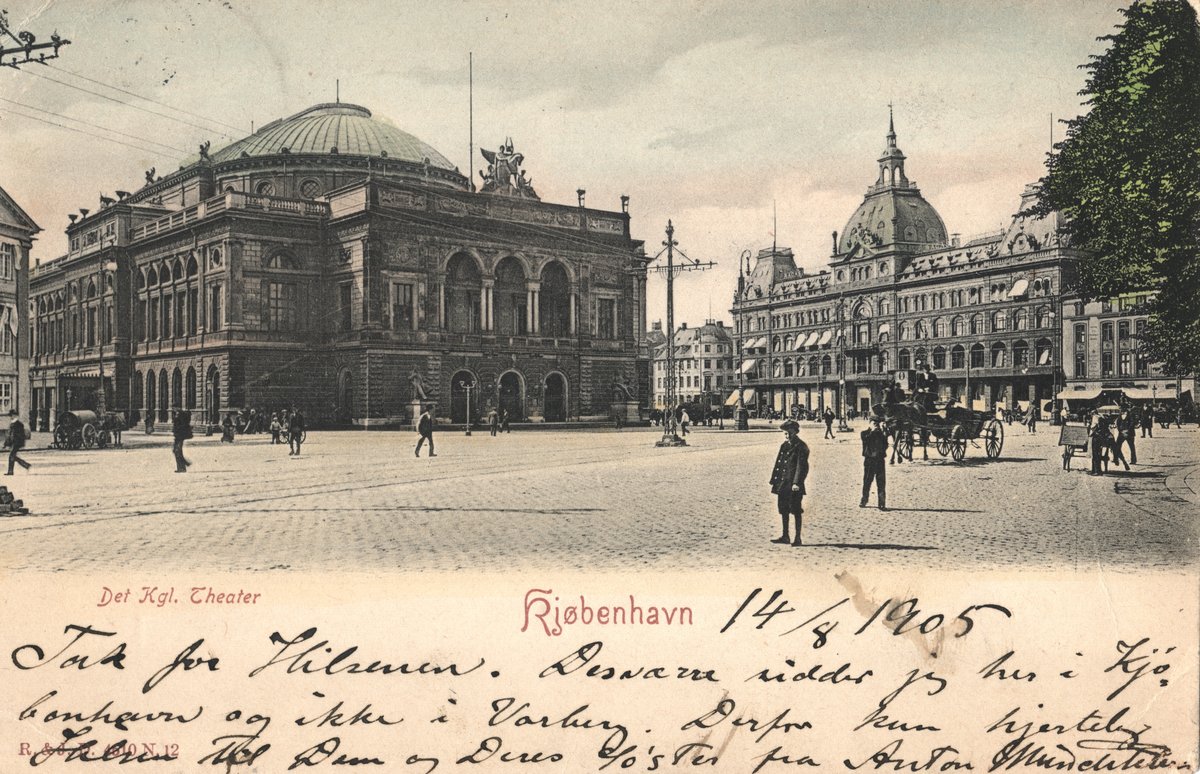
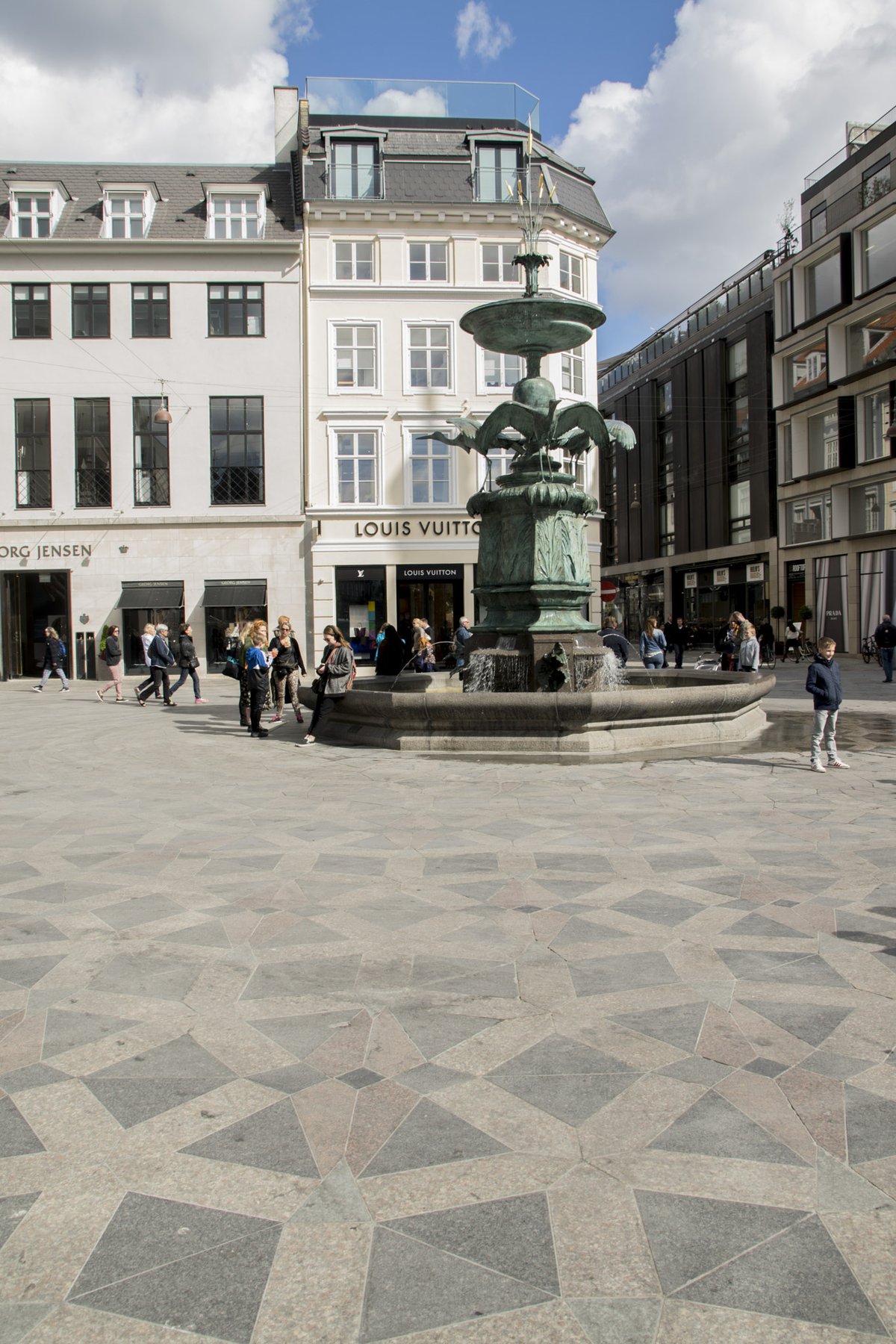
Nestled in the bustling heart of Copenhagen, the Stork Fountain (Storkespringvandet) stands as a testament to Danish artistic prowess, historical depth, and cultural richness. Inaugurated in 1890, this iconic bronze fountain not only embellishes the cityscape but also embodies centuries of tradition and folklore. Designed by the renowned sculptor Vilhelm Bissen, the fountain has become more than a mere architectural marvel; it is a cultural landmark that resonates deeply with both locals and tourists. This guide aims to provide a comprehensive overview of the Stork Fountain's historical significance, visitor tips, and nearby attractions, ensuring that your visit to Copenhagen is both enriching and memorable. For more detailed historical insights, you can explore this source and this source.
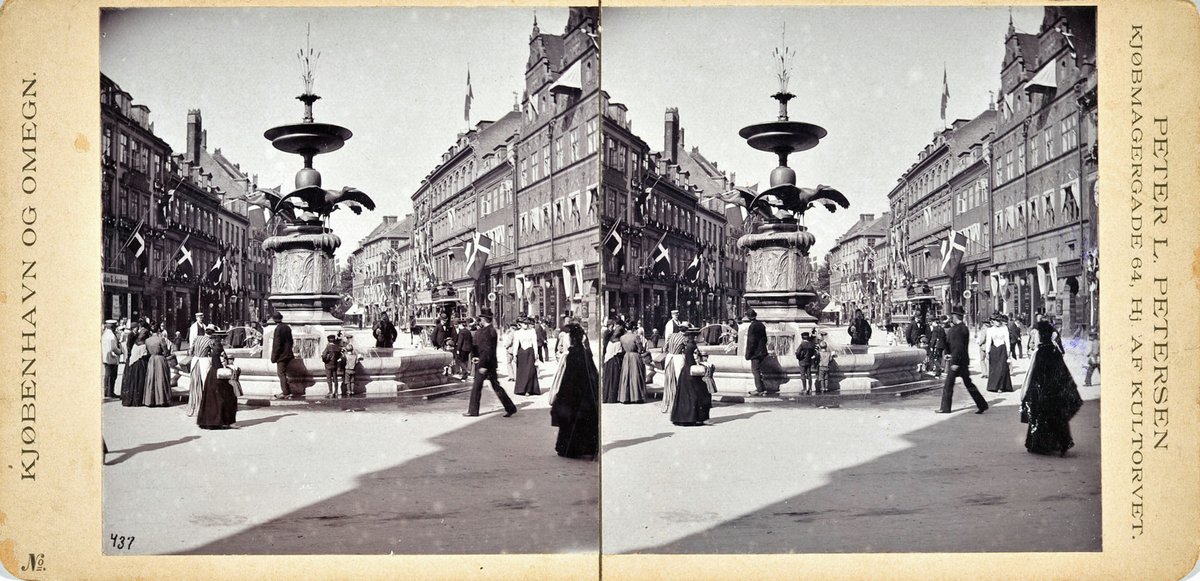
Discover the History and Significance of the Stork Fountain in Copenhagen
Early Beginnings and Royal Connections
The story of the Stork Fountain begins with the Caritas Well in 1803, designed by Nicolai Abildgaard, a prominent Danish neoclassical artist. This fountain, featuring swans spouting water, symbolized Copenhagen's coat of arms. However, the Caritas Well, made from fragile sandstone, deteriorated by the 1880s, prompting the city to commission a more durable and grand structure.
The Birth of the Stork Fountain
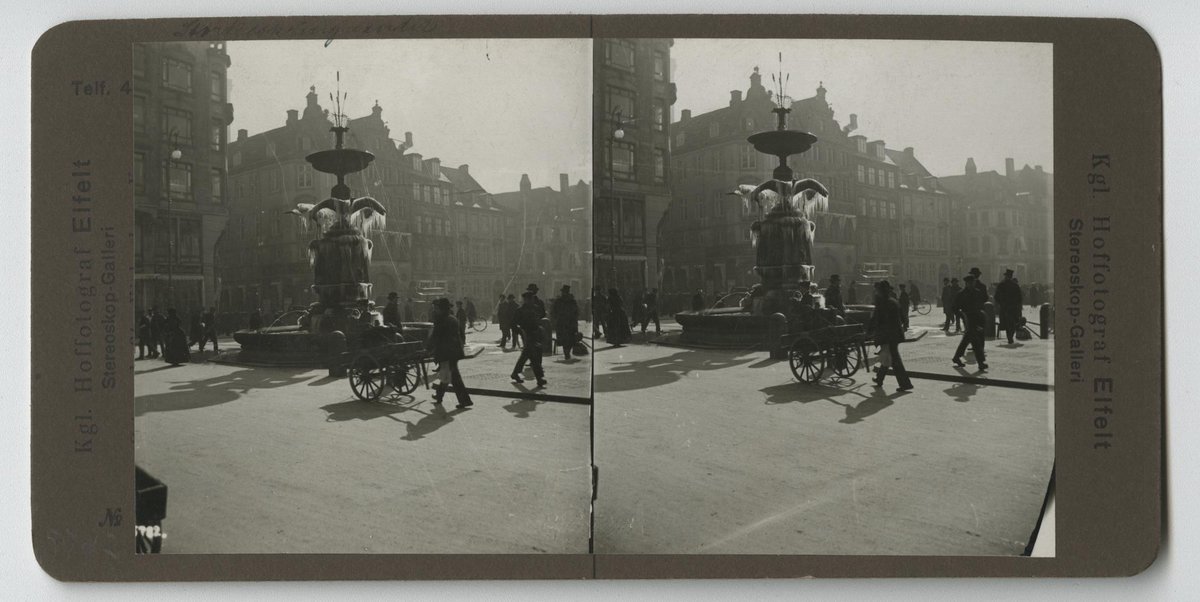
In response, the city commissioned Vilhelm Bissen, renowned for his realistic and dynamic sculptures, to design the new fountain. Drawing inspiration from the graceful movements of storks and Baroque art, Bissen's design was chosen through a public competition. The Stork Fountain was inaugurated on October 24, 1890, marking a significant event in Copenhagen's history. The bronze fountain symbolized the city's artistic prowess, progress, and modernity.
Symbolism and Design
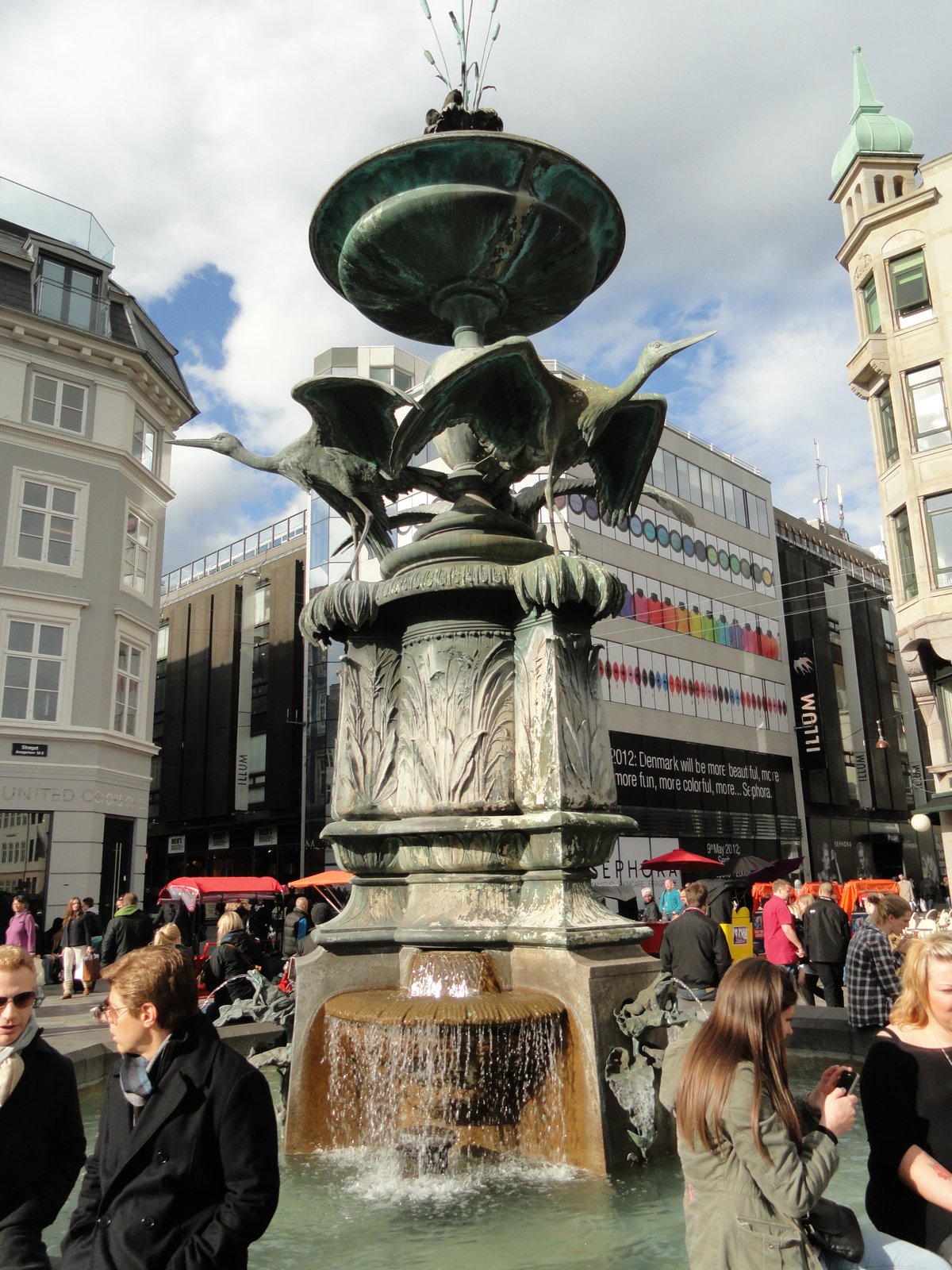
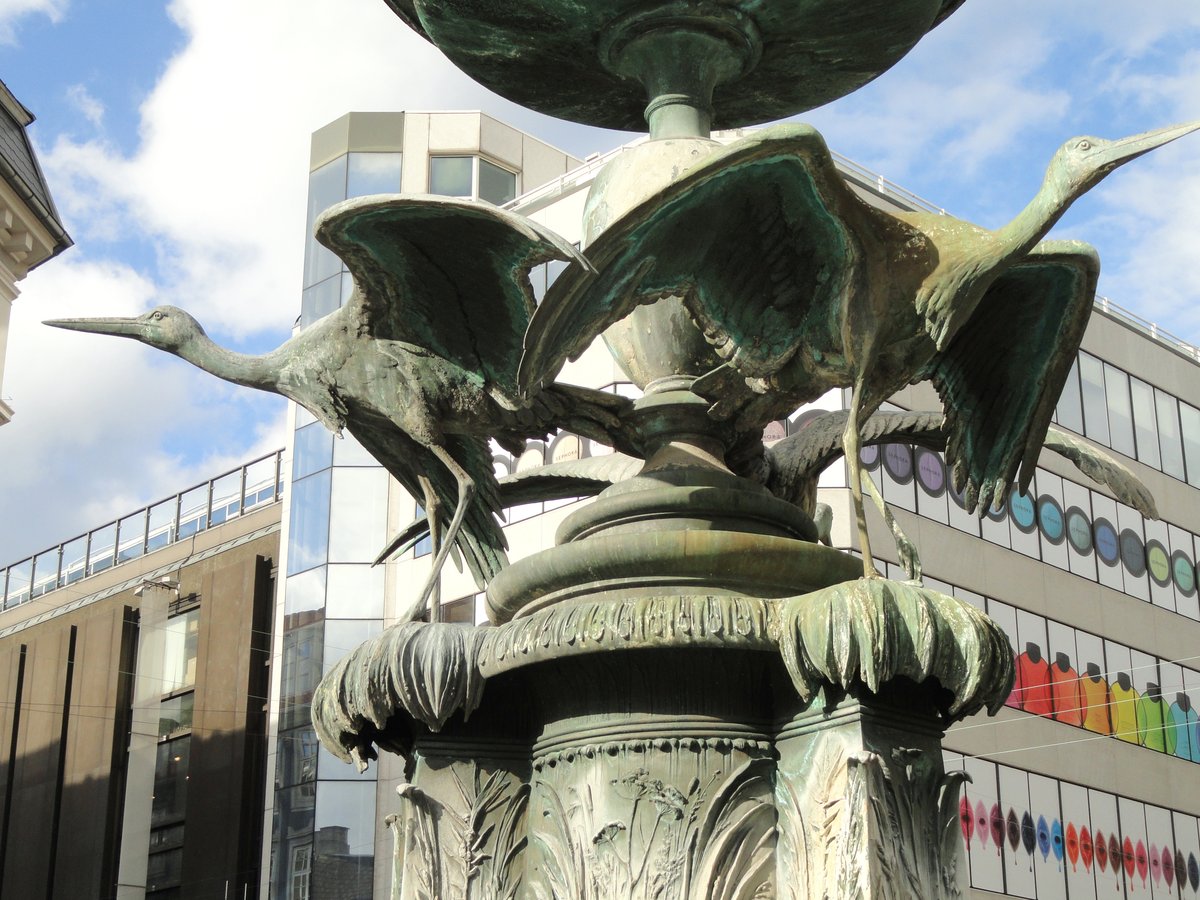
The Stork Fountain beautifully blends naturalism and symbolism. The central focus is three life-sized storks, poised on their nests, symbolizing good luck, fertility, and new beginnings in Danish folklore. Surrounding the storks is a circular basin adorned with intricate reliefs of water plants. Four male figures, representing painting, sculpture, architecture, and industrial art, stand at the base, pouring water from jugs, highlighting the importance of art and craftsmanship in Danish culture.
The Stork Fountain and Student Traditions
The Stork Fountain holds a special place in Danish student traditions. Newly graduated doctors from the University of Copenhagen celebrate by dancing around the fountain, a joyous ritual dating back to the early 20th century, adding a vibrant dimension to its significance.
Practical Visitor Information
Visiting Hours and Tickets
The Stork Fountain is accessible to the public 24/7, and no tickets are required as it is situated in a public square.
Travel Tips
The fountain is located in the heart of Copenhagen, easily accessible by public transport. The nearest metro station is Nørreport, a short walk away. Consider visiting early in the morning or late in the evening to avoid crowds and enjoy a peaceful experience.
Nearby Attractions
While visiting the Stork Fountain, explore nearby attractions such as:
- The Round Tower: A 17th-century astronomical observatory offering panoramic city views.
- Christiansborg Palace: Housing the Danish Parliament, the Supreme Court, and the Ministry of State.
- Nyhavn: A picturesque 17th-century waterfront, canal, and entertainment district.
- Rosenborg Castle: A renaissance castle housing royal artifacts and the crown jewels.
Accessibility
The area around the Stork Fountain is wheelchair accessible with smooth pathways and ramps for easy navigation. There are benches nearby for those who may need to rest.
A Timeless Landmark
The Stork Fountain has witnessed countless historical events, celebrations, and everyday moments in Copenhagen. It has become a beloved meeting point, a backdrop for photographs, and a source of inspiration for artists and writers. Its enduring appeal lies in its ability to connect with people on multiple levels, offering something for everyone, whether a history buff, an art enthusiast, or a traveler seeking authentic experiences.
FAQ
Q: What is the significance of the storks on the fountain?
A: In Danish folklore, storks are symbols of good luck, fertility, and new beginnings, making them a fitting choice for the fountain's design.
Q: Are there any special events held at the Stork Fountain?
A: Yes, it is a tradition for newly graduated doctors from the University of Copenhagen to dance around the fountain in celebration.
Q: Is there an entry fee to visit the Stork Fountain?
A: No, the Stork Fountain is located in a public square and is free to visit.
Key Takeaways
The Stork Fountain is not merely a beautiful piece of architecture; it is a symbol of Copenhagen's rich history and cultural heritage. From its inception as a replacement for the Caritas Well to its current status as a beloved meeting point and celebration spot for newly graduated doctors, the fountain encapsulates the spirit of progress, artistry, and community. Its strategic location in the heart of Copenhagen makes it an ideal starting point for exploring other historical and cultural landmarks, from the vibrant Strøget shopping street to the picturesque Nyhavn canal. Whether you're a history enthusiast, an art lover, or simply a traveler looking for authentic experiences, the Stork Fountain offers something for everyone. For more information and updates on visiting Copenhagen, consider downloading the Audiala app or following related posts on social media. Happy travels! For more detailed information, you can check this source and this source.
Listen to the full story in the app
The whole Stork Fountain,
told well.
Audio guides for 1,100+ cities across 96 countries. History, stories, and local insight — offline ready.

Verified, and shown.
Researched and written by the Audiala editorial team from historical records, architectural archives, and local expertise.
Researched from Wikidata, Wikipedia & official sources · fact-checked · How we make our guides →