Plan and listen to Royal Danish Theatre with Audiala.
Audio guide in your pocket, itinerary in your browser. Built for the way you actually visit.
Introduction
Nestled in the heart of Copenhagen, the Royal Danish Theatre (Det Kongelige Teater) stands as a towering symbol of Denmark’s vibrant cultural life and artistic legacy. Established in 1748, the theatre has grown from a royal stage to a public institution that celebrates both classical traditions and modern creativity. Comprising three major venues—the neoclassical Old Stage at Kongens Nytorv, the striking Copenhagen Opera House, and the contemporary Royal Danish Playhouse—the Royal Danish Theatre is a living testament to centuries of Danish performing arts and architectural achievement.
As one of Europe’s oldest and most influential theatres, it has shaped the nation’s identity and nurtured talents through its historic ballet school (since 1771) and vocal academy (since 1773). Home to the world-renowned Royal Danish Ballet and the Royal Danish Orchestra (dating back to 1448), the theatre offers visitors an unparalleled opportunity to immerse themselves in Denmark’s artistic traditions. Its central location, affordable ticketing, and accessibility features make it an essential cultural stop for both locals and tourists.
This guide details the Royal Danish Theatre’s history, practical visitor information—including updated hours, ticketing, and accessibility—special events, and its deep-rooted cultural significance. Whether you seek to attend a world-class performance, join a guided tour, or simply admire the venues’ architecture, this article provides all the information you need for a memorable visit.
For the latest updates and details, consult the official Royal Danish Theatre website and trusted resources like Visit Copenhagen.

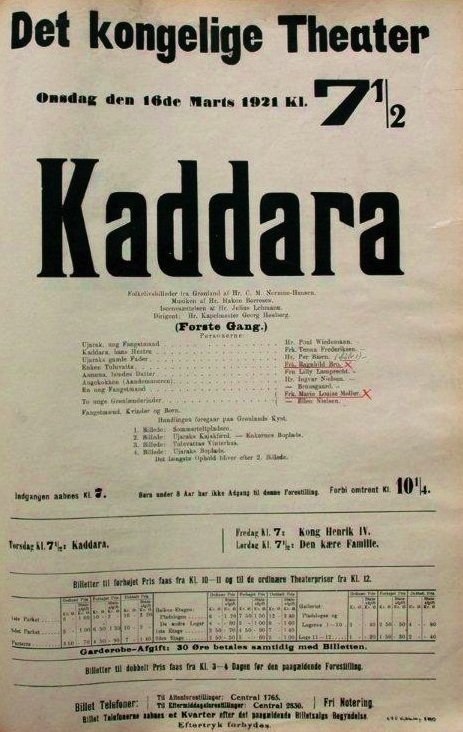
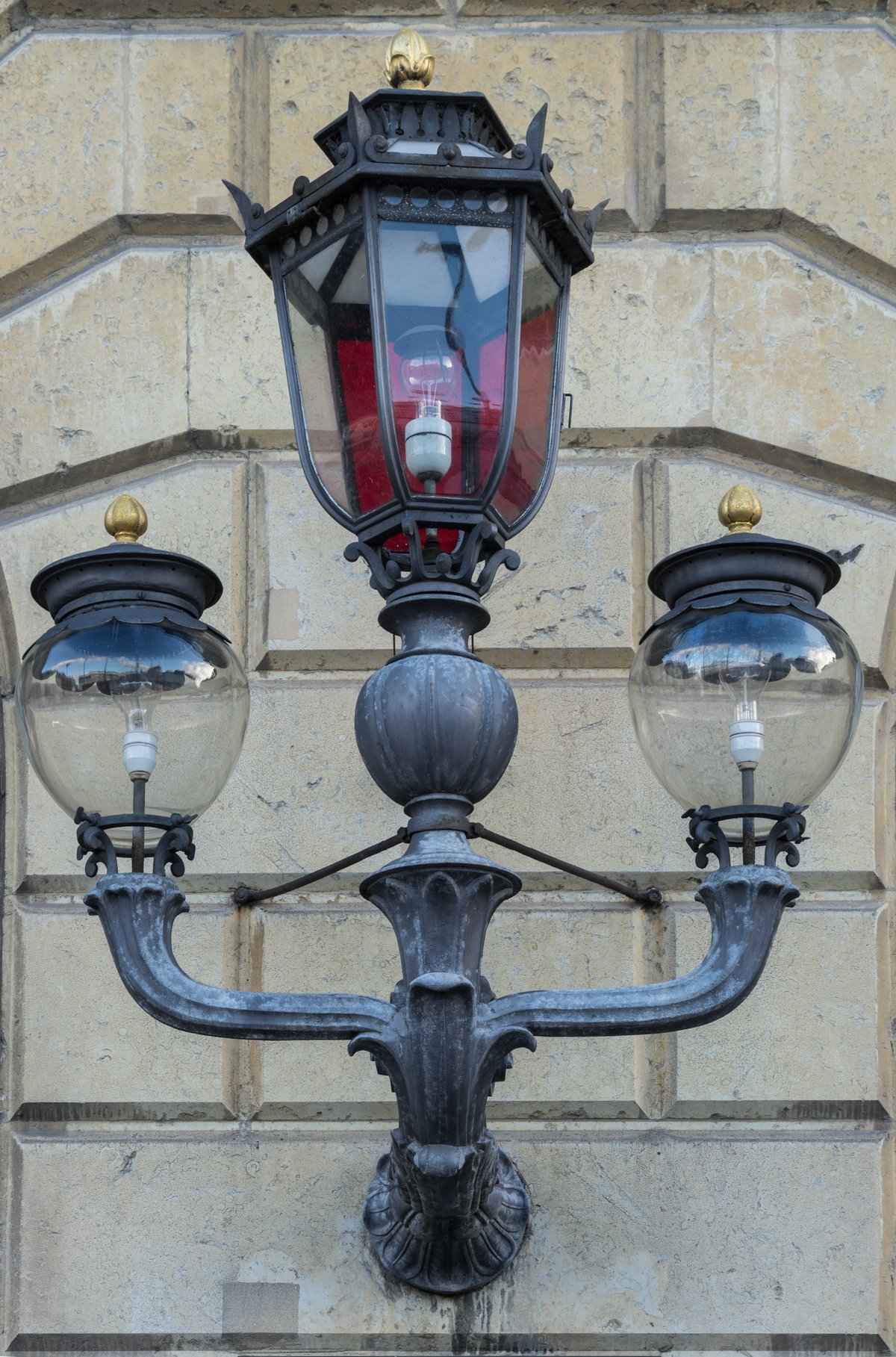
1748–1874: Early Foundations
The Royal Danish Theatre opened in 1748 as the king’s theatre, but from the outset, it embraced the ideals of the Enlightenment by welcoming the public (GoComGo). Designed by Nicolai Eigtved, the original venue seated about 800 people and quickly became a center for drama, opera, ballet, and concerts.
The institution’s early decades saw the establishment of the Royal Danish Ballet School (1771) and the vocal academy (1773), nurturing a generation of Danish artists. The Royal Danish Orchestra, with roots dating to 1448, further cemented the theatre’s international stature.
Expansion and Modernization
The Old Stage (1874)
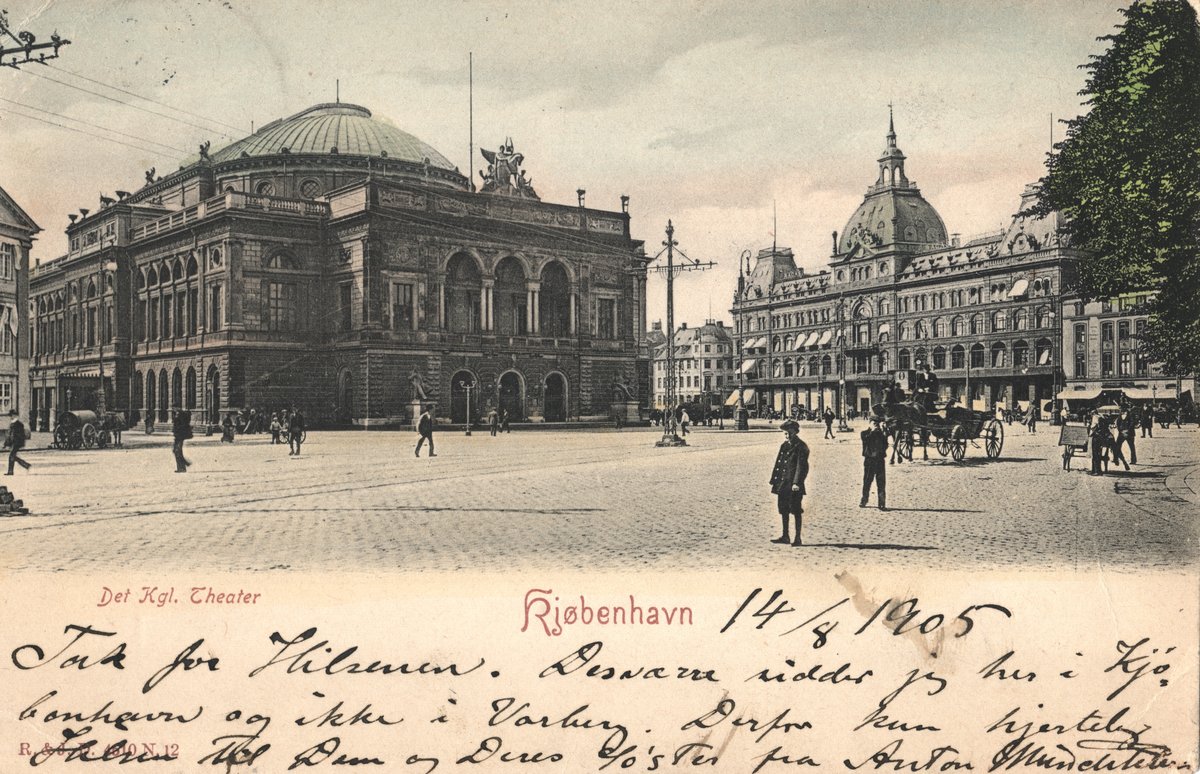
By the mid-19th century, growing audiences and evolving art forms necessitated a new building. The current Old Stage, designed by William Dahlerup in a Historicist style, was inaugurated in 1874. Its opulent Baroque interiors and grand auditorium continue to host major ballet and opera productions (VisitCopenhagen).
The Opera House (2005)
In 2005, the Copenhagen Opera House opened on Holmen Island, thanks to a generous donation from the A.P. Møller Foundation. Henning Larsen’s architectural design features 41,000 square meters of state-of-the-art facilities and a dramatic waterfront presence (VisitCopenhagen).
The Royal Danish Playhouse (2008)
The Royal Danish Playhouse, completed in 2008, was designed by Lundgaard & Tranberg. Situated on the harborfront, it is praised for its blending of glass, copper, and wood, offering panoramic city and harbor views (Architectuul, Copenhagen Architecture).
The Three Main Venues
The Old Stage
- Location: Kongens Nytorv, city center
- Architecture: Lavish Baroque interiors, neoclassical façade
- Performances: Classical ballet (notably Bournonville works), opera, orchestral concerts
- Capacity: Approx. 1,600 seats
- Visitor Tip: Arrive early to appreciate the historic foyer and grand staircase
The Opera House
- Location: Holmen Island, accessible by water taxi, bus, or bridges
- Architecture: Modernist design, glass façade, cantilevered roof
- Performances: Grand opera, orchestral concerts, contemporary dance
- Capacity: About 1,700 seats
- Visitor Tip: Dine at the on-site restaurant with harbor views before the show
The Royal Danish Playhouse
- Location: Frederiksstaden waterfront, near Nyhavn
- Architecture: Contemporary glass-and-copper structure
- Performances: Danish and international drama, experimental theatre
- Stages: Main Stage (650 seats), Mellemgulvet (220), Studio Stage (110)
- Visitor Tip: Enjoy a stroll on the public promenade or attend free events in the foyer
Visitor Information
Visiting Hours
- Old Stage: Guided tours Tuesday–Saturday, 10:00 AM–4:00 PM; performances mainly in evenings and weekends
- Opera House: Guided tours daily 11:00 AM–3:00 PM; performances as scheduled; box office open Monday–Saturday, 10:00 AM–6:00 PM
- Playhouse: Foyer open daily 10:00 AM–8:00 PM; guided tours and shows as scheduled
Always check the official website for up-to-date hours, especially during holidays or special events.
Tickets & Booking
- Purchase: Buy tickets online via the Royal Danish Theatre website, in person at venue box offices, or by phone
- Pricing: State-subsidized, starting around 150–400 DKK depending on venue, performance, and seating
- Discounts: Available for students, youth, seniors, and families
- Guided Tours: Booking in advance is recommended for behind-the-scenes tours
Accessibility
All venues are wheelchair accessible, with designated seating, accessible restrooms, and hearing assistance devices. Special arrangements can be made for visitors with visual or hearing impairments—contact the box office ahead of your visit.
Getting There
- Public Transport: Easily accessible via metro (Kongens Nytorv station), bus, and bicycle
- Parking: Limited; public transport is recommended
- Nearby Attractions: Nyhavn, Amalienborg Palace, National Museum, and the city’s waterfront are within walking distance
Special Events and Guided Tours
The Royal Danish Theatre regularly hosts royal galas, premieres, and festivals, including the annual CPH STAGE festival. Guided tours provide exclusive backstage access and historical insights, with English-language options available in summer. Popular photo spots include the Old Stage foyer, the Opera House’s glass façade, and the Playhouse’s panoramic harbor views.
Artistic Legacy and Cultural Significance
The Royal Danish Theatre is integral to Denmark’s cultural identity. It nurtured luminaries like Hans Christian Andersen and continues to be a crucible for world-class dancers, singers, and musicians. The Royal Danish Ballet’s Bournonville tradition, the historic orchestra, and the theatre’s commitment to both classical and contemporary works have shaped Danish and European performing arts (VisitCopenhagen).
Notable Milestones
- 1748: Theatre founded at Kongens Nytorv
- 1771/1773: Ballet school and vocal academy established
- 1874: Inauguration of the Old Stage
- 2005: Opening of the Copenhagen Opera House
- 2008: Completion of the Royal Danish Playhouse
- Ongoing: Continued innovation, royal patronage, and international collaborations
Frequently Asked Questions (FAQ)
Q: What are the Royal Danish Theatre’s visiting hours?
A: Vary by venue, but typically 10:00 AM–6:00 PM Monday–Saturday. Always check the official calendar for specifics.
Q: How do I buy tickets?
A: Tickets are available online, at box offices, or by phone. Early booking is suggested for high-demand performances.
Q: Are guided tours offered?
A: Yes, guided tours are available at all venues, often in both Danish and English.
Q: Is the theatre accessible?
A: Yes, all venues have wheelchair access, accessible restrooms, and hearing assistance.
Q: What attractions are nearby?
A: Nyhavn, Amalienborg Palace, the National Museum, and the waterfront promenade.
Plan Your Visit
- Consult the official season calendar for performance and tour schedules
- Book tickets early, especially for popular productions like The Nutcracker and festival events
- Explore guided tours for a deeper historical and architectural experience
- Combine your theatre visit with a stroll through Copenhagen’s historic center
Stay updated by downloading the Audiala app and following the Royal Danish Theatre on social media for news, digital tickets, and special offers.
Listen to the full story in the app
The whole Royal Danish Theatre,
told well.
Audio guides for 1,100+ cities across 96 countries. History, stories, and local insight — offline ready.
Verified, and shown.
Researched and written by the Audiala editorial team from historical records, architectural archives, and local expertise.
Researched from Wikidata, Wikipedia & official sources · fact-checked · How we make our guides →