Introduction
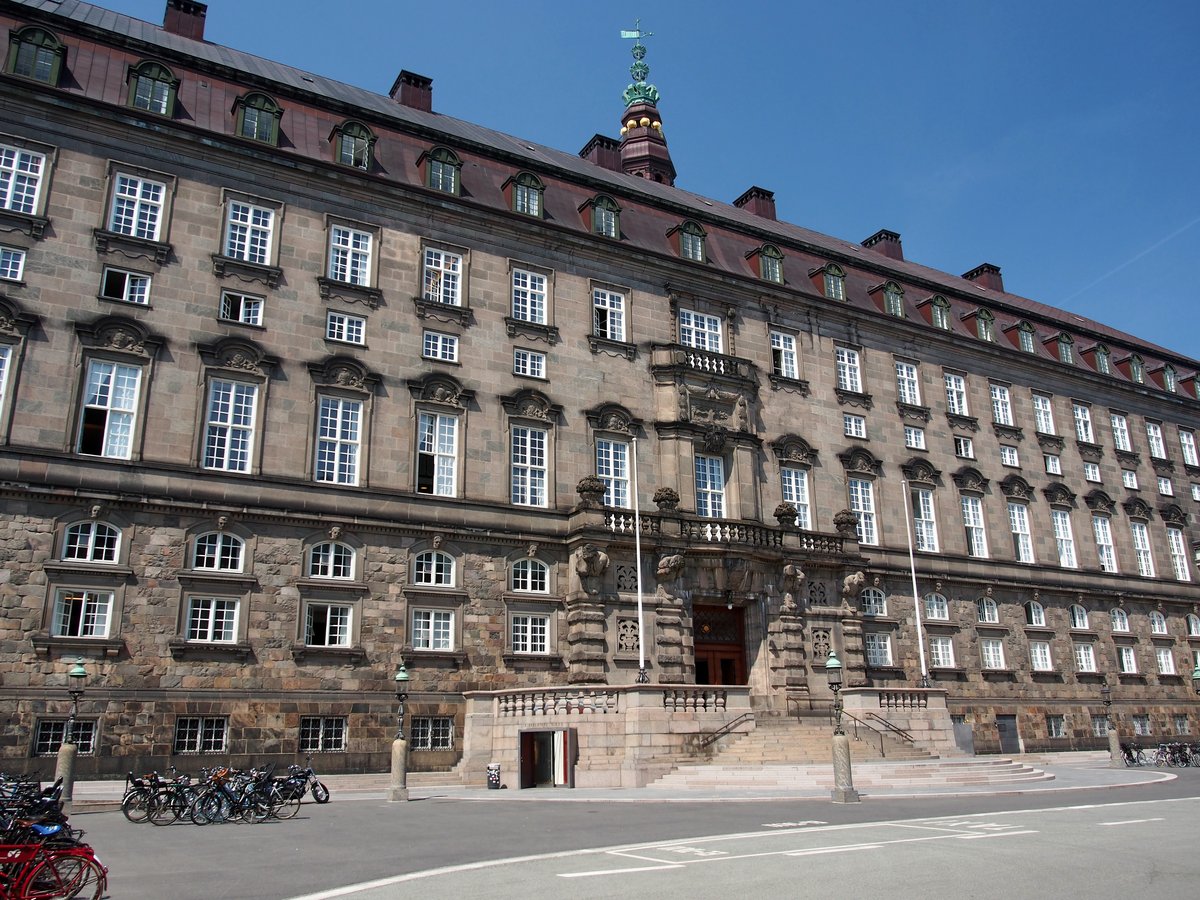
Located in the heart of Copenhagen on Slotsholmen island, Prins Jørgens Gård is the ceremonial forecourt of Christiansborg Palace and a gateway to Denmark’s royal and political heritage. Serving as the approach to the Parliament, Supreme Court, and Prime Minister’s Office, this historic courtyard is not only architecturally impressive but also deeply significant as a living symbol of Danish governance and monarchy. Visitors are invited to explore its centuries-old history, admire neo-baroque architecture, and experience key attractions such as the Royal Reception Rooms, the tower with sweeping views over Copenhagen, and the archaeological ruins beneath the palace.
This guide offers comprehensive information on visiting hours, ticketing, accessibility, and practical travel tips, as well as highlights of nearby attractions. For the most current information and virtual resources, consult the Christiansborg Palace website and Visit Copenhagen.
Photo Gallery
Explore Prins Jørgens Gård in Pictures
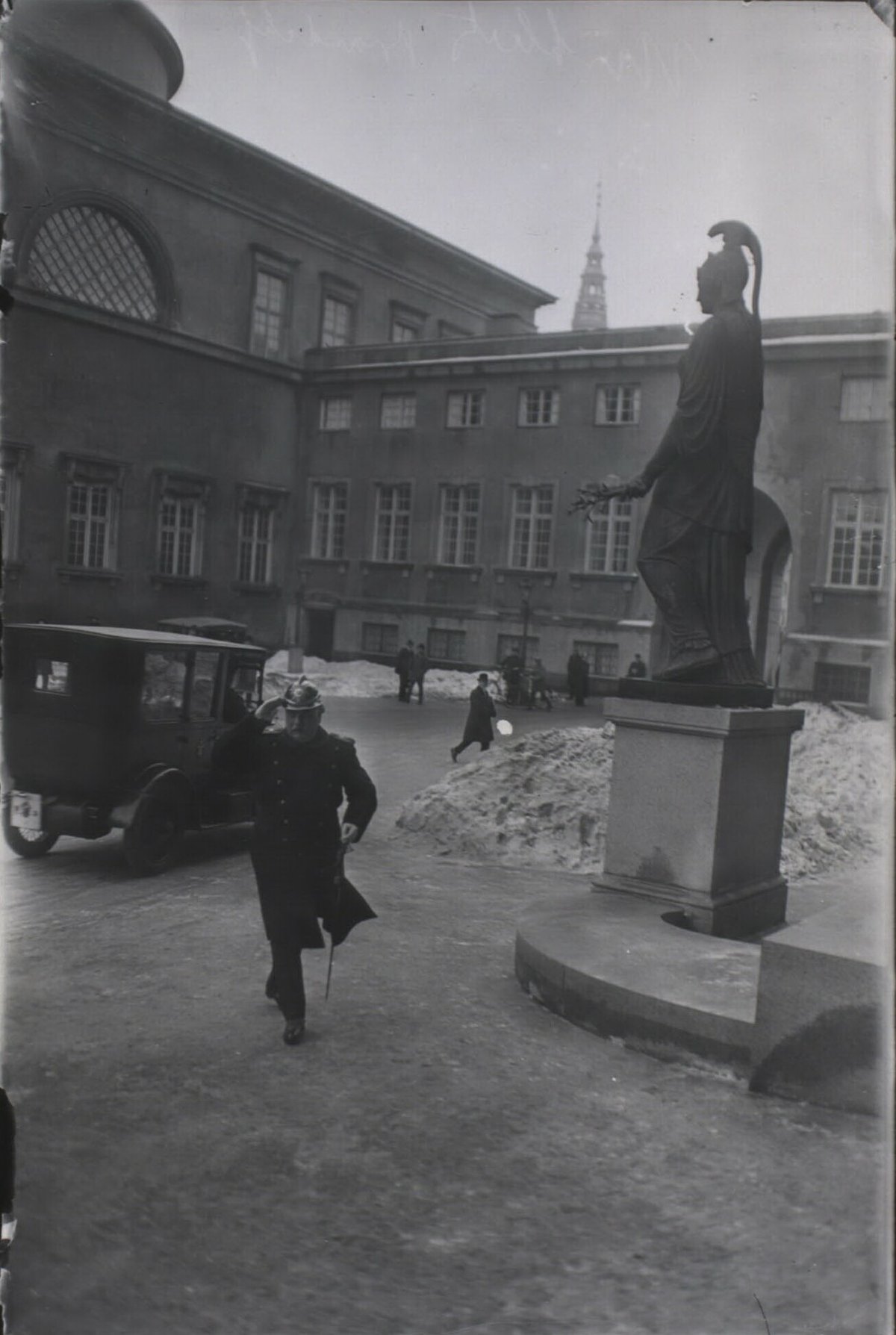
Historical photograph of Carl Albert Mülertz (1862-1934), fire chief and engineer, captured by Holger Damgaard between 1900-1934 near Dronningeporten and Thorvaldsen's Minerva statue
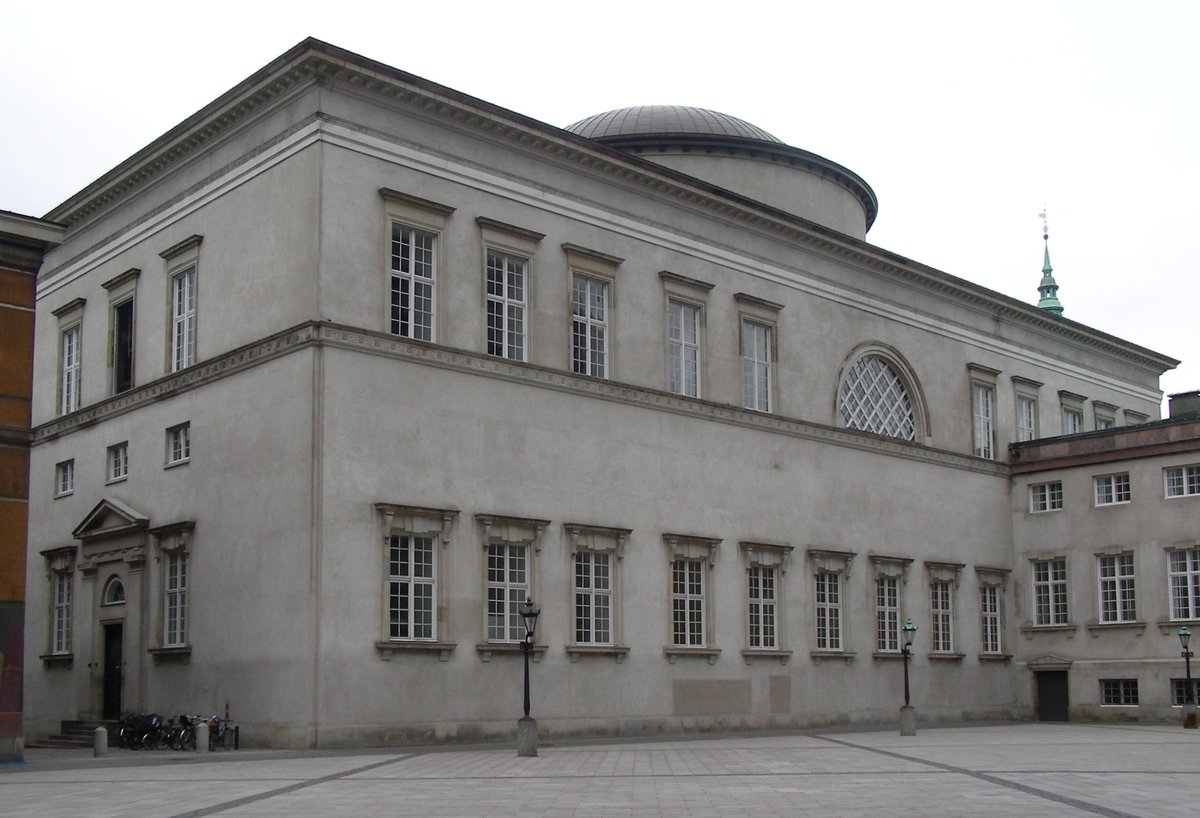
Christiansborg Slotskirke, the chapel within Christiansborg Palace in Copenhagen, Denmark, showcasing its historic architecture from the rear exterior view.
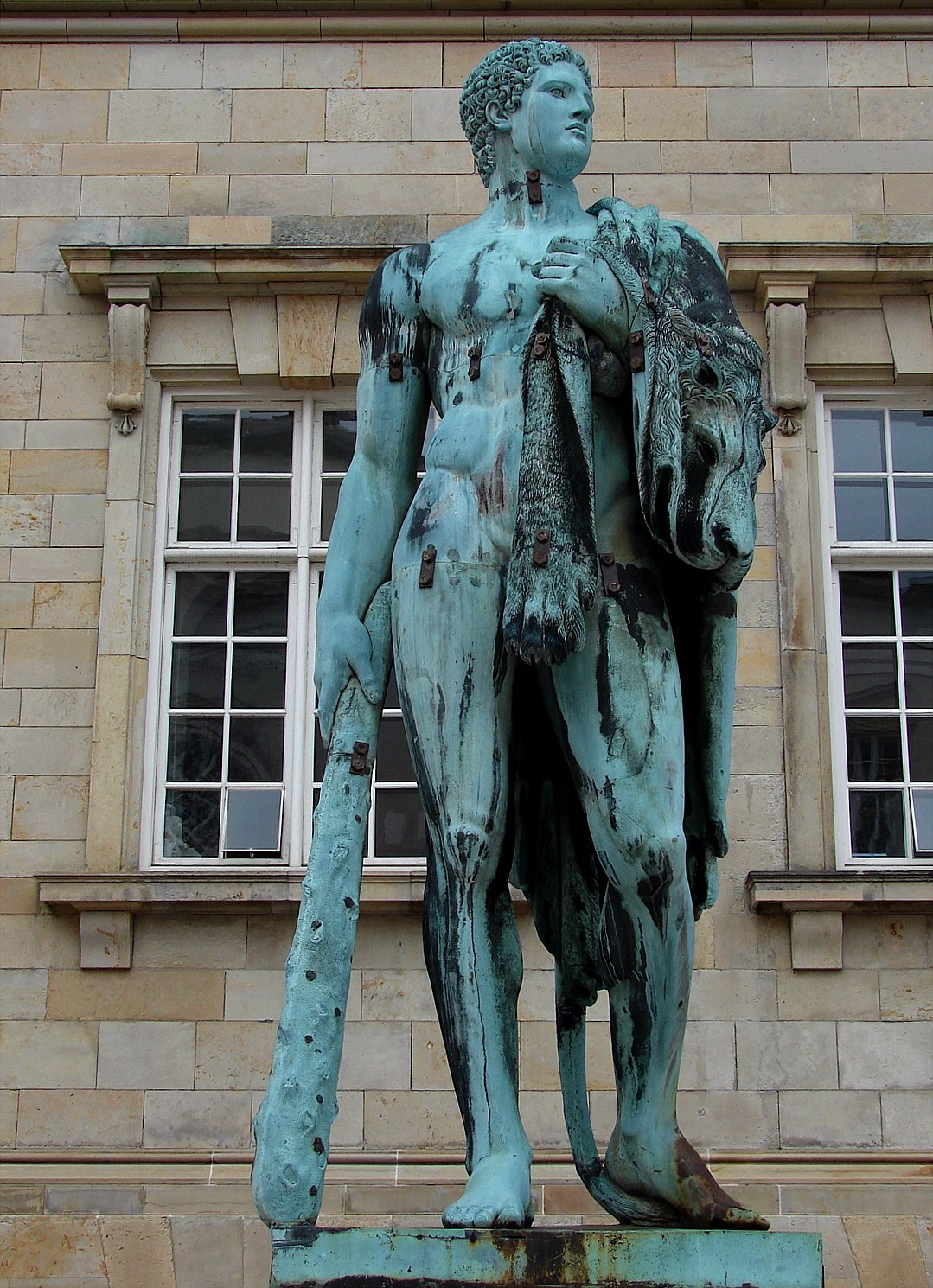
Herkules statue created by Bertel Thorvaldsen in 1843, located at Prins Jørgens Gård in Copenhagen, showcasing classical sculpture art.
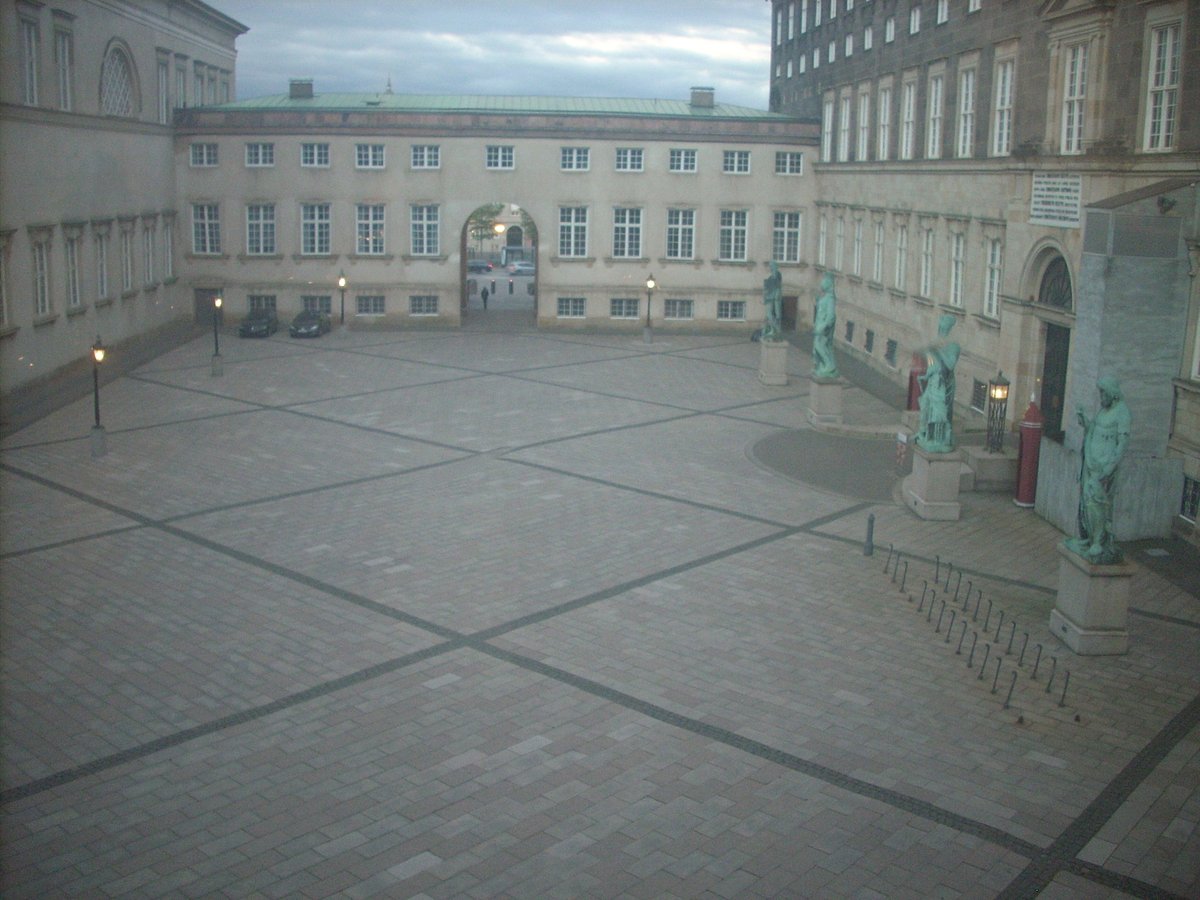
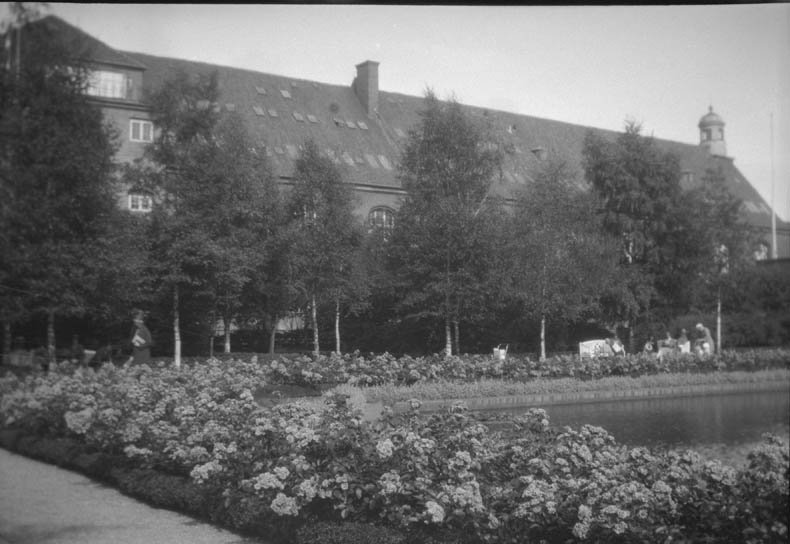
Scenic view of Prins Jørgens Gård taken from inside courtroom no. II at Højesteret, the Supreme Court of Denmark, showcasing historical architecture.
Origins and Naming of Prins Jørgens Gård
Prins Jørgens Gård, or Prince George’s Yard, is named after Prince Jørgen (George) of Denmark (1653–1708), the brother of King Christian V. Its origins can be traced to the late 17th century when the area was developed with royal stables and auxiliary buildings for the prince. Over time, it became the main forecourt and public approach to Christiansborg Palace, reflecting Denmark’s tradition of commemorating royal figures in place names (Kongegrave).
Slotsholmen: The Royal and Political Heart of Denmark
Slotsholmen has served as the epicenter of Danish governance for over eight centuries, beginning with Bishop Absalon’s castle in 1167. The island is home to Christiansborg Palace, the Danish Parliament (Folketinget), Supreme Court (Højesteret), and the Prime Minister’s Office, making it a focal point for political and royal events (VisitCopenhagen).
The Evolution of Christiansborg Palace
Medieval and Renaissance Foundations
The site originally hosted Absalon’s Castle, which was destroyed in 1370. It was succeeded by Copenhagen Castle, with the area serving both functional and ceremonial purposes (Showcaves.com).
The First Christiansborg Palace (1733–1794)
Commissioned by King Christian VI, the first Christiansborg Palace was completed in 1745, with Prins Jørgens Gård as its principal forecourt. It was designed to showcase royal power and grandeur (Wikipedia).
Fires and Rebuilding: Second and Third Christiansborg
After fires in 1794 and 1884, the current neo-baroque Christiansborg Palace was constructed between 1907 and 1928. Archaeological excavations revealed the ruins of previous structures, now preserved as an underground museum (VisitCopenhagen).
Visiting Prins Jørgens Gård: Hours, Tickets, and Accessibility
- Courtyard Access: Prins Jørgens Gård is open to the public daily. Entry is free.
- Attractions: Access to the Royal Reception Rooms, palace ruins, and tower requires tickets.
- Typical Hours: Most interiors open 10:00–17:00. The Tower is open Tuesday–Saturday 11:00–21:00, Sunday until 17:30. Hours may vary; always check the official website.
- Tickets: Adult tickets for the palace attractions are DKK 195 (€26). Children under 18 enter free. The Copenhagen Card grants free entry to most attractions (Copenhagen Card).
- Accessibility: The courtyard and main attractions are wheelchair accessible with elevators and ramps. Assistance can be requested on-site.
- Getting There: The site is easily accessible by public transport. Gammel Strand Metro and several bus lines are nearby.
Architectural and Political Significance
Prins Jørgens Gård is framed by Christiansborg Palace, presenting a prime example of neo-baroque architecture and serving as the ceremonial gateway to Danish government. The square is the only location in Europe that houses all three branches of government—Parliament, Supreme Court, and Prime Minister’s Office—underscoring Denmark’s commitment to transparency and democracy (Kongehuset).
The Royal Reception Rooms, facing the courtyard, are used for state occasions, including official proclamations from the palace balcony (Copenhagen Card).
Notable Features and Visitor Experience
- Royal Reception Rooms: Opulent halls adorned with rescued furniture and masterpieces by Danish artists. The Great Hall features the Queen’s Tapestries, depicting a millennium of Danish history (Copenhagen Card).
- The Tower: At 106 meters, it is Denmark’s tallest tower, offering panoramic city views (Penguin and Pia).
- The Ruins: Remnants of medieval castles beneath the palace provide an evocative look at Copenhagen’s origins (Showcaves.com).
- The Royal Stables: Historic halls with royal horses and ceremonial carriages (Lonely Planet).
- Palace Chapel: A neoclassical gem occasionally open for concerts and special services.
- Guided Tours: Available in English and Danish, tours cover historical and political themes and sometimes grant access to areas not open to individual visitors.
Nearby Attractions and Special Events
- Thorvaldsens Museum: Celebrates the work of sculptor Bertel Thorvaldsen.
- Royal Library Gardens: A peaceful green space adjacent to the palace.
- National Museum of Denmark and Tivoli Gardens: Both within walking distance.
- Special Events: The courtyard and palace host state ceremonies, royal events, and public gatherings. Some areas may close during official functions—always check ahead (VisitCopenhagen).
Visuals and Media
Visitors can enrich their experience with high-quality images of the courtyard, palace interiors, and views from the Tower. Virtual tours and interactive maps are available on the official Christiansborg Palace website.
Recommended alt tags for images: "Prins Jørgens Gård courtyard view," "Christiansborg Palace facade," "Ruins under Christiansborg Palace."
FAQ
Q: What are Prins Jørgens Gård’s visiting hours?
A: The courtyard is open daily; interiors typically open 10:00–17:00. The Tower has extended hours. Always verify current times online.
Q: Are tickets required?
A: The courtyard is free to access. Tickets are needed for the Royal Reception Rooms, Tower, Ruins, and Stables.
Q: Is the site wheelchair accessible?
A: Yes, most areas are fully accessible.
Q: Can I take photos?
A: Photography for personal use is allowed in most areas. Some rooms may have restrictions.
Q: Are guided tours available?
A: Yes; tours in English and Danish provide deeper insight and sometimes access to restricted areas.
Practical Tips for Visitors
- Best Time to Visit: June–August brings the best weather; early mornings and late afternoons are less crowded (Nomad Epicureans).
- Facilities: Restrooms, a café with city views in the Tower, and a gift shop are available.
- Security: Expect bag checks at the Tower and some entrances.
- Dress Code: No strict code, but respectful attire is recommended.
- Family-Friendly: Children under 18 enter free; family amenities available.
Internal Links
Explore more on our site: Christiansborg Palace architecture, Copenhagen’s royal history, Top Copenhagen walking tours.
Listen to the full story in the app
Your Personal Curator, in Your Pocket.
Audio guides for 1,100+ cities across 96 countries. History, stories, and local insight — offline ready.
Audiala App
Available on iOS & Android
Join 50k+ Curators
Sources
- verified
- verified
- verified
- verified
Last reviewed: