
Discover the Rich History of Nationalmuseet
Early Collections and Expansion
The early collections of the Nationalmuseet focused on Danish antiquities, ethnographic artifacts, and natural history items. The 19th century saw significant expansion due to donations and acquisitions, including artifacts from Denmark's Golden Age. In 1892, under the direction of pioneering archaeologist Christian Jürgensen Thomsen, the museum was reorganized, introducing the three-age system (Stone Age, Bronze Age, Iron Age) for classifying prehistoric artifacts. This period also marked the establishment of the museum's ethnographic collections, featuring items from Greenland, the Arctic, and beyond.
20th Century Developments
The 20th century brought modernization and growth to the Nationalmuseet. In 1920, the Royal Collection of Coins and Medals was acquired, making it one of Europe's most comprehensive numismatic repositories. Despite challenges during World War II, the museum staff protected the collections by relocating many artifacts. Post-war, the museum continued to expand, adding new departments and exhibitions to reflect Denmark's evolving cultural landscape.
Recent Developments and Modernization
In recent decades, the Nationalmuseet has embraced modernization to enhance visitor experience and preserve its collections. A major renovation project launched in 2008 updated facilities and improved accessibility, including state-of-the-art climate control systems. The museum has also embraced digital technology, offering virtual tours and interactive exhibits. In 2013, the Nationalmuseet launched its online collection database, making thousands of artifacts and historical documents accessible to a global audience.
Notable Exhibitions and Artifacts
The Nationalmuseet is home to several iconic artifacts, including the Bronze Age Trundholm Sun Chariot, discovered in 1902, symbolizing the sun's journey across the sky. The Gundestrup Cauldron, a richly decorated Iron Age silver vessel found in 1891, offers insights into ancient European religious practices. Additionally, the Egtved Girl, a well-preserved Bronze Age burial discovered in 1921, provides a fascinating glimpse into prehistoric Danish life.
Cultural and Educational Impact
The Nationalmuseet plays a crucial role in preserving and promoting Danish cultural heritage. It serves as an educational resource for schools and universities, offering programs and workshops to engage students with Denmark's history. The museum's research department actively contributes to archaeological and historical studies, enhancing global understanding of human history. Cultural events, lectures, concerts, and special exhibitions attract visitors worldwide, fostering a deeper appreciation of Denmark's rich cultural legacy.
Visitor Information and Tips
Location
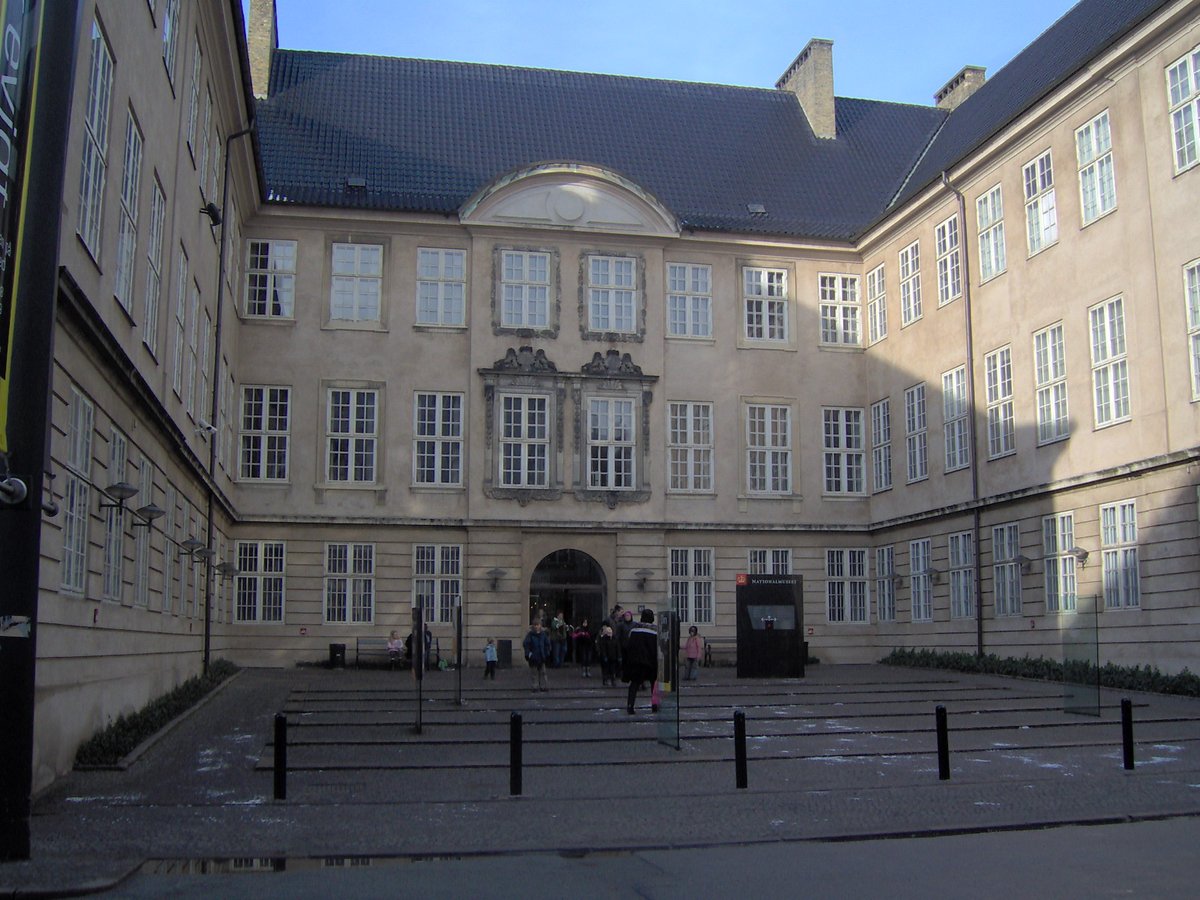
Ny Vestergade 10, 1471 Copenhagen, easily accessible by public transportation. The nearest metro station is Kongens Nytorv; several bus lines also serve the area.
Hours
Open daily from 10:00 AM to 5:00 PM, with extended hours on Wednesdays until 8:00 PM.
Tickets
Admission fees vary, with discounts for students, seniors, and groups. Children under 18 enter for free.
Enhance Your Visit
- Guided Tours Available in multiple languages, offering deeper insights into the museum's collections.
- Audio Guides and Interactive Exhibits Enhance your experience with detailed information and interactive displays.
- Special Events Check the museum's website for information on current exhibitions and upcoming events (Nationalmuseet).
- Photographic Spots Capture memories at iconic exhibits like the Trundholm Sun Chariot and the Gundestrup Cauldron.
- Accessibility Modern facilities ensure accessibility for all visitors.
Nearby Attractions
While in Copenhagen, consider visiting nearby historical sites and attractions:
- Rosenborg Castle A beautiful Renaissance castle housing the Danish crown jewels.
- The Round Tower An iconic 17th-century tower offering panoramic views of the city.
- Nyhavn A picturesque harbor with colorful buildings, restaurants, and boat tours.
Frequently Asked Questions (FAQ)
Q: What are the Nationalmuseet's visiting hours?
A: The museum is open daily from 10:00 AM to 5:00 PM, with extended hours on Wednesdays until 8:00 PM.
Q: How much do tickets cost?
A: Admission fees vary, with discounts available for students, seniors, and groups. Children under 18 can enter for free.
Q: Are guided tours available?
A: Yes, guided tours are available in multiple languages.
Q: Is the museum accessible for visitors with disabilities?
A: Yes, the museum has modern facilities to ensure accessibility for all visitors.