Introduction
Marmorbroen, or the Marble Bridge, stands as a historical and architectural marvel in Copenhagen, Denmark. Constructed between 1739 and 1745 during the reign of King Christian VI, this bridge connects the island of Slotsholmen, home to Christiansborg Palace, with the rest of the city (Minube). Designed by the renowned architect Nicolai Eigtved, Marmorbroen is adorned with Norwegian marble and intricate sculptures that reflect the craftsmanship of the 18th century (Exploding Travel). The bridge's medallions, bearing the royal family’s coats of arms framed by mythological characters, signify its cultural and historical importance (GPSmyCity). Over the centuries, Marmorbroen has been a gathering place for locals and visitors alike, symbolizing the resilience and continuity of Danish royal and governmental institutions. Its location, bridging Slotsholmen with the rest of Copenhagen, makes it a vital link between the city's historical and modern parts, often serving as a picturesque spot for photography and social gatherings (Minube). Efforts to preserve Marmorbroen ensure that future generations can continue to appreciate its historical and architectural significance (Waymarking).
Photo Gallery
Explore Marmorbroen in Pictures
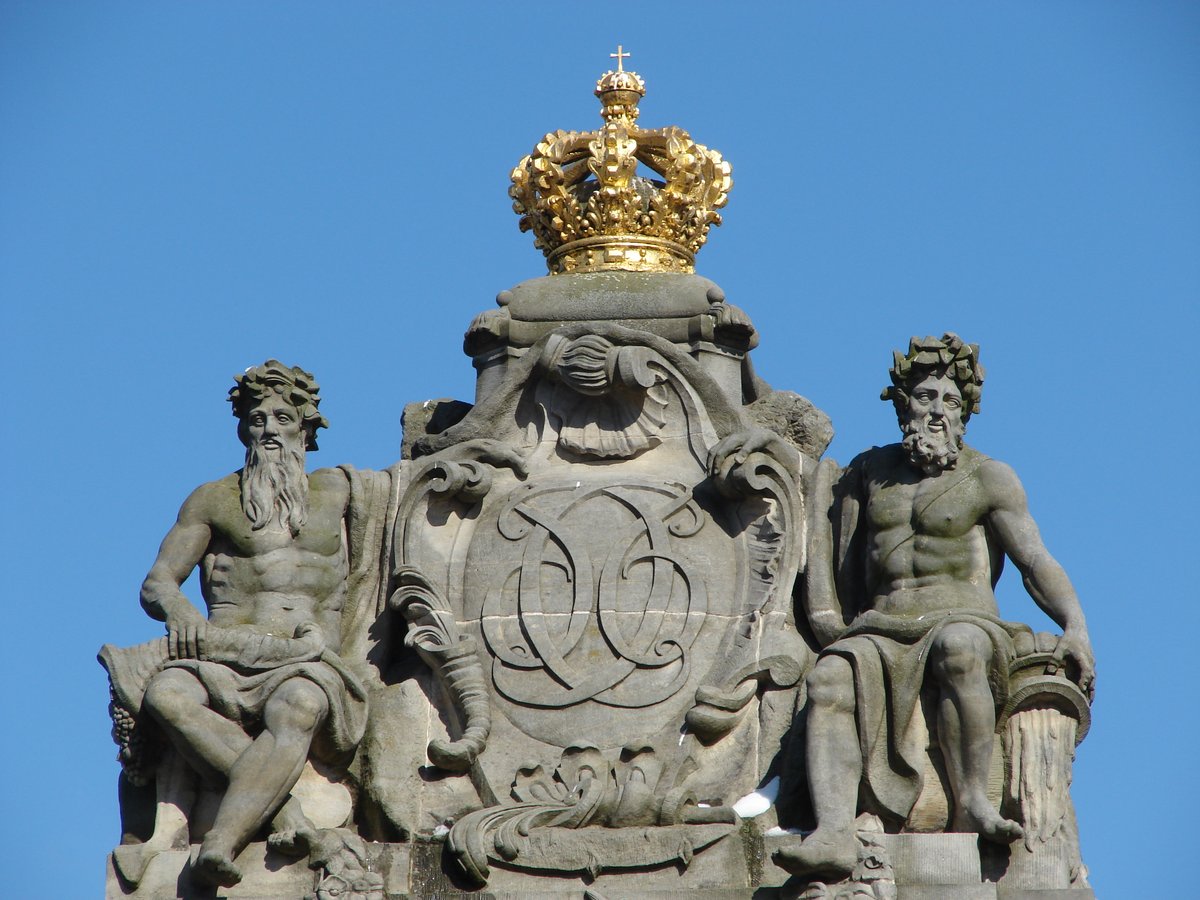
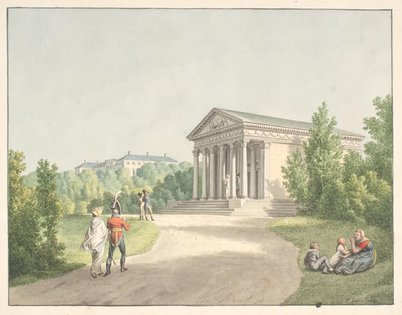
Detailed image of the monogram of Christian VI of Denmark and Norway displayed on a pavilion located near Marmorbroen at Christiansborg in Copenhagen.
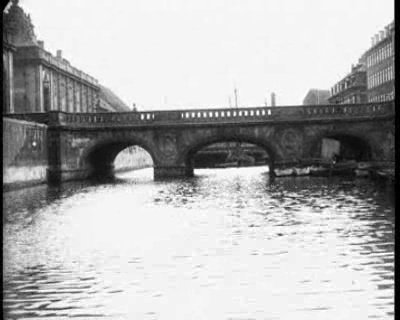
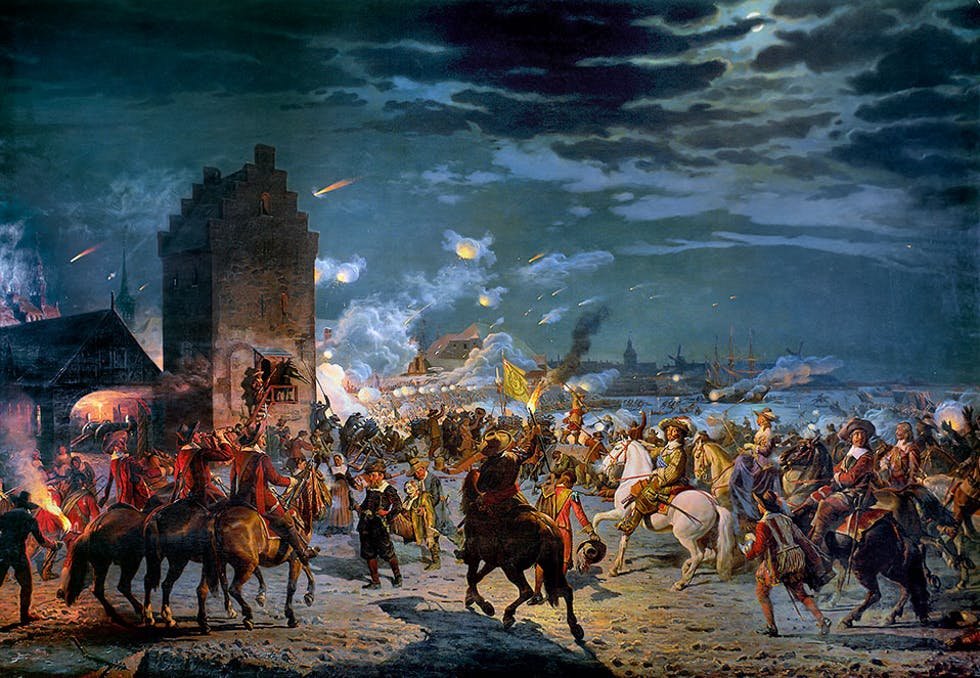
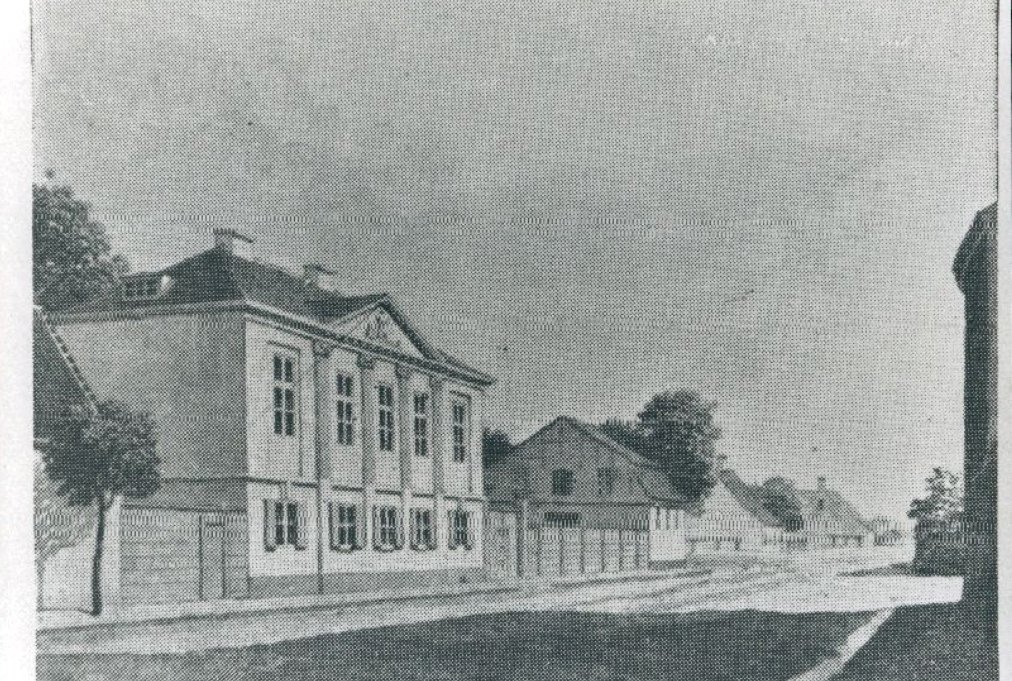
Screenshot from the 1908 Danish silent film En Tur gennem Københavns Kanaler depicting Frederiksholms Kanal and the historic Marmorbroen bridge in Copenhagen canals.
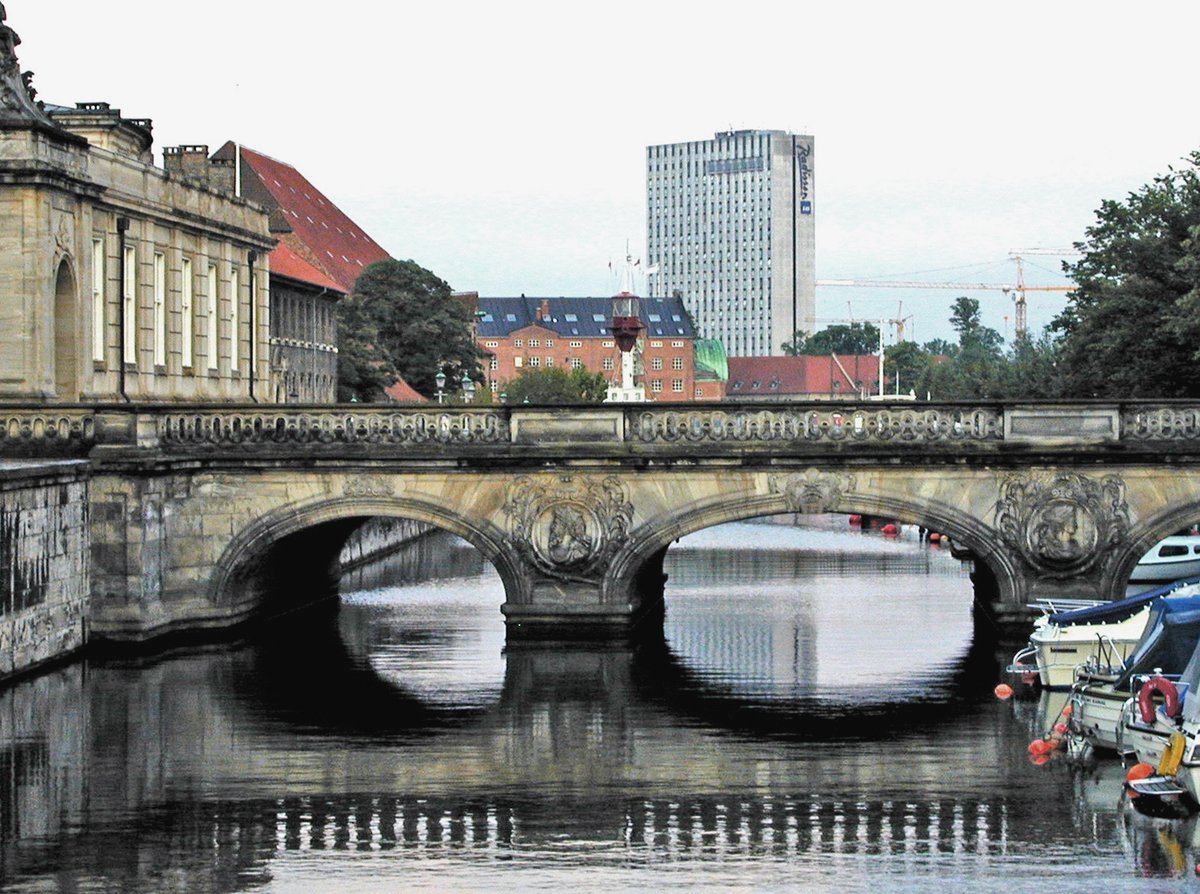
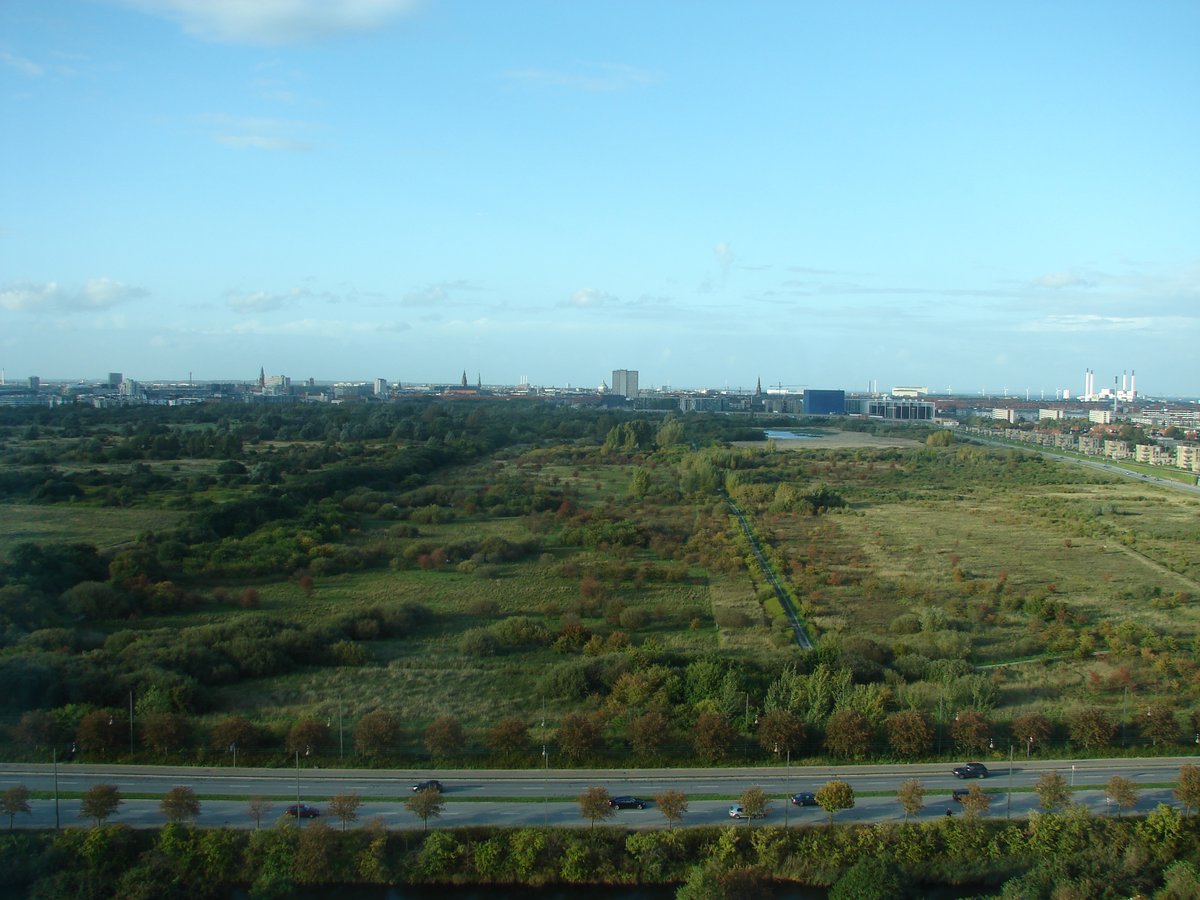
View of high-rise buildings under construction near Frederiksholms Kanal, showcasing urban development by the waterfront
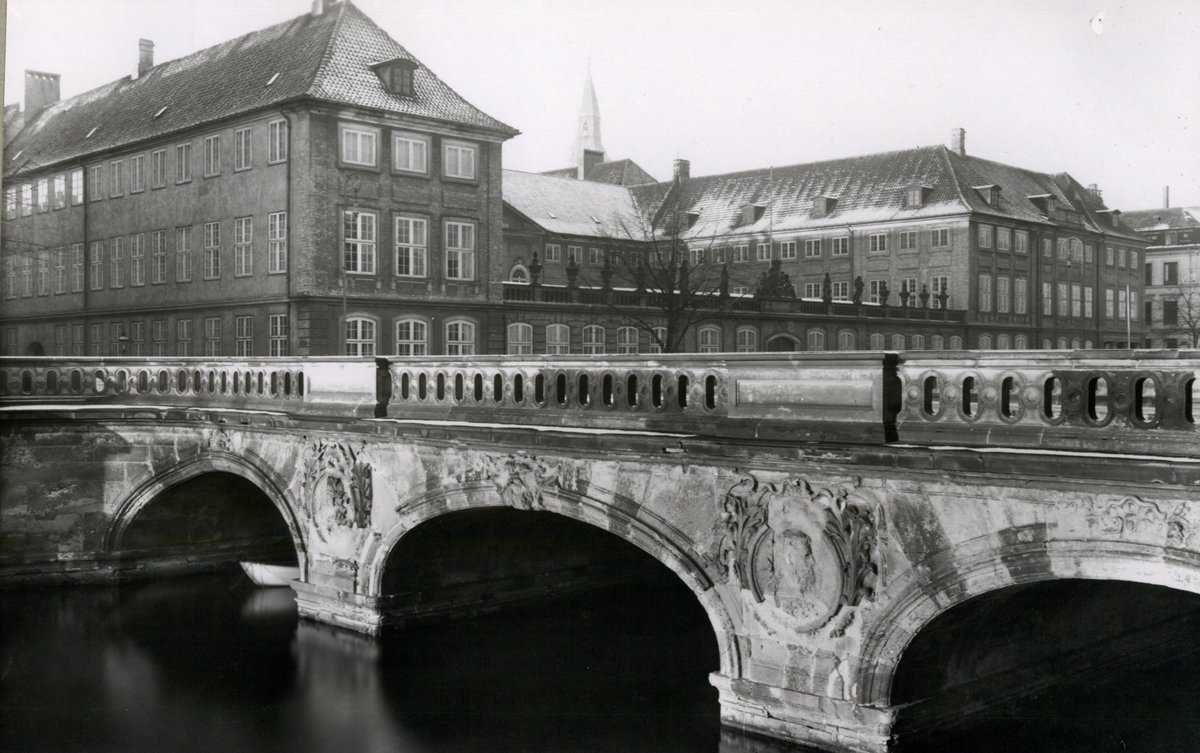
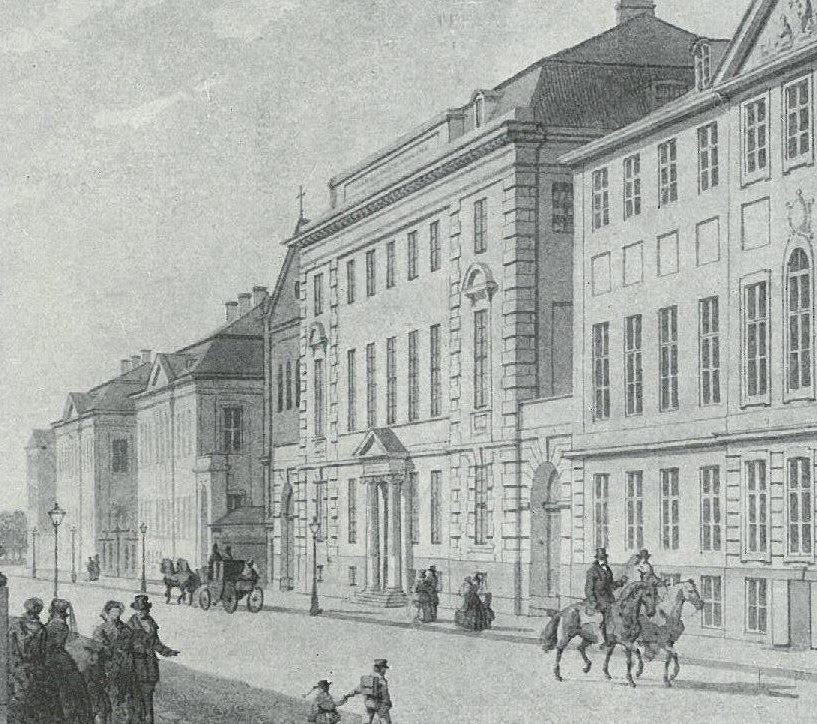
View of Marmorbroen bridge as seen from the Christiansborg side, featuring historic architecture in Copenhagen, Denmark
History of Marmorbroen
Construction and Architectural Significance
Marmorbroen, constructed between 1739 and 1745, was designed to connect the island of Slotsholmen, where Christiansborg Palace is situated, with the rest of the city. The bridge's construction was part of a larger project to enhance the grandeur and accessibility of Christiansborg Palace, which served as the royal residence and the seat of government (Minube).
The architectural design of Marmorbroen is a testament to the craftsmanship of the 18th century. The bridge is adorned with intricate sculptures and carvings, showcasing the exceptional skills of the artisans of that era. The tops of the bridge are covered with marble, which not only gives it its name but also adds to its aesthetic appeal. The medallions on the bridge bear the coats of arms of the royal family and are framed by mythological characters, adding a touch of grandeur and historical significance (Exploding Travel).
Historical Context
The construction of Marmorbroen took place during a period of significant architectural and urban development in Copenhagen. The 18th century was marked by the Baroque and Rococo styles, which emphasized grandeur, symmetry, and elaborate ornamentation. Marmorbroen is a prime example of these architectural trends, with its detailed sculptures and marble decorations reflecting the opulence of the time. The bridge was part of a broader effort to modernize and beautify Copenhagen, making it a fitting entrance to Christiansborg Palace. The palace itself has a long and storied history, having been rebuilt several times due to fires and other disasters. Marmorbroen has remained a constant feature, symbolizing the resilience and continuity of Danish royal and governmental institutions (GPSmyCity).
Cultural and Social Significance
Marmorbroen has not only architectural and historical significance but also cultural and social importance. Over the centuries, it has served as a gathering place for locals and visitors alike. Despite its formal and grand appearance, the bridge has become a popular spot for picnics and social gatherings, adding a touch of everyday life to this historical site (Minube). The bridge's location, connecting Slotsholmen with the rest of Copenhagen, makes it a vital link between the city's historical and modern parts. It serves as a reminder of Copenhagen's rich history while also being a functional part of the city's infrastructure. The bridge's proximity to other attractions, such as the National Museum of Denmark and Tivoli Gardens, makes it a convenient stop for tourists exploring the city (Exploding Travel).
Preservation and Modern-Day Relevance
In recent years, efforts have been made to preserve Marmorbroen and maintain its historical integrity. The bridge is considered a protected monument, and any restoration work is carried out with great care to preserve its original features. This commitment to preservation ensures that future generations can continue to appreciate the bridge's historical and architectural significance (Waymarking). Today, Marmorbroen remains a popular attraction for both locals and tourists. Its picturesque setting and historical significance make it a favorite spot for photography enthusiasts. The bridge's role as an entrance to Christiansborg Palace adds to its allure, offering visitors a glimpse into Denmark's royal and governmental history. The bridge's continued relevance in modern-day Copenhagen highlights the city's ability to blend its rich historical heritage with contemporary urban life (Culture Trip).
Visitor Information and Tips
Visiting Hours and Tickets
Marmorbroen itself is accessible at all times, as it is a public bridge. However, if you plan to visit Christiansborg Palace and other nearby attractions, it is advisable to check their specific opening hours and ticket prices. Christiansborg Palace, for instance, generally opens from 10 AM to 5 PM, but hours may vary on holidays (Christiansborg Palace Official Site).
Travel Tips
Given its popularity, the best time to visit Marmorbroen is early in the morning or late in the afternoon to avoid the crowds. This timing also provides the best lighting for photography, capturing the bridge's intricate details and the surrounding scenery. Visitors should also take the time to explore the nearby Christiansborg Palace and other historical sites in Slotsholmen to gain a deeper understanding of Copenhagen's rich cultural heritage (Exploding Travel).
FAQ
- What are the visiting hours for Marmorbroen? Marmorbroen is a public bridge and can be visited at any time. Nearby attractions like Christiansborg Palace have specific visiting hours.
- Are there guided tours available for Marmorbroen? While there are no guided tours specifically for Marmorbroen, many walking tours of Copenhagen include the bridge as part of their itinerary.
- Is there an entry fee for Marmorbroen? No, there is no entry fee to visit Marmorbroen, as it is a public bridge. However, nearby attractions may have entry fees.
- What are some nearby attractions to visit? Nearby attractions include Christiansborg Palace, the National Museum of Denmark, and Tivoli Gardens.
Practical Information for Visitors
Location
Marmorbroen is situated within the Frederiksberg Palace Gardens in Frederiksberg, Denmark. The gardens are easily accessible by public transport, with several bus and metro lines serving the area.
Opening Hours
The gardens are open daily from 10:00 AM to 5:00 PM. During the summer months, the gardens remain open until 8:00 PM.
Admission
Entry to the gardens and Marmorbroen is free of charge. However, guided tours of the palace and its surroundings are available for a fee.
Facilities
The gardens are equipped with several amenities, including restrooms, picnic areas, and a café. There are also information boards and digital guides available to help visitors learn more about the bridge and its history.
Tips for a Memorable Visit
- Plan Ahead: To make the most of your visit, plan your trip in advance. Check the weather forecast and choose a day with pleasant weather to fully enjoy the outdoor experience.
- Guided Tours: Consider joining a guided tour to gain deeper insights into the history and significance of Marmorbroen and the Frederiksberg Palace complex. Tours are available in multiple languages and can be booked online or at the entrance.
- Photography: Marmorbroen is a popular spot for photography, thanks to its stunning architecture and scenic surroundings. Bring a camera to capture the beauty of the bridge and the gardens.
- Picnic: Pack a picnic and enjoy a leisurely meal in the gardens. There are several designated picnic areas where you can relax and take in the views.
- Explore the Gardens: Take the time to explore the entire Frederiksberg Palace Gardens. The gardens are home to several other attractions, including the Chinese Pavilion and the Frederiksberg Palace itself.
Nearby Attractions
Christiansborg Palace
Located adjacent to Marmorbroen, Christiansborg Palace is a must-visit. The palace is a stunning example of Baroque architecture and offers guided tours of its opulent interiors.
Frederiksberg Gardens
The gardens surrounding the palace are a beautiful place to explore. They feature a variety of landscapes, including formal gardens, wooded areas, and lakes.
Cisternerne
An underground art museum located in the nearby Søndermarken Park. The museum is housed in a former water reservoir and features contemporary art exhibitions in a unique subterranean setting (visitcopenhagen.com).
Frederiksberg Runddel
A popular ice rink located in front of Frederiksberg Gardens. It is especially beautiful at night when illuminated by lights, making it a fun winter activity for visitors (visitcopenhagen.com).
Safety Tips
- Cyclists: Copenhagen is known for its cycling culture, and Marmorbroen is no exception. Be mindful of cyclists when walking on the bridge and use designated pedestrian paths to ensure safety (Destination Daydreamer).
- Weather: Check the weather forecast before your visit and dress appropriately. Copenhagen's weather can be unpredictable, so it's advisable to carry an umbrella or raincoat, especially during the fall and winter months.
Local Etiquette
- Respect the History: Marmorbroen is a historical landmark, so treat it with respect. Avoid climbing on the sculptures or causing any damage to the structure.
- Quiet Enjoyment: While the bridge is a popular tourist spot, it's also a place of historical significance. Maintain a respectful demeanor and avoid loud noises to preserve the serene atmosphere.
Dining and Refreshments
After exploring Marmorbroen and its surroundings, you might want to grab a bite to eat. Here are some nearby dining options:
- Café Glyptoteket: Located within the Ny Carlsberg Glyptotek, this café offers a variety of light meals, pastries, and beverages in a beautiful setting. It's a great spot to relax and enjoy a meal after your visit (VisitFrederiksberg).
- Restaurant Tårnet: Situated in the tower of Christiansborg Palace, this restaurant offers Danish cuisine with stunning views of Copenhagen. It's an excellent choice for a memorable dining experience (VisitDenmark).
Souvenirs and Shopping
For those looking to take home a piece of their visit, consider these nearby shopping options:
- Royal Copenhagen Flagship Store: Located near Christiansborg Palace, this store offers a wide range of high-quality porcelain and ceramics, perfect for a unique and elegant souvenir (Destination Daydreamer).
- Illums Bolighus: A short walk from Marmorbroen, this department store features a variety of Danish design products, including home decor, fashion, and accessories.
Listen to the full story in the app
Your Personal Curator, in Your Pocket.
Audio guides for 1,100+ cities across 96 countries. History, stories, and local insight — offline ready.
Audiala App
Available on iOS & Android
Join 50k+ Curators
Sources
- verified
- verified
- verified
- verified
- verified
Last reviewed: