Introduction
The Liberty Column (Frihedsstøtten) is one of Denmark’s most significant monuments, standing prominently on Vesterbrogade opposite Copenhagen Central Station. Erected in 1797, it celebrates the abolition of the stavnsbåndet (adscription) in 1788—a landmark moment that ended the legal bondage of Danish peasants to their birth estates. The Liberty Column embodies Enlightenment ideals, symbolizing Denmark’s peaceful journey toward social reform and democracy. This comprehensive guide delves into the monument’s origins, symbolism, architectural features, historical context, and practical visitor information—including visiting hours, accessibility, nearby attractions, and tour options—making it an essential resource for history enthusiasts and travelers alike.
Official sources for more information include Copenhagenet, VisitCopenhagen, Danish Cultural Heritage Agency, and Small Danish Hotels.
Photo Gallery
Explore Liberty Column in Pictures
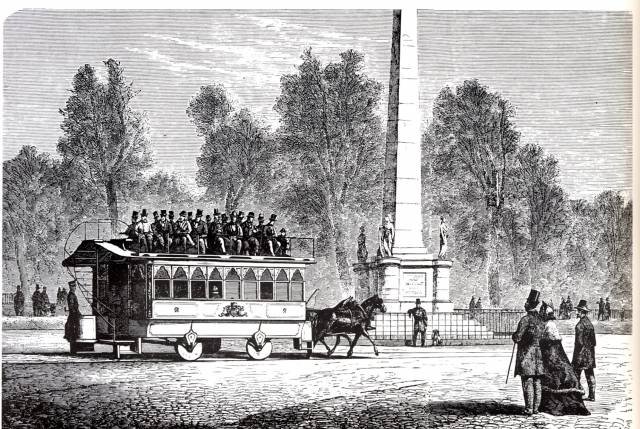
Historic image of the first horse-driven tram operating in Copenhagen, Denmark, dated 23 November 1863.
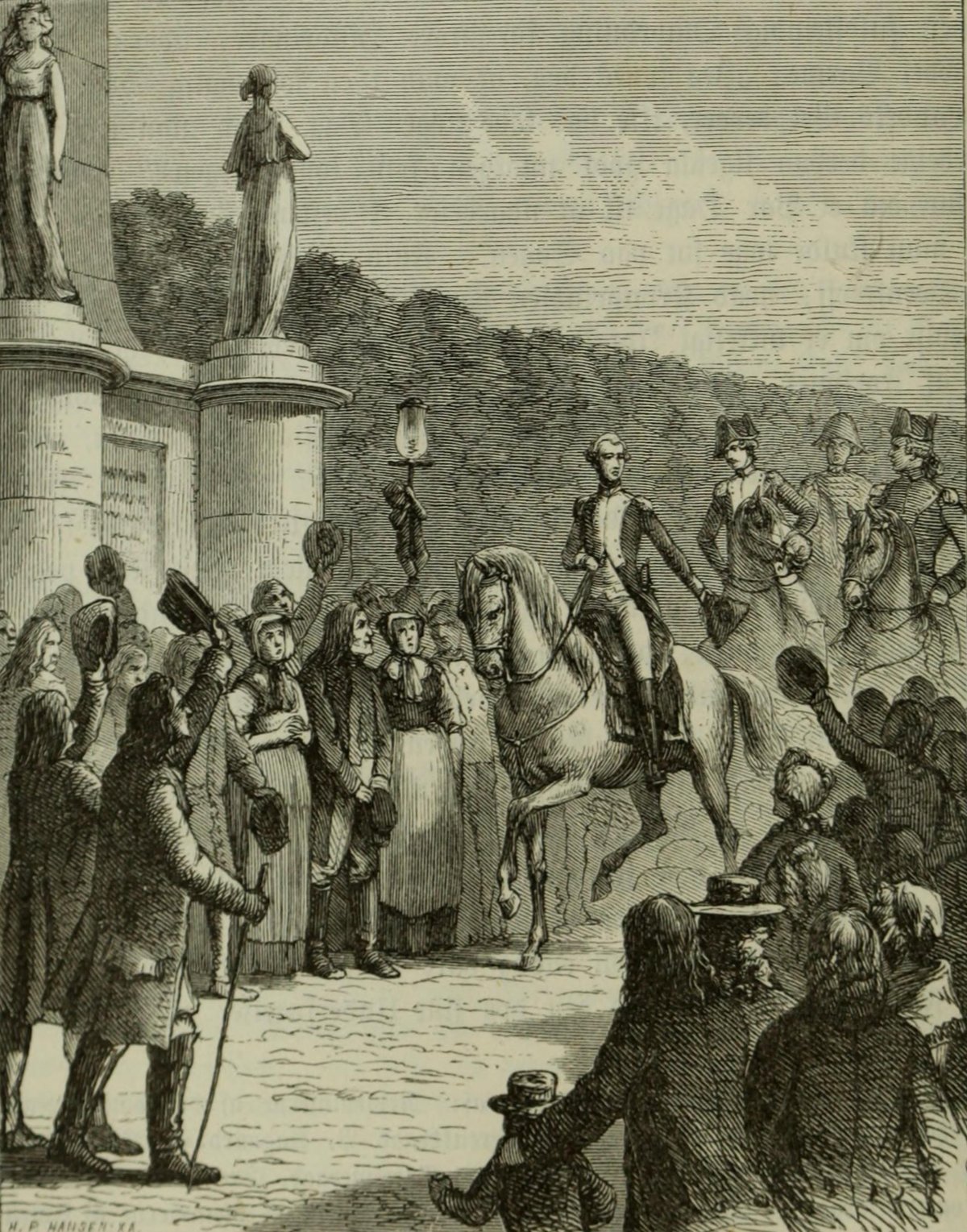
Historic scene depicting the erection of the Liberty Memorial in Copenhagen, Denmark in 1797, representing Denmark, Norway, and Sweden's history.
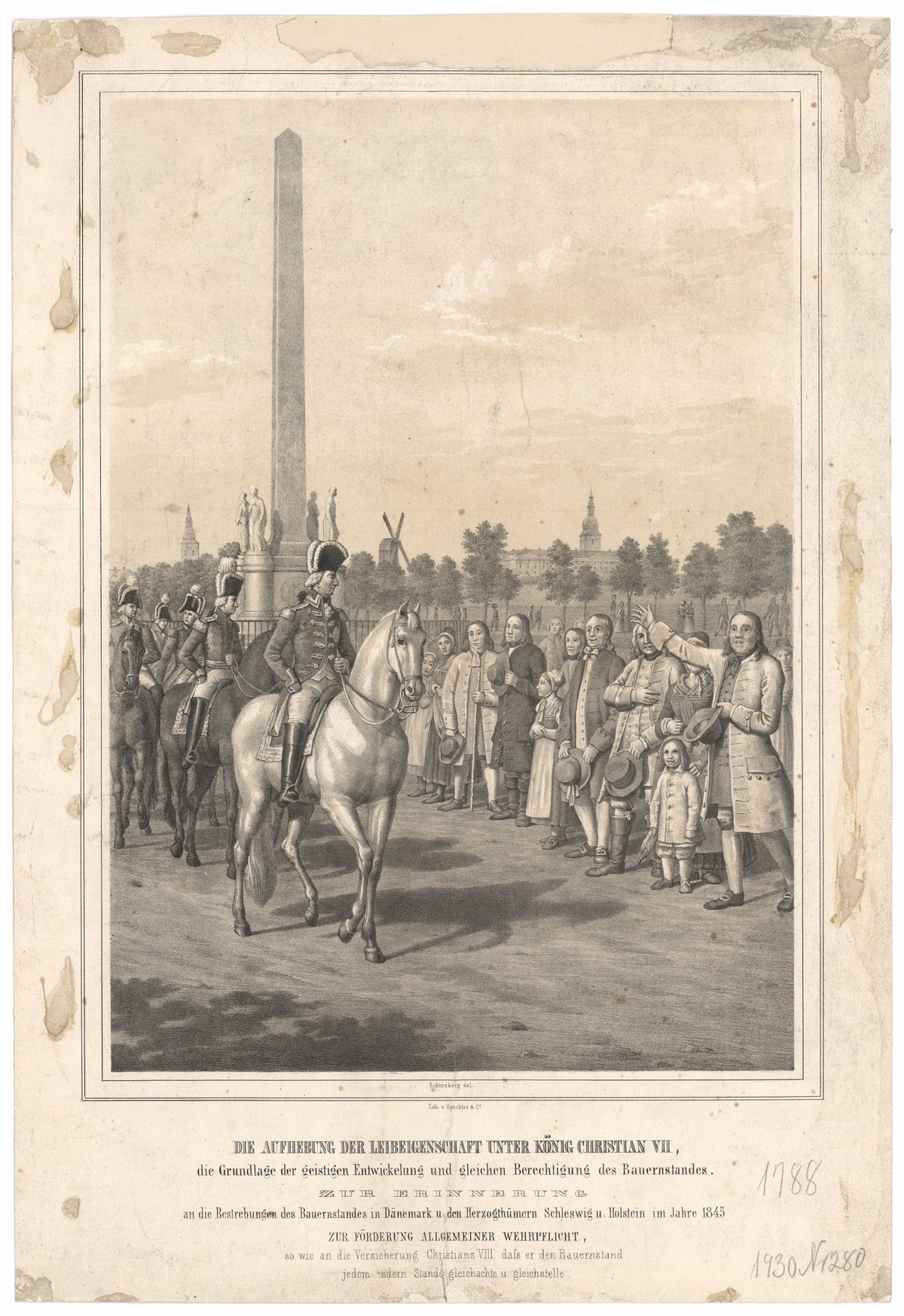
This painting illustrates the moment of the abolition of serfdom in Denmark under the reign of King Christian VII, showcasing the king and his entourage during the historic event.
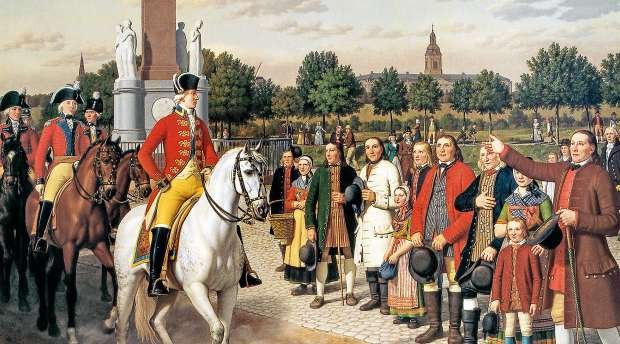
Historical painting by Eckersberg showing farmers expressing gratitude to King Christian VII and Crown Prince Frederik at Frihedsstøtten in Copenhagen on the 50th anniversary of the abolition of Stavnsbåndet.
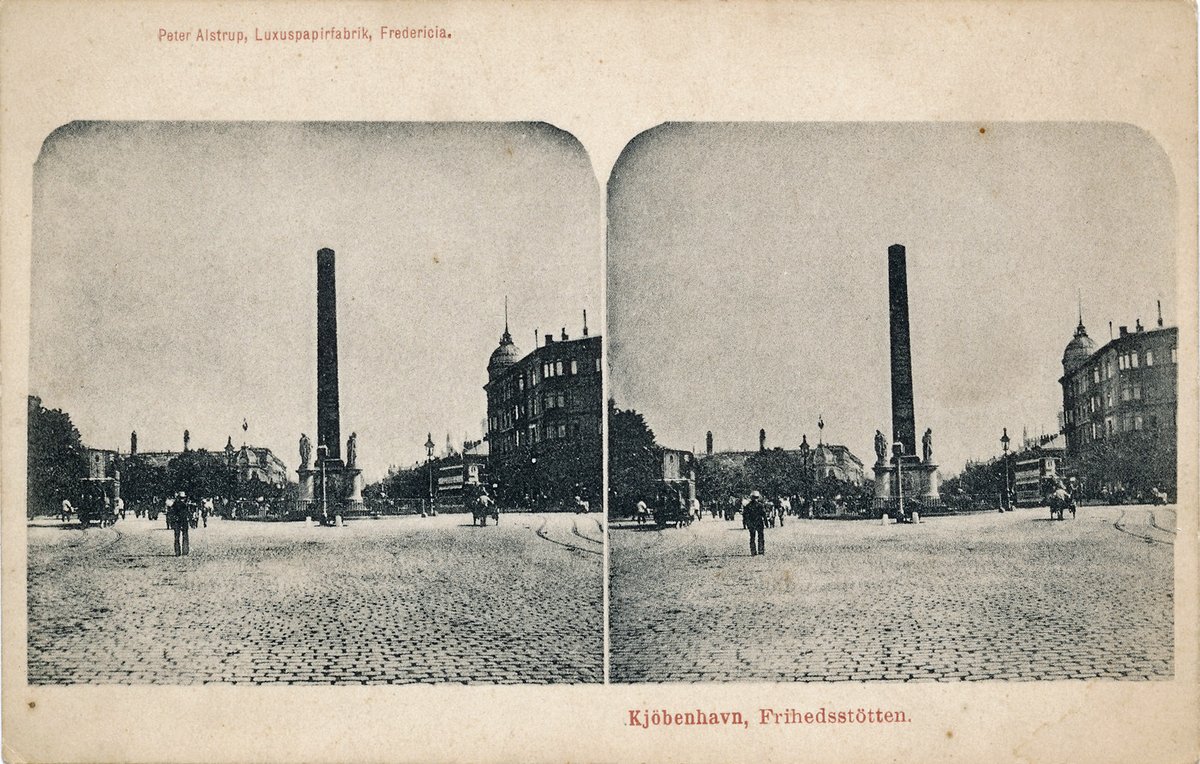
Black and white photograph of the Frihedsstøtten monument in Denmark, taken between 1896 and 1912, showcasing the historical structure in its original setting.
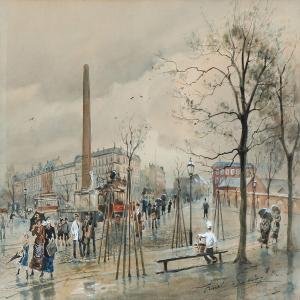
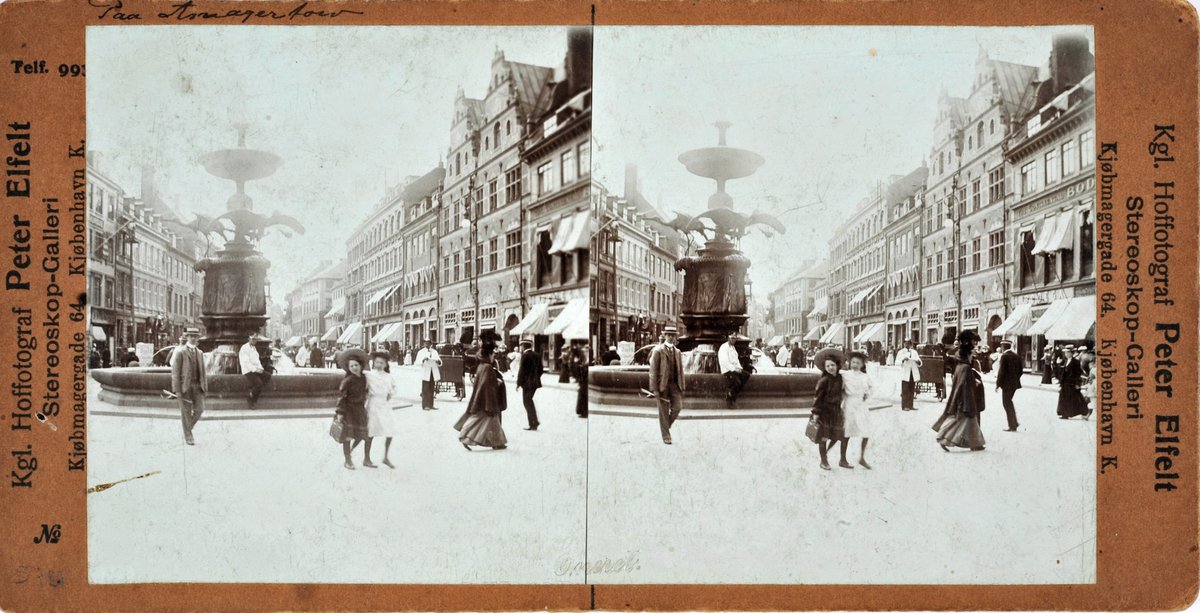
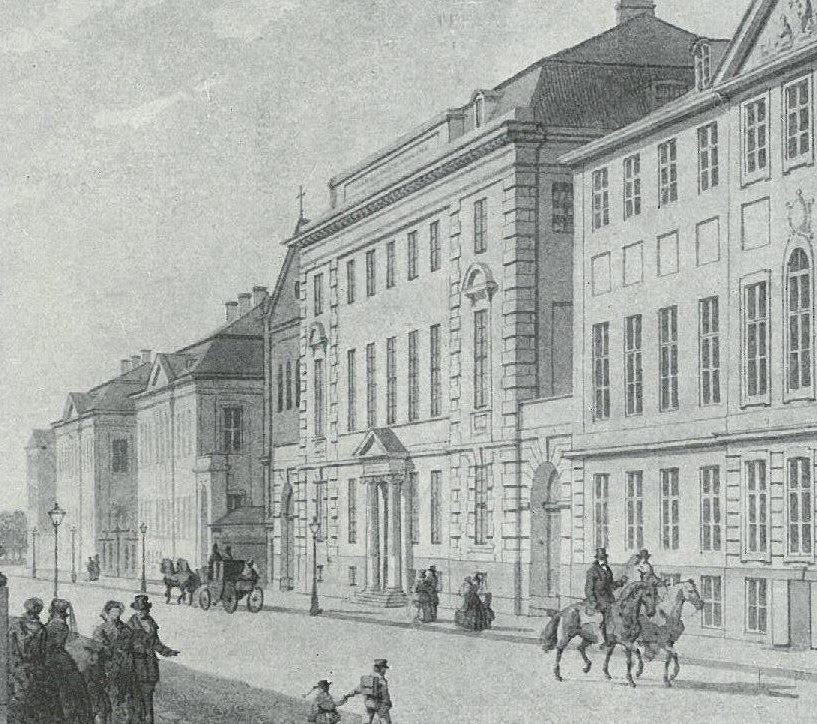
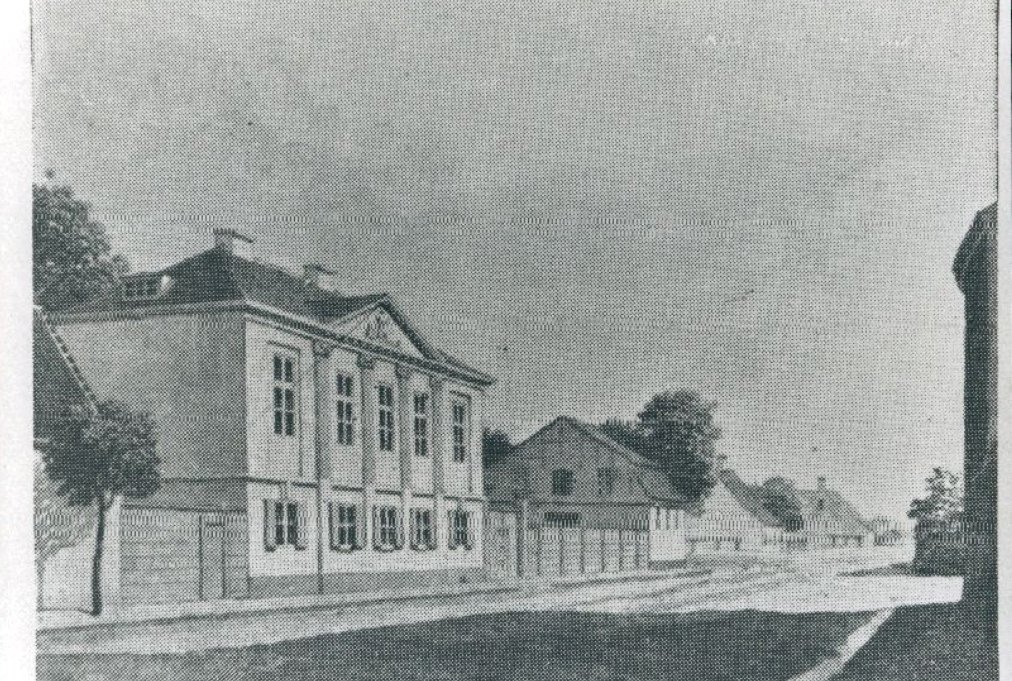
Historic street scene showing daily life around the Liberty Column in Copenhagen Denmark

Historical image of Frihedsstøtten on Vesterbrogade street in Copenhagen, Denmark prior to its relocation
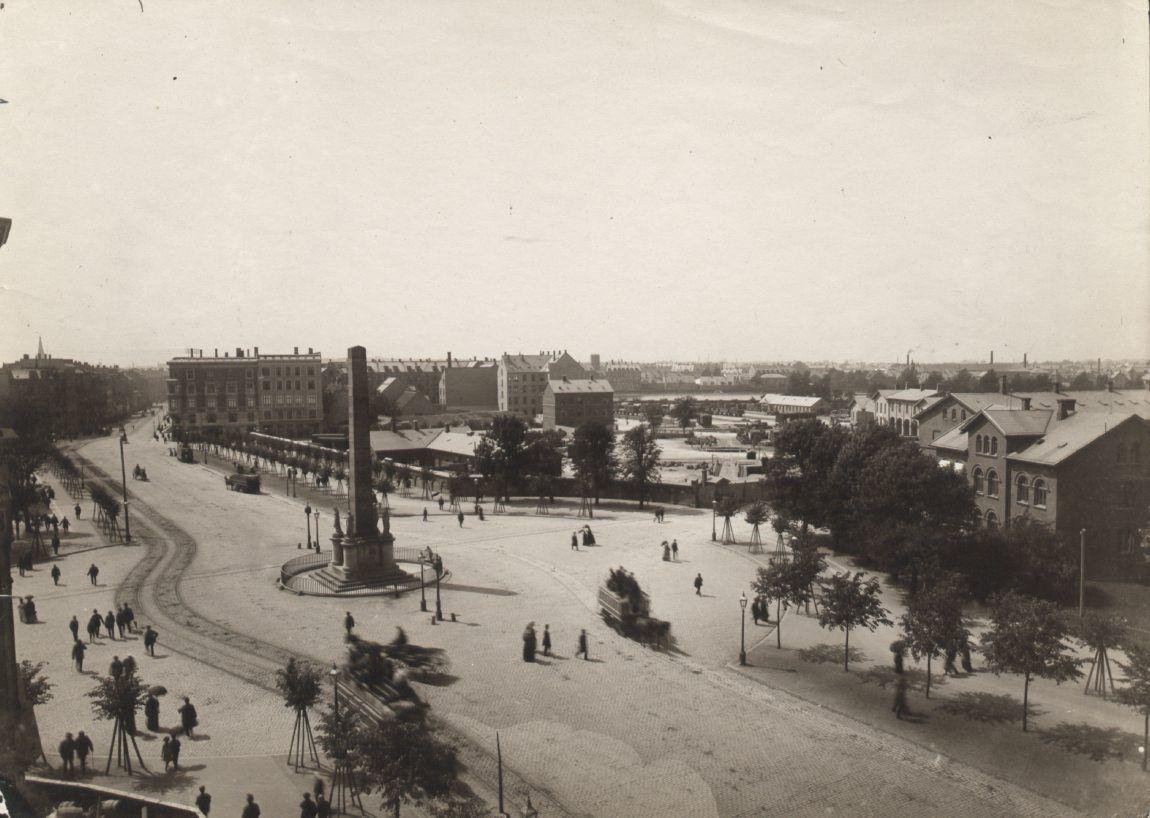
Historic image of Frihedsstøtten monument in Copenhagen, Denmark from 1888, showing the monument and Vestre Boulevard in the background.
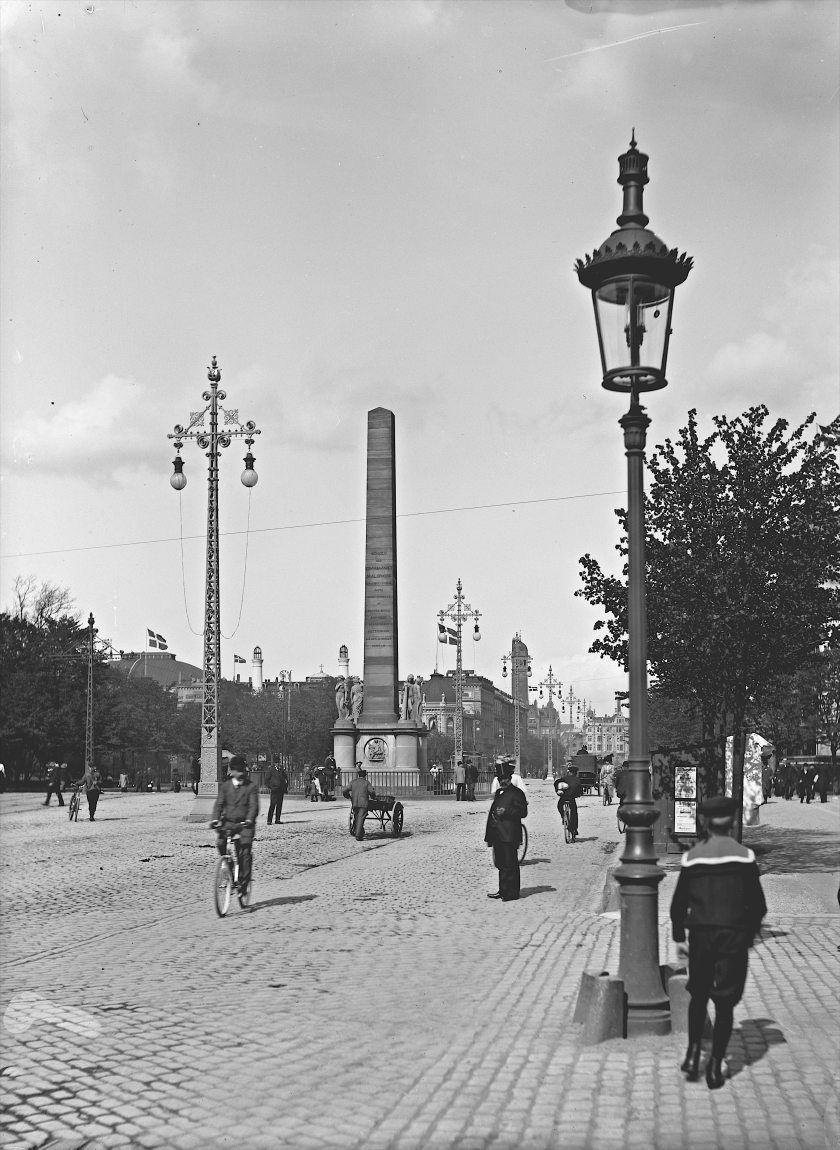
Historic photo of Frihedsstøtten monument located in Copenhagen Denmark taken in 1909
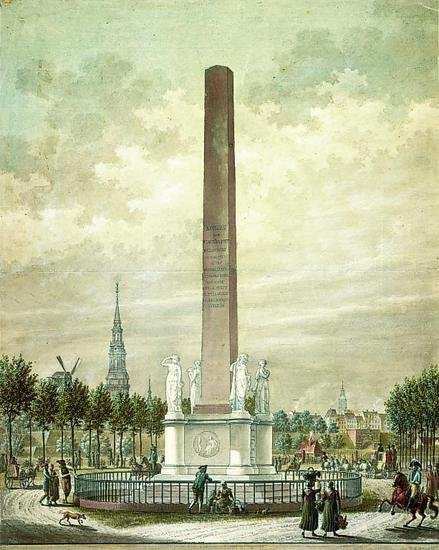
Historical image of Frihedsstøtten monument located in Copenhagen Denmark representing freedom and national heritage
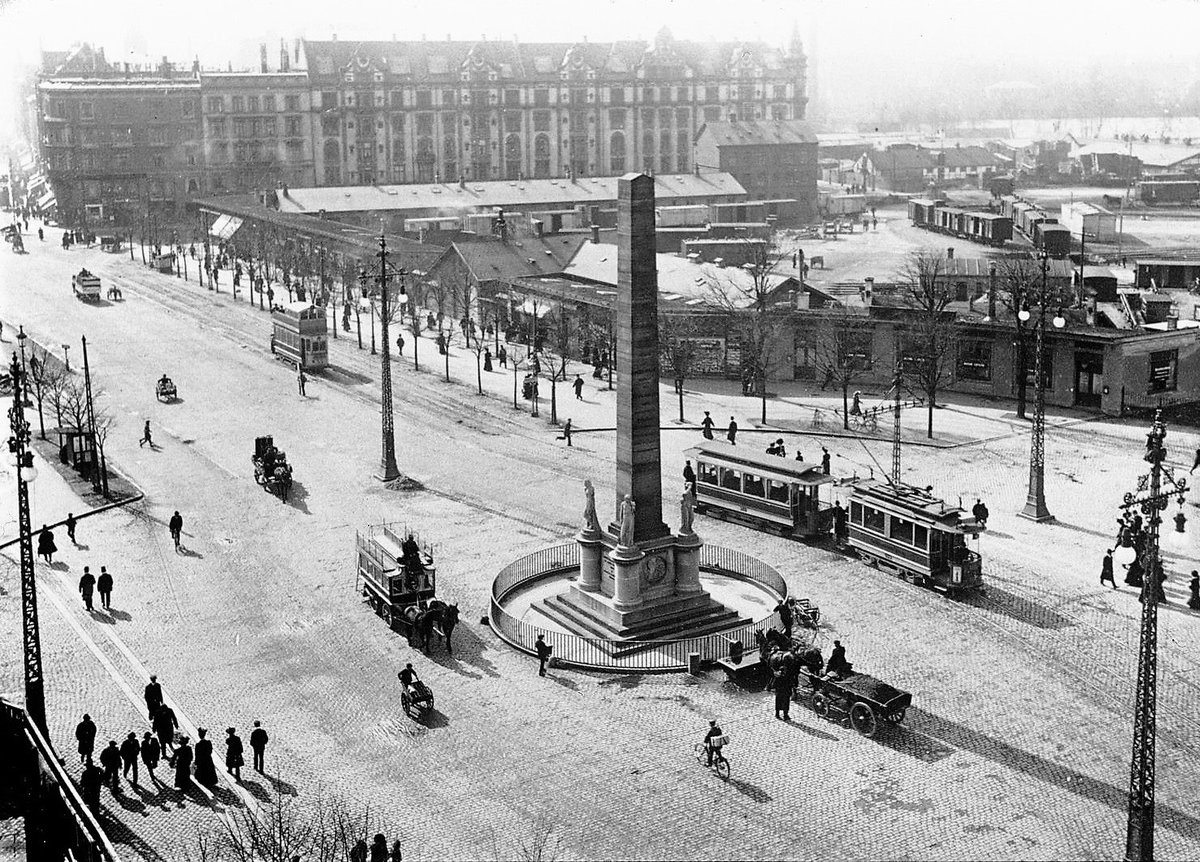
Historical image of Frihedsstøtten monument located in Copenhagen, Denmark circa 1910, showcasing its architectural design and surrounding area.
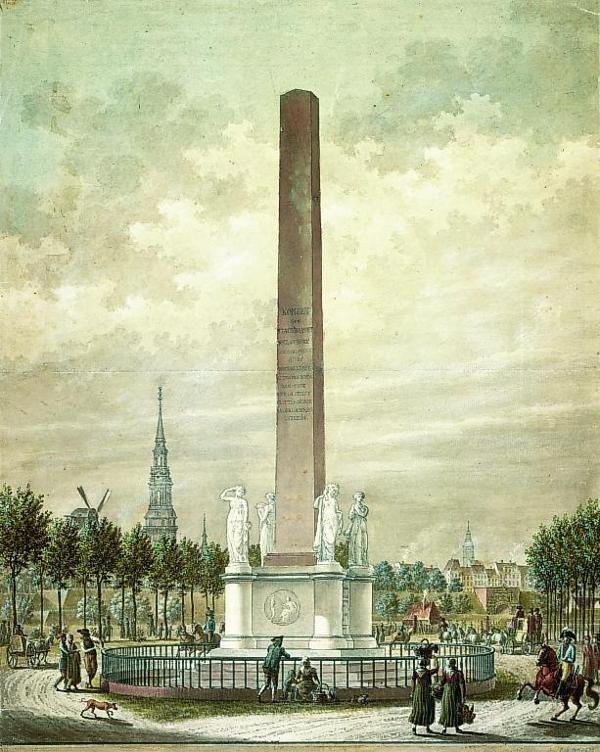
Engraving of the Frihedsstøtten monument located in Copenhagen, Denmark, symbolizing freedom and Danish history
Origins and Historical Context
The Liberty Column was conceived to honor the 1788 abolition of adscription, a system introduced in 1733 that bound Danish peasants to their estates and limited their freedoms (copenhagenet.dk). This reform was part of broader Enlightenment-inspired changes that improved rural life and promoted social mobility. The monument’s foundation was laid by Prince Frederik (later King Frederik VI) in 1792, and it was inaugurated in 1797. The project was a collaboration between the monarchy and Copenhagen’s bourgeoisie, reflecting Denmark’s unique, non-violent approach to reform (guideservicedanmark.dk).
Symbolism and Artistic Features
Allegorical Figures and Reliefs
The Liberty Column is a neoclassical obelisk adorned with four allegorical female statues at its base, each representing a virtue central to the reforms:
- Bravery (Tapperhed)
- Civic Virtue (Borgerdyd)
- Fidelity (Troskab)
- Industrious Cultivation of Land (Flittig Agerdyrkning)
These sculptures, created by Johannes Wiedewelt, Nicolai Dajon, and Andreas Weidenhaupt, hold symbolic objects like agricultural tools and shields, embodying the ideals of the Enlightenment (Danish National Museum). Two relief panels on the base illustrate the hardships and hopes of the era, narrating the abolition of serfdom.
Inscriptions and Iconography
The monument also features inscriptions by poet Thomas Thaarup, commemorating the joint efforts of King Christian VII and the Danish people in advancing social justice (TripHobo). The upward-reaching obelisk itself symbolizes aspiration and the enduring pursuit of freedom.
Architectural Design and Structure
Standing approximately 20 meters tall, the Liberty Column draws inspiration from ancient Egyptian obelisks, signifying endurance and commemoration. Its slender shaft is constructed from warm-hued sandstone from the Danish island of Bornholm, while the base is made of elegant Norwegian marble (Copenhagen Municipality Cultural Heritage). The structure’s fluted design and acanthus-leaf capital are classic neoclassical features.
The column’s strategic placement in front of Copenhagen Central Station, surrounded by streets named after reformers, integrates it into the city’s historical landscape.
Restoration and Preservation
The Liberty Column has undergone significant restoration efforts to preserve its historical integrity. Major renovations took place in 1850–51 and again in 1999. During the construction of nearby infrastructure, the original monument was temporarily dismantled and replaced by a faithful replica crafted by Kens Lunde, ensuring its continued presence in the urban fabric (Small Danish Hotels).
Urban Setting and Visual Impact
Situated at a bustling crossroads, the Liberty Column is highly visible and accessible. The surrounding area, featuring wide sidewalks, benches, and green spaces, encourages visitors to pause and reflect. The adjacent streets—Bernstorffsgade, Reventlowsgade, and Colbjørnsensgade—are named after leaders of the peasant reforms, further embedding the monument within Copenhagen’s historical narrative.
Visiting Hours and Ticket Information
- Open: 24/7, year-round.
- Admission: Free; no ticket required.
- Best Times to Visit: Early morning or late afternoon for optimal lighting and fewer crowds.
- Facilities: Public restrooms are available in Copenhagen Central Station, and numerous cafés and restaurants are nearby.
(VisitCopenhagen, Copenhagenet)
Accessibility and Travel Tips
- Location: Vesterbrogade 2A, 1620 København V, Copenhagen
- Transport: Directly opposite Copenhagen Central Station; accessible by train, bus, metro, bike, or on foot.
- Wheelchair Access: The plaza is wheelchair-friendly with ramps, though a few steps around the base may restrict close-up access.
- Travel Tip: Combine your visit with nearby attractions for a full Copenhagen experience.
Guided Tours and Nearby Attractions
- Guided Tours: Many walking tours of Copenhagen include the Liberty Column and offer in-depth historical context (Viator).
- Self-Guided Audio: Mobile apps provide self-guided tours and additional information.
- Nearby Attractions:
- Tivoli Gardens: Historic amusement park with rides and entertainment.
- City Hall Square (Rådhuspladsen): Public events and the iconic City Hall.
- Ny Carlsberg Glyptotek: Museum with classical and modern art collections.
- Strøget: One of Europe’s longest pedestrian shopping streets.
(Trek Zone, Mukikapup's Travels)
Special Events and Cultural Functions
The Liberty Column serves as a site for national commemorations, such as Constitution Day (June 5), with wreath-laying ceremonies and public speeches. Its open plaza occasionally hosts cultural events—check local event calendars for details (Nomad Epicureans).
Photographic Spots and Visual Appeal
- Photography Tips: Early morning and late afternoon light best highlight the monument’s sculptural details.
- Visual Recommendations: Include wide-angle shots with Copenhagen Central Station as a backdrop, and close-ups of the allegorical figures and reliefs.
- Social Media: Share your images online with alt text such as "Liberty Column Copenhagen monument" and "Frihedsstøtten statues."
Educational and Social Functions
The Liberty Column acts as an open-air classroom, educating visitors on Denmark’s social reforms and the values of freedom and equality. Nearby museums and cultural institutions complement the learning experience, making the area a hub for civic and historical education (TripHobo).
Visitor Tips
- Approach the monument from different angles to appreciate its architectural and artistic details.
- Combine your visit with walks along surrounding streets named after reformers.
- Bring a camera and capture the neoclassical features against Copenhagen’s modern backdrop.
- Read about Denmark’s social reforms beforehand for richer context.
- Use official tourism apps for interactive maps and audio guides.
Frequently Asked Questions (FAQ)
Q: What are the visiting hours for the Liberty Column?
A: The monument is outdoors and accessible 24/7, year-round.
Q: Is there an entry fee?
A: No, visiting the Liberty Column is free of charge.
Q: How do I get there?
A: Located on Vesterbrogade in front of Copenhagen Central Station, the site is easily reached by public transit, bike, or on foot.
Q: Are guided tours available?
A: Yes, many city walking tours and mobile apps include the Liberty Column.
Q: Is the site accessible for visitors with disabilities?
A: Yes, the plaza is wheelchair-accessible, though steps around the base may limit close access.
Q: What attractions are nearby?
A: Tivoli Gardens, Copenhagen Central Station, City Hall Square, Ny Carlsberg Glyptotek, and Strøget are all within walking distance.
Listen to the full story in the app
Your Personal Curator, in Your Pocket.
Audio guides for 1,100+ cities across 96 countries. History, stories, and local insight — offline ready.
Audiala App
Available on iOS & Android
Join 50k+ Curators
Sources
- verified
- verified
- verified
- verified
- verified
Last reviewed: