Introduction
Kultorvet, or "The Coal Market," stands at the heart of Copenhagen’s Old Town as a vibrant public square rich in history and contemporary culture. Established after the catastrophic Copenhagen Fire of 1728, Kultorvet quickly became a bustling marketplace and a key urban node, evolving through centuries into a pedestrian-friendly gathering place that reflects the city’s commitment to sustainable urban planning and quality of life (uniavisen.dk; wikiwand.com). Today, Kultorvet is not only a lively thoroughfare but also a cultural stage hosting cafés, shops, seasonal markets, and events, making it a must-see for history buffs, culture seekers, and anyone exploring Copenhagen’s historic core (VisitCopenhagen; evendo.com).
This comprehensive guide covers everything you need for a rewarding visit: practical information on hours and accessibility, transport, architectural highlights, guided tours, nearby attractions, and tips to enhance your experience.
Table of Contents
- Introduction
- Origins and Early Development
- From Marketplace to Urban Hub
- 20th & 21st Century Transformations
- Architectural and Cultural Highlights
- Visiting Kultorvet: Practical Information
- Tips for Visitors
- Frequently Asked Questions (FAQ)
- Summary and Travel Tips
- References
Origins and Early Development
Post-Fire Reconstruction
Kultorvet was established in the aftermath of the 1728 fire that devastated much of Copenhagen. The city’s planners took this opportunity to redesign the area with wider streets and open spaces, improving circulation and fire safety. The square became known as “The Coal Market,” serving as a trading hub for coal and firewood, both vital to daily life in the 18th and 19th centuries (uniavisen.dk; wikiwand.com).
From Marketplace to Urban Hub
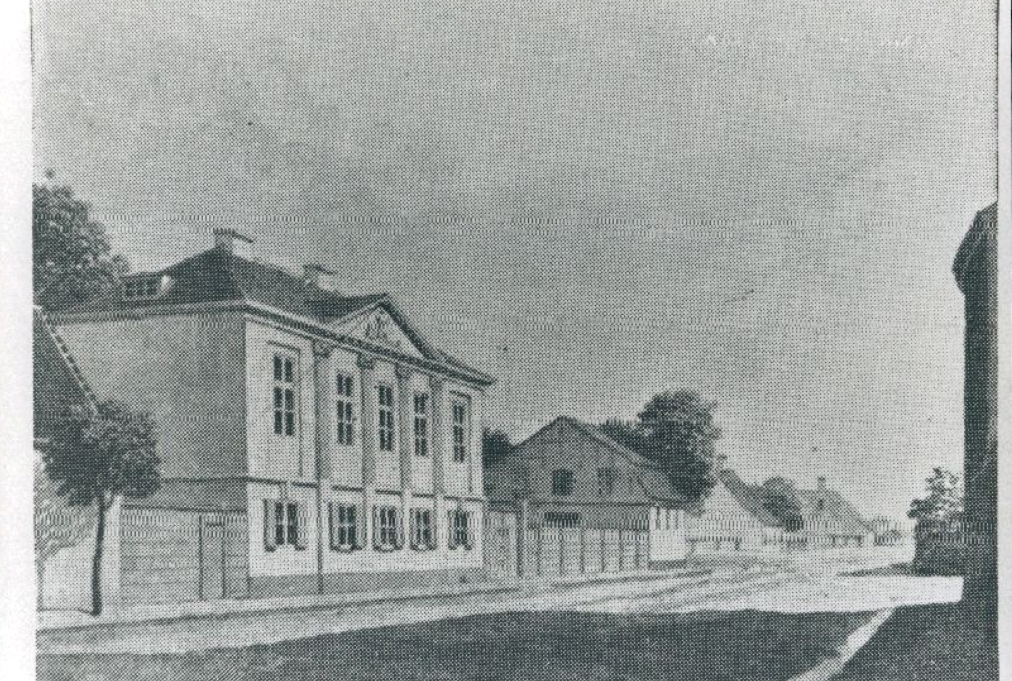
In its heyday, Kultorvet thrived as a market square surrounded by shops and residences. Its proximity to the University of Copenhagen and Trinitatis Church (home to the Round Tower) anchored it in the city’s academic and social life. The square’s architecture from this era features neoclassical details, pastel facades, and decorative balconies, reflecting the mercantile prosperity of the period (uniavisen.dk).
20th & 21st Century Transformations
Urban Renewal
As coal lost its importance in the 20th century, Kultorvet’s function shifted. The construction of the Copenhagen Central Library and the pedestrianization of the square in the 1970s marked its evolution into a center for urban culture, commerce, and leisure. A major redesign by Polyform Architects from 2011–2013 introduced granite paving, integrated seating, lighting, and a circular water installation that also serves as a bandstand (wikiwand.com). These changes transformed Kultorvet into a dynamic space for socializing and events.
A Lively Cultural Stage
Today, Kultorvet is home to cafés, restaurants, shops, and frequent cultural happenings, such as open-air concerts, art installations, and seasonal markets (evendo.com; VisitCopenhagen). The square’s historic telephone kiosk and public sculpture, including Hanne Varming’s “The Elder Mother,” add further local character (Wikipedia).
Architectural and Cultural Highlights
Kultorvet’s architecture showcases a harmonious blend of 18th and 19th-century neoclassical styles with contemporary urban design. Key features include:
- Historic Facades: Pastel-colored stucco, sash windows, and cornices from Copenhagen’s post-fire reconstruction.
- Modern Interventions: Granite paving, minimalist lighting, and urban furniture from the 2010s redesign, supporting both daily life and large public events (VisitCopenhagen).
- Public Art: The “Elder Mother” statue and seasonal art installations.
- Proximity to Landmarks: Sightlines to the Round Tower and easy access to Strøget, University of Copenhagen, and Rosenborg Castle (gpsmycity.com; VisitDenmark).
Kultorvet’s open design and integration with the city’s pedestrian network exemplify Copenhagen’s approach to sustainable, inclusive urban spaces (Lonely Planet; Destination Daydreamer).
Visiting Kultorvet: Practical Information
Hours and Accessibility
- Square: Open 24/7, free entry. No tickets required.
- Shops & Cafés: Typically open 10:00 AM–6:00 PM (some later on weekends).
- Accessibility: Fully pedestrianized with smooth paving and step-free access. Wheelchair-friendly and suitable for all visitors.
Getting There
- By Metro/Train/Bus: Nørreport Station (metro, S-train, regional trains, and buses) is a short walk away (wikiwand.com; Official Copenhagen Metro).
- By Bike: Extensive bike lanes lead to the square; rental bikes are widely available (VisitCopenhagen).
- On Foot: Kultorvet is part of Copenhagen’s pedestrian zone, easily reached from Strøget and Amagertorv.
Guided Tours & Events
- Walking & Bike Tours: Many operators include Kultorvet in Old Town and Latin Quarter tours, with options in several languages (Official Copenhagen Tours).
- Events: Look for open-air concerts, theatre festivals, markets, and art installations, especially in spring and summer (evendo.com; VisitDenmark).
Nearby Attractions
- Round Tower (Rundetaarn): 17th-century observatory with panoramic city views.
- University of Copenhagen: Historic campus and botanical gardens.
- Rosenborg Castle: Renaissance castle and home of Denmark’s crown jewels.
- Strøget: Europe’s longest pedestrian shopping street.
Tips for Visitors
- Best Time to Visit: Late spring to early autumn for outdoor events; winter for festive markets.
- Dining: Enjoy local cuisine at terrace cafés and soak in Danish “hygge.”
- Photography: Capture the lively atmosphere and architectural contrasts, especially at sunrise and sunset.
- Combine Visits: Pair Kultorvet with nearby historical sites for a comprehensive Copenhagen experience.
Frequently Asked Questions (FAQ)
Q: What are Kultorvet’s opening hours?
A: The square is open 24/7; shops and cafés generally 10:00 AM–6:00 PM.
Q: Is there an entrance fee?
A: No, Kultorvet is free to visit.
Q: How do I get to Kultorvet?
A: Nørreport Station is the closest transit hub; the square is also easily reached by bike or on foot.
Q: Are guided tours available?
A: Yes, many walking and bike tours include Kultorvet as a highlight.
Q: Is Kultorvet wheelchair accessible?
A: Yes, the square is fully accessible with step-free entry.
Q: What events are held at Kultorvet?
A: Seasonal markets, concerts, theatre festivals, and art installations.
Summary and Travel Tips
Kultorvet epitomizes Copenhagen’s blend of historical legacy and contemporary city life. Free and open to all, the square serves as a hub for social interaction, culture, and commerce, with accessible design and excellent transport links. Whether you’re exploring nearby landmarks, enjoying outdoor dining, or attending public events, Kultorvet provides an authentic Copenhagen experience. For the latest events and guided tour options, consider downloading the Audiala app or checking official tourism websites (VisitCopenhagen; VisitDenmark).
Listen to the full story in the app
Your Personal Curator, in Your Pocket.
Audio guides for 1,100+ cities across 96 countries. History, stories, and local insight — offline ready.
Audiala App
Available on iOS & Android
Join 50k+ Curators
Sources
- verified
- verified
- verified
- verified
- verified
- verified
- verified
- verified
Last reviewed: