Introduction
Dronning Louises Bro, or Queen Louise's Bridge, is an iconic landmark in Copenhagen, Denmark. Completed in 1887, this historic bridge serves as a vital link between the bustling city center and the vibrant Nørrebro district. Named in honor of Queen Louise, the consort of King Christian IX, the bridge has transformed from a functional crossing for horse-drawn carriages into a beloved social hub that embodies the cultural and architectural heritage of Copenhagen. Visitors to Dronning Louises Bro are treated to breathtaking views of the Copenhagen Lakes, historic buildings, and the ever-changing urban landscape, making it a must-see destination for both tourists and locals alike. The bridge's wide pedestrian walkways and iconic granite statues offer a unique vantage point to observe the city's dynamic rhythm, while its role in the local community has solidified its status as a symbol of connection and continuity (Discover the History and Significance of Dronning Louises Bro in Copenhagen). This comprehensive guide delves into the rich history, cultural significance, and practical information necessary for an unforgettable visit to Dronning Louises Bro.
Photo Gallery
Explore Dronning Louises Bro in Pictures
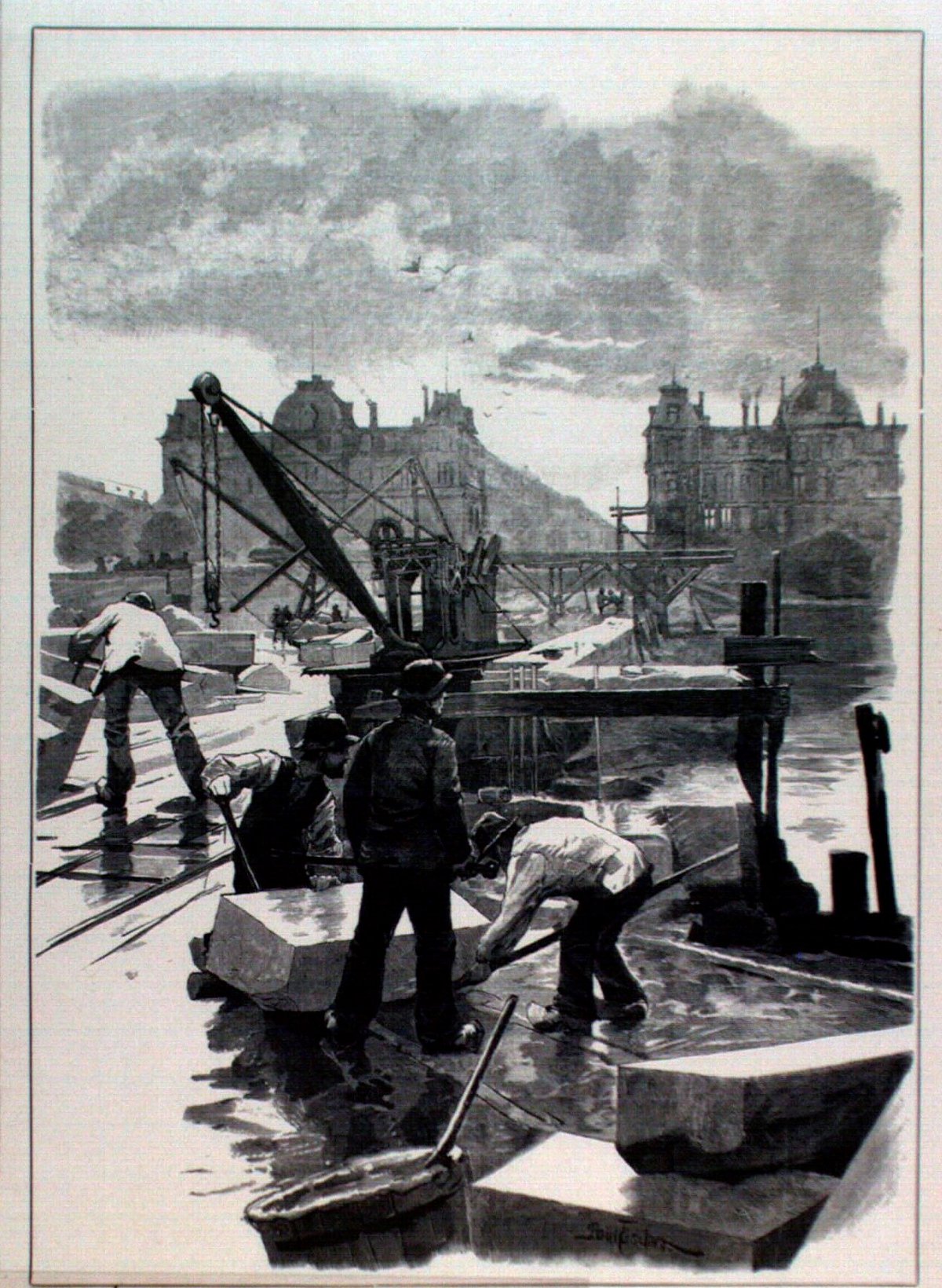
Historical photograph of workers building the new Peblinge Bridge in Copenhagen during the year 1886
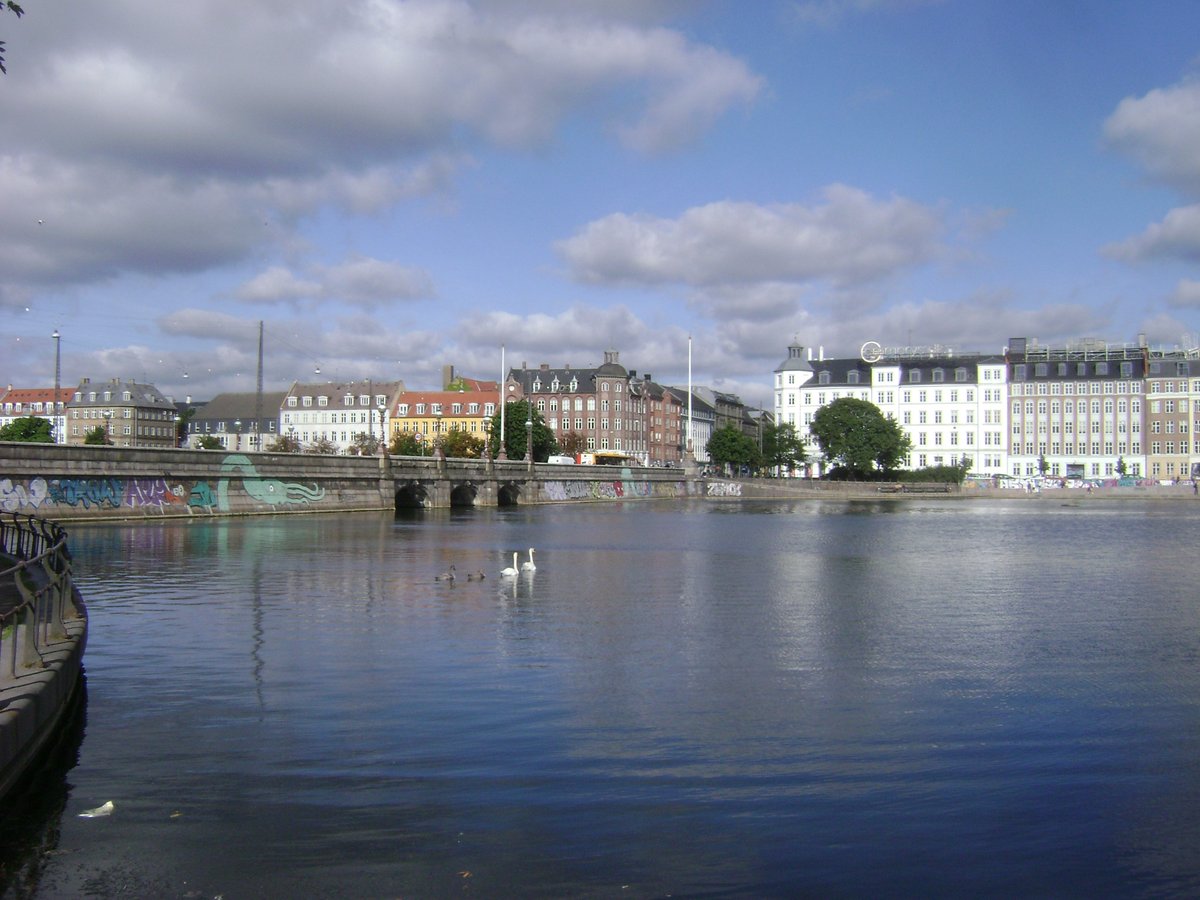
A scenic aerial view of Copenhagen in Denmark's Capital Region showcasing the iconic Nyhavn harbor lined with vibrant historic buildings and boats.
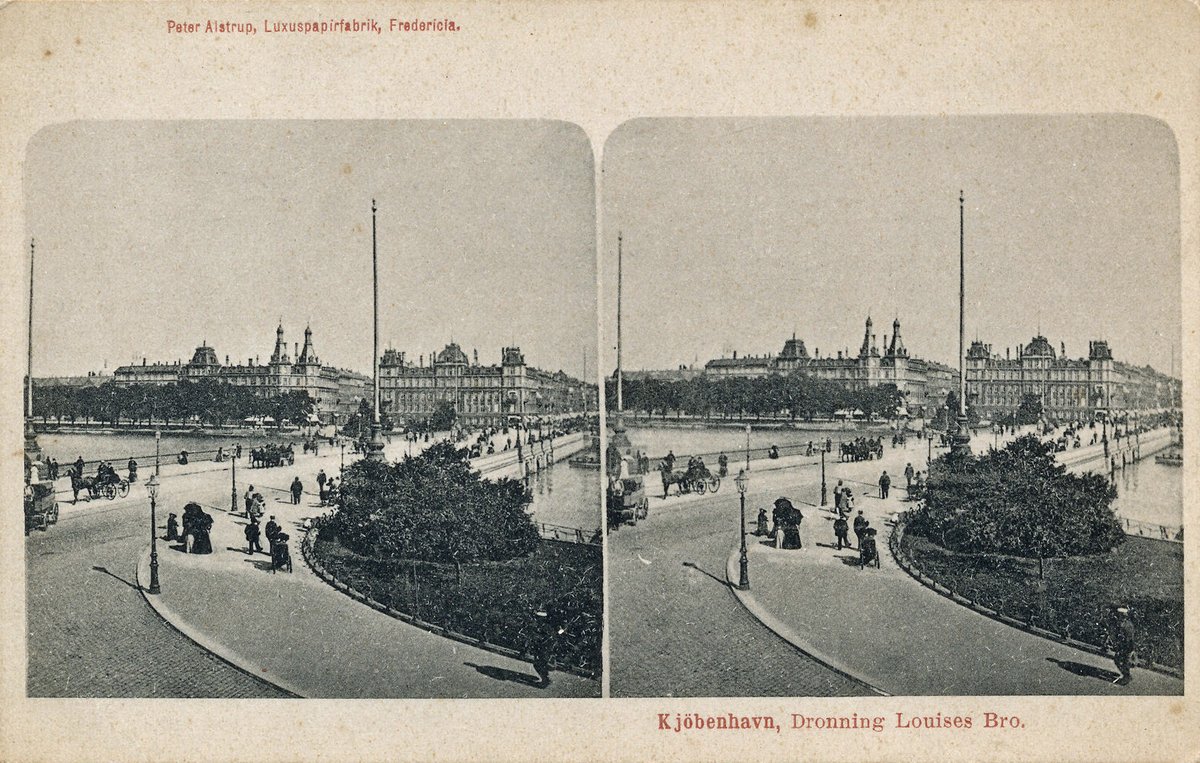
Historic view of Dronning Louises Bro, a notable bridge in Copenhagen, captured between the years 1896 and 1912.
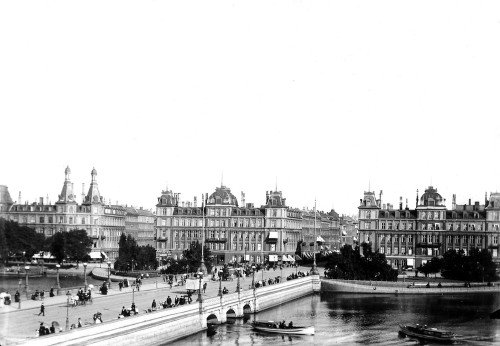
Historic black and white photograph of Dronning Louises Bro, a famous bridge in Copenhagen, Denmark, taken in the year 1899
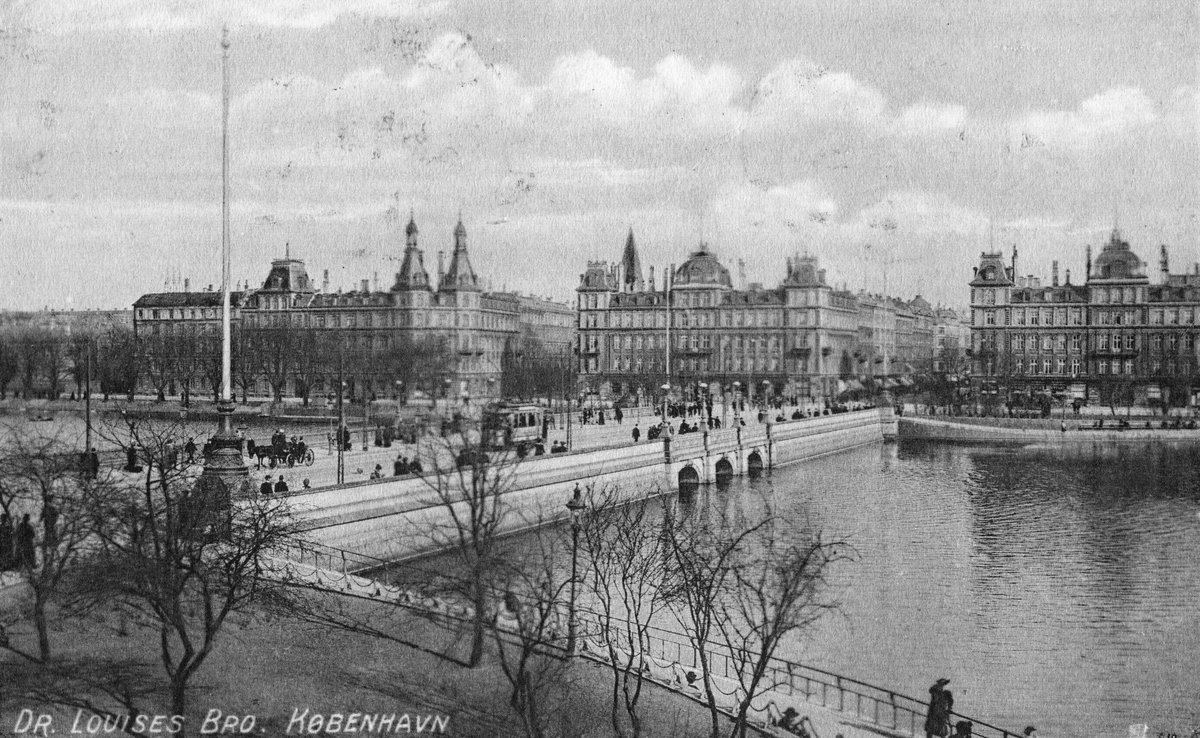
Black and white historic image of Dronning Louises Bro bridge in Copenhagen taken in 1919, showcasing early 20th century urban architecture and bridges in Denmark.
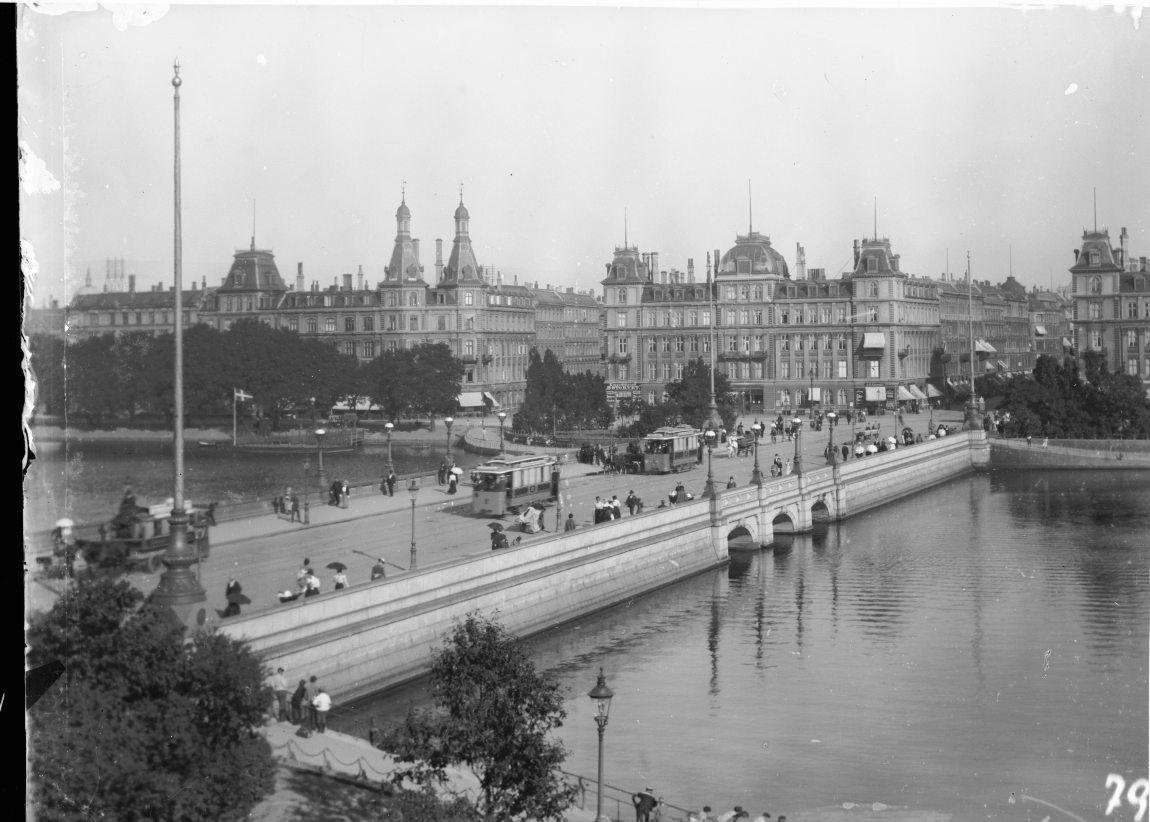
Dronning Louises Bro is a historic bridge in Copenhagen Denmark spanning over a canal with colorful buildings and boats along the water.
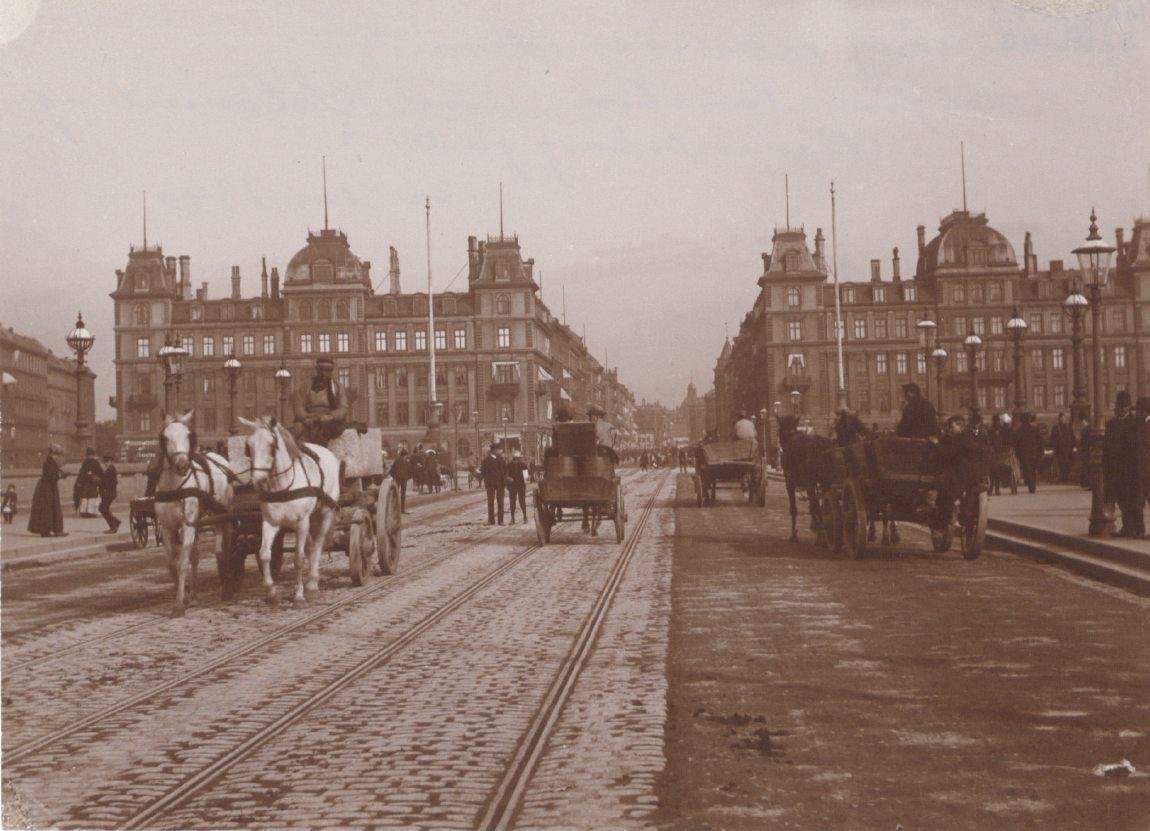
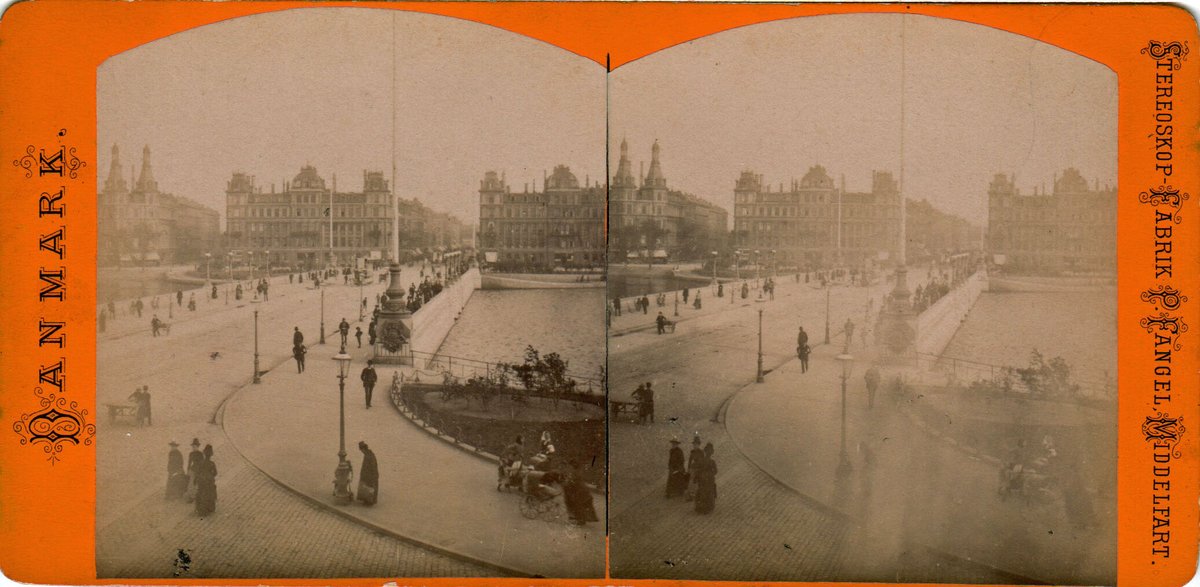
Historic view of Dronning Louises Bro bridge and the Søtorvet area in Copenhagen, Denmark during the 1890s, showcasing 19th-century architecture and urban landscape.
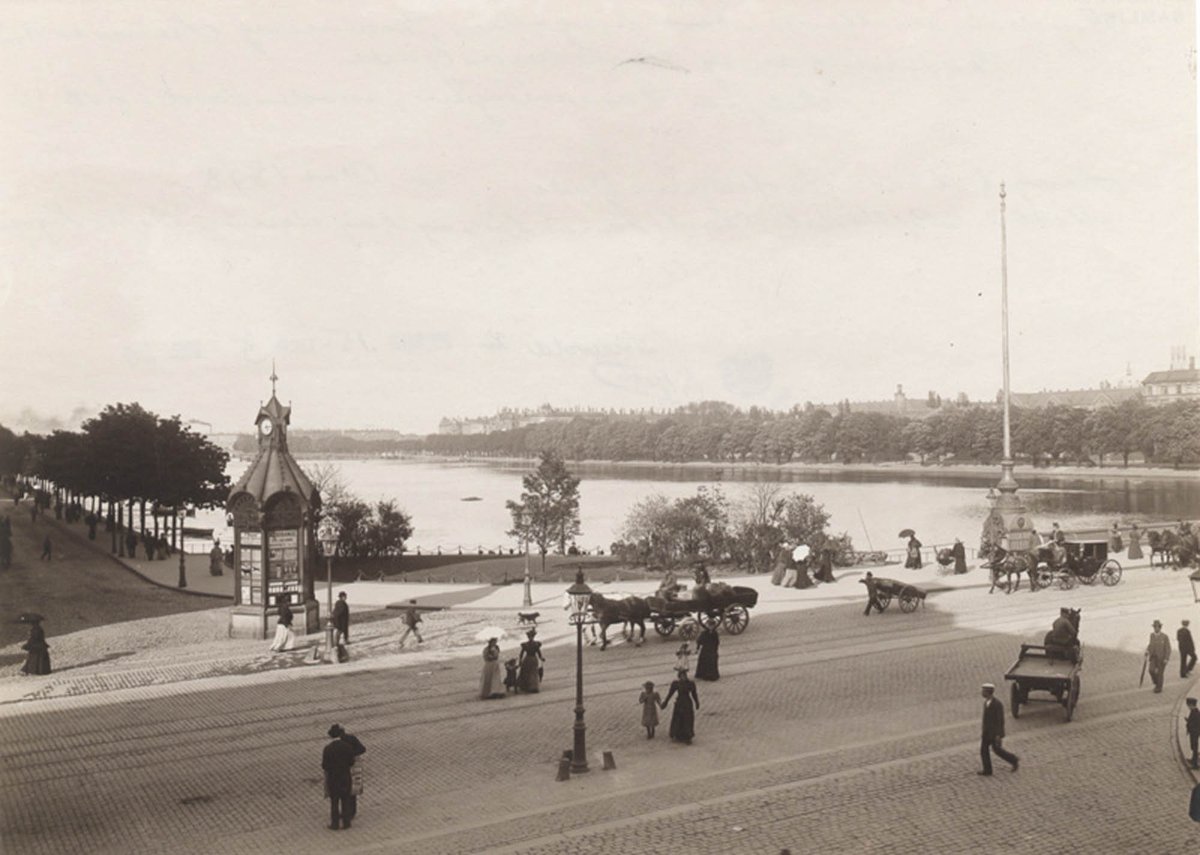
Image showing the newly removed telephone kiosk at Dronning Louises Bro in Copenhagen, Denmark
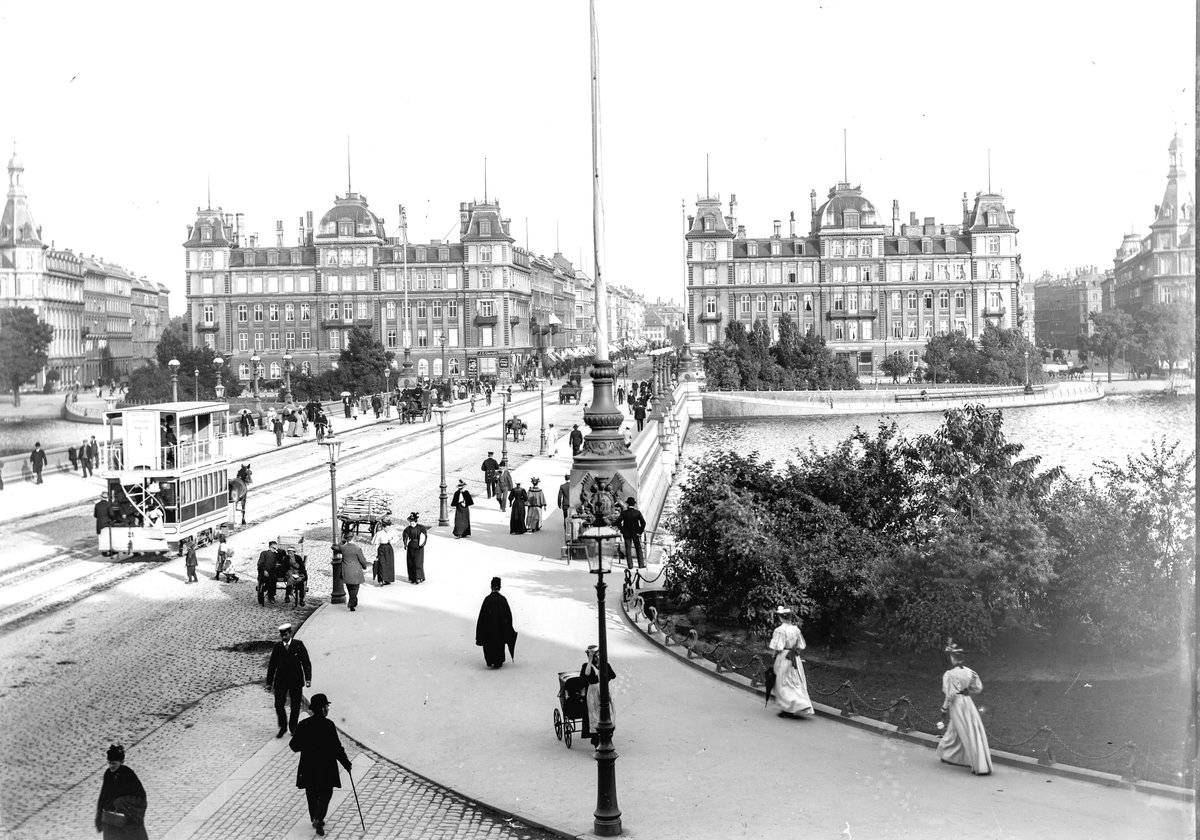
Scenic view of Dronning Louises Bro, a popular bridge in Copenhagen, Denmark, showcasing urban life and historic architecture.
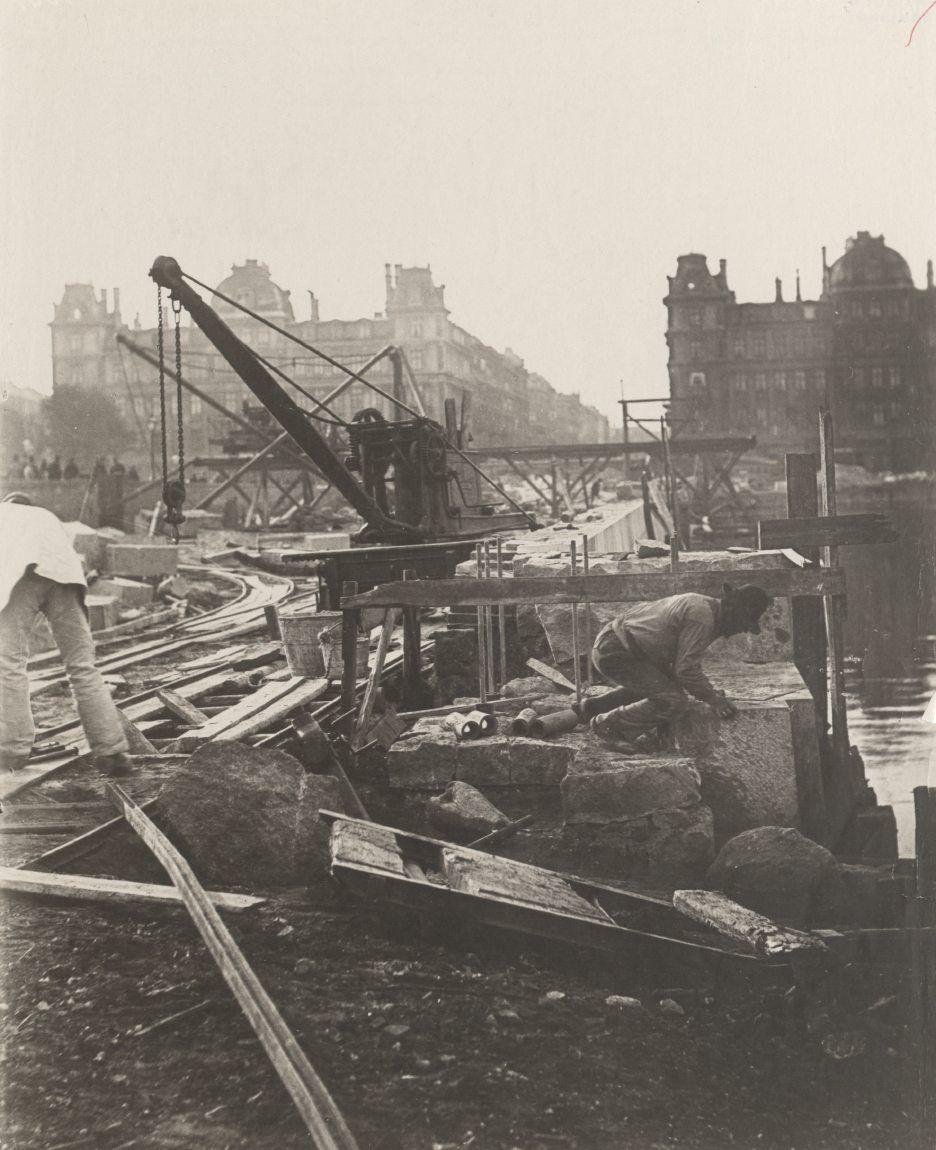
Historical black and white photo showing Dronning Louises Bro (Queen Louise's Bridge) under construction in Copenhagen, Denmark in 1886
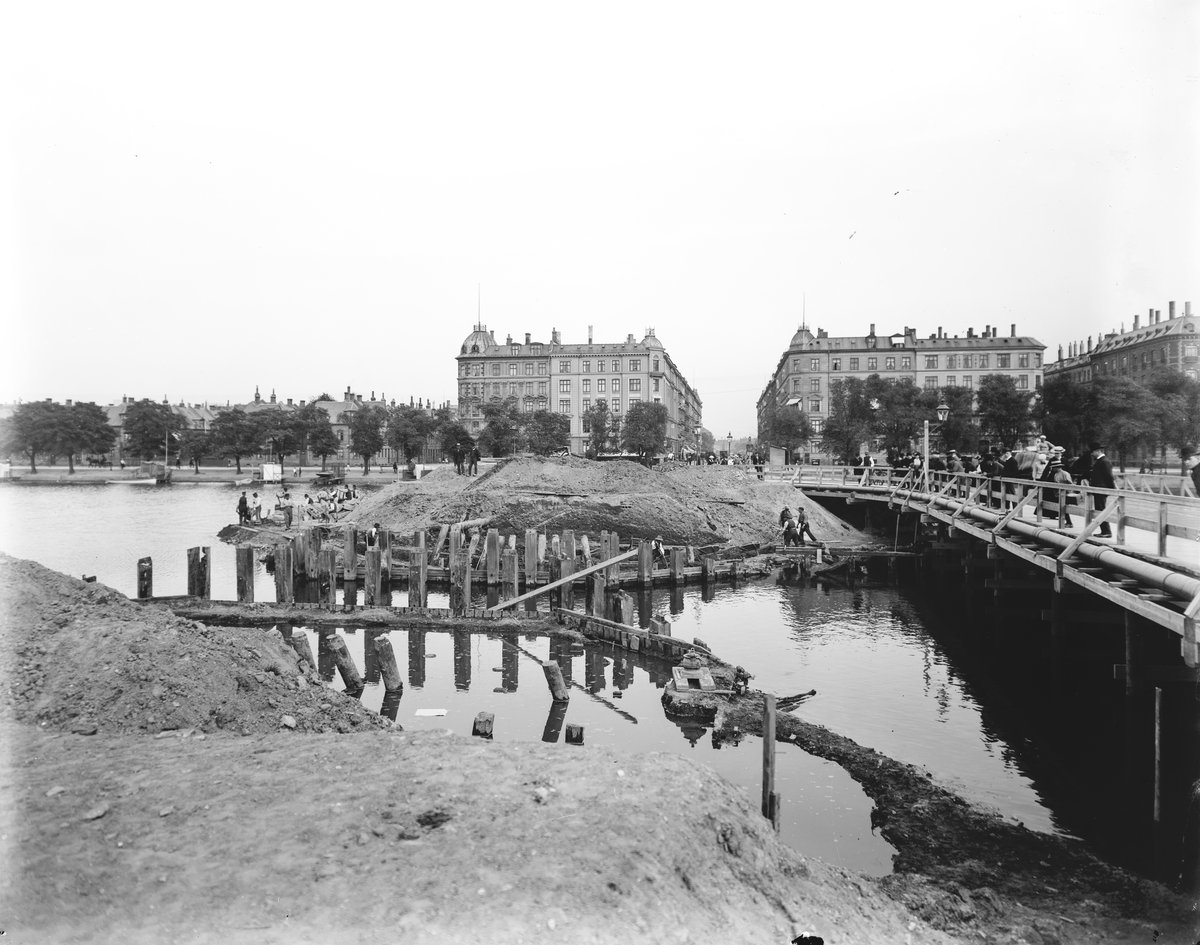
Historical image showing the construction of Dronning Louises Bro, a bridge in Copenhagen, Denmark.
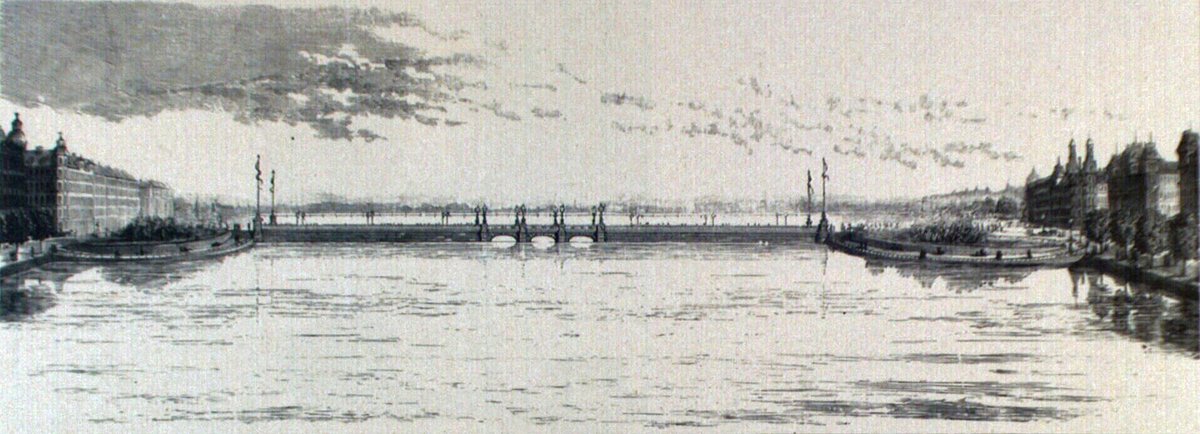
Historic image of Dronning Louises Bro bridge opened for traffic on 7th September 1887, showing the view towards Østerbro in Copenhagen.
Early Days and the Birth of a Bridge
Before the elegant structure we see today graced the Peblinge Lake, a simpler wooden bridge stood in its place. This predecessor, known as "The Laundry Bridge," served a practical purpose—connecting the city to the common bleaching fields where laundry was hung to dry. Imagine the scene: rows of white linens billowing in the breeze, a testament to the daily rhythms of life in a bygone era.
In 1863, King Frederik VII commissioned a new bridge to honor his beloved wife, Queen Louise. This act was more than just a romantic gesture; it reflected a broader shift in Danish society as the absolute monarchy was coming to an end. The bridge, named for a queen adored by the people, symbolized a new era of connection between the monarchy and its citizens.
From Functional Crossing to Beloved Landmark
Designed by the renowned architect Vilhelm Dahlerup, the bridge opened to the public in 1864. Its elegant arches, cast-iron railings, and granite structure were a testament to the architectural trends of the time. But Dronning Louises Bro was more than just aesthetically pleasing; it quickly became a vital artery in the city, facilitating trade and connecting communities.
As Copenhagen grew and modernized, so did the area surrounding the bridge. The once-rural outskirts transformed into the bustling Frederiksberg neighborhood. Grand boulevards inspired by Paris were laid out, and elegant buildings sprang up, solidifying the area's status as a fashionable address.
Visitor Information and Travel Tips
Visiting Hours: Dronning Louises Bro is accessible 24/7, making it convenient for an early morning stroll or a late-night walk.
Tickets: There is no admission fee to access the bridge.
Accessibility: The bridge is wheelchair accessible and suitable for strollers.
Photographic Spots: Capture stunning views of the bridge at sunset or sunrise for the best lighting. Don’t miss the chance to photograph the swans gliding across the lake.
Nearby Attractions: Frederiksberg Gardens, the University of Copenhagen, and various cafes and shops along Nørrebrogade.
A Bridge Through Time - Witness to History
Dronning Louises Bro has borne silent witness to the ebb and flow of Danish history. It has seen joyous celebrations, such as the liberation of Denmark after World War II, when jubilant crowds gathered on the bridge, their cheers echoing across the water. It has also witnessed moments of national reflection, serving as a gathering point for peaceful protests and demonstrations.
The bridge's location, nestled between the city center and the green oasis of Frederiksberg Gardens, has made it a beloved spot for generations of Copenhageners. Students from the nearby University of Copenhagen often cross its path, their chatter and laughter filling the air. Couples stroll hand-in-hand, enjoying the romantic views, and families pause to watch the swans glide across the lake.
Dronning Louises Bro Today - A Symbol of Copenhagen
Today, Dronning Louises Bro remains a vital link in Copenhagen's infrastructure, but it’s much more than just a bridge. It’s a symbol of the city’s rich history, its architectural elegance, and its enduring connection to its past. As you stand on the bridge, taking in the panoramic views of the lake, the gardens, and the cityscape beyond, remember that you’re standing on a piece of Copenhagen's heart.
Nearby Attractions
The Lakes - A Scenic Backdrop
The bridge's location, connecting the bustling city center with the tranquil green spaces of Nørrebro, offers breathtaking views of the Copenhagen Lakes. These five interconnected lakes, once part of the city's fortifications, are now a recreational haven. Pedal boats glide across the water, swans gracefully navigate the surface, and the lush greenery provides a serene escape from the urban bustle.
Frederiksberg Gardens
Nearby, the Frederiksberg Gardens offer a lush, green escape from the city. These expansive gardens are perfect for a leisurely stroll, a picnic, or simply enjoying the natural beauty of Copenhagen.
The University of Copenhagen
Just a short distance from the bridge, the University of Copenhagen is one of the oldest and most prestigious universities in Europe. Its historic buildings and vibrant student life add to the dynamic atmosphere around Dronning Louises Bro.
FAQ
Q: Are there guided tours available for Dronning Louises Bro? A: While there are no specific guided tours for the bridge itself, many city tours include it as a point of interest.
Q: What is the best time to visit Dronning Louises Bro? A: Early morning or late afternoon is ideal for avoiding crowds and capturing beautiful photographs.
Q: How can I get to Dronning Louises Bro? A: The bridge is easily accessible by foot, bike, or public transportation. Buses and metro lines have stops nearby.
Listen to the full story in the app
Your Personal Curator, in Your Pocket.
Audio guides for 1,100+ cities across 96 countries. History, stories, and local insight — offline ready.
Audiala App
Available on iOS & Android
Join 50k+ Curators
Sources
- verified
- verified
- verified
- verified
Last reviewed: