Plan and listen to Church Of The Holy Ghost with Audiala.
Audio guide in your pocket, itinerary in your browser. Built for the way you actually visit.
Introduction
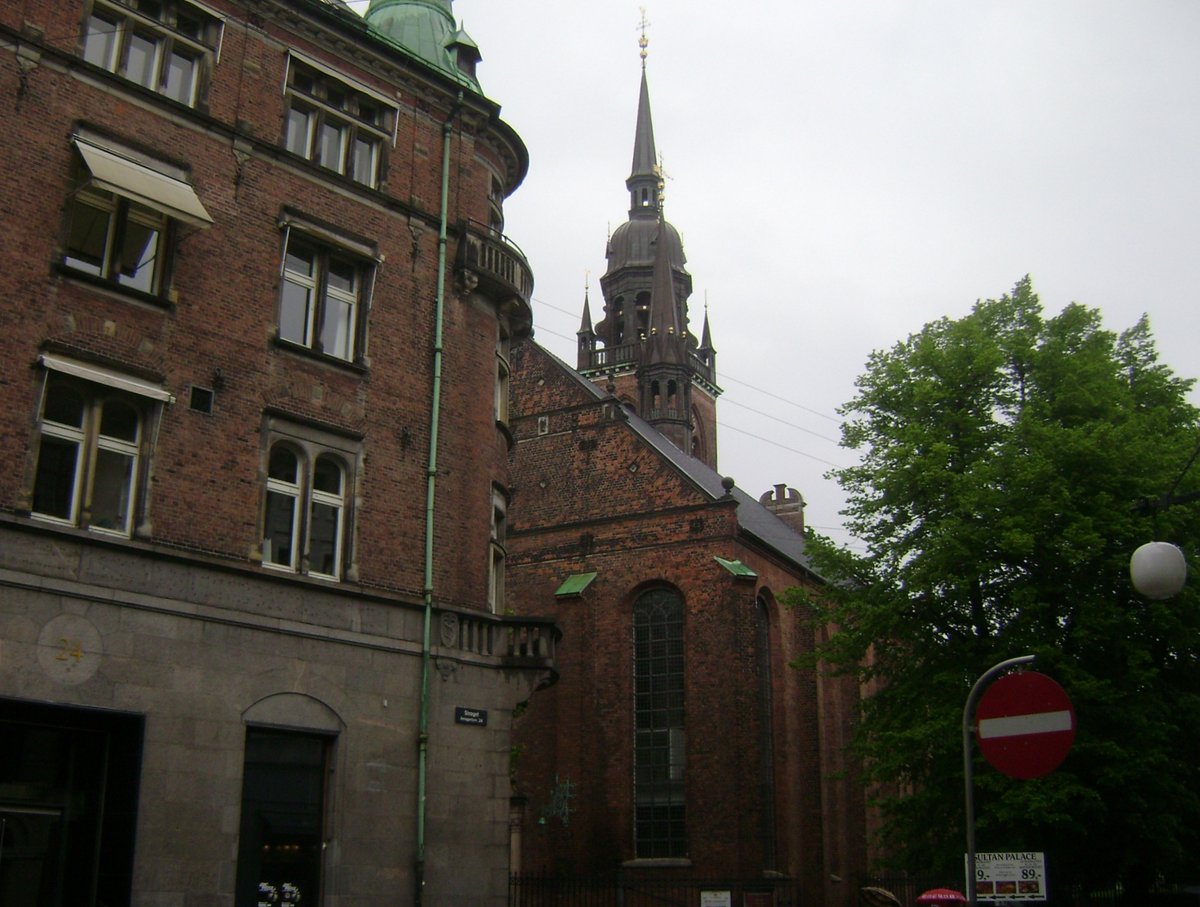
The Church of the Holy Ghost (Danish: Helligåndskirken) stands as one of Copenhagen’s oldest and most revered landmarks, representing centuries of religious devotion, architectural innovation, and social welfare. Founded in the late 13th century, this church is both a testament to Denmark’s medieval heritage and a vibrant center for community life today. Visitors can experience a harmonious blend of Brick Gothic, Renaissance, and Baroque artistry, along with a rich program of concerts, guided tours, and cultural events. This comprehensive guide details the church’s history, architectural evolution, visiting hours, ticketing, accessibility, and practical travel tips to ensure a rewarding visit to this essential Copenhagen historical site (Københavns Stadsarkiv; Visit Copenhagen).

Historical Background
Medieval Origins and Foundation
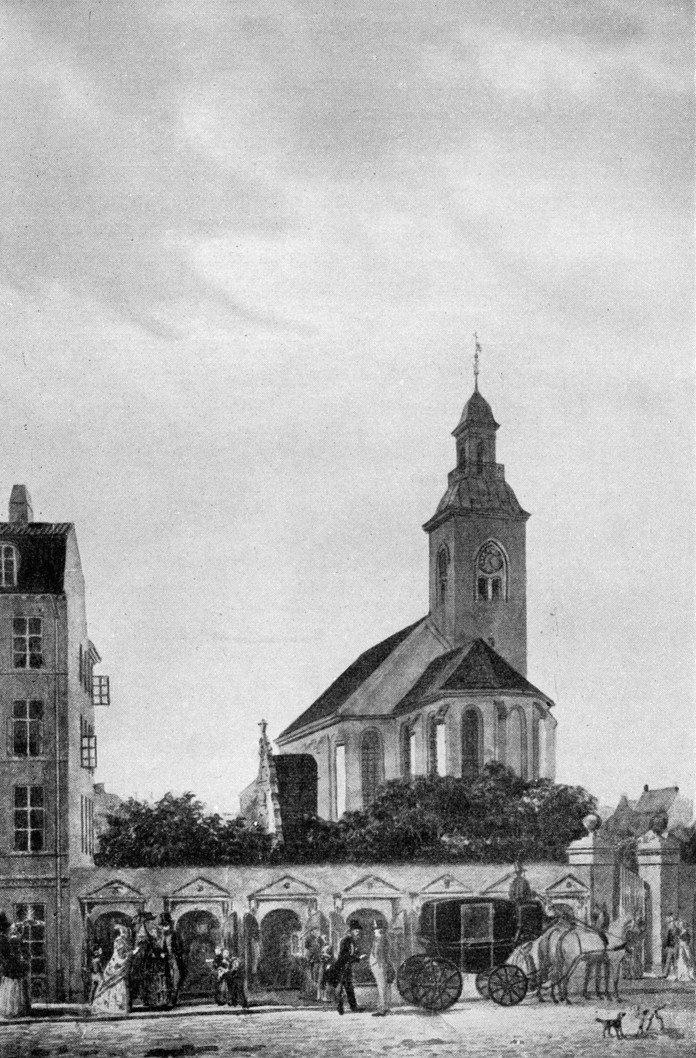
The Church of the Holy Ghost began as the House of the Holy Ghost (Helligåndshuset) in 1296, established by Bishop Johannes Krag of Roskilde as a hospital and charitable institution for Copenhagen’s sick and poor. Managed by a religious brotherhood, it embodied the medieval tradition of combining spiritual and social care. In 1469, King Christian I transformed it into an Augustinian monastery, setting the stage for the construction of the current church, with the nave completed around 1470 (Københavns Stadsarkiv; Visit Copenhagen).
Architectural Evolution
Gothic and Medieval Foundations
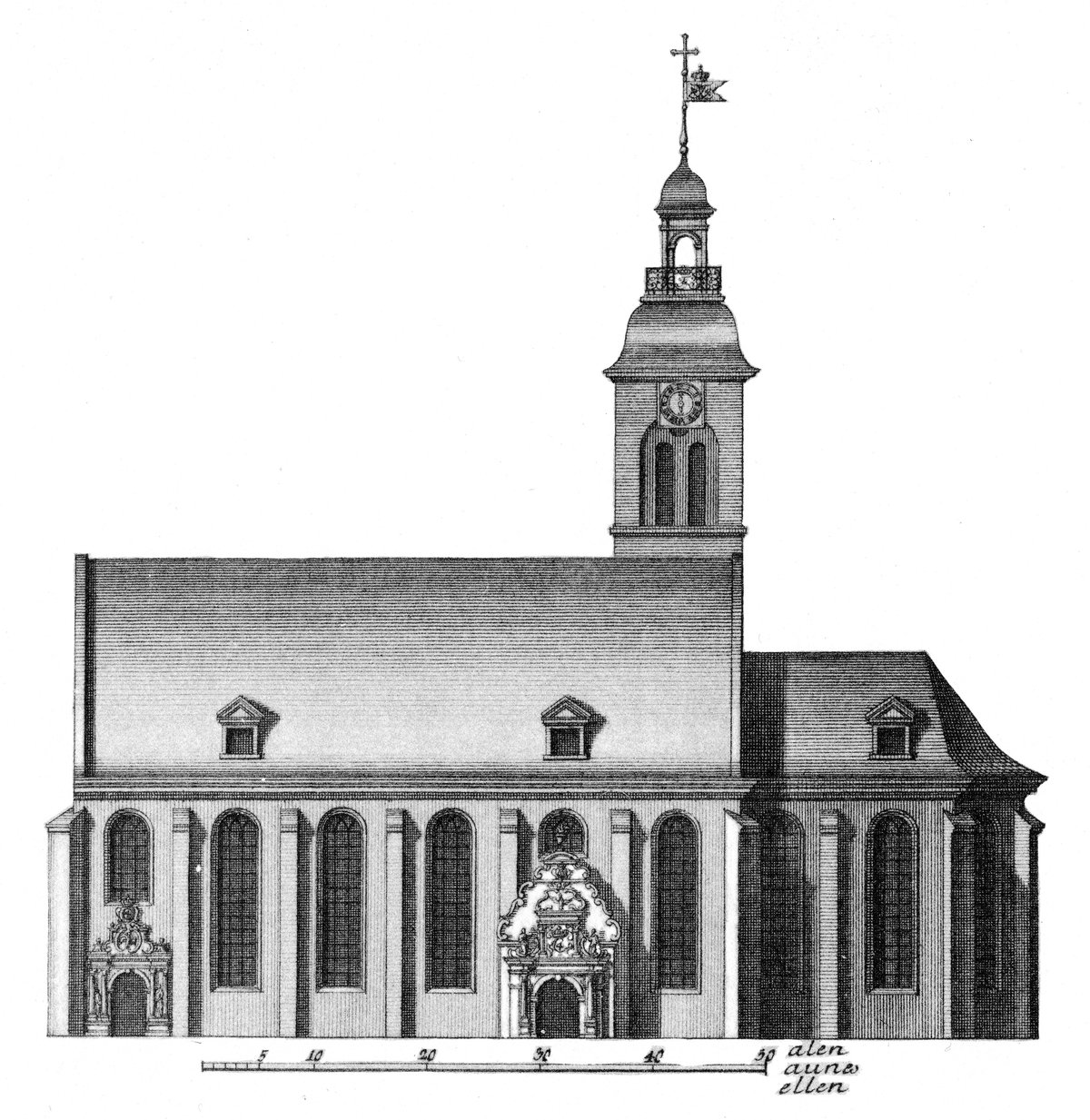
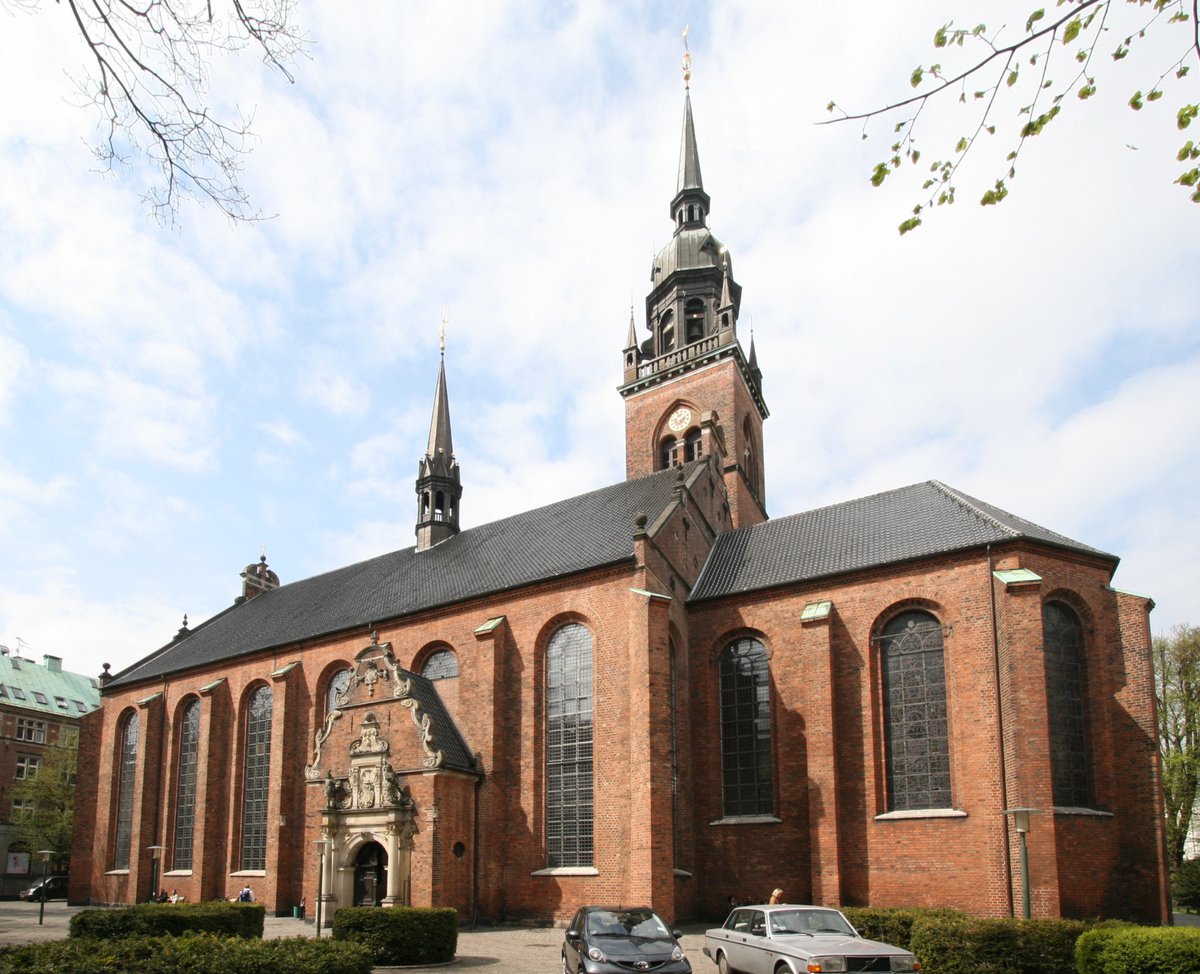
The church’s core is a classic example of Brick Gothic architecture, characterized by red brick construction, pointed arches, and ribbed vaults—a style influenced by the Hanseatic and North German Gothic traditions (Den Store Danske). The original nave and chapels feature tall, narrow windows with tracery and vaulted ceilings that emphasize verticality and natural light.
Renaissance and Baroque Transformations
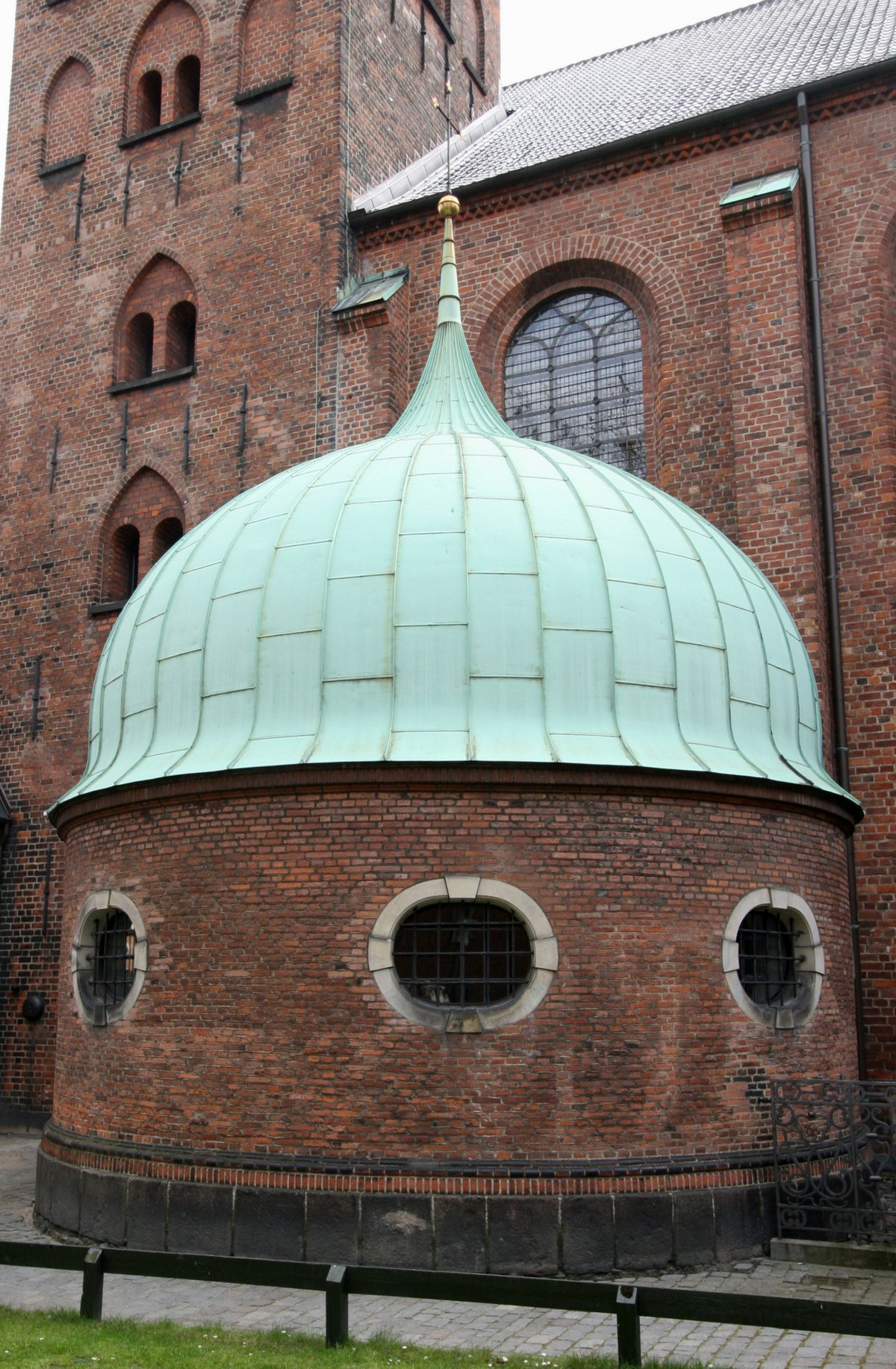
Following the Reformation and secularization in 1536, the church was adapted for parish use. Notable additions include the Renaissance-style tower (1594) designed by Hans van Steenwinckel the Elder, with its iconic copper spire and decorative details. The 17th and 18th centuries brought Baroque embellishments, such as the richly carved pulpit (1630) and the gilded altarpiece (1728), creating a harmonious blend of styles (Nationalmuseet; Den Store Danske).
Restoration and Preservation
Significant restorations in the 19th and 20th centuries aimed to preserve the church’s medieval character while accommodating modern needs. The latest restoration, completed in 2012, reinforced structural stability, improved lighting, and enhanced visitor amenities while maintaining historical authenticity (Kulturarv.dk; Slots- og Kulturstyrelsen).
Artistic and Architectural Highlights
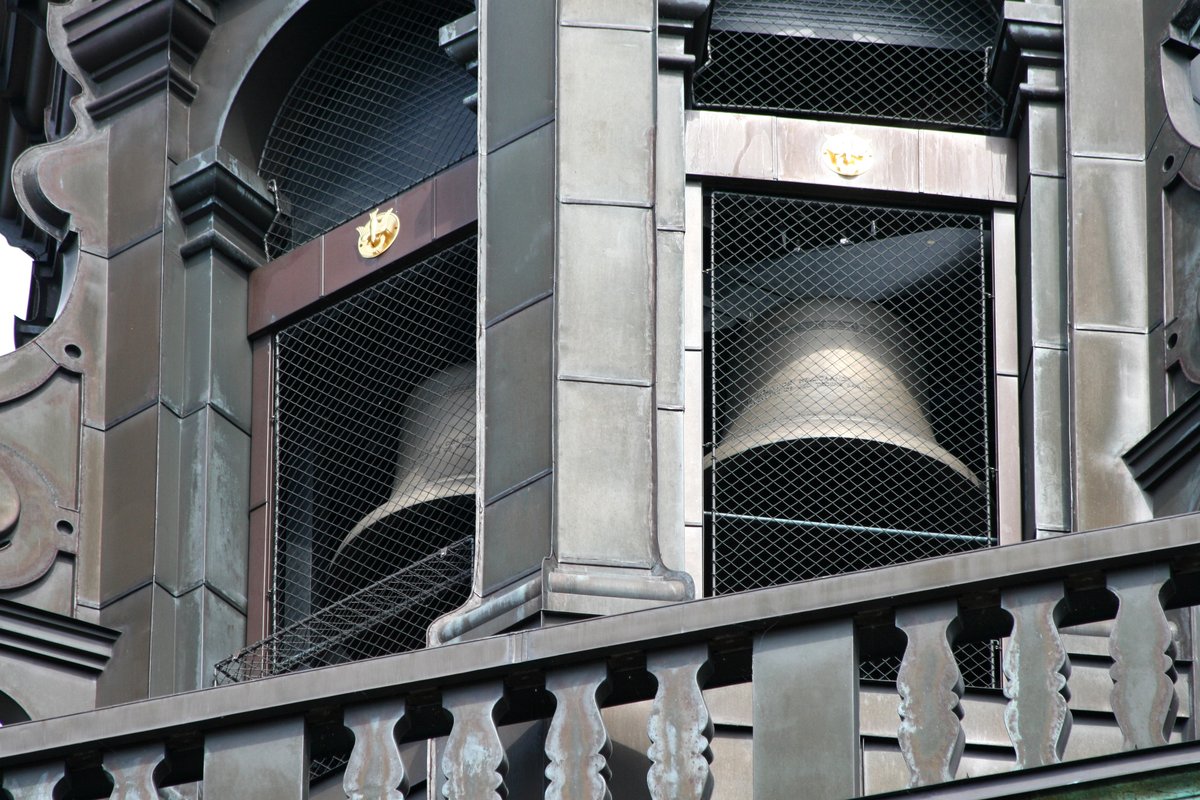
- Tower & Spire: The Renaissance tower, with its copper-clad spire and weather vane, remains a prominent feature of the Copenhagen skyline (Den Store Danske).
- Pulpit & Furnishings: The Baroque pulpit (1630) is adorned with intricate biblical scenes, while the choir stalls and pews showcase elaborate woodcarvings and heraldic motifs.
- Altarpiece & Paintings: The 1728 Baroque altarpiece by Johan Christopher Hübner features gilded woodwork and painted panels depicting the Passion of Christ (Nationalmuseet).
- Stained Glass: While the church lacks extensive medieval stained glass, 19th- and 20th-century panels illustrate scenes from Christ’s life and local saints (Københavns Stift).
- Cloister & Courtyard: Remnants of the original monastic complex and hospital offer a glimpse into medieval daily life.
Role in Copenhagen’s Urban and Social Fabric
Situated on Strøget—Copenhagen’s bustling pedestrian thoroughfare—the church serves as a central gathering place, merging spiritual life with community engagement. Its foundation as a hospital and charitable institution underpins its ongoing commitment to social welfare, inclusivity, and cultural programming (copenhagenet.dk; wikipedia; spottinghistory.com).
Visitor Information
Opening Hours and Tickets
- Opening Hours: Monday–Saturday, 10:00–16:00; Sunday, 12:00–16:00. Note: Hours are subject to change for religious services or special events (Københavns Stift).
- Admission: Free. Donations are appreciated to support ongoing conservation.
- Special Events: Tickets may be required for certain concerts or guided tours; check the church’s website for details.
Accessibility
- Wheelchair access is available through the main entrance, with ramps and accessible restrooms.
- Interpretive materials are provided in Danish and English.
- Contact the church in advance for specific accessibility needs (Visit Copenhagen).
Guided Tours and Events
- Guided tours in Danish and English are offered regularly and can be booked online or in person. These tours provide in-depth insights into the church’s history, architecture, and artistic highlights.
- The church hosts a lively program of classical concerts, organ recitals, and choral performances, many of which are free or affordably priced (copenhagenet.dk).
Dress Code and Visitor Etiquette
- Modest attire is expected (shoulders and knees covered; hats removed).
- Photography is permitted without flash except during services or private events.
- Silence and respectful behavior are appreciated, particularly during religious ceremonies.
Facilities and Amenities
- Restrooms are available, though limited during busy events.
- The church’s central location provides convenient access to nearby cafes and restaurants.
Travel Tips and Practical Advice
- Combine your visit with nearby attractions such as Strøget, Nyhavn, Rundetårn (Round Tower), and Rosenborg Castle (Lonely Planet).
- Copenhagen’s public transit (metro and bus) and cycling infrastructure make the church easily accessible.
- English is widely spoken, and contactless payment is common.
- Tap water is safe; bring a reusable bottle.
- For sustainable tourism, use recycling bins and respect the historic environment.
Safety and Security
Copenhagen is recognized as one of the world’s safest cities. Standard safety measures apply: keep valuables secure and be mindful of pickpockets in crowded areas. In an emergency, dial 112 (Lonely Planet).
Conservation and Restoration
Ongoing restoration efforts ensure the preservation of the church’s historical integrity while integrating modern enhancements like climate control and improved lighting. Recent projects have maintained the building’s original features while upgrading visitor comfort (Kulturarv.dk; Slots- og Kulturstyrelsen).
Frequently Asked Questions (FAQ)
What are the Church of the Holy Ghost Copenhagen visiting hours?
Monday–Saturday, 10:00–16:00; Sunday, 12:00–16:00.
Is there an entrance fee?
No, general admission is free. Donations are welcome.
Are guided tours available?
Yes, guided tours in multiple languages can be booked online or at the church.
Is the church wheelchair accessible?
Yes, with ramps and accessible facilities.
Can I attend concerts or special events?
Yes, events are regularly held and may require tickets—refer to the official website for schedules.
Is photography allowed?
Personal photography without flash is generally permitted. For professional use or during services, permission is required.
Nearby Attractions
Make the most of your visit by exploring these nearby sites:
- Strøget: Renowned pedestrian shopping street.
- Nyhavn: Iconic harbor with colorful houses.
- Rundetårn (Round Tower): 17th-century observatory.
- Rosenborg Castle: Home to the Danish crown jewels.
- Amalienborg Palace: Royal residence.
Listen to the full story in the app
The whole Church Of The Holy Ghost,
told well.
Audio guides for 1,100+ cities across 96 countries. History, stories, and local insight — offline ready.
Verified, and shown.
Researched and written by the Audiala editorial team from historical records, architectural archives, and local expertise.
Church of the Holy Ghost Copenhagen: Visiting Hours, Tickets, and Historical Insights
Church of the Holy Ghost
Helligåndskirken (København). )
Helligåndskirken
Monument Print: Helligåndskirken
Church of the Holy Ghost Information
Church of the Holy Spirit, Copenhagen
Church of the Holy Ghost
Church of the Holy Ghost Copenhagen
Things to Know Before Traveling to Copenhagen
Helligåndskirken Official Site
Restoration of Helligåndskirken
Researched from Wikidata, Wikipedia & official sources · fact-checked · How we make our guides →