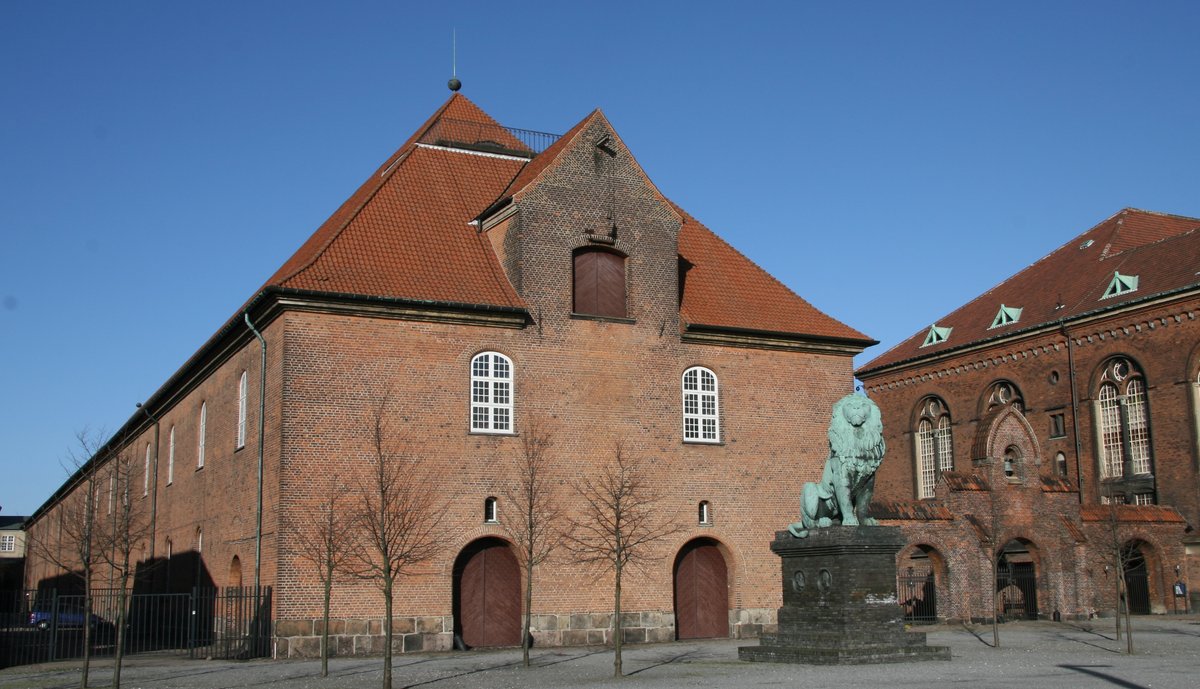
Introduction: The Heart of Christianshavn
Christianshavns Torv is the vibrant central square of Copenhagen’s historic Christianshavn district. Founded in the early 17th century as part of King Christian IV’s visionary urban expansion, the square remains a living testament to the city’s rich history, architectural diversity, and dynamic cultural life (lex.dk; wikipedia). Over time, Christianshavns Torv has transformed from a site of royal institutions to a lively public space, blending centuries-old heritage with the everyday rhythm of modern Copenhagen.
Photo Gallery
Explore Christianshavns Torv in Pictures
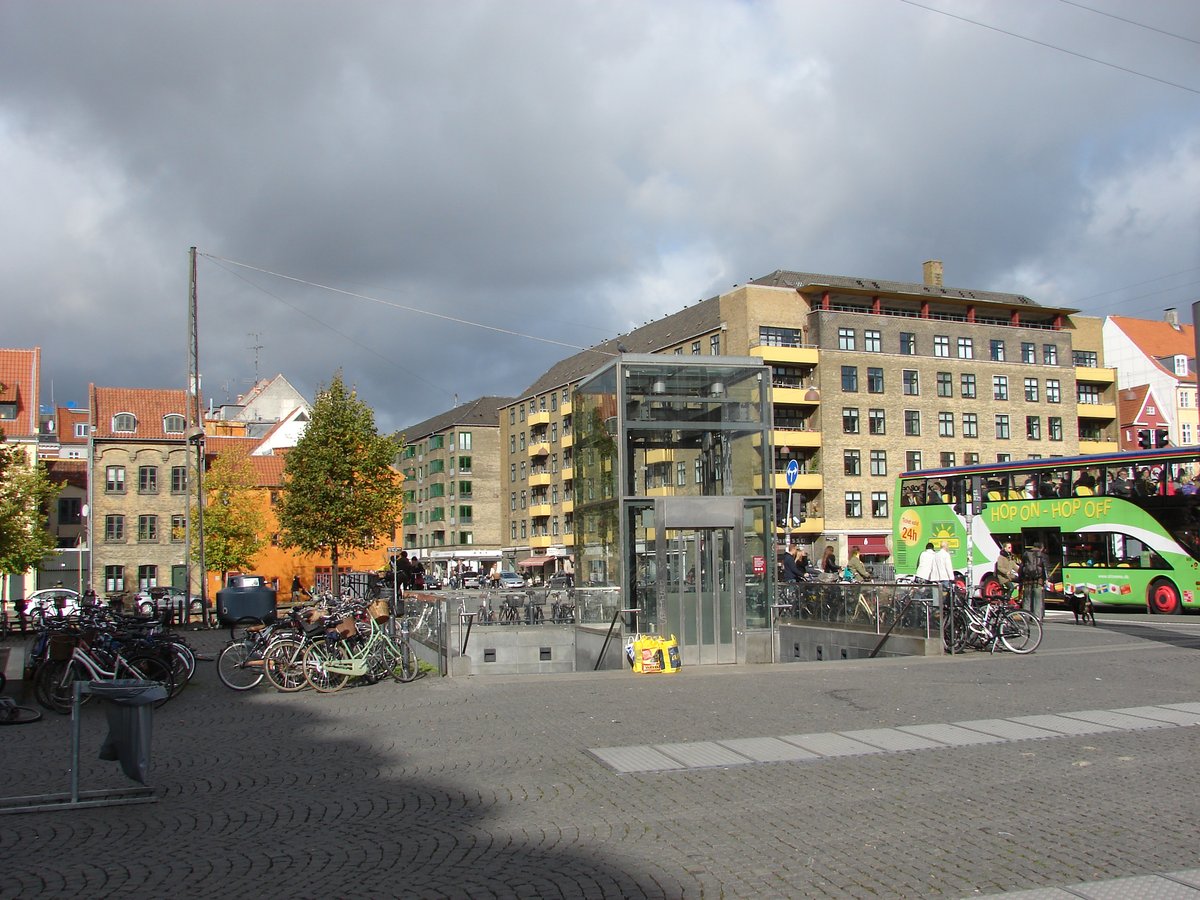
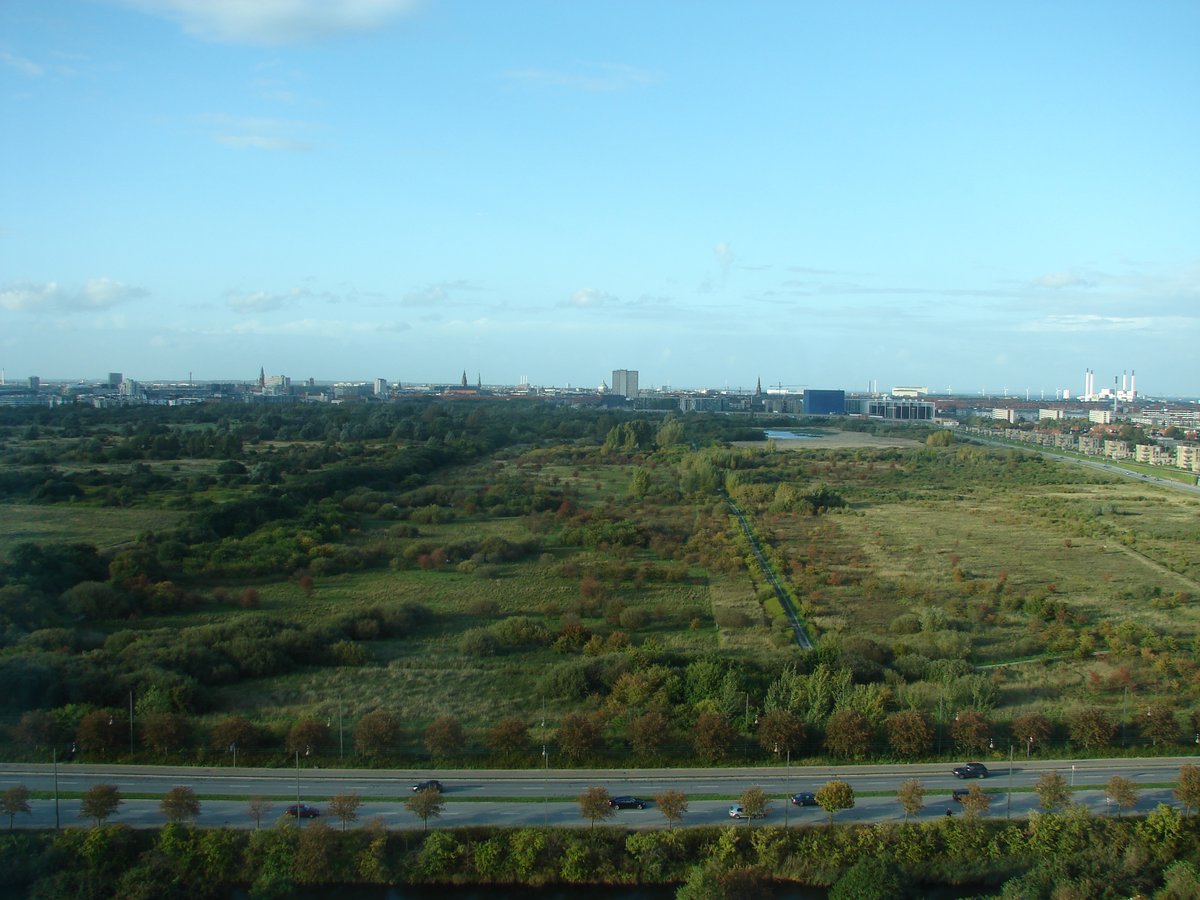
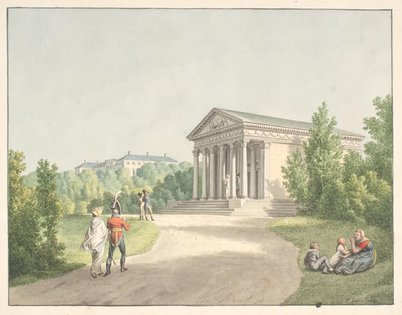
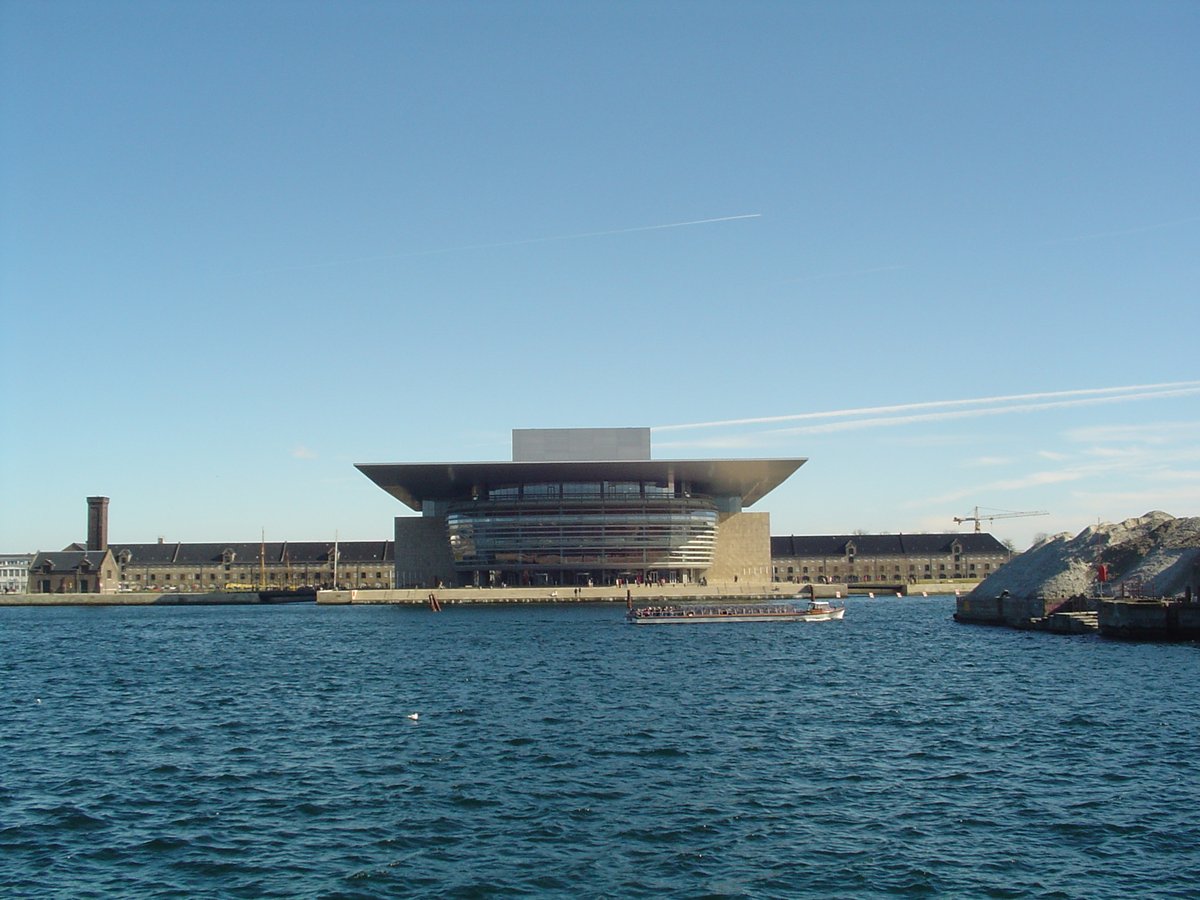
Christianshavns Torv is a historic public square located in the Christianshavn neighborhood of Copenhagen, featuring classic architecture and cobblestone streets.
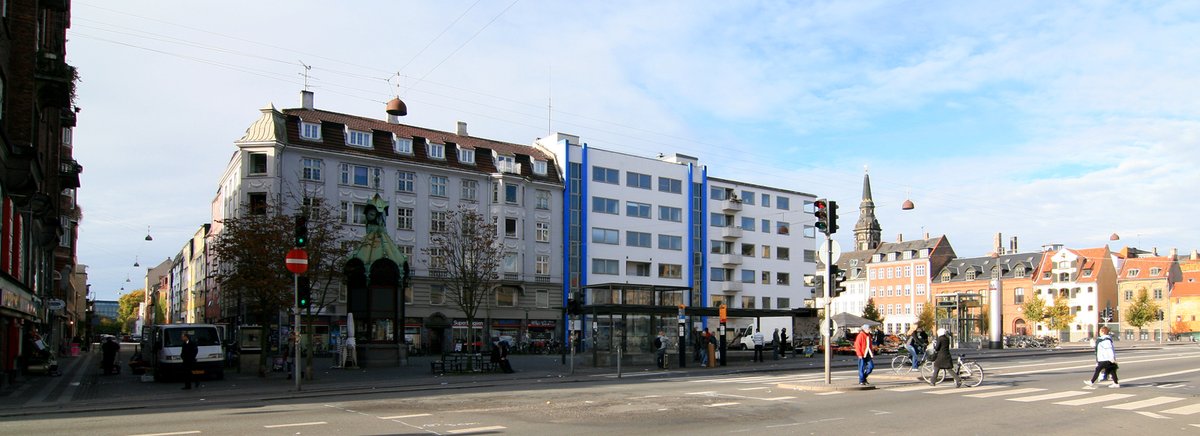
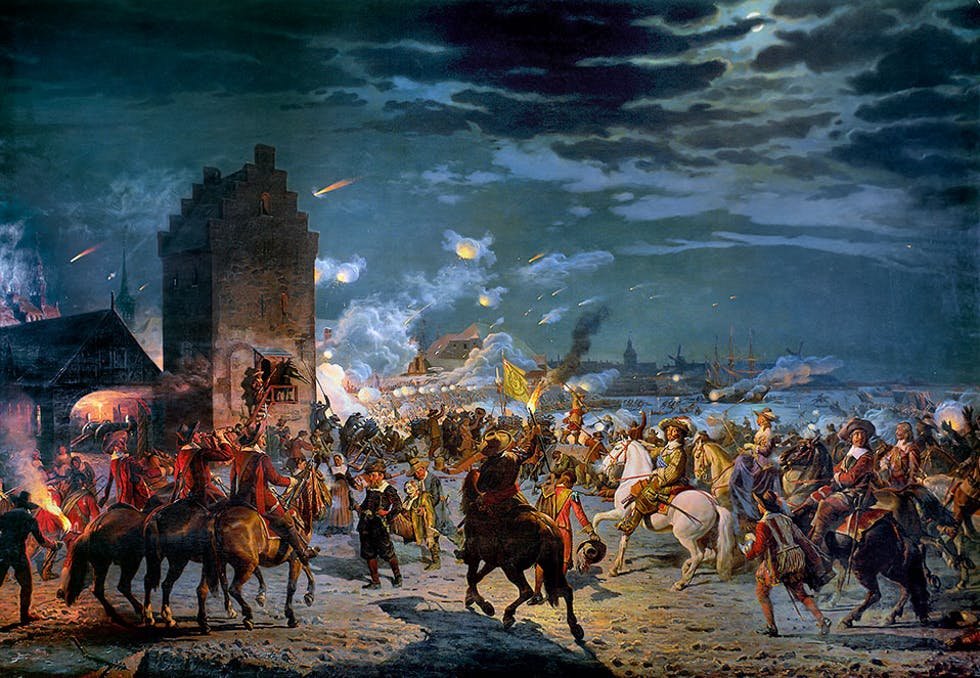
Photograph of Christianshavns Torv, a lively city square in Copenhagen, Denmark, showcasing historic architecture and urban atmosphere
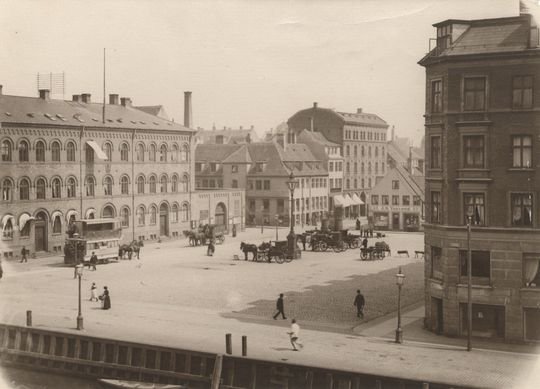
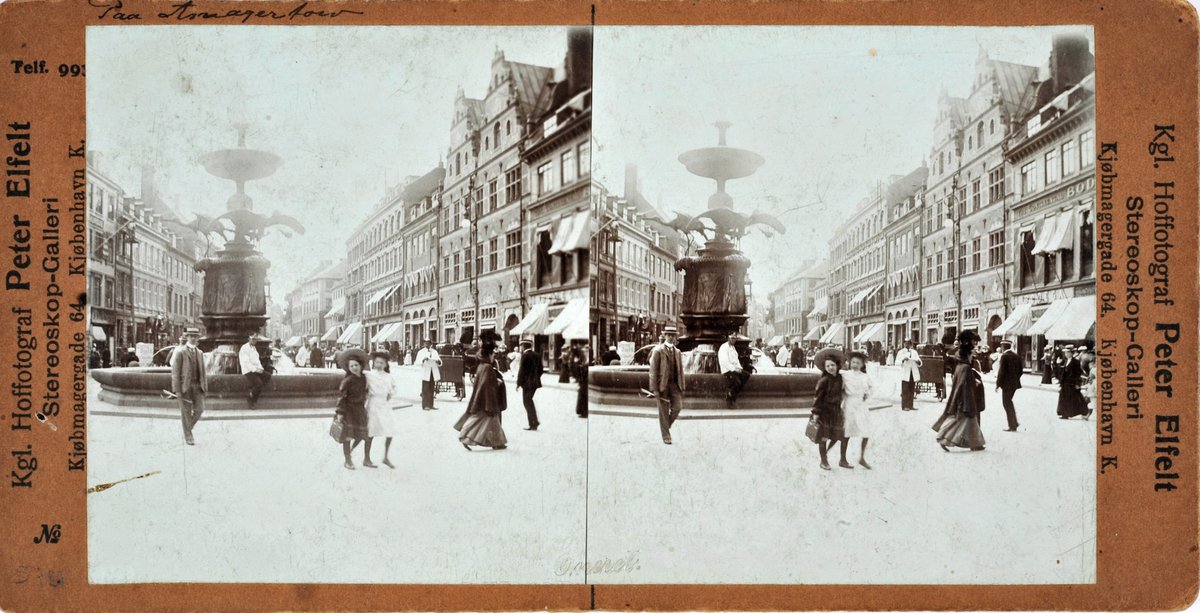
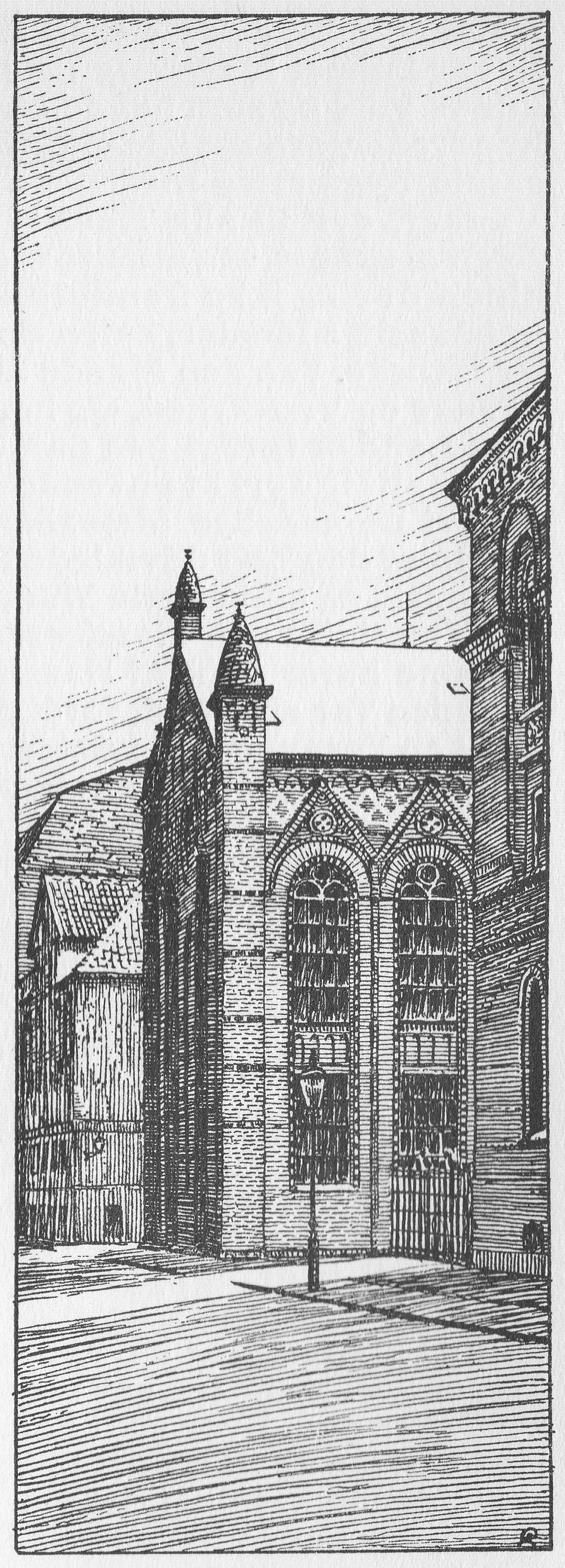
Historic view of Christianshavns Torv in the late 19th century showing Christianshavns Straffeanstalt (Kvindefængslet) prison, where Lagkagehuset bakery is now located.

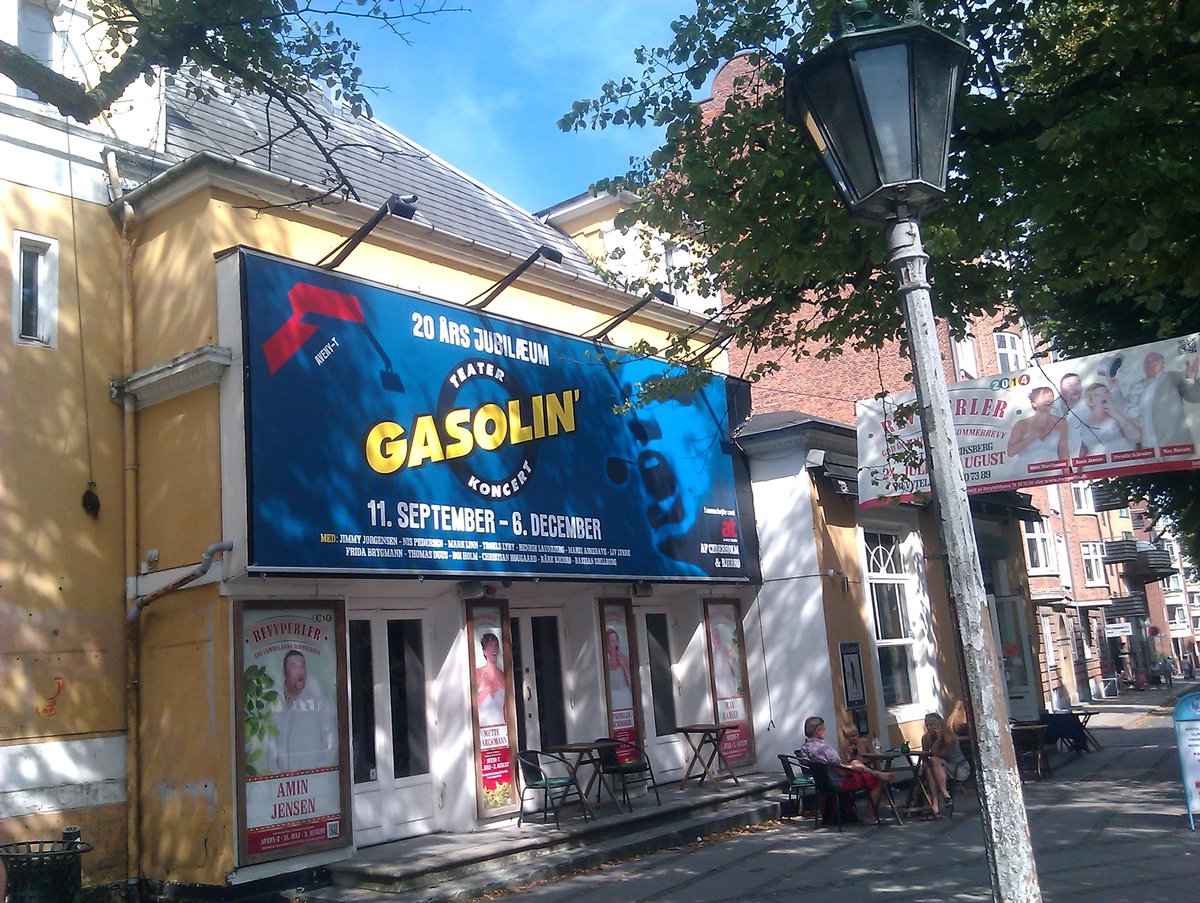
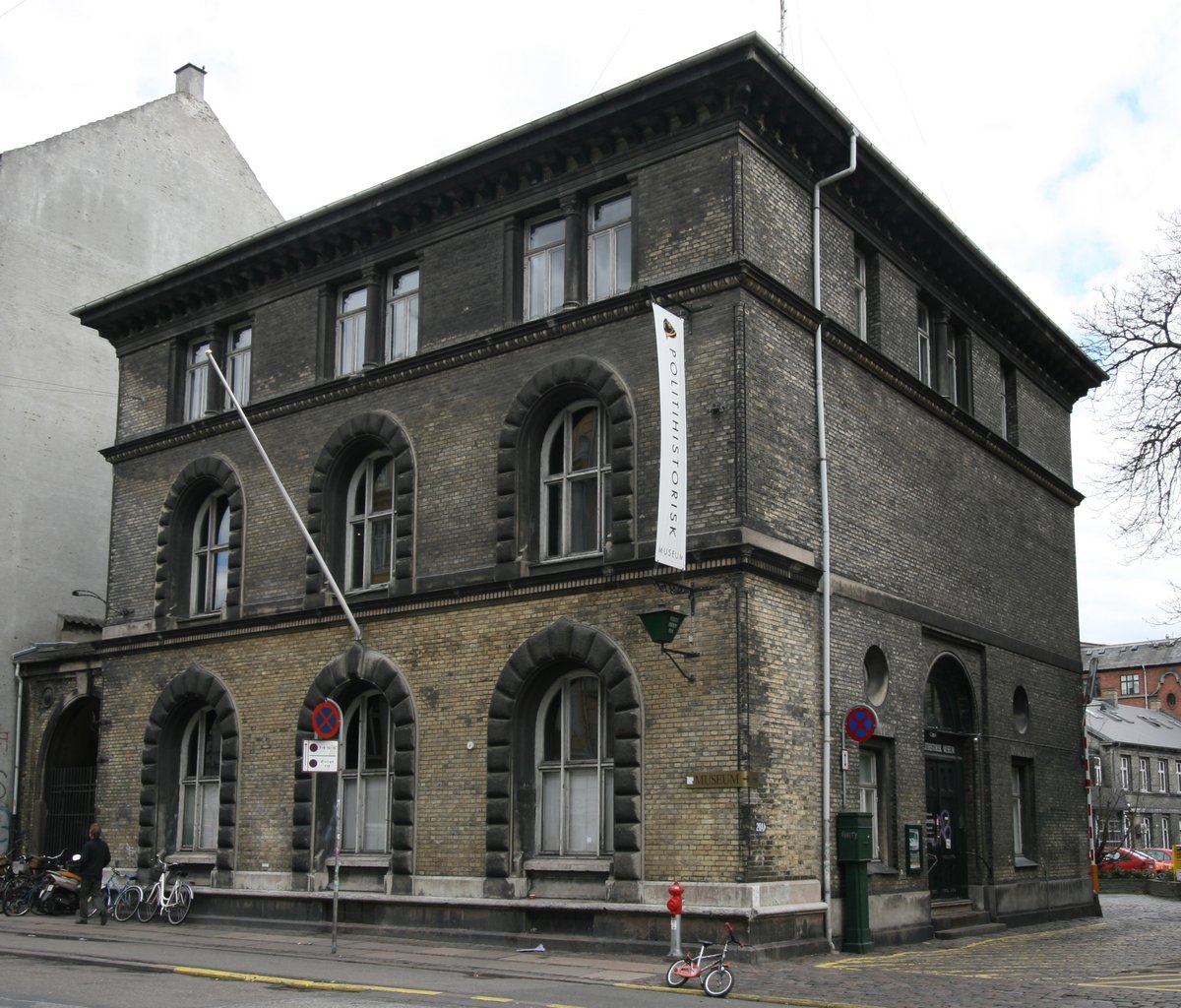
Historic image of the Jacob Bastians Købmandsgård building located at Christianshavns Torv in Christianshavn, Copenhagen, which housed the local police station before its demolition in 1892.
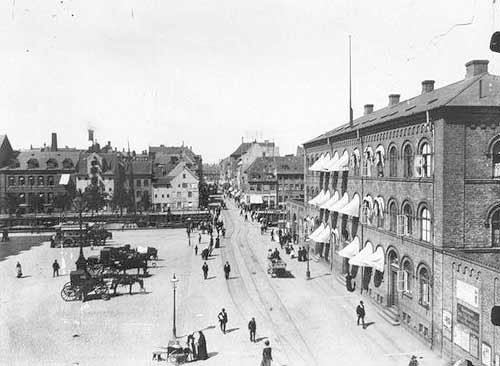
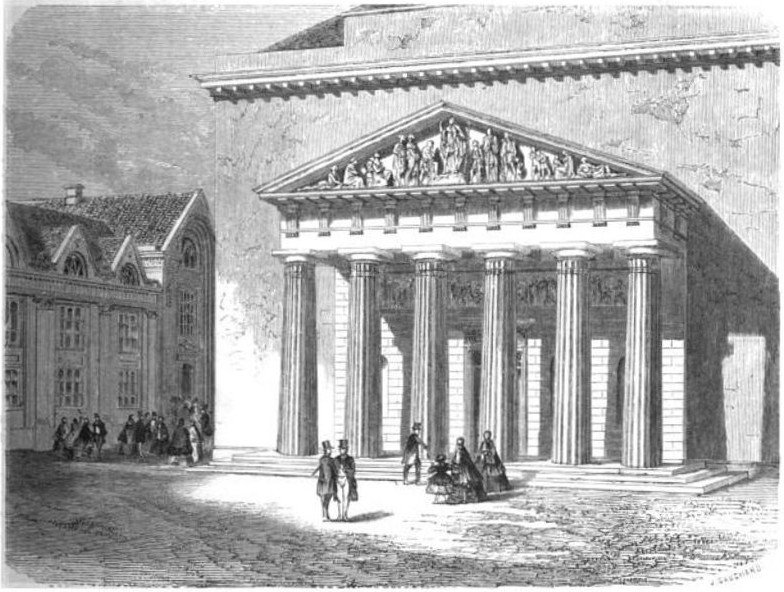
Vintage photo of Christianshavns Torv square featuring the Women's Prison building on the right in Copenhagen, Denmark
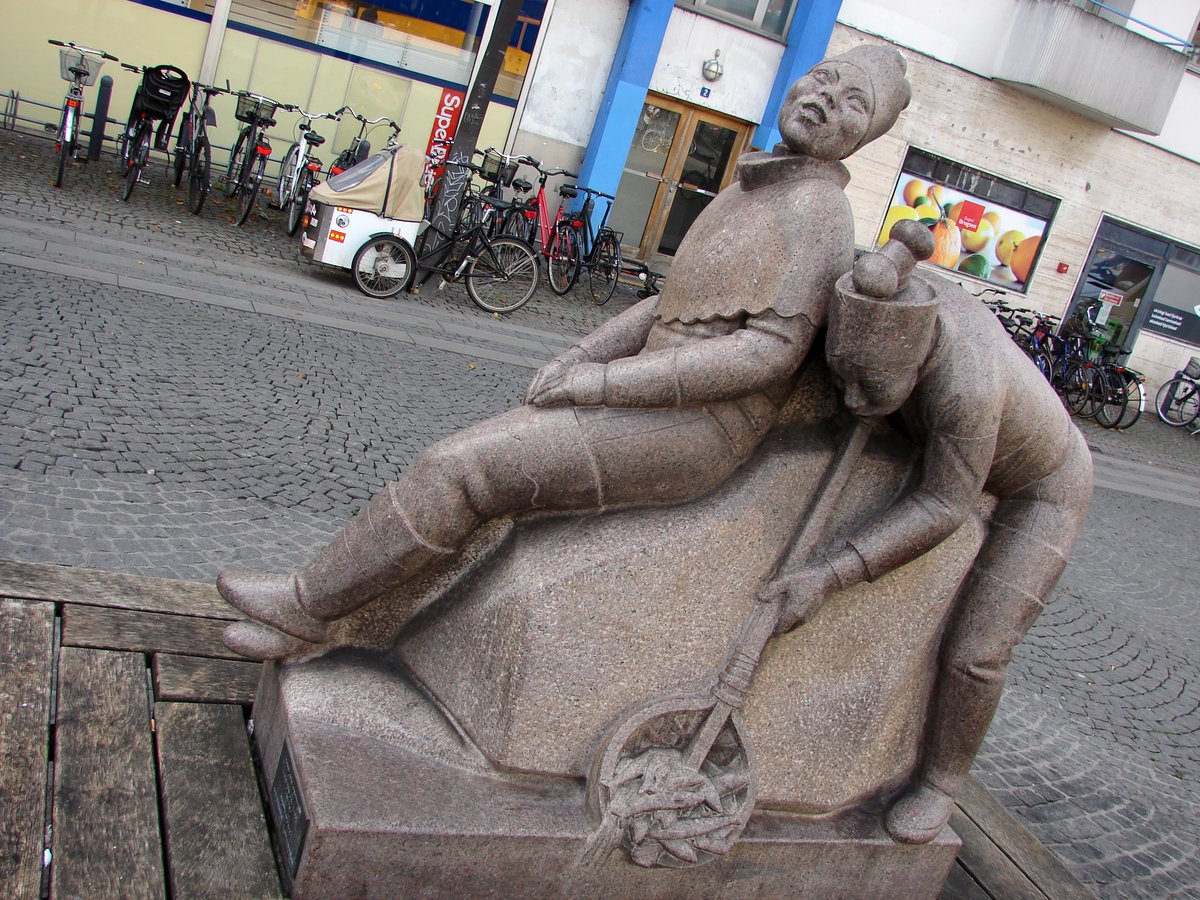
Grønlandsmonument created by Svend Rathsack (1885-1941), installed in 1938 at Christianshavns Torv, Christianshavn, Copenhagen. A notable historical monument representing Greenland's significance.
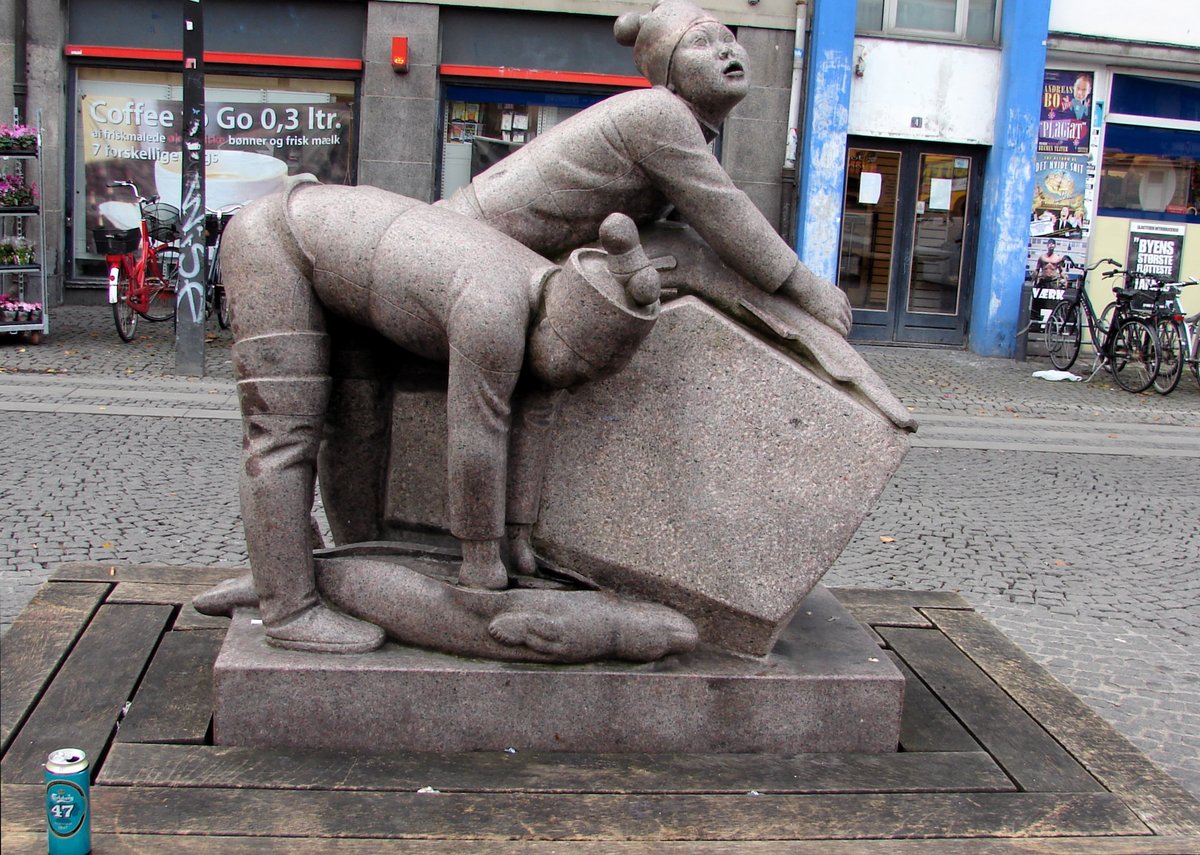
Grønlandsmonument, a bronze sculpture by Danish artist Svend Rathsack (1885-1941), erected in 1938 at Christianshavns Torv in Christianshavn, Copenhagen, depicting Greenlandic themes.
Historical Foundations and Urban Planning
17th Century Origins
Christianshavn was established in 1617 as a fortified merchant town on artificial islands between Zealand and Amager (lex.dk). Its layout, inspired by Dutch city planning, featured a grid of straight streets, radial avenues, and a system of canals, with Christianshavns Torv as the central focal point (wikipedia; travelinculture.com). Dutch engineer Johan Semp’s original plans included a geometrically defined square at the highest point of the new district, setting the stage for future development.
The Børnehuset Era and Social Institutions
Soon after its founding, the square became home to Børnehuset, one of Denmark’s earliest royal orphanages (1622), later converted into a prison by the mid-18th century (lex.dk). This Baroque building, designed by Philip de Lange, symbolized the square’s role in Copenhagen’s civic administration (wikipedia). The square’s early infrastructure, such as the blue-painted public water post (1633), reflects its foundational importance to daily urban life.
Expansion and 18th–19th Century Growth
Christianshavn expanded in the 18th century, with fortifications (Christianshavns Vold) protecting both the district and its naval facilities (hovedstadshistorie.dk). The 19th century saw the rise of residential and commercial buildings, many of which still line the picturesque canal, showcasing the area’s enduring maritime character (travelinculture.com).
20th Century Modernization
The 20th century brought significant changes, including the construction of the Knippelsbro bridge and the rise of functionalist apartment blocks. Lagkagehuset (“The Layer Cake House”), built between 1928 and 1930 by Edvard Thomsen, is a striking example of Danish modernism and remains a beloved local landmark (wikipedia). The square continued to evolve, with new amenities and improved infrastructure supporting a growing urban population.
Preservation and Cultural Significance
From the 1970s onward, conservation efforts have protected Christianshavn’s historic architecture, including 17th-century merchant houses and notable churches such as Vor Frelsers Kirke and Christians Kirken (lex.dk). The establishment of Freetown Christiania in 1971 on the former ramparts added a unique layer of alternative culture to the area (scandification.com).
Christianshavns Torv Today: Visiting Hours, Tickets & Access
Visiting Hours and Admission
Christianshavns Torv is accessible 24/7 and is free to visit as an open public square. No tickets are required for the square itself.
Nearby attractions, such as the Church of Our Saviour (Vor Frelsers Kirke), have specific opening hours—typically 10:00 to 17:00—and may charge an entrance fee for tower climbs (about 50 DKK for adults; children under 12 are free) (VisitCopenhagen).
How to Get There
- Metro: Christianshavn Metro Station (M1 and M2 lines) is located directly at the square, offering easy access to the airport and city center.
- Bus: Several bus routes serve the area, with stops on Torvegade.
- Bicycle/On Foot: The district is bike-friendly, and walking from central Copenhagen takes about 15 minutes.
Accessibility
The square and metro station are generally accessible for visitors with disabilities, with elevators and ramps available. Some historic buildings may be less accessible; check individual site information for details.
Top Attractions Around Christianshavns Torv
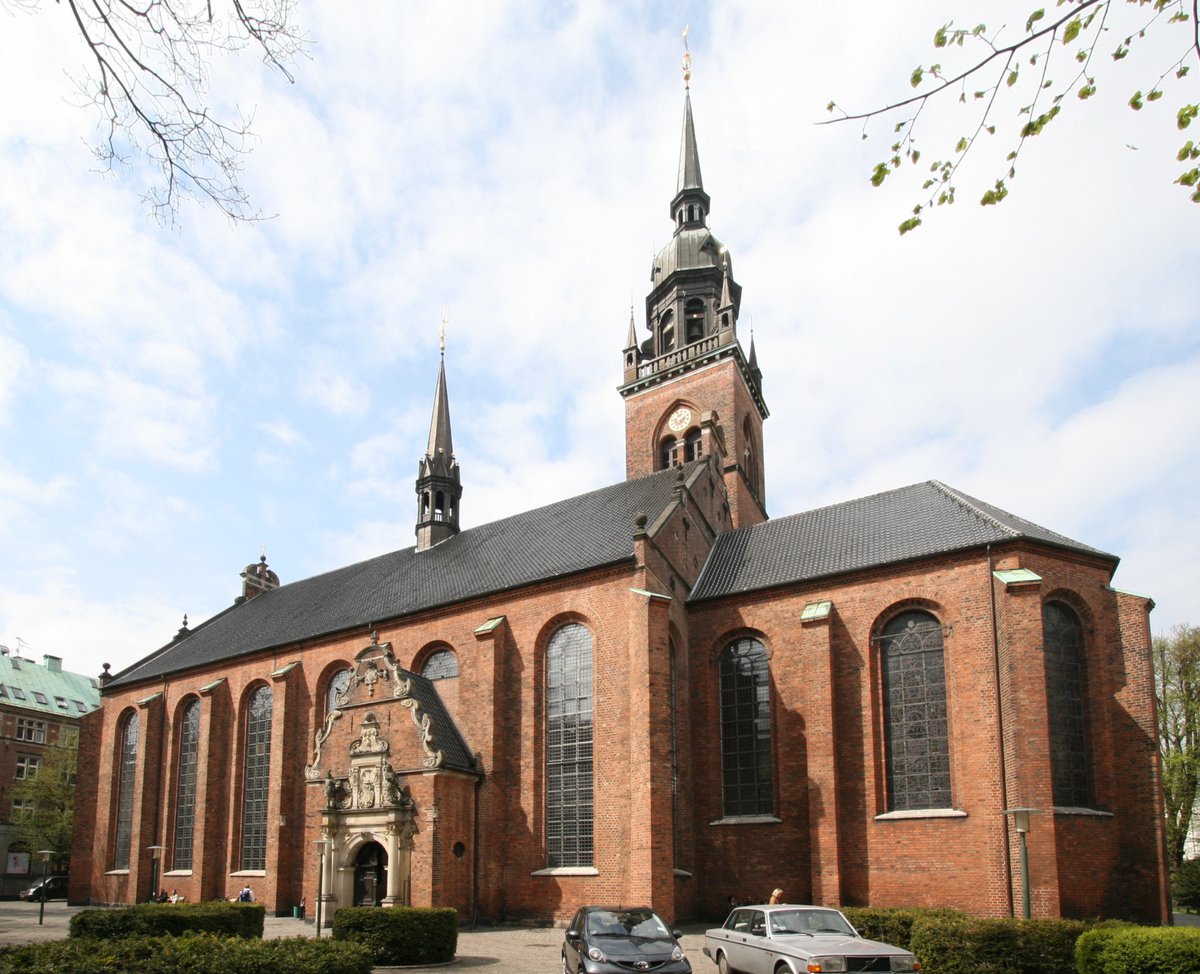
- Vor Frelsers Kirke (Church of Our Saviour): Famous for its spiral tower and panoramic city views. Open most days; tickets required for tower access (VisitCopenhagen).
- Freetown Christiania: A short walk from the square, this autonomous neighborhood is known for its alternative lifestyle, art, and community spirit (VisitDenmark).
- Christianshavn Canal: Take a scenic walk or canal tour for picturesque views of historic houses and houseboats.
- Greenland Monument: Central to the square, this sculpture celebrates Denmark’s historical ties with Greenland (TravelMore.dk).
- Local Markets and Taverns: Experience Danish food culture at the surrounding bakeries, cafés, and historic pubs.
Cultural Life, Events, and Guided Tours
Local Culture and Dining
Christianshavns Torv is surrounded by bakeries (including the original Lagkagehuset), cafés, and restaurants offering everything from Danish pastries to international cuisine (Secret Kobenhavn). Outdoor seating is popular in summer.
Guided Tours and Events
The square is a common starting point for guided walking tours, including historical walks, art tours, and explorations of Christianshavn’s “originals” and hidden courtyards (FOF København). Annual events such as the Christianshavn Canal Festival and seasonal markets add to the area’s vibrancy (AllEvents).
Best Photographic Spots
- From the bridge over Christianshavn Canal.
- At sunrise or sunset for beautiful canal reflections.
- The spiral tower of Vor Frelsers Kirke for panoramic city views.
Practical Visitor Information
Facilities and Amenities
- Restrooms: Available in nearby establishments.
- Public Art: The Greenland Monument and other sculptures.
- Wi-Fi: Free in many cafés and public spaces.
- ATMs and Currency Exchange: Found within walking distance.
- Bike Parking: Ample racks near the square.
Safety and Local Etiquette
Copenhagen is safe and welcoming; standard precautions against pickpocketing apply. Respect local customs, especially in Christiania, where photography is prohibited in certain areas (Qeepl).
Accessibility and Construction Notices
From late 2025 to late 2027, construction on Torvegade may affect access. Pedestrian and cycling routes will remain open, but allow extra time for detours (Københavns Kommune).
Frequently Asked Questions (FAQ)
Q: What are the opening hours of Christianshavns Torv?
A: The square is open 24/7.
Q: Are tickets required to visit Christianshavns Torv?
A: No, the square is free to access. Tickets may be required for nearby attractions.
Q: How do I get to Christianshavns Torv?
A: By metro (M1/M2), bus, bicycle, or on foot.
Q: Is the square wheelchair accessible?
A: Yes, most areas are accessible, including the metro station.
Q: Are guided tours available?
A: Yes, multiple tours start from or include Christianshavns Torv; book online for availability.
Q: Are there restaurants and cafés nearby?
A: Yes, from bakeries to historic taverns, options abound.
Final Tips and Recommendations
- Plan Ahead: Check opening times for specific attractions and book tours in advance.
- Travel Light: Explore on foot or by bike for the best local experience.
- Embrace Local Culture: Try Danish pastries at Lagkagehuset, enjoy café life, and respect local customs, especially in Christiania.
- Stay Updated: For events or construction updates, visit the city’s official website.
Summary
Christianshavns Torv stands as a living mosaic of Copenhagen’s history, culture, and urban vitality. From its origins in King Christian IV’s time through eras of social reform, architectural innovation, and modern-day community life, the square offers a multifaceted experience for every visitor (lex.dk; Magasinet KBH). With free, open access, excellent transport links, and a wealth of attractions—ranging from historic churches and canals to alternative enclaves and lively markets—Christianshavns Torv is an essential stop for anyone exploring Copenhagen.
Useful Links
- Official Copenhagen Tourism
- Christianshavn Metro Station Info
- Freetown Christiania Website
- Virtual Tour of Christianshavn
- AllEvents: Christianshavn Tours
- FOF København Walking Tours
- TravelMore.dk Greenlandic Experiences
- Torvegade Construction Updates
- Safety Tips
- Where to Stay in Copenhagen
Suggested images: Christianshavns Torv with the Greenland Monument, the Church of Our Saviour’s tower, canal views at sunset, and the Layer Cake House. Alt text: “Christianshavns Torv visiting hours,” “Christianshavns Torv tickets,” “Copenhagen historical sites.”
For curated walking tours, downloadable maps, and the latest updates, download the Audiala app and follow us on social media.
Listen to the full story in the app
Your Personal Curator, in Your Pocket.
Audio guides for 1,100+ cities across 96 countries. History, stories, and local insight — offline ready.
Audiala App
Available on iOS & Android
Join 50k+ Curators
Sources
- verified
- verified
- verified
- verified
- verified
- verified
Last reviewed: