Introduction
Christian IX’s Palæ stands as a striking testament to Denmark’s royal heritage and architectural mastery. As one of the four palatial buildings forming the Amalienborg Palace complex in central Copenhagen, it represents centuries of royal tradition and statecraft. Though the palace itself remains a private residence and is not open for interior tours, its presence within the Amalienborg complex—alongside the publicly accessible Amalienborg Museum—offers visitors a unique glimpse into the lives, culture, and history of the Danish monarchy. This guide provides everything you need to know for an enriching visit, including historical context, visiting hours, ticket information, accessibility, travel tips, nearby attractions, and answers to frequently asked questions (Kongehuset; Visit Copenhagen; Copenhagenet).
Photo Gallery
Explore Christian Ix'S Palæ in Pictures

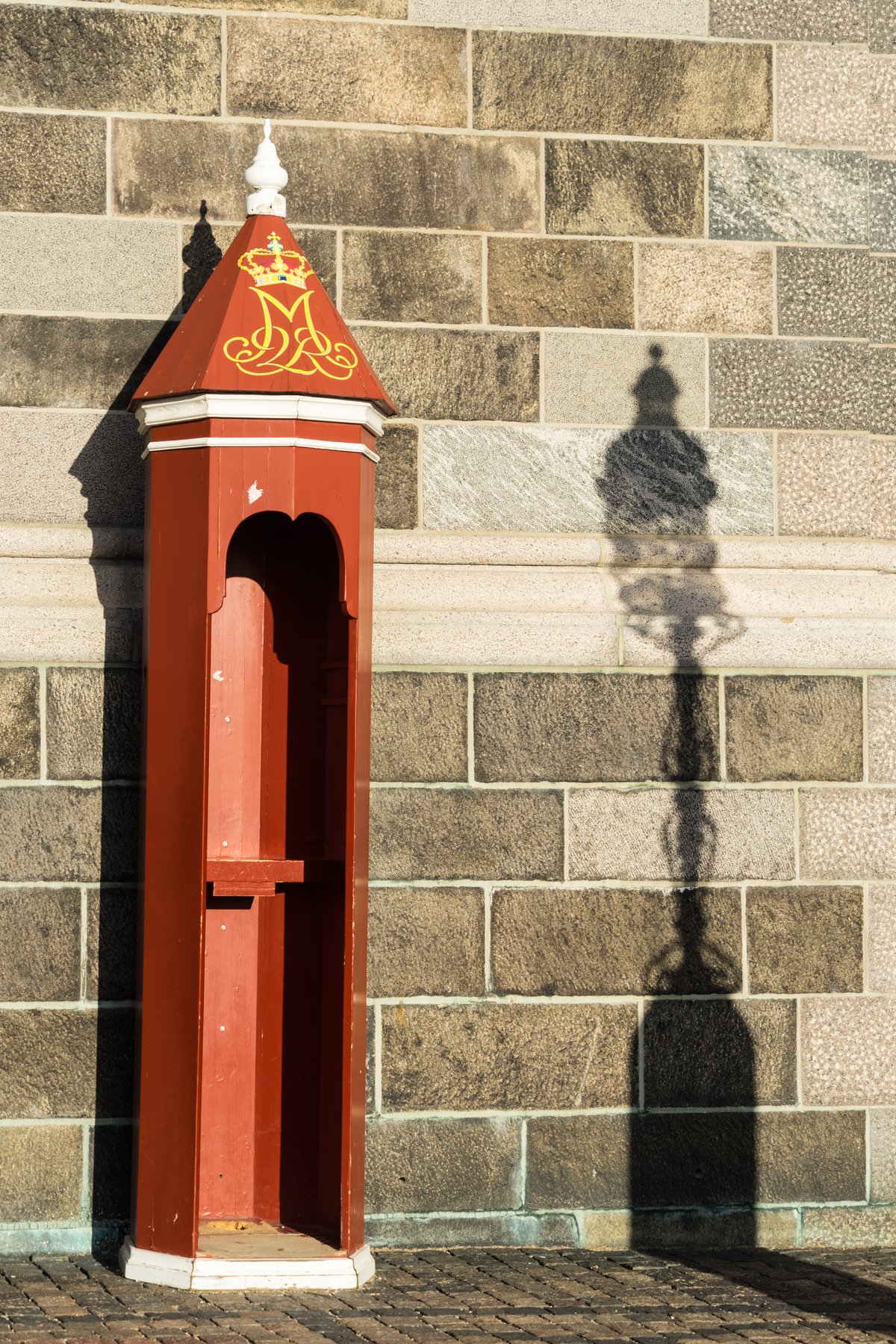
A clear view of Amalienborg Palace, the home of the Danish royal family, located in Copenhagen, Denmark.

Amalienborg Palace, the residence of the Danish royal family located in Copenhagen, Denmark

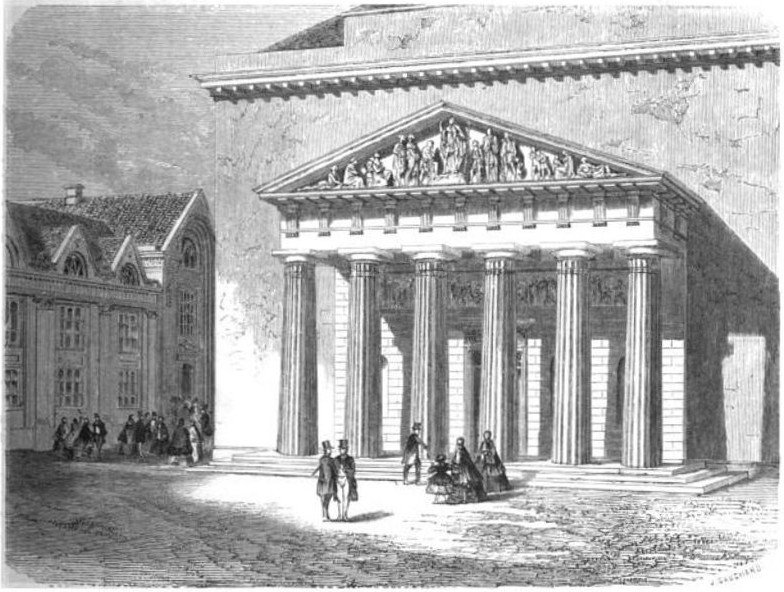
Photograph of Christian IX's Palæ, a historic building located in Copenhagen, Denmark, showcasing its architectural details and surrounding environment.

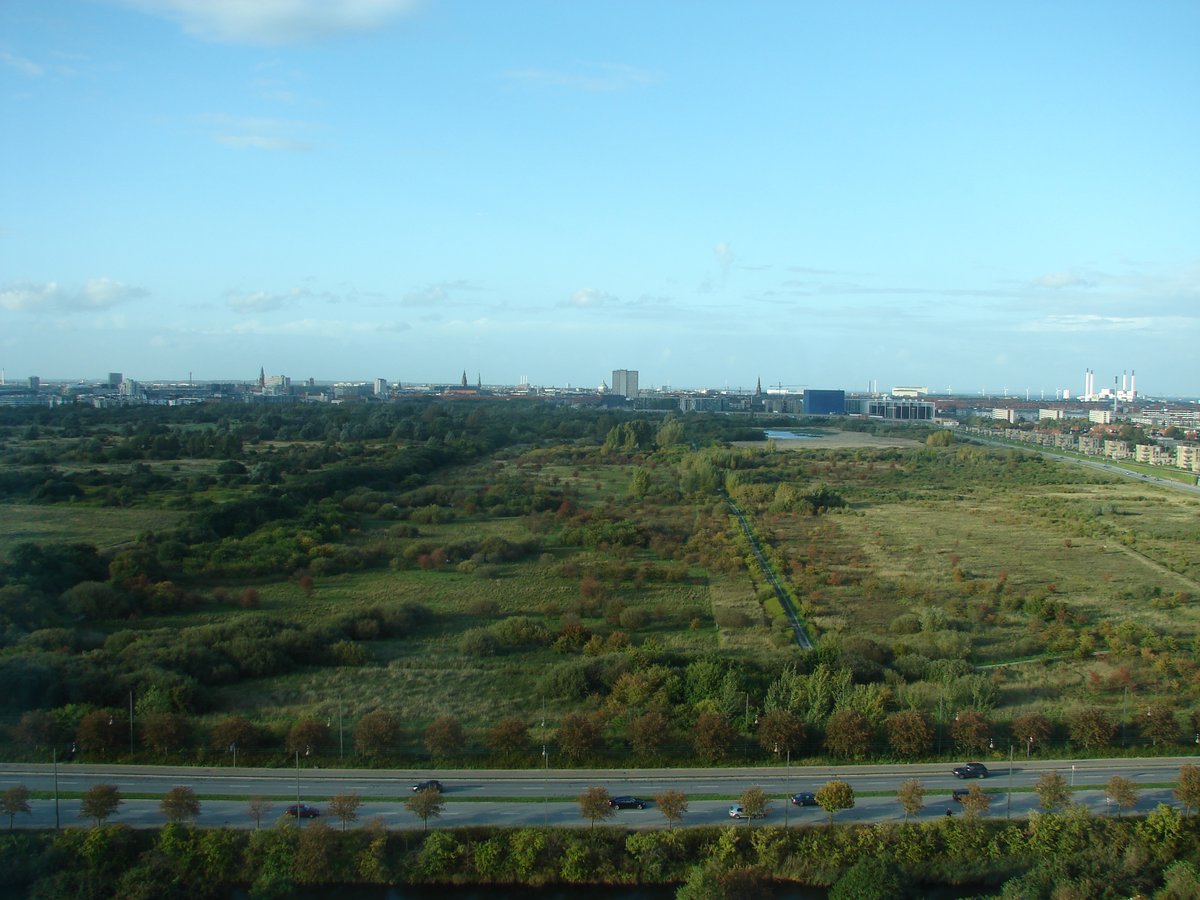
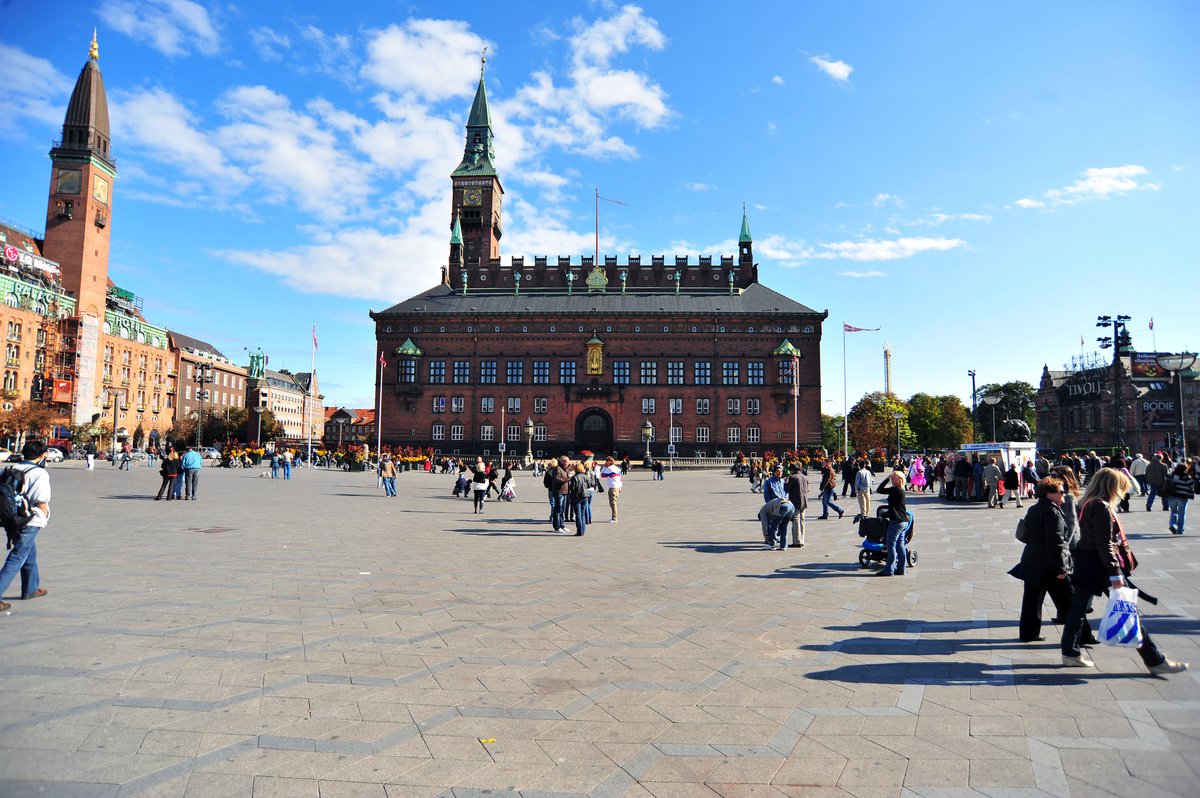
Panoramic scenic view of Copenhagen city in Denmark's Capital Region showcasing urban buildings and waterfront.

U.S. Secretary of State John Kerry poses with Queen Margrethe II and Crown Prince Frederik at Amalienborg Palace in Copenhagen, Denmark on June 17, 2016 during a diplomatic courtesy call following bilateral meetings.

U.S. Secretary of State John Kerry and Danish Foreign Minister Kristian Jensen posing with Queen Margrethe II and Crown Prince Frederik at Amalienborg Palace in Copenhagen on June 17, 2016, during a courtesy call after bilateral meetings between U.S. and Denmark representatives.
Early Origins and Architectural Vision
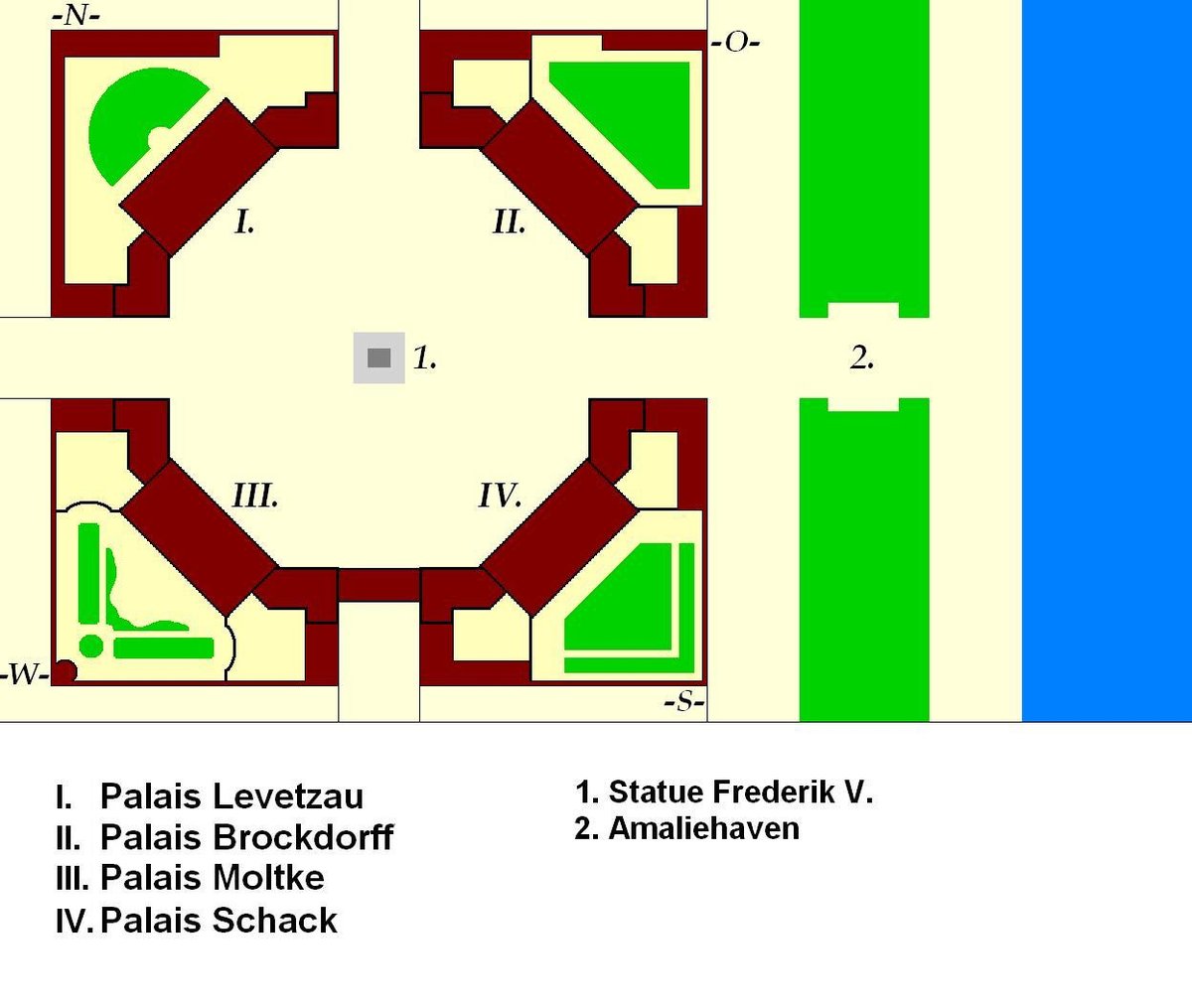
Christian IX’s Palæ, originally known as Schack’s Palace, was conceived in the mid-18th century as part of the Frederiksstaden district’s grand design under King Frederik V. The project began in 1750, spearheaded by Severin Løvenskiold, but was completed by Countess Anne Sophie Schack due to financial challenges. Architect Nicolai Eigtved, Denmark’s leading Rococo designer, envisioned four harmonious mansions arranged symmetrically around the octagonal Amalienborg Slotsplads. Schack’s Palace—now Christian IX’s Palæ—occupies the southeastern corner, distinguished by its elegant Rococo façade, light sandstone, and balanced proportions (World History Edu).
Transition to Royal Residence
The Amalienborg palaces became royal residences after a catastrophic fire destroyed Christiansborg Palace in 1794. The royal family, in urgent need of a new home, acquired the four mansions. Schack’s Palace was assigned to Crown Prince Frederik (later Frederik VI), and a colonnade by Caspar Frederik Harsdorff soon linked it with Christian VII’s Palace, enhancing both practicality and architectural unity (Copenhagenet).
Throughout the 19th century, the palace served both as a royal home and a venue for state functions, occasionally housing institutions such as the Supreme Court and the Ministry of Foreign Affairs (Kongehuset).
The Era of Christian IX and the Glücksborg Dynasty
The palace took on its current name during the reign of King Christian IX (1863–1906), known as the “Father-in-law of Europe” for his children’s dynastic marriages across the continent. Under Christian IX, the palace became the nucleus of royal life and diplomacy, its interiors updated with a blend of military, Victorian, and knightly styles. The Glücksborg dynasty founded by Christian IX remains Denmark’s ruling house to this day (Visit Copenhagen).
Modernization and Royal Continuity
Subsequent generations of the royal family continued to reside at Christian IX’s Palæ. Renovations in the 20th century modernized living spaces while preserving historic features. Notably, Queen Margrethe II made the palace her primary residence in 1967, maintaining its status as the living heart of Danish monarchy. Key historical moments, including her abdication in January 2024 and the accession of King Frederik X and Queen Mary, have played out here (World History Edu; An Historian About Town).
Architectural and Cultural Significance
Christian IX’s Palæ exemplifies the refined Rococo and neoclassical aesthetics of Amalienborg. Its symmetrical design, ornate façades, and strategic placement within the octagonal courtyard underscore its architectural importance. The colonnade connecting it to Christian VII’s Palace is a hallmark of 18th-century Danish design (Mexico Historico). The palace embodies both the resilience of the Danish monarchy and the evolution of European royal tradition (World History Edu).
Visiting Christian IX’s Palæ: Hours, Tickets, Accessibility, and Tips
Visiting Hours
- Christian IX’s Palæ: Not open for public interior tours; exterior and palace square accessible year-round.
- Amalienborg Museum (Christian VIII’s Palace):
- Standard: Tuesday–Sunday, 10:00 AM – 5:00 PM (last entry 4:30 PM)
- Closed on Mondays and some holidays
- Hours may vary during school holidays or special events—check official site for updates.
Tickets and Pricing
- Museum Admission: ~95–125 DKK for adults, discounts for students and seniors, children under 18 free
- Purchase: Online at official museum website or on-site
- Guided Tours: Available for an additional fee; audio guides offered in multiple languages (Introducing Copenhagen)
Accessibility
- Wheelchair and mobility access throughout the complex and museum
- Accessible restrooms and ramps
- Assistance for visually impaired visitors available upon request (Amalienborg Museum)
Travel Tips
- Use public transport: nearest Metro station is Marmorkirken; bus lines 1A, 20E, 23, and 26 stop nearby (dansk.de)
- Limited parking; consider cycling or walking
- Arrive before noon for the Changing of the Guard
Changing of the Guard
A highlight for visitors, the Changing of the Royal Guard (Den Kongelige Livgarde) occurs daily at noon in Amalienborg Slotsplads. Guards depart Rosenborg Castle at 11:30 and arrive at Amalienborg by 12:00 (visitnordic.com). The scale of the ceremony varies depending on which royal family members are present; when the monarch is in residence, the full King’s Guard with music band participates (copenhagenet.dk).
Visitor tip: Arrive early for a good viewing spot, or follow the guards’ march from Rosenborg Castle.
Notable Historical Anecdotes
Christian IX’s Palæ has been the backdrop for significant moments in Danish history. During the Nazi occupation of World War II, King Christian X’s decision to keep the Danish flag flying above Amalienborg became a symbol of resistance. The palace also regularly hosts state events, royal addresses, and major celebrations (Copenhagenet).
Nearby Attractions
- Marble Church (Frederik’s Church): Striking domed church with panoramic city views
- Designmuseum Danmark: Celebrating Danish design traditions
- Nyhavn Canal: Picturesque harbor area with cafes and colorful buildings
- Strøget: One of Europe’s longest pedestrian shopping streets
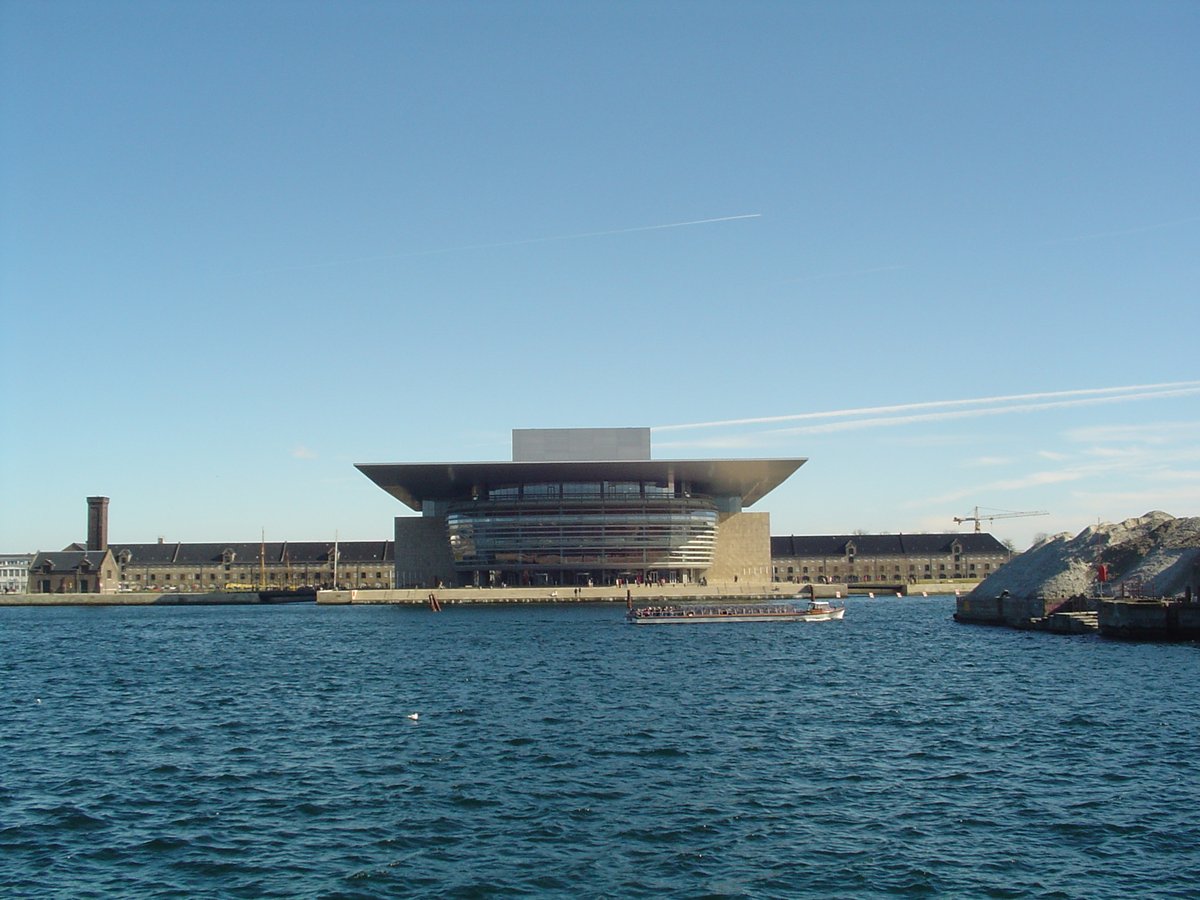
- Rosenborg Castle, Christiansborg Palace, and Copenhagen Opera House are all within easy reach (PlanetWare)
Visitor Etiquette and Photography
- Photography: Permitted in the palace square and museum (no flash/tripods inside)
- Respect: Do not enter restricted zones or disturb guards; follow instructions from staff and security
- Dress: Wear comfortable shoes and weather-appropriate attire—cobblestones and outdoor ceremonies are common
Practical Tips
- Best Time to Visit: Spring or summer for mild weather; early mornings/late afternoons for fewer crowds
- Facilities: Cloakrooms, restrooms, and a museum shop with royal-themed souvenirs
- Family Friendly: Free entry for children under 18, educational exhibits in the museum
Frequently Asked Questions (FAQ)
Q: Can I visit the interior of Christian IX’s Palæ?
A: No, it is a private royal residence; visit the Amalienborg Museum in Christian VIII’s Palace for royal interiors.
Q: What are the museum’s opening hours?
A: Typically Tuesday–Sunday, 10:00 AM–5:00 PM; check official site for updates.
Q: How much do tickets cost?
A: About 95–125 DKK for adults; discounts for students/seniors; children under 18 free.
Q: Is the site accessible for visitors with disabilities?
A: Yes, both the palace square and museum offer full accessibility.
Q: Are there guided tours?
A: Yes, public and private tours—book in advance for groups.
Q: Is the Changing of the Guard free?
A: Yes, the ceremony in the palace square is free to watch.
Listen to the full story in the app
Your Personal Curator, in Your Pocket.
Audio guides for 1,100+ cities across 96 countries. History, stories, and local insight — offline ready.
Audiala App
Available on iOS & Android
Join 50k+ Curators
Sources
- verified
- verified
- verified
- verified
- verified
- verified
- verified
- verified
Last reviewed: