Introduction
Blågårds Plads, situated in the heart of Copenhagen’s vibrant Nørrebro district, is an iconic public square deeply rooted in the city’s social, artistic, and multicultural history. Renowned for its early 20th-century granite sculptures by Kai Nielsen and its distinctive urban layout, the square seamlessly blends architectural heritage with contemporary community life. Originating from the 17th-century Blue Manor estate, the site has evolved through periods of industrialization, dense urban habitation, and social transformation to become a dynamic focal point for festivals, activism, and multicultural gatherings. Accessible at all hours and free to enter, Blågårds Plads is a must-visit destination for those seeking to experience authentic Copenhagen. This comprehensive guide covers everything you need to know: visiting hours, accessibility, nearby attractions, local customs, and tips for making the most of your visit. For further insights and guided experiences, resources like Visit Copenhagen and Migrantour Copenhagen are invaluable.
Photo Gallery
Explore Blågårds Plads in Pictures
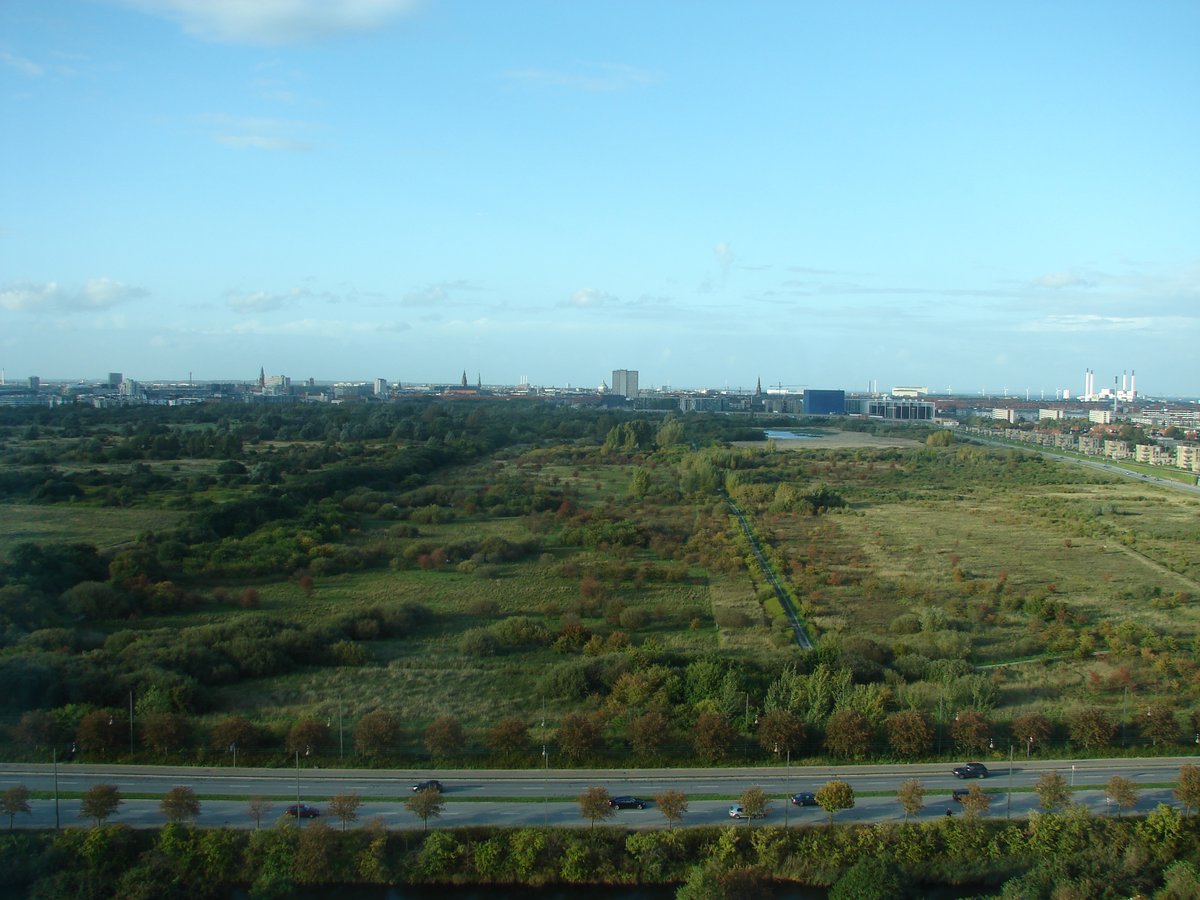
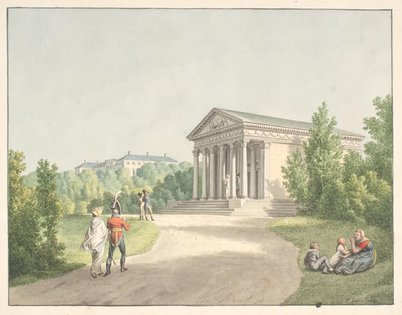
View of Blågård in Nørrebro district, Copenhagen showing vibrant residential architecture and streetscape
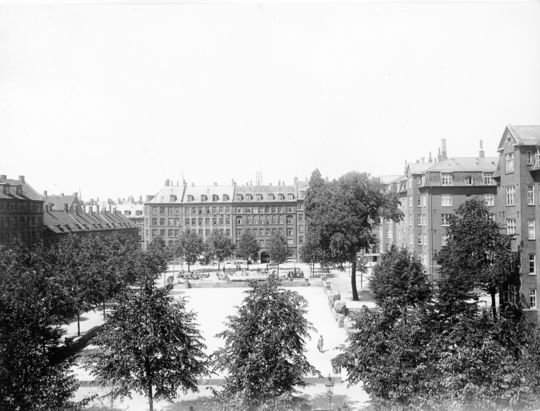
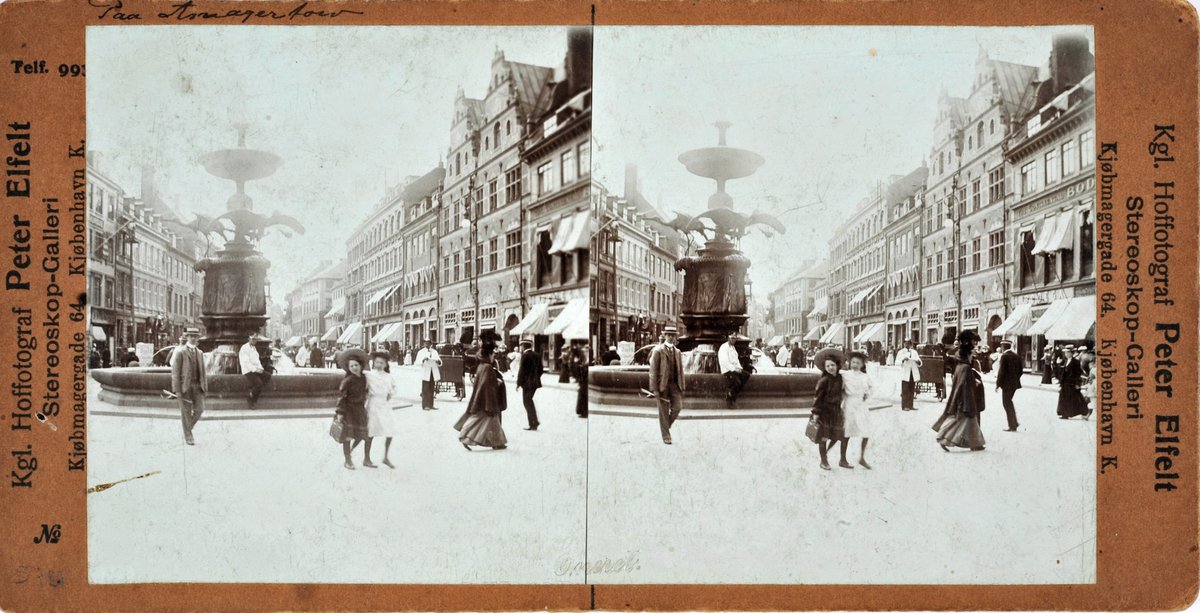
Historic photo of Blågårds Plads square in Copenhagen Denmark during the 1920s showing vintage buildings and streetscape
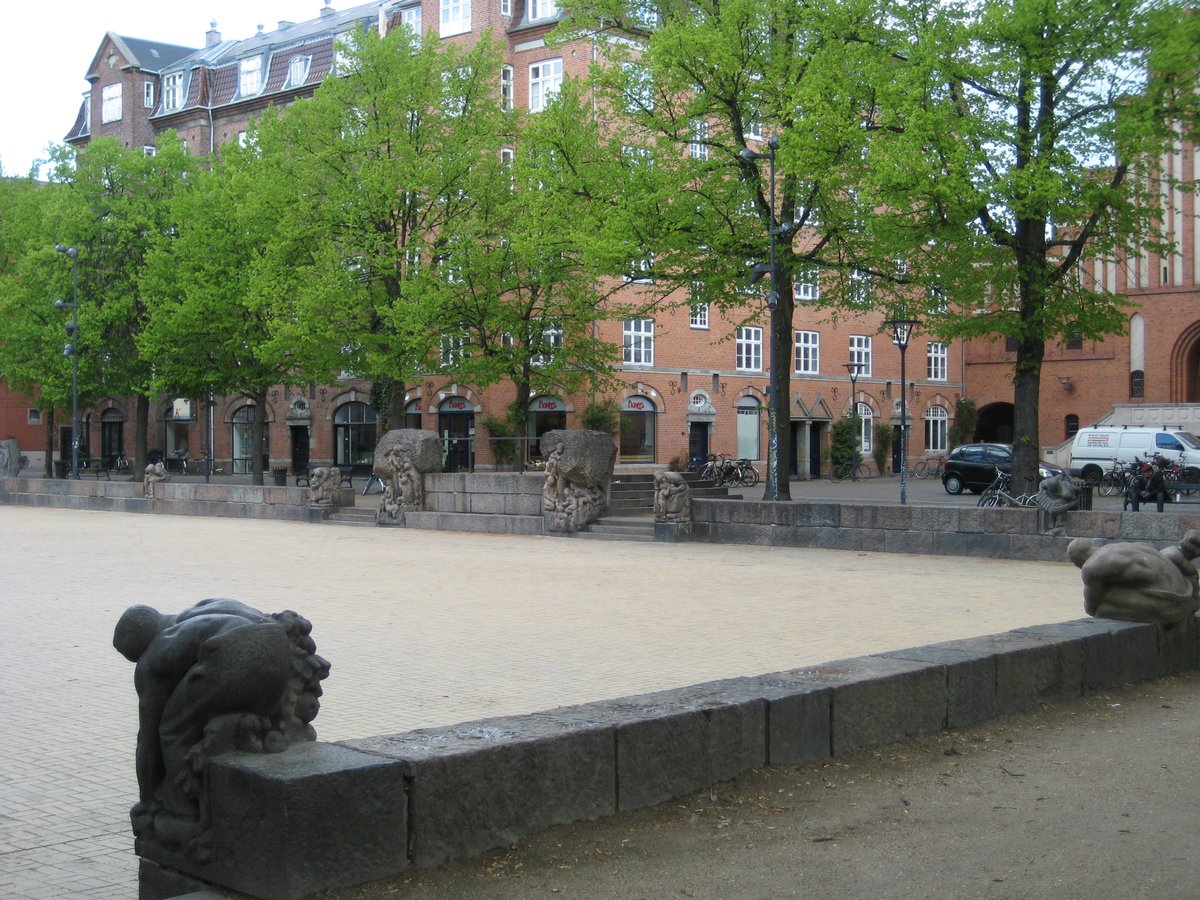
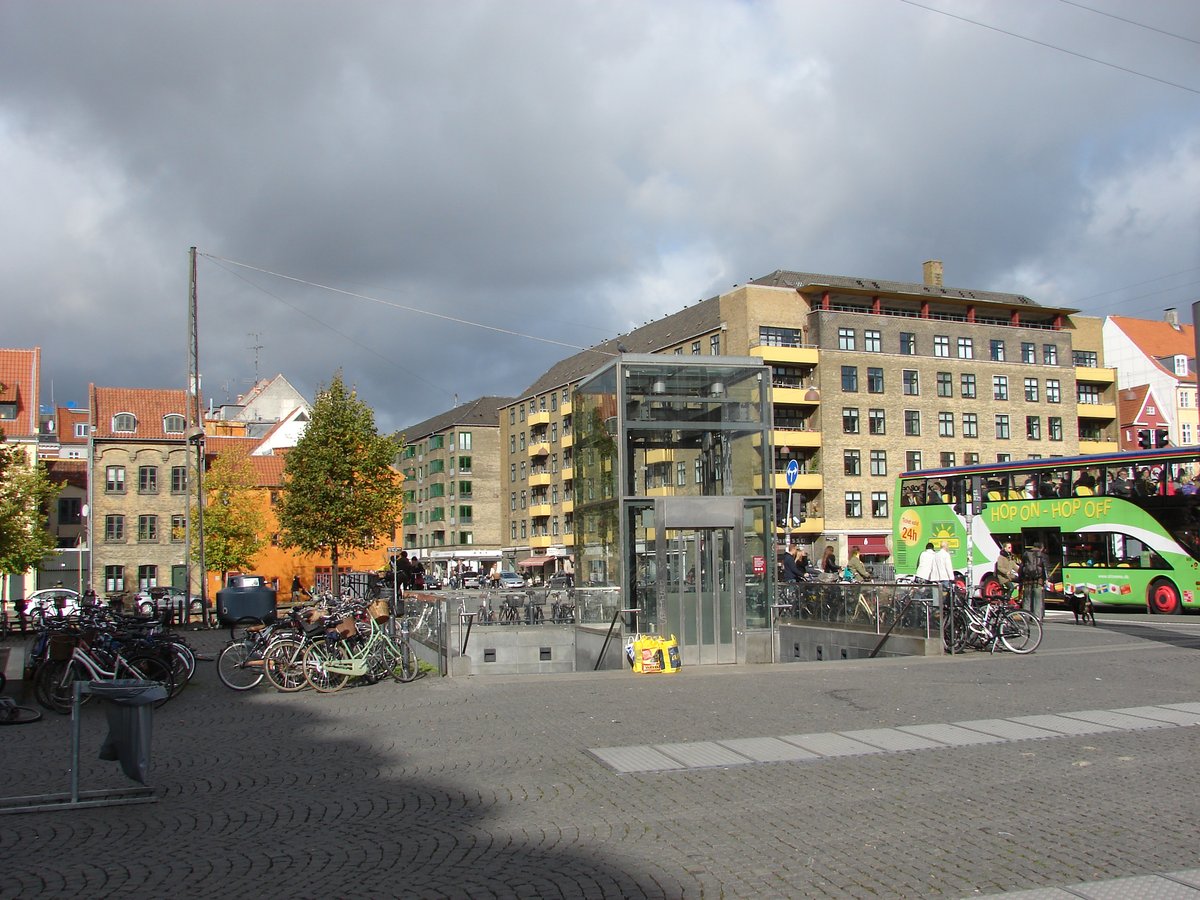
Scenic view of Blågårds Plads square in Copenhagen, Denmark, bustling with people and surrounded by historic buildings
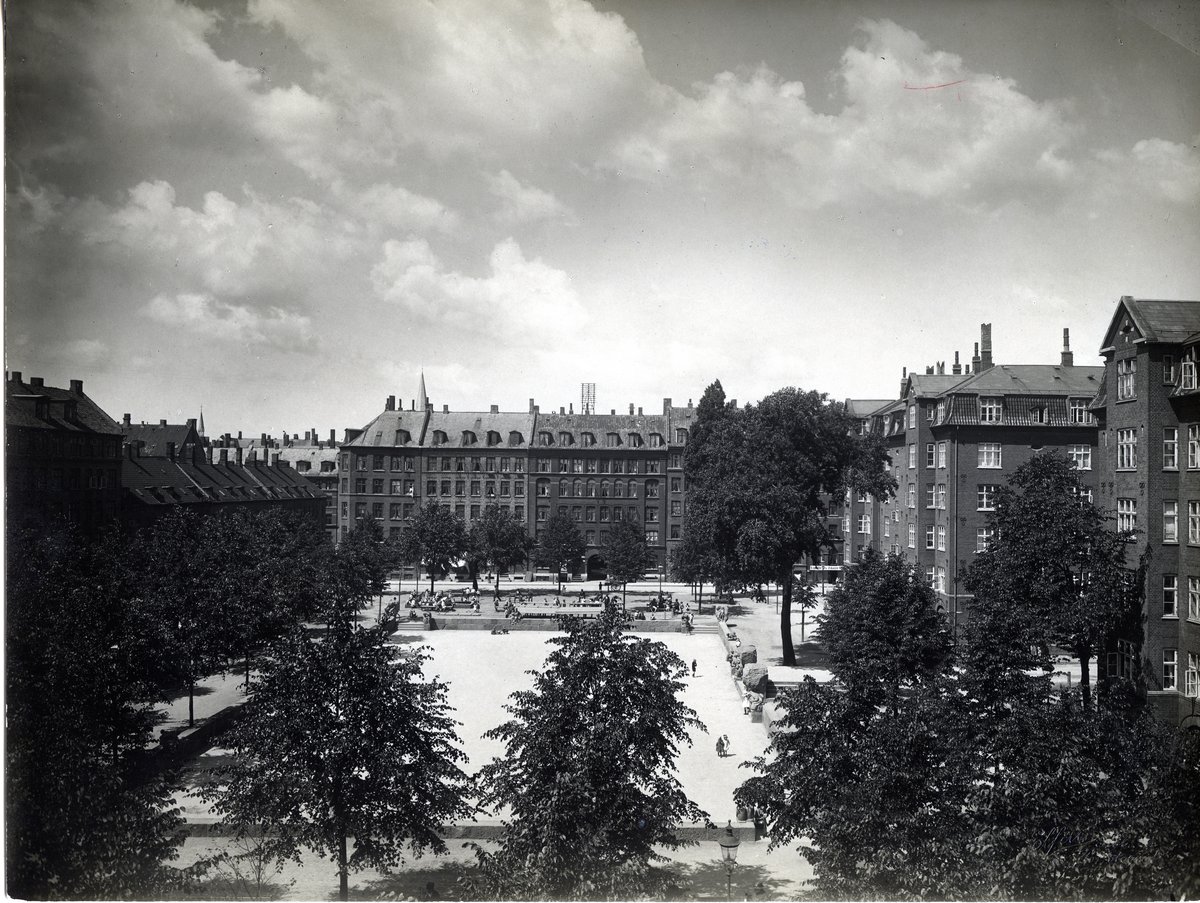
Historic view of Blågårds Plads in Copenhagen, Denmark showcasing the urban square surrounded by traditional architecture and lively street activity

Kai Nielsen at Blågårds Plads, Copenhagen, Denmark, where he created 22 granite statues integrated into a wall from 1912 to 1916
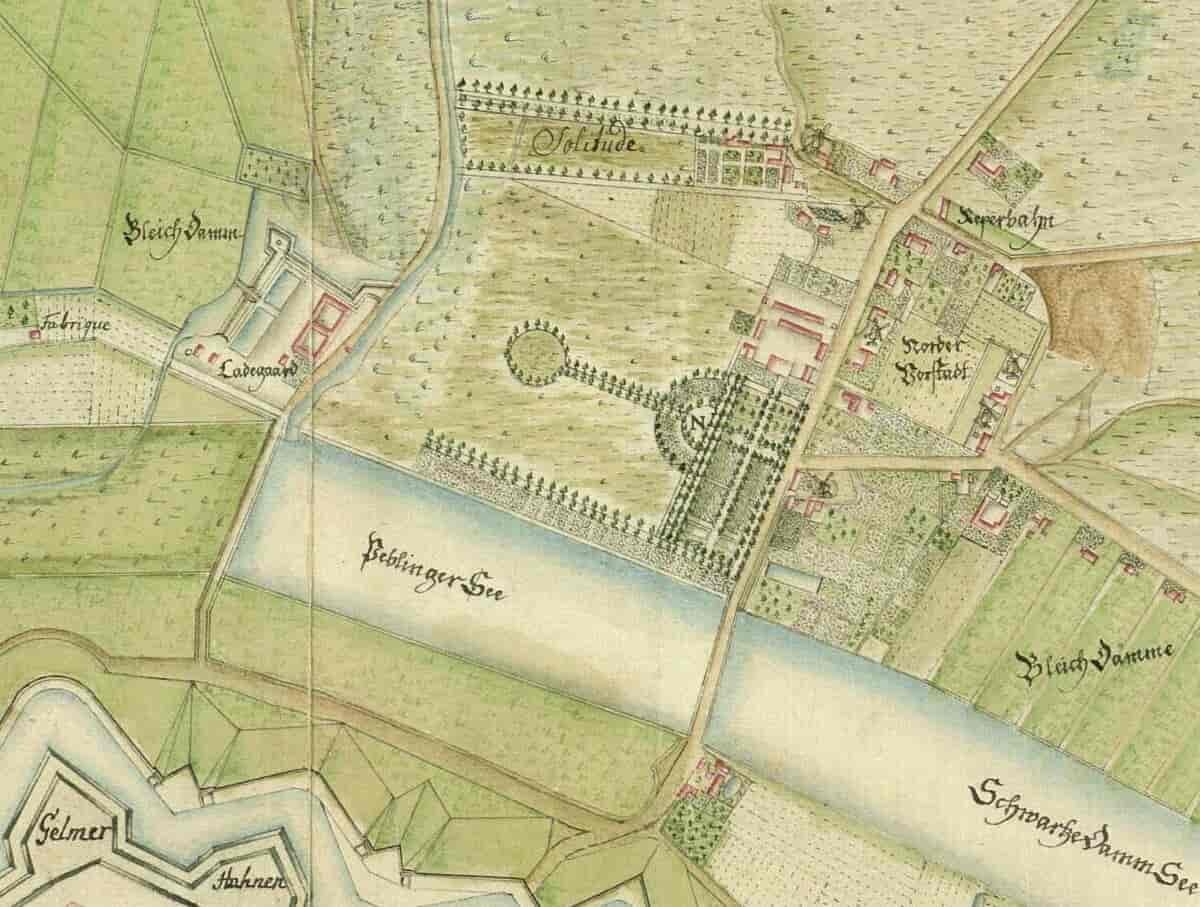
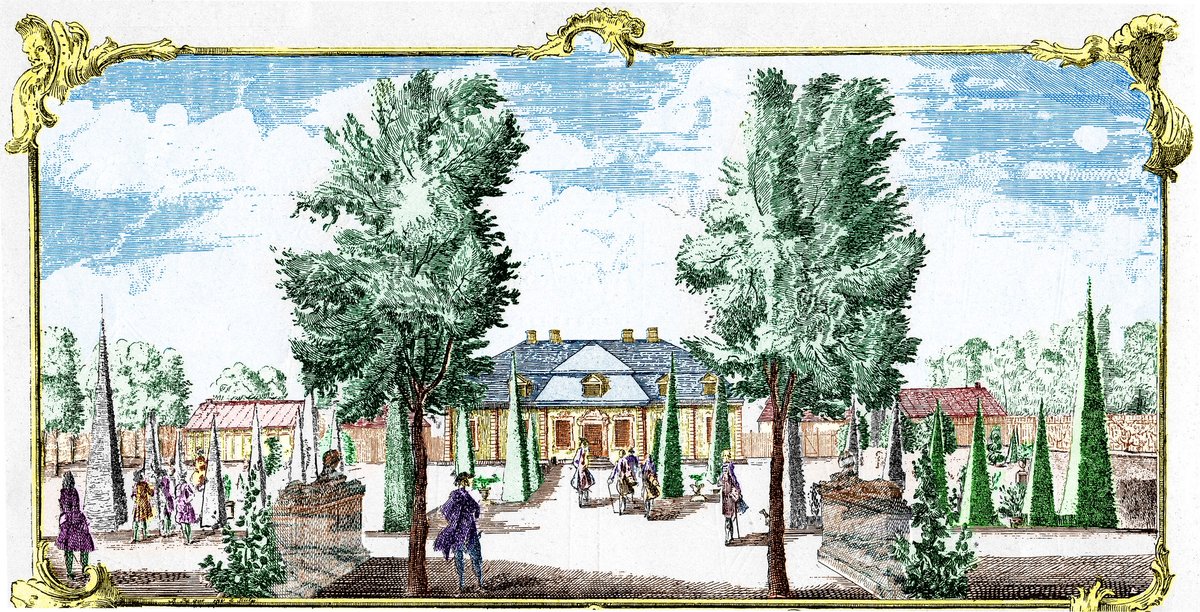
Detailed 1742 colored hand-drawn map by Johann Friedrich Meyer depicting the Nørrebro area in Copenhagen around Peblingesø lake with Blågård lystgård and Solitude lystgård estates including garden designs and bleaching ponds near Sortedams Sø, from Frederik V's Atlas volume 36.
History of Blågårds Plads
Early Origins and the Blue Manor Estate
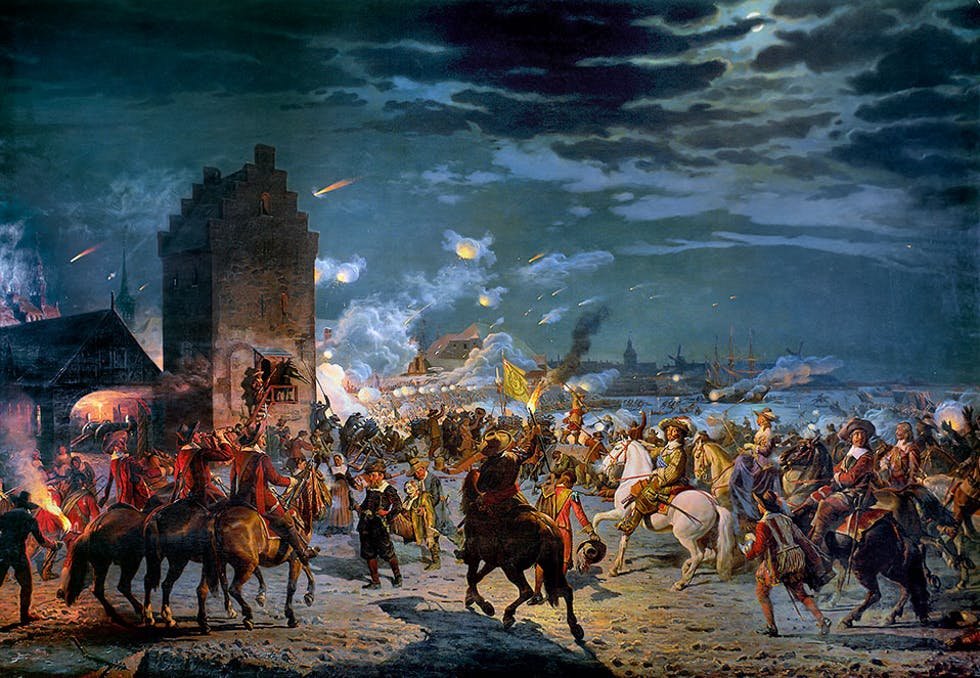
Blågårds Plads traces its history back to the early 18th century, when Prince Carl, brother to King Frederik IV, established the baroque “Prins Carls Hauge” estate. The estate, named for its distinctive blue-glazed roof tiles, gave rise to the name “Blågård,” meaning “Blue Manor” (guideservicedanmark.dk). Over the decades, the property passed through various hands, transforming from a private estate to a textile manufactory and, by 1791, Denmark’s first teacher training college. The area suffered extensive damage during the British bombardment of Copenhagen in 1807.
Industrialization and Urban Transformation
Throughout the 19th century, the estate land was subdivided, and by 1827, a major iron foundry operated on the site, contributing military materiel during the 1864 war. The foundry’s pollution led to the neighborhood’s nickname, “Den Sorte Firkant” (“The Black Square”), reflecting its environmental struggles and social challenges.
Copenhagen’s rapid urban expansion in the late 19th century transformed Nørrebro into a densely populated, working-class district. The municipality purchased the foundry grounds in 1898, recognizing the need for public open spaces.
From Industrial Site to Public Square
In 1912, architect Ivar Bentsen and sculptor Kai Nielsen reimagined the space as a sunken, tiled plaza, surrounded by granite sculptures depicting local workers. Completed in 1918, the square became a hub for social and political gatherings—a legacy that continues today.
Visiting Blågårds Plads: Practical Information
Visiting Hours and Ticket Information
Blågårds Plads is an open public square, accessible 24/7 year-round, with no entry fee or ticket required. This makes it an ideal destination for spontaneous visits, morning strolls, or evening gatherings.
Accessibility and Best Time to Visit
- Accessibility: The square features paved paths and ramps, making it wheelchair accessible. However, the sunken design means access to the lowest level is primarily via stairs.
- Best Time to Visit: Spring and summer are especially lively, with outdoor events, markets, and festivals. Early mornings and weekdays are quieter for those seeking a peaceful atmosphere.
Getting There
- Metro: Nørrebro Station (M3) is the closest, about a 5-minute walk.
- Bus: Multiple lines stop nearby on Nørrebrogade and Åboulevard.
- Bicycle: Copenhagen’s extensive bike lanes make cycling a popular option.
- Parking: Limited street parking is available, but public transport or cycling is recommended (Time Out Copenhagen).
Local Amenities and Facilities
Blågårds Plads offers benches, shaded areas beneath mature linden trees, and a historic cast-iron pissoir. Surrounding streets provide a wealth of cafés, bakeries, and multicultural eateries, with options ranging from Danish pastries to Middle Eastern and Asian cuisine (visitcopenhagen.com).
Architectural and Artistic Highlights
- Design: The square’s sunken, rectangular form is bordered by linden trees and protected by a granite balustrade.
- Kai Nielsen Sculptures: Twenty-two life-sized granite sculptures depict local tradespeople—blacksmiths, bakers, seamstresses, and more—honoring the area’s working-class roots (The Crazy Tourist).
- Surrounding Architecture: Early 20th-century apartment buildings frame the square, featuring red and yellow brick facades, arched windows, and decorative cornices (Trap Danmark).
- Contemporary Art: Street art and murals reflect the multicultural spirit of Nørrebro, with local artists frequently updating the visual landscape.
Social and Cultural Significance
Blågårds Plads is both a historical monument and a living community space. The square has long been a focal point for political rallies, cultural festivals, and social activism, embodying the district’s solidarity and diversity. Community centers like Støberiet, the nearby library, and Blågårds Church enhance its role as a hub for education, culture, and social welfare (becci.dk; kulturogfritidn.kk.dk).
Events and Activities
Blågårds Plads hosts a lively calendar of events:
- Seasonal Markets & Food Festivals: Enjoy local produce, crafts, and street food.
- Outdoor Concerts & Theater: The square is central to the Copenhagen Jazz Festival and the 48 Timer Festival (kulturogfritidn.kk.dk).
- Community Activities: Regular soccer games, workshops, and open-air gatherings.
- Social Activism: Organizations like Mino Ung København and Crossing Borders host discussions, art projects, and cultural exchanges (migrantour.org; cphdistortion.dk).
Check the Copenhagen Municipality event guide and Støberiet’s website for current schedules.
Nearby Attractions
- Blågårdsgade: A lively street with independent shops, cafés, and bars.
- Assistens Cemetery: Final resting place of Hans Christian Andersen and Søren Kierkegaard, also a tranquil park (Time Out Copenhagen).
- Superkilen Park: An award-winning urban park celebrating cultural diversity.
- Nørrebrohallen: A sports and cultural center in a converted tram depot.
Frequently Asked Questions (FAQ)
Q: Is Blågårds Plads open year-round?
A: Yes, it’s open 24/7 with free access.
Q: Are there any tickets or entry fees?
A: No, the square is a public space and free to visit.
Q: Are dogs allowed?
A: Yes, but they must be kept on a leash.
Q: Is the square accessible for people with disabilities?
A: The area is generally accessible, though the sunken plaza is stair-only. Nearby sidewalks and public transport are wheelchair-friendly.
Q: How do I find out about upcoming events?
A: Check the Støberiet website and local listings for updates.
Travel Tips
- Photography: The granite sculptures and vibrant street scenes make for excellent photos. Always ask for permission when photographing people, especially children.
- Food & Drink: Try local cafés for Danish pastries or sample international cuisine nearby.
- Weather: Copenhagen’s climate can change quickly—bring layers and a rain jacket.
- Currency: Denmark uses the Danish krone (DKK); credit cards and mobile payments are widely accepted.
- Language: Danish is the official language, but English is commonly spoken.
Visuals and Media
Enhance your visit by exploring virtual tours and high-quality images on official tourism websites. Use alt text such as “Blågårds Plads granite sculptures” and “Nørrebro cultural events” for accessibility.
Discover More
Blågårds Plads is a vibrant reflection of Copenhagen’s living history, where art, community, and multiculturalism converge. Whether you’re drawn by its artistic heritage, diverse gastronomy, lively festivals, or inclusive spirit, the square offers a unique and memorable experience for every visitor.
To plan your visit, check local event schedules and download the Audiala app for interactive maps, offline guides, and real-time notifications. For more on Copenhagen’s historical sites and cultural hotspots, explore the official Visit Copenhagen website and follow us on social media for the latest tips and updates.
Listen to the full story in the app
Your Personal Curator, in Your Pocket.
Audio guides for 1,100+ cities across 96 countries. History, stories, and local insight — offline ready.
Audiala App
Available on iOS & Android
Join 50k+ Curators
Sources
- verified
- verified
- verified
- verified
- verified
- verified
- verified
- verified
- verified
- verified
Last reviewed: