Introduction
The Battle of Copenhagen marks a defining moment in Denmark’s and Europe’s naval history, with two pivotal conflicts in 1801 and 1807 during the Napoleonic Wars. These battles shaped the geopolitical landscape of Northern Europe and left a lasting imprint on Copenhagen’s architecture, culture, and collective memory. Today, the city’s star-shaped fortresses, immersive museums, and historic harborfronts offer visitors rich opportunities to explore this legacy. Whether you are a dedicated history enthusiast or a curious traveler, this guide provides comprehensive information on visiting hours, ticketing, accessibility, and recommended itineraries for the Battle of Copenhagen’s most significant sites.
Highlights include the panoramic ramparts of Kastellet, the engaging exhibits at the Danish War Museum, and the atmospheric Trekroner Sea Fortress. You’ll also find practical advice on transportation, guided tours in English, and family-friendly activities. Enhance your visit with multimedia resources and audio guides via apps like Audiala, and look out for commemorative events each April. Embark on an immersive journey through Copenhagen’s fortifications, museums, and harborfronts to discover how the Battle of Copenhagen shaped Denmark’s national story and European naval history (Visit Copenhagen, Audiala, Orlogsmuseet.dk).
Historical and Cultural Context
The Battle’s Significance
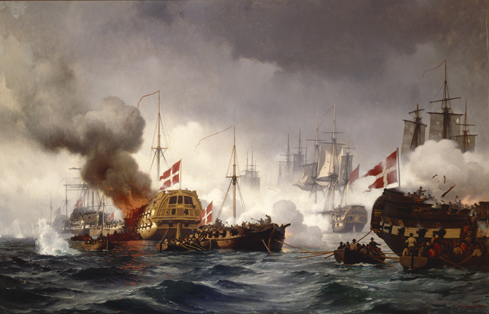
The Battle of Copenhagen refers to two major naval engagements during the Napoleonic Wars: the first in 1801 and the second, more destructive, in 1807. In 1801, Admiral Horatio Nelson led the British Royal Navy against the Danish fleet to prevent Denmark from joining Napoleon’s coalition. The 1807 battle involved a British bombardment of Copenhagen to capture the Danish fleet, resulting in civilian casualties and significant damage to the city (nbi.dk, encyclopedia.com).
These battles shifted Denmark’s role in European affairs, steering the nation toward neutrality and cultural development. The trauma of the 1807 siege and subsequent reconstruction fostered Copenhagen’s spirit of resilience and innovation.
Key Battle of Copenhagen Sites: History, Visiting Hours, and Tickets
Kastellet (The Citadel)
Historical Role:
Kastellet is one of Northern Europe’s best-preserved star fortresses and played a strategic defensive role in both battles. Built between 1626 and 1664, its ramparts and bastions exemplify Renaissance military engineering (Audiala).
Visitor Information:
- Opening Hours: Daily, 6:00 AM–10:00 PM.
- Admission: Free; guided tours may require tickets.
- Highlights: Walking the ramparts, exploring the windmill, church, and memorials, attending seasonal events.
- Accessibility: Mostly accessible, though some terrain is uneven.
Official website: kastellet.dk
Trekroner Sea Fortress
Historical Significance:
Trekroner stands at Copenhagen’s harbor entrance and directly engaged the British fleet in both 1801 and 1807. Its strategic location and artillery coverage were vital to the city’s defense (Visit Copenhagen).
Visitor Information:
- Access: By seasonal ferry from central Copenhagen.
- Opening Hours: Late spring to early autumn; check schedules.
- Tickets: Ferry ticket includes entry; advance booking recommended.
- Experience: Casemate exhibitions, films on the battle, panoramic harbor views.
Danish War Museum
Military Heritage:
Located in Christian IV’s Arsenal, this museum presents Denmark’s military history, with artifacts and displays focusing on the Battle of Copenhagen and naval warfare (Visit Copenhagen).
Visitor Information:
- Hours: Tuesday–Sunday, 10:00 AM–5:00 PM.
- Tickets: Approx. 100 DKK (~13 USD) for adults; discounts for concessions.
- Highlights: Weaponry, models, interactive exhibits, guided tours.
National Museum of Denmark
Relevance:
The National Museum covers Denmark’s military and civic history, including the Napoleonic era and the effects of the British attacks (Visit Copenhagen).
Visitor Information:
- Hours: Daily, 10:00 AM–5:00 PM.
- Tickets: Around 120 DKK (~16 USD) for adults; free for children under 18.
- Features: Artifacts, documents, interactive family trails, audio guides.
Royal Danish Naval Museum
Focus:
Exhibits on naval strategy, ship models, and personal stories from the battles.
Hours: Tuesday–Sunday, 11:00 AM–4:00 PM.
Tickets: Adults 60 DKK; children under 18 free (Orlogsmuseet.dk).
Rosenborg Castle
Royal Connections:
Built by Christian IV, the castle holds the Danish crown jewels and artifacts from the Napoleonic era (Visit Copenhagen).
Hours: Daily, 10:00 AM–5:00 PM.
Tickets: Check official site for updated prices.
Christiansborg Palace and Slotsholmen
Political Importance:
Center of Danish government during the battles.
Hours: Daily, 10:00 AM–5:00 PM.
Tickets: Adults 160 DKK; children under 18 free (Christiansborg.dk).
Nyhavn and the Harborfront
Once a bustling port, Nyhavn’s historic quays and colorful buildings offer context on Copenhagen’s maritime past. Guided tours of the area are available year-round (PlanetWare).
Practical Visitor Information
Getting Around
Copenhagen’s compact city center, efficient public transport, and bike-friendly infrastructure make visiting historical sites easy. The Copenhagen Card covers unlimited transport and entry to many museums (Visit Copenhagen).
Accessibility
Most major sites offer ramps and accessible facilities, though some historic buildings may have uneven terrain. Check official websites for detailed accessibility information.
Tickets & Passes
- Kastellet: Free entry.
- Trekroner: Ferry ticket includes fortress entry.
- Museums: Tickets available online and on-site; Copenhagen Card offers combined access.
Guided Tours
English-language walking, cycling, and boat tours are available, typically lasting 2–3 hours. Self-guided audio tours can be downloaded via the Audiala app (Audiala).
Enhancing Your Visit
- Family-Friendly Activities: Museums offer interactive exhibits, family trails, and occasional historical reenactments.
- Food & Drink: Try traditional Danish dishes at cafés near Nyhavn or city center. Many sites have on-site or nearby dining options (The Travelers Planet).
- Photography: Permitted in most locations, but check for restrictions in museums.
Local Traditions and Commemorations
- Annual Events: Special exhibitions, guided walks, and lectures are held around the battle’s anniversary in early April (phoenixcopenhagen.com).
- Living History: Plaques, preserved fortifications, and period cannons along the waterfront serve as daily reminders of the battles.
Visuals and Multimedia
- Virtual Tours: Many museums offer online tours and high-quality imagery.
- On-site Multimedia: Interactive screens and augmented reality apps, including Audiala, provide immersive historical experiences.
Frequently Asked Questions (FAQs)
Q: What are the visiting hours for key sites?
A: Kastellet: 6:00 AM–10:00 PM; Museums: 10:00 AM–5:00 PM (check each site for details).
Q: Are guided tours available in English?
A: Yes, at most sites and through independent tour companies.
Q: Are the sites wheelchair accessible?
A: Major museums and Christiansborg Palace are fully accessible; some historic fortifications may have uneven terrain.
Q: Can I buy combined tickets?
A: The Copenhagen Card covers transport and admission to many attractions.
Q: Is English spoken at the sites?
A: Yes, and many museums offer multilingual guides and audio tours.
Travel Tips
- Visit major sites early to avoid crowds.
- Combine Kastellet, Danish War Museum, and Amalienborg for an efficient day trip.
- Check for special events or reenactments, especially around April.
- Dress for variable weather and wear comfortable shoes.
- Use public transport or bicycles for easy access and sustainability (Audiala).
Sustainability & Responsible Tourism
Copenhagen is a leader in sustainable tourism. Use public transport, rent a bike, and support local businesses at museum shops and cafés (Audiala).
Summary Table: Key Sites
| Site | Relevance | Visitor Highlights | Link |
|---|---|---|---|
| Kastellet (Citadel) | Star fortress, defense in both battles | Ramparts, windmill, memorials | Audiala |
| Trekroner Sea Fortress | Harbor defense, saw direct combat | Casemates, exhibitions, harbor views | Visit Copenhagen |
| Danish War Museum | Military history, battle artifacts | Weapons, models, interactive tours | Visit Copenhagen |
| National Museum of Denmark | Broader historical context | Exhibits, audio guides, family trails | Visit Copenhagen |
| Royal Danish Naval Museum | Naval history, ship models | Exhibits, guided tours | Orlogsmuseet.dk |
| Rosenborg Castle | Royal artifacts, crown jewels | Castle tours, gardens, treasury | Visit Copenhagen |
| Christiansborg Palace | Political center during Napoleonic Wars | Reception rooms, ruins, stables | Christiansborg.dk |
Listen to the full story in the app
Your Personal Curator, in Your Pocket.
Audio guides for 1,100+ cities across 96 countries. History, stories, and local insight — offline ready.
Audiala App
Available on iOS & Android
Join 50k+ Curators
Sources
- verified
- verified
- verified
- verified
- verified
- verified
Last reviewed: