
Origins and Early Development
Amalienborg Slotsplads is named after Queen Sophie Amalie, the consort of King Frederick III, and its origins date back to the mid-18th century. The area was initially developed as part of the Frederiksstaden district, which was commissioned by King Frederick V in 1748 to celebrate the 300th anniversary of the House of Oldenburg's ascension to the Danish throne.
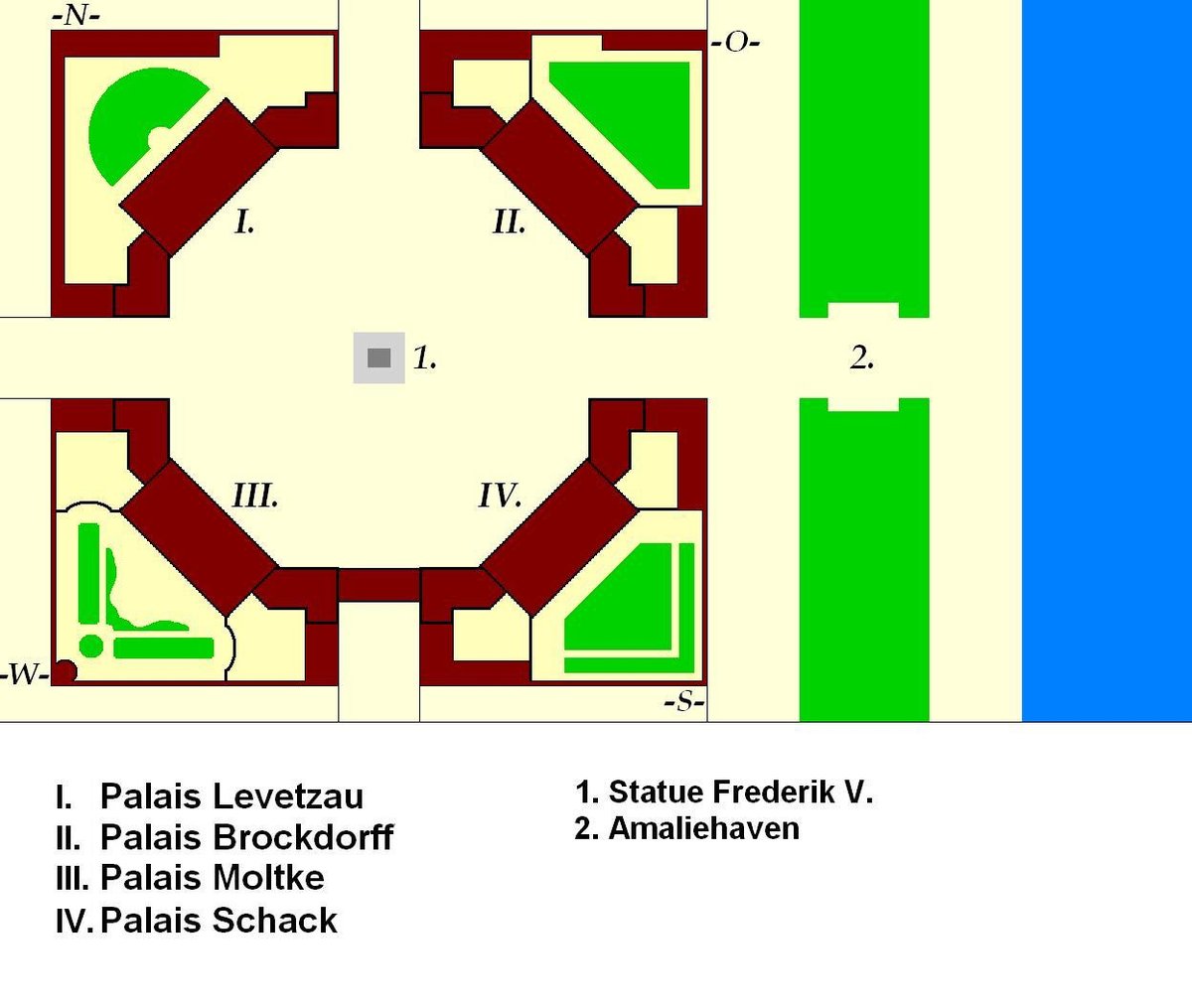
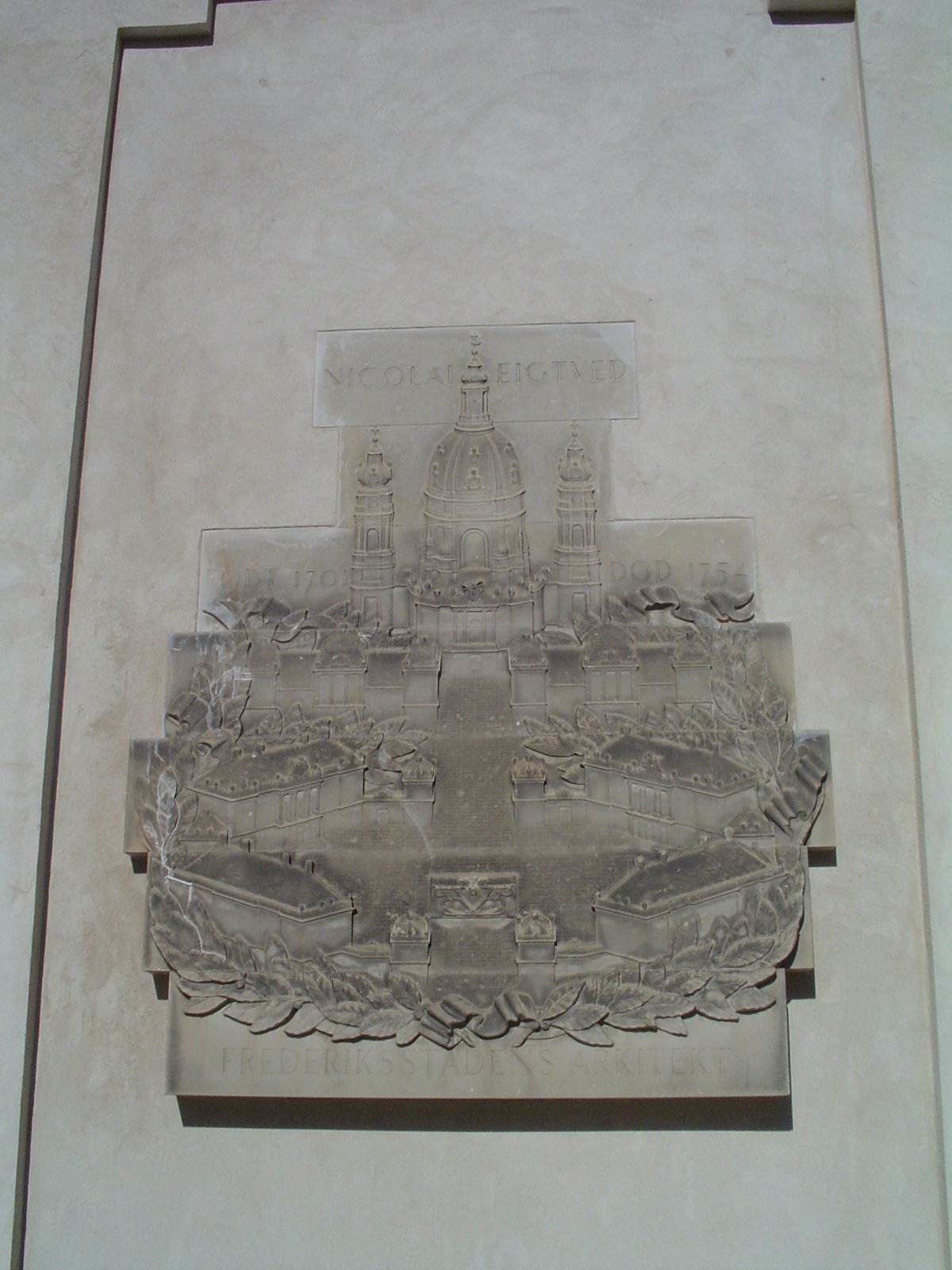
The architectural design of Amalienborg Slotsplads was entrusted to the renowned Danish architect Nicolai Eigtved. Eigtved's vision was to create a grand, octagonal square surrounded by four identical rococo palaces. These palaces were intended to house noble families, but they later became the royal residence following a catastrophic event.
The Fire of Christiansborg Palace
A pivotal moment in the history of Amalienborg Slotsplads occurred on February 26, 1794, when Christiansborg Palace, the then royal residence, was engulfed in flames. The fire left the royal family homeless, prompting them to purchase the four palaces at Amalienborg. The move was initially intended to be temporary, but the royal family found the location so suitable that it became their permanent residence.
Architectural Significance
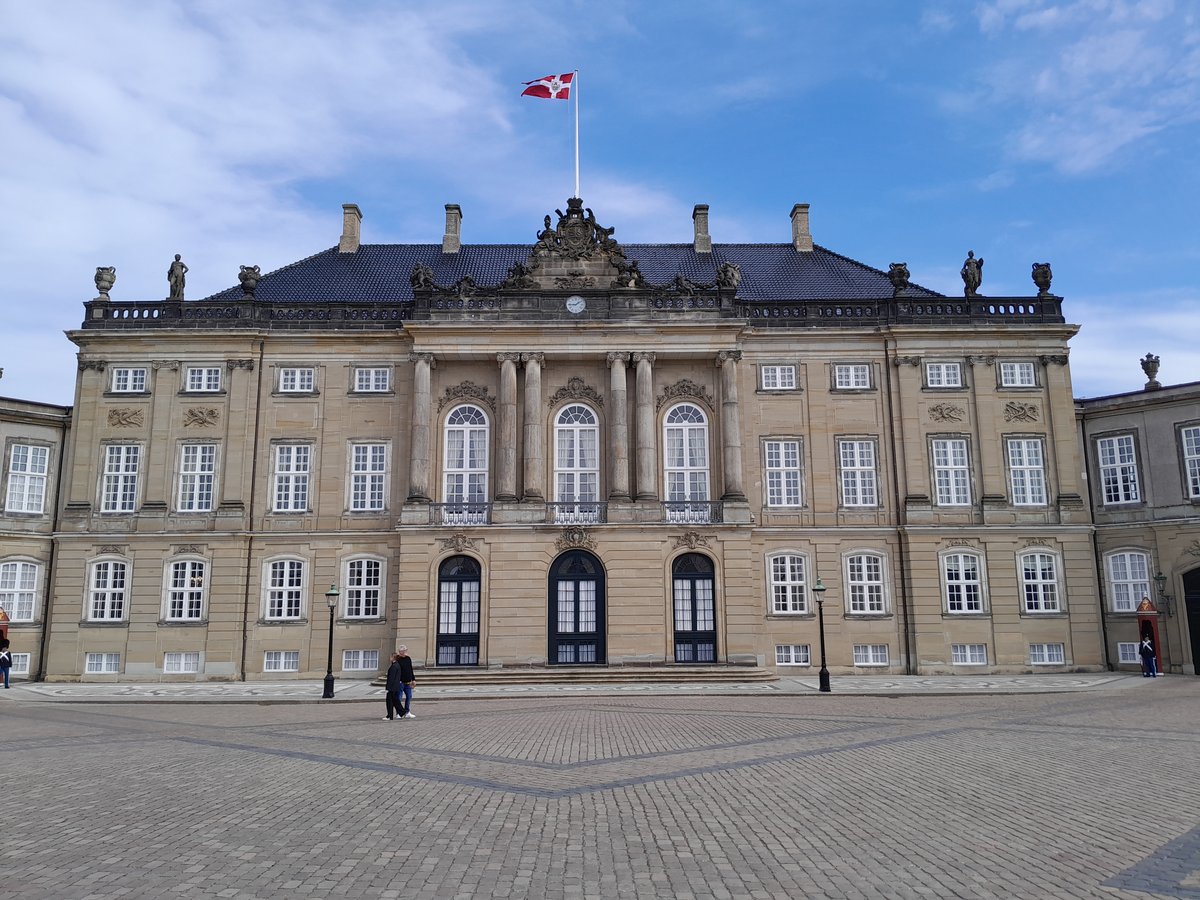
The four palaces surrounding Amalienborg Slotsplads are named Christian VII's Palace, Christian VIII's Palace, Frederick VIII's Palace, and Christian IX's Palace. Each palace has its unique history and architectural features:
- Christian VII's Palace Also known as Moltke's Palace, it was originally built for Lord High Steward Adam Gottlob Moltke. Today, it is used for official functions and state visits. The palace is renowned for its exquisite rococo interiors, which have been meticulously preserved.
- Christian VIII's Palace Initially built for Count Christian Frederik Levetzau, this palace now houses the Amalienborg Museum, which offers visitors a glimpse into the lives of the Danish royal family through various exhibits and collections.
- Frederick VIII's Palace Originally constructed for Baron Joachim Brockdorff, this palace underwent significant renovations in the early 20th century. It is currently the residence of Crown Prince Frederik and Crown Princess Mary.
- Christian IX's Palace Also known as Schack's Palace, it was built for Countess Anne Sophie Schack. This palace serves as the official residence of Queen Margrethe II and Prince Henrik.
The Equestrian Statue of Frederick V
At the center of Amalienborg Slotsplads stands the equestrian statue of King Frederick V, a masterpiece created by the French sculptor Jacques-François-Joseph Saly. The statue, which was unveiled in 1771, is a tribute to the king who played a crucial role in the development of the Frederiksstaden district. The statue's intricate details and lifelike representation of the king on horseback make it a focal point of the square.
Historical Events and Royal Ceremonies
Amalienborg Slotsplads has been the site of numerous historical events and royal ceremonies. One of the most notable events is the changing of the guard, which takes place daily at noon. The Royal Life Guard, dressed in their distinctive red and blue uniforms, march from their barracks at Rosenborg Castle to Amalienborg, where they perform the ceremonial changing of the guard in front of the palaces.
The square has also witnessed significant royal celebrations, including the birthdays and jubilees of Danish monarchs. These events often draw large crowds of locals and tourists, who gather to catch a glimpse of the royal family and participate in the festivities.
Practical Visitor Information
- Visiting Hours The Amalienborg Museum is open daily from 10:00 AM to 5:00 PM. The palace grounds are accessible at all times, but guided tours are available during museum hours.
- Ticket Prices Admission to the Amalienborg Museum is 95 DKK for adults, 65 DKK for students, and free for children under 18.
- Accessibility The site is accessible to visitors with mobility impairments, with ramps and elevators available in the museum.
- Nearby Attractions Explore other historical sites in Frederiksberg, such as the Frederiksberg Palace and the Copenhagen Zoo, both within walking distance of Amalienborg Slotsplads.
Special Events and Guided Tours
Amalienborg Slotsplads offers guided tours that provide in-depth insights into the history and significance of the royal palaces. Special events, such as royal anniversaries and public celebrations, are also held throughout the year, providing a unique opportunity to experience Danish culture and tradition.
Popular Photographic Spots
Visitors can capture stunning photos of the palaces' rococo architecture, the equestrian statue of Frederick V, and the ceremonial changing of the guard. The square's symmetry and grandeur make it a favorite spot for photographers.
Preservation and Modern-Day Significance
Amalienborg Slotsplads has undergone various preservation efforts to maintain its historical and architectural integrity. The Danish Agency for Culture and Palaces oversees the conservation of the palaces and the square, ensuring that they remain in pristine condition for future generations to appreciate.
Today, Amalienborg Slotsplads continues to be a symbol of Danish heritage and royal tradition. It attracts thousands of visitors each year, who come to admire the stunning architecture, learn about the history of the Danish monarchy, and experience the vibrant cultural atmosphere of Frederiksberg.
FAQ
- What are the visiting hours for Amalienborg Slotsplads? The Amalienborg Museum is open daily from 10:00 AM to 5:00 PM, while the palace grounds are accessible at all times.
- How much do tickets cost for the Amalienborg Museum? Admission is 95 DKK for adults, 65 DKK for students, and free for children under 18.