Introduction
The first thing that surprises you in Copenhagen is the light. Low northern sun bounces off the canals at impossible angles, turning the painted façades of Nyhavn into living watercolours that no postcard quite captures. Danes have spent four hundred years perfecting this exact palette. And somehow they make it look effortless.
This is a city that runs on hygge without ever saying the word. Candles burn in windows even in June. People leave their bikes unlocked. The same citizen who queued for a three-star tasting menu at Geranium will happily stand in line at a Torvehallerne stall for a piece of honest smørrebrød. Contradictions like these are the point.
Copenhagen refuses to be merely pretty. Walk five minutes from the bronze Little Mermaid and you reach Refshaleøen, where old shipyards now host container-streetfood markets and experimental art. The city treats its past as raw material rather than museum piece. Even Christiania, born from 1971 squatters, has quietly become something more interesting once the tourists stopped treating it as spectacle.
What changes you is the realisation that this place works. Not in some utopian brochure sense, but in the small, daily details: the 1642 Round Tower with its spiral ramp built so a horse could reach the observatory, the perfect flat white at April Coffee, the fact that nobody expects a tip yet service is better than cities that demand fifteen percent. Copenhagen doesn’t sell you romance. It simply lives its own very particular life and invites you, quietly, to join.
DON'T Do This in Copenhagen Denmark! 🇩🇰 (What to Do Instead)
Destination Well KnownPlaces to Visit
The Most Interesting Places in Copenhagen
National Museum of Denmark
The Nationalmuseet, or National Museum of Denmark, situated in the vibrant district of Frederiksberg, stands as a pivotal institution preserving Danish…
Christiansborg Palace
Christiansborg Slot, often referred to as Christiansborg Palace, is a historical and architectural gem situated on the islet of Slotsholmen in central…
Statens Museum for Kunst
Nestled in the heart of Copenhagen, the Statens Museum for Kunst (SMK), Denmark’s National Gallery, stands as a beacon of cultural heritage and artistic…
Royal Danish Theatre
Nestled in the heart of Copenhagen, the Royal Danish Theatre (Det Kongelige Teater) stands as a majestic symbol of Denmark’s rich cultural heritage and…
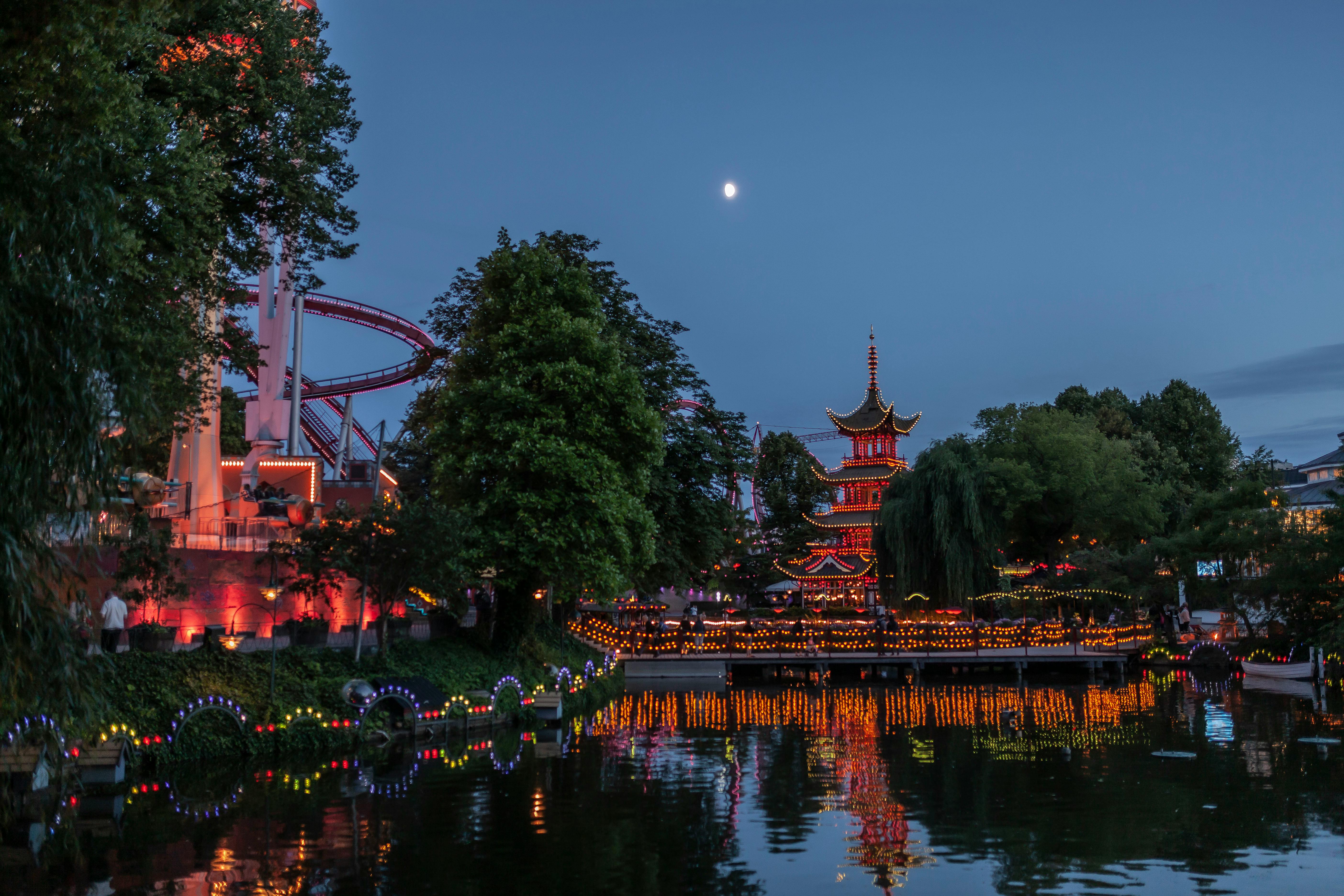
Tivoli Gardens
Opened in 1843 beside Copenhagen Central Station, Tivoli still feels less like a theme park than the city’s glittering living room after dark.
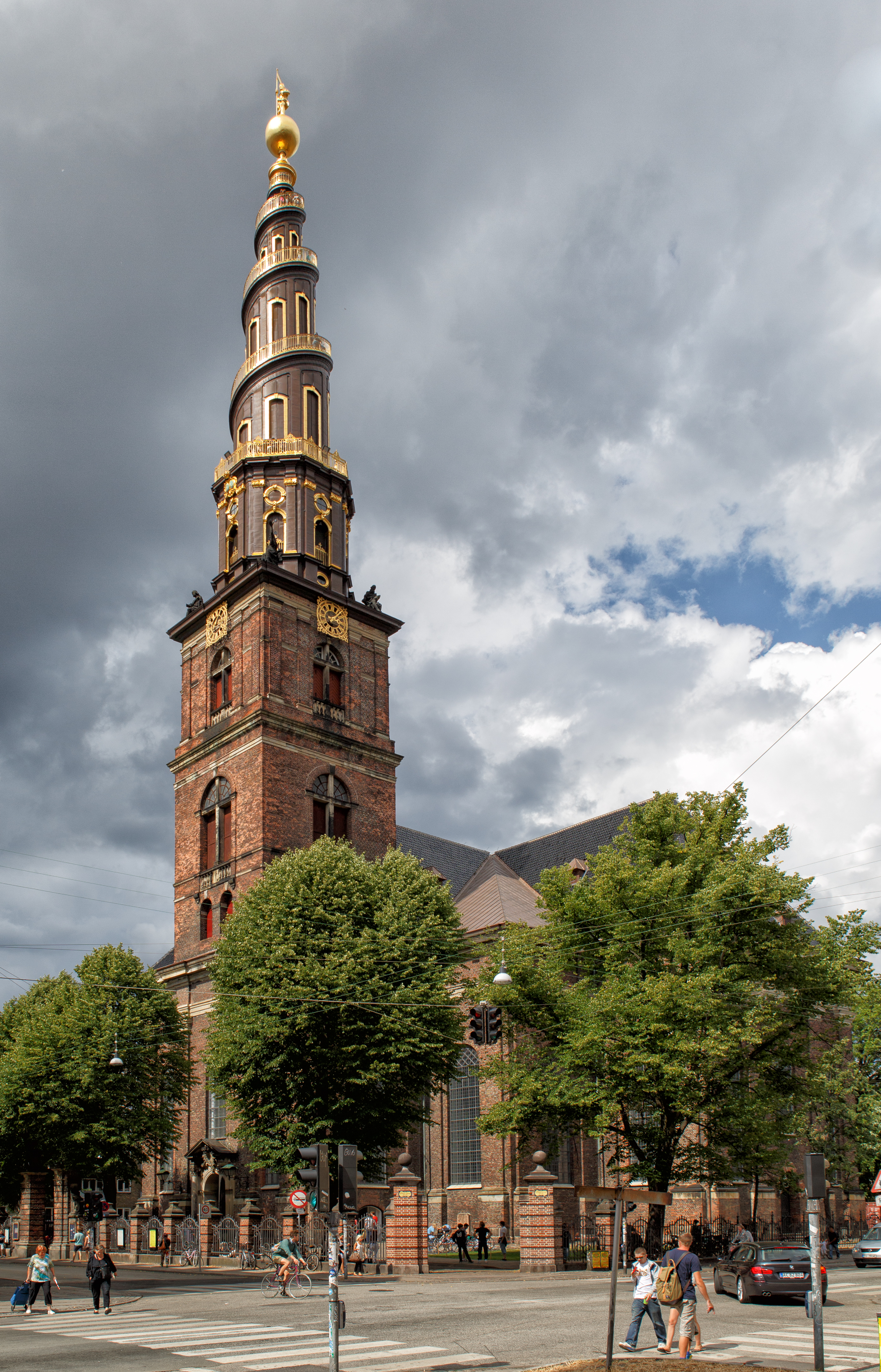
Church of Our Lady
Nestled in the heart of Copenhagen, the Church of Our Lady (Vor Frue Kirke) stands as a monumental testament to Denmark’s rich historical, religious, and…
Rosenborg Castle
Rosenborg Slot, commonly known as Rosenborg Castle, is an architectural gem nestled in the heart of Copenhagen, Denmark.
Thorvaldsen Museum
Thorvaldsens Museum, located in the heart of Frederiksberg, Denmark, is a significant cultural and historical site dedicated to the works of the acclaimed…
Copenhagen Opera House
Nestled on the scenic waterfront of Holmen Island in Copenhagen, the Copenhagen Opera House stands as a beacon of Denmark’s rich cultural heritage and…
Charlottenborg Palace
Charlottenborg Palace, an architectural gem nestled in the heart of Copenhagen at Kongens Nytorv, stands as a vivid testament to Denmark’s rich Baroque…
City Hall Square
Welcome to Rådhuspladsen, the heart of Frederiksberg, Denmark!
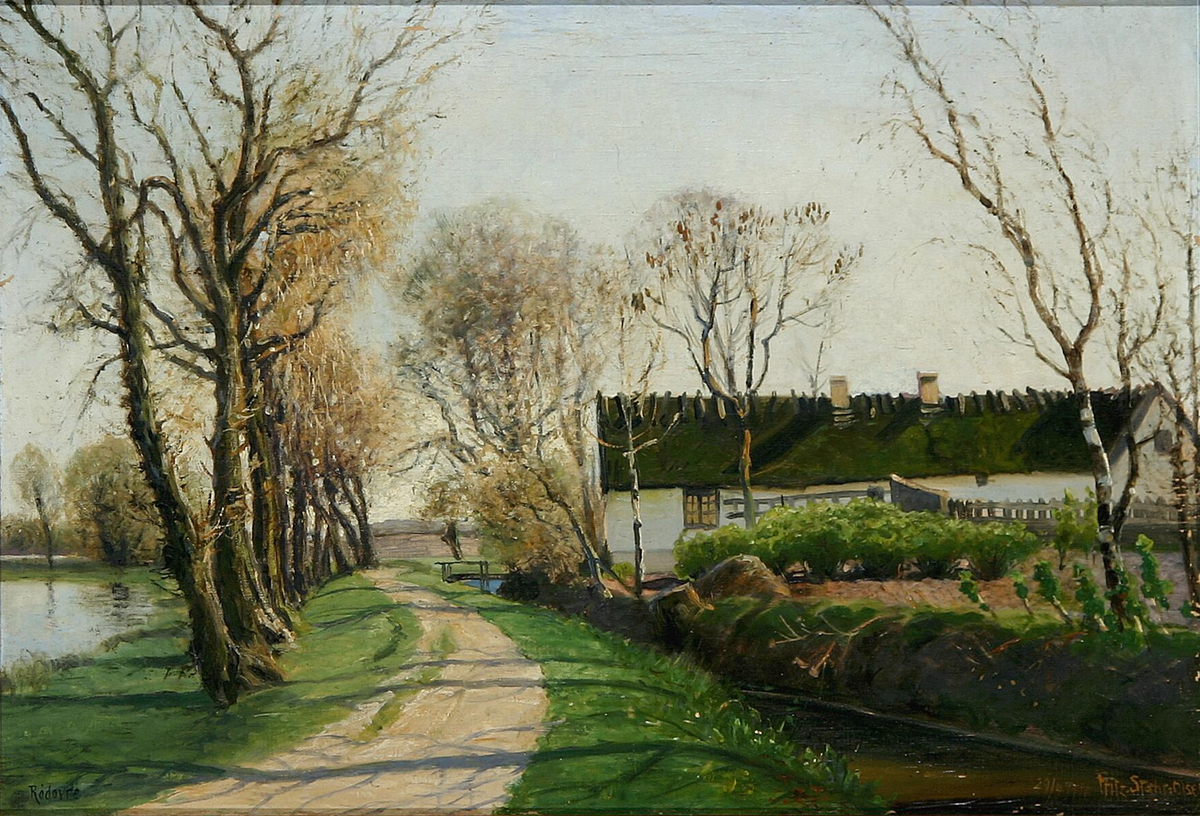
Rødovre Municipality
Discover the captivating history and immersive experience of visiting Ejbybunkeren, a Cold War-era bunker situated in Frederiksberg, Copenhagen.
What Makes This City Special
Nyhavn’s Colour and Light
The 17th-century canal houses shift from burnt orange to teal to mustard under the low Nordic sun. Number 20 still carries the faint echo of Hans Christian Andersen writing fairy tales there in the 1840s. Sit on the edge at golden hour and watch the wooden ships rock while the city exhales.
Tivoli After Dark
Opened in 1843, the world’s second-oldest amusement park mixes rollercoasters with 18th-century beech trees and open-air opera. The lights come on at dusk and the whole place feels like a secret Victorian garden party. Walt Disney studied it before building Disneyland.
Danish Design DNA
From the chairs at Designmuseum Danmark to the door handles on the metro, form follows function with quiet confidence. The 2026 Hokusai woodblock exhibition at the museum shows exactly how Japanese simplicity shaped Danish minimalism. You start noticing these clean lines everywhere.
Cycling the City
350 kilometres of kerb-separated bike lanes turn the city into a living peloton. Rent a Donkey Republic bike and ride the harbour path from Nyhavn to Refshaleøen. The wind off the water smells of salt and hotdogs, and the locals never seem to be in a rush.
Historical Timeline
From Herring Village to Bicycle Kingdom
A thousand years of fires, crowns, and quiet revolutions
First Mentioned as a Fishing Town
Bishop Svein of Roskilde records the existence of a small settlement called Havn. The smell of salted herring and woodsmoke hung over a handful of huts clustered where the harbour now meets the canals. This obscure trading post would one day become the capital of Denmark.
Absalon Builds the Castle
Bishop Absalon constructs a fortified castle on the little island of Slotsholmen. The stone walls rise above the marshy ground and the sound of hammers echoes across the water. Copenhagen owes its existence to this single decisive act of ecclesiastical ambition.
Receives Official City Charter
King Eric IV grants Copenhagen its first charter. The document smells of wax and authority. Merchants now had legal rights, taxes could be collected systematically, and the little harbour town stepped onto the European stage.
Hanseatic League Burns the City
The German merchant fleet sails into the harbour and sets fire to everything that will burn. Only the castle and a few stone houses survive. The smell of charred timber lingers for months. Copenhagen learns early that its location is both blessing and curse.
King Eric Makes It Capital
Eric of Pomerania moves the royal residence to Copenhagen. The decision shifts power from the ancient cathedral city of Roskilde. From this moment the town’s fate is tied to the Danish crown.
University of Copenhagen Founded
King Christian I establishes Denmark’s first university after receiving papal approval. Scholars in black robes begin debating under the pale northern light. The institution would later produce Bohr, Kierkegaard and half the Danish Nobel laureates.
Reformation Reaches the City
Protestant troops seize control during the Count’s Feud. Catholic bishops are imprisoned in the castle dungeons. Within weeks the churches are stripped of statues and the Latin Mass falls silent. The smell of incense is replaced by sermons in Danish.
Christian IV Ascends the Throne
The eleven-year-old prince becomes king. Over the next six decades he will transform Copenhagen from a medieval town into a northern European capital. His restless energy still echoes in every building he touched.
Rosenborg Castle Completed
Christian IV’s summer palace rises in Dutch Renaissance style within the King’s Garden. Red bricks glow in the afternoon sun. Here the king stores his treasures and dreams of empire while the city grows noisily around him.
Swedish Siege and Heroic Defence
Swedish troops under Carl Gustaf surround the city. Citizens melt church bells into cannonballs. The winter is so cold that the Sound freezes and Swedish cavalry nearly rides across the ice. Copenhagen holds. Barely.
Introduction of Absolute Monarchy
After the Swedish wars, Frederick III persuades the nobility to grant him absolute power. The ceremony takes place in the palace amid heavy velvet and incense. Denmark’s parliament ceases to exist for nearly two centuries.
The Great Fire Destroys the City
A careless maid leaves a candle burning in a wooden house on Vestergade. Within four days four thousand buildings vanish. The flames are so fierce that lead from church roofs runs down the streets like silver rivers. Copenhagen must be rebuilt from ash.
Amalienborg Palace Completed
Four identical rococo mansions rise around an octagonal square. Built for four noble families, they will later house the Danish royal family. The symmetrical courtyard still feels like a stage waiting for its daily changing of the guard.
Nelson Attacks the Danish Fleet
The British fleet under Nelson sails into Copenhagen harbour and destroys much of the Danish navy. The sound of cannon fire shatters windows across the city. Nelson famously puts the telescope to his blind eye and ignores the signal to withdraw.
British Bombardment Burns the City
For three nights British warships rain incendiary rockets on Copenhagen. The cathedral spire collapses in flames. Over a thousand buildings are destroyed and the city’s medieval heart is gutted. The Danes never quite forgive the British.
Hans Christian Andersen Arrives
A gangly fourteen-year-old boy from Odense walks into Copenhagen with fourteen kroner in his pocket. He wants to be famous. The city will both break him and make him. Within years the whole world will know his fairy tales.
Tivoli Gardens Opens
Georg Carstensen persuades the king to let him build an amusement park on former fortifications. On opening night ten thousand people wander among Chinese lanterns and mechanical swans. Tivoli becomes Copenhagen’s green breathing space.
Søren Kierkegaard Publishes Fear and Trembling
The melancholic philosopher walks the streets of Copenhagen every morning, thinking. His slim book challenges the comfortable faith of the Danish church. The city barely notices, yet his ideas will outlive every building on Strøget.
Denmark Gets Its First Constitution
After revolutions sweep Europe, Frederik VII signs Denmark’s first democratic constitution in Christiansborg Palace. Absolute monarchy ends almost overnight. The document is still in force today with only minor changes.
Ny Carlsberg Glyptotek Opens
Brewer Carl Jacobsen donates his vast art collection to the city. The museum’s winter garden with its palm trees and ancient sculptures becomes an unexpected oasis. Copenhagen suddenly possesses world-class classical art.
The Little Mermaid Statue Unveiled
Edvard Eriksen’s bronze figure is placed on the rocks at Langelinie. She sits smaller than most visitors expect, gazing sadly toward the sea. Within decades she becomes the most photographed woman in Scandinavia.
Nazi Occupation Begins
German troops march across the undefended border at dawn. By evening they control Copenhagen. The king remains in Amalienborg Palace as a symbol of resistance. Danes begin the slow, dangerous work of underground opposition.
Danish Jews Evacuated to Sweden
When the order comes to round up Denmark’s Jews, ordinary citizens hide them in fishing boats and sail them across the Sound to neutral Sweden. Almost 7,200 people escape in October. The operation remains one of the war’s most remarkable rescues.
Christiania Declared Autonomous
Squatters occupy the abandoned military barracks on Christianshavn and declare the area freetown. Military rules are replaced by murals, hash smoke and wooden houses built from scrap. The experiment survives against all odds.
Øresund Bridge Opens
The 16-kilometre bridge and tunnel connecting Copenhagen to Malmö is inaugurated. For the first time in history you can walk from Denmark to Sweden without getting your feet wet. The city’s horizon changes forever.
Noma Named Best Restaurant in the World
René Redzepi’s modest restaurant on Refshaleøen is voted best on the planet for the third time. Suddenly the world arrives in Copenhagen to eat fermented reindeer moss and ants. Danish cuisine becomes cool.
Notable Figures
Hans Christian Andersen
1805–1875 · WriterHe arrived as a clumsy 14-year-old with a letter of introduction and two kroner. Three of his former rooms look onto Nyhavn canal. The Little Mermaid statue exists because a brewer’s widow wanted a permanent reminder of the stories Andersen told her children. He would probably be unsettled by the souvenir hordes but delighted that children still recognise his tales.
Arne Jacobsen
1902–1971 · Architect and designerHis Egg and Swan chairs still fill cafés and hotel lobbies across the city. Jacobsen designed the SAS Royal Hotel in 1960 with every detail down to the door handles. Walk past it on Vesterbrogade and you’ll notice locals still treat the furniture like old friends. He proved Danish design could be both rigorous and humane.
René Redzepi
born 1977 · ChefHe turned a disused warehouse on Refshaleøen into the most influential restaurant of the 21st century. Foraging trips around the city’s edges became global trends. Even after closing and reopening in different forms, Noma’s address remains a pilgrimage site for cooks who want to understand where their obsession with local ingredients actually started.
Plan your visit
Practical guides for Copenhagen — pick the format that matches your trip.
Copenhagen Money-Saving Passes & Cards, Compared Honestly
Independent Copenhagen pass guide. Real break-even math for the Copenhagen Card, Parkmuseerne ticket and City Pass transport card. When to buy, when to skip.
Copenhagen First-Time Visitor Tips (From a Local)
A local's honest Copenhagen first-timer guide: queue hacks for Tivoli and Frederik's Church, scam warnings on Strøget, transport zone traps, and tipping truths.
Photo Gallery
Explore Copenhagen in Pictures
The historic, colorful townhouses of Nyhavn glow under the warm light of a setting sun in Copenhagen, Denmark.
Botond Dobozi on Pexels · Pexels License
A stunning aerial perspective of Copenhagen, Denmark, highlighting the city's classic red-tiled roofs, winding canals, and historic skyline.
Carsten Ruthemann on Pexels · Pexels License
The distinctive brick architecture and clock tower of Copenhagen's City Hall stand out against a clear, sunny sky in Denmark.
Zhenyang XU on Pexels · Pexels License
A charming shop window in Copenhagen, Denmark, adorned with holiday greenery and the national flag, highlights the city's cozy atmosphere.
Abhishek Navlakha on Pexels · Pexels License
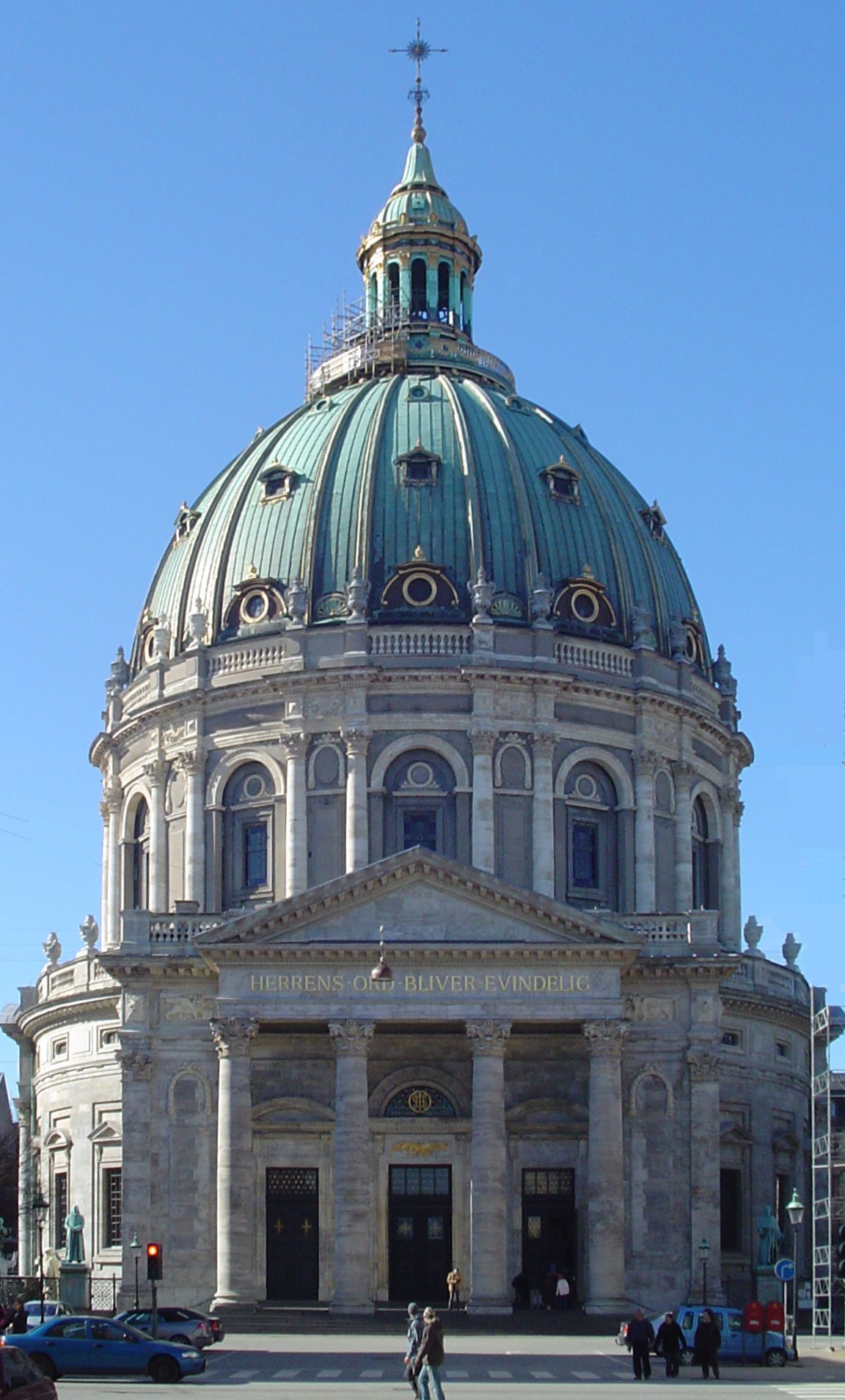
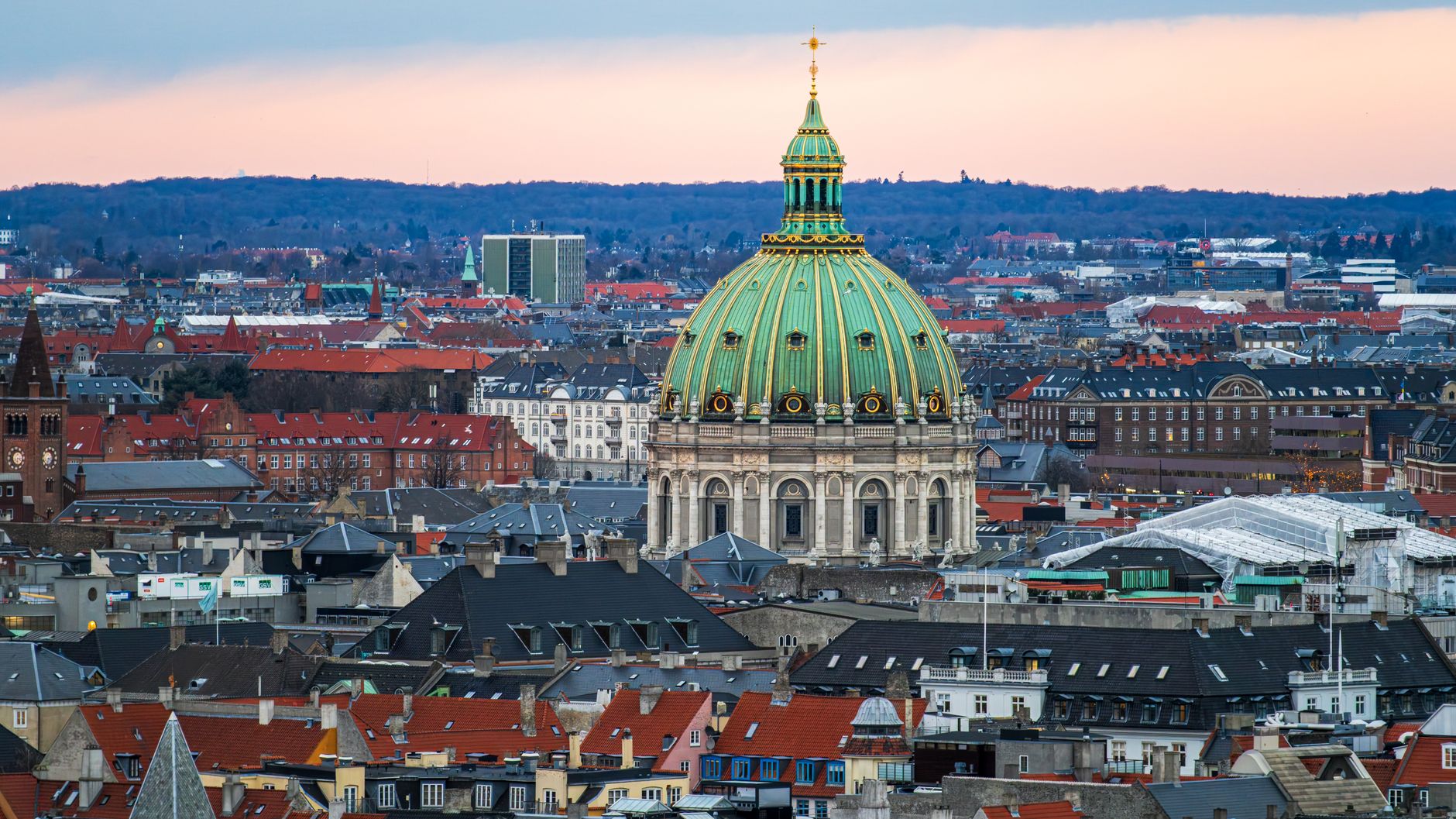
An elevated view of Copenhagen, Denmark, showcasing the historic architecture and the prominent green dome of Frederik's Church under a soft evening sky.
Abhishek Navlakha on Pexels · Pexels License
The charming, historic yellow brick houses of Copenhagen glow under the warm light of the late afternoon sun.
Anastasia Haritonov on Pexels · Pexels License
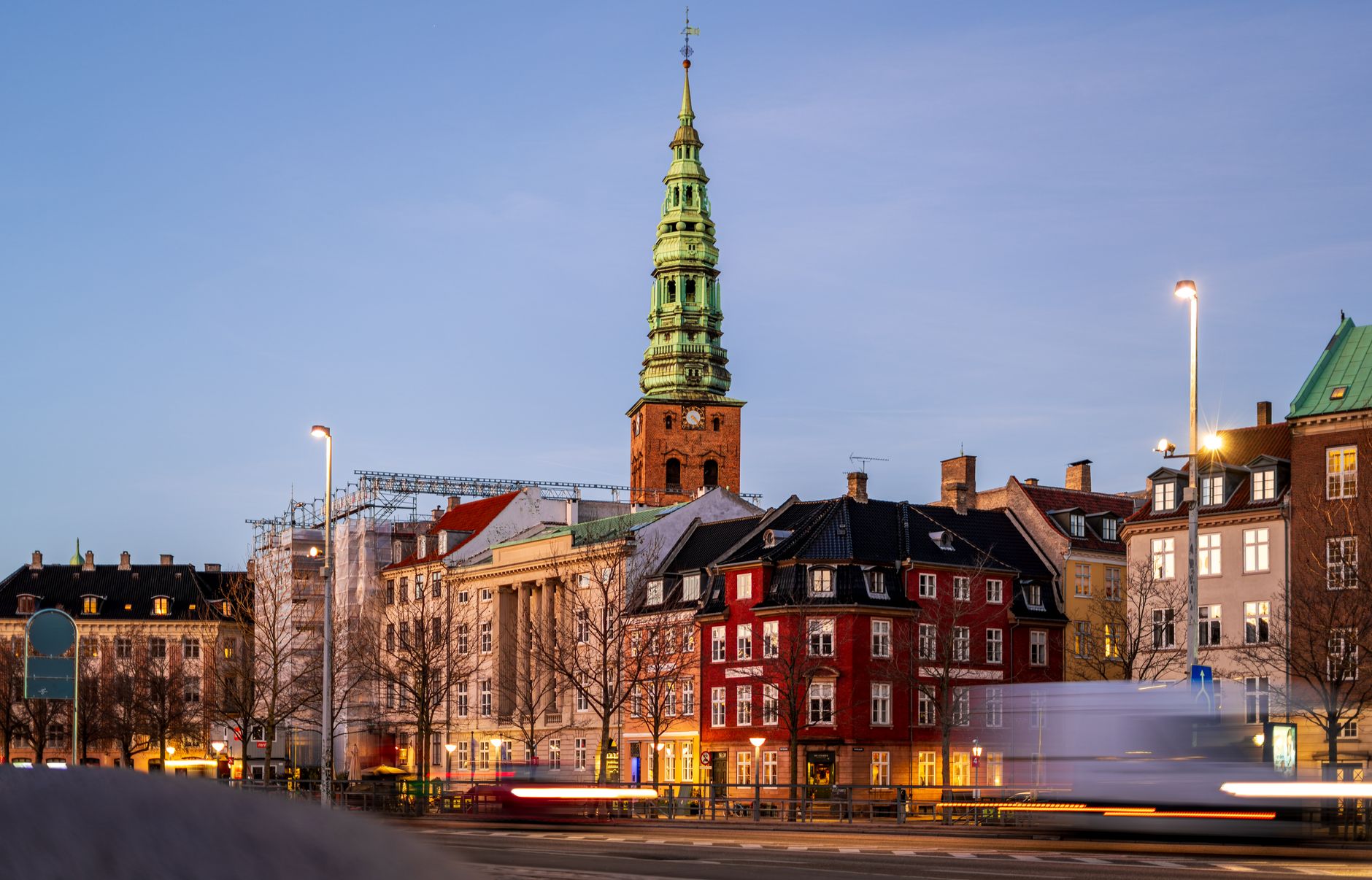
The historic skyline of Copenhagen, Denmark, glows at twilight, highlighted by the iconic green spire of St. Nicolai Church rising above traditional city architecture.
Abhishek Navlakha on Pexels · Pexels License
Videos
Watch & Explore Copenhagen
Copenhagen STREET FOOD TOUR 🇩🇰 | (Smørrebrød, Fiskerikadeller, Danish Pastry & More in Denmark)
37 Tips I Wish I Knew Before Visiting Copenhagen, Denmark
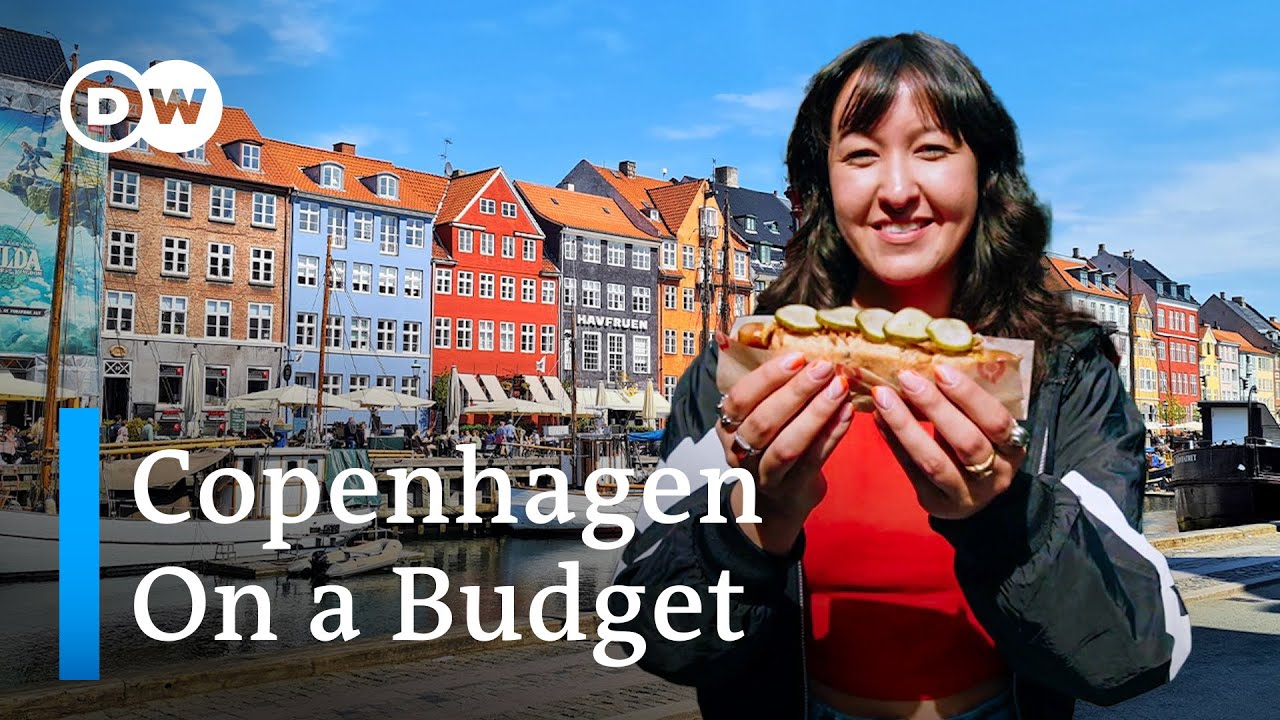
Explore Copenhagen Without Breaking The Bank!
Practical Information
Getting There
Copenhagen Airport (CPH) sits 8 km south of the centre. The M2 metro reaches Nørreport in 15 minutes or Central Station (København H) in 22 minutes for 30 DKK. Trains run every 4–6 minutes around the clock. Copenhagen Central Station also serves direct services to Malmö, Hamburg and Stockholm.
Getting Around
The metro has four lines (M1–M4) running 24/7, including the circular M3 that loops the city centre in 25 minutes. S-trains reach the suburbs while harbour buses 991–993 cross the water. In 2026 the Rejsekort app offers the cheapest fares; the Copenhagen Card DISCOVER (589 DKK for 24h) bundles unlimited transport with entry to Tivoli, Rosenborg and Louisiana.
Climate & Best Time
April brings 8.5 °C days and the year’s lowest rainfall at 38 mm. July peaks at 18 °C with near-white nights until 9 July. Rain increases sharply in August (80 mm). May to early September gives the longest days and liveliest street life. Pack layers and a thin waterproof jacket no matter when you come.
Safety
Copenhagen ranks among Europe’s safest capitals. Pickpockets work Central Station, Strøget and the Little Mermaid in summer. Parts of Vesterbro near the station and certain Nørrebro squares warrant extra awareness after midnight. Christiania remains a residential neighbourhood; treat it as such after dark.
Where to Eat
Don't Leave Without Trying
Paludan Bog & Café
local favoriteOrder: Coffee and a fresh pastry while browsing the bookshop—this is where locals actually spend their afternoons, not tourists rushing through.
A beloved hybrid of independent bookshop and café that captures the soul of Copenhagen's intellectual culture. The vibe is genuinely cozy, the coffee is solid, and you're surrounded by Danish literature and design.
Andersen Bakery
quick biteOrder: The Danish pastries and rye bread—this is where Copenhageners grab their morning fix before work, not where tourists go.
A proper neighborhood bakery with nearly 2,700 reviews that proves quality doesn't need hype. The pastries are flaky, the bread is dense and real, and you'll see the same faces every morning.
Bertels Salon
quick biteOrder: The layered Danish cakes and fresh-baked goods—this place is all about indulgence done right, with a focus on traditional technique.
A classic Copenhagen bakery-café hybrid that's been a neighborhood staple for locals who appreciate serious pastry craft. The setting feels authentically Danish, without the tourist polish.
Cafe Sorgenfri
local favoriteOrder: Lunch specials and homemade Danish classics—this is the kind of place where you sit down and actually eat, not grab and go.
A quiet, unpretentious café tucked away on a charming street where locals have their regular table. The food is honest, the prices are fair, and nobody's taking Instagram photos.
The Living Room
local favoriteOrder: Craft cocktails and Danish-inspired small bites—this is where you go for a proper drink without the pretense.
A neighborhood bar that feels like someone's living room (hence the name), with nearly 2,000 reviews proving it's beloved by locals who value good drinks and genuine atmosphere over trendiness.
Vester Vov Vov
local favoriteOrder: Local craft beers and simple Danish fare—this is a neighborhood hangout where the focus is on good company, not complicated menus.
A casual, unpretentious bar in a residential area where you'll find locals rather than tour groups. The name means 'West Wow Wow' and the vibe matches—fun, relaxed, and genuinely Danish.
Det Franske Konditori
quick biteOrder: French-Danish pastries with a focus on butter and precision—the croissants are the real deal, not the fluffy tourist versions.
A serious bakery in the Frederiksberg neighborhood that takes its French-Danish heritage seriously. Early mornings here are where you'll find locals who know good pastry when they taste it.
Absalon Hotel
quick biteOrder: Simple drinks and snacks at any hour—this is the place for a nightcap or an early morning coffee without fuss.
A 24-hour bar that's been a Copenhagen institution for decades, beloved by night owls, shift workers, and anyone who needs a reliable place to eat or drink outside normal hours. No pretense, just service.
Dining Tips
- check Danes appreciate punctuality—arrive on time for reservations
- check Tipping is not mandatory but rounding up or leaving 5-10% is appreciated
- check Many cafés and casual spots are cash-friendly, though cards are widely accepted
- check Lunch is typically served 11:30 AM – 2:00 PM; dinner from 5:30 PM onwards
- check Copenhagen's café culture is central to daily life—lingering over coffee is normal and encouraged
Restaurant data powered by Google
Tips for Visitors
Skip the Tips
Service is included in every price. Danes earn a living wage so rounding up or adding 5-10% is only for exceptional service. Never leave cash tips.
Eat Early
Copenhageners sit down for dinner at 18:00. Book for 18:30 or 19:00 at popular spots. Kitchens often stop taking orders by 21:00.
Use the App
Download the Rejsekort app before you land. It is 20% cheaper than single tickets and works on metro, trains and buses. Physical cards end 28 May 2026.
Visit in April
April is one of the driest months with only 35-38 mm rain. Temperatures hover around 8.5 °C. Fewer crowds than summer yet long days are beginning.
Herring First
Smørrebrød follows strict order: herring, then meat, then cheese. Eat with knife and fork. Locals never use hands.
Signal Every Turn
Use clear arm signals and always ride on the right. No pavement cycling and no direct left turns at intersections. Lights are mandatory after dark.
Almost No Cash
Carry 200 DKK as backup only. Cards and mobile pay are accepted even at market stalls and food trucks. Many small vendors refuse international cards.
Explore the city with a personal guide in your pocket
Your Personal Curator, in Your Pocket.
Audio guides for 1,100+ cities across 96 countries. History, stories, and local insight — offline ready.
Audiala App
Available on iOS & Android
Join 50k+ Curators
Frequently Asked
Is Copenhagen worth visiting? add
Yes. The city delivers more per square kilometre than almost anywhere in Europe. You can stand on the Round Tower ramp and see 17th-century rooftops, the harbour, and Noma’s current foraging zone in one sweep. The contrast between royal palaces, free-town Christiania, and three-star restaurants within 20 minutes’ walk never stops feeling slightly absurd.
How many days do you need in Copenhagen? add
Three full days is the realistic minimum. Four or five lets you add a Louisiana day-trip and a slow afternoon in Nørrebro without rushing. Five days also gives breathing room for a long Noma or Geranium lunch.
How do you get from Copenhagen Airport to the city centre? add
Take the M2 metro line. It runs 24/7, departs every 4-6 minutes, reaches Nørreport in 15 minutes and costs 30 DKK. The train to Central Station takes the same time and price but the metro is simpler with luggage.
Is Copenhagen expensive? add
It is expensive for food and drink but not ruinous. A proper smørrebrød lunch costs 89-160 DKK. Good coffee is 40-55 DKK. The Copenhagen Card DISCOVER pays for itself if you visit three or four paid sights daily.
Is Copenhagen safe for tourists? add
Extremely safe by European standards. Pickpocketing happens at Central Station and on Strøget. Parts of Vesterbro near the station and certain Nørrebro squares feel uncomfortable at 3 a.m. Christiania should be treated as a living neighbourhood, not a spectacle.
Do you need to book restaurants in Copenhagen? add
Yes for anything above a basic café. Even solid mid-range places fill on Friday and Saturday nights. Noma, Alchemist and Geranium require booking months ahead. Høst can usually be reserved a week out.
When is the best time to visit Copenhagen? add
May to early September gives the longest days and best chance of decent weather. July brings the Copenhagen Jazz Festival and near-white nights. April is drier and quieter if you don’t mind 8 °C temperatures.
Sources
- verified Visit Copenhagen Official Guide — Practical transport, safety, and seasonal information used for airport connections, public transport, and safety sections.
- verified Wonderful Copenhagen Michelin Report 2025 — Restaurant counts, star distribution, and New Nordic context.
- verified European Coffee Trip Copenhagen Guide — Third-wave coffee scene details and venue descriptions.
- verified Copenhagen Card Official Site — Pricing and inclusion details for 2026 cards.
Last reviewed: