Plan and listen to Vinořský Park with Audiala.
Audio guide in your pocket, itinerary in your browser. Built for the way you actually visit.
Introduction
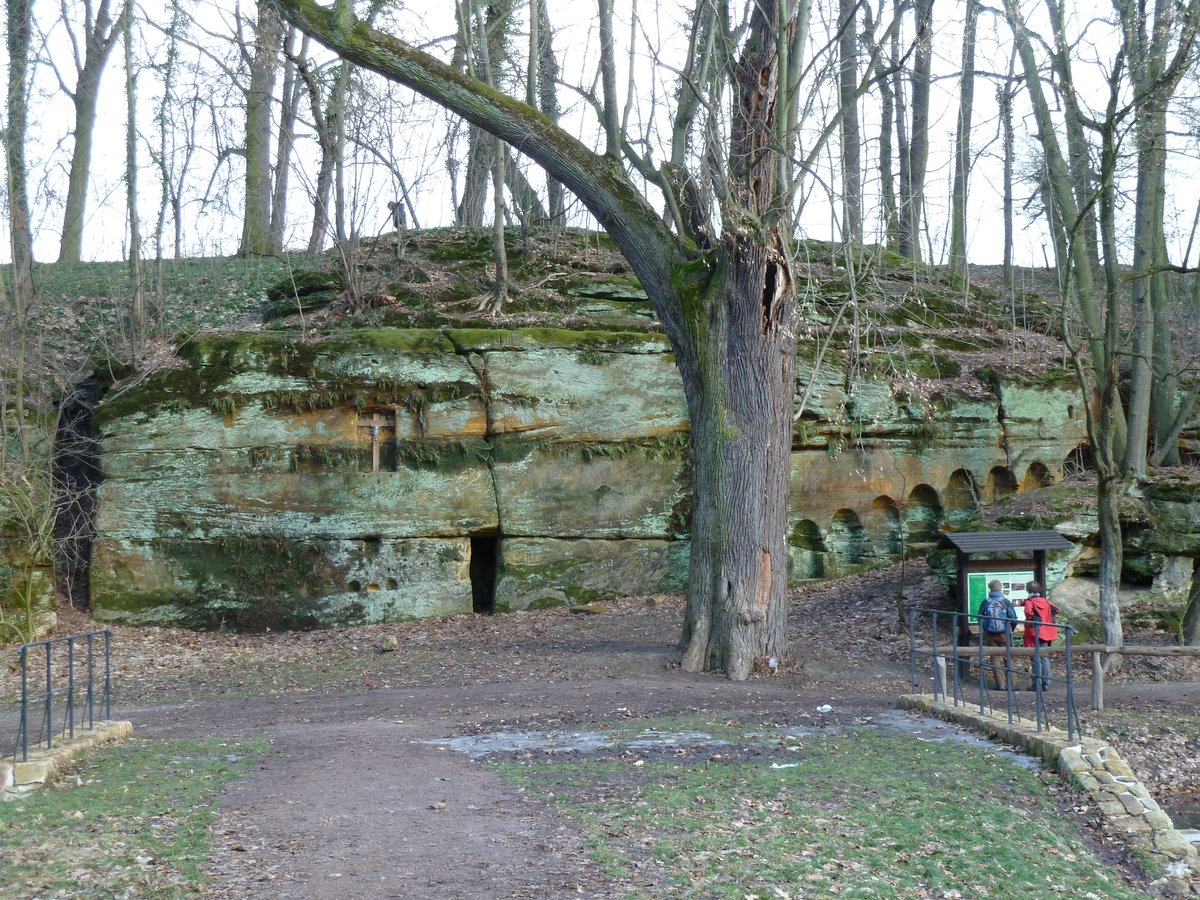
Nestled in the northeastern part of Prague, Czech Republic, Přírodní rezervace Vinořský park is a hidden gem that offers a unique blend of history, natural beauty, and cultural significance. This nature reserve is a sanctuary for both rare and common species of flora and fauna, making it an ecologically important area. The park's history dates back to medieval times when it served as hunting grounds for noble families and has evolved over the centuries into a well-preserved natural reserve. Open year-round and free to enter, Vinořský park is an accessible destination for locals and tourists alike who seek a tranquil escape from the bustle of city life. Whether you are interested in its historical background, ecological significance, or simply looking for a peaceful place to relax, this comprehensive guide will help you plan your visit effectively. For more detailed information, you can visit Praha Příroda.

Historical Background
Přírodní rezervace Vinořský park, located in the northeastern part of Prague, Czech Republic, is a natural reserve with a rich historical tapestry. The park's history dates back to the medieval period when it was part of the extensive estates owned by the noble families of the region. The area was primarily used for hunting and as a retreat for the aristocracy. The Vinořský park is closely associated with the Vinoř Castle, which was first mentioned in historical records in the 14th century. The castle and its surrounding lands, including the park, played a significant role in the local economy and social structure.
Development Through the Ages
During the Renaissance period, the park underwent significant changes. The noble families who owned the land invested in landscaping and the creation of ornamental gardens. This period saw the introduction of various plant species and the construction of pathways and small architectural structures, which added to the park's aesthetic appeal. The park's design was influenced by the Renaissance ideals of harmony and beauty, making it a popular spot for leisure and recreation among the elite.
In the 18th and 19th centuries, the park continued to evolve. The Romantic movement, which emphasized the beauty of nature and the importance of preserving natural landscapes, had a profound impact on the park's development. During this time, efforts were made to maintain the park's natural beauty while also making it accessible to the public. The park became a popular destination for the residents of Prague, who visited it to enjoy its serene environment and picturesque landscapes.
Ecological Significance
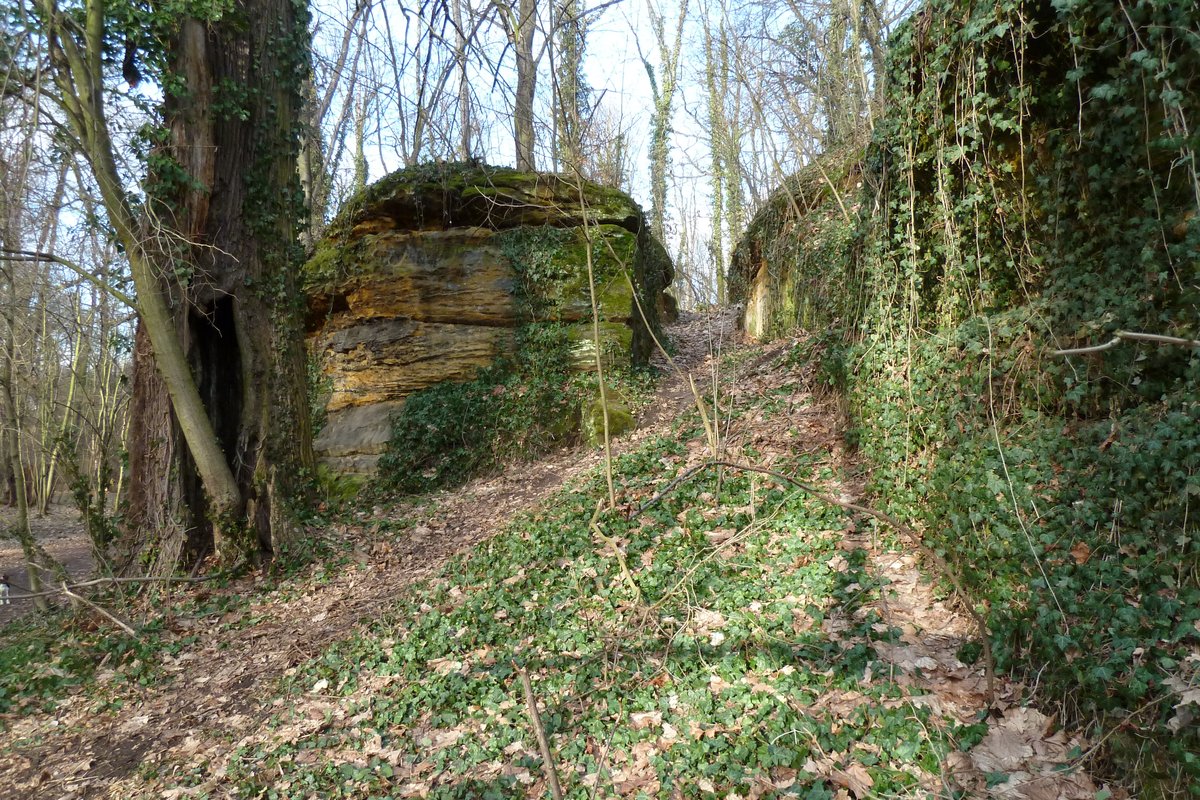
Přírodní rezervace Vinořský park is not only historically significant but also ecologically important. The park is home to a diverse range of flora and fauna, some of which are rare and protected species. The park's varied habitats, including forests, meadows, and wetlands, provide a sanctuary for numerous plant and animal species. The park's ecological value has been recognized by various conservation organizations, and efforts have been made to protect and preserve its unique biodiversity.
One of the key features of the park is its ancient oak trees, some of which are several hundred years old. These trees are not only important for their age and size but also for the role they play in supporting the park's ecosystem. The oak trees provide habitat and food for a variety of wildlife, including birds, insects, and small mammals. The park's wetlands are also crucial for maintaining the local water balance and supporting aquatic life.
Cultural and Social Impact
The cultural and social significance of Přírodní rezervace Vinořský park cannot be overstated. The park has been a source of inspiration for artists, writers, and poets throughout history. Its natural beauty and tranquil environment have made it a popular subject for paintings, literature, and other forms of artistic expression. The park has also been the site of various cultural events and festivals, which have contributed to its status as a cultural landmark in Prague.
In addition to its cultural impact, the park has played an important role in the social life of the local community. It has been a place where people come together to relax, socialize, and enjoy outdoor activities. The park's well-maintained pathways and recreational facilities make it an ideal spot for walking, jogging, and picnicking. The park's natural beauty and peaceful atmosphere provide a welcome escape from the hustle and bustle of city life.
Conservation Efforts
The conservation of Přírodní rezervace Vinořský park has been a priority for local authorities and environmental organizations. Various measures have been implemented to protect the park's natural and historical heritage. These measures include regular maintenance of the park's infrastructure, monitoring of wildlife populations, and control of invasive species. Efforts have also been made to raise public awareness about the importance of conservation and to encourage responsible behavior among visitors.
One of the key conservation initiatives is the restoration of the park's wetlands. This project aims to improve the quality of the park's water bodies and create suitable habitats for aquatic species. The restoration work involves the removal of invasive plants, the reintroduction of native species, and the construction of new water channels and ponds. These efforts are expected to enhance the park's biodiversity and provide better conditions for wildlife.
Educational and Research Opportunities
Přírodní rezervace Vinořský park offers numerous educational and research opportunities. The park serves as an outdoor classroom for students and researchers interested in ecology, botany, and environmental science. Various educational programs and guided tours are organized to help visitors learn about the park's natural and historical features. These programs are designed to promote environmental awareness and to encourage the public to appreciate and protect natural landscapes.
Researchers also use the park as a site for scientific studies. The park's diverse habitats provide a valuable resource for studying ecological processes and for monitoring changes in biodiversity. Research conducted in the park contributes to our understanding of natural ecosystems and helps to inform conservation strategies. The park's management collaborates with academic institutions and research organizations to support scientific research and to ensure that the park's natural resources are used sustainably.
Visitor Information
Visiting Hours and Tickets
Přírodní rezervace Vinořský park is open year-round, with visiting hours typically from dawn to dusk. There is no entrance fee, making it an accessible destination for all.
How to Get There
The park is easily accessible by public transportation. Visitors can take metro line C to Letňany station and then transfer to bus number 375, which stops near the park's entrance. For those driving, there is limited parking available nearby.
Nearby Attractions
While visiting Přírodní rezervace Vinořský park, consider exploring nearby attractions such as the Vinoř Castle, which, although not open to the public, can be viewed from the park. Additionally, the Satalická bažantnice and Ctěnický háj are nearby nature reserves worth exploring.
Accessibility
The park features well-maintained pathways that are suitable for walking and jogging. However, some areas may be challenging for visitors with mobility issues. It is recommended to check the park's official website for specific accessibility information.
FAQ
Q: Are pets allowed in Přírodní rezervace Vinořský park?
A: Yes, pets are allowed but must be kept on a leash at all times.
Q: Is there any food or drink available within the park?
A: There are no food or drink vendors within the park, so it is advisable to bring your own refreshments.
Q: Can I book a guided tour of the park?
A: Yes, guided tours are available and can be booked through the park's official website.
Q: Is there any accommodation near the park?
A: There are several hotels and guesthouses in the nearby area. It is recommended to book in advance, especially during peak seasons.
Listen to the full story in the app
The whole Vinořský Park,
told well.
Audio guides for 1,100+ cities across 96 countries. History, stories, and local insight — offline ready.
Verified, and shown.
Researched and written by the Audiala editorial team from historical records, architectural archives, and local expertise.
Researched from Wikidata, Wikipedia & official sources · fact-checked · How we make our guides →