Plan and listen to Toskánský Palác with Audiala.
Audio guide in your pocket, itinerary in your browser. Built for the way you actually visit.
Introduction
Toskánský Palác (Tuscany Palace) stands as one of Prague’s finest early Baroque monuments, situated in the prestigious Hradčany district adjacent to Prague Castle. Built in the late 17th century, this palace embodies centuries of aristocratic legacy, cultural exchange, and evolving political roles within the Czech Republic. Today, while the building serves as the seat of the Ministry of Foreign Affairs, it occasionally opens its doors to the public for special events, offering a rare glimpse into its opulent interiors, restored frescoes, and lush gardens.
This guide provides in-depth information on Toskánský Palác’s history, architectural highlights, visiting hours, ticketing details, travel tips, and nearby attractions. Whether you’re a history buff, an architecture enthusiast, or a traveler eager to explore Prague’s hidden gems, this article will help you make the most of your visit.
For the latest event schedules and visitor information, always refer to official resources such as the Ministry of Foreign Affairs, Prague Castle official website, Kudy z nudy, and Evendo.

Origins and Early Construction
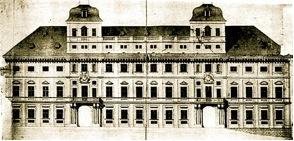
Commissioned by Count Michal Osvald of Thun and later completed by Anna Maria Franziska, Duchess of Tuscany, Toskánský Palác was constructed between 1691 and 1697, with Giovanni Battista Alliprandi as the principal architect (Evendo). The palace was designed as a symbol of diplomatic and cultural ties between Tuscany and Bohemia, reflecting the Medici and Habsburg influence on Prague’s aristocratic landscape. Its prominent location on Hradčanské náměstí, directly opposite Prague Castle, reinforced its political and social significance.
Architectural Features
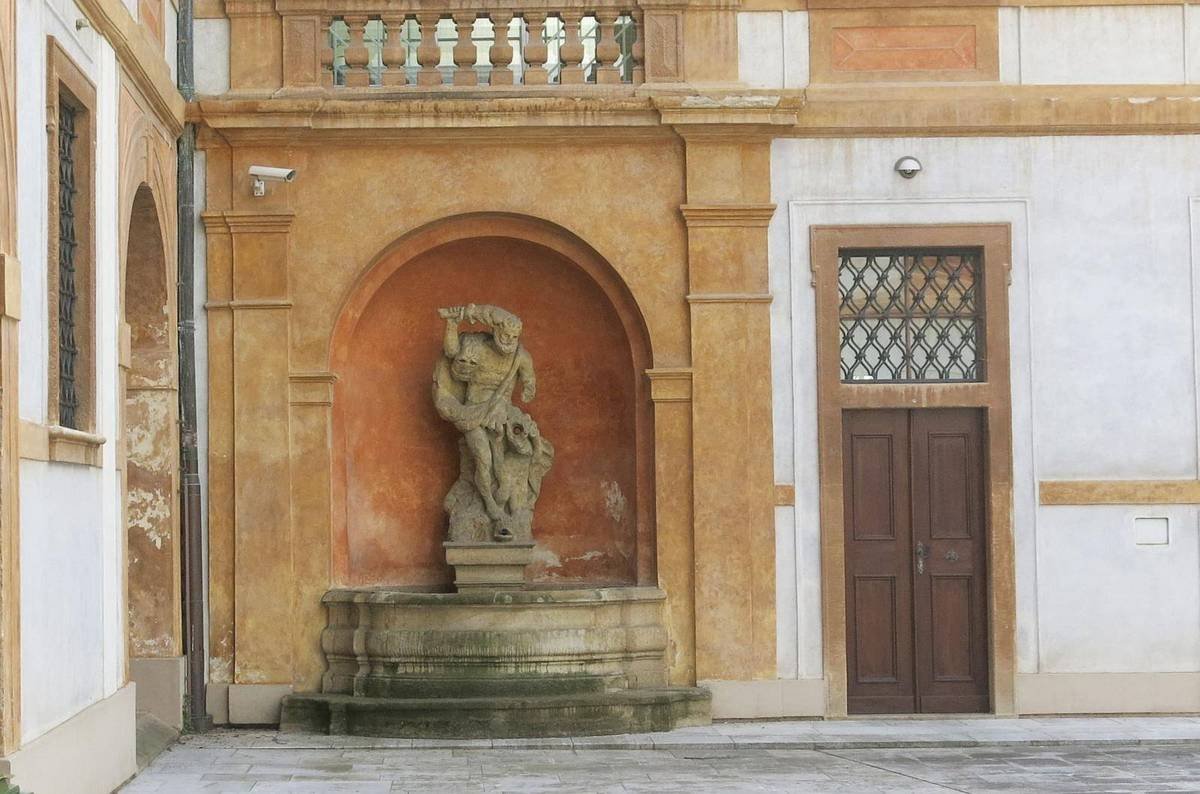
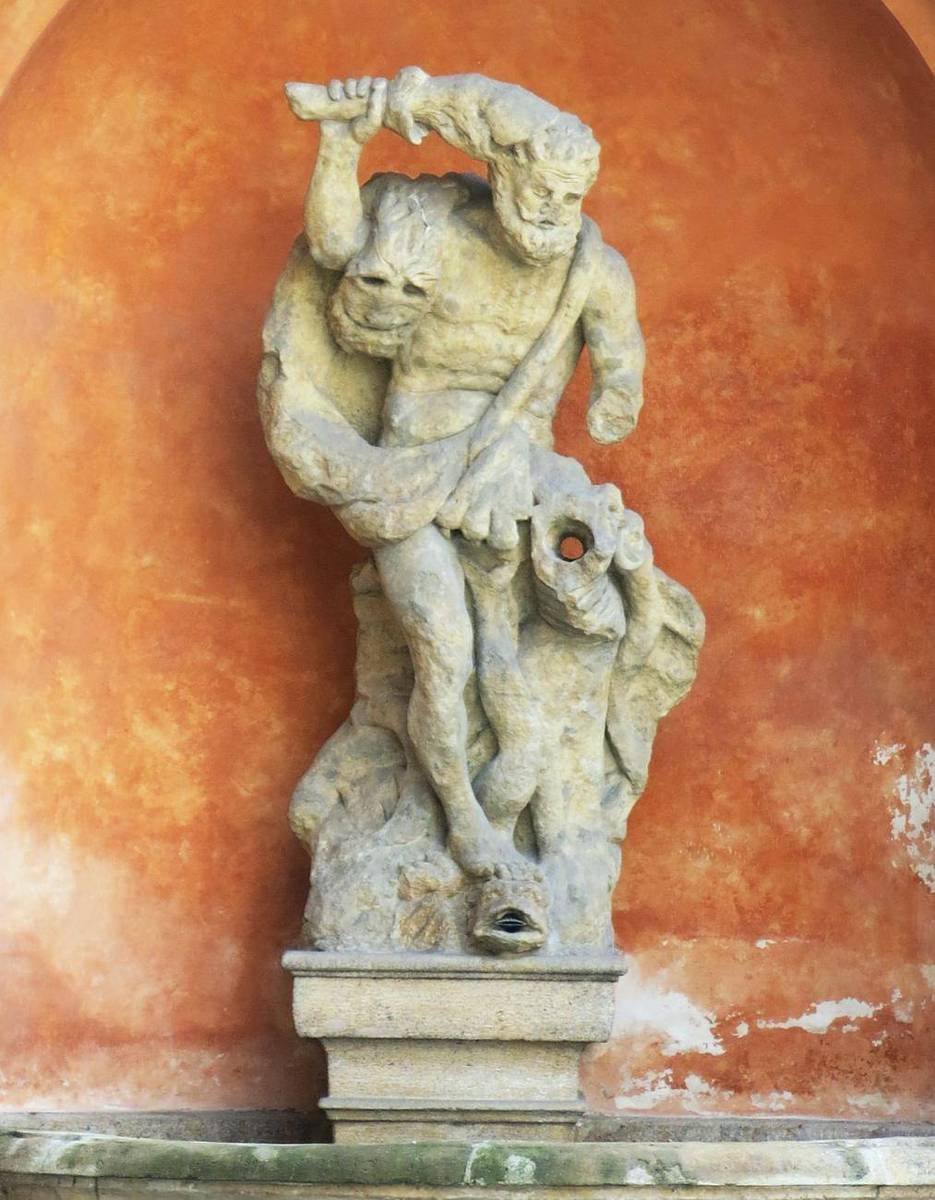
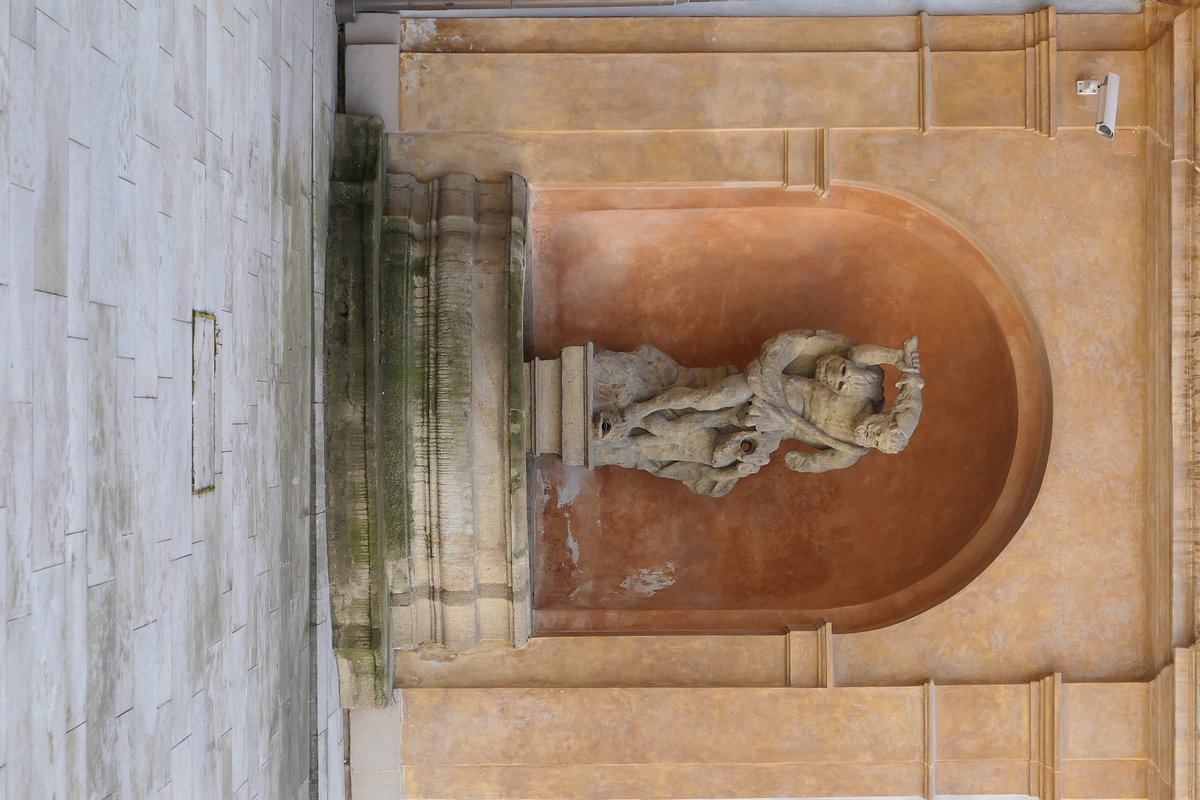
Toskánský Palác is celebrated for its monumental Baroque façade adorned with elaborate stucco work, pilasters, and mythological statues by Jan Brokoff. The entrance portal, flanked by statues of Jupiter and Juno, and monumental eagles by Matthias Bernard Braun, showcase the power and prestige of its noble owners (Prague Guide). The interior features a grand staircase redesigned in 1871 by Josef Zítek, with decorative paintings by Josef Tulka and František Ženíšek.
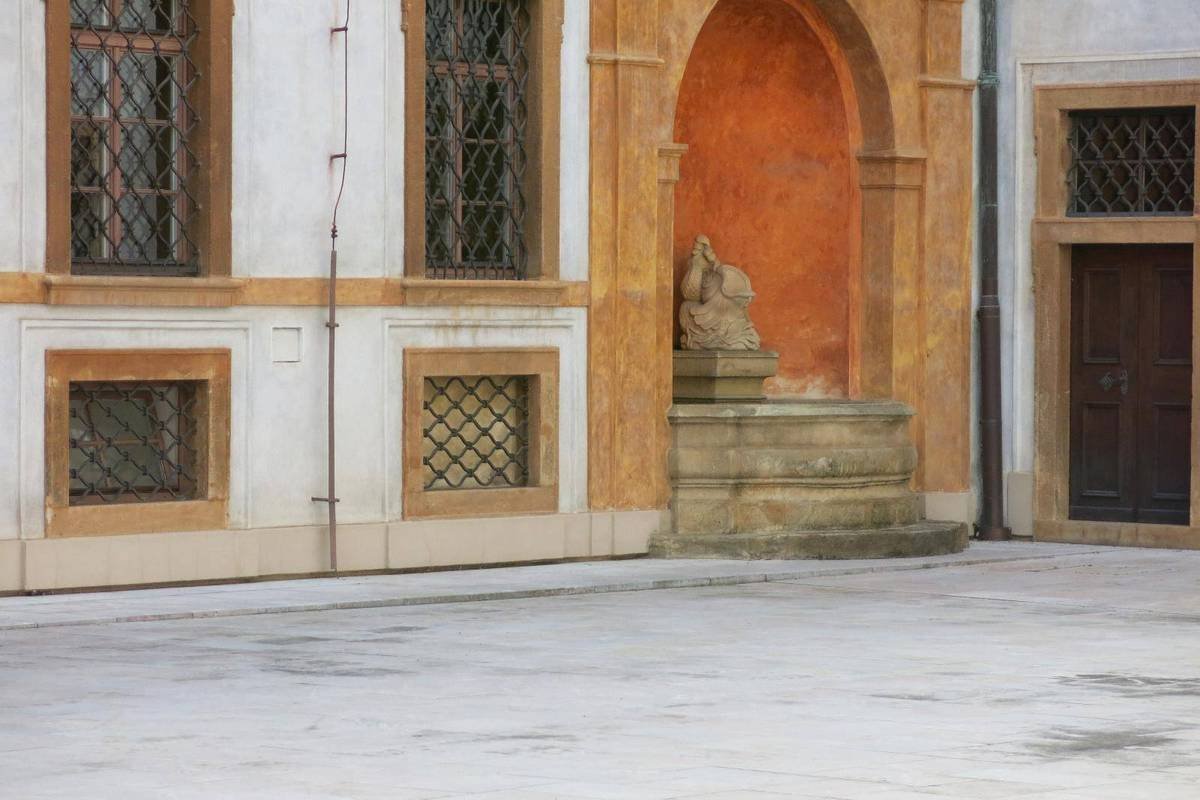
During a significant restoration in the late 20th century, conservators uncovered original 17th-century frescoes, providing valuable insights into Baroque interior decoration (Kudy z nudy). The palace’s spatial arrangement—with grand reception halls, a central courtyard, and formal gardens—reflects the Baroque principles of grandeur and symmetry.
Shifting Ownership and Function
After its Medici-Tuscan origins, the palace changed hands several times. It was acquired by the Kolowrat family in the 18th century and later by the Habsburgs, eventually becoming state property after the foundation of Czechoslovakia in 1918 (Kudy z nudy). Since then, Toskánský Palác has played vital diplomatic roles, including serving as the Italian Embassy and, from 1918, as the seat of the Ministry of Foreign Affairs (Wikipedia; MZV).
Architectural and Artistic Highlights
- Façade: Designed by Jan Mathey, the symmetrical façade is a showcase of early Baroque style (TuristickaMapa.cz).
- Sculptures: Mythological figures by Jan Brokoff and heraldic eagles by Matthias Bernard Braun add to the palace’s grandeur.
- Courtyard and Gardens: Occasionally open to the public, offering tranquility and panoramic views of Prague.
- Frescoes: Restored 17th-century wall paintings discovered during late 20th-century renovations.
Restoration and Preservation
Extensive restorations between 1995 and 1998, led by architect Pavel Kupka and artist Karel Nepraš, stabilized the historic structure and rejuvenated its Baroque features (Kudy z nudy; MZV). These efforts earned national recognition and ensured the palace’s ongoing role as both a government seat and a cultural monument.
Role in Czech Cultural and Political Life
Toskánský Palác is not only an architectural masterpiece but also a living institution in the Czech Republic’s cultural and diplomatic life. It hosts art exhibitions, concerts, and literary events such as the Noc Literatury (Night of Literature), and participates in citywide initiatives like Prague’s Open Garden Weekend (Evendo; View from Prague; Noc Literatury).
As the seat of the Ministry of Foreign Affairs, the palace has witnessed crucial diplomatic events, treaty signings, and state receptions. Its status as a national cultural monument since 1964 further underscores its symbolic value in Czech history (Wikipedia).
Visitor Information
Location & Getting There
- Address: Hradčanské náměstí 65/6, Prague 1, Hradčany.
- Metro: Malostranská (Line A), 10–15-minute walk uphill.
- Tram: Lines 22 and 23, stop at Pražský hrad.
- On Foot: Easily reachable from Malá Strana and within the castle district (Hikersbay).
Visiting Hours & Admission
- Regular Access: No regular daily public access; the palace’s function as a government building limits visitation.
- Public Open Days: Interiors and gardens may be accessible during special events like European Heritage Days, Open Garden Weekend, and cultural festivals (TuristickaMapa.cz; Prague Castle official website).
- Events & Tours: Announced in advance on official websites. Some events are free; others may require tickets or registration.
Tickets
- Admission Fee: Free for exterior viewing and often during public open days; ticketed entry may apply for special exhibitions or concerts.
- How to Book: Follow announcements from the Ministry of Foreign Affairs or Prague Castle for details. Advance booking is recommended for guided tours or group visits.
Accessibility
- Mobility: The ground floor is generally accessible, but cobblestone surfaces and elevation may present challenges. Contact administrators regarding specific accessibility needs.
- Facilities: Public restrooms are available nearby within the Prague Castle complex.
Photography
- Exterior: Photography is encouraged.
- Interior: Permission varies by event; check guidelines during your visit.
Languages
- Signage: Czech and English.
- Tours: Occasionally multilingual, with sign language interpretation during specific events.
Nearby Attractions
- Prague Castle: UNESCO-listed seat of Czech rulers and presidents (Earth Trekkers).
- St. Vitus Cathedral: Gothic masterpiece within the castle complex.
- Lobkowicz Palace: Museum and concert venue.
- Strahov Monastery: Famed for its historical library and panoramic views.
- Local Cafés and Shops: Explore the artisan atmosphere of Hradčany.
Practical Tips
- Best Time to Visit: For exterior views, visit year-round; for interiors, align your visit with open house days or cultural events.
- Clothing: Wear comfortable shoes for cobblestone streets.
- Security: Respect restricted areas and government protocols.
Frequently Asked Questions (FAQ)
Q: What are Toskánský Palác’s visiting hours?
A: The palace does not have regular visiting hours; public access is limited to special events and open days, announced in advance.
Q: Is there an admission fee?
A: No fee for exterior viewing or open days; ticket prices may apply for select events.
Q: Are guided tours available?
A: Guided tours are offered during some public events and open days.
Q: Is the palace accessible for visitors with disabilities?
A: Ground floor access is generally possible, but cobblestones and elevation may pose challenges; check event-specific arrangements.
Q: How do I get there from the city center?
A: By tram (lines 22, 23 to Pražský hrad) or walking from Malostranská metro station.
Listen to the full story in the app
The whole Toskánský Palác,
told well.
Audio guides for 1,100+ cities across 96 countries. History, stories, and local insight — offline ready.
Verified, and shown.
Researched and written by the Audiala editorial team from historical records, architectural archives, and local expertise.
Researched from Wikidata, Wikipedia & official sources · fact-checked · How we make our guides →