Introduction
Nestled within the majestic Prague Castle complex, St. George’s Convent (Klášter svaté Jiří) stands as a living monument to over a thousand years of Czech religious, cultural, and architectural heritage. Founded in 973 CE by Duke Boleslav II and his sister Mlada, it is the oldest female Benedictine monastery in Bohemia and one of Prague’s most significant medieval landmarks. Together with the adjacent St. George’s Basilica—Prague’s most authentic Romanesque church—the convent offers visitors an unparalleled window into early medieval spirituality, noble patronage, and the evolution of architectural styles spanning Romanesque, Gothic, Renaissance, and Baroque periods.
Beyond its architectural grandeur, St. George’s Convent played a pivotal role in shaping the spiritual and cultural life of the Czech lands, serving as a center for female monastic leadership, education, and even the crowning ceremonies of Bohemian queen consorts. The tomb of St. Ludmila, the first Bohemian Christian martyr, rests within the basilica, making the site a place of deep spiritual resonance.
Today, while the convent itself is undergoing restoration following its restitution to the Roman Catholic Archdiocese of Prague in 2016, the basilica remains open to the public, hosting classical concerts and religious services. Visitors can explore the rich historical layers of the convent through guided tours, exhibitions curated by the National Gallery Prague, and the expansive castle grounds. For up-to-date information, consult the Prague Castle website and the National Gallery Prague (source 1, source 2).
Photo Gallery
Explore St. George'S Convent in Pictures
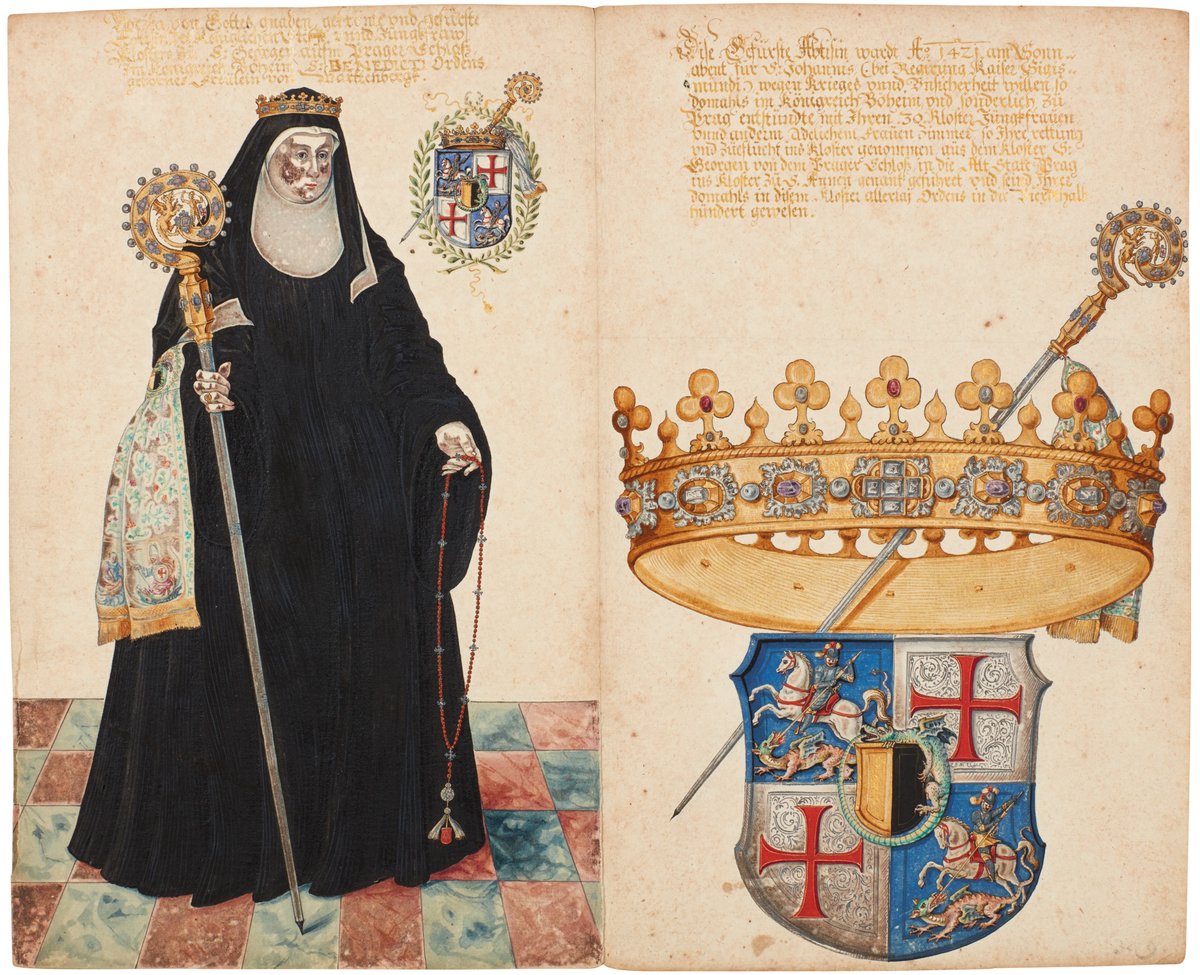
German school 17th century watercolor and gouache painting with gold highlights depicting the coat of arms and portrait of the abbess from the Wartenberg family at St. George monastery in Prague
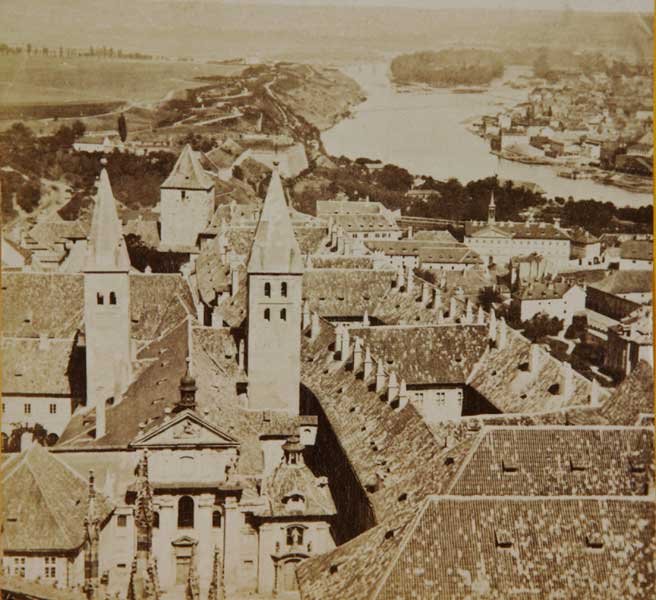
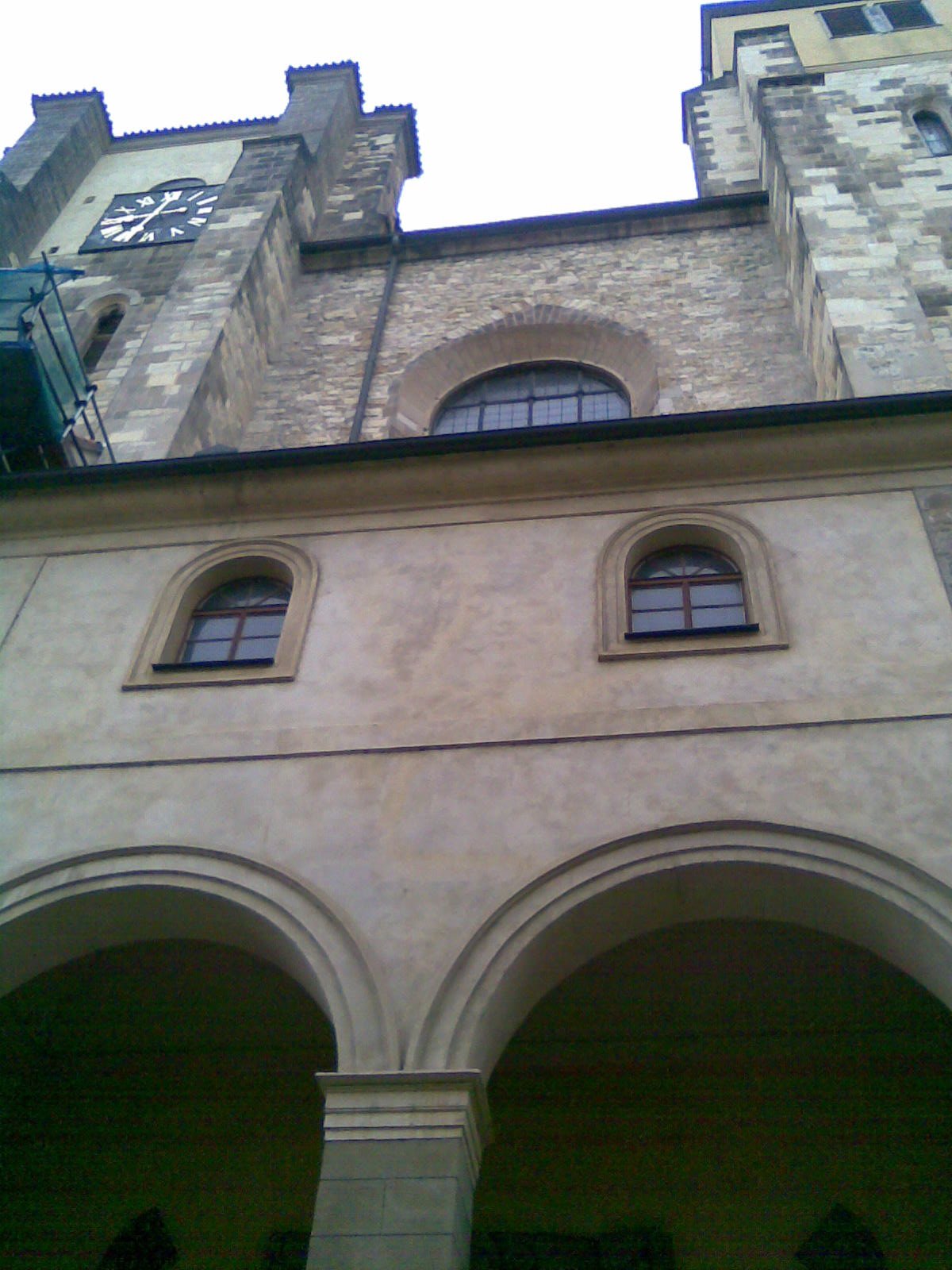
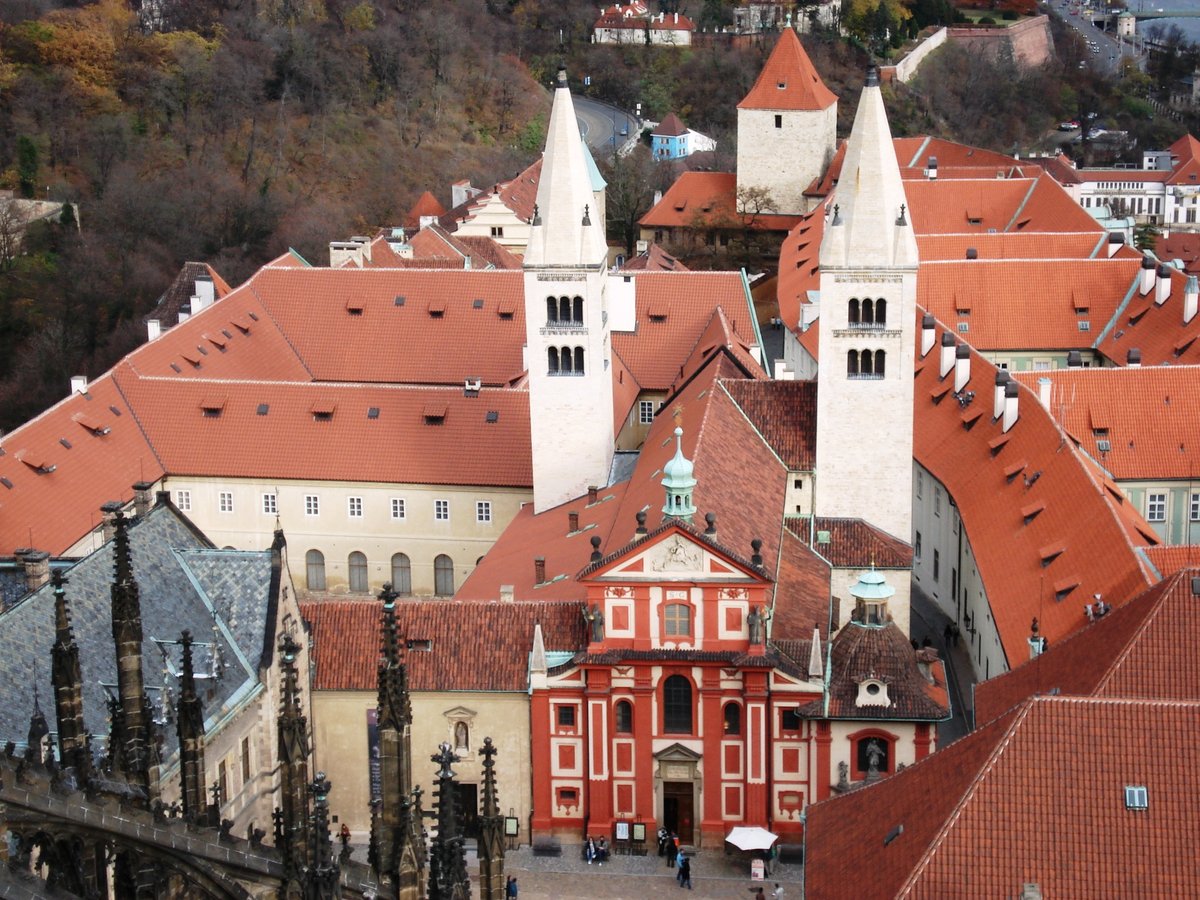
Historic view of St George Basilica in Prague Castle as seen from the St Vitus Cathedral in Prague in the year 1867.
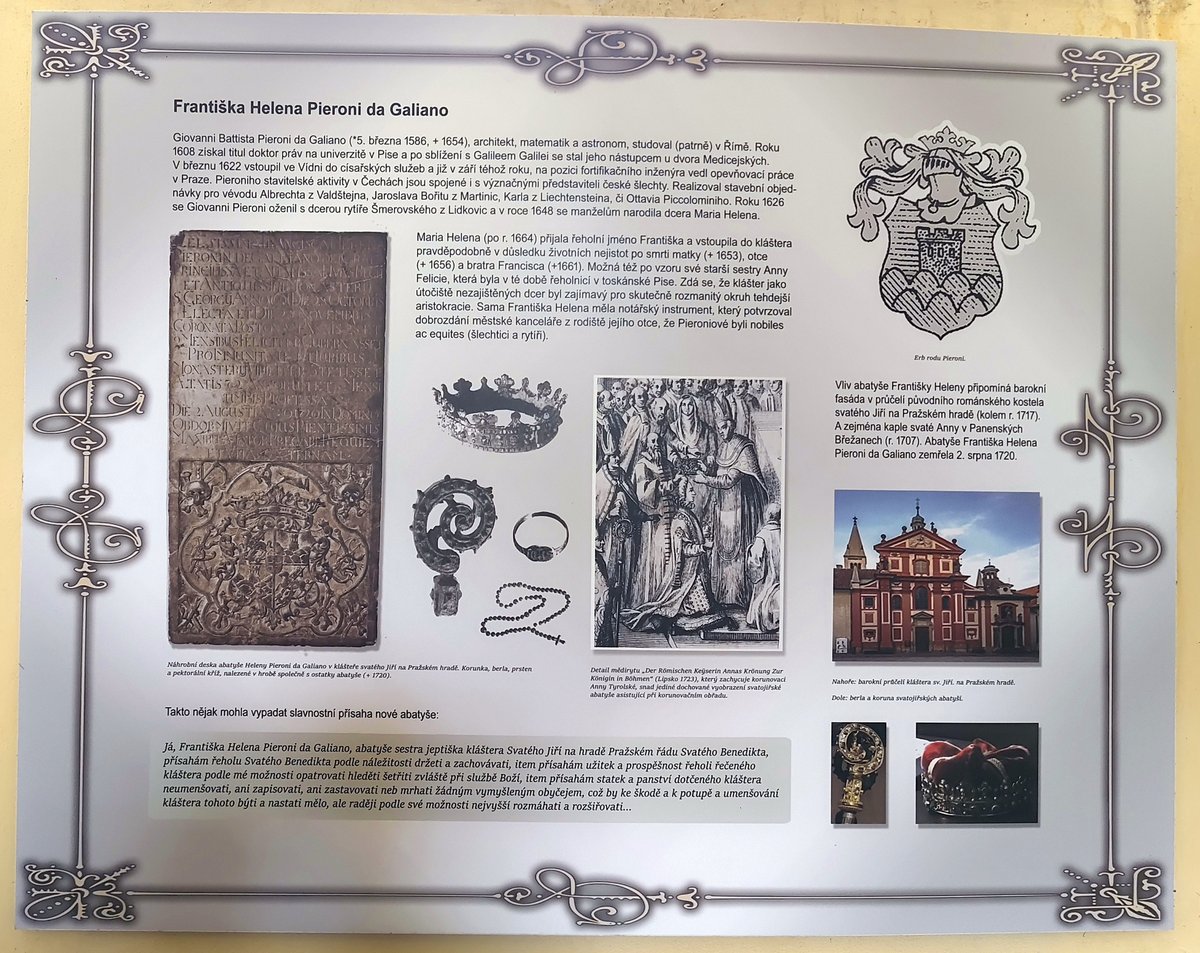
Czech information board at the Chapel of St. Anne, Upper Castle garden, Panenské Břežany, honoring Frantiska Helena Pieroni de Galliano (1648-1720), abbess of the Benedictine monastery St. George Prague. Chapel dated 1705-1707, linked to Jan Blažej Santini-Aichel and builder Filip Spannbrucker.
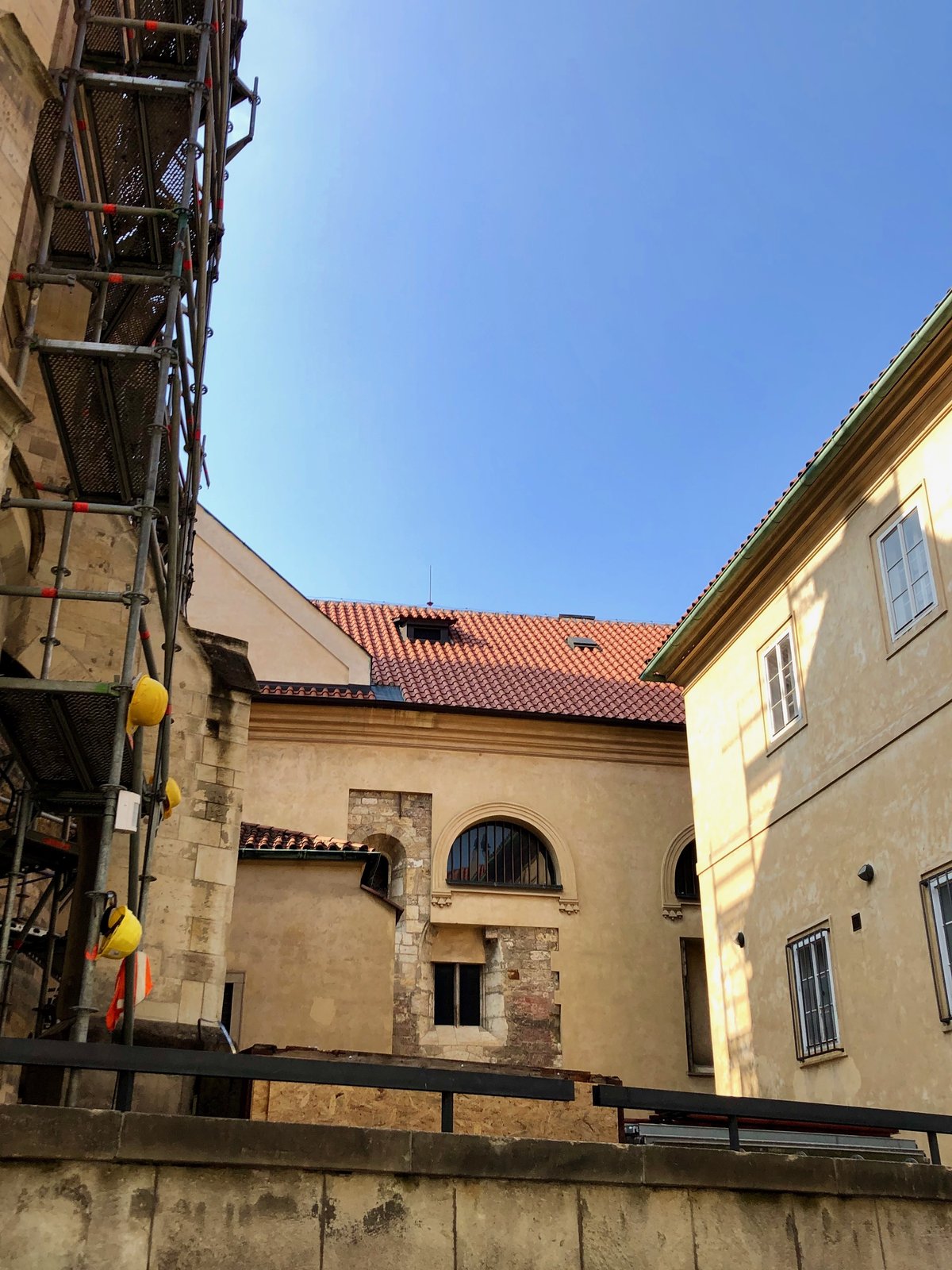
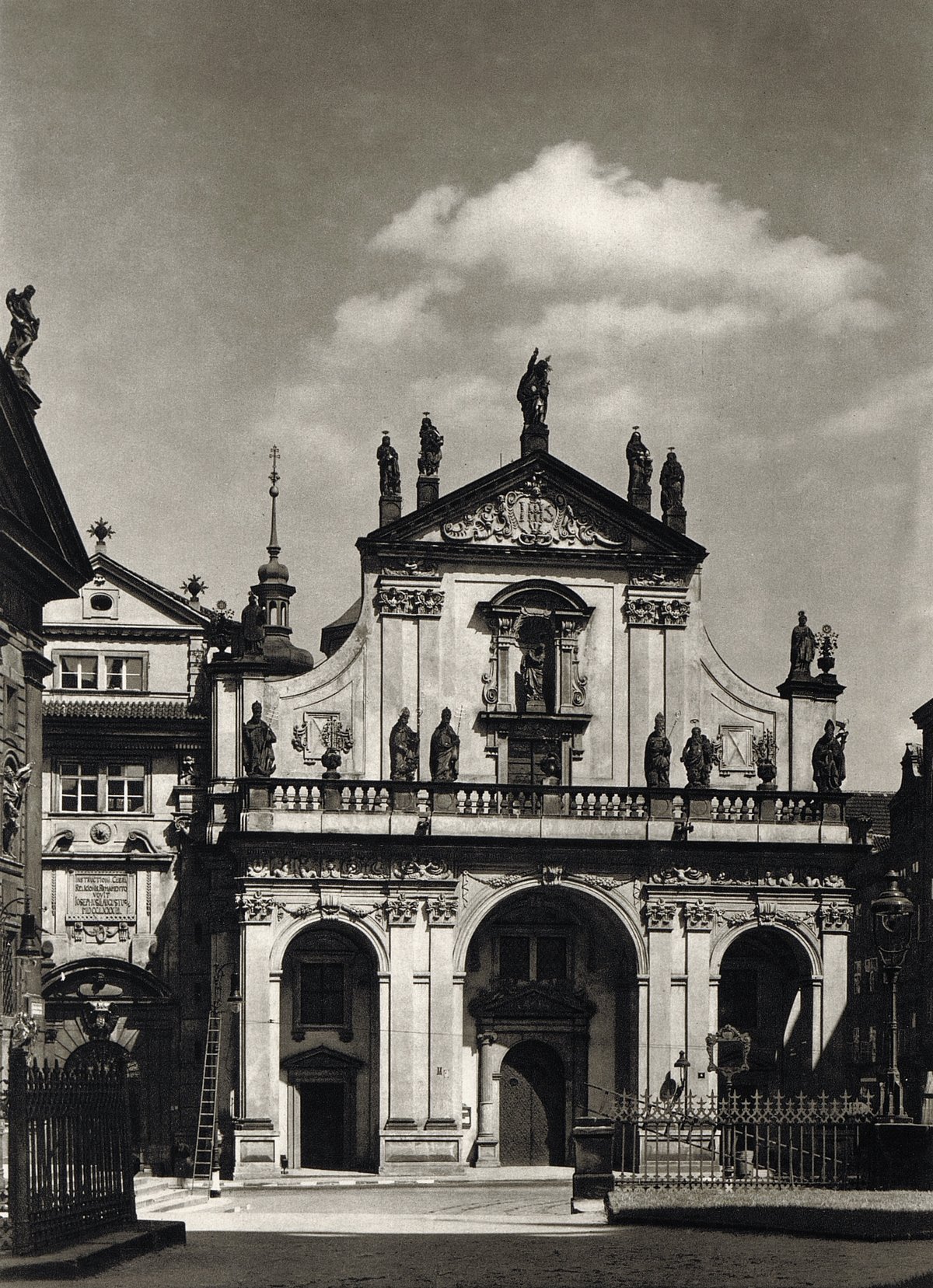
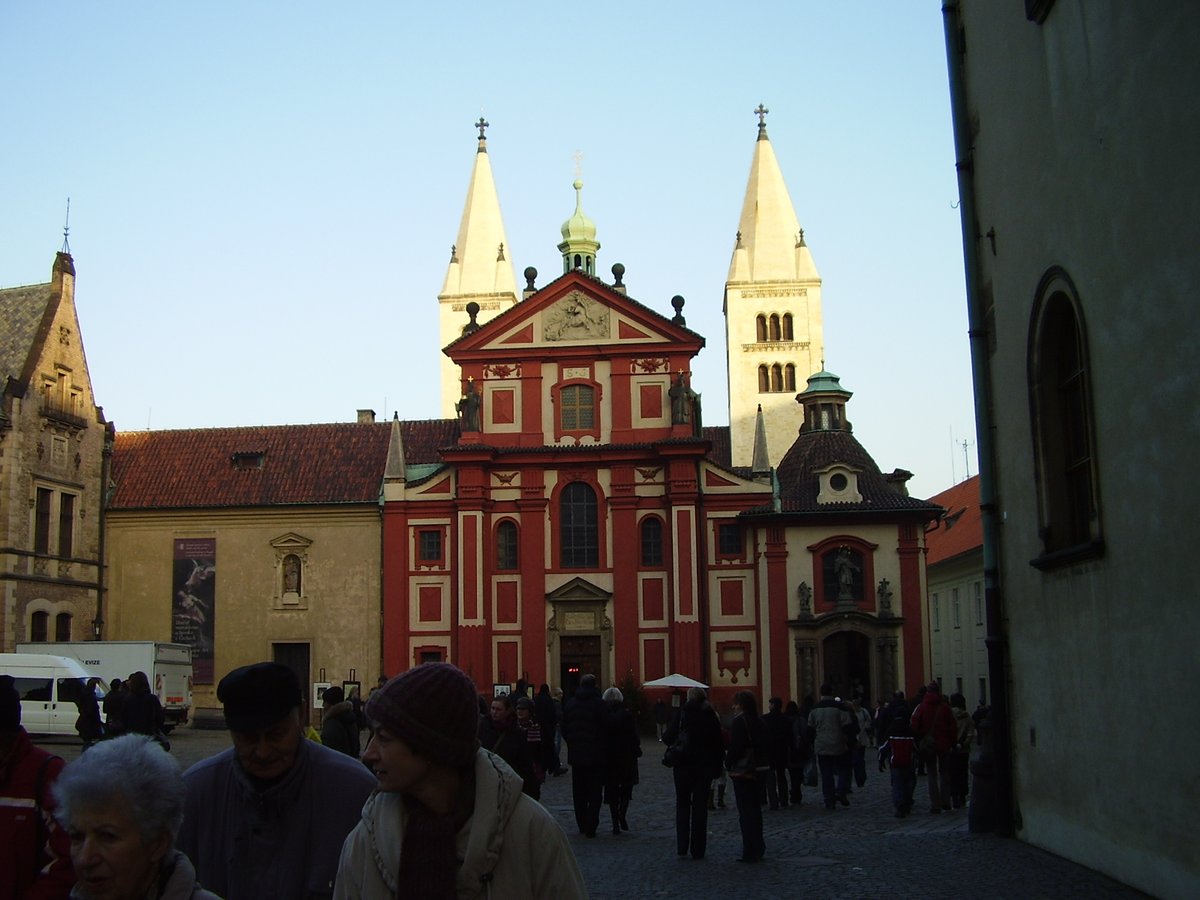
Historical Klášter Svatého Jiří monastery located within Prague Castle complex in the Hradčany district of Prague, Czech Republic
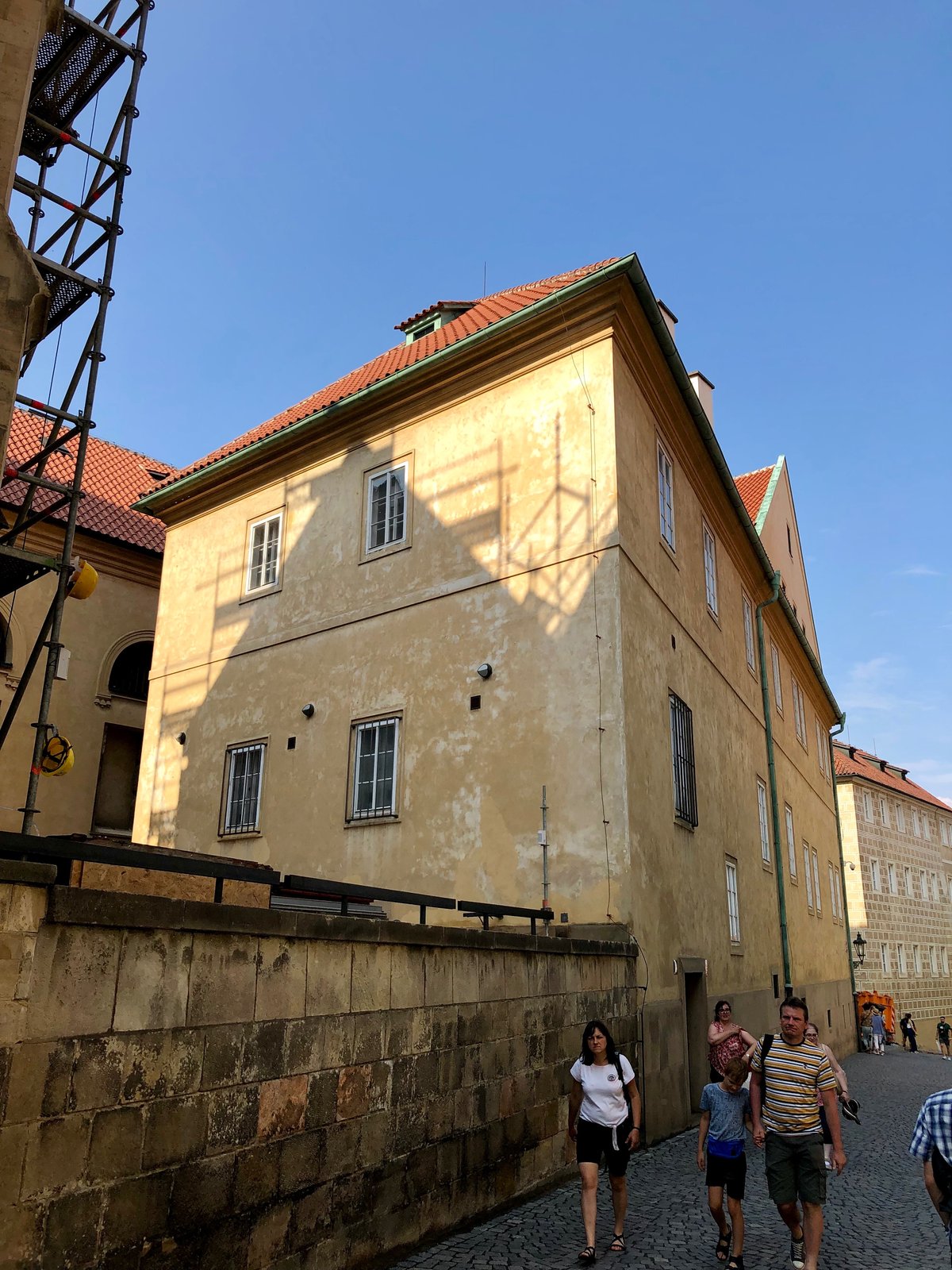
Historic Klášter Svatého Jiří monastery located within Prague Castle complex in the Hradčany district of Prague, Czech Republic
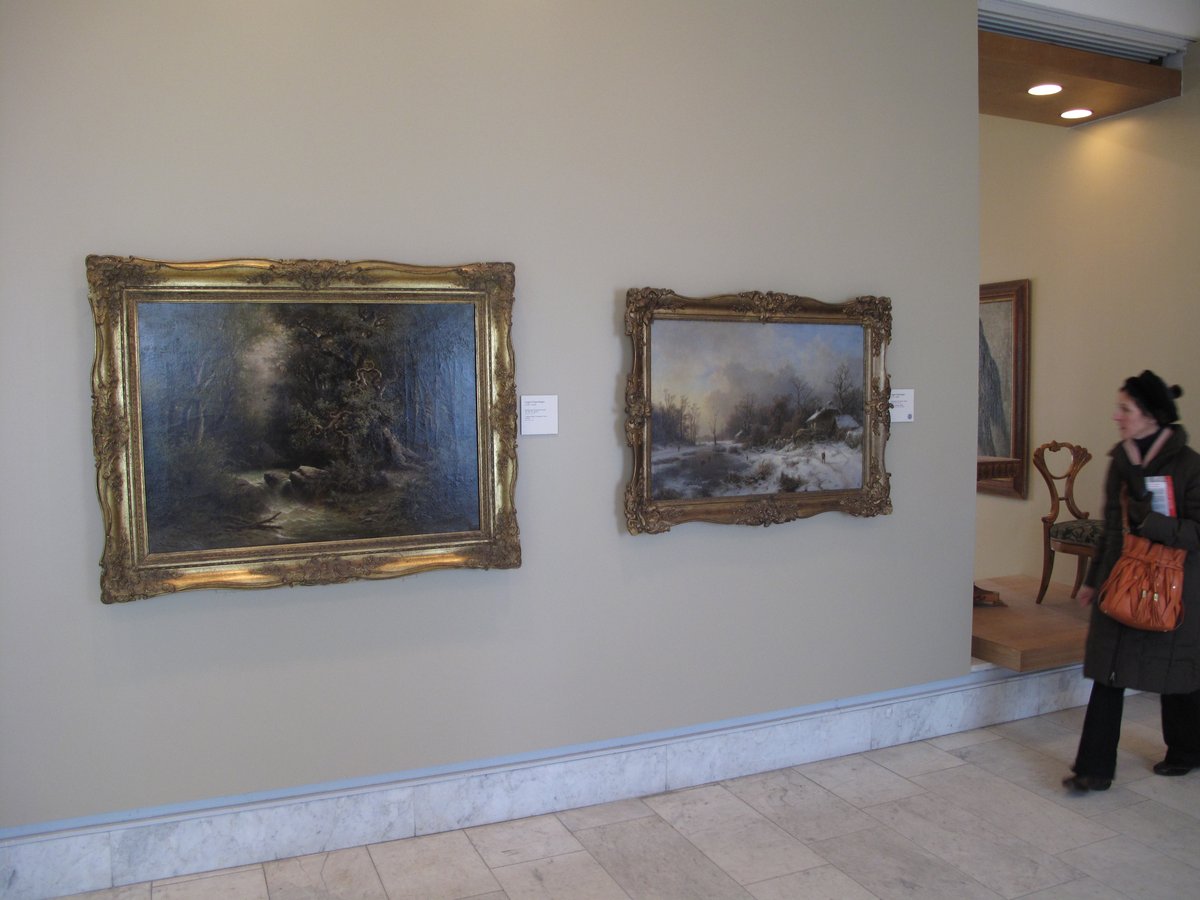
Permanent exhibition showcasing 19th-century Bohemian art (1790-1910) at the monastery of St. George, located within Prague Castle, part of the National Gallery in Prague, Czech Republic.
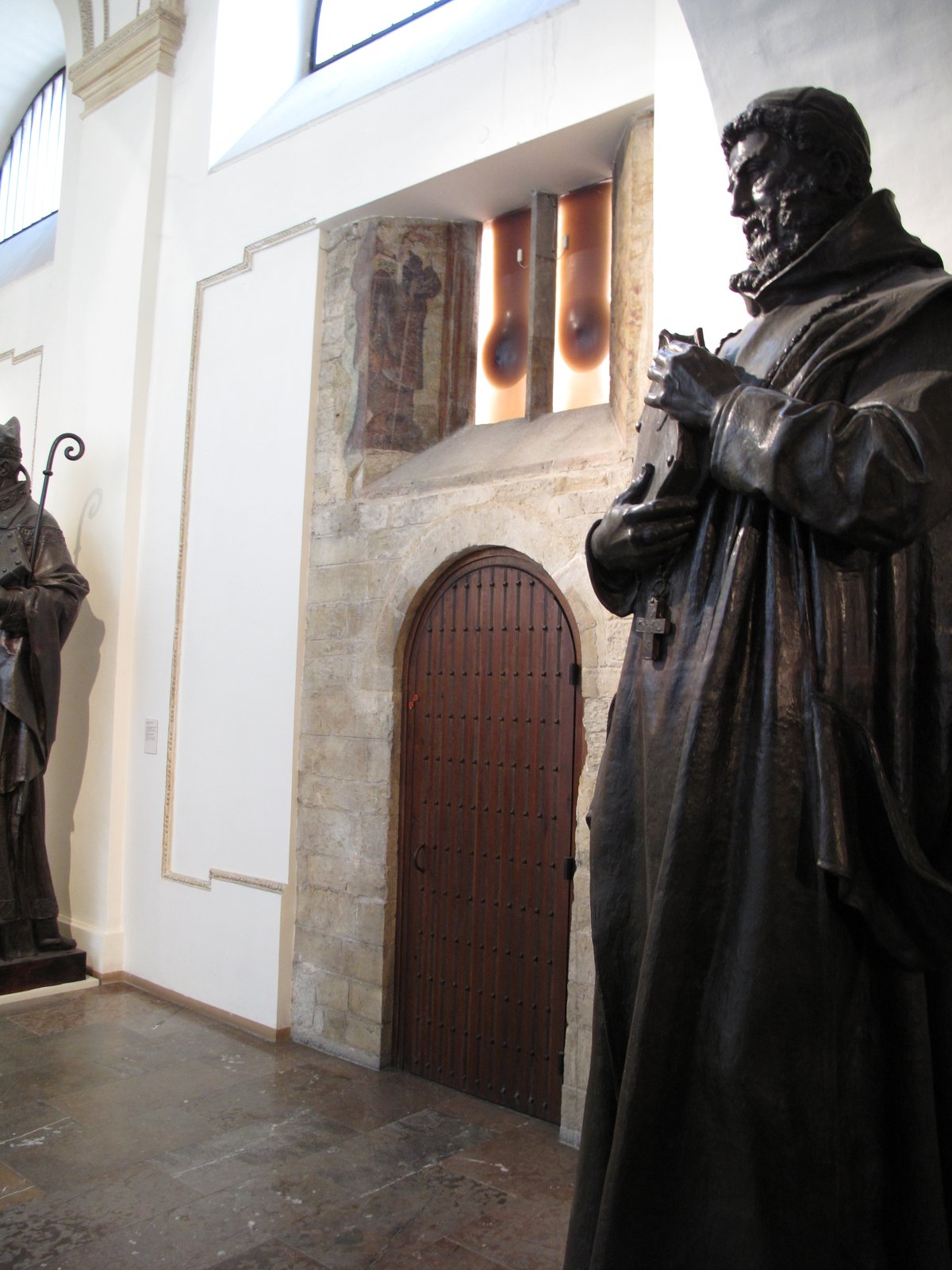
Permanent exhibition showcasing 19th-century Bohemian Art (1790-1910) inside the St. George's Monastery at Prague Castle, part of the National Gallery in Prague, Czech Republic.

View of the legs of visitors attending the exhibition of August Bedřich, Charlotte and Louisa Piepenhagen artworks in the monastery of St. George at Prague Castle, Czech Republic, hosted by the National Gallery in Prague.
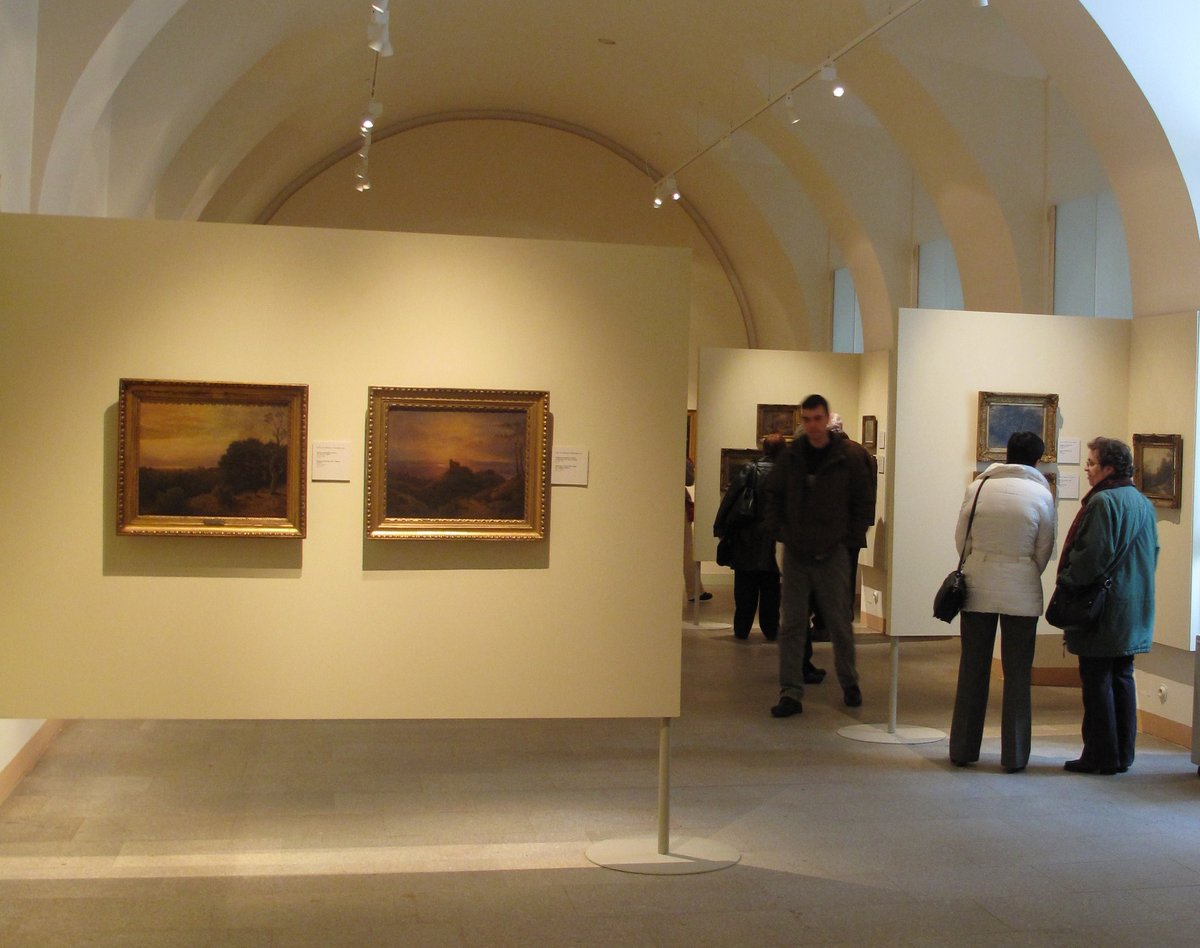
Exhibition of paintings by August Piepenhagen, Charlotte Piepenhagen-Mohr, and Louisa Piepenhagen held in the Monastery of St. George at Prague Castle, Czech Republic, hosted by the National Gallery in Prague.
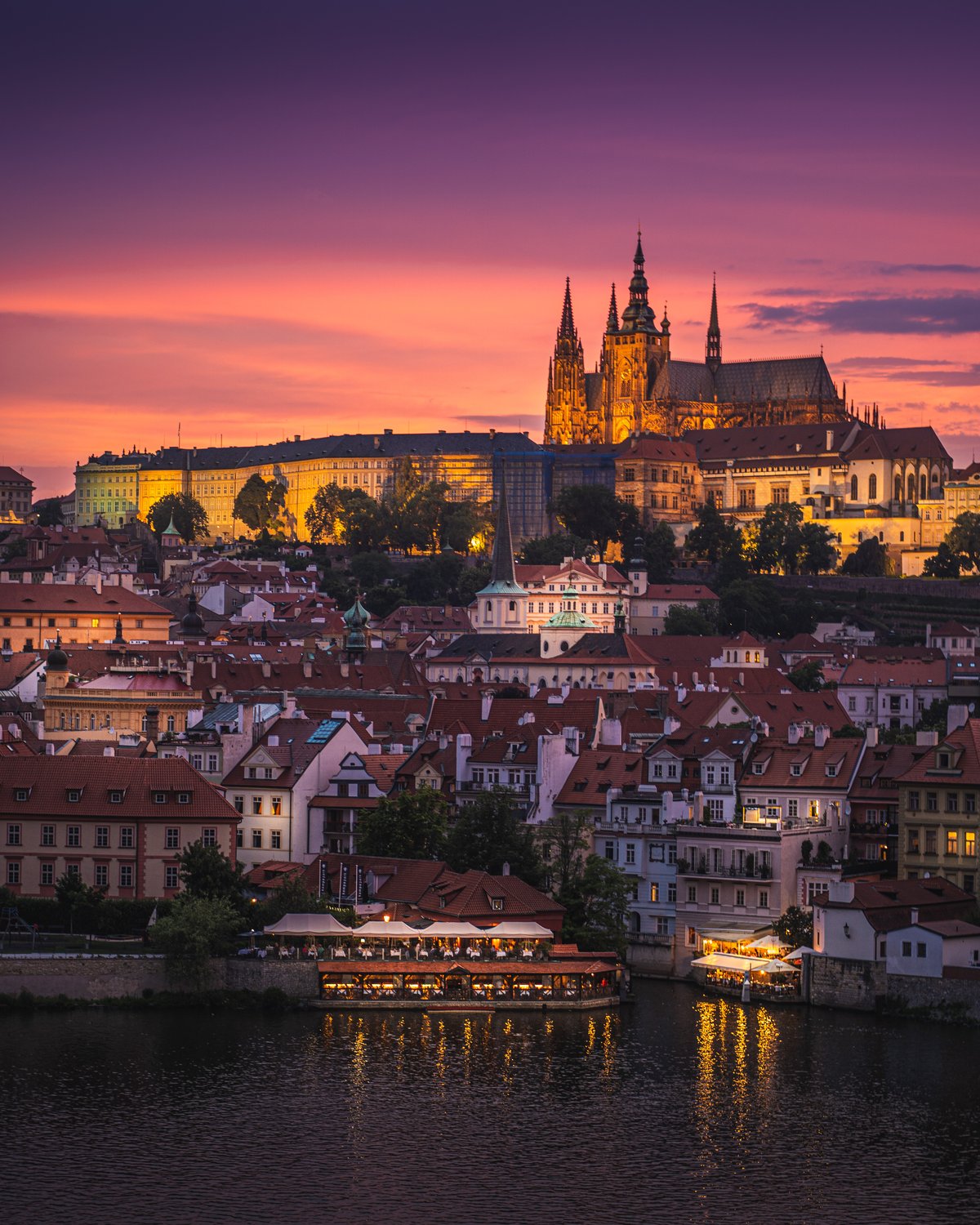
Screenshot showing Prague's cityscape from November 2006 featuring the historic Charles Bridge over the Vltava River and the surrounding urban landscape.
View of the Church and monastery of St George located in Prague Castle, housing Baroque and Mannerist collections of the National Gallery
Historical Background
Founding and Early Development
St. George’s Convent was the first monastery founded in Bohemia, established in 973 CE by Duke Boleslav II and his sister Mlada. Closely linked to the adjacent St. George’s Basilica (founded in 920 CE by Prince Vratislav I), the convent was intended for Benedictine nuns and quickly became central to the spiritual and cultural life of early medieval Bohemia. The convent’s abbess held the prestigious right to crown the Bohemian queen consort, underscoring its religious and political importance.
Architectural Evolution
The convent’s original structures were Romanesque, marked by solid stone construction and austere forms. The earliest surviving part is the St. Ann Chapel from the 12th century, while the basilica itself—consecrated in 921—retains much of its Romanesque character after reconstruction following a fire in 1142.
After the turmoil of the Hussite Wars in the 15th century, the convent underwent Renaissance remodeling, especially following the 1541 fire at Prague Castle. The 17th and early 18th centuries saw significant Baroque renovations, including a new façade and the addition of the Chapel of St. John Nepomuk, likely designed by Carlo Lurago and F.M. Kanka.
Religious and Cultural Significance
St. George’s Convent was a prestigious institution, attracting nuns from noble families and serving as a hub for religious, educational, and cultural activities. The basilica became a royal mausoleum, most notably housing the tomb of St. Ludmila, the first Bohemian Christian martyr and grandmother of St. Wenceslas.
Turbulence and Decline
The Hussite Wars forced the abandonment of the convent in the 15th century, but the nuns returned in 1437. Additional damage from the 1541 fire was repaired, yet the dissolution of monastic houses under Emperor Joseph II in 1782 led to its secularization and use as artillery barracks. The buildings deteriorated through the 19th century.
Restoration and Modern Role
In 1975, the convent was transformed into an exhibition space for the National Gallery Prague, showcasing Bohemian Mannerist and Baroque art. The basilica, restored in the late 19th and early 20th centuries, now serves as a concert hall and hosts weekly Mass. In 2016, the convent was restituted to the Roman Catholic Archdiocese and is currently under reconstruction, with future plans to continue its use as a gallery.
Visiting St. George’s Convent: Practical Information
Visiting Hours and Days of Operation
- St. George’s Basilica: Open daily, 9:00 AM to 5:00 PM (hours may vary by season; last entry typically 30 minutes before closing).
- St. George’s Convent: Temporarily closed due to reconstruction (as of 2024). Check the Prague Castle website or National Gallery Prague for updates.
Ticket Prices and Where to Buy
- Prague Castle Circuit Tickets: Entry to St. George’s Basilica is included in both the small and big circuit tickets (approx. 250–350 CZK for adults; discounts for students, seniors, families).
- Where to Buy: Tickets can be purchased online through the Prague Castle website or at the castle entrances. Special events and concerts may require separate tickets.
Accessibility
- The basilica is partially accessible to visitors with disabilities; some areas (like the crypt) may be difficult to access due to stairs and uneven surfaces.
- The castle grounds offer ramps and limited wheelchair access. For detailed assistance, contact the visitor information center in advance.
Getting There
- Public Transport: Tram lines 22 and 23 (stop: Pražský hrad) provide easy access.
- On Foot: The castle is a short uphill walk from Malá Strana or Hradčany.
Best Times to Visit
- Early mornings on weekdays and late afternoons outside peak tourist seasons (spring and summer) are recommended for a quieter experience.
Nearby Attractions
- Within Prague Castle: St. Vitus Cathedral, Old Royal Palace, Golden Lane, Lobkowicz Palace, Royal Gardens.
- Nearby Districts: The charming streets of Malá Strana (Lesser Town).
Guided Tours and Special Events
- Guided tours in multiple languages are available and provide in-depth historical and architectural context.
- The basilica hosts classical concerts and religious services; check the official schedule for event tickets and times.
Photography Guidance
- Non-flash photography is permitted for personal use.
- Tripods and commercial photography require special permission.
- Respect all staff instructions to help preserve the historic environment.
Frequently Asked Questions (FAQ)
Q: Can I visit St. George’s Basilica without a Prague Castle ticket?
A: No, a valid Prague Castle small or big circuit ticket is required for entry.
Q: Is the convent currently open to visitors?
A: As of 2024, the convent is closed for reconstruction. The basilica remains open.
Q: Are guided tours available in English?
A: Yes, guided tours in English and other languages can be booked in advance or at the castle.
Q: Is the site wheelchair accessible?
A: The basilica and some areas are accessible; however, the crypt and upper galleries are not. Contact visitor services for detailed information.
Q: Are concerts held in St. George’s Basilica?
A: Yes, classical concerts are regularly hosted. Check the official schedule for details.
Q: Can I take photos inside?
A: Non-flash photography is allowed; tripods require special permission.
Summary and Travel Tips
St. George’s Convent and Basilica represent a unique fusion of historical depth, architectural beauty, and cultural significance at the heart of Prague Castle. While the convent is temporarily closed for restoration, the basilica remains a must-see for its Romanesque towers, St. Ludmila’s tomb, and vibrant Baroque features. Plan your visit with the practical details above for a rewarding experience, and consider exploring nearby castle attractions or attending a concert.
For the latest updates on reopening, exhibitions, and events, consult the Prague Castle website and the National Gallery Prague. Enhance your experience further by downloading the Audiala app for personalized audio guides and up-to-date visitor information.
Listen to the full story in the app
Your Personal Curator, in Your Pocket.
Audio guides for 1,100+ cities across 96 countries. History, stories, and local insight — offline ready.
Audiala App
Available on iOS & Android
Join 50k+ Curators
Sources
-
verified
Visiting St
George’s Convent in Prague: History, Tickets, and Travel Tips, 2024, National Gallery Prague
-
verified
St
George’s Convent Prague: Visiting Hours, Tickets, History, and Visitor Guide, 2024, National Gallery Prague
-
verified
Visiting St
George’s Basilica in Prague Castle: Tickets, Hours, and Historical Highlights, 2024, Avantgarde Prague
- verified
Last reviewed: